
Bitcoin’s Microtransaction Surge: What’s Driving the Network Near Record Activity
By Mag-Info Tech editorial · 2026-06-19
Bitcoin’s network is humming again—not because of a price rally, but because of a flood of tiny, data-heavy transactions. Microtransactions under 0.01 BTC now account for roughly 80% of all daily Bitcoin transfers, pushing network activity close to record highs even as the price of Bitcoin has remained relatively flat. This shift is being driven largely by the growth of Ordinals, Runes, and other data-inscription protocols that embed text, images, or tokens directly into Bitcoin transactions. The result is a surge in OP_RETURN usage, an opcode that allows arbitrary data to be attached to transactions without creating spendable outputs. While these transactions add little economic value, they are reshaping how block space is used and how fees are set—raising questions about long-term sustainability and the balance between speculative activity and core utility.
The Microtransaction Surge: Numbers and Trends
The scale of this shift is substantial. In 2023, transactions below 0.01 BTC represented about 44% of all daily Bitcoin transactions. By mid-2026, that share has nearly doubled, with microtransactions now dominating the network. According to a report from CryptoQuant, this surge has pushed the Bitcoin “Network Activity Index” into positive territory for the first time since 2024. The index, which measures the intensity of on-chain activity beyond simple value transfers, reflects growing engagement with non-financial use cases on the Bitcoin blockchain.
What’s behind this rise? The most visible drivers are Ordinals and Runes. Ordinals, which allow users to inscribe data like images or text onto individual satoshis, and Runes, a protocol for creating fungible tokens on Bitcoin, both generate large volumes of low-value transactions. These protocols rely heavily on OP_RETURN outputs to store metadata without creating new spendable UTXOs. The removal of the 80-byte relay limit in Bitcoin Core in 2025 further enabled this expansion, though it sparked debate within the community about the impact on network performance and fee markets. Prior spikes in activity occurred during the 2023 Ordinals boom and late 2024 with Runes, but the current wave is more sustained, with OP_RETURN usage now near record levels.
Block Space Competition and Fee Pressure
The economic value of these microtransactions is minimal, but their footprint on the network is not. Because they compete for block space with regular transfers, they can increase congestion and drive up fees for users sending actual value. The CryptoQuant report warns that sustained growth in non-financial activity could “increase block space competition and raise fees for economic transactions.” This is a reversal of the trend seen in 2024 and early 2025, when fee markets were relatively calm due to lower inscription activity.
During past inscription booms, such as the 2023 Ordinals surge and the late 2024 Runes launch, transaction backlogs grew significantly as users rushed to inscribe data. These events temporarily crowded out regular transactions and led to fee spikes. While the current congestion remains below those peaks—Bitcoin’s network activity is still about 7% below its all-time high recorded in September 2024—the trajectory suggests that if inscription protocols continue to grow, fee volatility could return. Miners benefit from higher fees, but users sending Bitcoin for payments or settlements face rising costs and slower confirmation times.
OP_RETURN: The Engine Behind the Data Surge
At the heart of this transformation is OP_RETURN, a script opcode that allows Bitcoin transactions to carry small amounts of arbitrary data without creating spendable outputs. Historically, OP_RETURN was limited to 80 bytes, but in 2025, Bitcoin Core developers removed this cap to accommodate larger data payloads. The change was intended to support new use cases, but it also opened the door to more intensive data inscription practices.
The removal of the 80-byte relay limit was controversial. Critics argued that it would lead to bloated blocks and higher fees for everyone, while proponents saw it as a necessary step to enable new applications on Bitcoin. The current surge in OP_RETURN usage suggests that the latter view has gained traction, at least in terms of adoption. Today, OP_RETURN outputs are being used not just for Ordinals and Runes, but also for timestamping services, metadata storage, and even experimental token standards like BRC-20. These activities collectively contribute to the microtransaction wave, pushing the network’s daily transaction count upward even when price-driven transfers are subdued.
The Cost of Non-Economic Activity
While the network’s activity is reaching new highs, the economic utility of these transactions remains limited. Most microtransactions under 0.01 BTC are not payments for goods or services; they are data carriers. This means that despite the high volume, the actual throughput of value on the network is not increasing proportionally. The CryptoQuant report highlights that “the economic value of these transactions is, however, disproportionately small,” meaning that the network is being used more as a data storage layer than as a payment system.
This raises important questions about the long-term health of the Bitcoin network. If inscription protocols continue to dominate, block space will become increasingly scarce for traditional use cases. This could push users toward second-layer solutions like the Lightning Network or sidechains, or force them to accept higher fees and longer wait times. It could also accelerate innovation in fee market design, such as the adoption of fee bumping mechanisms or more granular fee estimation tools. For now, miners are benefiting from increased fee revenue, but if the trend continues unchecked, it could undermine Bitcoin’s core value proposition as a decentralized, low-cost payment network.
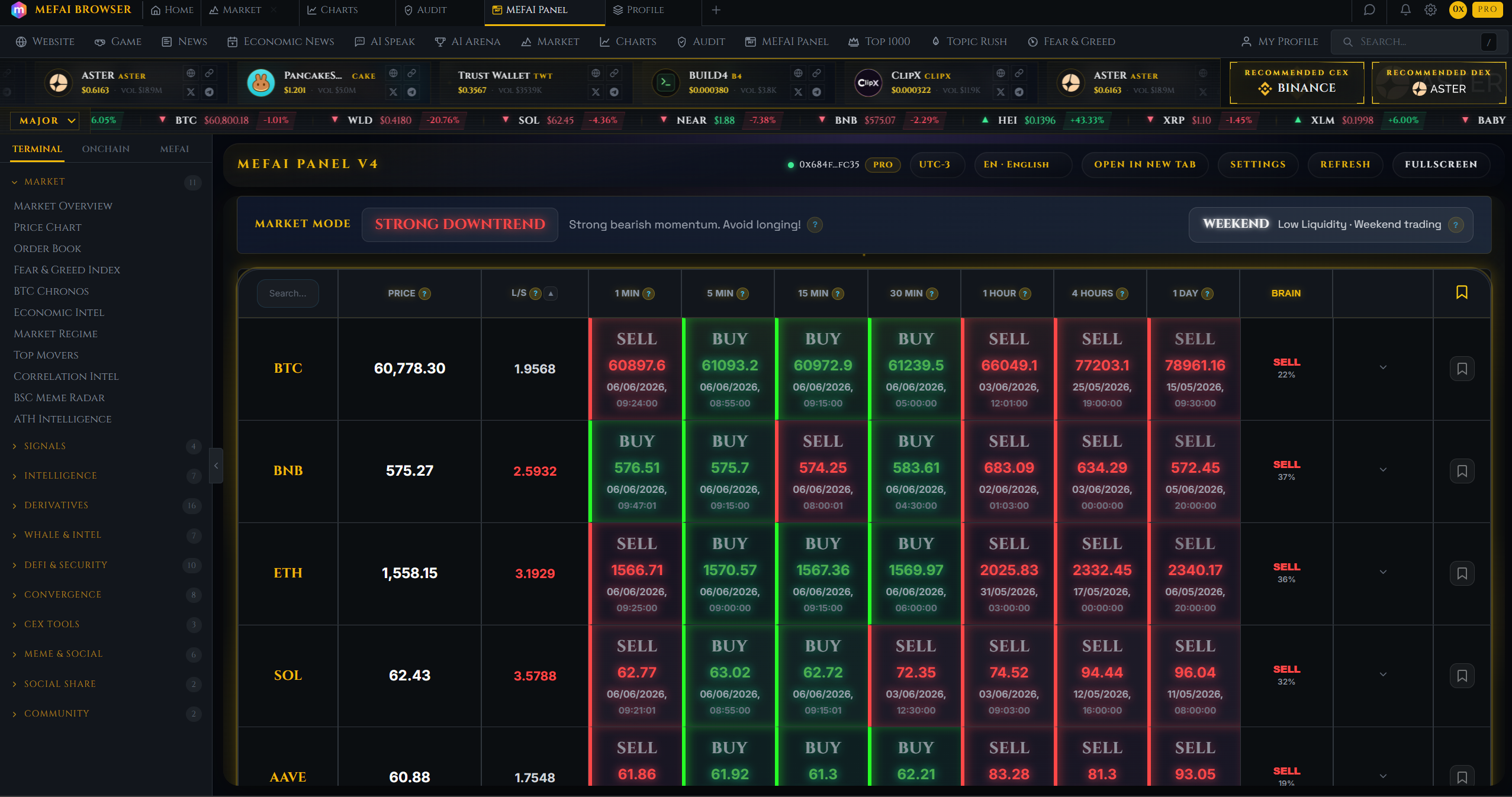
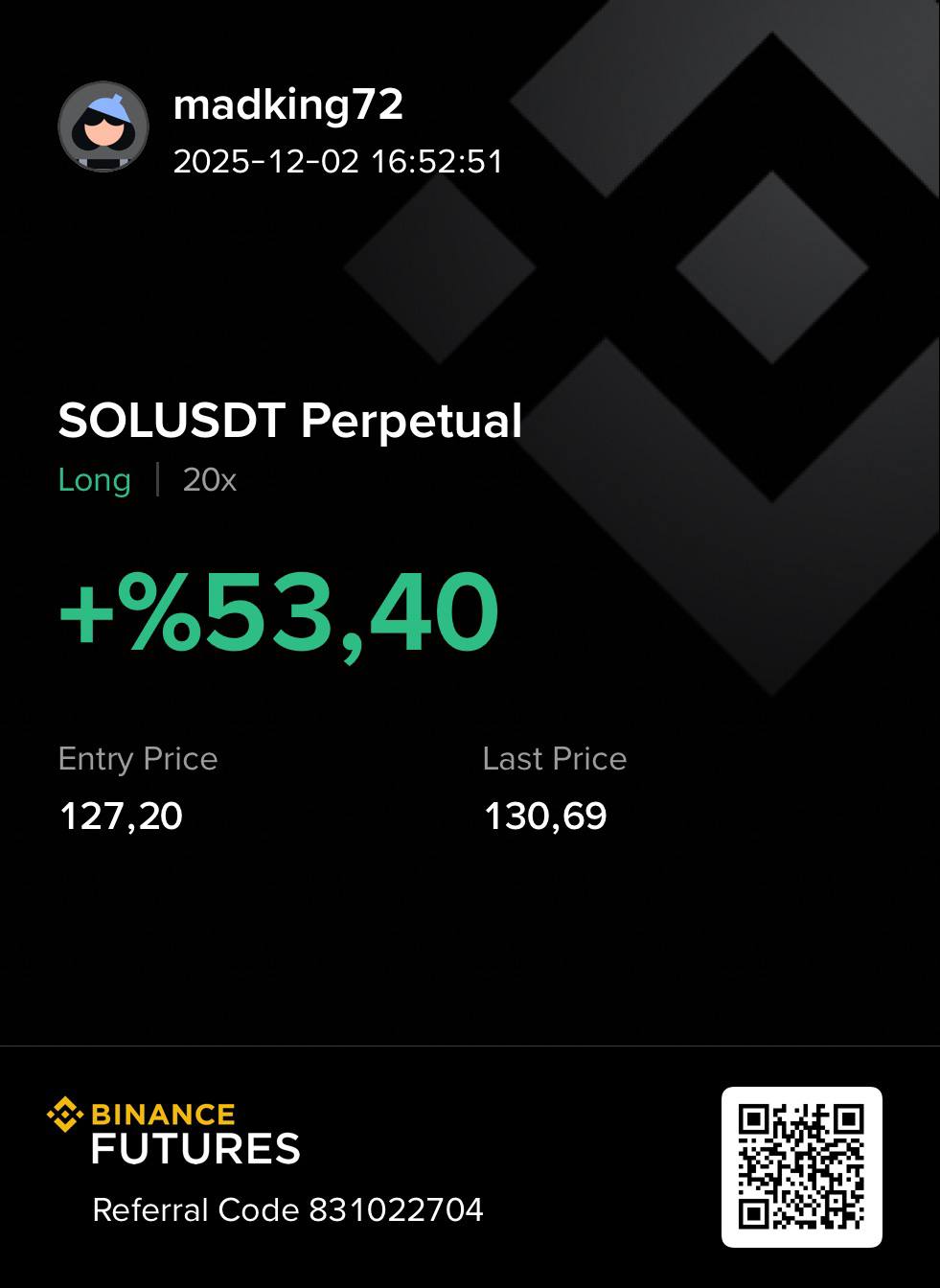
Real results from MEFAI's AI. Get $50 off the Pro plan.
Sponsored · Past performance is not indicative of future results. Not financial advice.

Ordinals, Runes, and the Evolving Bitcoin Economy
The rise of Ordinals and Runes is reshaping the Bitcoin economy in subtle but meaningful ways. Ordinals, which allow users to attach data to satoshis, have created a new class of digital artifacts—unique, tradable items that exist on the blockchain. Runes, on the other hand, enable the creation of fungible tokens directly on Bitcoin, similar to Ethereum’s ERC-20 standard. Both protocols have attracted significant attention and capital, driving transaction volume and developer activity.
However, their impact on Bitcoin’s utility is mixed. While they bring new users and use cases to the network, they also introduce complexity and potential centralization risks. For example, the creation of Runes tokens requires a specific transaction format that can lead to spam-like behavior, where users flood the network with low-value transactions to mint or transfer tokens. Similarly, Ordinals inscriptions can create large, non-standard transactions that strain node resources and complicate fee estimation. These dynamics are not inherently bad, but they do require careful management to ensure the network remains accessible and efficient for all participants.
What This Means for Users and Developers
For everyday Bitcoin users, the microtransaction surge means a more crowded and potentially more expensive network. Users sending payments or interacting with decentralized applications may face higher fees and slower confirmation times, especially during periods of high inscription activity. This could push more users toward Lightning Network channels or custodial solutions that offer faster and cheaper transactions. It could also encourage the development of more sophisticated fee estimation tools that help users avoid overpaying during congestion.
For developers building on Bitcoin, the rise of inscription protocols presents both opportunities and challenges. On one hand, new protocols like Runes and Ordinals enable innovative applications, from digital art markets to tokenized assets. On the other hand, the increased data load can make it harder to run full nodes and maintain a healthy peer-to-peer network. Developers will need to optimize their applications for fee efficiency and consider the long-term scalability implications of their designs. This could lead to a renewed focus on layer-2 solutions, such as state channels or rollups, that reduce the burden on the base layer while preserving Bitcoin’s security and decentralization.
Regulatory and Social Implications
The surge in microtransactions and data inscription also raises regulatory and social questions. While Bitcoin transactions themselves remain pseudonymous, the attachment of metadata—such as images, text, or token information—could attract scrutiny from regulators concerned about money laundering, illicit content, or unregistered securities. For example, if Ordinals are used to store illegal content or Runes tokens are deemed securities, it could lead to legal challenges or enforcement actions against platforms facilitating these activities.

Socially, the rise of inscription protocols has sparked debates about the purpose of Bitcoin. Some argue that Bitcoin should remain a simple, reliable payment system, while others see it as a neutral, censorship-resistant data storage layer. The current trend leans toward the latter, with Bitcoin increasingly used for purposes beyond peer-to-peer electronic cash. This evolution reflects broader trends in the crypto ecosystem, where blockchains are being repurposed for a wide range of applications. However, it also risks diluting Bitcoin’s original vision and complicating its value proposition for new users.
Looking Ahead: What to Watch
The Bitcoin network’s activity is not yet at an all-time high, but it is closer than it has been in years. Several factors will determine whether this trend continues or reverses. First, the adoption of Runes and Ordinals will be critical. If these protocols gain mainstream traction, inscription activity could become a permanent fixture of the network. Second, the response of miners and node operators will matter. If congestion leads to unsustainable fee increases, pressure may mount to implement changes that prioritize economic transactions. Third, the development of layer-2 solutions like Lightning and sidechains will be closely watched. If these solutions can absorb the data load while keeping the base layer efficient, Bitcoin’s utility as a payment system could be preserved.
Finally, regulatory developments will play a key role. If inscription protocols attract regulatory scrutiny or legal challenges, it could dampen innovation or push activity off-chain. Conversely, clear regulatory guidance could legitimize these use cases and accelerate adoption. For now, the microtransaction surge is a sign of Bitcoin’s evolving role in the digital economy—a role that is becoming less about simple value transfer and more about programmable, data-rich interactions.
In the short term, users should prepare for higher fees and potential congestion during peak activity periods. In the long term, Bitcoin’s ability to balance its core utility with emerging use cases will determine its relevance in an increasingly diverse crypto landscape. The network’s strength has always been its adaptability, but the current surge in microtransactions will test that adaptability like never before.
More in Crypto & Trading
Morgan Stanley’s Cheap Ethereum and Solana ETFs Signal Late Entry Strategy in US Spot Market
Morgan Stanley is preparing to launch the cheapest spot Ethereum and Solana ETFs in the US at 0.14%, undercutting rivals and signaling a late-mover strategy focused on cost leadership.
XRP’s Weekend Dip Below $1.14 and the Buyers That Pulled It Back
XRP briefly fell below $1.14 on heavy weekend selling but quickly recovered to the $1.15 area, keeping the token inside its month-long $1.10–$1.30 range.
Bitcoin Stays Flat as Stocks Rise: Why Crypto Isn’t Joining the Risk-On Trade
Bitcoin stayed near $64,000 as Asian equities rallied on US-Iran peace talks and lower oil prices, with crypto trading sideways and memecoins leading losses.