
Morgan Stanley’s Cheap Ethereum and Solana ETFs Signal Late Entry Strategy in US Spot Market
By Mag-Info Tech editorial · 2026-06-22
Morgan Stanley is set to launch two of the most competitively priced spot crypto ETFs in the United States, with fee structures that analysts describe as the lowest on record. The firm’s updated filings for an Ether (ETH) and a Solana (SOL) ETF reveal a uniform 0.14% management fee, a move that directly challenges incumbents such as BlackRock, Fidelity, and Grayscale. This pricing strategy signals Morgan Stanley’s intent to carve out a foothold in the rapidly maturing US spot crypto ETF market by prioritizing cost efficiency over brand dominance or first-mover advantage. With regulatory approval likely imminent, the move underscores how fee competition has become the primary battleground in crypto ETF adoption.
The updated fee levels represent a deliberate undercutting of existing products. For Ethereum ETFs, the current lowest fee is 0.15% from Grayscale’s Ethereum Staking Mini ETF, while Solana ETFs are currently led by Franklin Templeton’s SOEZ at 0.19%. Morgan Stanley’s 0.14% fee is therefore positioned as the new floor in both categories, effectively making it the cheapest option available in the US and globally, according to public commentary from ETF analysts. This pricing model mirrors the firm’s earlier launch of a spot Bitcoin ETF in April, which also entered the market at 0.14% and has since accumulated over $331 million in total inflows—outpacing several January 2024 entrants including Invesco, Franklin Templeton, and CoinShares.
The Fee War Arrives in Crypto ETFs
Fee competition has long been a defining feature of traditional ETF markets, where basis-point differences can determine investor flows and market share. In crypto, this dynamic has only recently taken hold. The first wave of spot Bitcoin and Ethereum ETFs launched with fees ranging from 0.25% to 0.90%, reflecting premium positioning and limited competition. However, as issuers jockey for position and regulatory clarity improves, fee compression has accelerated. Morgan Stanley’s entry at 0.14% across both ETH and SOL ETFs marks a turning point: it signals that crypto ETFs are now competing on cost parity with traditional asset classes.
The impact on investor behavior could be significant. Lower fees directly reduce the drag on returns, especially in volatile asset classes like crypto. For example, an investor holding $10,000 in a 0.14% ETF would pay $14 annually in fees, compared to $19 in a 0.19% product. Over multi-year horizons, this compounds into meaningful savings. Moreover, fee compression may force incumbents to rethink their pricing or risk losing market share to newer, cheaper entrants. This trend could extend to other crypto assets, with issuers potentially introducing lower-cost products for Bitcoin, Solana, or even smaller-cap tokens like Cardano or Polkadot, should demand materialize.
Regulatory Momentum and Market Timing
Morgan Stanley’s amended filings—submitted as Form S-1 updates—are widely interpreted as a signal that the US Securities and Exchange Commission (SEC) is nearing approval for the ETH and SOL ETFs. Amendments of this nature are common in the final stages of regulatory review, as issuers refine terms, fees, and operational details in response to SEC feedback. The fact that Morgan Stanley has revised its applications twice since the initial January 2024 filings suggests the process is advancing toward resolution.

If approved, these would become the 11th spot Ether ETF and the seventh spot Solana ETF in the US market. While Solana ETFs are still in early innings compared to Bitcoin and Ethereum, the regulatory green light would represent a major milestone for the network, which has faced scrutiny over its centralization and regulatory status. The simultaneous approval of both products would give Morgan Stanley a diversified crypto ETF suite from day one, positioning the firm as a full-spectrum crypto asset manager. This could be particularly attractive to institutional investors seeking regulated exposure to multiple crypto assets through a single custodian.
Infrastructure and Custody: The Backbone of Trust
Behind the low fees lies a carefully selected infrastructure stack. Morgan Stanley’s filings identify Figment, Galaxy Blockchain Infrastructure, and Coinbase Canada as key service providers for staking, custody, and market-making. Figment’s involvement suggests a focus on staking yield for the Ethereum ETF, potentially offering investors not just price exposure but also yield generation—a feature increasingly demanded in post-Merge ETH markets. Galaxy’s role likely centers on secure custody and institutional-grade asset management, while Coinbase Canada provides local market access and liquidity in Canadian dollars, an important consideration for North American investors.
This infrastructure alignment is critical. Unlike traditional ETFs, crypto ETFs require seamless integration with blockchain networks for settlement, staking, and redemption. Any operational hiccup—such as delayed withdrawals, slashing events, or custody failures—could erode trust and trigger outflows. By partnering with established blockchain infrastructure firms, Morgan Stanley is signaling a commitment to operational reliability. This is especially important given the firm’s late entry: to compete, it must not only offer low fees but also demonstrate flawless execution in a market where trust is still being rebuilt after past failures.
Investor Incentives: Why Lower Fees Matter
The fee reduction is not merely symbolic—it has real implications for investor returns and adoption. In a market where crypto assets are highly volatile, even small differences in fees can compound over time. Consider a $100,000 investment in a Solana ETF: at 0.19%, annual fees would total $190, whereas at 0.14%, they would be $140. Over five years, assuming no price appreciation, the total fee cost difference is $250. While this may seem modest, it becomes significant when scaled across thousands of investors or when combined with yield from staking or lending programs.
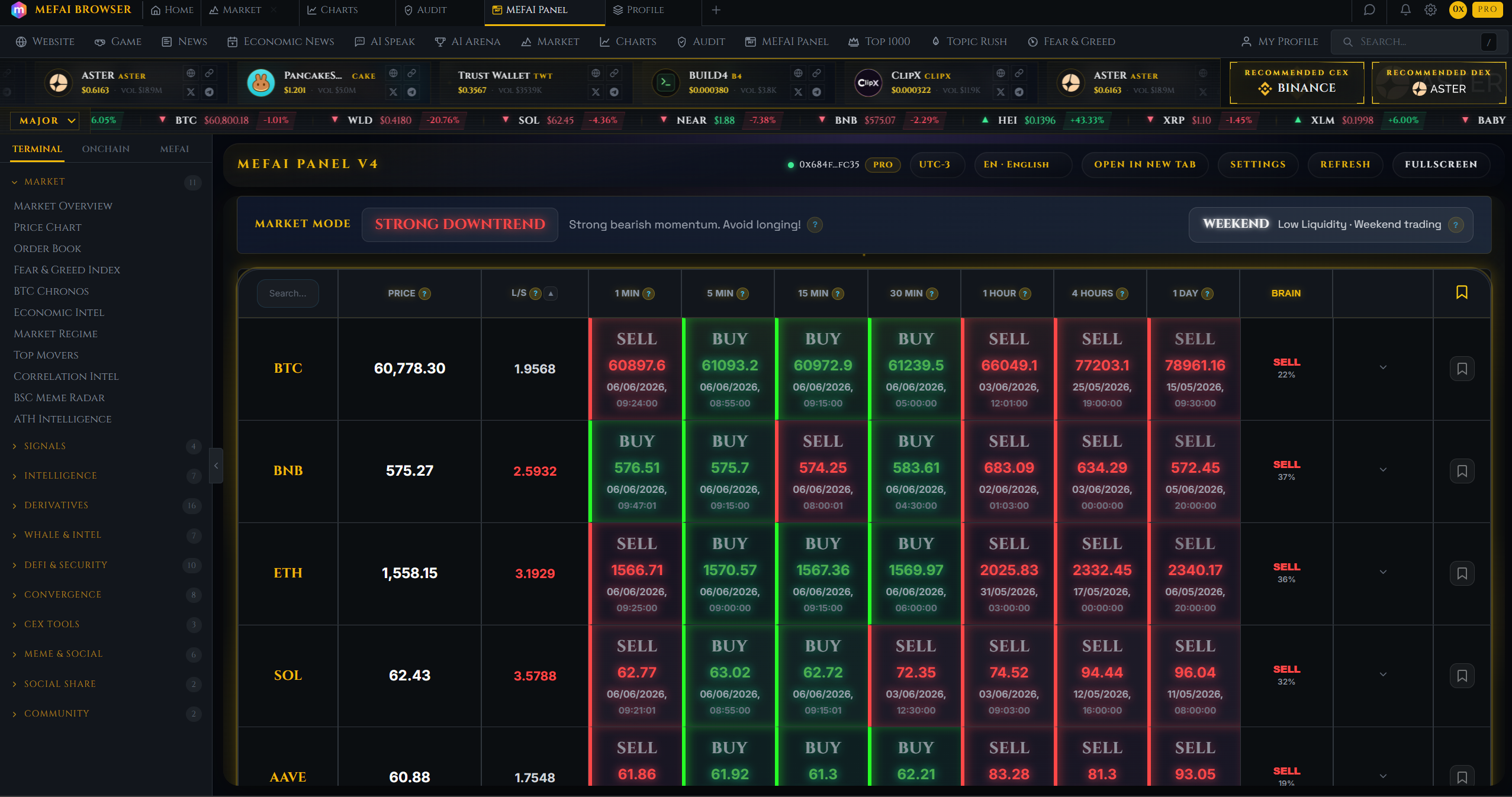
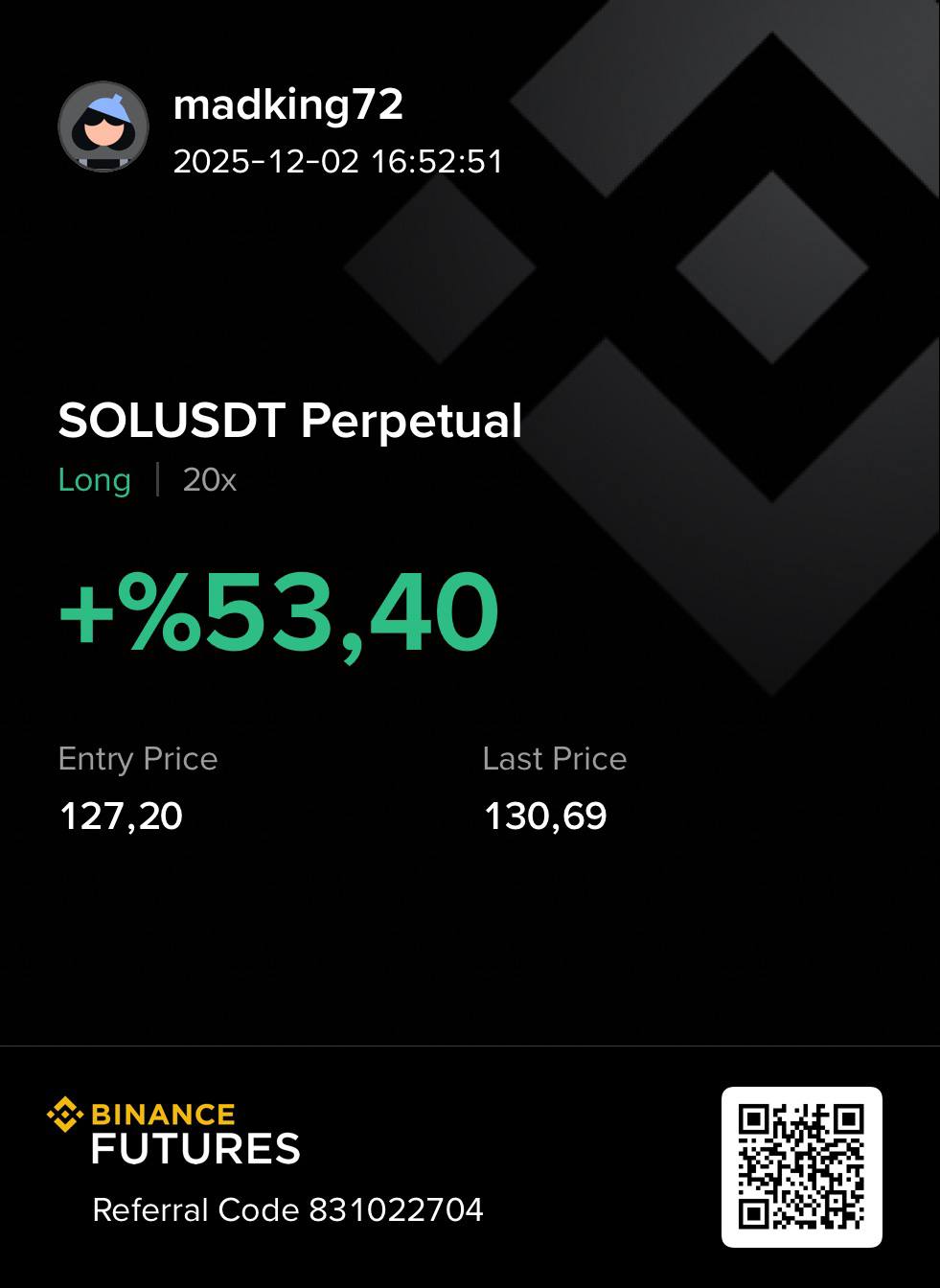
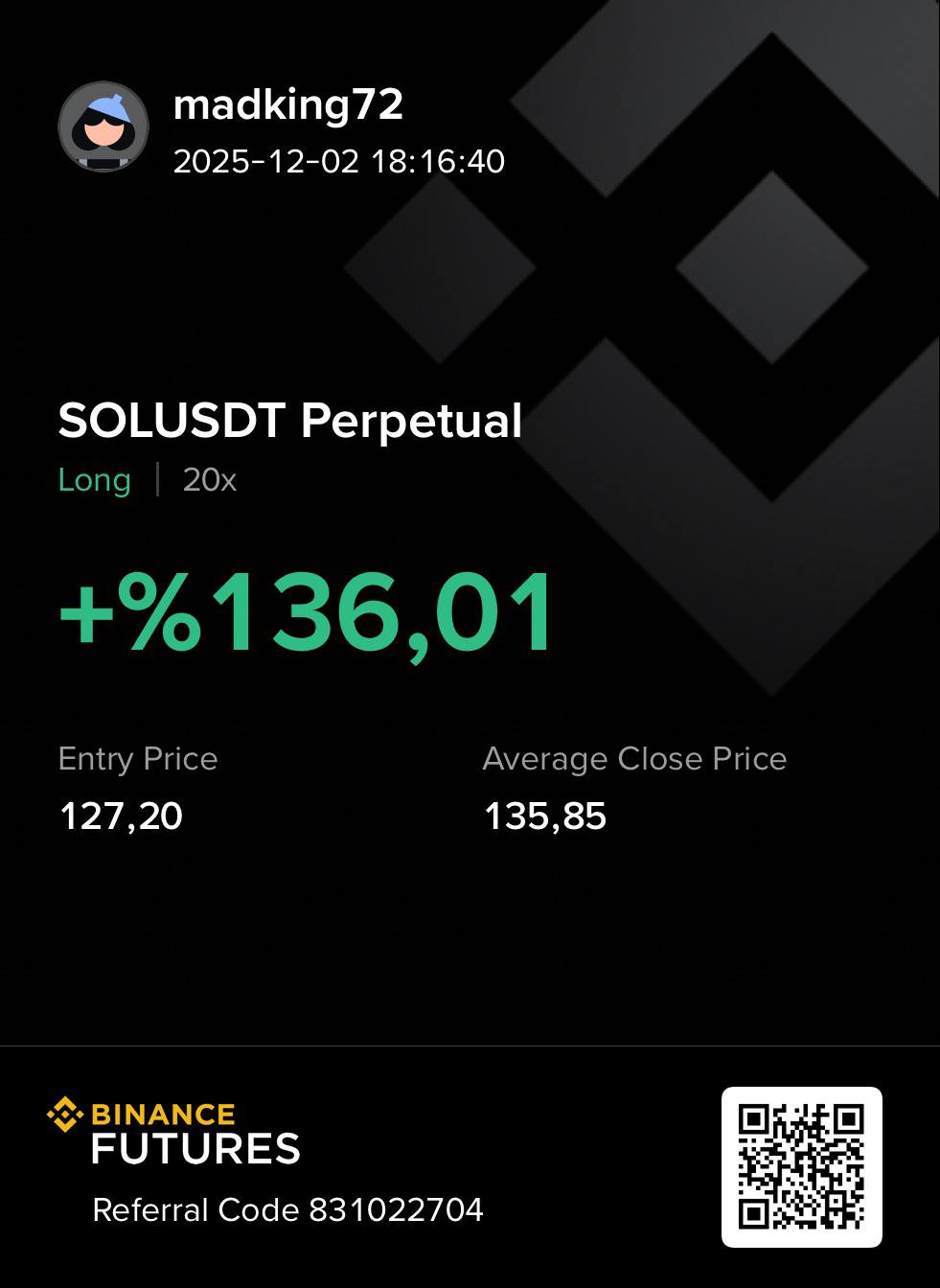
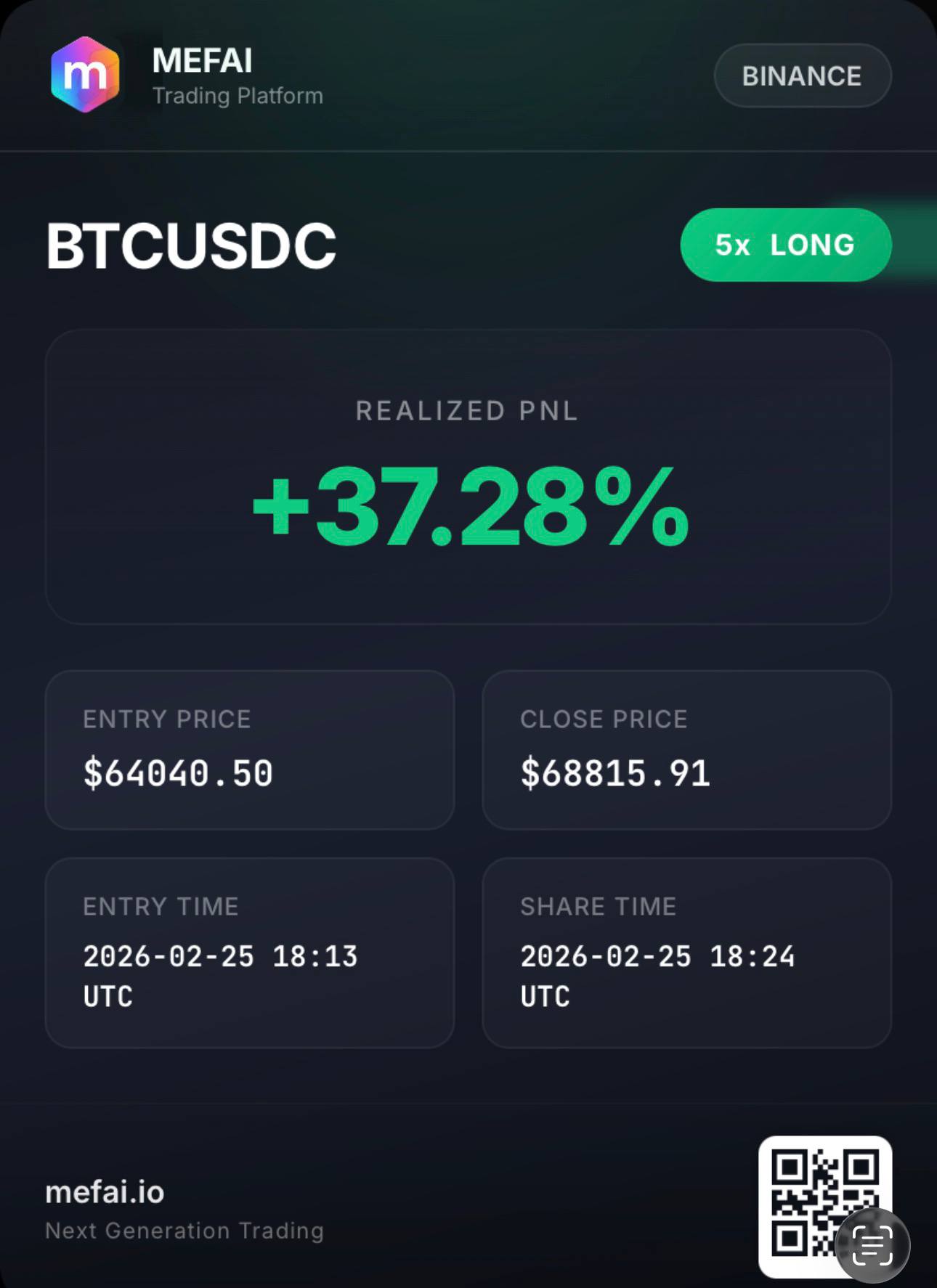
Real results from MEFAI's AI. Get $50 off the Pro plan.
Sponsored · Past performance is not indicative of future results. Not financial advice.


Moreover, lower fees can broaden the investor base. Retail investors—especially those using commission-free platforms—are highly sensitive to fee structures. Institutions, too, are increasingly benchmarking crypto ETFs against traditional asset classes, where expense ratios below 0.20% are standard. By aligning with these expectations, Morgan Stanley’s ETFs may appeal to a wider demographic, including financial advisors who are cautious about recommending high-fee products.
Strategic Implications for the Crypto ETF Landscape
Morgan Stanley’s strategy reflects a broader shift in the crypto ETF market: from exclusivity to accessibility. Early issuers like BlackRock and Fidelity launched with premium pricing, reflecting their market power and first-mover status. But as competition intensifies, issuers are realizing that differentiation through fees is more effective than differentiation through brand alone. This is particularly true in a market where crypto assets are becoming increasingly commoditized in the eyes of mainstream investors.
The firm’s approach—launching low-fee products across multiple assets—suggests a long-term commitment to crypto ETFs. Unlike some competitors that may treat crypto as a side bet, Morgan Stanley appears to be building a full suite of regulated products. This could position it well if regulatory clarity improves for other assets, such as XRP or Cardano, or if staking yields become a standard feature of ETH and SOL ETFs. In the meantime, the low fees serve as a competitive moat: once investors are onboarded to a 0.14% ETF, switching to a higher-fee product becomes less appealing.
What’s Next: Watching for Approval and Flows
The immediate next step is regulatory approval. While the SEC has signaled increasing openness to spot crypto ETFs, approval is not guaranteed. Any delays or requests for additional documentation could push launch dates into late 2026 or early 2027. Investors should monitor the status of the amended S-1 filings and any public statements from the SEC regarding crypto ETFs.
Once trading begins, the first 30 to 90 days will be critical. Morgan Stanley’s Bitcoin ETF launched in April and has since accumulated over $331 million in inflows, outperforming several peers. If the ETH and SOL ETFs generate similar momentum, they could quickly climb the rankings and challenge established players. Analysts will be watching for signs of institutional adoption, such as large block trades or inclusion in model portfolios.

Another development to monitor is the expansion of staking yield programs. If the Ethereum ETF includes a staking component—even a simplified one—it could become a key differentiator. Similarly, if Solana ETFs begin offering yield through liquid staking tokens or lending protocols, they may attract yield-seeking investors beyond the traditional crypto buyer.
Practical Takeaways for Investors
For investors considering crypto ETFs, Morgan Stanley’s fee cut is a strong signal to reassess existing holdings. Those currently invested in higher-fee ETH or SOL products may want to compare total cost of ownership, including potential yield, before deciding to switch. Platforms that offer commission-free trading or fractional shares may further reduce costs, making these ETFs even more attractive.
Institutional investors and financial advisors should evaluate the operational track record of the underlying infrastructure providers. Custody security, staking reliability, and redemption efficiency are all critical factors that can impact performance. Morgan Stanley’s choice of Figment, Galaxy, and Coinbase Canada suggests a focus on institutional-grade infrastructure, but due diligence remains essential.
Finally, investors should prepare for volatility. Crypto ETFs, like their underlying assets, are subject to sharp price swings. Fee savings can help mitigate long-term costs, but they do not eliminate market risk. A diversified approach—combining low-fee ETFs with traditional assets—may offer a balanced path forward.
Morgan Stanley’s entry into the spot Ethereum and Solana ETF market with record-low fees is more than a pricing move—it’s a statement about the future of crypto investing. By prioritizing cost leadership and operational reliability, the firm is positioning itself to capture a significant share of the growing demand for regulated crypto exposure. As the ETF race intensifies, the real winners may not be the first to market, but those who offer the best balance of affordability, trust, and performance. For investors, the message is clear: the era of high-fee crypto ETFs is ending. The next chapter belongs to those who can deliver exposure without the drag.
More in Crypto & Trading
XRP’s Weekend Dip Below $1.14 and the Buyers That Pulled It Back
XRP briefly fell below $1.14 on heavy weekend selling but quickly recovered to the $1.15 area, keeping the token inside its month-long $1.10–$1.30 range.

Bitcoin Stays Flat as Stocks Rise: Why Crypto Isn’t Joining the Risk-On Trade
Bitcoin stayed near $64,000 as Asian equities rallied on US-Iran peace talks and lower oil prices, with crypto trading sideways and memecoins leading losses.

Ethereum MEV bots under siege: $7.5M Jaredfromsubway.eth hack and the rise of counter-MEV threats
A $7.5 million attack on one of Ethereum’s top MEV bots exposes flaws in automated profit-seeking systems, while the Philippines’ regulator prepares to green-light real-world asset tokenization.