
Bitcoin Stays Flat as Stocks Rise: Why Crypto Isn’t Joining the Risk-On Trade
By Mag-Info Tech editorial · 2026-06-22
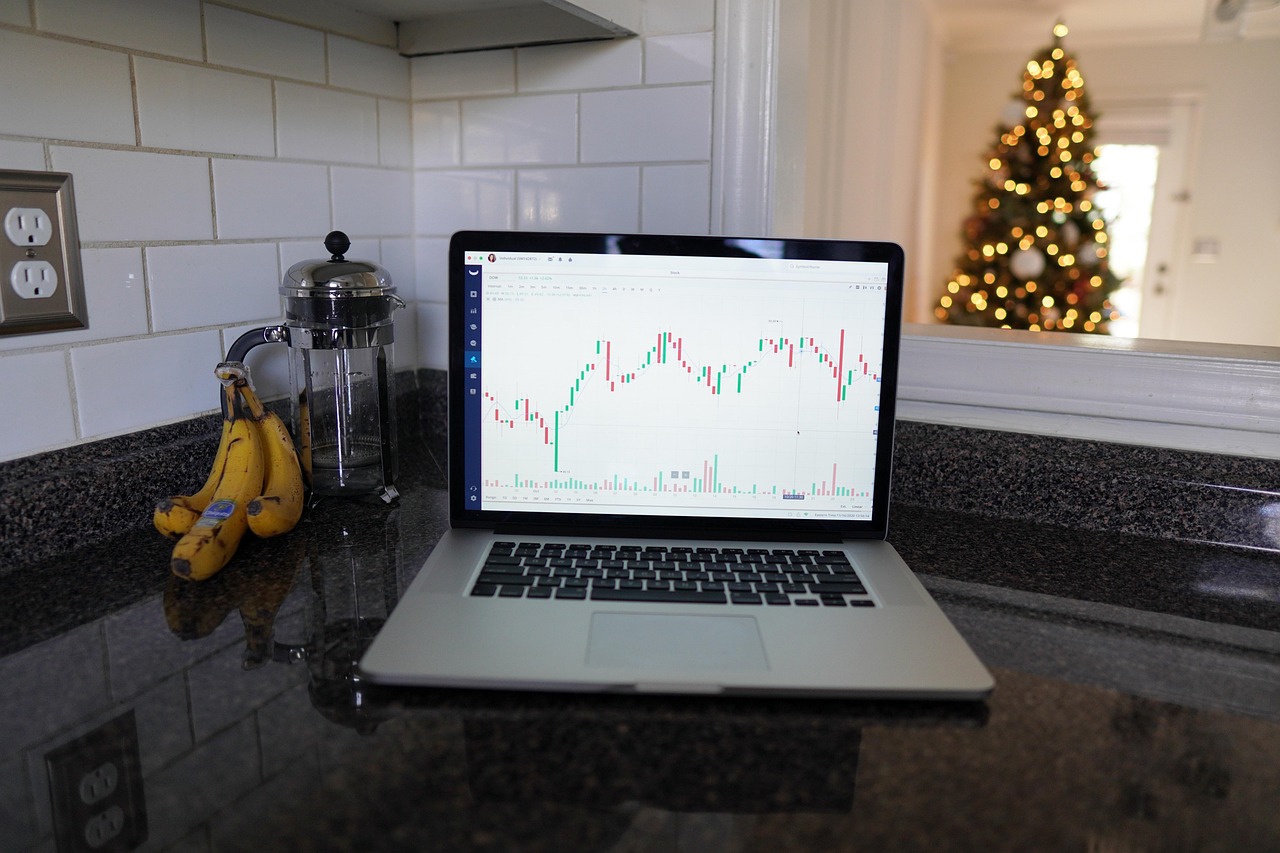
Bitcoin began the week pinned near $64,000, failing to mirror a sharp rise in Asian equities even as oil slipped below $80 on signs of progress in US-Iran peace negotiations. The leading cryptocurrency was down 0.4% over the last 24 hours and 2.2% on the week, according to market data, while broader risk assets such as regional stocks and technology shares climbed. Within crypto, the picture was uneven: Solana and tron eked out weekly gains, ether hovered around $1,733, and BNB, XRP, and dogecoin all moved lower, with dogecoin the weakest of the majors. The dispersion underscores how bitcoin and large-cap altcoins are still trading more like a hedge than a pure risk asset, even as macro conditions improve.
This divergence raises a practical question for investors: why is bitcoin not participating in what looks like a classic risk-on rotation? The answer lies in a mix of technical positioning, market structure shifts, and shifting trader expectations about liquidity and policy. While equities benefit directly from falling energy prices and reduced geopolitical risk premiums, crypto remains tethered to its own cycle of funding rates, leverage flushes, and regulatory headlines. For now, the market is telling two stories at once—one where traditional risk assets are pricing in a more stable macro regime, and another where digital assets are waiting for clearer signals that the liquidity tide has truly turned.
Bitcoin’s Sideways Drift Signals Caution, Not Collapse
Bitcoin’s failure to break above $65,000 or stage a sustained rally despite improving global conditions reflects a market that is neither bullish nor bearish, but cautious. At $63,996, the price sits just below the psychologically important $64,000 level, a zone that has acted as both support and resistance in recent weeks. Over the past seven days, the decline of 2.2% marks the third consecutive weekly loss, a streak that would typically raise alarm in a bull market. Yet, the move has been orderly, with low intraday volatility and relatively stable open interest across major derivatives venues. This suggests that selling pressure is real but not panicked, and that large holders are absorbing supply rather than capitulating.
The absence of a strong bid also aligns with positioning data from perpetual futures markets. Funding rates across major exchanges have turned slightly negative or hovered near zero, a sign that leveraged longs are not aggressively rebuilding exposure. Historically, such flat funding conditions have preceded periods of consolidation rather than trend reversals. For traders, this means that breakout attempts above $65,000 are likely to face resistance unless new spot demand emerges—demand that could come from renewed ETF inflows, corporate treasury reallocations, or a clear shift in macro liquidity expectations. Until one of those catalysts appears, bitcoin’s path of least resistance appears to be sideways, with a bias toward modest downside if macro optimism fades.
Stocks Rally on Geopolitical Relief—Crypto Stays on the Sidelines
Asian equities surged to multi-month highs as US and Iranian officials announced a 60-day roadmap toward a final peace agreement, easing concerns about oil supply disruptions and regional conflict. Regional benchmarks like Japan’s Nikkei 225 and South Korea’s Kospi gained over 2% on the day, while technology shares in Taiwan and Singapore outperformed. Oil futures fell below $80 per barrel for the first time in months, reflecting reduced geopolitical risk premiums. This environment typically benefits risk assets broadly, including digital currencies, especially those with high beta to liquidity conditions.

Yet crypto, and bitcoin in particular, showed little correlation to the equity rally. The lack of participation is not unprecedented, but it is notable given how closely bitcoin has tracked risk assets in previous cycles. Analysts point to several structural reasons. First, crypto market depth remains concentrated in a handful of exchanges and is more sensitive to funding liquidity shocks than traditional equities. Second, the recent surge in memecoin activity—especially around tokens like HYPE—has pulled capital away from core assets like bitcoin and ether, creating a rotation within crypto rather than a broad-based bid. Finally, regulatory uncertainty in key markets continues to weigh on institutional appetite, even as spot ETFs in the United States and Europe accumulate steady inflows.
For retail and institutional investors watching the macro backdrop, the message is clear: crypto is not yet a default beneficiary of geopolitical de-escalation. While lower oil prices and stable equities can improve risk sentiment, crypto’s recovery may require its own catalysts—such as clearer regulatory clarity from the US Securities and Exchange Commission, sustained inflows into spot bitcoin ETFs, or a resurgence in on-chain activity and developer engagement.
Altcoin Divergence: Solana and Tron Rise While Memecoins and BNB Slide
Beyond bitcoin, the altcoin complex painted a fragmented picture. Solana gained 3.7% on the week to $74, extending a recovery that began after network outages were resolved and validator participation stabilized. Tron added 2.2%, supported by continued demand for its USDT stablecoin and growing activity on decentralized exchanges built on its chain. Both networks have benefited from renewed developer activity and the launch of new consumer-facing applications, which have helped rebuild confidence after earlier network incidents.
In contrast, BNB fell 4.2% over the same period, pressured by regulatory scrutiny in Europe and reduced trading volume on its namesake exchange following the delisting of several high-profile tokens. XRP dropped 4.3% to $1.13, weighed down by ongoing legal uncertainty tied to the SEC’s lawsuit against Ripple, even as the company continues to push for clarity in international markets. Dogecoin, often a barometer for retail speculation, declined 6.5%, reflecting a broader pullback in memecoin momentum after a frenetic start to June when tokens like HYPE surged more than 200% in a single week.
The dispersion highlights how altcoin performance is increasingly driven by idiosyncratic factors—network health, regulatory outcomes, and ecosystem growth—rather than broad market sentiment. For traders, this means that sector rotation within crypto is now as important as the direction of the overall market. Those chasing momentum in memecoins should remain cautious, while investors focused on fundamentals may find opportunities in networks with active development and stable usage metrics.
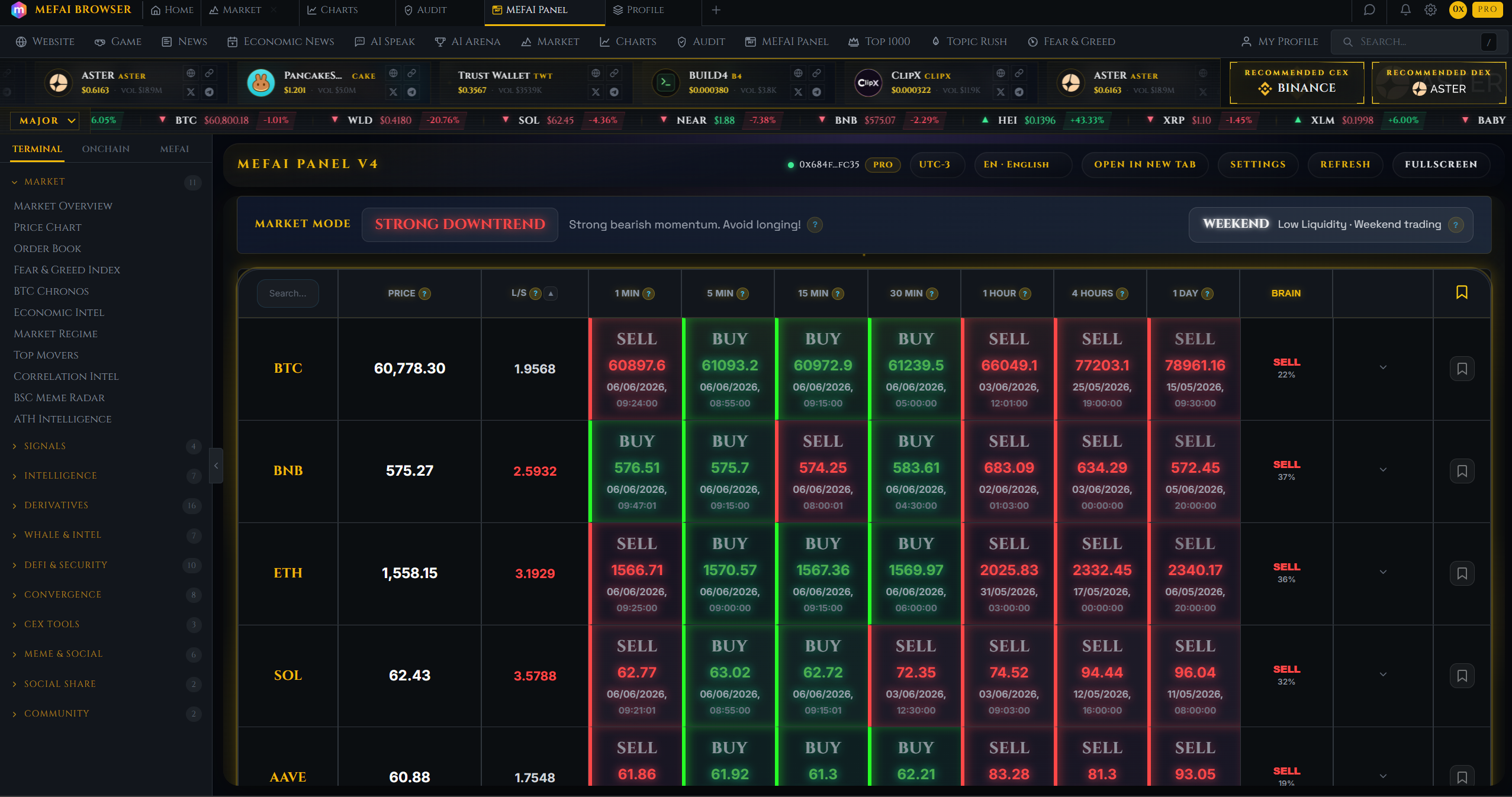
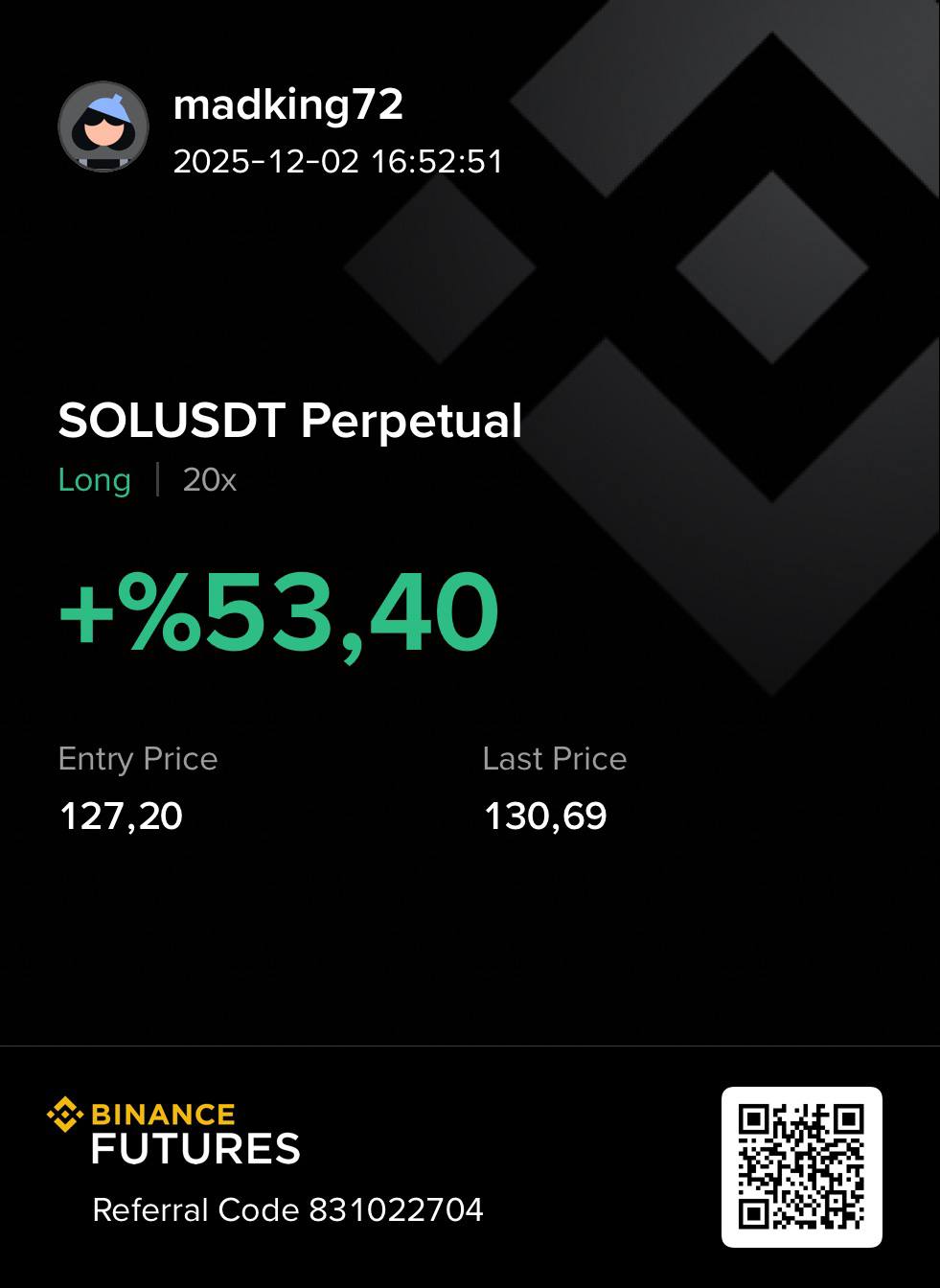
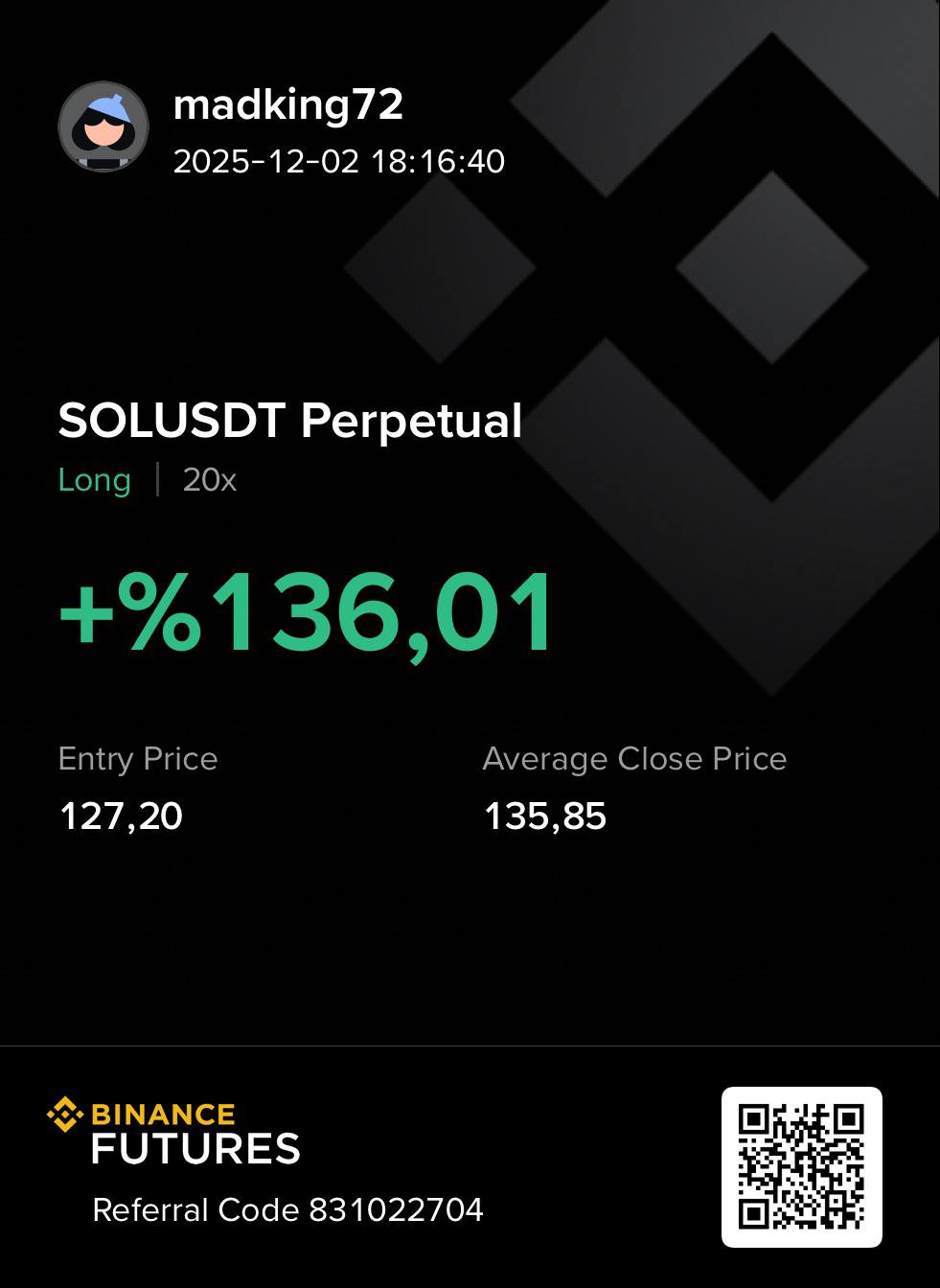
Real results from MEFAI's AI. Get $50 off the Pro plan.
Sponsored · Past performance is not indicative of future results. Not financial advice.


Derivatives and Leverage: A Market Waiting for a Catalyst
Derivatives data suggests that crypto traders are in a holding pattern, with open interest in perpetual futures relatively flat and funding rates oscillating near zero. This environment typically reflects indecision: neither strong longs nor shorts are dominating, and the market is vulnerable to sudden moves in either direction depending on external news. Historically, such conditions have preceded volatility expansions, especially when combined with macro events or regulatory announcements.
One area to watch is the funding rate for ether, which has remained marginally positive, indicating a slight lean toward leveraged longs. If this sentiment stabilizes or increases, it could signal a potential breakout attempt toward $1,800 or higher. Conversely, a continued drift toward negative funding could reinforce the consolidation bias and push prices lower. For professional traders, the key is to monitor the interaction between spot and derivatives markets, particularly around key technical levels like $62,500 for bitcoin and $1,700 for ether. A sustained break below these levels could trigger liquidations and accelerate a move toward deeper support zones.
What Comes Next: Watch the ETF Window and Policy Signals
The most immediate catalyst for crypto is likely to come from traditional finance channels rather than on-chain activity. Spot bitcoin ETFs in the United States and Europe have been net buyers for six consecutive weeks, accumulating over $1.2 billion in inflows. If this trend continues, it could provide a steady bid for spot prices, reducing the need for retail FOMO rallies. However, ETF flows are sensitive to market sentiment and can reverse quickly if macro conditions deteriorate or regulatory headlines sour.
On the policy front, all eyes are on the US SEC’s upcoming decisions regarding spot ether ETFs and any further guidance on staking services. A positive outcome for ether ETFs could broaden institutional participation and reduce the dominance of bitcoin in crypto portfolios. Meanwhile, any clarity on staking regulations—particularly in the EU and US—could unlock billions in dormant capital currently sitting in exchange wallets. For now, the regulatory path remains uncertain, but the direction of travel suggests increasing acceptance of crypto within regulated frameworks.

Geopolitically, the US-Iran roadmap is a step toward stabilization, but the region remains volatile. Any setback in negotiations could reverse the recent gains in equities and oil markets, which would likely weigh on crypto as well. Traders should therefore treat the current calm as temporary and prepare for potential volatility spikes around key geopolitical milestones.
Practical Takeaways for Investors and Traders
For long-term holders, the current consolidation phase may present a buying opportunity if key support levels hold. Bitcoin’s $62,500–$63,000 range has been tested multiple times in recent weeks and has so far provided a floor. A weekly close above $65,000 would improve the technical outlook and signal a resumption of the uptrend. Until then, dollar-cost averaging into core positions remains a prudent strategy, especially given the improving macro backdrop and steady ETF inflows.
Traders should avoid chasing memecoin momentum unless they are prepared for high volatility and potential drawdowns. Instead, focus on altcoins with strong fundamentals—such as Solana and tron—where network improvements and ecosystem growth are driving real demand. Keep leverage light, as funding conditions remain fragile, and use tight risk management around technical breakdowns.
Institutional allocators should monitor ETF flows and regulatory developments closely. The approval of additional spot products could broaden the investor base and reduce reliance on speculative retail activity. Meanwhile, staking infrastructure providers should prepare for regulatory clarity that could unlock new product offerings and revenue streams.
In summary, crypto is not joining the current risk-on rally, but it is not in crisis either. It is in a phase of digestion, where macro tailwinds are not yet strong enough to pull digital assets higher, and internal dynamics—such as leverage cycles and memecoin speculation—are distorting the traditional correlation with equities. The path forward will depend on whether ETF demand can sustain prices, whether regulatory clarity emerges, and whether geopolitical risks remain contained. Until then, expect choppy, range-bound trading with occasional bursts of volatility driven by external shocks rather than organic market strength.
More in Crypto & Trading
Morgan Stanley’s Cheap Ethereum and Solana ETFs Signal Late Entry Strategy in US Spot Market
Morgan Stanley is preparing to launch the cheapest spot Ethereum and Solana ETFs in the US at 0.14%, undercutting rivals and signaling a late-mover strategy focused on cost leadership.
XRP’s Weekend Dip Below $1.14 and the Buyers That Pulled It Back
XRP briefly fell below $1.14 on heavy weekend selling but quickly recovered to the $1.15 area, keeping the token inside its month-long $1.10–$1.30 range.

Ethereum MEV bots under siege: $7.5M Jaredfromsubway.eth hack and the rise of counter-MEV threats
A $7.5 million attack on one of Ethereum’s top MEV bots exposes flaws in automated profit-seeking systems, while the Philippines’ regulator prepares to green-light real-world asset tokenization.