
XRP’s Weekend Dip Below $1.14 and the Buyers That Pulled It Back
By Mag-Info Tech editorial · 2026-06-22
A sharp weekend sell-off pushed XRP to its session low near $1.12 on heavy volume, but buying interest snapped back within hours and returned the token to the $1.15 region. The quick rebound left the price inside the same $1.10–$1.30 range that has framed trading for most of June, keeping the immediate direction unclear. Rather than signaling a fresh downtrend, the episode highlighted how quickly support can be tested—and defended—when liquidity is thin on weekends.
How the weekend dip unfolded
Trading on Sunday saw XRP break below a closely watched technical level around $1.14, touching approximately $1.12 on some of the heaviest volume of the session. The move looked like a decisive breakdown at first, but it lacked follow-through. Within a short window, buying interest re-emerged and lifted the price back toward $1.15. For traders who had been watching the $1.10–$1.15 band as a potential accumulation zone, the rapid recovery suggested that dip-buying remained a factor even during lower-liquidity periods. The absence of a sustained break below $1.10 kept the broader $1.10–$1.30 range intact, so the immediate technical picture did not shift materially.
The volume spike during the decline is worth noting. In crypto markets, weekend sessions often see thinner order books, which can amplify moves in either direction. A drop on elevated volume can look like capitulation, yet in this case the follow-up buying matched that intensity, indicating that sellers were quickly absorbed rather than emboldened. That dynamic lowers the odds of a cascading breakdown unless fresh selling emerges with even greater conviction.
Where the token stands inside its multi-week range
XRP has spent most of June oscillating between $1.10 and $1.30, and the latest swing did little to change that. The brief dip to $1.12 simply retested the lower boundary of the range without breaking it, while the rebound to $1.15 reaffirmed the upper boundary as immediate resistance. Traders now face the same question they have for weeks: is the range a consolidation before the next directional move, or is it a distribution pattern that could resolve lower?

Analyst views are split. Some interpret the repeated tests of $1.10 as accumulation by longer-term holders, pointing to the resilience of buyers each time the level comes under pressure. Others argue that the inability to push above $1.15 on multiple attempts signals underlying weakness and keeps the risk skewed to the downside. Until price either breaks decisively above $1.30 or below $1.10 with follow-through volume, the range is likely to remain the dominant framework.
What technical levels matter next
The first level to watch is the $1.15 mark. A sustained move above it on above-average volume would shift attention to the $1.20–$1.25 zone and then the $1.30 top of the range. Conversely, a failure to close above $1.15 could bring another retest of $1.12 and, if that breaks, the $1.10 floor. Given the thin liquidity often seen at the start and end of the week, a breakout or breakdown may not happen immediately, but the next decisive move is likely to set the tone for the final two weeks of June.
Beyond the spot price, on-chain data and derivatives positioning will also influence the outcome. If exchange reserves continue to decline during pullbacks, it can be read as long-term holders moving coins into self-custody rather than selling. At the same time, open interest in XRP futures rising during the rebound would suggest new leverage entering the market, which could either reinforce the recovery or set up a sharper reversal if sentiment shifts.
How weekend liquidity shapes crypto price action
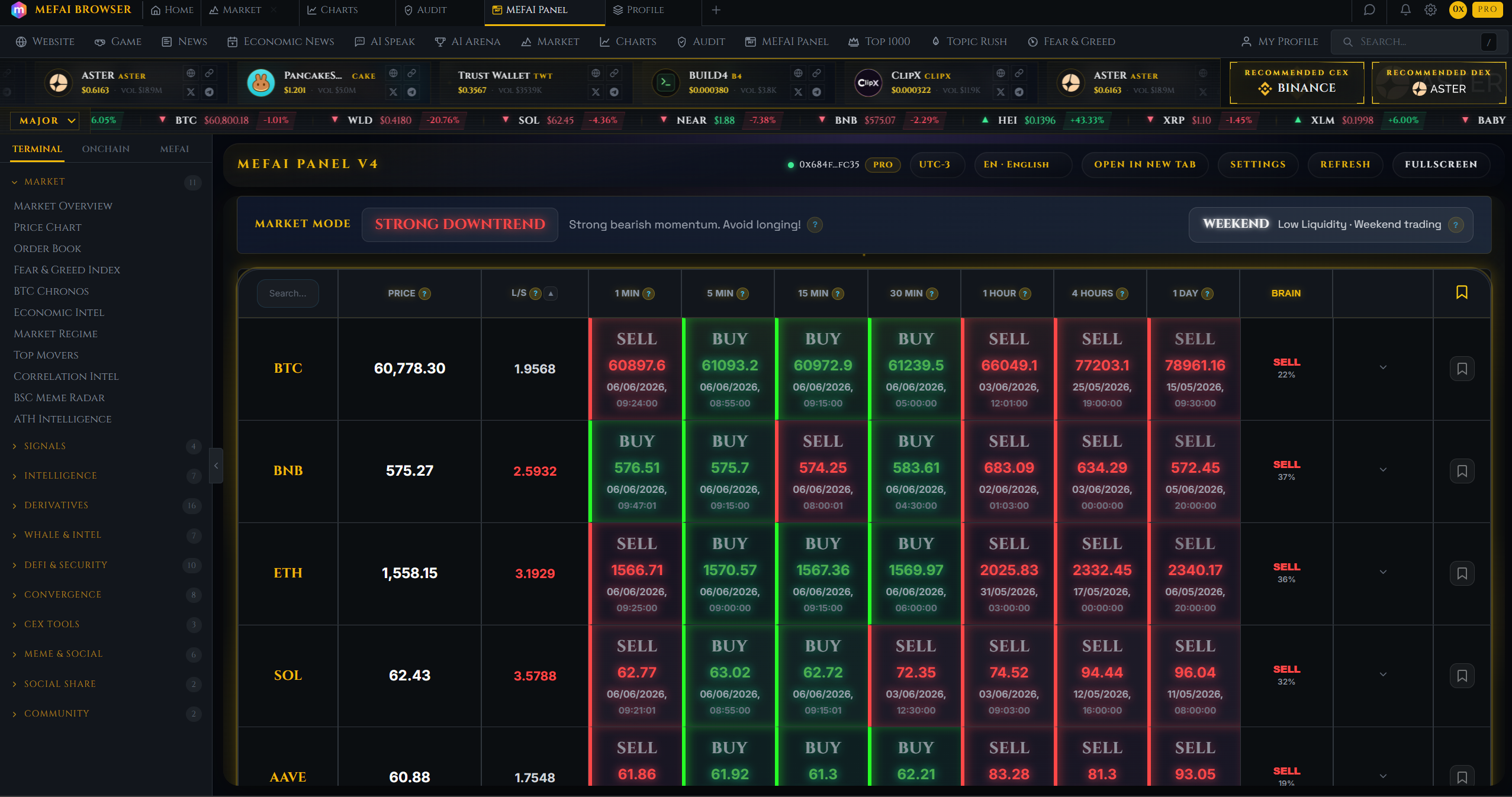
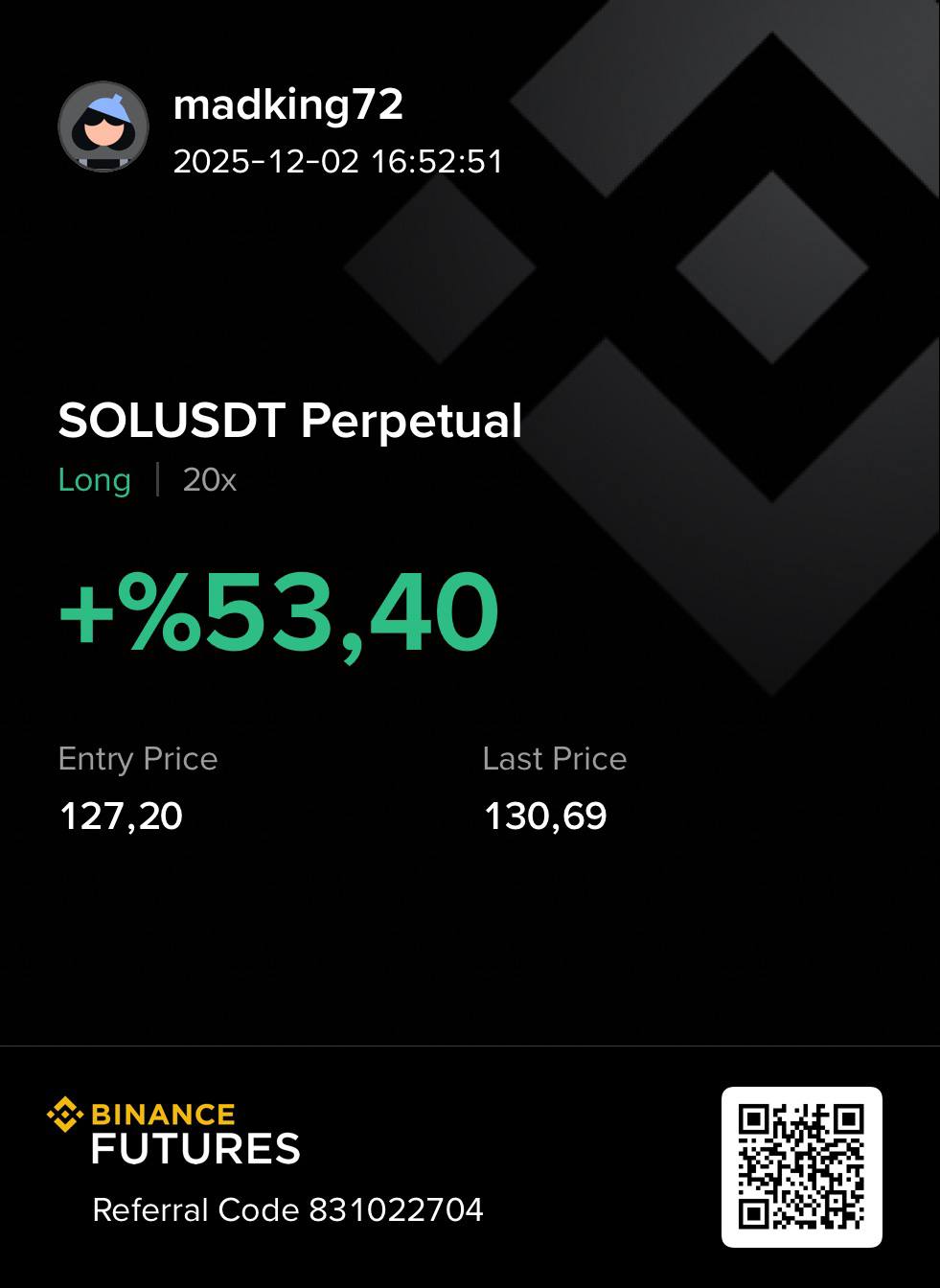
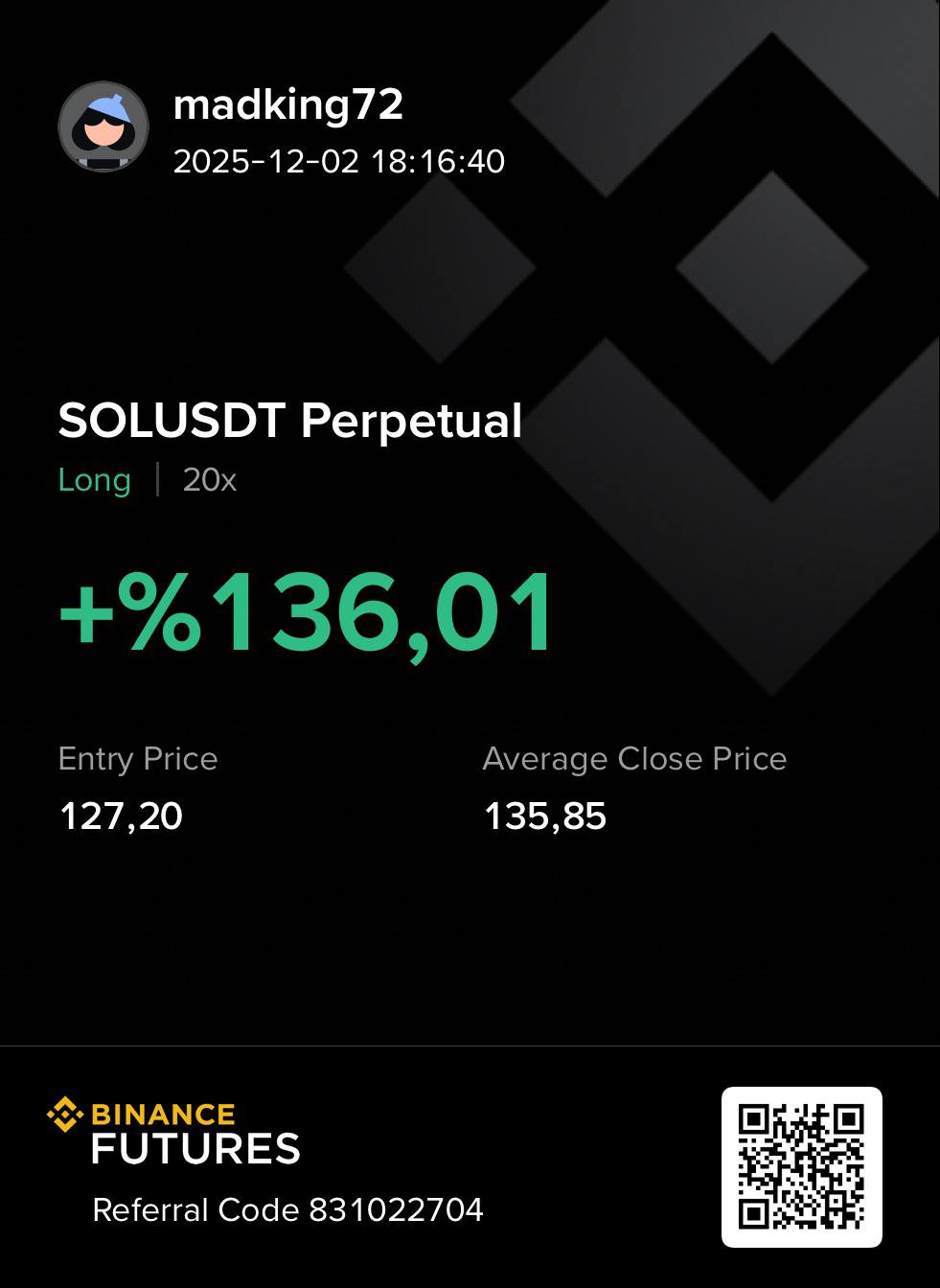
Real results from MEFAI's AI. Get $50 off the Pro plan.
Sponsored · Past performance is not indicative of future results. Not financial advice.

Weekend sessions in crypto often produce exaggerated moves because market makers and algorithmic desks reduce risk exposure. That can create false breakdowns or breakouts that reverse once weekday liquidity returns. In XRP’s case, the quick rebound from $1.12 fits the pattern of a “fakeout” that failed to draw enough sellers to sustain lower prices. For short-term traders, such episodes highlight the importance of waiting for weekday confirmation before acting on a weekend move.
Longer-term investors may see the episode as a healthy retest of support. A token that repeatedly finds buyers at a key level without collapsing can strengthen confidence in the floor. However, if the next test of $1.10 coincides with broader market weakness or negative news flow, the outcome could differ. Traders should therefore pair technical observations with broader market context, especially around regulatory headlines or shifts in sector sentiment.
What this means for different types of crypto participants
For retail traders using spot exchanges, the episode reinforces the value of sticking to predefined risk levels. Placing stop-losses just below $1.10 and take-profits near $1.15 can help manage exposure without overreacting to intraday noise. Weekend dips can be tempting entry points, but confirmation from weekday volume is often necessary to avoid traps.
Institutional desks and market makers typically scale positions more deliberately. A token that repeatedly bounces from a support level can be attractive for inventory management, provided the broader range remains intact. However, if the $1.10 level begins to crack under pressure, those same participants may widen spreads or reduce exposure, amplifying any downside break.
Derivatives traders need to watch both price and funding rates. If perpetual futures funding turns persistently negative during pullbacks, it signals that short sellers are dominating and could prolong the decline. A flip to positive funding during rebounds would indicate that longs are back in control, aligning with the spot-market recovery.
How to monitor the next decisive move
The simplest way to track XRP’s next breakout or breakdown is to watch the daily close relative to the $1.10–$1.30 range. A close above $1.30 on strong volume would suggest the range is breaking higher, while a close below $1.10 would indicate a move toward the next support around $1.05. In the absence of such a close, expect more churn inside the range.
Volume trends will be equally important. If the next test of $1.10 or $1.15 occurs on declining volume, it reduces the likelihood of a sustained break. Conversely, rising volume on a breakout attempt increases the odds that the move will stick. Watching order-book depth on major exchanges can also reveal whether large resting bids or offers are being absorbed or ignored.
Finally, keep an eye on broader market conditions. Crypto often moves in tandem with Bitcoin’s cycle, and a sustained breakout in BTC could lift altcoins including XRP. Conversely, regulatory headlines or exchange delistings could quickly alter the technical landscape. Until then, the $1.10–$1.30 range remains the central reference point for XRP traders and investors.
More in Crypto & Trading
Morgan Stanley’s Cheap Ethereum and Solana ETFs Signal Late Entry Strategy in US Spot Market
Morgan Stanley is preparing to launch the cheapest spot Ethereum and Solana ETFs in the US at 0.14%, undercutting rivals and signaling a late-mover strategy focused on cost leadership.
Bitcoin Stays Flat as Stocks Rise: Why Crypto Isn’t Joining the Risk-On Trade
Bitcoin stayed near $64,000 as Asian equities rallied on US-Iran peace talks and lower oil prices, with crypto trading sideways and memecoins leading losses.

Ethereum MEV bots under siege: $7.5M Jaredfromsubway.eth hack and the rise of counter-MEV threats
A $7.5 million attack on one of Ethereum’s top MEV bots exposes flaws in automated profit-seeking systems, while the Philippines’ regulator prepares to green-light real-world asset tokenization.