
Bitcoin ETFs Suffer Record $6.4B Outflow as Market Cools
By Mag-Info Tech editorial · 2026-06-21

Institutional appetite for US spot Bitcoin ETFs has cooled sharply, with a record $6.4 billion in net outflows over the past 30 trading days. The pullback coincides with a 17% drop in Bitcoin’s price over the same period, pushing cumulative net flows for these funds to $53.4 billion—a decline from their October 2025 peak of $63 billion. Daily outflows continue to deepen, signaling that the selling pressure is spreading beyond short-term traders into longer-term holders and institutional portfolios.
The drawdown reflects a broader shift in market sentiment as macroeconomic pressures and geopolitical risks weigh on risk assets. Bitcoin’s recent slide has been accompanied by rising US inflation data and renewed tensions between the US and Iran, factors that typically dampen appetite for volatile assets like cryptocurrency. While some observers see this as a sign of institutional skepticism, others point to routine portfolio adjustments as a more likely driver of the outflows.
How the Outflows Compare to Past Cycles
This is the largest 30-day net outflow for US spot Bitcoin ETFs since their launch in early 2024, surpassing prior drawdowns in scale and speed. Prior episodes of heavy selling—such as the $4.5 billion outflow in March 2025—were shorter-lived and followed by quick recoveries. The current stretch, however, has lasted six consecutive weeks, with Galaxy Research noting that daily outflows are still deepening. The cumulative $53.4 billion now sits well below the $63 billion peak reached in late 2025, indicating that the market has not yet found a new equilibrium.
Historically, Bitcoin ETFs have acted as a barometer for institutional sentiment, especially in the US where spot products dominate. Unlike prior cycles driven by leverage unwinds or exchange failures, this pullback appears rooted in macro uncertainty rather than internal crypto market stress. The sustained nature of the outflows suggests that institutions are reassessing risk allocations rather than reacting to a single catalyst.
Price Action and Macro Headwinds
Bitcoin’s recent decline has erased roughly $15,000 from its spot price, falling from around $79,000 in mid-May to about $64,000 in late June. The drop has been attributed to a combination of higher-than-expected US inflation data and geopolitical developments, including the ongoing conflict between the US and Iran. These factors have historically triggered risk-off behavior across global markets, and cryptocurrency is no exception.

The correlation between Bitcoin and traditional risk assets has risen in 2026, especially among institutional portfolios that use Bitcoin as a non-sovereign, global store of value. While some analysts argue that this increased correlation weakens Bitcoin’s original thesis as an uncorrelated asset, others contend that it reflects Bitcoin’s maturation into a mainstream financial instrument. Either way, the current pullback underscores how sensitive Bitcoin remains to macroeconomic signals.
Institutional Rebalancing or Long-Term Skepticism?
BlackRock’s head of equity ETFs, Jay Jacobs, cautioned against interpreting daily outflows as a fundamental shift in Bitcoin’s investment case. He noted that ETFs across asset classes—from large-cap equities to gold—experience daily inflows and outflows as part of routine portfolio management. Jacobs pointed out that BlackRock oversees more than 450 iShares ETFs, and short-term volatility is par for the course.
He also highlighted that institutional interest in Bitcoin remains intact, emphasizing its role as a global, decentralized, non-sovereign monetary alternative. While Jacobs acknowledged the recent price pressure, he stressed that such fluctuations do not alter BlackRock’s long-term view of Bitcoin’s utility. This perspective suggests that the current outflows may be more about tactical repositioning than strategic abandonment.
What’s Driving the Daily Outflows?
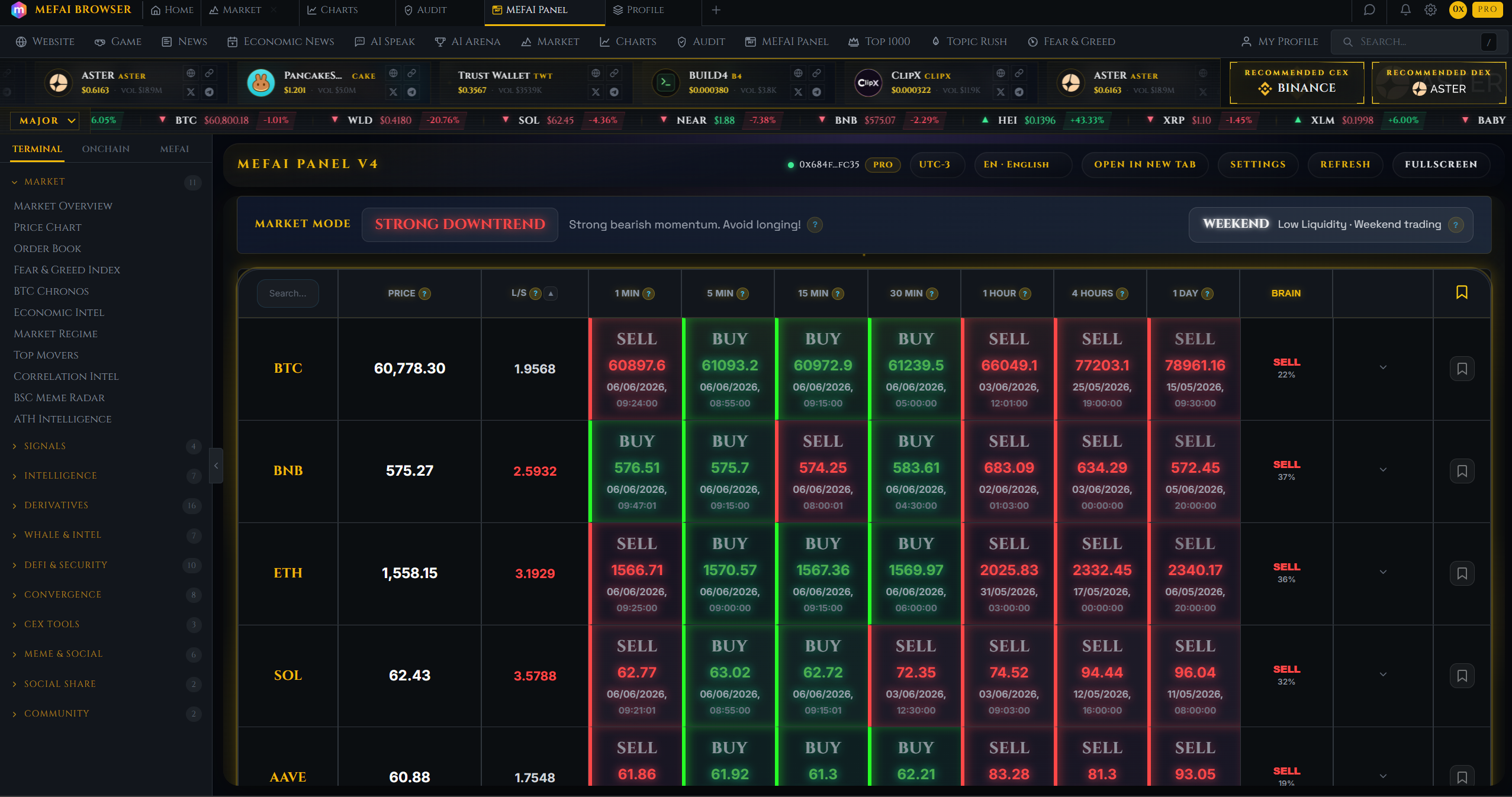

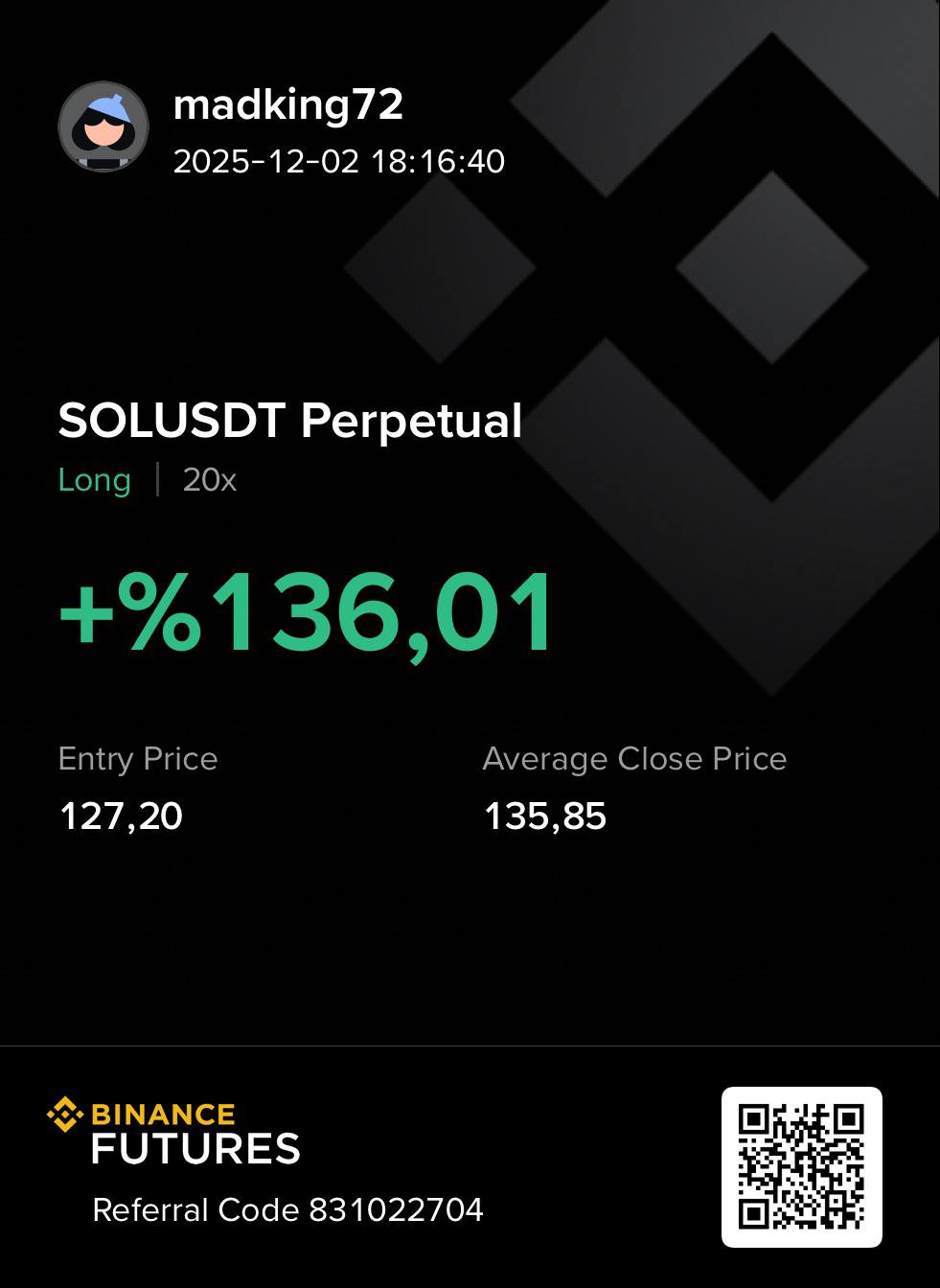
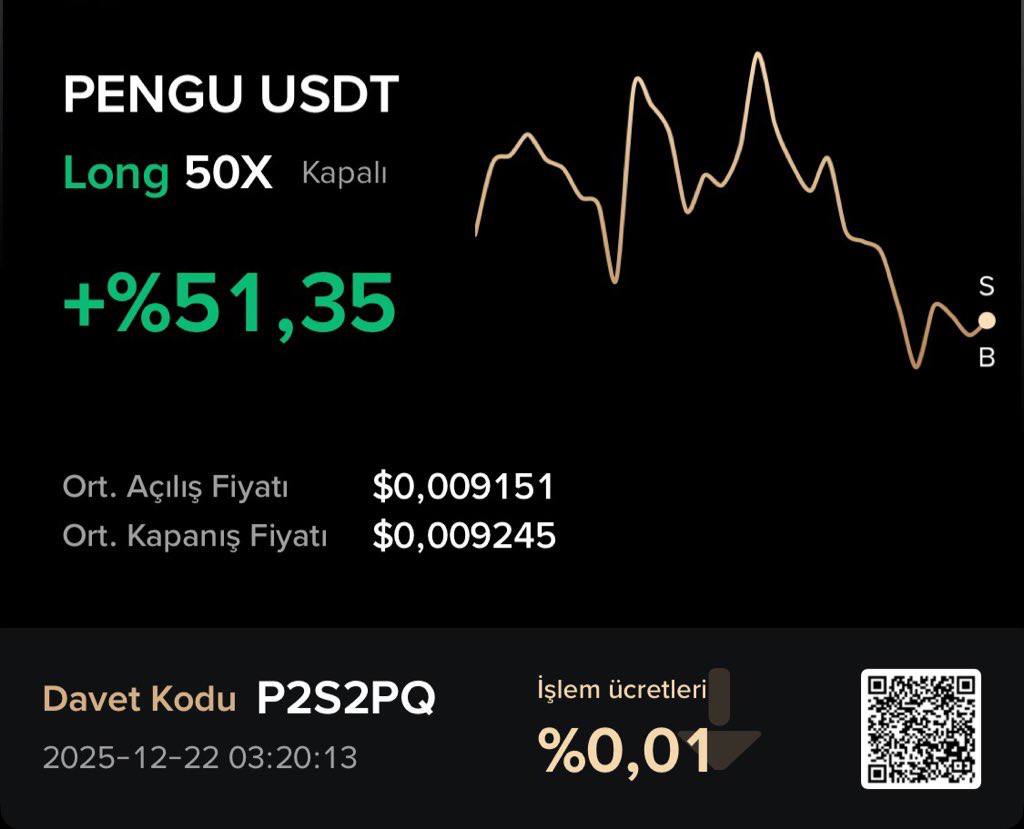
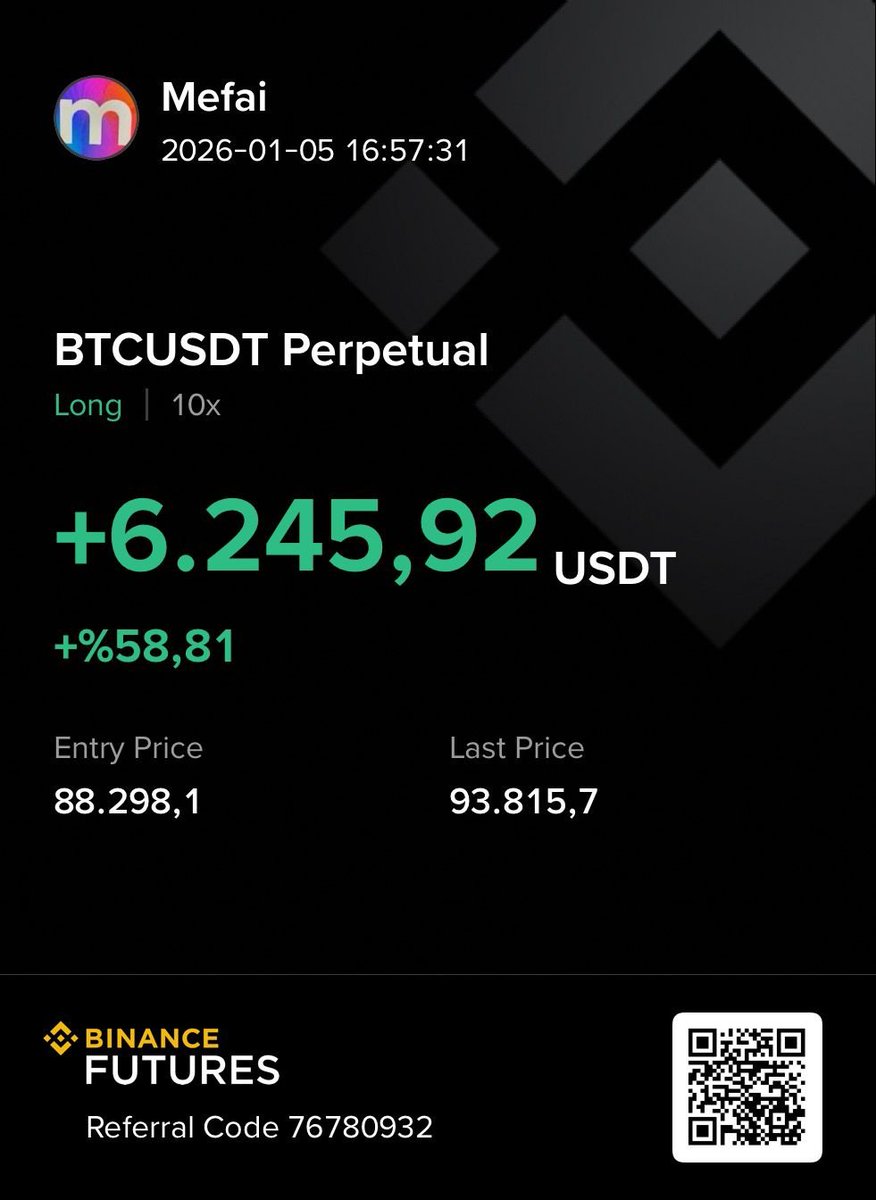
Real results from MEFAI's AI. Get $50 off the Pro plan.
Sponsored · Past performance is not indicative of future results. Not financial advice.

Beyond macro factors, several structural dynamics could be amplifying the selling pressure. One possibility is rotation within Bitcoin-related ETFs themselves. For example, Jacobs mentioned that investors may be shifting assets from one Bitcoin ETF to another—such as selling shares in one fund and buying into a newly launched competitor. This “rebalancing within the category” can create persistent outflows even when overall demand for Bitcoin exposure remains stable.

Another factor is the rise of yield-enhanced Bitcoin products, which offer additional income streams via strategies like covered call writing. These products have gained traction in 2026, drawing capital away from traditional spot ETFs. If investors are prioritizing income over pure price exposure, it could explain part of the rotation. Additionally, some institutions may be trimming Bitcoin allocations to rebalance portfolios after strong performance in late 2025 and early 2026.
The Role of New Entrants and Competition
Competition among US spot Bitcoin ETFs has intensified, with new products launching regularly since early 2024. The entry of alternative offerings—such as the iShares Bitcoin Premium Income ETF (BITA)—has fragmented liquidity and created more options for yield-seeking investors. While competition benefits end users through lower fees and innovative structures, it can also lead to short-term volatility as capital shifts between products.
Smaller ETF issuers may be more vulnerable to outflows during market downturns, as institutional buyers tend to favor larger, more liquid funds. This dynamic could explain why daily outflows are accelerating: as prices fall, investors consolidate positions into the most liquid vehicles, leaving smaller funds to bear the brunt of redemptions. Over time, this could reshape the ETF landscape, favoring issuers with strong balance sheets and deep market-making capabilities.
Long-Term Outlook: Decoupling or Convergence?
Despite the recent pullback, the long-term trajectory of Bitcoin ETFs remains tied to institutional adoption and regulatory clarity. The sustained inflows seen from 2024 through late 2025 demonstrated that traditional finance was embracing Bitcoin as a legitimate asset class. Whether this trend resumes depends on several factors: macroeconomic stability, regulatory developments, and Bitcoin’s ability to reclaim its narrative as a hedge against monetary debasement.

Some analysts argue that Bitcoin is decoupling from risk assets as adoption grows, while others believe the current correlation reflects Bitcoin’s integration into global markets. The truth likely lies in the middle: Bitcoin may retain some hedge-like properties during extreme stress while still being influenced by broader macro trends during normal market conditions. The next few months will be critical in determining which dynamic dominates.
What Investors Should Watch Next
For investors tracking Bitcoin ETFs, the key indicators to monitor include daily net flow data, issuance trends, and fee adjustments. Persistent outflows beyond six weeks could signal a deeper shift in sentiment, while stabilization or a return to inflows would indicate that the market has absorbed the selling pressure. Additionally, watch for new product launches and fee wars, as these often precede shifts in market share.
Macroeconomic releases—particularly US inflation and employment data—will continue to drive short-term price action. Geopolitical developments, especially in the Middle East, could also trigger volatility. Finally, keep an eye on Bitcoin’s on-chain metrics, such as exchange reserves and miner flows, which can provide early signals of supply and demand imbalances.
In summary, the record $6.4 billion outflow from US spot Bitcoin ETFs is a symptom of broader market cooling rather than a fundamental rejection of Bitcoin. While the pullback is significant, it reflects a combination of macro headwinds, institutional repositioning, and competitive dynamics within the ETF ecosystem. For now, Bitcoin’s role as a non-sovereign asset remains intact, but its path forward will depend on macro stability, regulatory clarity, and the ability of ETF issuers to differentiate their products in an increasingly crowded market.
More in Crypto & Trading

Morgan Stanley’s Cheap Ethereum and Solana ETFs Signal Late Entry Strategy in US Spot Market
Morgan Stanley is preparing to launch the cheapest spot Ethereum and Solana ETFs in the US at 0.14%, undercutting rivals and signaling a late-mover strategy focused on cost leadership.

XRP’s Weekend Dip Below $1.14 and the Buyers That Pulled It Back
XRP briefly fell below $1.14 on heavy weekend selling but quickly recovered to the $1.15 area, keeping the token inside its month-long $1.10–$1.30 range.

Bitcoin Stays Flat as Stocks Rise: Why Crypto Isn’t Joining the Risk-On Trade
Bitcoin stayed near $64,000 as Asian equities rallied on US-Iran peace talks and lower oil prices, with crypto trading sideways and memecoins leading losses.