
Crypto kidnapping case shows how armed crypto thefts are evolving
By Mag-Info Tech editorial · 2026-06-20

Two Texas brothers have admitted in federal court that they held a Minnesota family at gunpoint last September and forced a multimillion-dollar cryptocurrency transfer. The case is the latest and one of the highest-value examples of a growing wave of armed crypto robberies in which attackers use kidnapping, threats and specialized tactics to drain digital wallets. With sentencing hearings scheduled, the pleas underscore how law enforcement is treating these crimes as serious federal offenses while also exposing gaps in victim support and asset recovery that still need to be closed.
On Thursday, Isiah Angelo Garcia and Raymond Christian Garcia entered guilty pleas to Interference with Commerce by Robbery before the U.S. District Court in Minnesota. Each charge carries a maximum of 20 years in federal prison. Federal prosecutors emphasized accountability, noting that the pleas reflect the justice system’s response to deliberate, violent acts aimed at stealing cryptocurrency. The case is being handled by the U.S. Attorney’s Office for the District of Minnesota, which has publicly framed the incident as a brazen violation of both personal safety and economic integrity.
The timeline of the attack shows how quickly such crimes escalate. According to court filings and law enforcement accounts, the brothers traveled from Texas to Minnesota on Sept. 19, 2025. They confronted a victim and his family, held the wife and son for nine hours in their home, and took the victim to a remote family cabin roughly three hours away. Under armed duress, the victim was forced to transfer approximately $8 million in cryptocurrency from online accounts and hardware wallets. The ordeal ended only after the victim’s son made an emergency call that connected to Washington County sheriff’s deputies, who later recovered a rifle and shotgun at the scene. Surveillance footage and other evidence linked the weapons and travel patterns directly to the accused.
What makes this case emblematic is not just the scale of the theft, but how it fits into a broader trend. In February, blockchain analytics firm CertiK reported a 75% year-over-year increase in crypto-related assaults and kidnappings in 2025. By April 2026, estimated losses from such attacks had already exceeded $101 million, signaling that armed crypto crime is accelerating faster than traditional crypto theft. Unlike exchange hacks or smart contract exploits, these incidents involve direct, violent coercion to extract private keys or force on-chain transfers. They also force victims into impossible choices: comply or face escalating threats, often without immediate access to law enforcement or asset recovery tools.
For crypto users, the implications are serious. Hardware wallets, which are widely recommended for long-term storage, do not protect against physical coercion. Once an attacker has a gun to your family or forces you to unlock a wallet, the security model of cryptography breaks down. This reality has led some security experts to advise users to avoid keeping large balances in self-custodied wallets if they are personally identifiable or live in areas where violent crime is prevalent. At the same time, exchanges and custodians are increasingly under pressure to detect unusual withdrawal patterns tied to extortion—such as rapid transfers from cold storage or requests made under duress—but current safeguards are not foolproof. Many exchanges still lack real-time behavioral monitoring for kidnapping-linked transfers, and even when flagged, the irreversibility of blockchain transactions complicates recovery.
Law enforcement is responding, but unevenly. Federal agencies like the FBI and U.S. Attorney’s offices are prioritizing these cases due to their violent nature and interstate scope, which triggers federal jurisdiction. In this case, the recovery of firearms and the use of emergency call data helped build a strong evidentiary trail. Still, the broader challenge is scalability. Many local police departments lack training in crypto tracing, and even when they do, the cross-border nature of digital assets and the use of mixers or privacy coins can obscure funds within hours. Prosecutors are calling for stronger interagency coordination, including partnerships with blockchain analytics firms that can trace stolen funds across multiple chains and identify withdrawal patterns consistent with coercion.
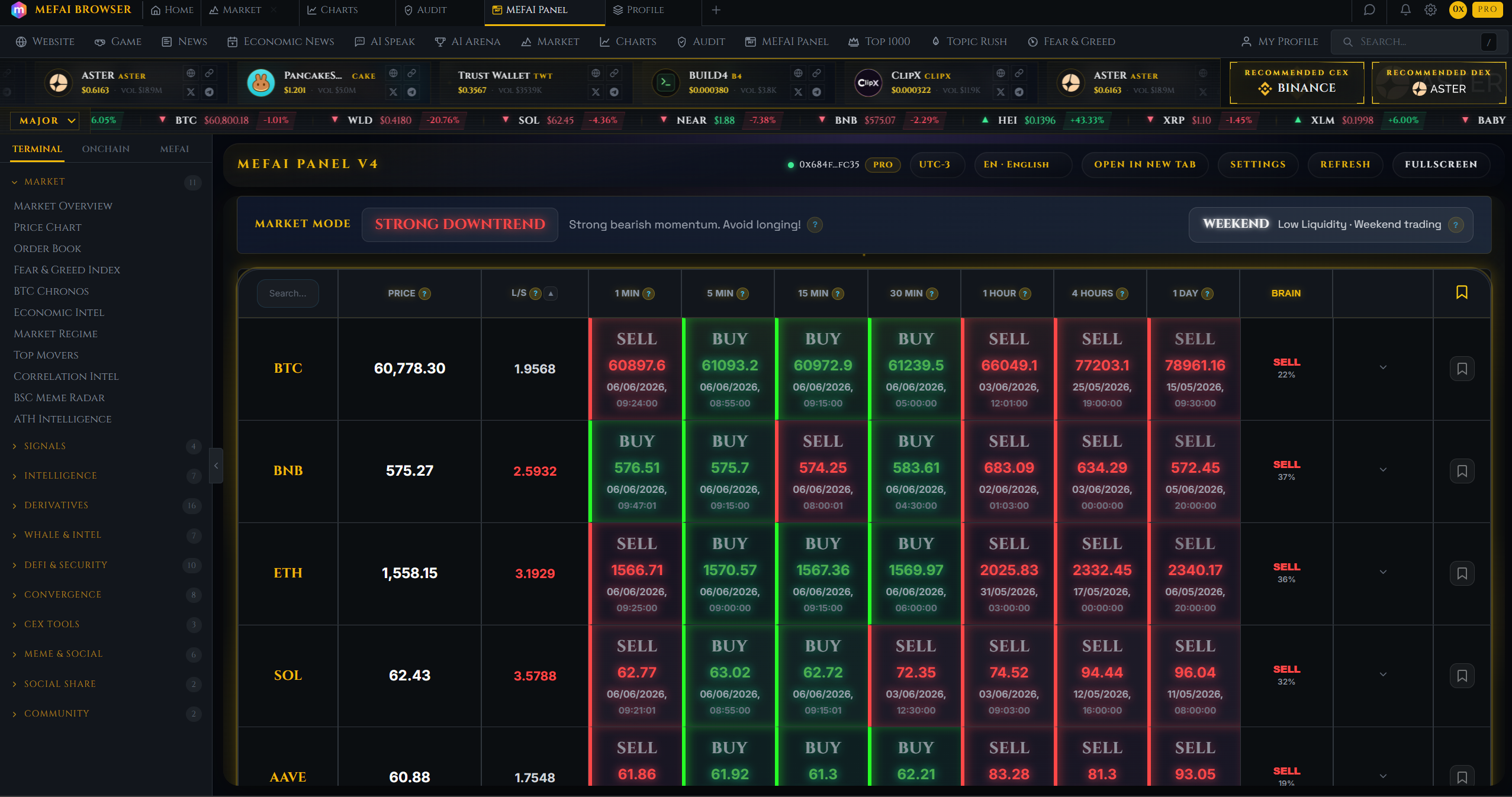
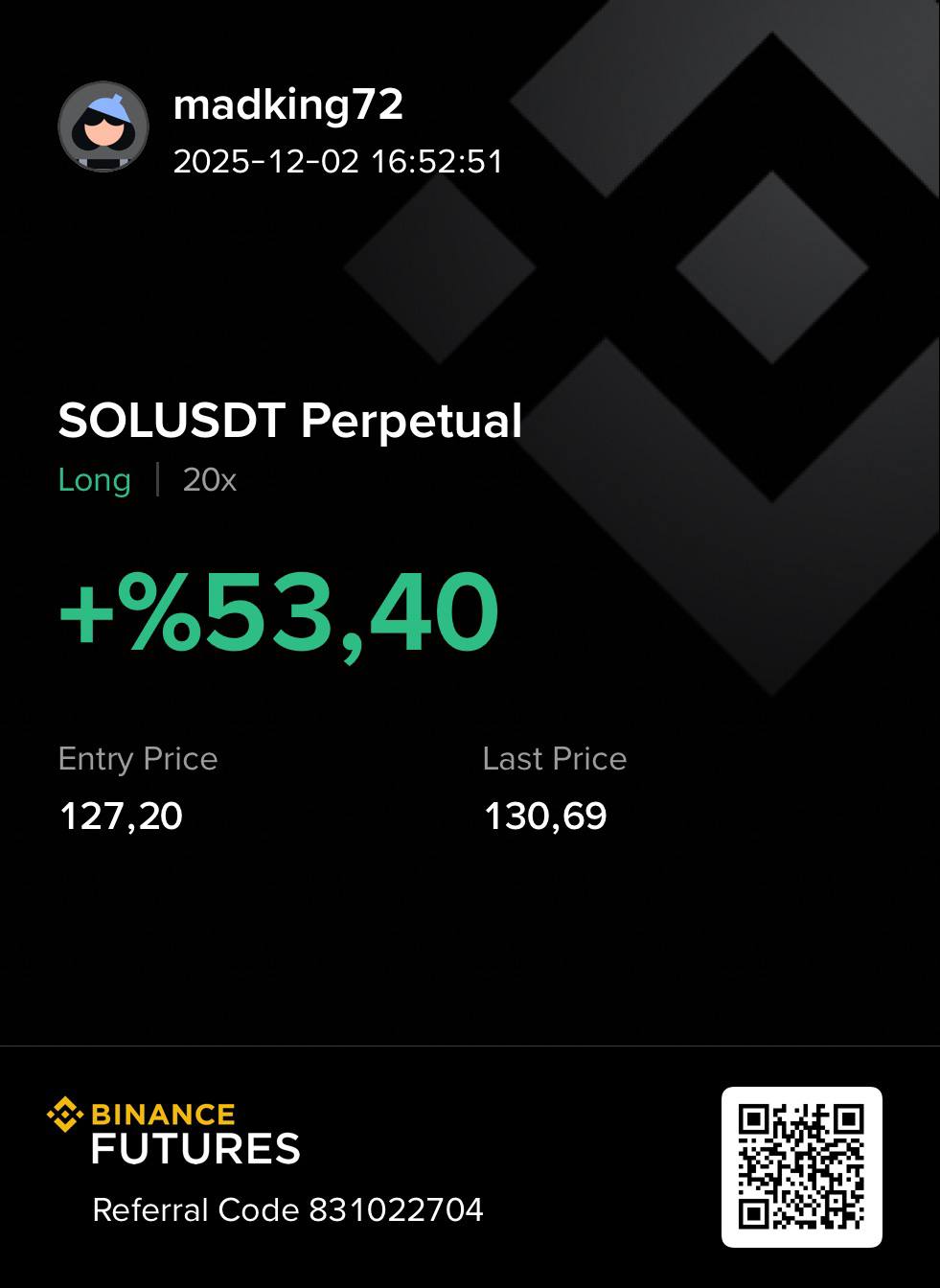
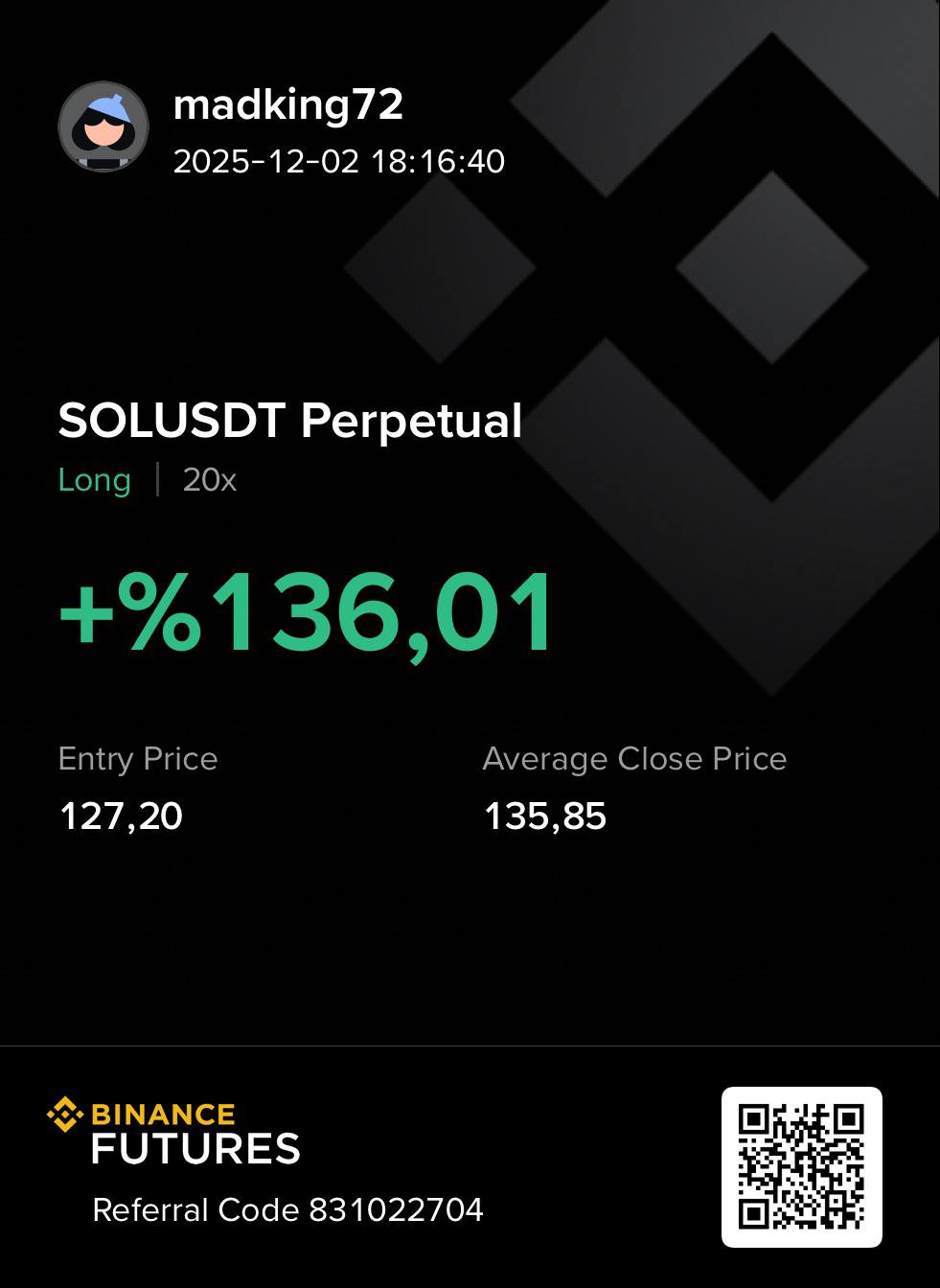
Real results from MEFAI's AI. Get $50 off the Pro plan.
Sponsored · Past performance is not indicative of future results. Not financial advice.


The Garcia brothers’ guilty pleas also carry a financial consequence beyond prison time. As part of their agreement, they have consented to pay more than $8 million in restitution to the victim. This signals that courts are treating the stolen crypto as recoverable value, even though the assets were likely moved through multiple addresses and possibly converted. While full recovery is rare in crypto kidnappings, the court’s stance may encourage victims to pursue civil claims or restitution orders as part of their recovery process. It also puts pressure on defendants to cooperate in asset tracing if they hope for reduced sentences.
For the wider crypto ecosystem, this case is a cautionary tale. It shows that the promise of “be your own bank” comes with real-world risks that traditional banking systems mitigate through surveillance, insurance and legal recourse. For high-net-worth individuals, celebrities or public figures whose identities are easily traceable, the risk is amplified. Some advisors now recommend using multi-signature wallets with trusted third parties or geographic distribution of signing devices to reduce single-point coercion risk. Others suggest maintaining minimal balances in self-custodied wallets and relying more on regulated custodians for larger holdings—despite the trade-offs in control and privacy.

Looking ahead, the sentencing hearings will be closely watched. They may set precedents for how restitution is calculated in crypto kidnappings, especially when funds have passed through mixers or foreign exchanges. The outcome could also influence whether more victims come forward, given the stigma and trauma associated with such crimes. Meanwhile, blockchain analytics firms are likely to enhance their detection models for extortion-linked transfers, integrating behavioral flags such as sudden large withdrawals from cold storage, requests made during unusual hours, or transfers to known mixers shortly after withdrawal.
For everyday users, the takeaway is clear: cryptocurrency remains a powerful tool for financial sovereignty, but it is not immune to real-world violence. Users should treat large self-custodied balances as they would cash in a safe—secure, limited in visibility, and insured where possible. Families should have emergency protocols, including safe words or coded messages, to alert authorities without escalating threats. And exchanges should invest in behavioral monitoring and rapid response teams trained to flag potential kidnapping-linked transfers, even if it means delaying withdrawals temporarily.
The Garcia case is not an anomaly. It is a symptom of a broader shift in crypto crime, where the line between digital theft and violent robbery is blurring. As courts prepare to sentence the brothers, the crypto community must confront an uncomfortable truth: the same irreversibility that makes blockchain secure also makes it uniquely vulnerable to physical coercion. Until better safeguards—technical, legal and operational—are in place, armed crypto kidnappings will remain a growing threat.
More in Crypto & Trading
Morgan Stanley’s Cheap Ethereum and Solana ETFs Signal Late Entry Strategy in US Spot Market
Morgan Stanley is preparing to launch the cheapest spot Ethereum and Solana ETFs in the US at 0.14%, undercutting rivals and signaling a late-mover strategy focused on cost leadership.
XRP’s Weekend Dip Below $1.14 and the Buyers That Pulled It Back
XRP briefly fell below $1.14 on heavy weekend selling but quickly recovered to the $1.15 area, keeping the token inside its month-long $1.10–$1.30 range.
Bitcoin Stays Flat as Stocks Rise: Why Crypto Isn’t Joining the Risk-On Trade
Bitcoin stayed near $64,000 as Asian equities rallied on US-Iran peace talks and lower oil prices, with crypto trading sideways and memecoins leading losses.