Best Crypto Courses in 2026: What’s Changing and Who Should Learn What
By Mag-Info Tech editorial · 2026-06-10

Why crypto courses look different in 2026
Crypto education has shifted from “what is Bitcoin?” to “how do I safely use DeFi, audit smart contracts, and comply with regulators?” In 2026, the most useful courses focus on doing, not just watching. They combine interactive simulations, live market data, and real-world compliance scenarios so learners can practice without risking real funds. Platforms now embed sandbox environments where you can deploy test tokens, interact with lending protocols, or simulate token launches under different regulatory conditions. The result is a skills-first approach: you finish a course with deliverables like an audited smart contract, a risk assessment report, or a compliance checklist you can apply immediately.
This evolution is driven by demand from two groups. Professionals—developers, auditors, compliance officers—need verifiable skills for job roles that barely existed five years ago. Meanwhile, self-learners want to move past hype and build real fluency in trading, yield farming, or protocol governance. Courses now bundle certifications, GitHub repositories, and community access so learners can prove competence and keep learning after the final quiz. If you’re choosing a course in 2026, the key question is whether it teaches you to build or just to understand.
What’s changed: the big shifts in crypto education
Three trends define crypto courses in 2026. First, integration with live tools: platforms embed wallets, block explorers, and protocol dashboards directly into lessons so you see how theory maps to real interfaces. Second, modularity: a beginner path might start with “Crypto Basics,” then fork into “DeFi Security,” “NFT Marketplaces,” or “Regulatory Compliance,” letting you skip what you already know. Third, outcome-based design: courses end with a capstone project—launch a token on a testnet, write a security audit report, or simulate a DAO vote—rather than a multiple-choice test.
Behind these changes is a recognition that crypto literacy now spans technical, financial, and legal domains. A developer needs to know gas optimization and reentrancy risks, while a compliance officer must understand travel rule requirements and sanctions screening. Courses now include cross-functional modules so teams can train together. For example, a developer and compliance officer can take the same course but focus on different exercises: the developer deploys a token, the compliance officer configures screening rules for it. This alignment with real job tasks makes the learning stick and increases the value of the credential.
How to choose a crypto course in 2026: practical criteria
Start by matching the course to your goal. If you want to build, prioritize platforms that include sandbox environments, GitHub integration, and code-along tutorials. Look for courses that walk you through deploying a smart contract, connecting to a testnet, and interacting with a DEX—all inside the course interface. If you want to trade, seek courses that combine on-chain data with simulated trading environments and risk-management drills. These platforms often include live order books, liquidation simulators, and portfolio stress tests so you can practice without real losses.
Next, consider depth versus breadth. Some courses offer a broad overview—“Blockchain, DeFi, NFTs, and DAOs in 8 weeks”—while others go deep on one topic, like “Smart Contract Auditing” or “Regulatory Frameworks for Crypto in the EU and US.” If you’re a professional targeting a specific role, choose the deep dive. If you’re exploring, a broad course with optional advanced tracks can help you discover where your interest lies. Also check the credential format: some courses issue NFT-based certificates that live on-chain, others provide PDFs with employer-recognized logos, and a few integrate with LinkedIn skill badges. Verify which format hiring managers in your region recognize.

Finally, evaluate the community and updates. Crypto evolves weekly, so courses must update content and maintain active forums. Look for platforms that publish changelogs, host live Q&A sessions with instructors, and provide alumni networks where you can share projects and get feedback. A static course from 2023 won’t prepare you for 2026’s protocol upgrades and regulatory shifts. The best providers treat their course as a living document, with quarterly refreshes and new capstone projects tied to current market conditions.
Top platforms compared: learn-by-doing, project-based, and professional tracks
Learn-by-doing platforms (best for builders and self-learners)
These platforms treat crypto education like a coding bootcamp: you learn by doing in sandboxes that feel like real environments. One leading provider offers a “Full-Stack DeFi” path where you start by minting an ERC-20 token in a browser IDE, then connect it to a DEX simulator, and finally deploy a governance token with a DAO interface—all without leaving the course. Another platform focuses on security, guiding you through common vulnerabilities with interactive exploit simulations where you patch a contract before an attacker drains the pool. Both platforms issue GitHub-hosted certificates and invite learners to contribute to open-source security tools as a capstone.
For traders, one platform now integrates live order books from major DEXs and lets you place simulated trades with real slippage and gas fees, so you experience the psychology of trading without financial risk. The course includes modules on on-chain forensics to trace suspicious transactions and on portfolio correlation analysis to avoid over-concentrated positions. These hands-on drills are ideal if you want to move beyond YouTube tutorials and build a repeatable process.
Project-based platforms (best for portfolio builders and freelancers)
Project-based platforms emphasize deliverables you can showcase to employers or clients. One provider’s “Crypto Product Builder” course guides you through launching a token on a testnet, creating a simple dApp frontend, and writing a security audit report. You finish with a GitHub repo, a live demo on a testnet explorer, and a PDF audit report—exactly the artifacts a startup or DAO would ask for. Another platform specializes in NFT marketplaces, walking you through smart contract deployment, royalty configurations, and front-end integration with popular wallets.
These platforms are popular with freelancers and indie makers who want to monetize crypto skills. The capstone projects are designed to be portfolio-ready: a lending protocol simulator, an NFT fractionalization dApp, or a multi-sig wallet dashboard. Because the deliverables are public, you can link them directly from your resume or LinkedIn. The downside is that these courses assume you already know the basics of JavaScript and Solidity; they’re not for absolute beginners.
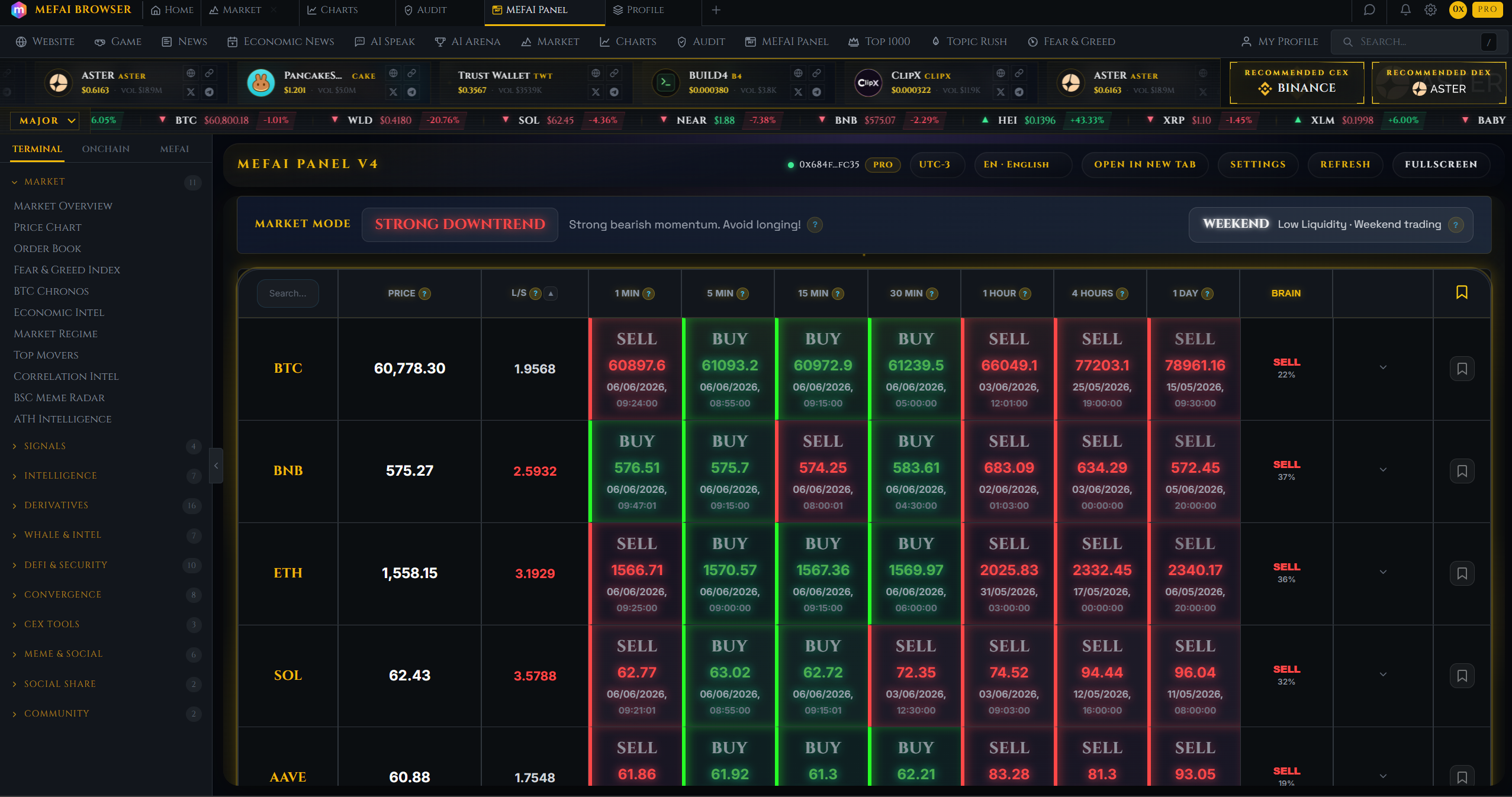
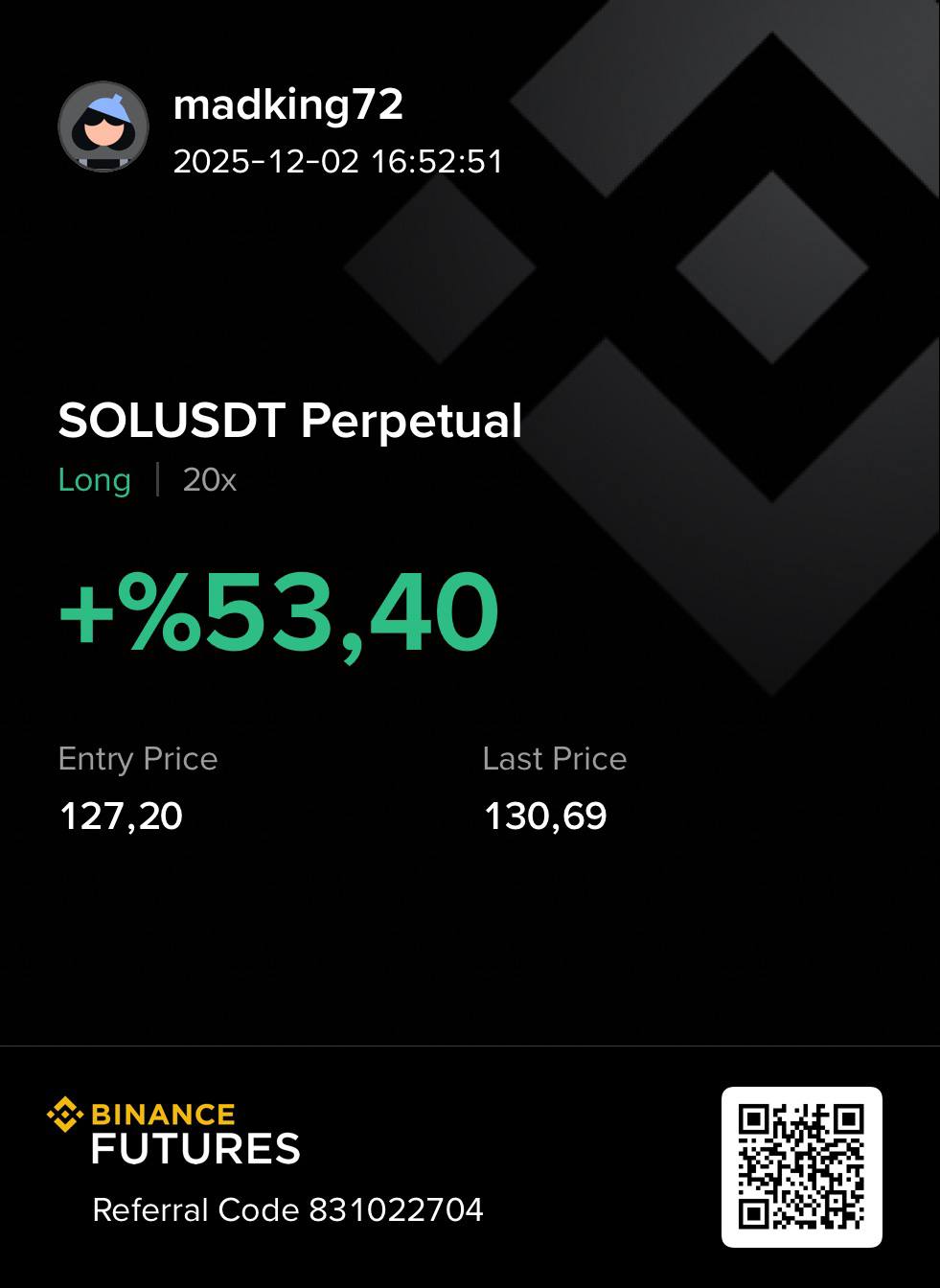
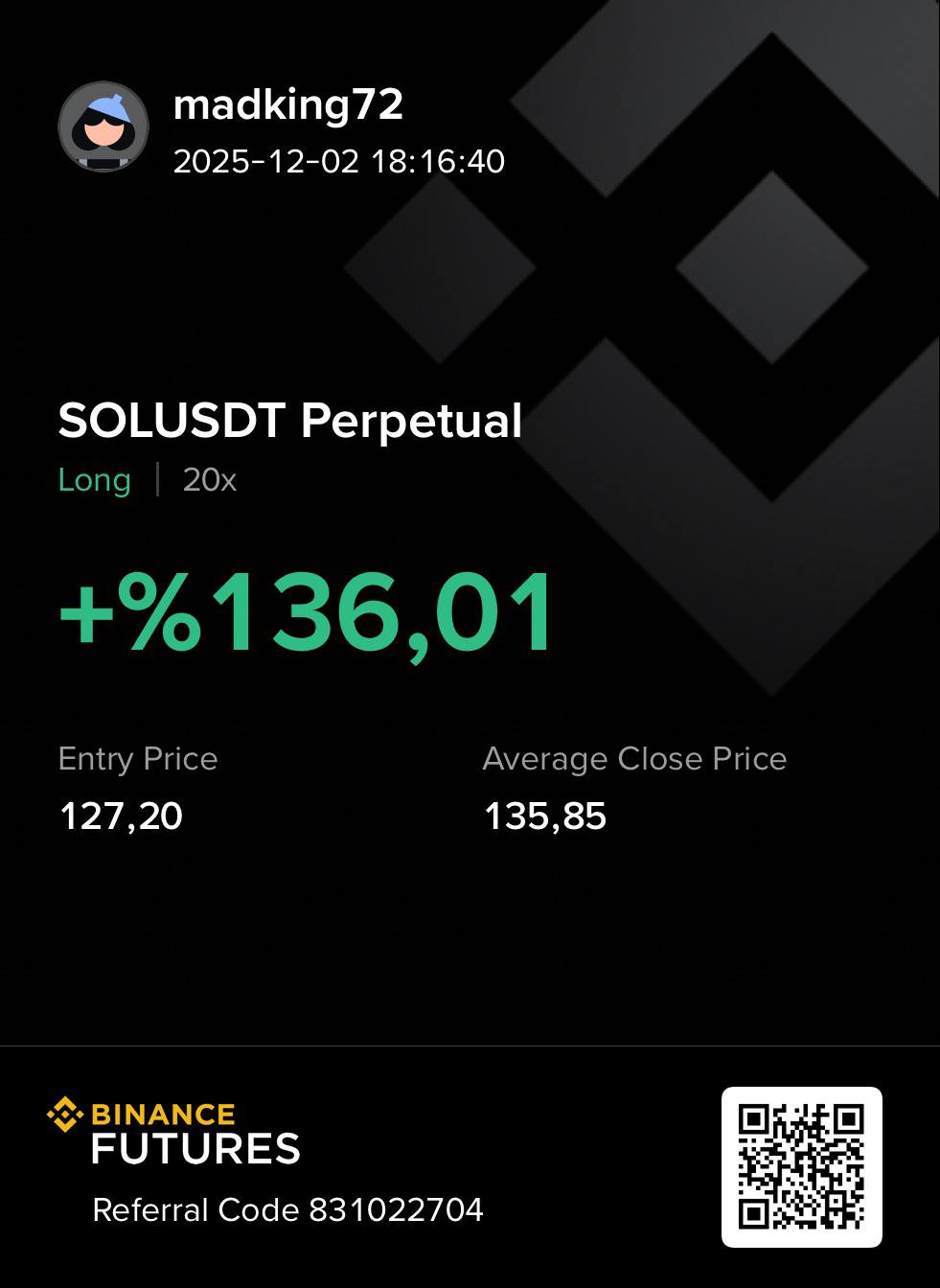
Real results from MEFAI's AI. Get $50 off the Pro plan.
Sponsored · Past performance is not indicative of future results. Not financial advice.


Professional certification tracks (best for career changers and compliance teams)
Professional tracks target roles like “Smart Contract Auditor,” “Crypto Compliance Specialist,” or “On-Chain Analyst.” One provider offers a “Certified DeFi Risk Analyst” credential that includes modules on protocol risks, liquidation mechanics, and regulatory travel rules across multiple jurisdictions. The course culminates in a risk assessment of a live lending protocol, with learners producing a report similar to what a risk team at a DeFi foundation would create. Another platform provides a “Crypto Compliance Officer” track that covers sanctions screening, KYC/AML workflows, and jurisdictional licensing requirements, with simulations of real compliance scenarios.
These tracks are ideal if you’re pivoting into crypto from finance, law, or security. They include case studies from recent hacks and regulatory actions, so you learn from real incidents rather than hypotheticals. Employers increasingly recognize these credentials, especially when paired with on-chain certificates or badges that can be verified by anyone. The main limitation is cost and time commitment—these tracks can take 3–6 months and require passing exams or producing professional-grade reports.
Specialized paths: NFTs, DAOs, and compliance-focused learning
NFT education has matured beyond “how to mint” to “how to design, audit, and market” NFT collections. In 2026, courses focus on royalty structures, soulbound tokens, and fractionalization mechanics, with capstones that involve deploying a collection and analyzing its on-chain activity. DAO-focused courses now cover governance tokenomics, proposal frameworks, and treasury management, often using live DAO dashboards as teaching tools. These courses are valuable if you want to contribute to DAOs or launch your own community.
Compliance education has also professionalized. Courses now simulate real-world scenarios like screening a wallet against OFAC lists, configuring a travel rule provider, or drafting a crypto asset policy for a family office. Some platforms partner with compliance software vendors to provide temporary sandbox access so learners can configure real tools. This practical exposure is critical because compliance roles increasingly require hands-on tooling experience, not just theoretical knowledge.
For both NFT and DAO tracks, look for courses that include community components—DAO governance simulations or NFT collector Discord channels—so you can practice collaboration and communication, skills that are just as important as technical ability in decentralized organizations.
What to watch next: trends shaping the next wave of courses
Watch for three developments in the next 12–18 months. First, AI-assisted learning: platforms are beginning to embed AI tutors that review your smart contract code, suggest gas optimizations, and simulate attack vectors based on your contract’s logic. These AI coaches can provide instant feedback during sandbox exercises, accelerating the learning curve. Second, modular micro-credentials: instead of one long course, expect bite-sized modules you can stack into custom certifications—for example, “DeFi Security Basics” plus “NFT Royalty Design” plus “Sanctions Screening” to create a “Crypto Risk Analyst” credential. Third, employer integrations: platforms are forming partnerships with crypto-native employers to recognize course modules as pre-screened qualifications, so completing a specific track can fast-track your application.
Another trend is the rise of “living textbooks”—course content that updates automatically as protocols evolve. Instead of static videos, you’ll get interactive docs that pull live contract addresses, governance proposals, and risk dashboards directly into the lesson. This ensures your knowledge stays current without waiting for the next course revision. Finally, expect more cross-disciplinary courses that pair crypto with adjacent fields: “Crypto for Data Scientists” teaches on-chain analytics and visualization; “Crypto for Lawyers” covers smart contract interpretation and dispute resolution.

How to get the most out of a 2026 crypto course
Before you enroll, audit the sandbox environment. Can you connect a wallet, deploy a contract, and interact with a DEX within the first hour? If not, the platform may still be too theoretical. Next, check the capstone requirements—does it ask for a GitHub repo, a written report, or a live demo? The best courses require you to produce something you can show others. Also review the instructor roster: courses taught by active protocol contributors or ex-regulators carry more weight than those led by generalists.
After enrolling, treat the course like a project. Set weekly milestones—finish the Solidity module by Friday, deploy a token by Sunday—and join the community Slack or Discord to ask questions and share progress. Use the sandbox to experiment beyond the exercises: tweak a fee structure, try a new token standard, or simulate a governance vote. The goal is to build muscle memory so you can replicate the workflow when you’re on your own.
Finally, plan for post-course learning. The best platforms provide alumni channels, monthly AMAs with core contributors, and curated reading lists tied to current market events. Stay engaged: crypto changes fast, and the courses that keep teaching after the final quiz are the ones that will still be relevant a year later.
Bottom line: pick the path that matches your goal
If you want to build software, choose a learn-by-doing platform with sandbox deployments and GitHub deliverables. If you want to trade or analyze markets, select a course with live data and risk simulators. If you’re targeting a compliance or auditing role, prioritize professional tracks with real-world case studies and employer-recognized credentials. Avoid courses that rely on static videos or multiple-choice quizzes—2026’s best crypto education happens in interactive environments where you practice the actual work.
The biggest mistake learners make is treating crypto courses like passive content. The platforms that succeed are the ones that turn students into doers. So pick a course that makes you build, analyze, or comply—not just watch.
More in Learning & Courses

Free vs Paid Crypto Courses: What’s Actually Worth Paying For
Compare top free and paid crypto courses to decide when to pay for structured learning, hands-on practice, and certification versus relying on free resources.

Best Crypto Courses for Beginners: Where to Start in 2024
Learn what to look for in a crypto course and compare beginner-friendly options from Coinbase, Binance, Udemy, Coursera and more.
How to Choose a Crypto Course: 10 Common Mistakes and How to Avoid Them
Avoid overspending on out-of-date or overly promotional crypto courses by watching for outdated content, hidden upsells, and vague outcomes. Use this guide to pick a course that matches your learning