Best Crypto Courses for Beginners: Where to Start in 2024
By Mag-Info Tech editorial · 2026-06-10

What a beginner needs from a crypto course
Crypto education is still fragmented across blogs, YouTube and paid courses. For newcomers, the main risks are misinformation and information overload. A good beginner course should start with why blockchain exists, how Bitcoin and Ethereum differ, and how transactions are recorded without a central party. It should then move to practical steps: setting up a wallet, buying your first coins on a regulated exchange, and recognizing common scams. Look for courses that use plain language, include hands-on exercises like creating a testnet wallet, and provide a community forum for questions. Avoid courses that promise guaranteed returns or focus only on trading signals.
Most beginners underestimate wallet security and overestimate their ability to spot fraud. A solid course will teach seed-phrase hygiene, hardware wallet basics, and how to verify smart-contract addresses before signing transactions. It will also explain the difference between custodial and non-custodial wallets, because that decision affects who controls your money. Choose a course that balances theory with immediate, low-stakes practice so you can make small mistakes without losing real money.
Coinbase Learning: bite-sized lessons with built-in wallet
Coinbase offers free, short video lessons on blockchain basics, Bitcoin, Ethereum, DeFi and NFTs. Each lesson ends with a quiz and a small reward in crypto that you can withdraw to your own wallet once you reach a threshold. This “learn-and-earn” model gives beginners a taste of real crypto without requiring an upfront purchase. The wallet integrated into the same app supports hundreds of assets and includes basic security features like biometric login and seed-phrase backup prompts.
Who it’s best for: absolute beginners who want a gentle introduction tied to an established exchange. The quizzes and micro-rewards keep motivation high, and the integrated wallet lowers the friction of moving from theory to practice. Watch out for the platform’s focus on Coinbase’s own products; it does not cover self-custody in depth beyond the basics.
Binance Academy: free, structured curriculum with multilingual support
Binance Academy provides a free learning path that starts with blockchain fundamentals and progresses to trading, mining and regulatory topics. The content is available in dozens of languages and includes text, diagrams and short videos. Each module ends with a quiz, and the platform tracks your progress. Unlike Coinbase’s earn program, Binance Academy does not give away crypto, but it does link to Binance’s testnet where you can practice spot trading with fake money.
Who it’s best for: non-English speakers and users who prefer a traditional curriculum without gamification. The depth of regulatory and technical topics is higher than most free courses, making it a good second step after you grasp the basics. Be aware that the platform is tied to the Binance ecosystem; if you later decide to use another exchange, some Binance-specific workflows will not apply.

Udemy Crypto Courses: paid, project-based classes with lifetime access
Udemy hosts several beginner-friendly crypto courses, typically priced as a one-time purchase with lifetime access to videos, downloadable slides and quizzes. The best-rated courses include hands-on projects such as building a simple blockchain explorer or minting an NFT on a testnet. Because Udemy frequently runs sales, the effective price can be low, but the total cost is still higher than free alternatives. Reviews and instructor response rates are visible, which helps gauge quality.
Who it’s best for: learners who want structured, project-based training and do not mind paying a small, upfront fee. The lifetime access model is useful if you plan to revisit the material as your skills grow. Check the syllabus carefully: some courses spend more time on trading strategies than on foundational concepts, which may not suit everyone.
Coursera “Blockchain Basics” by University of Buffalo: academic approach with certificate
Coursera’s “Blockchain Basics” is a four-week, instructor-led course from a university. It covers consensus algorithms, smart contracts and permissioned vs. permissionless chains. The course includes graded assignments and a certificate upon completion. The academic tone means slower pacing and more theory than hands-on labs. Financial aid is available, so cost is not a barrier for motivated learners.
Who it’s best for: learners who prefer a structured, university-style environment and want a verifiable credential for their resume. The certificate can help if you are exploring crypto careers in enterprise or compliance. If you are mainly interested in buying and holding crypto, the time commitment may feel heavy compared to shorter courses.
CryptoZombies: interactive coding for beginners who want to build
CryptoZombies teaches Solidity by guiding you through building a simple game on Ethereum. Each lesson is interactive: you write and deploy code in a browser-based IDE, then see the results immediately. No prior programming experience is required, and the course is free for the first few lessons; advanced tiers require a paid subscription. The project-based approach gives a tangible result you can share, which builds confidence.
Who it’s best for: total beginners who want to move beyond buying crypto and understand how smart contracts work under the hood. If you have no coding background, start with the first few free lessons to see if you enjoy the style. The subscription model can become expensive if you progress far, so budget accordingly.
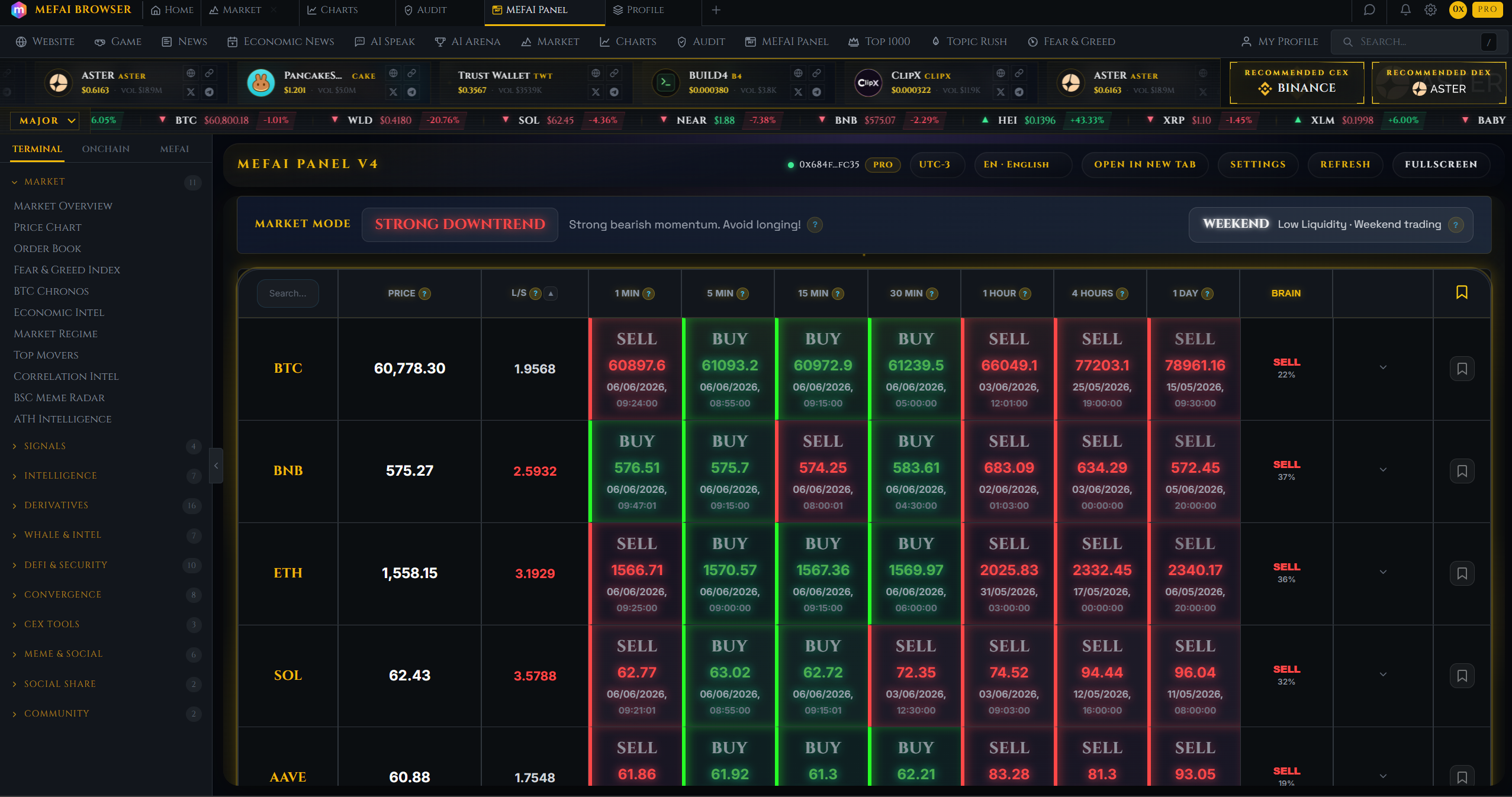
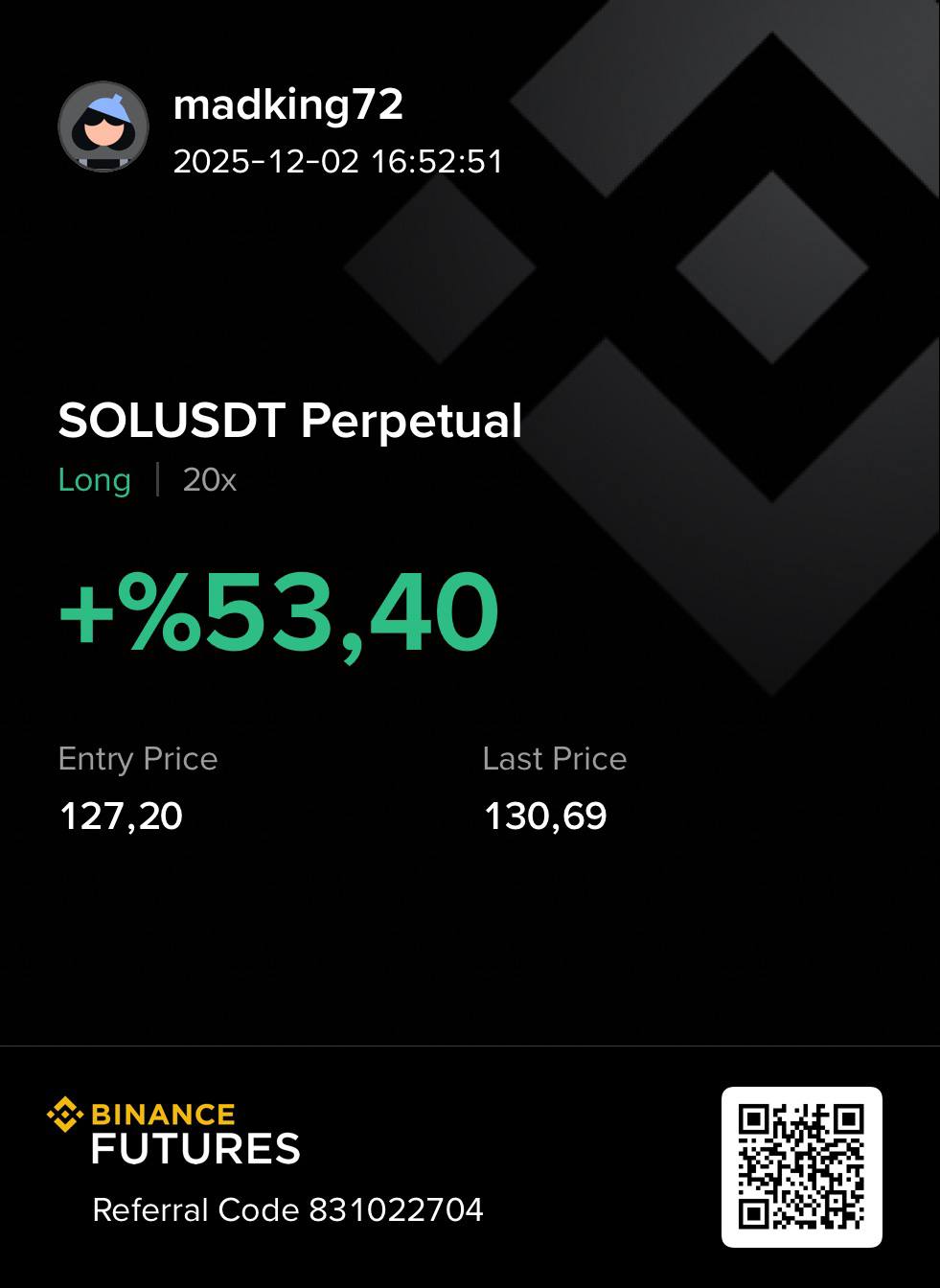
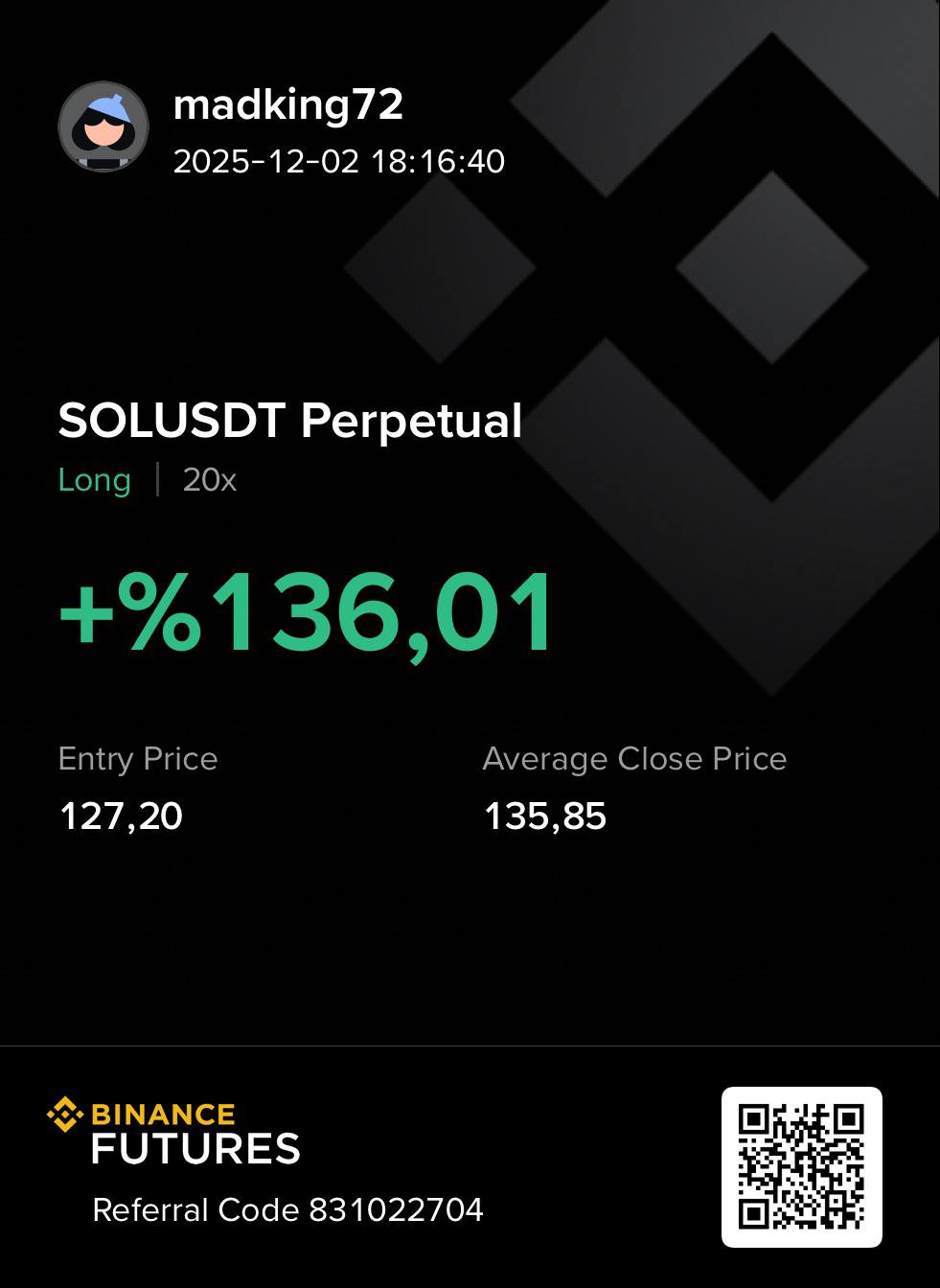
Real results from MEFAI's AI. Get $50 off the Pro plan.
Sponsored · Past performance is not indicative of future results. Not financial advice.

MIT OpenCourseWare “Bitcoin and Cryptocurrency Technologies”: deep dive for serious learners
MIT OpenCourseWare offers a free, full-semester course with lecture videos, readings and problem sets. The content dives into elliptic-curve cryptography, consensus protocols and scalability trade-offs. There are no certificates or hands-on wallets, but the depth is unmatched for those who want to understand why Bitcoin works the way it does. The course assumes comfort with college-level math and computer science.
Who it’s best for: learners with strong technical backgrounds or those considering crypto engineering as a career. If you are only looking to buy Bitcoin or use DeFi apps, the time investment may exceed what you need. Use this course as a reference when you encounter advanced topics elsewhere.
Practical selection checklist for beginners
Start by deciding your goal: do you want to buy and hold crypto, trade actively, or build applications? If you only plan to buy Bitcoin or Ethereum, a short, free course with a built-in wallet like Coinbase Learning will cover 80% of what you need. If you plan to trade or use DeFi, choose a platform that includes a testnet so you can practice without risk. If you aim to code smart contracts, prioritize interactive coding courses like CryptoZombies.
Next, evaluate the balance between theory and practice. Courses that rush into trading strategies without explaining wallets or seed phrases can leave dangerous gaps in your knowledge. Look for concrete exercises: creating a wallet, sending a test transaction, interacting with a smart contract on a testnet. Also check the currency and language options; some platforms only support English or a handful of major languages.
Finally, consider the ecosystem lock-in. Platform-specific courses may teach you how to use one exchange’s interface, which won’t translate well to another exchange. Seek courses that emphasize universal concepts—private keys, transaction fees, nonce values—so your skills remain portable. Community support matters too; free courses with active forums or Discord channels can save you from costly mistakes when you get stuck.

How to avoid common beginner pitfalls
Many newcomers lose money to phishing sites that mimic wallet interfaces or exchanges. A good course will teach you to bookmark official URLs, enable two-factor authentication, and never enter your seed phrase on any website. Another trap is over-trading with real money before understanding fees, slippage and liquidity. Use testnet environments or paper trading features to practice order types and risk management. Finally, avoid courses that promise “guaranteed profits” or “secret strategies”; reputable platforms focus on education, not trading signals.
Security hygiene is not optional. Hardware wallets are recommended for larger holdings, but even a software wallet should be protected by a strong passphrase and biometric locks. Learn how to verify contract addresses before signing transactions; a single typo or phishing link can drain your funds. If a course skips these topics or treats them as an afterthought, it is not suitable for beginners.
What to watch next after the first course
Once you finish an introductory course, apply your knowledge immediately. Buy a small amount of crypto on a regulated exchange, move it to a non-custodial wallet you control, and send a test transaction to a friend. This hands-on step reveals gaps that no video can teach. After that, choose an intermediate topic based on your interest: DeFi protocols, NFT marketplaces, or smart-contract development. Follow project documentation and reputable newsletters rather than social-media influencers for updates.
If you enjoyed the academic style, consider Coursera or MIT OpenCourseWare for deeper dives. If you prefer building, continue with CryptoZombies or similar interactive platforms. For trading, look for courses that emphasize risk management and paper trading rather than “get rich quick” tactics. Always cross-check what you learn with primary sources—whitepapers, protocol docs, and exchange help centers—so your knowledge stays accurate and up to date.
Quick decision guide
- Need a free, fast start with wallet integration? Coinbase Learning.
- Prefer structured, multilingual lessons without gamification? Binance Academy.
- Want project-based training with lifetime access? Udemy beginner courses.
- Looking for a university certificate and academic depth? Coursera or MIT OCW.
- Interested in coding smart contracts from day one? CryptoZombies.
Pick one course that matches your goal, complete the hands-on exercises, and only then move to the next topic. Stay skeptical, verify everything, and never risk more than you can afford to lose.
More in Learning & Courses
Free vs Paid Crypto Courses: What’s Actually Worth Paying For
Compare top free and paid crypto courses to decide when to pay for structured learning, hands-on practice, and certification versus relying on free resources.
How to Choose a Crypto Course: 10 Common Mistakes and How to Avoid Them
Avoid overspending on out-of-date or overly promotional crypto courses by watching for outdated content, hidden upsells, and vague outcomes. Use this guide to pick a course that matches your learning

Best Crypto Courses in 2026: What’s Changing and Who Should Learn What
Crypto courses are moving beyond basics into hands-on DeFi, security and compliance skills. Compare top providers by learning style, depth and practical focus to pick what fits your goals.