
How to Choose a Crypto Course: 10 Common Mistakes and How to Avoid Them
By Mag-Info Tech editorial · 2026-06-10

Choosing a crypto course can feel like trying to pick a safe route through a crowded marketplace. Every stall promises quick profits, deep insights, or “guaranteed” success. In reality, many courses are outdated the day they launch, overhyped, or designed more to sell trading signals than to teach foundational knowledge. The result is wasted money, frustration, and lost time. This guide highlights the ten most common mistakes people make when selecting a crypto course, explains why they matter, and offers clear ways to avoid them. Whether you are a beginner looking to grasp blockchain basics or an experienced trader aiming to refine risk management, these insights will help you choose a course that actually advances your goals.
1. Mistake: Assuming all courses teach the same thing
Crypto courses vary widely in scope and depth. Some focus narrowly on technical analysis or day-trading strategies, while others cover blockchain architecture, smart contracts, or DeFi protocols. Many beginners assume a single course can cover everything from Bitcoin mining to NFT valuation, only to find the material is either too shallow or too advanced. Courses marketed as “comprehensive” often lack hands-on coding exercises or real-world case studies, leaving learners without practical skills. Others emphasize flashy trading setups without explaining the underlying economic or technical rationale, which can lead to risky behavior.
To avoid this pitfall, start by listing your primary goal: Do you want to understand how blockchains work, build decentralized apps, or trade cryptocurrencies safely? Then compare course syllabi directly. Reputable providers publish detailed outlines that include modules on consensus mechanisms, wallet security, or protocol risks—not just price charts. Look for courses that balance theory with practice, such as setting up a testnet wallet or analyzing smart contract code. If a syllabus reads like a list of buzzwords without clear learning outcomes, it’s a red flag. Choosing a course that aligns with your specific objective ensures you invest time in relevant material rather than generic, low-value content.
2. Mistake: Ignoring the instructor’s expertise and transparency
A polished sales page with testimonials does not guarantee the instructor understands crypto fundamentals. Some course creators gained notoriety through viral social media posts or trading wins but lack formal education in computer science or economics. Others present themselves as “gurus” without disclosing past regulatory issues or conflicts of interest, such as undisclosed partnerships with exchanges or token projects. This opacity can lead to biased advice, such as pushing specific tokens or trading bots that benefit the instructor more than the student.
Before enrolling, research the instructor’s background. Check their professional history, academic credentials, and public contributions to open-source projects or research papers. Look for verifiable evidence of their involvement in the field, such as conference talks, published articles, or contributions to blockchain protocols. Transparency also means clear disclosure of any paid promotions or affiliate links. Reputable educators share their own learning journey, admit limitations, and encourage students to verify claims independently. If an instructor avoids questions about their experience or pressures you to buy additional materials, consider it a warning sign. A trustworthy course leader welcomes scrutiny and prioritizes education over sales.
3. Mistake: Overlooking the course’s update cadence and maintenance
The crypto ecosystem evolves rapidly, with new protocols, regulatory changes, and attack vectors emerging monthly. A course that was accurate six months ago may now teach outdated security practices or incorrect interpretations of recent laws. Many providers treat their courses as static products, updating them only when forced by major scandals or legal pressure. Learners who follow such outdated material risk adopting flawed strategies, such as relying on deprecated wallet formats or ignoring new compliance requirements.
Ask providers directly about their update process. Do they review content quarterly? Do they issue errata or supplemental videos when protocols change? Look for courses hosted on platforms that allow versioning, where previous lessons remain accessible but new modules are clearly labeled. Community-driven courses, often hosted on platforms like GitHub or Discord, tend to update faster because contributors flag inaccuracies in real time. Avoid courses that claim perpetual validity or promise “lifetime access” without a clear update policy. Your goal is to learn skills that remain relevant, not to memorize yesterday’s market narratives.

4. Mistake: Falling for hidden upsells and pressure tactics
Some crypto courses are designed as loss leaders to funnel students into paid communities, private signals, or exclusive trading groups. These upsells are often presented as “bonuses” after checkout, bundled with countdown timers or scarcity language like “only 3 spots left.” While additional support can be valuable, the initial course fee should stand on its own. If the core material is thin and the real value lies in the upsell, you are paying twice for the same education.
Before purchasing, read the refund policy and terms of service carefully. Reputable providers separate optional services from the main course and do not tie refunds to enrollment in additional programs. Look for courses that offer a free sample lesson or a money-back guarantee within a reasonable window. If the sales pitch emphasizes urgency or exclusivity more than learning outcomes, pause and ask: Is this course teaching me to fish, or is it selling me a fishing license? A good course empowers you to make independent decisions, not to rely on a closed group for every trade.
5. Mistake: Prioritizing entertainment over education
Crypto courses with flashy animations, dramatic music, and rapid-fire edits can feel engaging, but they often sacrifice depth for entertainment. These productions prioritize binge-watchability over structured learning, leaving gaps in foundational knowledge. Students may finish a course feeling entertained but unable to explain why Bitcoin uses proof-of-work or how gas fees work on Ethereum. In contrast, courses that use plain language, visual diagrams, and step-by-step walkthroughs build durable understanding, even if the pacing feels slower.
Evaluate the learning format before enrolling. Does the course include quizzes, assignments, or discussion forums to reinforce concepts? Are there transcripts or downloadable notes for offline review? A well-designed course balances engagement with comprehension, using repetition and scaffolding to help complex ideas stick. If a course feels more like a documentary than a textbook, it may not prepare you for real-world application. Choose content that respects your time by focusing on clarity and retention, not just visual appeal.
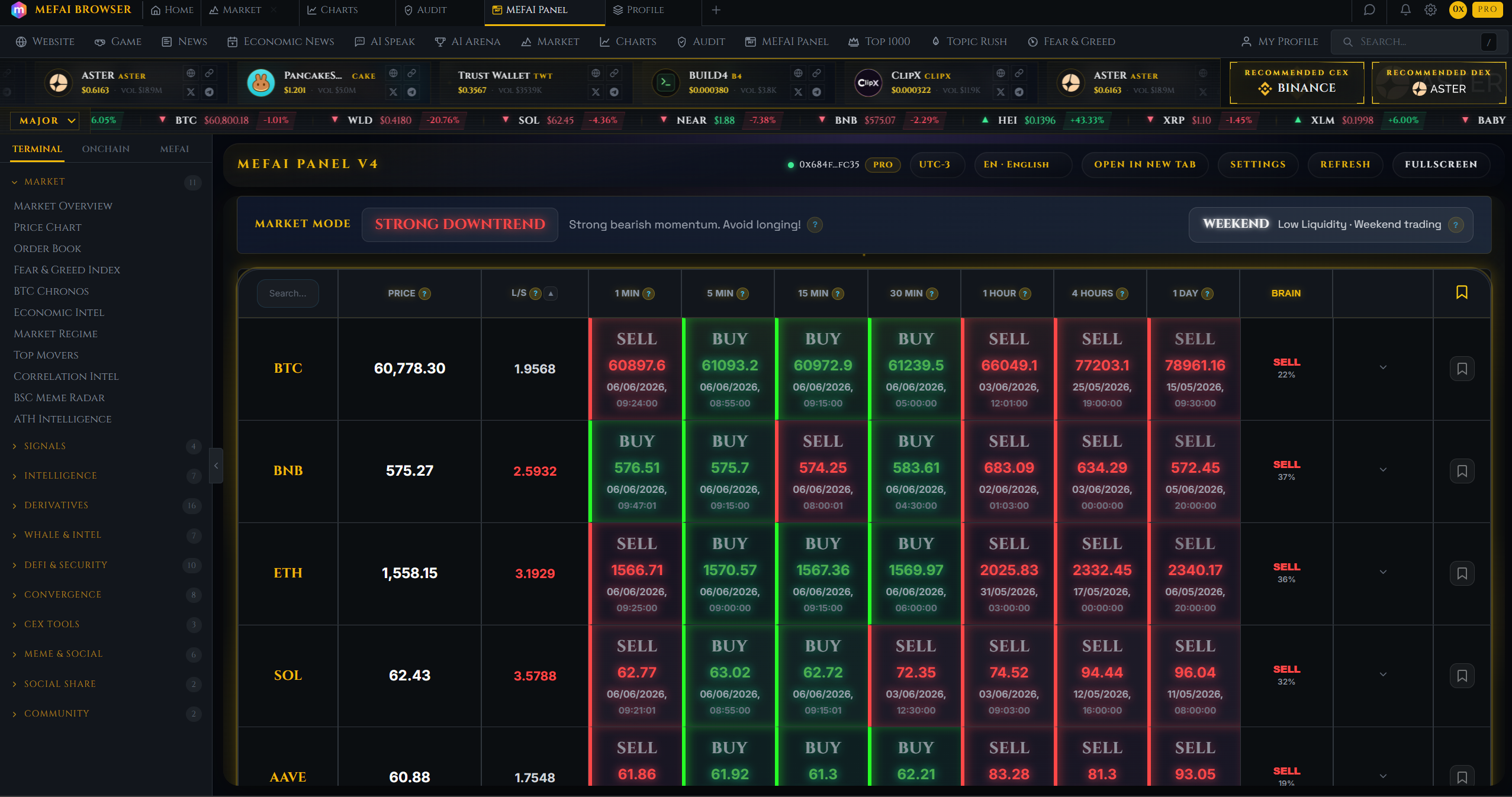
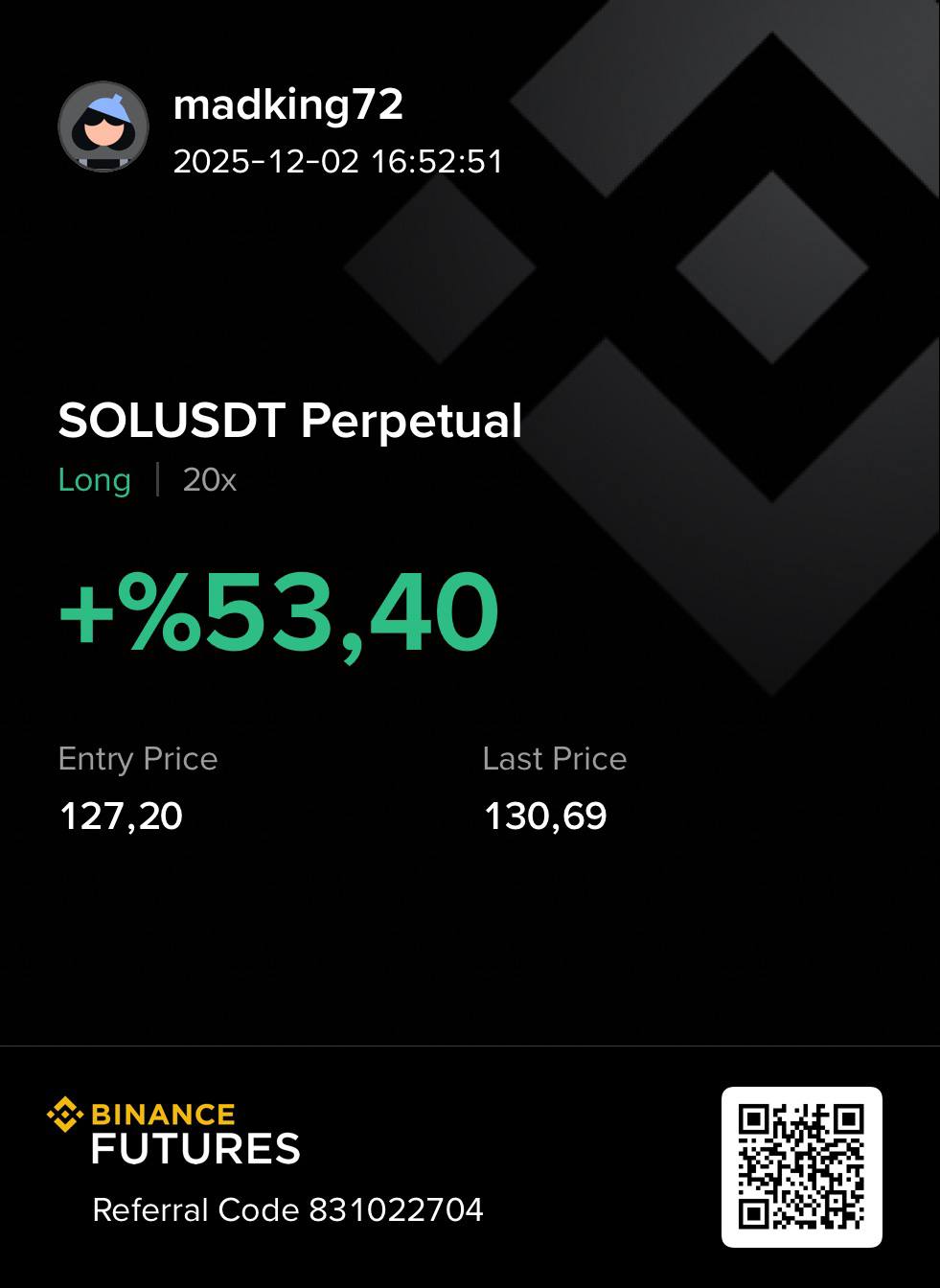
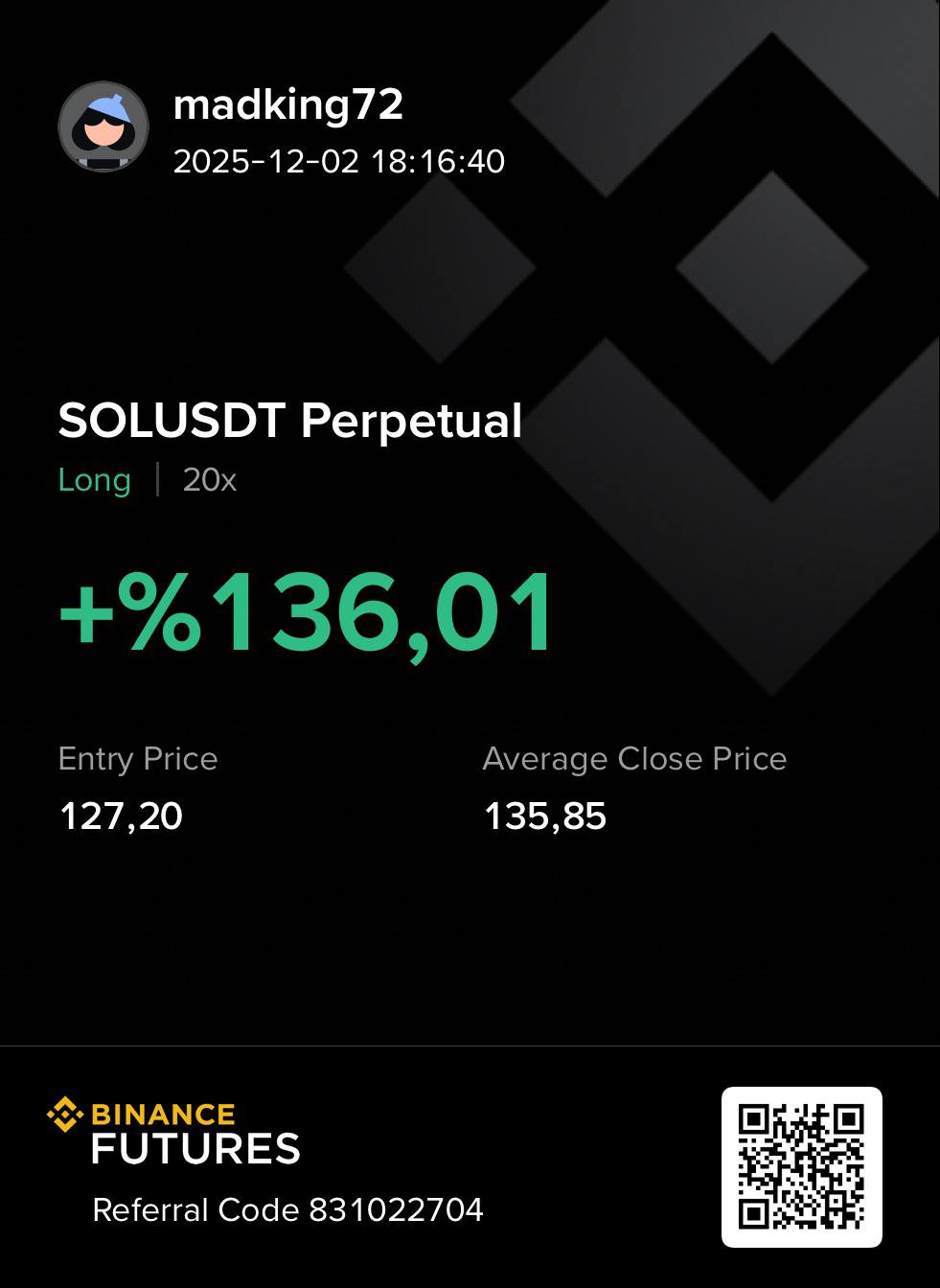
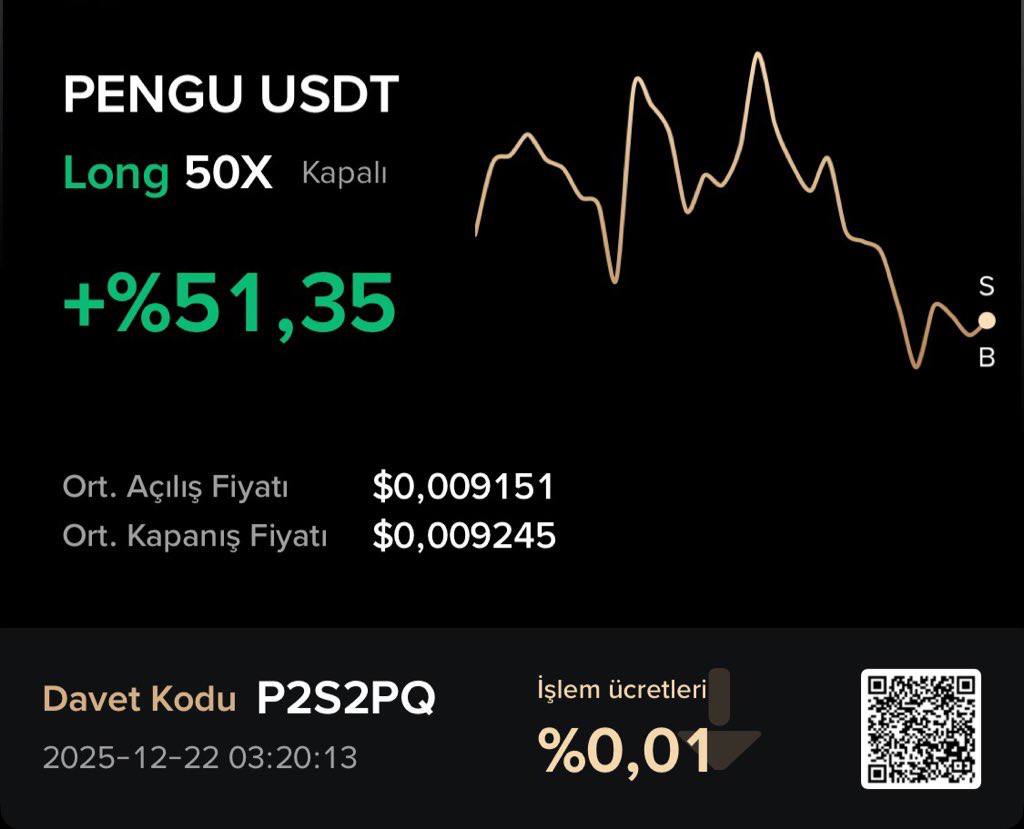
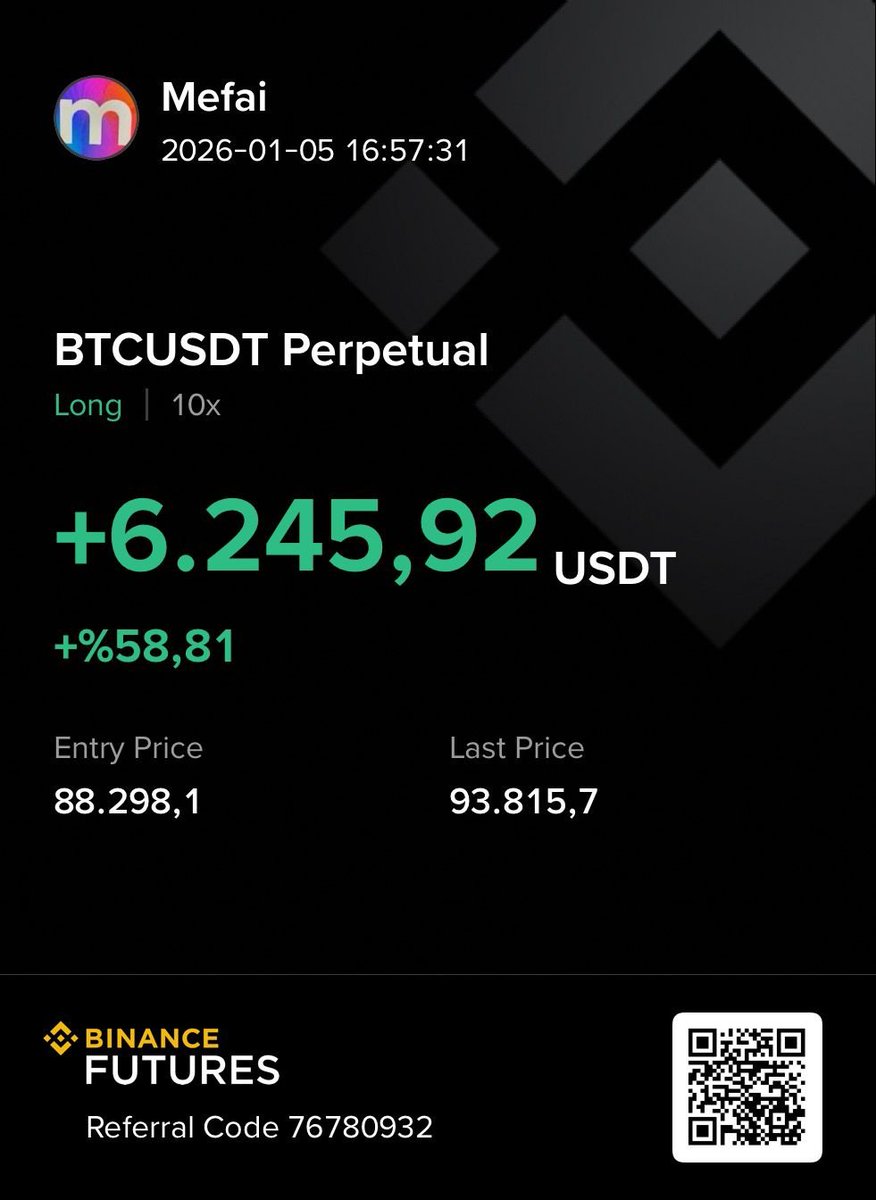
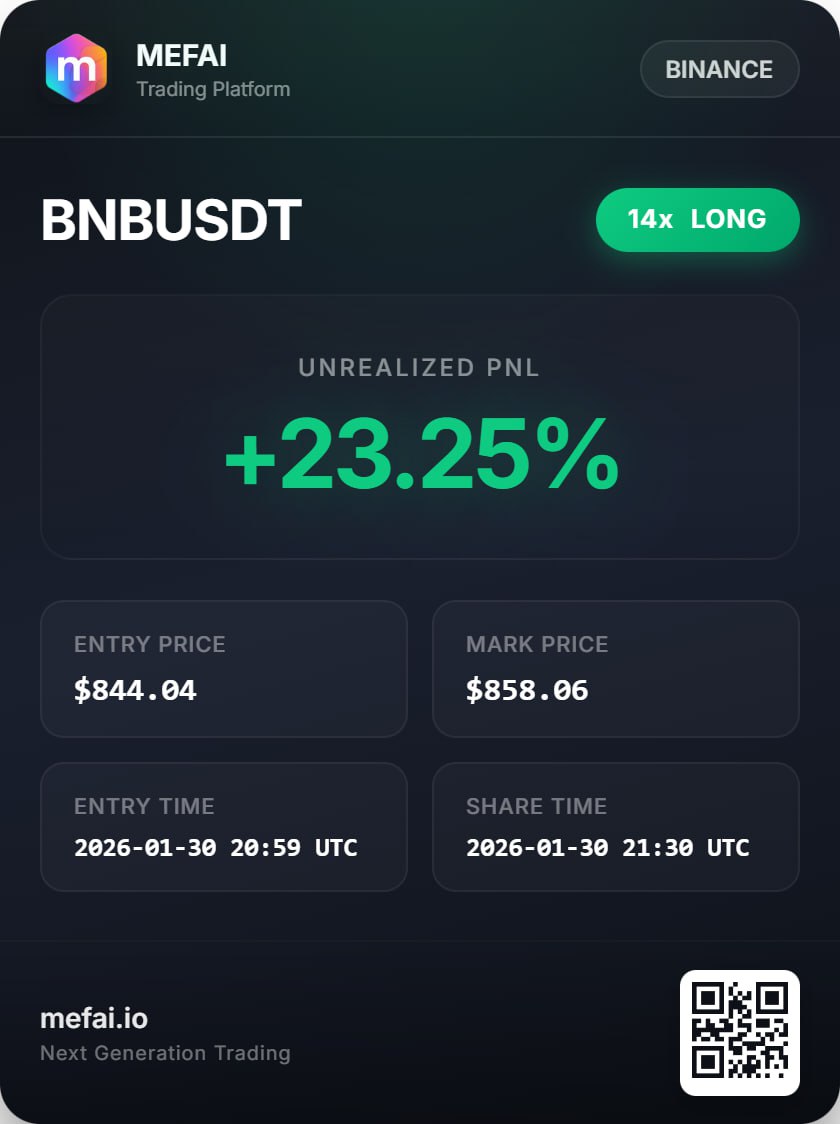
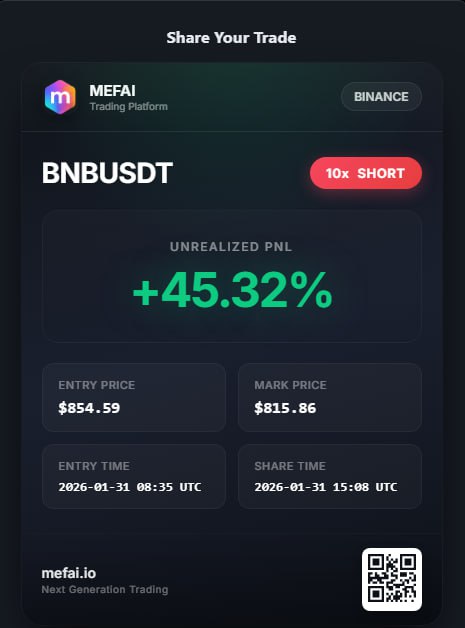
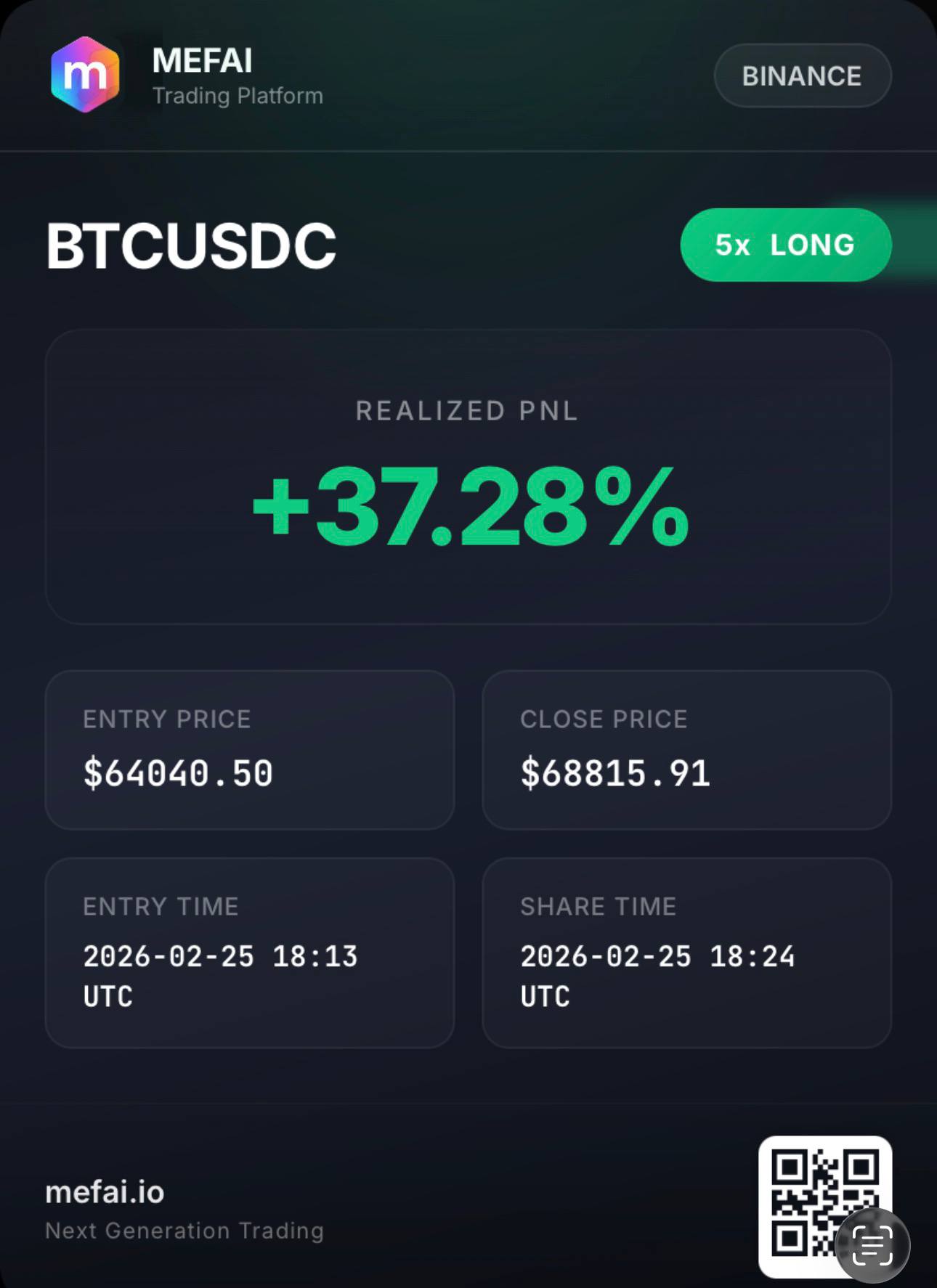
Real results from MEFAI's AI. Get $50 off the Pro plan.
Sponsored · Past performance is not indicative of future results. Not financial advice.


6. Mistake: Skipping the prerequisites and prereading
Many learners dive into advanced topics like zero-knowledge proofs or liquidity pool mechanics without grasping basic concepts such as public-key cryptography or transaction fees. This skips the necessary foundation and leads to frustration when advanced modules assume prior knowledge. Courses that omit prerequisites often leave learners confused, forcing them to pause and research topics mid-lesson, which disrupts the learning flow.
Start by identifying the prerequisites listed in the course description. If you lack background in economics, computer science, or finance, consider taking an introductory course first. Some platforms offer curated learning paths that combine beginner and advanced modules, ensuring steady progression. Others provide optional prereading lists or video recaps. Investing time upfront to build a solid base prevents costly missteps later and makes advanced courses more accessible. Skipping this step is like trying to run before learning to walk—eventually, you will stumble.
7. Mistake: Confusing education with certification
Some courses market themselves as “certifications,” implying they grant professional legitimacy. In reality, most crypto certifications are not accredited by recognized bodies and carry little weight in job markets or regulatory contexts. Employers in blockchain development or compliance typically value demonstrated skills—such as GitHub contributions or smart contract audits—over a certificate of completion. Worse, some certification programs focus on memorization of trivia rather than practical problem-solving, making them poor indicators of real-world capability.
Treat certifications as optional extras, not primary goals. Instead of chasing badges, prioritize courses that include hands-on projects or capstone exercises. These deliver tangible proof of your abilities, which you can showcase to employers or collaborators. If a certification is important to you—for example, for compliance roles—verify whether it is recognized by industry consortia or regulatory bodies. Otherwise, focus on building a portfolio of real work rather than collecting certificates that may not be recognized outside the course’s ecosystem.
8. Mistake: Underestimating the importance of community and support
Crypto learning is iterative and often requires troubleshooting. A course that lacks community access, mentorship, or peer support can leave learners stranded when they encounter technical hurdles or conceptual roadblocks. Some providers offer forums or Discord channels, but these may be inactive or dominated by sales pitches. Others charge extra for “VIP support,” turning basic assistance into another upsell. Without accessible support, students may abandon courses prematurely or adopt flawed practices out of frustration.
Look for courses that include structured community features, such as moderated Q&A, office hours, or project collaborations. Check reviews and testimonials for mentions of support responsiveness. A healthy community not only answers questions but also fosters peer learning, which accelerates understanding. If a course lacks any form of community, consider whether you are prepared to troubleshoot independently or whether you need the safety net of guided support.

9. Mistake: Overlooking platform reliability and accessibility
A course hosted on an unstable platform with frequent downtime, broken links, or poor mobile compatibility can derail your learning experience. Some platforms use proprietary players that don’t support screen readers or keyboard navigation, excluding users with disabilities. Others impose restrictive DRM that prevents offline viewing or sharing with study partners. These technical barriers disproportionately affect learners with limited internet access or disabilities, reinforcing inequities in crypto education.
Before enrolling, test the platform’s usability. Can you download videos for offline viewing? Does the platform support subtitles or transcripts? Is the interface intuitive across devices? Reputable providers prioritize accessibility and offer multiple formats, such as PDF guides or interactive sandboxes. If the platform feels clunky or inaccessible, it reflects the provider’s priorities—and likely the quality of the course itself.
10. Mistake: Measuring success by course completion, not by skill application
Many learners treat course completion as the ultimate goal, measuring success by badges or certificates rather than by their ability to apply knowledge. A certificate does not guarantee you can safely store seed phrases, evaluate smart contract risks, or interpret on-chain data. Without applying what you’ve learned, the course becomes an expensive credential rather than a tool for growth.
Plan how you will apply your new knowledge before enrolling. Will you deploy a test smart contract on a local blockchain? Will you analyze real transaction data using open-source tools? Will you draft a risk management plan for a hypothetical portfolio? Choose courses that include actionable exercises aligned with your goals. After completing the course, schedule time to practice and reflect. Track your progress using a portfolio or journal, and revisit the material periodically to reinforce retention. True learning happens when knowledge is transformed into skill—so focus on outcomes, not just completion.
Conclusion Selecting a crypto course is less about finding the flashiest offer and more about aligning content, instructor credibility, and platform reliability with your learning goals. Avoid courses that prioritize hype over substance, static content over updates, or upsells over education. Start with a clear objective, verify the instructor’s expertise, and demand transparency about updates and support. Use community features to deepen understanding and plan how you will apply what you learn. By sidestepping the ten common mistakes outlined here, you can invest in a course that truly advances your crypto journey—whether you aim to build, trade, or simply understand this rapidly evolving field.
More in Learning & Courses
Free vs Paid Crypto Courses: What’s Actually Worth Paying For
Compare top free and paid crypto courses to decide when to pay for structured learning, hands-on practice, and certification versus relying on free resources.

Best Crypto Courses for Beginners: Where to Start in 2024
Learn what to look for in a crypto course and compare beginner-friendly options from Coinbase, Binance, Udemy, Coursera and more.
Best Crypto Courses in 2026: What’s Changing and Who Should Learn What
Crypto courses are moving beyond basics into hands-on DeFi, security and compliance skills. Compare top providers by learning style, depth and practical focus to pick what fits your goals.