Free vs Paid AI Courses: What’s Actually Worth Paying For
By Mag-Info Tech editorial · 2026-06-10

Should you pay for an AI course, or stick with free options?
The explosion of AI learning options means beginners and professionals alike face a crowded market. Some courses are entirely free and cover fundamentals well, while others charge for advanced labs, certifications, or personalized support. The right choice depends on your goals, time, and budget. This guide compares real, widely used courses—both free and paid—so you can decide what’s worth paying for based on your learning stage and needs.
What free AI courses can—and cannot—deliver
Free AI courses from platforms like Coursera, edX, and DeepLearning.AI offer structured introductions to machine learning, neural networks, and AI ethics. Many are taught by university professors or industry leaders and include video lectures, quizzes, and discussion forums. These courses typically cover foundational concepts such as supervised learning, bias–variance trade-offs, and basic model evaluation—material that doesn’t change quickly.
However, free tiers often limit access to graded assignments, cap on-demand video views, or omit advanced topics like reinforcement learning or transformers. Learners may also lack direct instructor feedback or peer collaboration beyond basic forums. For someone exploring AI casually or building a general understanding, free courses can be sufficient. But for those aiming to build production-ready models or land a job, the gaps become clear.
When paid courses justify their cost: certification and structure
Paid AI courses from providers such as Coursera, Udacity, and DataCamp bundle certification, graded assignments, and career services. These programs often include capstone projects that simulate real-world tasks—cleaning datasets, tuning hyperparameters, and deploying models. Certificates can be useful for resumes or internal promotion reviews, especially when issued by recognized institutions or companies.
The added structure is valuable for learners who struggle with self-pacing. Paid plans frequently offer instructor Q&A, peer cohorts, and mentorship—elements that reduce isolation and accelerate problem-solving. For professionals transitioning into AI roles, these features can shorten the learning curve and provide tangible proof of skills to employers.

Hands-on labs: free tools vs paid platforms
Many free AI courses integrate with open-source tools like TensorFlow, PyTorch, and Scikit-learn. These frameworks are industry standards, and learning them early is practical. Free labs often use cloud notebooks such as Google Colab, which provide GPUs at no cost for limited sessions. This setup lets learners experiment with code immediately without installing software.
Paid platforms frequently offer extended GPU time, managed environments, and pre-configured datasets. Some include interactive coding exercises with real-time feedback, which helps catch errors faster than static exercises. For learners who need reliability and scalability—like those preparing for technical interviews or hackathons—the paid lab environments can be a worthwhile upgrade.
AI prompt engineering: free resources vs specialized training
Prompt engineering has emerged as a distinct skill within AI. Free resources such as blogs, YouTube tutorials, and community forums explain core concepts like few-shot prompting and chain-of-thought reasoning. These are enough for basic use cases like drafting emails or summarizing documents.
Specialized paid courses, however, dive into advanced techniques like agentic workflows, tool use, and system prompts for production applications. Some include hands-on labs with proprietary APIs or enterprise-grade model access. For developers building AI-powered apps or teams optimizing LLM outputs, these courses can bridge the gap between experimentation and deployment.
Career support: what paid courses actually add
Paid AI programs often bundle career services: resume reviews, mock interviews, and job boards. Some connect learners with hiring partners or offer portfolio reviews. These services are most useful for career changers or professionals targeting competitive roles in AI engineering, data science, or ML operations.
Free courses rarely include dedicated career support. While job boards and community networks exist, they require self-driven effort. If you’re already employed or studying in a related field, free resources may suffice. But if you’re switching careers or targeting top-tier companies, paid career services can justify the cost through faster placement and higher salary negotiation leverage.
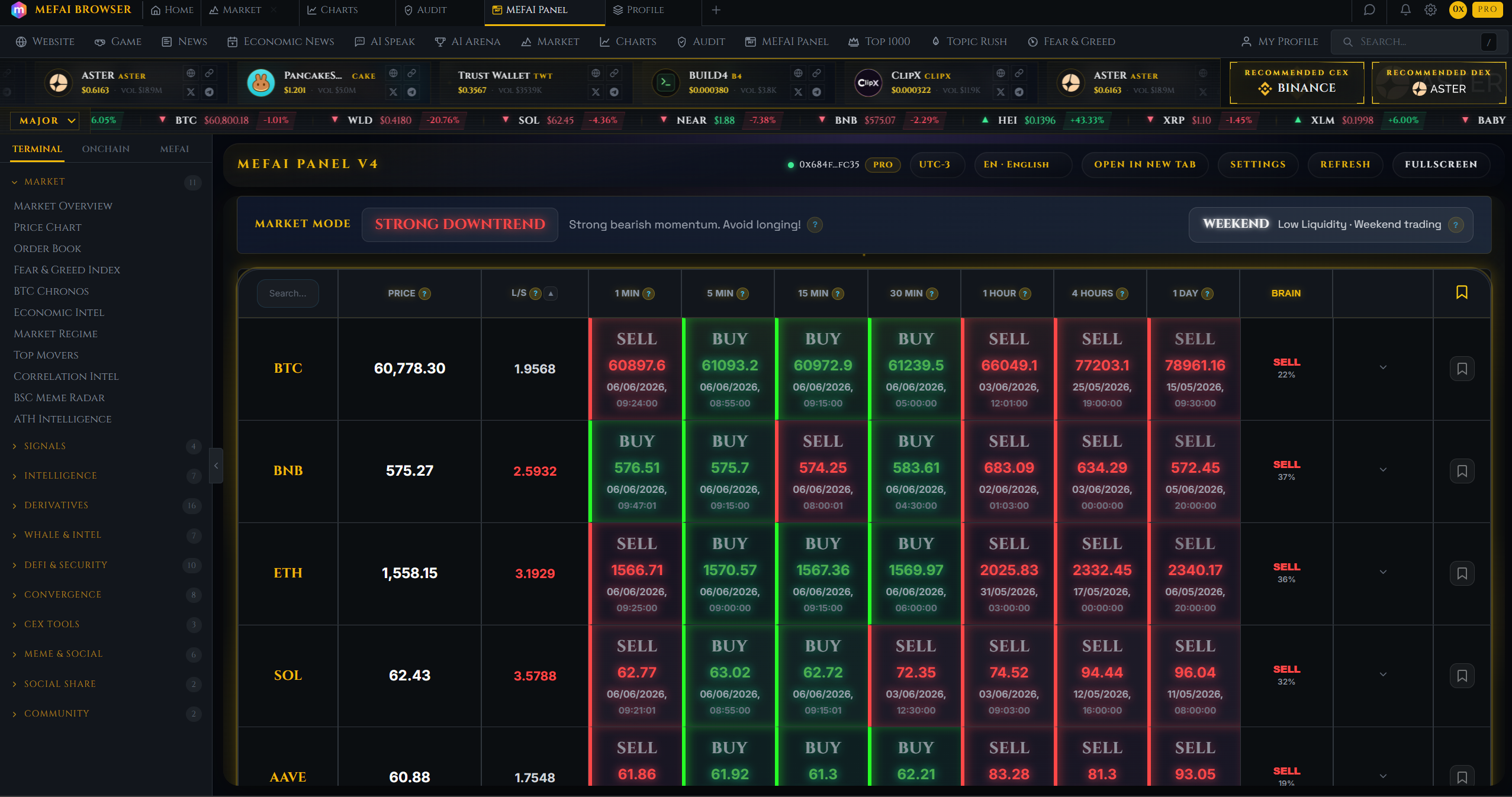
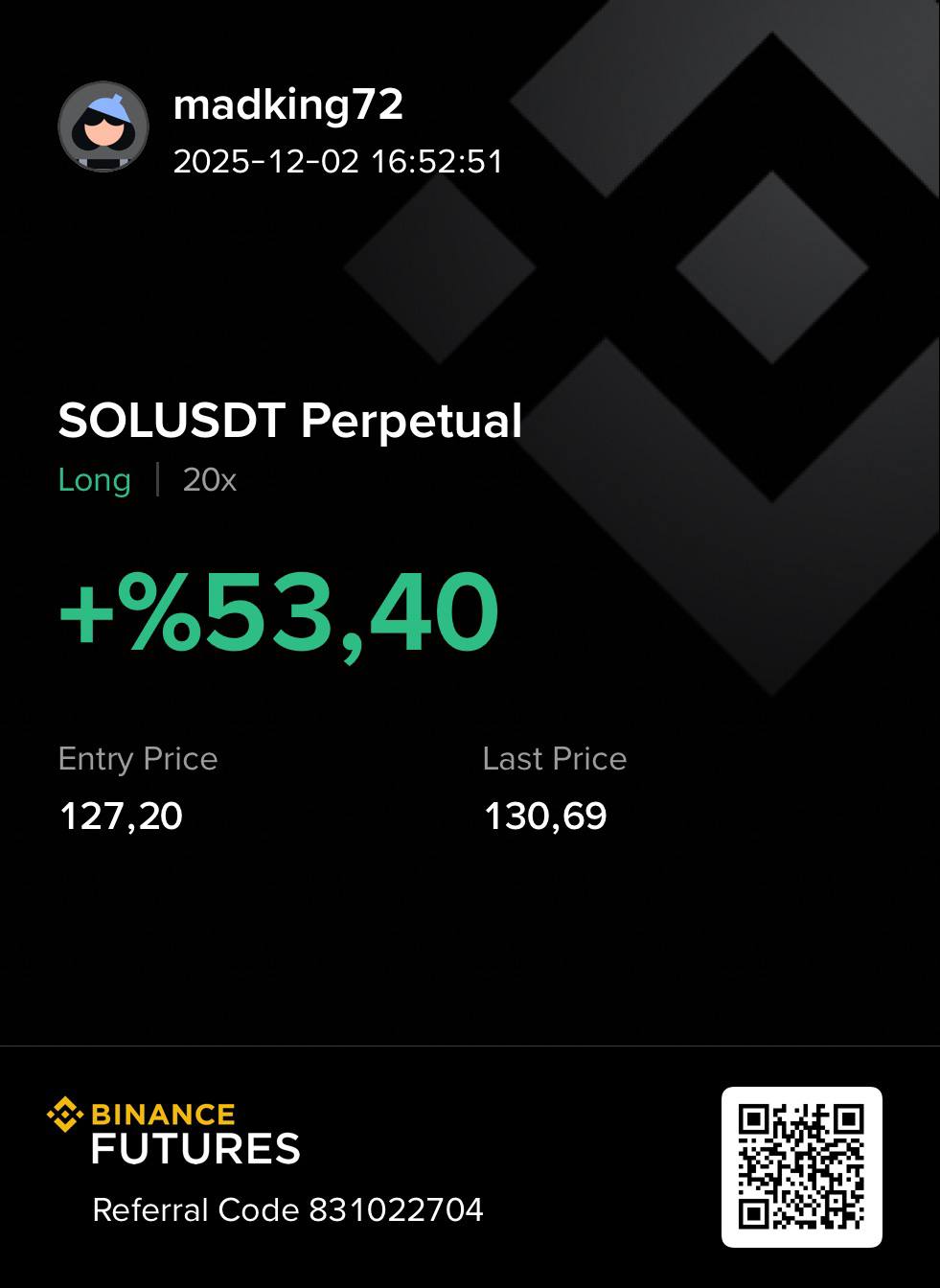
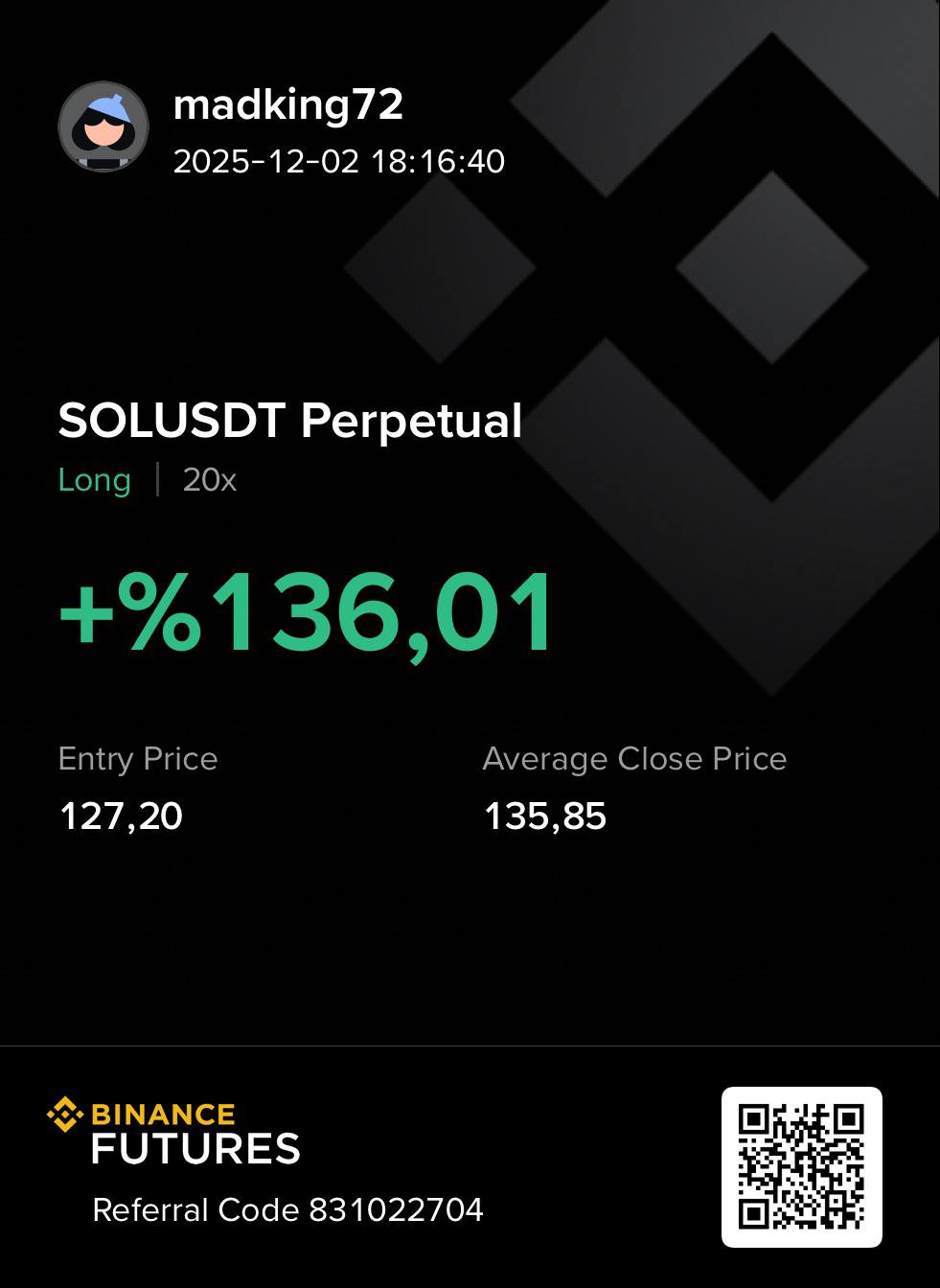
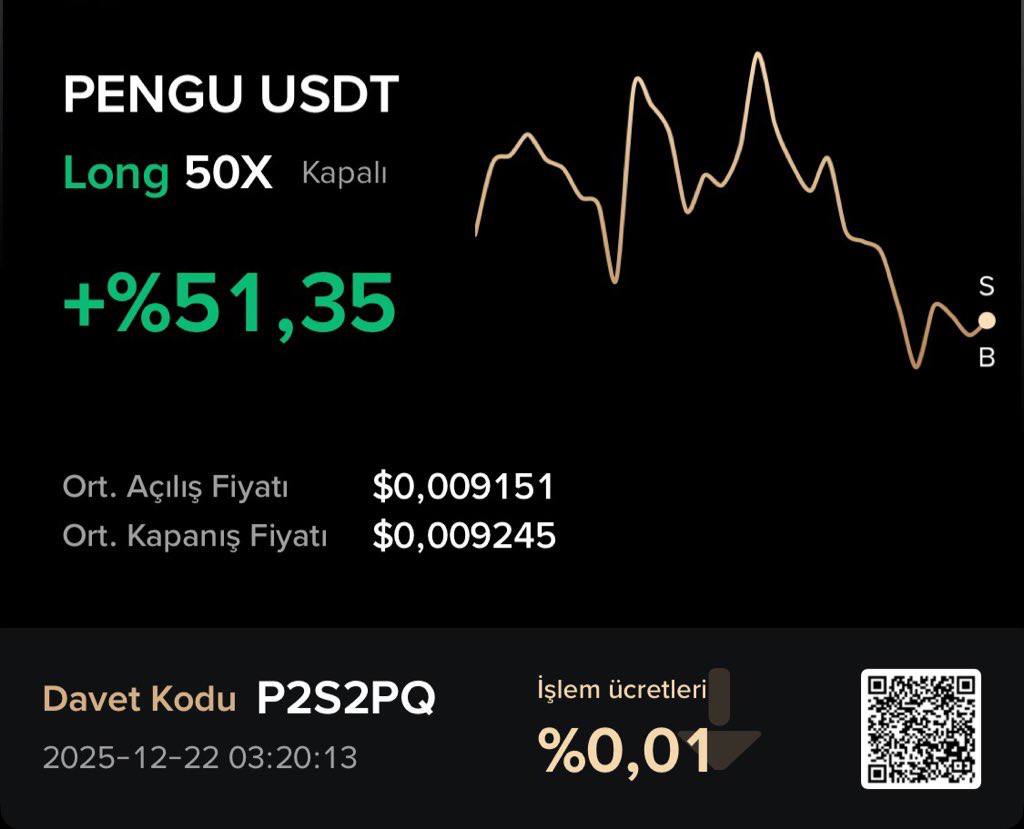
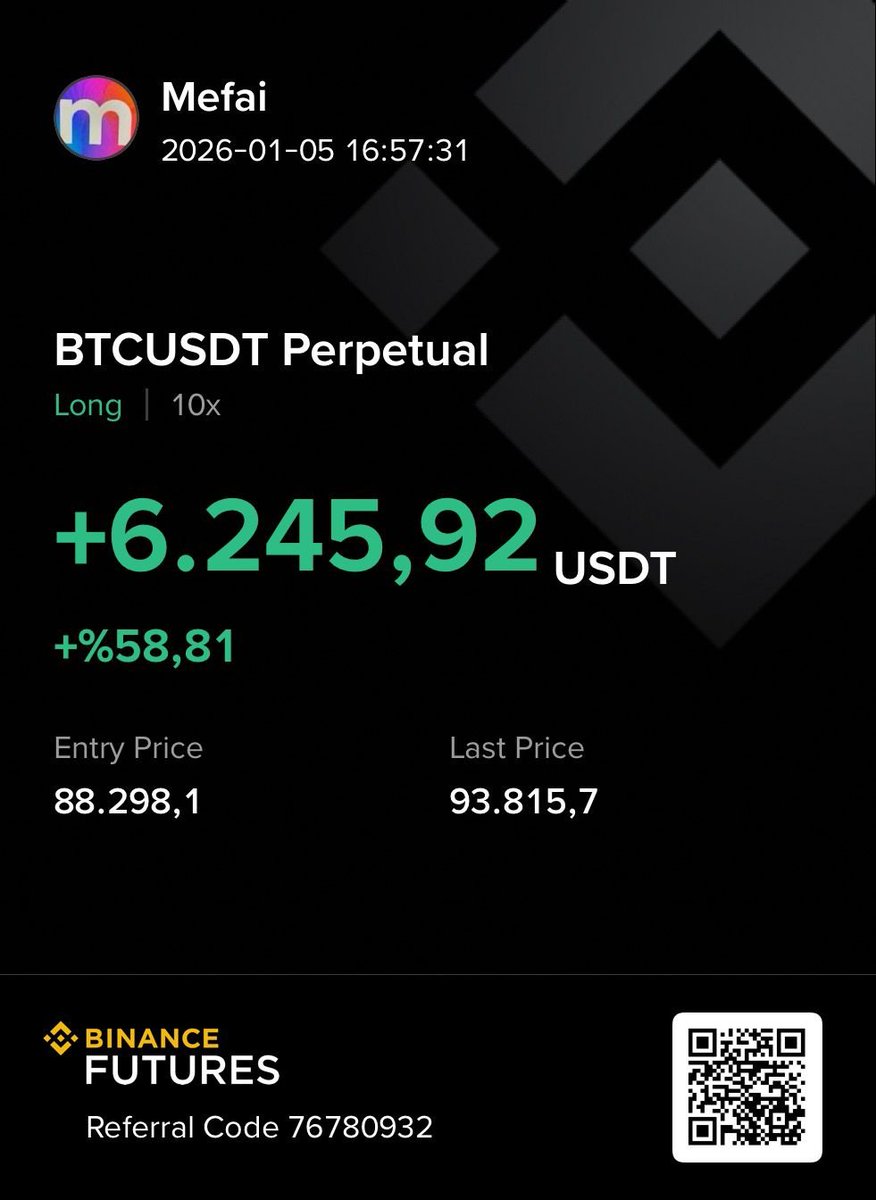
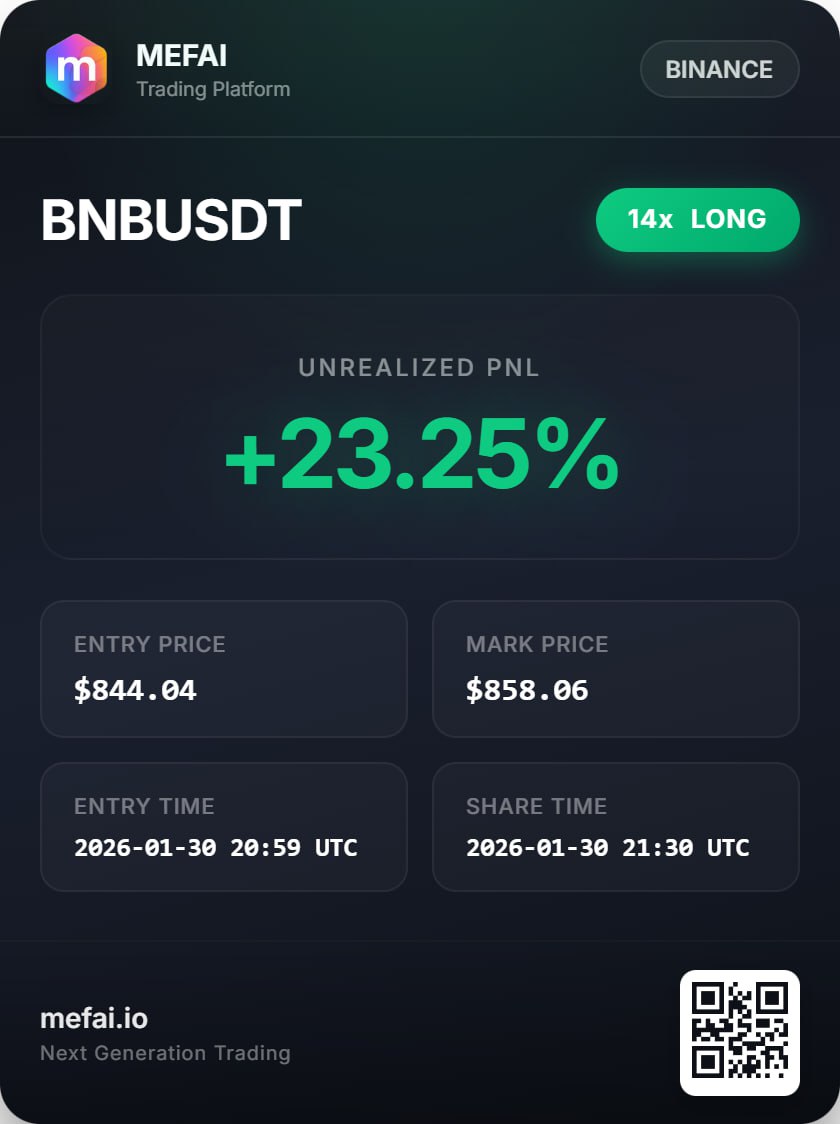
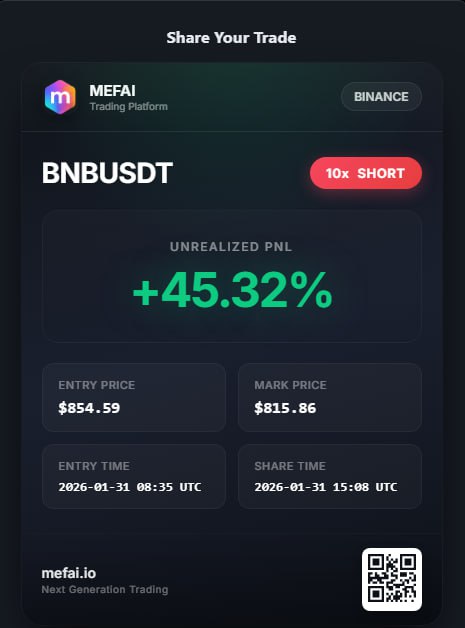
Real results from MEFAI's AI. Get $50 off the Pro plan.
Sponsored · Past performance is not indicative of future results. Not financial advice.


Community and mentorship: free forums vs paid cohorts
Free AI courses rely on public forums like Reddit, Discord, and course-specific discussion boards. These communities are active and helpful, but answers vary in quality and speed. Mentorship is rare unless you’re already contributing or networking actively.
Paid cohorts offer moderated groups, live Q&A, and mentorship from instructors or teaching assistants. Some programs assign small groups to work together, simulating real team dynamics. For learners who thrive with accountability and structured feedback, these communities can significantly improve outcomes.
Time investment: self-paced vs guided learning
Free courses are fully self-paced, which suits independent learners and those balancing work or family. You control the pace but must self-motivate and troubleshoot alone.
Paid courses typically set deadlines and include milestones. This structure helps learners finish what they start. For professionals juggling multiple responsibilities, the guided timeline can prevent procrastination and ensure steady progress toward a certificate or project completion.
Who should pay for an AI course—and who shouldn’t
Pay for an AI course if you need certification for a job application, require structured deadlines, or want hands-on labs with extended GPU access. If you’re targeting roles in ML engineering, prompt engineering, or AI product development, paid programs often provide the fastest path to job-ready skills.
Don’t pay if you’re exploring AI as a hobby, already have a related degree or job, or can build projects using free tools and open communities. Many professionals learn effectively through free courses, open-source frameworks, and personal projects. The key is aligning the investment with your career goals and learning style.
How to choose between free and paid: a practical checklist
Start with free courses to assess your interest and baseline knowledge. If you complete several and still want depth—especially in deployment, optimization, or advanced modeling—then consider paid options. Look for programs that include certification, graded projects, and career services if those matter to you.
Compare syllabi directly. Some paid courses overlap heavily with free ones but add labs or support. Others introduce niche topics like federated learning or AI governance. Prioritize what’s missing from free offerings and whether it’s essential for your goals.
Finally, factor in time. A paid course with deadlines can accelerate learning, but only if you can dedicate consistent hours. If your schedule is unpredictable, a free, self-paced option may be more realistic.
Bottom line: invest wisely in your AI learning journey
Free AI courses are excellent for building foundational knowledge, experimenting with code, and exploring the field without financial risk. They’re ideal for beginners, hobbyists, and professionals who can supplement with self-directed projects.
Paid AI courses are worth it when you need certification, structured support, hands-on labs, or career services. They’re best for career changers, job seekers, and professionals aiming for advanced roles in AI engineering, data science, or prompt engineering.
Evaluate your goals, timeline, and budget honestly. Many learners combine free resources with a single paid course for certifications. The right choice isn’t about cost—it’s about what will help you close your specific skills gap and achieve your next career milestone.
More in Learning & Courses

Best Crypto Courses for Beginners: Where to Start in 2024
Learn what to look for in a crypto course and compare beginner-friendly options from Coinbase, Binance, Udemy, Coursera and more.

Free vs Paid Crypto Courses: What’s Actually Worth Paying For
Compare top free and paid crypto courses to decide when to pay for structured learning, hands-on practice, and certification versus relying on free resources.

How to Choose a Crypto Course: 10 Common Mistakes and How to Avoid Them
Avoid overspending on out-of-date or overly promotional crypto courses by watching for outdated content, hidden upsells, and vague outcomes. Use this guide to pick a course that matches your learning