
Intel’s Global Chip Fab Expansion: What the 14A Node Deadlines Mean for Supply Chains and Consumers
By Mag-Info Tech editorial · 2026-06-18

Intel is moving ahead with a multi-billion-dollar expansion of its manufacturing footprint, focusing on three key regions—Arizona, Ohio, and Ireland—to bring online new leading-edge fabrication facilities over the next two years. The company’s latest roadmap hinges on meeting two critical internal deadlines tied to the 14A process node, a refined version of its 18A technology expected to deliver improved performance-per-watt and yield. These milestones are not just internal targets; they will determine when Intel can begin high-volume production of advanced chips for its own products and external customers, directly influencing global semiconductor supply and pricing through 2027.
The stakes are high. Delays in ramping these fabs could prolong tight supply conditions for advanced logic chips used in data centers, AI accelerators, and high-end PCs. Conversely, timely completion could ease bottlenecks and shift pricing power back toward buyers. For enterprise buyers, OEMs, and even end users, understanding these timelines is essential to planning procurement, product roadmaps, and investment in next-generation systems.
Why the 14A Node Matters in Intel’s Roadmap
The 14A process node represents a strategic evolution within Intel’s foundry roadmap, building on the 18A node with refined design rules and process optimizations aimed at improving transistor density and energy efficiency. While not a generational leap in the same way as moving from 7 nm to 5 nm, 14A is positioned as a performance-per-watt sweet spot for high-volume manufacturing. It is designed to support Intel’s internal CPU and GPU roadmaps as well as third-party customers under the Intel Foundry Services (IFS) initiative.
Industry observers note that the 14A node is expected to deliver roughly 15–20% better performance-per-watt than Intel’s current 18A process, which itself is a refinement of the 20A node. This incremental improvement is critical for Intel as it competes with TSMC and Samsung Foundry in advanced logic. For customers, the shift to 14A could mean lower power consumption in data center accelerators or longer battery life in mobile devices—key differentiators in markets increasingly sensitive to thermal and energy constraints.
The two deadlines associated with 14A are not publicized as specific calendar dates, but are described internally as “risk production” and “high-volume ramp” gates. The first milestone typically refers to the point at which wafers begin flowing through the fab with acceptable yield metrics, while the second marks the transition to full-scale manufacturing for customer orders. Missing either deadline could push back customer deliveries by quarters, not weeks, creating ripple effects across supply chains.
Arizona: The Anchor of Intel’s U.S. Expansion
Intel’s Arizona operations are central to its U.S.-based foundry push, with two new leading-edge fabs under construction at the Ocotillo campus in Chandler. These facilities are part of the $20 billion investment announced in 2021 and expanded in 2024, targeting advanced logic production starting in late 2025. The Arizona site benefits from proximity to Intel’s existing manufacturing ecosystem, a skilled local workforce, and strong infrastructure support from state and federal agencies.
Construction progress has accelerated in early 2025, with aerial imagery showing structural completion of cleanroom shells and equipment installation phases underway. These fabs are expected to be the first to reach 14A risk production, serving as a proving ground for the new process node before replication in Ohio and Ireland. For Intel, Arizona represents both a manufacturing anchor and a signal to U.S. policymakers and customers that domestic advanced chip production is scaling up.
For businesses planning procurement cycles, the Arizona fabs offer the earliest visibility into 14A chip availability. However, capacity at these fabs will be prioritized initially for Intel’s own products—such as the next-generation Xeon processors and Core Ultra CPUs—before opening to external customers. This means that early access to 14A-based chips from Arizona may be limited, and buyers should expect allocation constraints during the ramp-up phase.
Ohio: A $28 Billion Bet on Domestic Scale
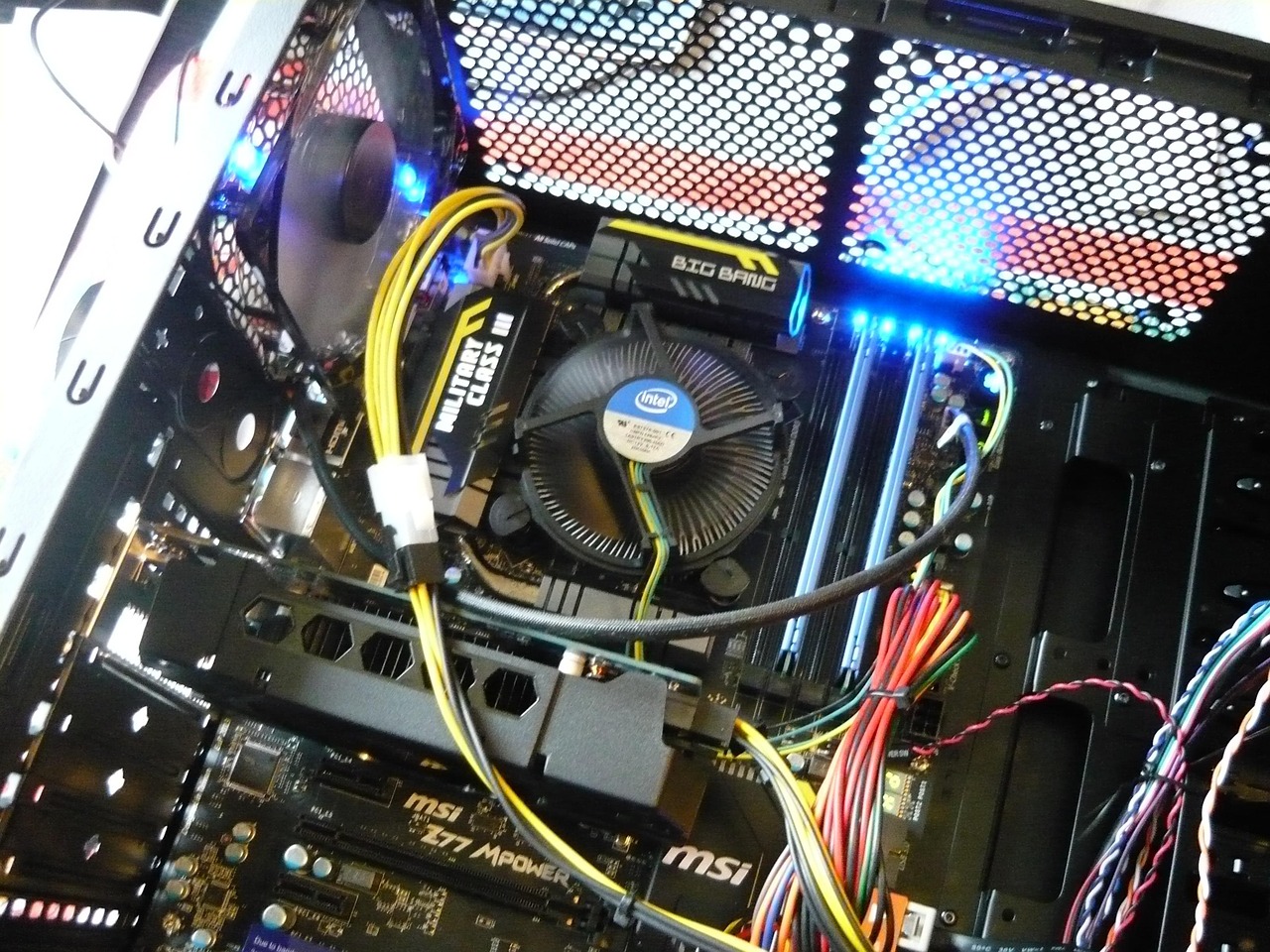
In New Albany, Ohio, Intel is building the Ohio One campus, a $28 billion investment that will include two new fabs dedicated to leading-edge logic. The site was chosen for its central location within the U.S., access to a skilled labor pool, and strong state incentives. Unlike Arizona, which benefits from an established ecosystem, Ohio represents a greenfield expansion—one that carries higher execution risk but offers long-term strategic value in diversifying Intel’s geographic footprint.
Construction progress at Ohio One has been closely monitored, with site preparations and utility infrastructure completed in late 2024. The first fab is expected to begin equipment installation in mid-2025, with risk production for 14A slated for late 2026. This timeline positions Ohio as a second wave in Intel’s 14A ramp, following Arizona but ahead of Europe. For suppliers and logistics partners, Ohio’s emergence as a major fab hub will require new regional partnerships in construction, power delivery, and water supply—areas where Intel has been actively engaging with local authorities.
From a supply chain perspective, the Ohio expansion is critical for reducing U.S. dependence on Asian manufacturing hubs. It also aligns with the CHIPS Act’s goals of onshoring advanced semiconductor production. However, the complexity of building a new fab campus from the ground up means that delays in infrastructure or utility scaling could push back the 14A ramp. Buyers should monitor environmental impact assessments and utility approvals as potential bottlenecks.
Ireland: Europe’s Strategic Outpost for Advanced Logic
Intel’s Leixlip campus in Ireland serves as its European hub for leading-edge manufacturing, with ongoing investments to upgrade existing fabs and prepare for 14A production. Ireland has long been a key location for Intel due to favorable tax policies, a skilled workforce, and access to European markets. The Leixlip site already produces chips on mature nodes, and is now being retrofitted to support 14A risk production by late 2026.
The Irish operation plays a dual role: it supports Intel’s internal product lines and serves as a fallback option for European customers seeking proximity to end markets. With geopolitical tensions increasing supply chain risks in Asia, Intel’s European capacity becomes strategically valuable for customers in cloud, automotive, and industrial sectors. However, retrofitting an existing site for 14A presents technical challenges, including cleanroom reconfiguration, process tool upgrades, and workforce training.
For European buyers, the Irish fabs offer the shortest lead times for advanced logic chips within the continent. But capacity will be constrained during the transition, and customers may face allocation pressures as Intel balances internal demand with external orders. Analysts suggest that early adopters in data center and AI markets will secure the first allocations, while others may need to wait until 2027 for stable supply.



Real results from MEFAI's AI. Get $50 off the Pro plan.
Sponsored · Past performance is not indicative of future results. Not financial advice.

Supply Chain Implications: What to Watch in 2025–2027
The 14A ramp is not happening in isolation. It coincides with a broader industry shift toward higher-value logic chips, driven by AI demand and the push for energy-efficient computing. This means that fab capacity—especially at leading-edge nodes—will remain tight even after Intel’s new fabs come online. Buyers should expect allocation policies, long lead times, and premium pricing for advanced chips through at least 2026.
One key supply chain signal to monitor is the availability of process tools, particularly EUV lithography systems from ASML. Intel’s 14A node is expected to require more frequent use of EUV patterning than previous nodes, increasing dependence on ASML’s delivery schedule. Any delays in tool shipments could cascade into fab timelines, pushing risk production dates to the right. Similarly, the supply of high-purity chemicals, specialty gases, and photomasks will be critical—sectors already experiencing tightness due to geopolitical factors and consolidation among suppliers.
Another factor is labor. Intel has been aggressively recruiting fab technicians, process engineers, and equipment specialists across all three sites. Wage inflation in high-tech manufacturing regions like Arizona and Ohio has been notable, and competition with other chipmakers and defense contractors could lead to staffing bottlenecks. Intel’s partnerships with local community colleges and vocational programs aim to address this, but the timeline for training a skilled workforce is measured in years, not months.
Pricing and Market Impact: Who Benefits When?
The arrival of Intel’s 14A fabs is likely to create a phased impact on chip pricing. In the near term—through 2025—advanced logic chips will remain scarce, and prices for high-end processors and accelerators will stay elevated due to strong demand from AI deployments and data center upgrades. Once Arizona reaches risk production in late 2025, we may see a modest softening in pricing for select products, particularly those compatible with Intel’s internal roadmap.
By mid-2026, if Ohio and Ireland achieve risk production on schedule, the market could see increased competition, especially in the data center segment. Intel’s pricing strategy will be closely watched: if it undercuts rivals on cost per transistor while maintaining performance leadership, it could regain share from competitors. However, if Intel prioritizes margin recovery or internal product needs, pricing may remain firm.
For end users—whether consumers buying laptops or enterprises procuring servers—the ultimate benefit will come in the form of improved performance-per-watt and lower total cost of ownership. Devices powered by 14A-based chips could deliver longer battery life, reduced cooling requirements, and better energy efficiency, aligning with corporate sustainability goals. But these gains will only materialize if Intel can scale production without disruption.
Risks and Mitigation: What Could Go Wrong?
Despite the progress, several risks could derail Intel’s 14A ramp timeline. First, technology complexity: 14A is a refined node, not a new architecture, but even incremental process improvements can reveal unexpected yield killers. Intel has invested heavily in metrology and process control, but the learning curve remains steep.
Second, macroeconomic factors: a slowdown in AI investment or corporate IT spending could reduce demand for advanced chips, leading to overcapacity and pricing pressure. Conversely, a surge in demand—such as from a new wave of AI models—could outstrip supply, creating allocation chaos.
Third, geopolitical and regulatory risks: ongoing export controls on advanced semiconductor equipment, particularly those involving U.S. components, could limit Intel’s ability to source tools or transfer technology to international sites. Ireland, while in the EU, is still subject to U.S. export regulations when using American-made equipment.
To mitigate these risks, Intel is diversifying its supplier base, investing in in-house tool development (e.g., through its recent acquisition of a key ASML supplier), and strengthening partnerships with European and Asian toolmakers. Customers should diversify their supplier networks as well, evaluating multi-sourcing strategies to reduce single-point dependencies.
Practical Takeaways for Buyers and Investors
For technology buyers—whether OEMs, cloud providers, or enterprise IT teams—the next 18 months will be critical. Those planning AI deployments or data center refreshes should begin conversations with Intel’s foundry team now to secure early allocations. Given the phased ramp, early engagement can mean the difference between receiving chips in 2025 or waiting until 2027.
Investors should watch three indicators: fab construction milestones (especially cleanroom completion), tool installation schedules, and yield reports from risk production runs. Public disclosures from Intel on these fronts will be more telling than quarterly earnings in gauging the 14A ramp’s progress.
For suppliers—from equipment makers to chemical producers—the Ohio and Ireland expansions represent new business opportunities, but also require long-term commitments. Partnerships with local utilities and logistics firms will be essential to avoid bottlenecks.
Finally, policymakers and industry groups should use this window to reinforce domestic semiconductor ecosystems. The success of Intel’s 14A ramp will depend not only on Intel’s execution, but on the broader health of the supply chain—from raw materials to skilled labor.
Intel’s push to scale 14A across Arizona, Ohio, and Ireland marks a pivotal moment in the global semiconductor landscape. While the roadmap is ambitious, the risks are real. For the tech industry, the next two years will reveal whether the promise of onshored, advanced logic manufacturing can be delivered on time—or whether supply chain constraints and execution challenges will once again reshape the competitive playing field. One thing is clear: the deadlines tied to 14A are not just internal targets; they are the clock that will set the rhythm for innovation, pricing, and availability in advanced computing for years to come.
More in Hardware & Gadgets
Nvidia’s ENPIRE Hands AI Coding Agents a Robot Fleet to Train Themselves
Nvidia, Carnegie Mellon and UC Berkeley’s ENPIRE framework lets AI coding agents like Codex and Claude Code write, test and improve robot skills on live hardware with no human in the loop, pushing suc
AI Coding Agents Now Train Robots to Assemble Hardware—What This Means for Factories and Labs
AI coding agents can now autonomously teach robots to install GPUs and cut zip ties, cutting training time and reducing human oversight in labs and factories.
Intel’s 18A-P Process Enters Risk Production: What the Upgrade Means for Chips, Phones, and Data Centers
Intel’s enhanced 18A-P process has entered risk production, promising a 9 % performance gain at the same power and 40 % lower thermal resistance. This positions Intel to compete with advanced rivals a