
Intel’s 18A-P Process Enters Risk Production: What the Upgrade Means for Chips, Phones, and Data Centers
By Mag-Info Tech editorial · 2026-06-17
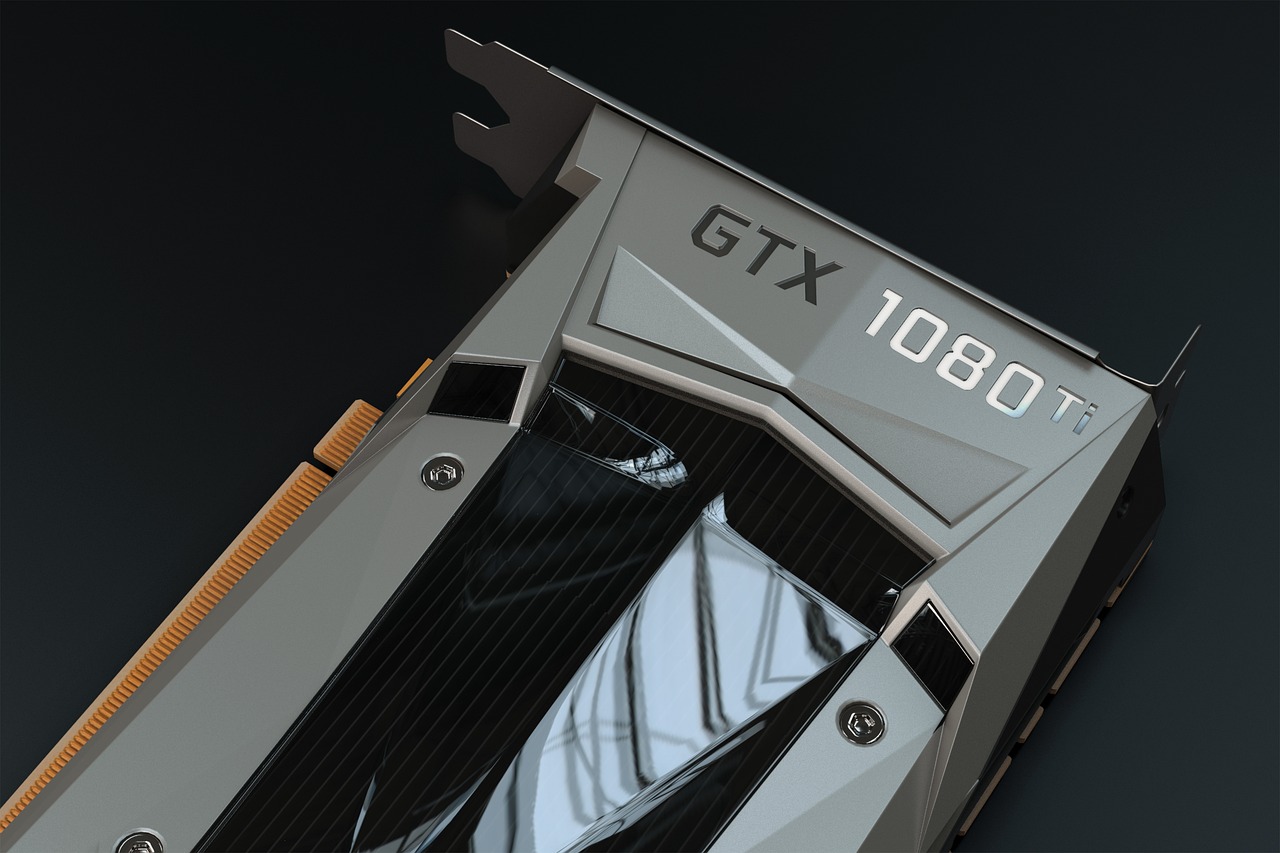
Intel’s enhanced 18A-P manufacturing technology has entered risk production, marking a key step toward high-volume manufacturing in the coming months. The upgrade is designed as a direct replacement for the current 18A baseline, delivering a 9 % performance improvement at the same power envelope and reducing thermal resistance by 40 %. For chip designers and system builders, this means faster time to market with higher-performing silicon without redesigning boards or sockets. The move underscores Intel’s push to reclaim process leadership while supporting AI accelerators, mobile platforms, and data-center CPUs.
Intel’s 18A-P: A Drop-In Upgrade With Measurable Gains
Intel’s 18A-P is an enhanced variant of the 18A process, positioned as a straightforward upgrade path for existing 18A designs. Risk production indicates that Intel has validated the process with test wafers and is now moving toward full-scale manufacturing readiness. The performance uplift of 9 % at the same power level is significant in an era where single-digit gains often require major architecture changes. Thermal resistance reductions of 40 % further ease system-level cooling burdens, which is especially valuable in densely packed servers and thin laptops.
For product teams already designing on 18A, switching to 18A-P should require minimal retooling. Intel’s messaging emphasizes a “drop-in” capability, meaning the same chip floorplan and I/O layout can be reused. This lowers risk and accelerates time to volume for partners. In practice, a laptop maker could refresh a 14-inch ultrabook with a faster CPU or extend battery life using the same thermal solution, while a data-center operator could deploy denser compute nodes without adding cooling infrastructure. The gains are incremental but compound across large fleets, making 18A-P a pragmatic lever for performance per watt improvements.
Why Process Enhancements Matter in a Competitive Node Race
Semiconductor roadmaps increasingly hinge on small but consistent process refinements rather than dramatic node transitions. While 18A itself represents a full node shrink, 18A-P is a performance-enhanced variant that refines transistor structure, interconnects, and back-end-of-line optimizations. These tweaks are critical as chipmakers approach atomic-scale limits where quantum effects and leakage become dominant concerns. Intel’s move signals confidence that further optimizations can still yield tangible system benefits even after the initial node ramp.
The broader context is a three-way race among Intel, a major Asian foundry, and another U.S. competitor, each vying for process parity or leadership. Intel’s 18A-P announcement suggests it is prioritizing performance density over raw shrink cadence, aligning with customer demand for higher-performing chips without proportional increases in power or cost. This strategy allows Intel to differentiate its offerings in AI accelerators, where performance-per-watt directly impacts training costs, and in mobile platforms where thermal constraints limit sustained performance. For investors and customers, the message is clear: Intel is not conceding the process lead and is leveraging every refinement to stay competitive.
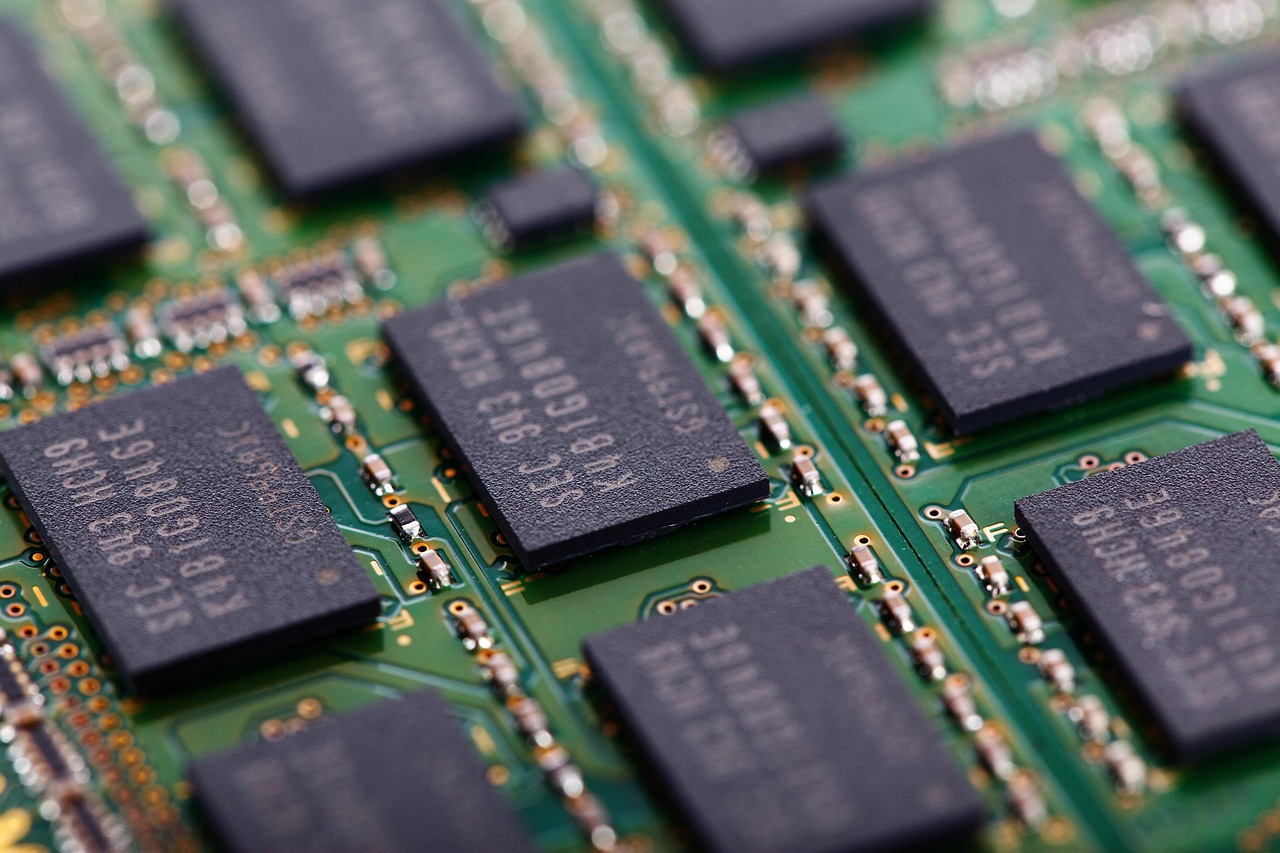
Implications for AI Accelerators and Data-Center CPUs
AI accelerators are among the most power-hungry components in modern systems, and even small efficiency gains translate into large operational savings. A 9 % performance improvement at iso-power means AI training jobs complete faster or can run at higher throughput with the same energy budget. This directly lowers cloud costs for inference services and reduces the carbon footprint of large-scale AI workloads. Meanwhile, the 40 % reduction in thermal resistance allows tighter integration of accelerators in densely populated servers, enabling higher compute density per rack without additional cooling overhead.
For data-center CPUs, 18A-P’s gains are equally meaningful. Hyperscale operators are under constant pressure to increase compute density while controlling power consumption and cooling costs. A 9 % performance uplift at the same power envelope effectively increases the value of each server, reducing the need for immediate hardware refreshes. In environments where every watt counts, such improvements can defer capital expenditures and improve total cost of ownership. Intel’s positioning of 18A-P as a drop-in upgrade also means cloud providers can adopt it without redesigning server boards or power delivery systems, accelerating deployment timelines.
What Mobile and Client Platforms Stand to Gain
In mobile and client computing, sustained performance is often limited by thermals rather than raw silicon capability. The 40 % reduction in thermal resistance means devices can sustain higher performance for longer periods before throttling. For ultrabooks and 2-in-1 devices, this translates into faster application launches, smoother multitasking, and improved gaming or content-creation experiences without increasing fan noise or chassis temperature. For smartphones and tablets, where power budgets are tightly constrained, the performance gain at iso-power can enable richer features or longer battery life.
Designers of thin-and-light laptops and convertibles will particularly benefit from the thermal improvements. Many modern ultrabooks already use vapor chambers and advanced heat pipes, but a 40 % reduction in thermal resistance allows for either higher sustained clock speeds or the use of smaller, quieter cooling solutions. This can be a key differentiator in a crowded market where battery life and performance consistency are critical buying factors. For consumers, the net effect is likely to be seen in faster software updates, longer intervals between charges, and more responsive systems under sustained loads.
Supply Chain and Manufacturing Readiness
Entering risk production is a critical milestone that validates process stability, yield expectations, and defect rates before high-volume manufacturing. Intel’s move to 18A-P risk production indicates that key manufacturing steps—such as extreme ultraviolet lithography, atomic-layer deposition, and advanced packaging—are performing within expected parameters. For partners and fabless customers, this reduces uncertainty around supply commitments and pricing. It also signals that Intel’s internal fabs are ramping capacity in preparation for broader adoption.





Real results from MEFAI's AI. Get $50 off the Pro plan.
Sponsored · Past performance is not indicative of future results. Not financial advice.

The supply chain implications are significant. As Intel ramps 18A-P, demand for advanced photomasks, EDA tools, and substrate materials will rise. Customers will need to secure wafer allocations and plan for staggered ramp schedules across different product lines. For smaller chip designers, early engagement with Intel’s design enablement teams will be crucial to lock in access and avoid bottlenecks. Meanwhile, the timing aligns with increasing demand for AI silicon and data-center CPUs, suggesting that Intel is positioning itself to capture share in high-growth segments without creating supply imbalances.
Competitive Positioning Against Rival Nodes
Intel’s 18A-P sits in a competitive sweet spot: it offers meaningful performance gains without requiring a node transition. This contrasts with strategies that prioritize rapid node shrinks at the expense of yield or performance. By focusing on performance-enhanced variants, Intel can differentiate its offerings in markets where raw transistor density is less critical than real-world performance and efficiency. This approach also buys time to perfect next-generation nodes like 14A while maintaining a competitive edge in the near term.
The broader node landscape includes several advanced processes from rivals, each with distinct strengths. Some emphasize density and cost efficiency, while others target performance and power. Intel’s 18A-P strategy suggests a deliberate choice to prioritize performance-per-watt over pure shrink metrics. This could resonate with customers who need incremental but reliable improvements to meet evolving product requirements. Over the next year, the market will likely see how these refined processes translate into end-product performance, pricing, and availability.
Practical Takeaways for Designers, Buyers, and Investors
For chip designers currently on 18A, evaluating 18A-P should begin with a feasibility study to confirm drop-in compatibility and performance projections. Intel’s design enablement teams will likely provide updated libraries, IP blocks, and characterization data to support the transition. Early engagement can help secure wafer allocations and avoid delays during the ramp-up phase. For those on older nodes, the 18A-P gains may justify a strategic shift toward Intel’s latest process, especially for high-performance or thermally constrained designs.
Buyers of laptops, servers, and networking gear should expect to see products incorporating 18A-P silicon starting in late 2025 and ramping through 2026. For enterprises planning hardware refreshes, the performance uplift and thermal improvements could tip the balance in favor of Intel-based systems, particularly in AI inference clusters or edge deployments. Consumers should watch for product announcements that highlight “18A-P” or “enhanced 18A” in spec sheets, as these will likely correlate with better sustained performance and battery life.
Investors should monitor Intel’s gross margin trajectory and product roadmaps as 18A-P ramps. The process refinement could support premium pricing for high-performance chips, while the thermal improvements may reduce warranty and reliability costs associated with overheating. Over time, the cumulative effect of such enhancements could reinforce Intel’s position in key markets and offset some of the competitive pressures from rivals.
The Road Ahead: From Risk Production to Volume Ramp
Risk production is only the first step in a multi-quarter journey toward high-volume manufacturing. Intel will need to demonstrate consistent yields, defect densities, and performance across a range of products, from client CPUs to AI accelerators. The company’s ability to execute on this ramp will influence customer confidence and supply commitments. For partners, planning for staggered adoption across different product lines will be essential to manage inventory and production schedules.
Looking further ahead, Intel’s roadmap includes next-generation nodes like 14A, which promise even greater performance and efficiency. The lessons learned from 18A-P—such as thermal optimizations and transistor refinements—will likely inform these future processes. Meanwhile, customers should prepare for a steady stream of products built on refined 18A variants, each delivering incremental but meaningful improvements. The message from Intel is clear: process leadership is not just about node transitions, but about relentless optimization at every stage of the manufacturing flow.
In summary, Intel’s 18A-P risk production marks a pragmatic step forward in the ongoing process race. By delivering a 9 % performance gain at iso-power and a 40 % reduction in thermal resistance, the company is positioning its customers for better-performing devices without major redesigns. From AI accelerators to ultrabooks, the implications are wide-ranging, offering tangible benefits in performance, power, and thermal management. As the industry watches the ramp unfold, the real test will be how quickly these gains translate into competitive products—and whether Intel can sustain this momentum into the next node.
More in Hardware & Gadgets

Explosive-Drone Plot Against White House UFC Event Shows Drone Threats Are Escalating
The FBI says it stopped an alleged plot to use armed drones and snipers at a high-profile UFC event on the White House lawn, revealing how drones can turn into precision strike weapons and what that m
Snap’s AR Glasses Arrive: A $2,195 Gamble on Everyday Augmented Reality
Snap’s first consumer AR glasses, Specs, ship this fall for $2,195 with a $200 refundable preorder deposit and limited availability in the US and UK.
Nvidia’s $25 Billion Bond Sale Tests the AI Sector’s Funding Appetite
Nvidia plans to raise $25 billion in a seven-part bond offering to fund general corporate purposes including debt refinancing, signaling strong investor demand for AI infrastructure financing.