
AI Coding Agents Now Train Robots to Assemble Hardware—What This Means for Factories and Labs
By Mag-Info Tech editorial · 2026-06-18
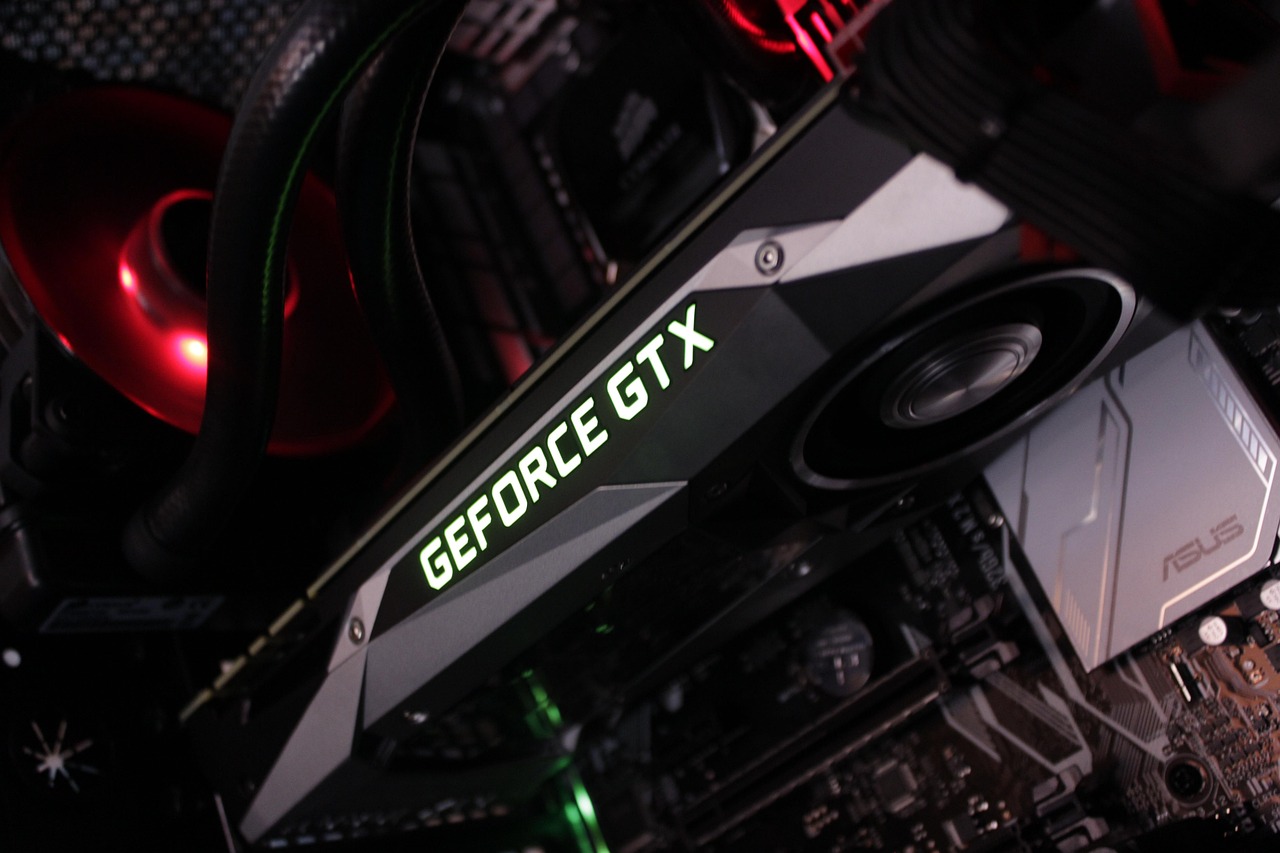
A new software framework called ENPIRE allows teams of AI coding agents to design, run, and refine robot training routines without human intervention overnight. In demonstrations, these agents taught robotic arms to cut zip ties and insert GPUs into motherboard sockets—skills that traditionally require weeks of programming and calibration. The development signals a shift from human-led robot programming toward AI-directed, self-improving automation.
From Human Programmers to AI Trainers: How ENPIRE Works
ENPIRE functions as an agentic harness—a software layer that wraps around large language models and gives them the ability to use tools, store memory, follow constraints, and receive feedback. The system is built by researchers at Nvidia’s GEAR lab in collaboration with Carnegie Mellon University and the University of California, Berkeley. Instead of writing explicit robot control code, engineers now define high-level goals, such as “install a GPU,” and ENPIRE’s AI agents break the task into subtasks, generate training code, run simulations, and iterate based on success rates.
The framework operates in four core modules: planning, tool use, memory, and evaluation. The planning module decomposes complex actions into executable steps. The tool-use module interfaces with robot APIs, simulation engines, and data logs. The memory module stores past trials, failures, and partial successes. The evaluation module scores each attempt using predefined metrics—force applied, alignment accuracy, completion time—and feeds the results back into the planning loop. This closed-loop design enables continuous improvement without human input during the training cycle.
Crucially, ENPIRE is designed to run autonomously for long periods. Researchers report that overnight runs produced complete training pipelines ready for morning review. This “lights-out” capability could allow labs and factories to iterate on robot skills continuously, accelerating deployment cycles and reducing downtime between tasks.
Cutting Zip Ties and Installing GPUs: Real Tasks Learned by AI
In published demonstrations, ENPIRE-trained robots successfully cut plastic zip ties and inserted GPUs into thin PCIe sockets on motherboards. Both tasks require precise force control, spatial awareness, and adaptability to slight variations in component positioning. Traditional robot programming would involve manual scripting of force thresholds, path planning, and error handling—processes that can take weeks and still fail on edge cases.
With AI-directed training, the agents generate and refine their own training data through simulation and real-world trials. They adjust grip strength, approach angles, and insertion speeds based on feedback from sensors. The result is a robot that not only completes the task but does so robustly across different hardware configurations. This level of autonomy suggests that future robots could learn new assembly steps simply by being given a goal and left to experiment under ENPIRE’s guidance.
For manufacturers, this means faster ramp-up for new products. Instead of reprogramming robots for each variant, teams could specify the desired assembly outcome and let ENPIRE generate the required behavior. This reduces engineering overhead and shortens time-to-market, especially in sectors like electronics manufacturing where boards and components change frequently.
The Role of Simulation and Digital Twins in Safe AI Training
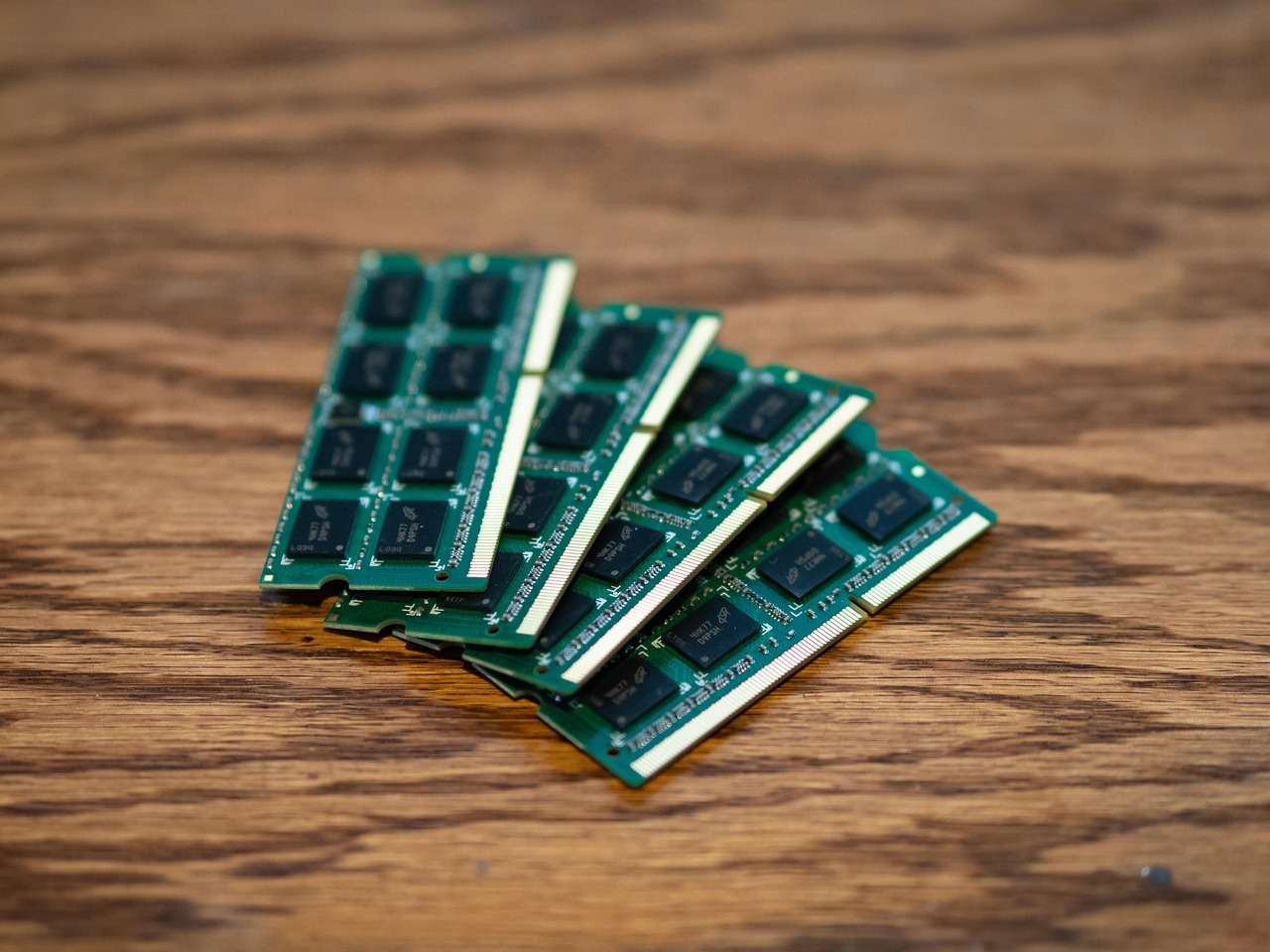
A key enabler of ENPIRE’s autonomous training is its integration with simulation environments. Robots can practice installing GPUs or cutting zip ties in virtual labs before attempting the task in the real world. This “learn in sim, act in real” approach minimizes risk to equipment and personnel while allowing agents to explore a wide range of strategies without physical constraints.
Digital twins—high-fidelity virtual replicas of lab equipment and workstations—are used to generate synthetic training data. These twins capture physics, sensor noise, and environmental variability, enabling agents to train on thousands of simulated scenarios. When transferred to real hardware, the learned policies often generalize well, a phenomenon known as sim-to-real transfer. This technique has already been used in autonomous vehicles and drone control, and ENPIRE brings it into the domain of industrial robotics.
The use of simulation also allows ENPIRE to scale training across multiple robots simultaneously. Multiple agents can share experiences through a central memory system, accelerating learning through parallel trials. This distributed approach could dramatically reduce the time needed to master complex assembly tasks, especially in high-mix, low-volume production environments.
Open-Sourcing ENPIRE: What It Means for Researchers and Engineers
Nvidia and its academic partners plan to release ENPIRE as open-source software, enabling labs, startups, and even hobbyists to set up their own self-improving robot training systems. According to a statement from Nvidia’s AI director, the goal is to democratize access to autonomous robot learning, allowing anyone with compute resources to run a “self-running robot lab at home.”
Open-sourcing the framework could accelerate innovation by allowing external researchers to extend ENPIRE’s capabilities. Community contributions might include new task templates, improved simulation models, or integrations with additional robot platforms. It also lowers the barrier to entry for small manufacturers who cannot afford dedicated robotics teams but need flexible automation.
However, open access also introduces risks. Without proper safeguards, poorly trained robots could damage equipment or injure workers during autonomous learning. ENPIRE’s developers emphasize the need for constraint systems and safety layers in any deployment. Users will need to implement guardrails, emergency stops, and human oversight during early stages of adoption.







Real results from MEFAI's AI. Get $50 off the Pro plan.
Sponsored · Past performance is not indicative of future results. Not financial advice.

Implications for Factories: Toward Self-Improving Production Lines
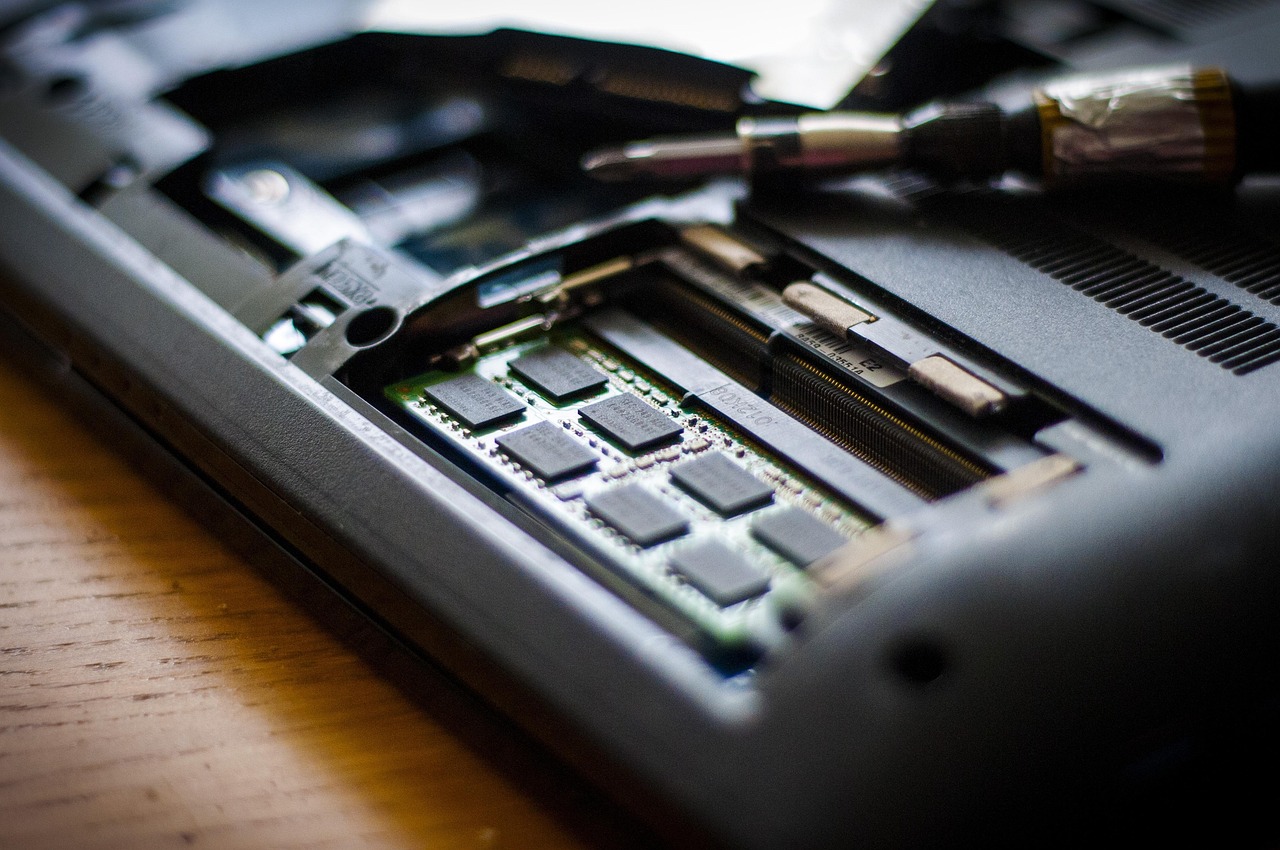
The ability of AI agents to autonomously train robots has immediate implications for factory floors. Traditional robotic cells are configured for specific tasks and require significant downtime for reprogramming when product designs change. ENPIRE’s approach reduces this friction by enabling robots to learn new tasks on the fly.
In electronics manufacturing, for example, robots could be retrained to handle new motherboard layouts without manual intervention. In automotive assembly, agents could teach robots to install different wiring harnesses or sensors based on incoming vehicle models. The result is a more adaptive production line capable of handling high-mix, low-volume production—a growing trend in advanced manufacturing.
This shift also supports the concept of “lights-out” factories, where operations continue 24/7 with minimal human supervision. While full autonomy is still years away, ENPIRE moves the industry closer to self-correcting, self-optimizing production systems that improve continuously based on real-time data.
Safety, Ethics, and the Limits of AI-Directed Robotics
Despite its promise, AI-directed robot training raises important safety and ethical questions. Autonomous agents may discover unconventional solutions that work in simulation but fail in the real world—such as applying excessive force or using unsafe gripping techniques. ENPIRE’s evaluation module attempts to catch such behaviors, but edge cases remain a challenge.
There are also concerns about accountability. If a robot damages a product or injures a worker during autonomous training, who is responsible—the AI agent, the developer, or the company deploying the system? Clear governance frameworks and safety standards will be needed before such systems are widely adopted in industrial settings.
Ethically, the automation of robot programming could displace jobs focused on robotics maintenance and programming. While new roles may emerge in oversight and system design, the transition could be disruptive in the short term. Policymakers and industry leaders will need to address reskilling initiatives and workforce planning.
What Comes Next: Benchmarks, Integration, and Real-World Deployment
The next phase for ENPIRE and similar systems will likely focus on standardization and benchmarking. Researchers are already working on public task suites that measure how quickly AI agents can teach robots to perform standard assembly operations. These benchmarks will help compare different frameworks and identify areas for improvement.

Integration with existing robotics platforms and industrial control systems is another priority. ENPIRE currently supports certain robotic arms and simulation environments, but broader compatibility will be needed for widespread adoption. Developers are likely to release adapters for popular robot controllers and middleware stacks.
Real-world deployment will begin in controlled environments such as research labs and pilot production lines. Early adopters may include electronics manufacturers, pharmaceutical labs, and advanced prototyping facilities. Over time, as safety and reliability improve, the technology could migrate to more sensitive areas like food handling or medical device assembly.
Practical Takeaways for Engineers and Managers
For engineering teams, the rise of AI-directed robot training suggests a shift in skill requirements. Instead of writing low-level robot control code, engineers will need expertise in defining task objectives, setting up simulations, and designing safety constraints. Familiarity with agentic frameworks like ENPIRE will become increasingly valuable.
Managers should start evaluating how adaptive robotics could fit into their automation roadmaps. Pilot projects could focus on repetitive, high-precision tasks where training time is a bottleneck. Investing in simulation infrastructure now will pay off as AI-driven training matures.
Finally, organizations should begin establishing safety protocols for autonomous robot learning. This includes defining guardrails, implementing real-time monitoring, and training staff to oversee AI-driven systems. Proactive governance will be essential to ensure smooth and safe adoption.
In summary, the ENPIRE framework marks a turning point in robotics automation. By enabling AI coding agents to autonomously train robots, it promises faster deployment, greater flexibility, and continuous improvement in industrial and lab settings. While challenges around safety, ethics, and workforce impact remain, the trajectory is clear: the future of robotics is not just programmable—it’s self-programming.
More in Hardware & Gadgets
Intel’s Global Chip Fab Expansion: What the 14A Node Deadlines Mean for Supply Chains and Consumers
Intel is accelerating construction of leading-edge fabs in Arizona, Ohio, and Ireland with two critical 14A node deadlines that will shape global chip supply and pricing through 2027.
Nvidia’s ENPIRE Hands AI Coding Agents a Robot Fleet to Train Themselves
Nvidia, Carnegie Mellon and UC Berkeley’s ENPIRE framework lets AI coding agents like Codex and Claude Code write, test and improve robot skills on live hardware with no human in the loop, pushing suc
Intel’s 18A-P Process Enters Risk Production: What the Upgrade Means for Chips, Phones, and Data Centers
Intel’s enhanced 18A-P process has entered risk production, promising a 9 % performance gain at the same power and 40 % lower thermal resistance. This positions Intel to compete with advanced rivals a