
Free vs Paid GPUs and AI Hardware: What Actually Works for Your Workload
By Mag-Info Tech editorial · 2026-06-10
Introduction
AI projects start with compute, and for most practitioners that means GPUs. Whether you’re fine-tuning a language model, running diffusion pipelines, or processing large datasets, the hardware path you choose has long‑term cost and performance implications. You can rent GPUs in the cloud for free or pennies, or buy your own card or system outright. The right answer depends on your workload, budget, and tolerance for latency and lock‑in. This guide breaks down when free tiers are enough, what paid options add, and how to pick hardware that won’t become obsolete next quarter.
How “Free” GPUs Actually Work in AI
Free GPU access usually comes bundled with cloud platforms, university programs, grants, or open‑source communities. These offerings provide short‑lived instances (minutes to hours) or limited monthly quotas, typically on older or mid‑range cards like NVIDIA T4 or A10G. They’re ideal for prototyping, testing notebooks, or running small models because you pay nothing upfront and spin up only when you need compute. The catch is latency: you wait for allocation, download datasets each session, and often face rate limits during peak times. For solo researchers or students, free access lowers the barrier to entry dramatically, but it isn’t designed for iterative training loops or production inference.
Another route is vendor‑sponsored credits. These give you larger, newer GPUs (often A100 or H100) for a fixed dollar amount, but the credits expire. They’re useful for benchmarking or short experiments, not continuous development. Free options also include community clusters and university labs, which can offer longer sessions and newer hardware, but access is competitive and often tied to specific research groups. In practice, free tiers are best for exploration and small proofs of concept—not sustained workloads or teams that need reliability and reproducibility.
When Paid Cloud GPUs Make Sense
Paid cloud GPUs remove the queue, guarantee uptime, and let you scale from one to dozens of GPUs on demand. You pay per hour, per GPU, with transparent billing tied to usage. For teams iterating on models daily or running long training runs, the convenience and predictability outweigh raw hardware costs. You also get newer silicon: H100, B200, or upcoming Blackwell cards arrive first in the cloud, while consumer boards lag by quarters. Another advantage is software integration: managed services bundle CUDA, cuDNN, and frameworks with optimized drivers, reducing setup friction. The downside is cost creep—unoptimized code or idle instances can balloon bills quickly—and vendor lock‑in, since moving workloads between clouds isn’t trivial.
For inference at scale, cloud GPUs shine. You can autoscale from zero to hundreds of GPUs during traffic spikes, then scale back, paying only for what you use. This elasticity is hard to replicate on‑prem without over‑provisioning. Security and compliance are also easier in the cloud, where providers handle physical access, networking, and auditing. If your team lacks IT resources or needs global distribution, cloud GPUs are often the pragmatic choice despite the hourly spend.
Buying Your Own GPU: What You Gain and Lose
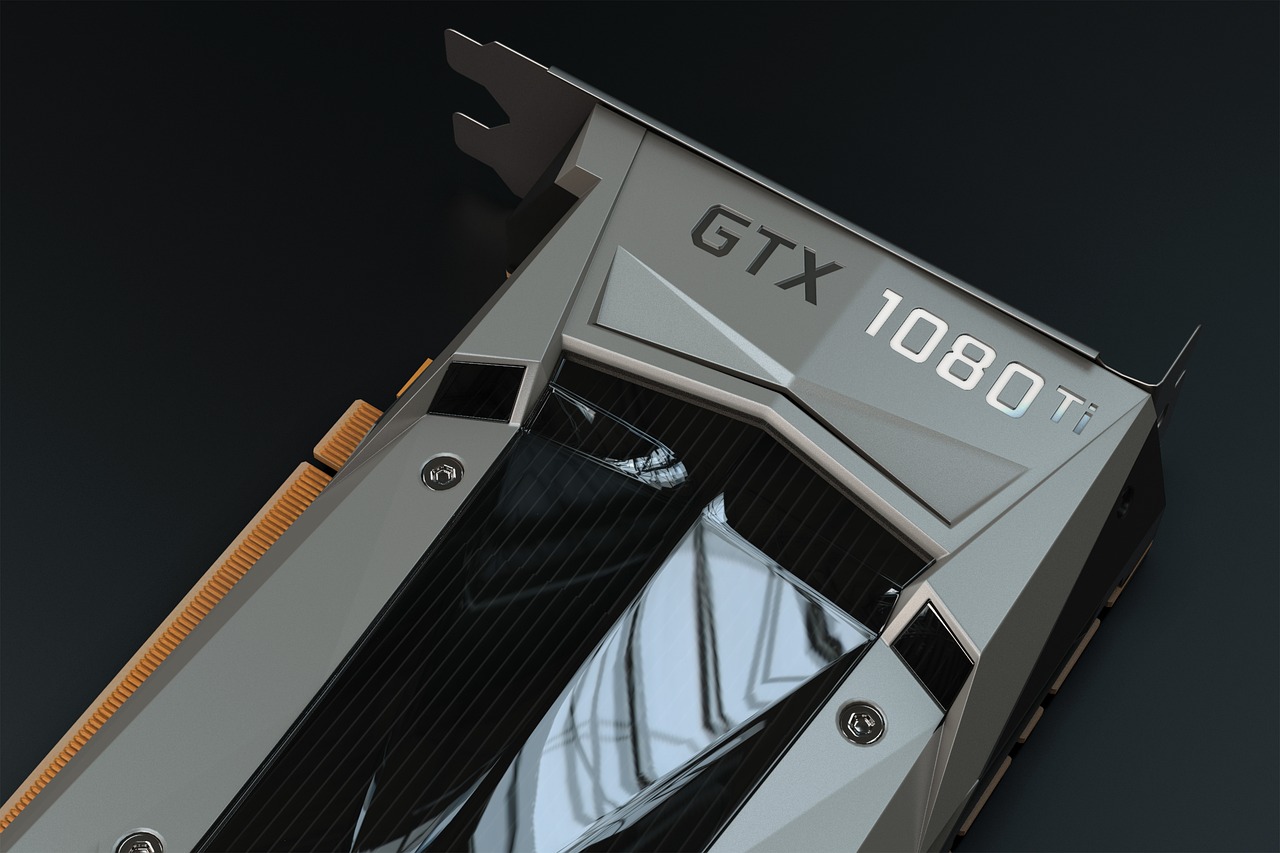
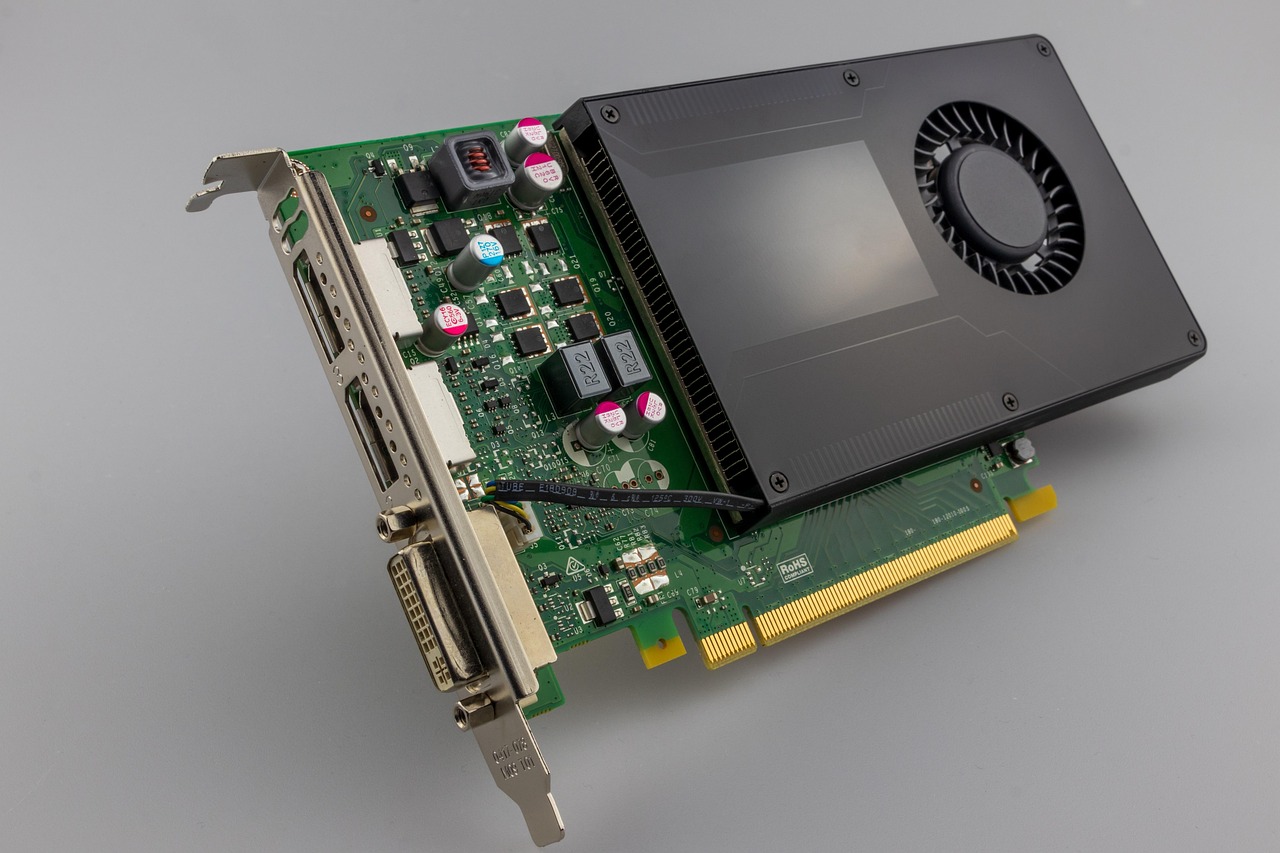
Owning a GPU means you control uptime, data locality, and long‑term cost. Once the card is paid for, every hour of compute is effectively free, making it economical for sustained workloads. Enthusiasts and small labs often buy mid‑range cards like RTX 4090 or professional GPUs like RTX Ada Generation to run models locally. These cards deliver high throughput for inference and fine‑tuning at a fraction of cloud costs, especially when amortized over years. You also avoid network transfer fees and latency, which matters for interactive applications like chatbots or real‑time video.
On the flip side, hardware ownership comes with depreciation, power costs, noise, and space. A high‑end card can draw 450W under load, adding hundreds per year in electricity and requiring robust cooling. You’re also responsible for driver updates, CUDA stack maintenance, and hardware failures. For teams, depreciation risk is real: AI hardware refreshes every 2–3 years, so buying today may mean replacing gear sooner than expected. Still, if your workload is steady and your team has IT capacity, owning GPUs can be cheaper and more reliable than renting over time.
Professional AI Hardware Beyond Consumer GPUs
Consumer GPUs are versatile but not always optimized for AI. For larger teams, professional accelerators like NVIDIA RTX Ada or AMD Instinct MI300X offer features such as higher memory bandwidth, ECC, and certified AI frameworks. These cards are designed for data center use, with better thermal headroom and support contracts. They’re ideal for teams running LLMs, recommendation systems, or scientific computing where stability and throughput matter more than raw FLOPS per dollar. Another option is purpose‑built AI hardware like Google TPU v4 or Amazon Trainium, which are available in cloud instances or via specialized on‑prem appliances. These chips are optimized for matrix math and can outperform GPUs on specific workloads, but they require rewriting kernels or using vendor‑specific frameworks.
For on‑prem setups, NVIDIA’s DGX systems bundle multiple GPUs with NVLink, high‑speed storage, and optimized software stacks. They’re expensive upfront but reduce integration overhead and deliver predictable performance. AMD’s Instinct MI300X platforms offer similar integration for teams that prefer AMD’s ecosystem. The trade‑off is flexibility: once you commit to a DGX or MI300X cluster, migrating to another platform becomes costly. Choose professional hardware when your workload is mature, your budget allows, and you need reliability and support.
Real results from MEFAI's AI. Get $50 off the Pro plan.
Sponsored · Past performance is not indicative of future results. Not financial advice.

Storage and Memory: The Hidden Costs of AI Workloads
Whether you use free, paid, or owned GPUs, storage and memory often become the bottleneck. Free tiers usually provide modest disk space and RAM, forcing you to stream or downsample data, which can slow iteration. Paid cloud instances let you attach high‑bandwidth storage (NVMe, GPUDirect) and scale memory with the GPU, but costs rise quickly. Owned systems give you full control over storage topology—you can add NVMe arrays, RAM disks, or networked storage—but you must budget for the hardware and maintenance.
For large models, memory is critical. A 70‑billion‑parameter model may need 140GB of VRAM for training, which exceeds consumer GPUs and even some professional cards. Cloud providers offer high‑memory instances (up to 1.5TB on some platforms), while on‑prem solutions may require multiple GPUs with NVLink or system‑level memory expansion. Factor storage and memory into your decision early; skimping here leads to constant swapping, failed runs, and wasted compute time.
Software and Ecosystem Lock‑In
Free tiers and paid cloud services bundle CUDA and vendor‑optimized frameworks, making setup straightforward. Owned hardware requires you to install drivers, CUDA toolkit, cuDNN, and sometimes proprietary frameworks, which can be error‑prone. If you rely on PyTorch or TensorFlow with CUDA extensions, vendor lock‑in is already present. AMD’s ROCm ecosystem offers an alternative, but it’s less mature and supports fewer models out of the box.
For teams building production systems, ecosystem lock‑in has long‑term implications. Cloud‑native stacks can be migrated with effort, but on‑prem clusters built around specific GPUs may face obsolescence when new architectures arrive. If you anticipate switching vendors or hardware, plan for portability: use containerized environments, avoid proprietary APIs, and test on multiple backends early. The cost of rewriting code later often outweighs the savings from hardware‑specific optimizations.
Real‑World Workload Examples and Matching Hardware
A solo developer fine‑tuning a 7‑billion‑parameter model on a custom dataset can start with free cloud credits to validate the approach. Once the prototype works, they might move to a small paid instance (one A100) to iterate faster, then scale to multiple GPUs for final training. Owning a high‑end consumer GPU like RTX 4090 makes sense if they run inference locally or do smaller fine‑tunes daily, accepting slower training speeds for lower cost.
A research lab training diffusion models on large image datasets benefits from professional hardware with high memory bandwidth and ECC, such as NVIDIA RTX Ada or AMD Instinct MI300X. They may also use cloud burst capacity for peak loads. A startup deploying a real‑time recommendation engine needs low‑latency inference, so they might lease H100‑class GPUs in the cloud and later deploy on‑prem for cost efficiency once traffic stabilizes.
Practical Selection Checklist: How to Decide Without Regret
Start by profiling your workload: batch size, model size, training vs inference, and expected uptime. If you’re exploring or prototyping, free tiers are ideal. If you’re iterating daily or need guaranteed uptime, paid cloud GPUs are worth the cost. If your workload is steady and large‑scale, consider owned hardware or professional accelerators, but include power, cooling, and depreciation in your budget.
Next, evaluate storage and memory needs. Free tiers often under‑provision these, so plan for expansion if you scale. Check software compatibility: CUDA vs ROCm, driver versions, and framework support. If you’re locked into a vendor ecosystem, ensure your team has the expertise to maintain it. Finally, run a pilot on your chosen platform before committing budget. Measure real throughput, latency, and cost per run to avoid surprises.
Conclusion
There’s no universal best choice between free and paid AI hardware—only the best choice for your situation. Free tiers lower the barrier to entry and are perfect for learning and small experiments. Paid cloud GPUs offer scalability, newer hardware, and managed stacks, ideal for teams that need reliability and speed. Owning GPUs or using professional accelerators makes sense when your workload is mature and your budget allows for long‑term investment. The key is to match your hardware to your workload today while leaving room to adapt as your project grows. Choose flexibility when you’re unsure, and optimize for cost efficiency once your path is clear.
More in Hardware & Gadgets
Apple Expands App Store Subscription Bundles to Include Multiple Apps and Services
Apple will let iPhone users buy single-bill bundles of subscriptions from different apps and services later this year, simplifying spending and potentially boosting app discovery.

Laptops and PCs for Beginners: A Practical Guide to Your First Computer
A clear, evergreen guide to choosing your first laptop or desktop for work, AI tools and light gaming, with beginner-friendly picks and what to look for before you buy.
GPUs & AI Hardware for Beginners: Where to Start
This practical guide explains what GPUs do for AI, what to look for when buying your first card, and which beginner-friendly models to consider across budgets.