
Where DeFi Is Going in 2026: The Platforms and Shifts You Need to Know
By Mag-Info Tech editorial · 2026-06-10

Why 2026 is a turning point for DeFi platforms
Decentralized finance has spent years chasing high yields and experimental products, but 2026 is shaping up as a year when safety, compliance and real-world use cases take center stage. Platforms that once focused only on speculative trading are now offering regulated yield products, insurance-like protections and clearer risk disclosures. For everyday users, this means DeFi is becoming less of a high-risk gamble and more of a structured financial toolkit—if you know where to look.
The shift is driven by two forces: regulators are tightening rules on how platforms operate and how yields are marketed, while major on-chain ecosystems are maturing with better security, lower costs and deeper liquidity. The result is a landscape where DeFi isn’t just for crypto natives anymore. It’s starting to attract investors who want exposure to yield without giving up control of their assets or accepting opaque risks.
What “DeFi evolution” actually means for users
In practice, the evolution of DeFi in 2026 comes down to three durable changes: clearer risk frameworks, institutional-grade tools and integration with traditional finance. Platforms are now required to separate “real yield” from marketing hype, often by disclosing where returns come from—whether it’s lending, liquidity mining, real-world asset (RWA) backing or staking. This transparency helps users avoid strategies that rely on unsustainable token emissions or hidden leverage.
Another shift is the rise of on-chain money markets with compliance layers. These platforms act like decentralized versions of bank savings accounts, but with user-controlled custody and programmable risk settings. They’re not banks, but they’re starting to behave like regulated financial utilities—issuing audited reports, restricting access to accredited investors where required and offering withdrawal windows that prevent bank-run-style collapses. For users, this means safer yield options, but also fewer “1000% APY” promises that vanish overnight.
Finally, DeFi is increasingly bridging to real-world assets like bonds, treasuries and private credit. On-chain treasury platforms let users earn yields tied to U.S. Treasury rates or corporate paper, while decentralized credit pools are underwriting loans backed by invoices or real estate. These products still carry risk, but they’re anchored in assets that exist outside crypto, making them more predictable than pure token speculation.
Best platforms for high-yield savings without the chaos
If your goal is stable yield with minimal drama, look at on-chain money markets that have added compliance and risk controls. One category leader in 2026 is a platform that began as a simple lending protocol but now offers tiered risk tiers, audited collateral pools and optional insurance funds. It separates “blue-chip” collateral—like major stablecoins and blue-chip tokens—from speculative assets, so users can choose their risk level. The platform also enforces withdrawal limits during stress events, reducing the chance of a liquidity crunch.
Another strong option is a protocol that has integrated real-world asset yields directly on-chain. It sources yield from short-term corporate debt and U.S. Treasuries, then packages it as tokenized notes that pay yield daily. The returns are lower than speculative DeFi yields, but they’re predictable and backed by assets that trade in traditional markets. For users who want yield without volatility, this approach offers a middle path—still decentralized, but grounded in real cash flows.
Practical takeaway: if you’re moving savings into DeFi, prioritize platforms that publish monthly asset reports, enforce withdrawal limits and offer optional insurance. Avoid any platform that can’t explain exactly how your yield is generated or where your collateral sits.
Where to go when you want leverage without the liquidation spiral
Leverage is still a core use case in DeFi, but the tools have evolved to reduce the risk of total loss. In 2026, the most robust leverage platforms are those that cap leverage ratios, offer partial liquidation (where only a portion of your position is closed) and integrate circuit-breaker mechanisms that pause trading during extreme volatility. These features prevent the “all-or-nothing” liquidations that wiped out portfolios in earlier cycles.
One platform stands out for its conservative approach: it limits leverage to 4x on major assets and offers a “soft liquidation” feature that drains only the excess collateral, leaving the core position intact. It also integrates with decentralized oracles that update prices in real time, reducing the lag that often triggers cascading liquidations. For traders who need leverage but don’t want to gamble their entire portfolio, this is a safer default.
Another option is a protocol that separates trading leverage from collateral risk. Instead of requiring users to over-collateralize, it allows traders to post liquidity in one pool while taking leveraged positions in another, with risk managed by algorithmic buffers. This design reduces the chance that a single bad trade will liquidate your entire stack. It’s not risk-free, but it’s a meaningful improvement over earlier models.
Practical takeaway: if you use leverage, stick to platforms with conservative caps, real-time risk engines and clear liquidation rules. Never use leverage on platforms that don’t disclose their liquidation mechanisms or oracle feeds.
The new wave of on-chain treasury and bond platforms
Real-world yield is no longer a niche experiment—it’s a core category in 2026. Treasury platforms now let users deposit stablecoins and earn yields pegged to U.S. Treasury bill rates or short-term corporate paper. The yield is delivered daily, the collateral is custodied in regulated entities and the tokens are redeemable on demand (with standard settlement windows). These products are not as liquid as trading tokens, but they offer a familiar yield source in a decentralized wrapper.
A leading treasury platform in 2026 sources its yield from a diversified pool of short-duration corporate debt and U.S. Treasuries, then issues tokenized notes that trade on secondary markets. The platform publishes daily snapshots of its holdings, so users can verify that their yield is backed by real assets. For conservative investors, this is a way to earn “risk-free” yield without leaving the blockchain ecosystem.
Another category is decentralized bond platforms that auction tokenized bonds backed by real estate or private credit. These bonds pay fixed coupons and mature at par, giving users a predictable income stream. The bonds are overcollateralized and audited, with legal recourse in case of default. While these platforms still require due diligence, they offer a bridge between DeFi and traditional fixed-income markets.
Practical takeaway: treasury and bond platforms are best for users who want yield anchored in real assets, not token speculation. Always check the asset mix, custody arrangements and redemption terms before depositing.
How insurance and risk management are changing DeFi
Insurance in DeFi has matured from a nice-to-have into a standard feature on major platforms. In 2026, the most reliable insurance options are no longer just mutual-style pools that may or may not pay out. Instead, they’re underwritten by regulated entities, backed by diversified capital and integrated directly into the user flow. Some platforms now offer “auto-insurance” at deposit time, where a small fee buys coverage against smart contract failure or oracle manipulation.
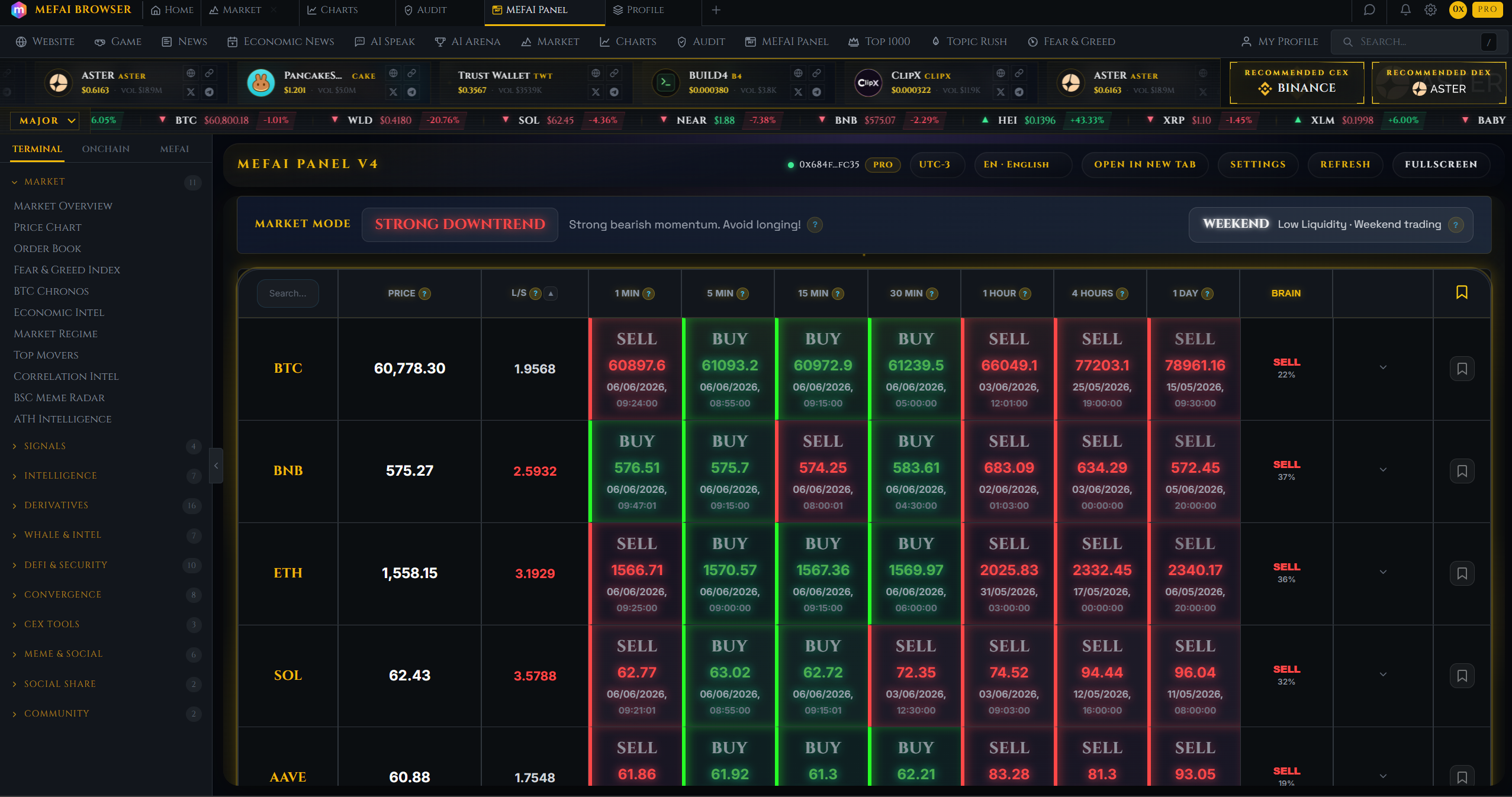
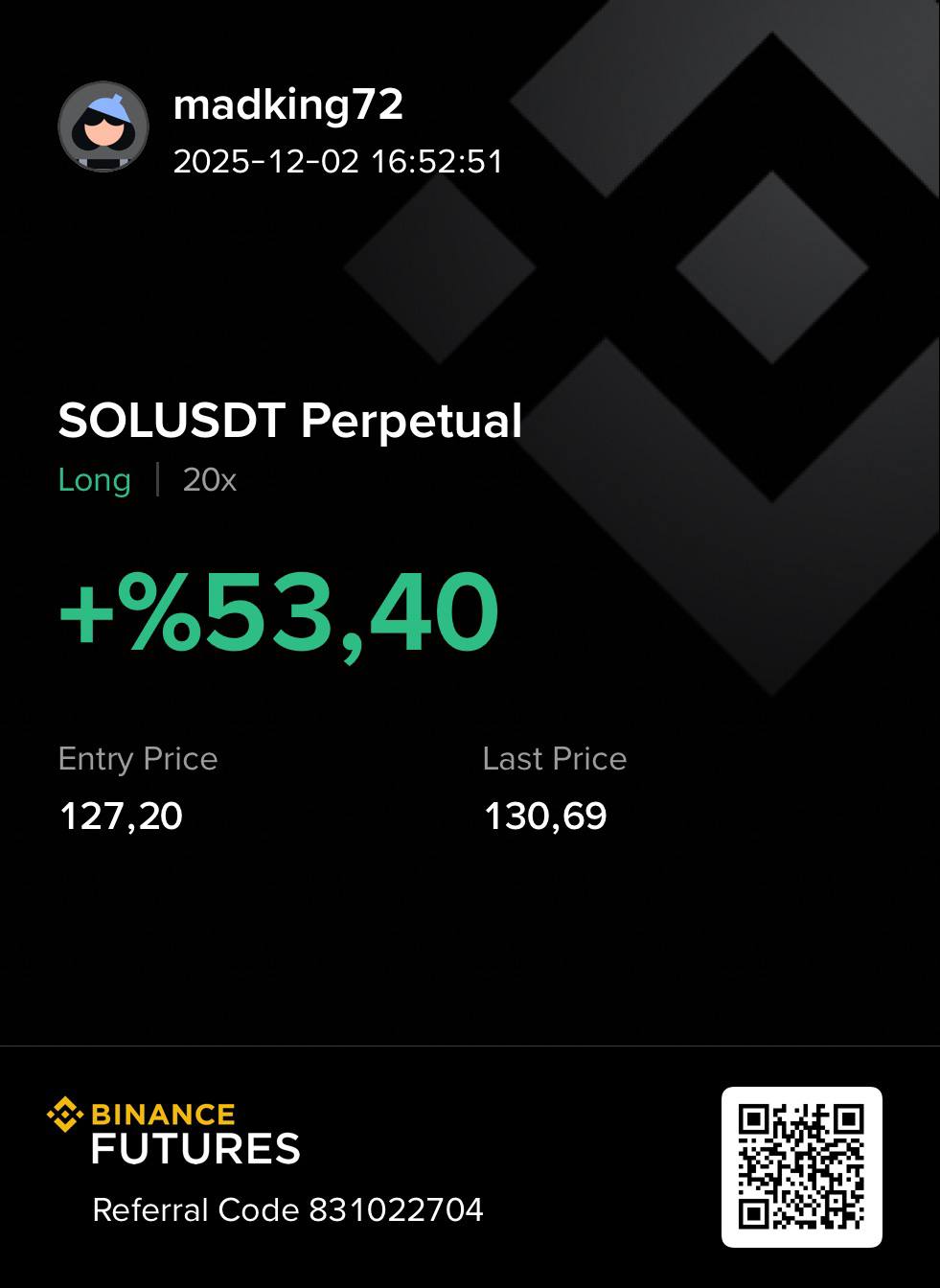
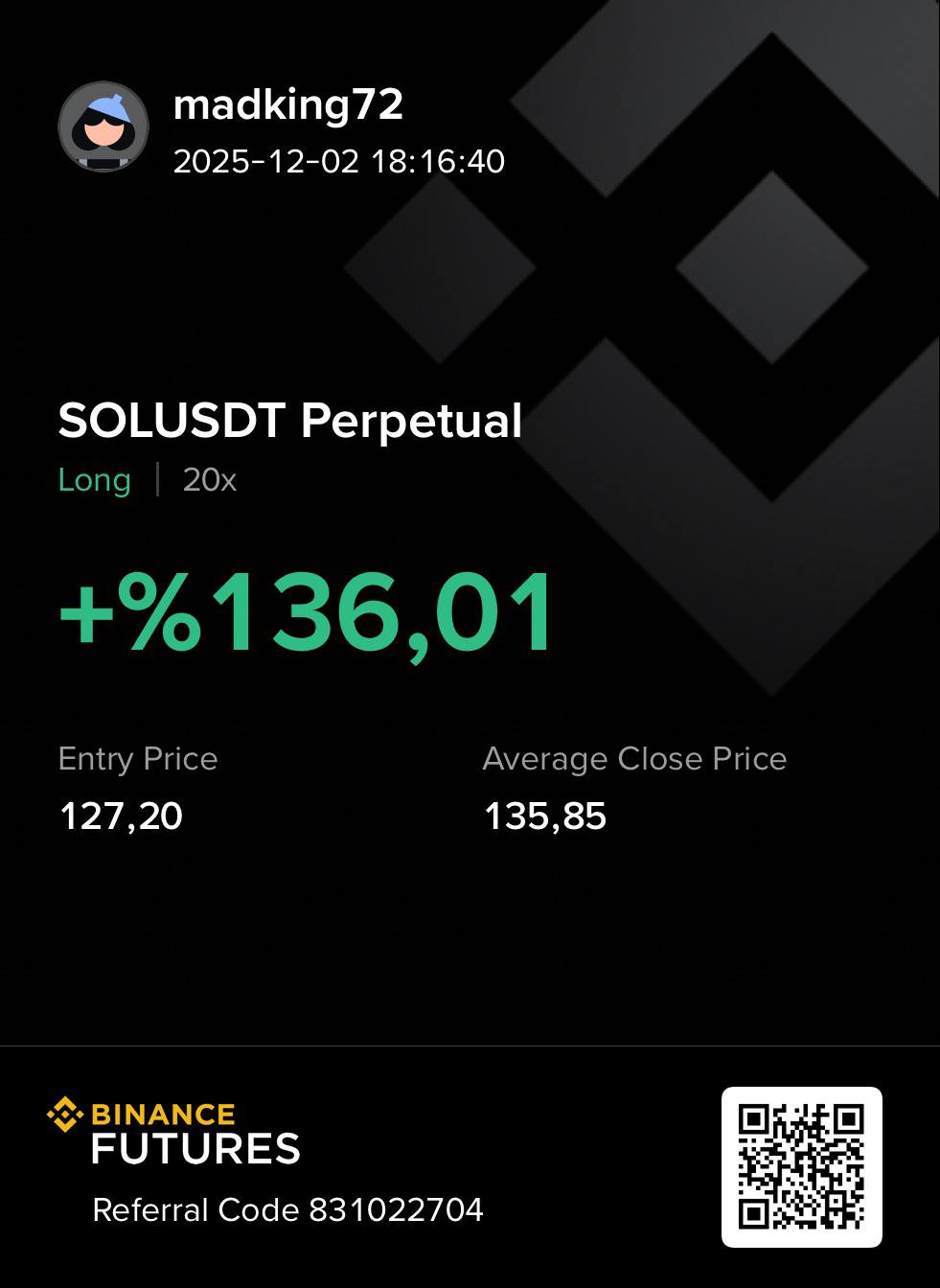
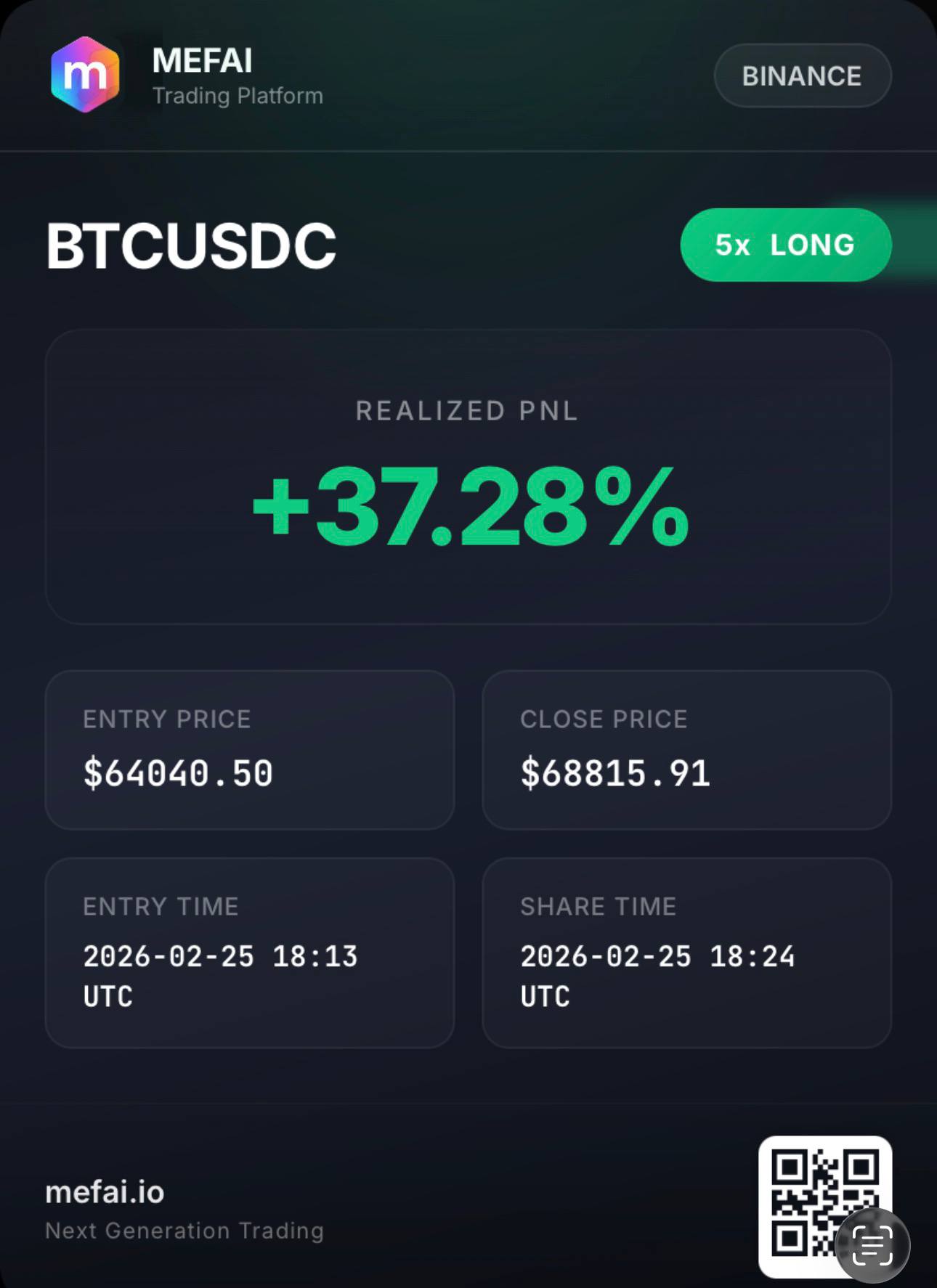
Real results from MEFAI's AI. Get $50 off the Pro plan.
Sponsored · Past performance is not indicative of future results. Not financial advice.

A leading insurer in 2026 operates like a regulated captive insurer, pooling capital from institutional backers and paying claims within defined windows. It covers major DeFi protocols by auditing their code and staking its own capital alongside user deposits. For users, this means that if a covered protocol fails, claims are processed automatically without lengthy governance votes. The premiums are built into yield rates, so you don’t have to opt in separately.
Another innovation is parametric insurance, where payouts are triggered by predefined events—like a governance exploit or a price oracle failure—without requiring manual claims. These policies are priced dynamically based on risk models, so users can buy coverage only for the events they care about. For high-value deposits, this targeted insurance is more cost-effective than blanket coverage.
Practical takeaway: always check whether a platform’s insurance is active by default, who underwrites it and what events it covers. Avoid platforms that rely solely on community funds that may be exhausted during a crisis.
The platforms bridging DeFi and traditional finance
The most durable DeFi platforms in 2026 are those that don’t try to replace traditional finance—they integrate with it. These platforms act as on-ramps and off-ramps, compliance gateways and yield bridges. They let users deposit fiat, pass KYC/AML checks on-chain and then deploy capital into DeFi yield products that are compliant with local regulations. For users outside the U.S. or EU, this removes a major friction point: the need to trust unregulated entities.
One such platform in 2026 offers a regulated wrapper around on-chain yield products. Users pass identity checks, deposit fiat via partner banks and receive tokenized receipts representing their yield positions. The platform handles compliance, tax reporting and even auto-compounding, while the underlying yield comes from audited DeFi protocols. For investors who want DeFi exposure without dealing with self-custody complexities, this is a pragmatic middle ground.
Another example is a platform that tokenizes real-world assets—like U.S. Treasuries or corporate bonds—and lets users trade them 24/7 on-chain, with settlement finality guaranteed by regulated custodians. The tokens are fully backed by the underlying assets, so their price tracks the real-world instrument. This is DeFi in name only: the assets, custody and compliance are all traditional, but the interface and liquidity are blockchain-native.
Practical takeaway: if you’re new to DeFi or live in a regulated market, look for platforms that combine identity checks, licensed custody and on-chain yield. These reduce legal risk and make it easier to move money in and out.
Security and custody: what to watch in 2026
Security remains the biggest differentiator among DeFi platforms. In 2026, the most secure platforms are those that use multi-party computation (MPC) wallets, hardware security modules (HSMs) and time-locked upgrades to prevent insider theft or admin key abuse. They also publish real-time security dashboards showing audit status, bug bounty payouts and incident response logs. Users should treat any platform without these features as high-risk.
A standout in 2026 is a platform that requires multiple hardware keys to authorize withdrawals, with each key held by a separate entity. It also implements “rate-limiting” on admin functions, so even if keys are compromised, the damage is contained. The platform’s smart contracts are formally verified, and it runs a continuous bug bounty program with payouts in USD, not just tokens. For users moving large amounts, this level of security is non-negotiable.

Another trend is the rise of “custody-as-a-service” platforms that let users delegate security to professional operators while keeping yield generation decentralized. These services use MPC to split private keys across multiple nodes, so no single party can drain funds. They also integrate with insurance pools, so deposits are covered even if the operator is breached. This model is still new, but it’s gaining traction among institutional and high-net-worth users.
Practical takeaway: never use a DeFi platform that doesn’t publish its security practices, audit reports and incident history. If you can’t verify how your funds are protected, assume they’re at risk.
How to choose a DeFi platform in 2026: a practical checklist
Start by defining your goal: yield, leverage, savings or real-world asset exposure. Then apply a simple filter: regulated access, transparent yield sources and active insurance. If you’re in a regulated market, prioritize platforms that handle KYC/AML and tax reporting automatically. If you’re outside regulated markets, focus on platforms with strong custody, audits and insurance.
Next, check the asset mix. Avoid platforms that rely on a single token for yield or collateral. Diversified pools—mixing stablecoins, blue-chip tokens and real-world assets—are safer. Also verify the oracle setup: real-time price feeds and decentralized oracles reduce manipulation risk.
Finally, stress-test the platform’s risk controls. Look for withdrawal limits, circuit breakers and partial liquidation mechanisms. If a platform can’t explain how it prevents bank runs or cascading liquidations, move on. In 2026, the best platforms make risk management visible and programmable—not hidden behind marketing jargon.
The bottom line: safer DeFi is here, but it’s not risk-free
DeFi in 2026 is more transparent, regulated and integrated than ever before. Platforms that once promised “1000% APY” are now offering audited yields tied to real assets, with insurance and compliance built in. This makes DeFi accessible to a broader audience, but it doesn’t eliminate risk. Smart contract bugs, oracle failures and regulatory changes can still cause losses.
The platforms that will last are those that treat users like customers, not gamblers. They publish clear risk disclosures, enforce conservative leverage caps and integrate with traditional finance when needed. For users, the message is simple: DeFi is evolving into a safer toolkit, but due diligence is still essential. Stick to platforms that prioritize transparency, custody and real yields—and you’ll be positioned for the next phase of decentralized finance.
More in Crypto & Trading

DeFi Compared: Matching the Right Platform to Your Needs
A practical guide to the leading DeFi platforms, who each suits, what they offer, and how to choose based on your goals and risk tolerance.

Why an Anthropic IPO Could Tie Bitcoin Closer to the AI Trade
An Anthropic stock listing would give traders a single AI stock to bet on, tightening bitcoin’s correlation with the AI trade and increasing its sensitivity to Fed policy and risk appetite.

AI Crypto Trading Tools for Beginners: How to Get Started Safely
A no-nonsense beginner’s guide to AI crypto trading tools: what they do, how to start, and which beginner-friendly options to consider first.