DeFi Compared: Matching the Right Platform to Your Needs
By Mag-Info Tech editorial · 2026-06-10

What DeFi platforms do and why they matter
Decentralized finance platforms let you lend, borrow, trade, and earn yield without banks or brokers. Instead, smart contracts on public blockchains handle the rules, and your assets stay in your own wallet. For solo users, this means higher yields than savings accounts, faster settlement than traditional finance, and custody of your funds. For teams and power users, it opens composable strategies, automated market-making, and programmatic risk management. The catch is that each platform’s purpose, risk profile, and user experience differ. Picking the right one depends on whether you prioritize ease of use, yield size, token exposure, security track record, or integration with other protocols.
Most platforms fall into three broad buckets: lending/borrowing hubs, decentralized exchanges (DEXs), and yield aggregators. Lending platforms like Aave or Compound let you supply assets to earn interest or borrow against your holdings. DEXs like Uniswap or PancakeSwap route trades directly between users with liquidity pools rather than order books. Yield aggregators like Yearn or Convex optimize returns by auto-compounding or shifting funds across multiple strategies. Within each bucket, choices hinge on blockchain support, token rewards, audits, and governance. Below, we compare real, widely used platforms and map them to common user profiles.
Solo users seeking simple yield
If you want to deposit stablecoins or blue-chip tokens and earn passive income without managing positions daily, start with established lending platforms. These platforms offer clear interest rates, minimal slippage, and straightforward dashboards. Aave and Compound are the most widely audited, with long track records on Ethereum mainnet and multiple Layer-2 networks. Their interfaces let you supply assets, set collateralization ratios, and withdraw anytime subject to liquidity. Risks are mainly smart-contract bugs and liquidation if collateral value drops, so sticking to overcollateralized positions and monitoring health factors is essential.
For users who want yield without locking tokens, DEX liquidity provision can be attractive. Uniswap’s concentrated liquidity pools let you earn trading fees by depositing pairs like ETH/USDC, though impermanent loss remains a key risk. If you prefer a set-and-forget approach, Yearn’s vaults automatically compound yields across lending markets, so you deposit once and receive yield-bearing tokens that appreciate over time. Vaults simplify yield chasing but introduce dependency on Yearn’s strategy logic and admin keys, so understand each vault’s target assets and risk disclosures before depositing. In short, solo users should prioritize audited lending protocols for stability or vaults for automation, and always test small amounts first.
Budget-conscious users who want low fees
Transaction costs are a major barrier for small balances. Layer-2 networks and sidechains reduce fees dramatically compared to Ethereum mainnet. Platforms like Aave and Compound operate on Polygon, Arbitrum, and Optimism, where a simple deposit or swap can cost cents instead of tens of dollars. DEXs such as PancakeSwap on BNB Chain and Trader Joe on Avalanche also offer lower fees and competitive yields, though token availability differs by chain. For yield seekers, Layer-2-native aggregators like Beefy Finance optimize returns across these cheaper chains, compounding rewards while minimizing gas.
Another budget-friendly route is to use platforms that pay rewards in their own governance tokens, effectively subsidizing yield with token incentives. These rewards can offset fees and sometimes exceed base yields, but they introduce price volatility and governance risks. Platforms like Curve and Convex reward liquidity providers and stakers with CRV and CVX tokens, which can be sold or staked further. If you are comfortable with token exposure and price swings, incentive programs can improve net returns, but be prepared to monitor emissions schedules and exit early if rewards dry up. Always compare net yield after fees and token price impact before committing larger amounts.

Power users building multi-protocol strategies
Advanced users combine lending, DEXs, and yield aggregators into automated or semi-automated strategies. This requires platforms with robust APIs, composability, and clear documentation. Yearn, Convex, and Abracadabra Money expose APIs and SDKs that let developers and advanced users script deposits, harvest rewards, and rebalance across protocols. For example, a power user might supply ETH to Aave, borrow stablecoins, deposit those stables in a Yearn vault, and then use Convex to boost CRV rewards on Curve pools. The upside is higher capital efficiency and yield, but complexity rises quickly.
Security and transparency become critical at this level. Power users should audit each protocol’s smart-contract source code, recent audits, and admin-key timelines. Yearn and Convex are open-source with public audit reports, while some smaller aggregators have opaque admin controls. Also verify cross-protocol assumptions: if a vault relies on a lending market’s health factor, a sudden drop in collateral value can trigger liquidations across your stack. Use testnets or small test deposits to validate each leg of the strategy before scaling up. In short, power users should prioritize composable, audited platforms and implement rigorous monitoring and fail-safes.
Teams and DAOs managing treasuries
Organizations need platforms that support multisig wallets, role-based access, and transparent reporting. Aave and Compound allow treasury managers to supply assets under a multisig, set risk limits, and monitor positions via dashboards or APIs. For yield optimization, Yearn vaults and Convex strategies can be deployed by DAO multisigs, with configurable withdrawal windows and emergency exit mechanisms. Some platforms also offer institutional interfaces or white-glove onboarding for larger deposits.
Token governance adds another layer for teams. Platforms like Aave and Compound let DAOs vote on risk parameters, asset listings, and treasury allocations. This is powerful but introduces political and execution risk: a contentious governance vote could change fee structures or pause contracts. Teams should align on risk appetite and governance participation before committing treasury funds. Also consider platforms with clear insurance funds or treasury diversification across multiple protocols to mitigate single-point failures. In practice, teams should combine audited lending markets for stability with reputable aggregators for yield, and maintain strict access controls and reporting.
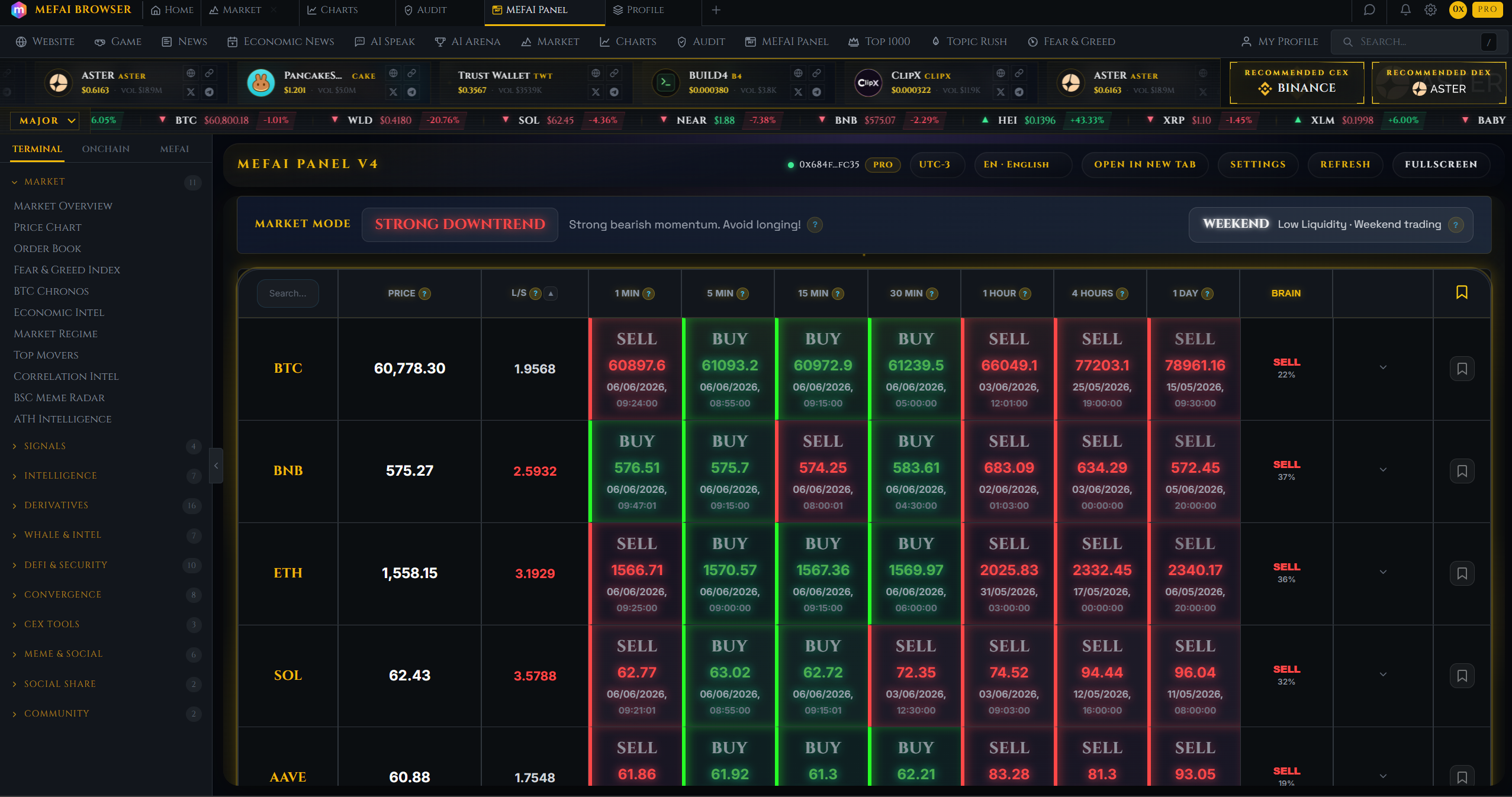
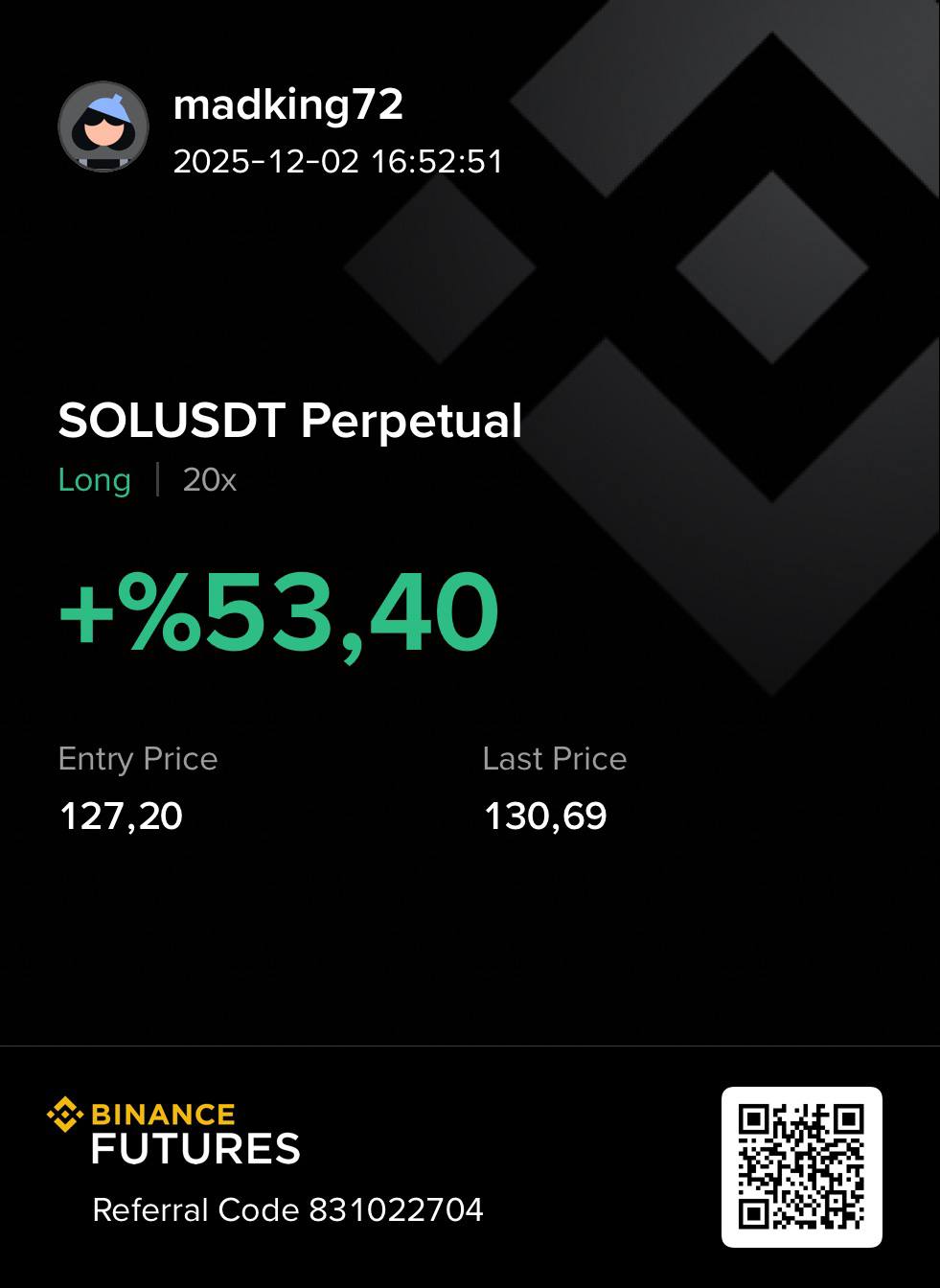
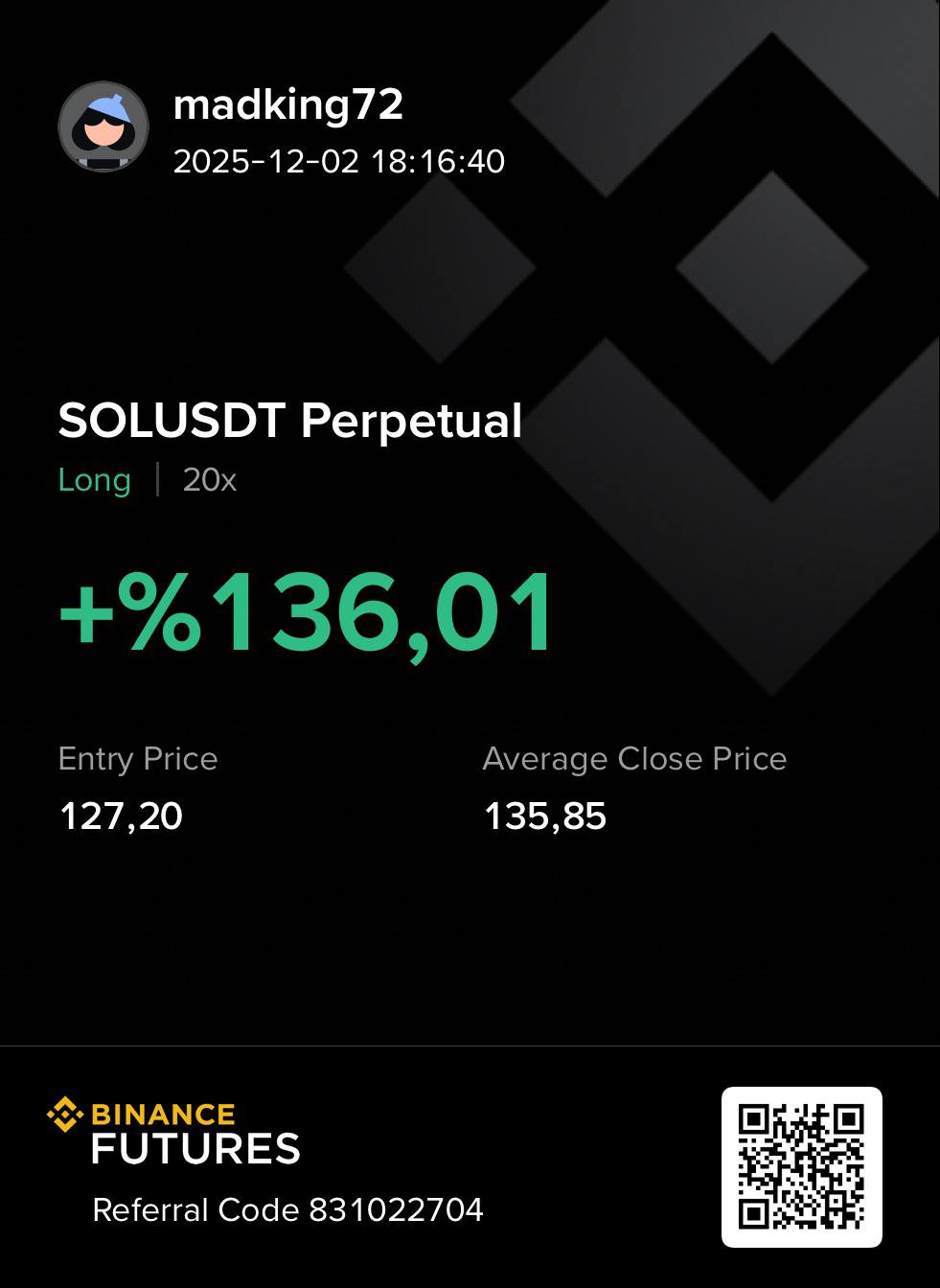
Real results from MEFAI's AI. Get $50 off the Pro plan.
Sponsored · Past performance is not indicative of future results. Not financial advice.


Cross-chain yield hunters
Users who chase the highest yields often move assets across multiple blockchains. Cross-chain bridges and DEX aggregators simplify this, but each introduces risks. LayerZero-based protocols like Stargate let you supply USDC on Ethereum and receive the same token on BNB Chain or Polygon, then deposit into a local lending or yield platform. DEX aggregators like 1inch and Matcha route orders across chains to minimize slippage and fees. However, bridge risks—smart-contract bugs, relayer failures, and wrapped-token mismatches—remain significant. Always verify bridge audits and use well-established routes with high liquidity.
Yield aggregators like Beefy Finance and Yearn support multiple chains, auto-compounding rewards across ecosystems. They reduce the operational burden of manual transfers and rebalancing, but they also centralize strategy execution in a single interface. If a strategy fails on one chain, your funds could be at risk across connected vaults. Diversify across multiple aggregators and chains, and keep a portion of funds on mainnet or a trusted Layer-2 for liquidity emergencies. Cross-chain yield hunting rewards diligent users but punishes haste and overconfidence.
Security-first users
Security-conscious users should prioritize platforms with formal audits, bug-bounty programs, and transparent admin controls. Aave, Compound, and Yearn publish audit reports from top firms and maintain public repositories. They also have long track records with slow, conservative parameter updates. For DEXs, Uniswap and Curve emphasize immutable core contracts with minimal admin functions, reducing rug-pull risks. In contrast, some newer platforms grant wide admin privileges or rely on multisig timelocks, which can delay responses to exploits.
Another security dimension is token custody. Self-custody via your own wallet is safer than custodial platforms, but it requires careful key management. Hardware wallets and multisig setups reduce single points of failure. Platforms that integrate directly with hardware wallets, like MetaMask’s Ledger support, improve security without sacrificing usability. If you must use custodial interfaces, verify insurance coverage and withdrawal policies. In all cases, enable two-factor authentication, use unique strong passwords, and avoid sharing seed phrases or private keys. Security is not a one-time choice but an ongoing practice.
Token-governance seekers
Some users participate in governance to steer protocol parameters and capture value from token appreciation. Aave, Compound, and Curve allow token holders to vote on risk parameters, asset listings, and treasury allocations. Governance tokens often accrue value from protocol revenue and can be staked to earn additional rewards. However, governance participation requires understanding proposal timelines, quorum requirements, and delegation mechanisms. Delegating votes to trusted service providers can reduce the operational burden while still capturing value.
Token-governance also introduces market and liquidity risks. If governance votes favor aggressive yield strategies, the protocol may accumulate bad debt or face liquidity crises. Users should monitor governance forums and snapshot votes before committing funds. Some platforms offer gauge voting systems where stakers direct rewards to specific pools, allowing indirect influence without holding large token balances. In short, governance seekers should align with platforms whose tokenomics and governance processes they trust, and consider delegating to reduce exposure to governance volatility.
How to choose: a practical checklist
Start by defining your primary goal: stable yield, active trading, automation, or treasury management. Then match it to a platform category—lending, DEX, or aggregator—and confirm the blockchain network that fits your budget and risk tolerance. Next, verify audits, admin controls, and historical performance. For yield, compare base rates, reward token emissions, and impermanent loss exposure. For trading, assess liquidity depth, fee tiers, and MEV protection. Finally, plan your exit: confirm withdrawal times, exit fees, and bridge risks if moving cross-chain.
Risk management is the most durable skill in DeFi. Never supply more than you can afford to lose, and diversify across platforms and chains. Use hardware wallets for large balances, test small amounts first, and enable all available security features. Keep an eye on governance proposals and parameter changes that could affect your positions. If you are part of a team or DAO, document procedures, access controls, and emergency exits. Over time, refine your stack as your goals and risk tolerance evolve.
The bottom line
There is no single best DeFi platform for everyone. Solo users who want simplicity should stick to audited lending markets or vaults like Aave, Compound, and Yearn. Budget-conscious users can cut fees by moving to Layer-2 networks and incentive-driven platforms like Curve and Convex. Power users and teams should build on composable, audited stacks with robust monitoring and multisig controls. Cross-chain yield hunters need reliable bridges and aggregators but must accept higher complexity and risk. Security-first users should favor immutable contracts, bug bounties, and self-custody. Token-governance seekers should align with transparent governance processes and delegate when appropriate.
The DeFi landscape evolves quickly, but the fundamentals remain constant: custody risk, smart-contract risk, and market risk. Focus on platforms that excel in the risks you are comfortable taking, and always leave room for exit. With the right match between platform and profile, DeFi can deliver yields, autonomy, and flexibility that traditional finance cannot.
More in Crypto & Trading

Why an Anthropic IPO Could Tie Bitcoin Closer to the AI Trade
An Anthropic stock listing would give traders a single AI stock to bet on, tightening bitcoin’s correlation with the AI trade and increasing its sensitivity to Fed policy and risk appetite.

AI Crypto Trading Tools for Beginners: How to Get Started Safely
A no-nonsense beginner’s guide to AI crypto trading tools: what they do, how to start, and which beginner-friendly options to consider first.
Free vs Paid AI Trading Tools: What’s Actually Worth Paying For
Compare free and paid AI trading tools by concrete features and limits, so you can decide when to stay free and when to upgrade for bots, signals and bias tools.