
AI Crypto Trading Tools for Beginners: How to Get Started Safely
By Mag-Info Tech editorial · 2026-06-10

What AI trading tools can (and cannot) do for beginners
AI trading tools are software products that use artificial intelligence to analyze market data, generate trading signals, or automatically execute trades in crypto markets. For newcomers, these tools promise faster reactions to price moves and the removal of emotional decisions, but they do not guarantee profits or eliminate risk. Beginners should treat them as assistants that provide information and execute instructions they themselves define. The most common entry points are AI-driven signals services, market-bias dashboards, and cloud-based trading bots that connect to exchanges.
The core value for beginners lies in turning raw market data into actionable insights without needing deep coding skills. A signals service might highlight “long on Ethereum with a 24-hour target” based on on-chain and technical data, while a bot can be configured to place that trade automatically once certain conditions are met. What these tools cannot do is predict the future or protect users from sudden market crashes. They also cannot replace understanding basic trading concepts like liquidity, volatility, and risk management. Treat AI tools as training wheels that help you learn faster, not as a substitute for learning.
The three beginner-friendly tool categories to know
For most newcomers, the journey starts with one of three categories: AI signal providers, bias/insight dashboards, and managed or code-free bots. Signal providers send alerts via email, Telegram, or app notifications when the AI detects a high-probability setup. Bias dashboards show which assets the AI is currently bullish or bearish on, helping beginners decide which markets to focus on. Bots execute trades automatically once predefined rules are met, ranging from simple “buy low, sell high” to more complex multi-indicator strategies.
Each category serves a different beginner need. Signals help those who want to stay in control of every trade but want AI-filtered ideas. Dashboards are useful for learners who prefer to observe market sentiment before acting. Bots suit users who want to automate repetitive tasks but still need to understand the underlying logic and risks. Most platforms combine elements—for example, a bot that uses AI signals as its entry conditions—so beginners can start with a simpler tool and upgrade later without switching ecosystems.
How to choose your first AI tool: six practical criteria
Start by checking which exchanges the tool supports. A beginner focused on Bitcoin and Ethereum will need tools that connect to major exchanges like Binance, Coinbase, or Kraken. Next, look at the level of automation. Some tools only provide signals, while others can place and manage trades on your behalf. Automation level should match your comfort with risk and your willingness to monitor activity.
Transparency of logic is crucial. The best beginner tools explain their signals or strategies in plain language, not just graphs and jargon. Look for tools that publish their methodology, backtest results, and limitations. Security features matter too: two-factor authentication, encrypted API keys, and withdrawal whitelists reduce the risk of funds being misused. Finally, consider cost structures. Many tools offer free tiers with limited signals or bots, while premium tiers unlock more features and higher frequency. Always compare cost against the value you expect to gain, especially as a beginner still learning the market.

Beginner-friendly AI signal services to consider first
For those who want AI-generated trade ideas without giving up control, several platforms stand out. One type of service aggregates data from multiple exchanges and applies AI models to detect momentum, mean reversion, or breakout patterns. These services often send alerts in real time via Telegram or email, allowing beginners to review each idea before acting. They typically include risk parameters such as suggested stop-loss levels, which help newcomers practice risk management from day one.
Another approach is AI-driven sentiment analysis that scans social media, news, and on-chain data to gauge market mood. These tools can flag when optimism or fear reaches extremes, which historically coincide with market reversals. Beginners using sentiment-based signals should combine them with price action and volume checks to avoid false alarms. The key advantage of signal-first tools is that they keep the trading account under the user’s direct control, reducing the chance of unexpected losses from misconfigured bots.
Market-bias dashboards that help you decide where to focus
Bias dashboards differ from signal services by showing which assets the AI currently favors, without recommending specific entries or exits. These tools rank cryptocurrencies by short-term bullish or bearish signals, often visualized as heatmaps or simple up/down indicators. For beginners overwhelmed by hundreds of trading pairs, a bias dashboard narrows the field to the most promising markets according to the AI’s analysis.
The best dashboards include explanations for each bias—such as “Ethereum bias: strong on-chain activity and rising developer activity”—so newcomers can learn why certain assets are highlighted. Over time, this helps beginners internalize patterns and build their own judgment. Bias tools are most useful during high-volatility periods when quick decisions are needed, but they should be paired with manual review to avoid over-reliance on any single AI view.
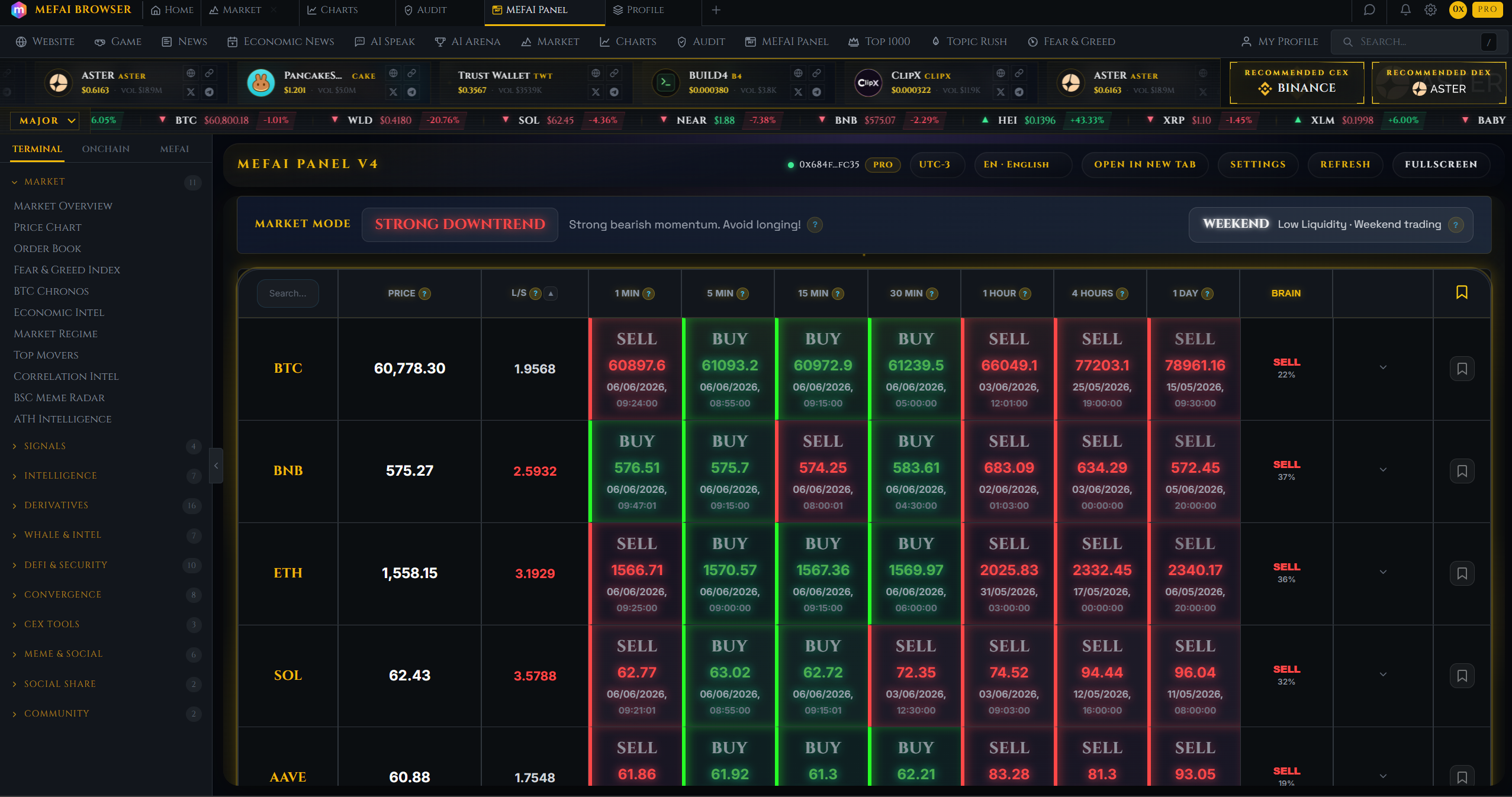
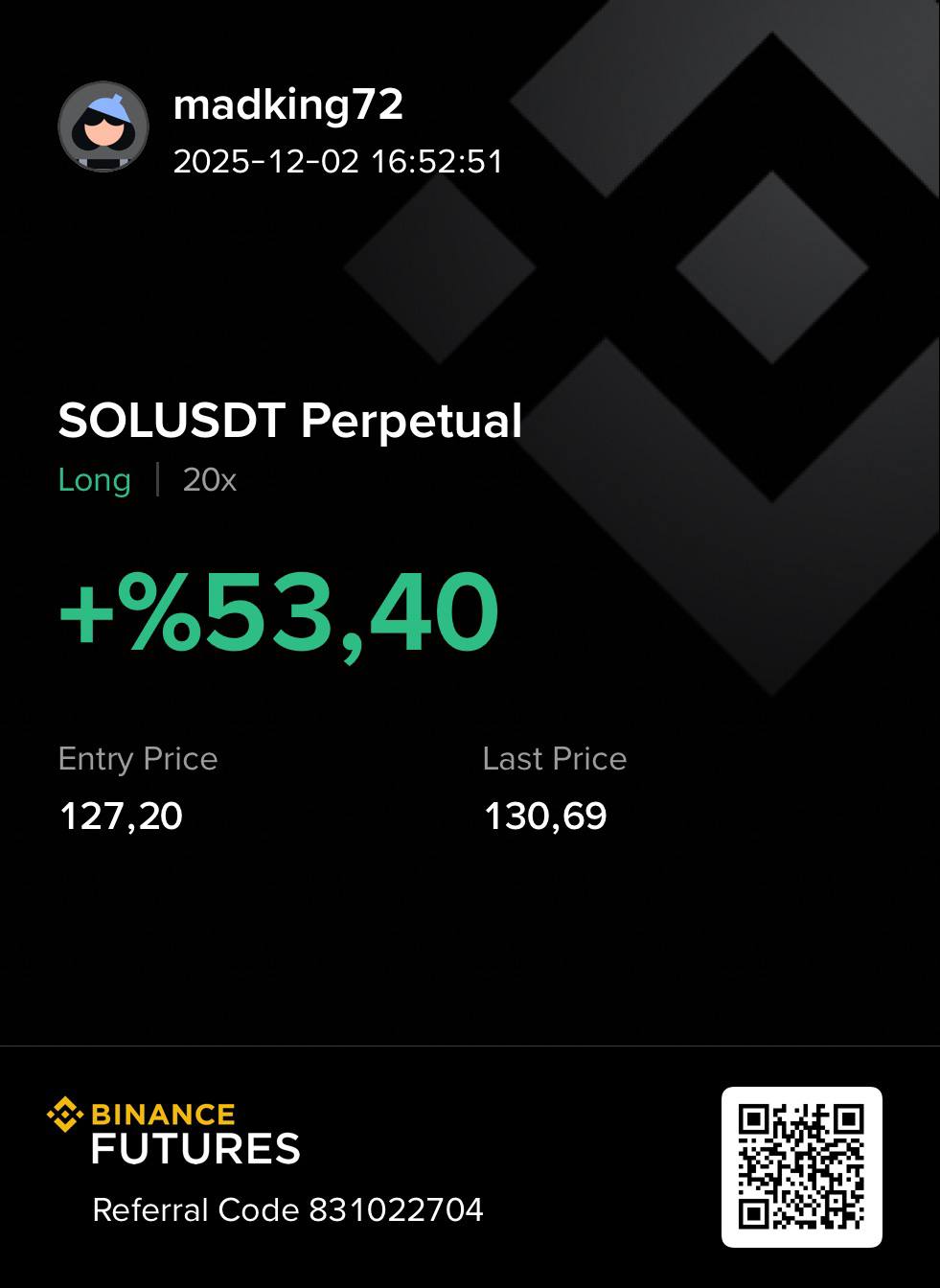
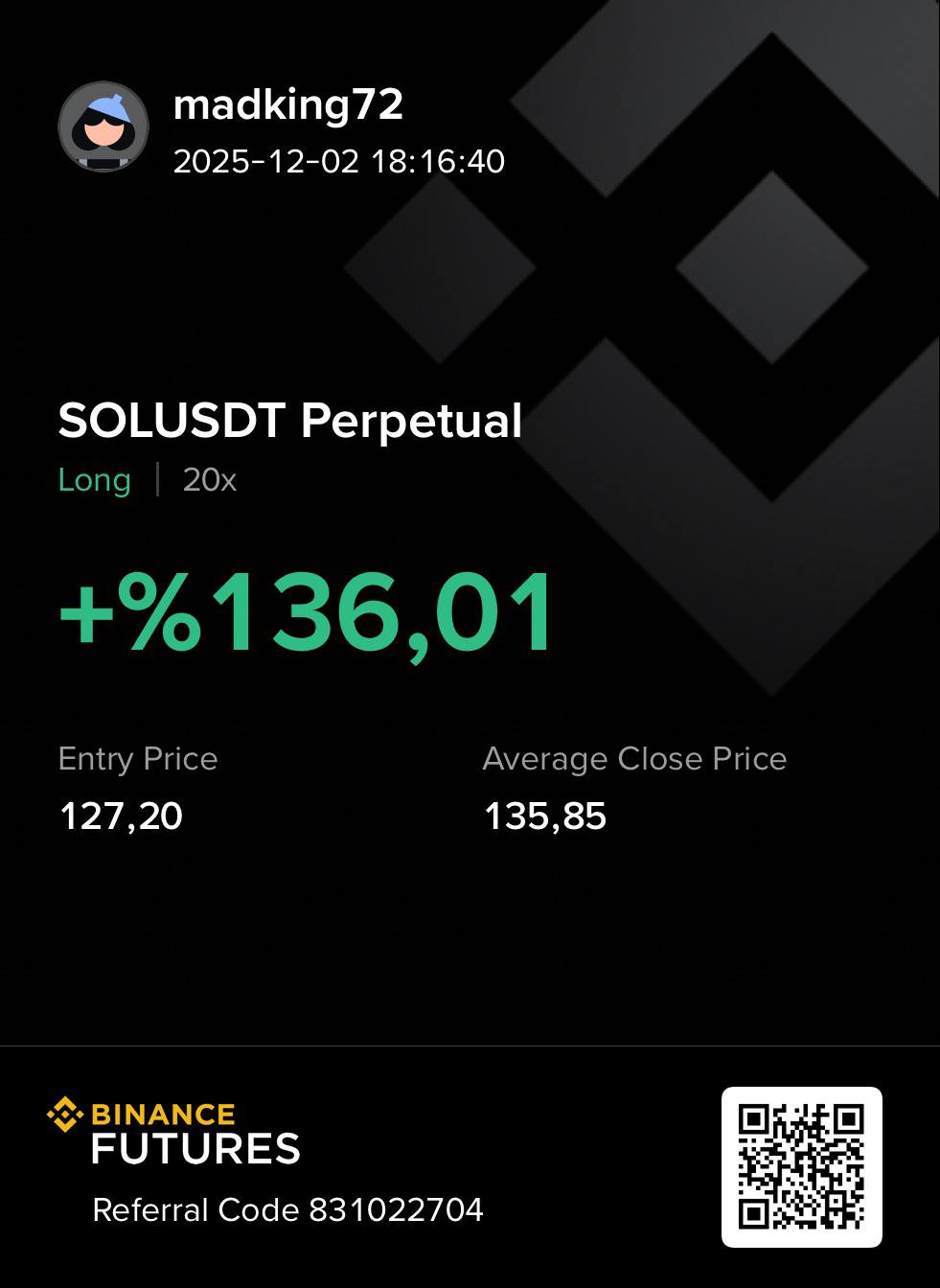
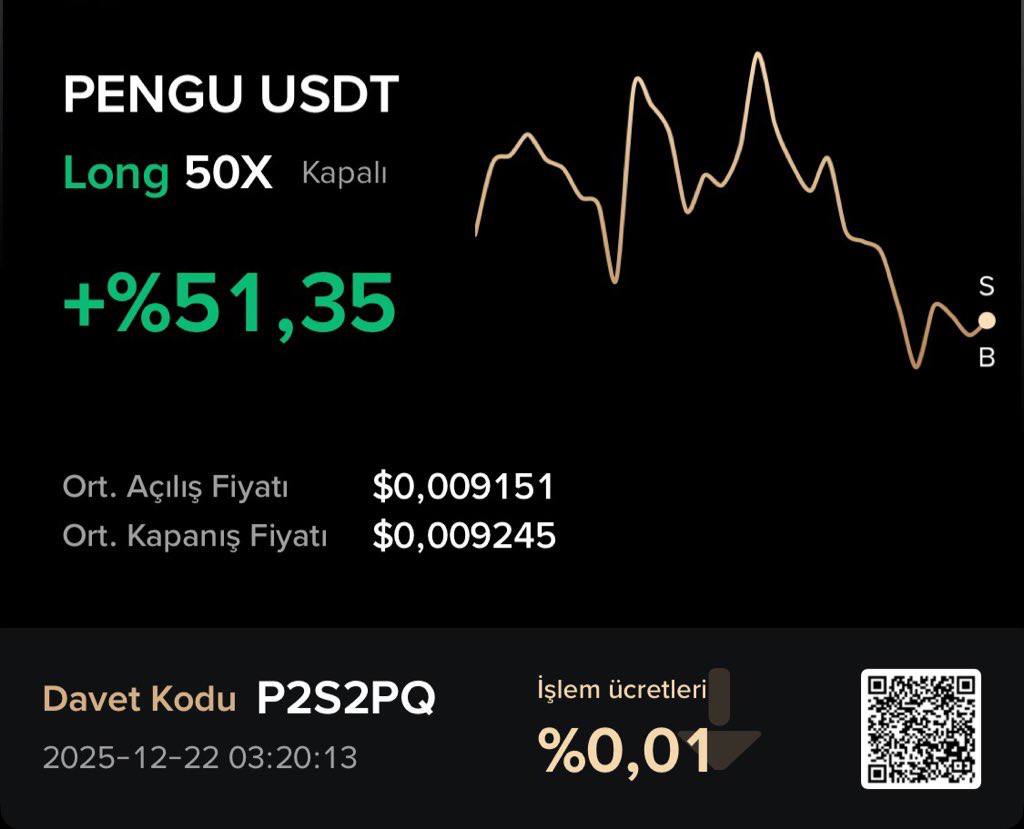
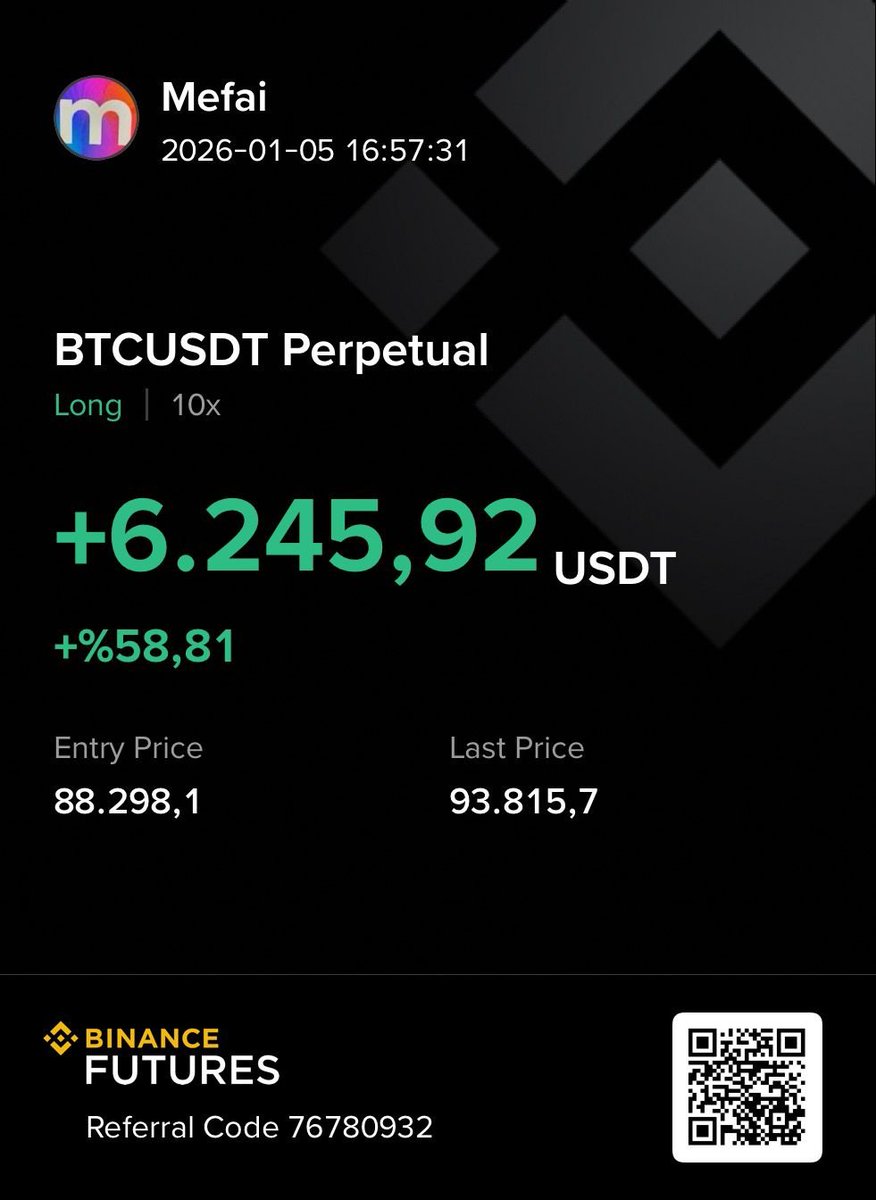
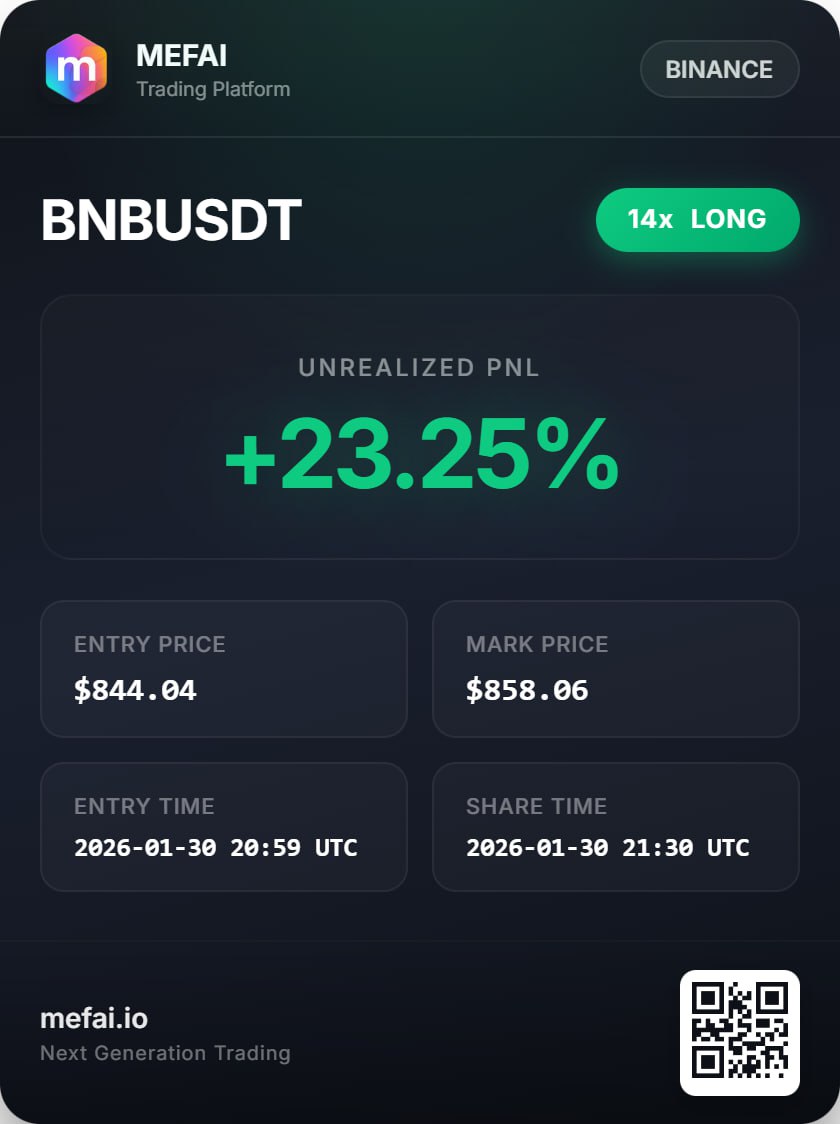
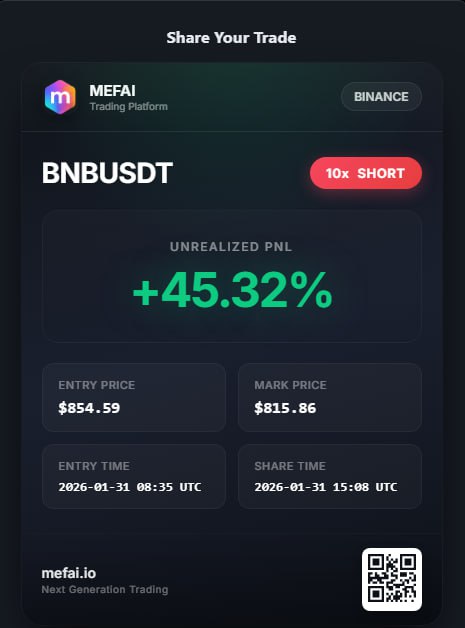
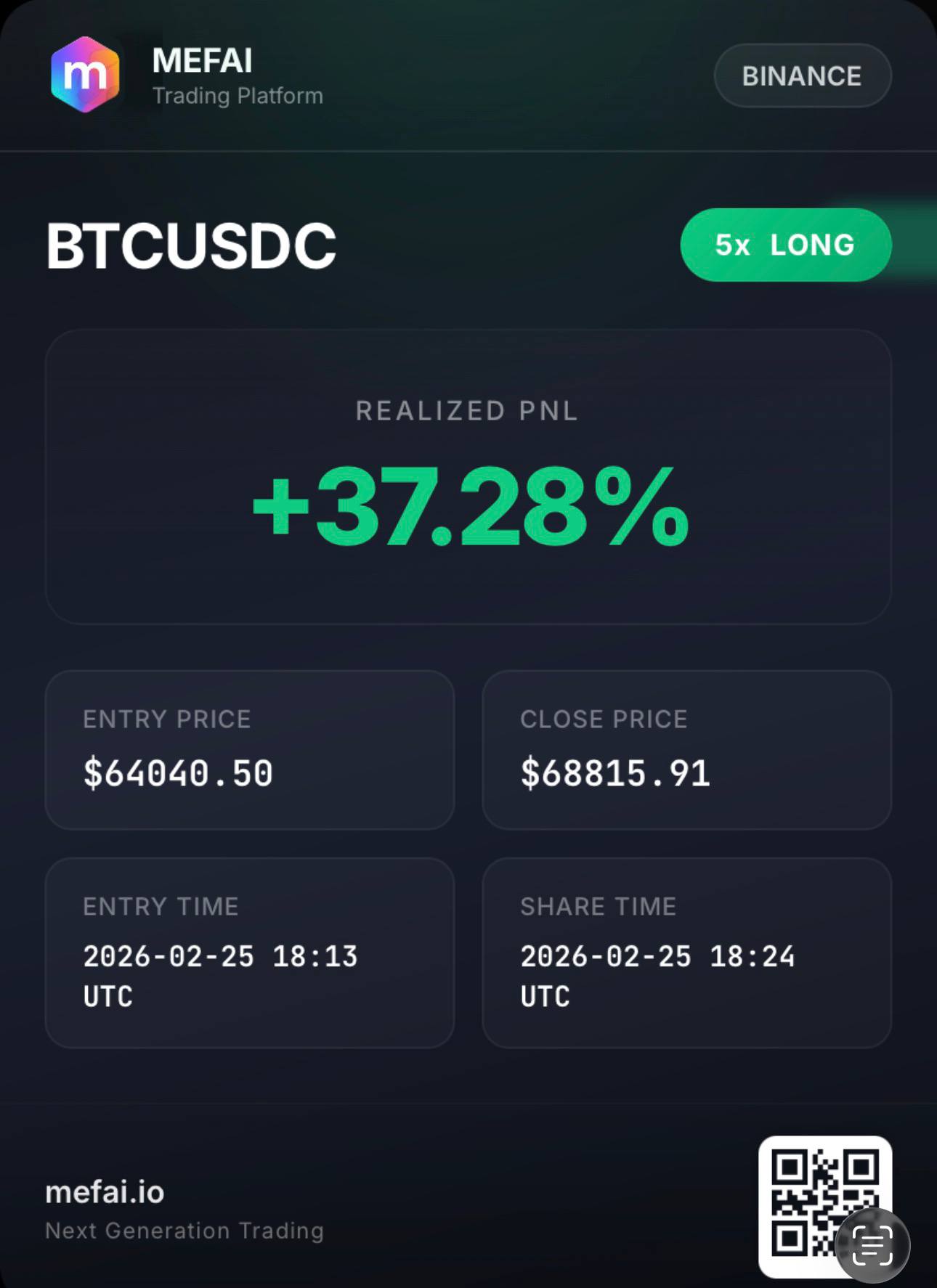
Real results from MEFAI's AI. Get $50 off the Pro plan.
Sponsored · Past performance is not indicative of future results. Not financial advice.

Code-free and managed trading bots for hands-off beginners
Managed or code-free bots allow beginners to automate trading without writing code. These bots connect to an exchange via API, follow predefined rules (often based on AI signals), and execute trades automatically. Most platforms offer templates for common strategies like dollar-cost averaging, grid trading, or mean reversion, which beginners can customize with their own parameters.
The main attraction is consistency: bots can trade 24/7 without emotion, but they also require careful setup. Beginners should start with small amounts and paper-trading modes if available, to test strategies without risking real funds. Over time, users can tweak parameters or switch templates as they learn which approaches suit their risk tolerance. Managed bots are best for those who want to automate repetitive tasks but remain ultimately responsible for the outcomes.
How to set up your first AI tool without taking unnecessary risks
Begin with a single tool and a single exchange to limit complexity. Connect the tool using an API key with withdrawal permissions disabled—this prevents the bot or service from moving your funds. Many platforms offer read-only API keys specifically for monitoring, which is ideal for beginners. Next, start with the smallest possible trade size and use the tool’s demo or paper-trading mode if available. This lets you observe how the AI behaves in live market conditions without financial risk.
Set clear rules before activation: define maximum daily loss, maximum position size, and preferred trading hours. Document these rules and review them weekly to spot deviations early. Also, monitor the tool’s performance during the first few weeks. If signals are consistently late or bots fail to execute as expected, reassess whether the tool matches your expectations. Finally, keep your main funds in cold storage and only keep exchange balances that the AI tool needs to execute trades.
Red flags and common beginner mistakes to avoid
One of the most frequent beginner mistakes is over-automation. Placing an AI bot in charge of large sums without understanding its logic is a recipe for losses. Another pitfall is ignoring risk controls. Even AI tools can produce false positives, especially during sudden market shocks. Always set stop-losses and position limits manually, regardless of what the AI suggests.
Be wary of tools that promise guaranteed returns or use aggressive marketing language. Legitimate AI tools focus on probability and risk management, not certainty. Also, avoid tools that require you to deposit funds directly into their platform. Reputable services connect to your own exchange account via API, keeping your assets under your control. Finally, do not chase past performance. AI models degrade over time as market conditions change, so tools that performed well six months ago may not repeat that success.
What to watch next as you gain experience
Once you are comfortable with a basic AI tool, the next step is diversification. Consider adding a second tool with a different strategy or timeframe to reduce reliance on a single AI model. You can also explore hybrid setups that combine AI signals with manual overlays—for example, using AI to generate ideas and your own analysis to confirm them before trading.
As your skills grow, evaluate whether you need more advanced features such as custom indicators, multi-exchange arbitrage, or on-chain data integration. Some platforms allow you to combine multiple AI models into a single strategy, which can improve robustness. Finally, keep learning about market microstructure and AI limitations. The best long-term outcome is not perfect automation, but a deeper understanding of how markets work alongside your AI assistant.
Quick-start checklist for your first AI trading tool
- Pick one beginner-friendly category: signals, bias dashboard, or code-free bot.
- Choose a tool that supports your preferred exchanges and offers clear explanations.
- Start with a small amount of capital and use paper trading if available.
- Set risk controls before activation: stop-loss, max position, and daily loss limits.
- Monitor performance for two to four weeks, then adjust or switch if needed.
- Keep most funds in cold storage and only expose exchange balances needed for trading.
- Reassess your setup monthly and add new tools only after you understand their behavior.
More in Crypto & Trading

DeFi Compared: Matching the Right Platform to Your Needs
A practical guide to the leading DeFi platforms, who each suits, what they offer, and how to choose based on your goals and risk tolerance.

Why an Anthropic IPO Could Tie Bitcoin Closer to the AI Trade
An Anthropic stock listing would give traders a single AI stock to bet on, tightening bitcoin’s correlation with the AI trade and increasing its sensitivity to Fed policy and risk appetite.
Free vs Paid AI Trading Tools: What’s Actually Worth Paying For
Compare free and paid AI trading tools by concrete features and limits, so you can decide when to stay free and when to upgrade for bots, signals and bias tools.