The Most Common Mistakes When Choosing DeFi Platforms — And How to Avoid Them
By Mag-Info Tech editorial · 2026-06-10
Why choosing the wrong DeFi platform can be costly
Decentralized finance (DeFi) lets anyone lend, borrow, trade, or earn yield without banks, but the freedom comes with risk. The wrong platform can lock funds, expose you to hidden fees, or even trigger smart-contract exploits that drain wallets. New users often focus on headline yields and gloss over security, governance, or exit options until it is too late. A single mistake—like trusting an unaudited pool or ignoring admin keys—can wipe out months of gains in hours. The key is to treat platform selection like due diligence: verify before you deposit, and match the tool to your risk tolerance and goals.
Mistake 1: Chasing the highest APY without checking source or sustainability
Headline annual percentage yields can look irresistible—double-digit numbers that dwarf traditional savings accounts—but they are often short-lived or unsustainable. High APYs are usually paid from trading fees, token incentives, or leverage demand, which can dry up when market conditions shift. Some protocols inflate yields by issuing new governance tokens that dump on the market, creating a “yield farming treadmill” where early adopters profit but latecomers face losses. Before locking funds, ask: Is the yield generated by real activity (lending/borrowing fees) or printed tokens? Is the pool volume stable or volatile? Use dashboards like DeFiLlama to compare protocol revenue against issuance over time; if revenue is flat while issuance spikes, yields may not last.
Mistake 2: Ignoring smart-contract audits and admin controls
Smart contracts are immutable once deployed, so a single overlooked bug can be catastrophic. Many newcomers skip audits entirely or rely on marketing claims rather than third-party reports. Even audited code can contain high-severity issues that auditors miss or that emerge after deployment. Beyond audits, check the admin keys: some protocols retain “upgrade keys” that allow developers to change logic after launch, which can introduce new risks or even rug-pull scenarios. Look for time-locked governance, multi-sig admin controls, and ongoing bug-bounty programs. Tools like Immunefi track active bug reports and payouts; a protocol with frequent, high-value bounty payouts is generally safer than one with no public history.
Mistake 3: Overlooking liquidity depth and slippage on DEXs
Decentralized exchanges (DEXs) let you swap tokens without order books, but low liquidity can turn a simple trade into a costly lesson. When liquidity is thin, even small orders move the price, creating slippage that eats into returns. New users often compare total value locked (TVL) only, forgetting that TVL can be concentrated in a few large wallets or volatile pools. Check the pool’s depth at your expected trade size: most DEX interfaces show a price-impact curve before you confirm. For stablecoin swaps, a DEX with deep USDC/USDT pools on Ethereum mainnet or a Layer‑2 like Arbitrum usually offers low slippage. On newer chains, liquidity can be fragmented, so consider bridging or using aggregators that route orders across multiple venues.
Mistake 4: Locking tokens in protocols with illiquid or volatile governance tokens
Many DeFi protocols reward depositors with governance tokens that must be staked or vested to earn yield. If the token price collapses or the vesting schedule is too long, the “yield” can vanish or become illiquid. Some platforms require users to lock tokens for months to qualify for boosted rewards, creating exit barriers if market conditions change. Always read the vesting and staking terms: Are rewards time-locked? Can you vote or exit early? Is the governance token already listed on major exchanges, or is it a small-cap asset with wide price swings? If the token is illiquid, the effective yield may be far lower than the headline rate once you account for price risk.
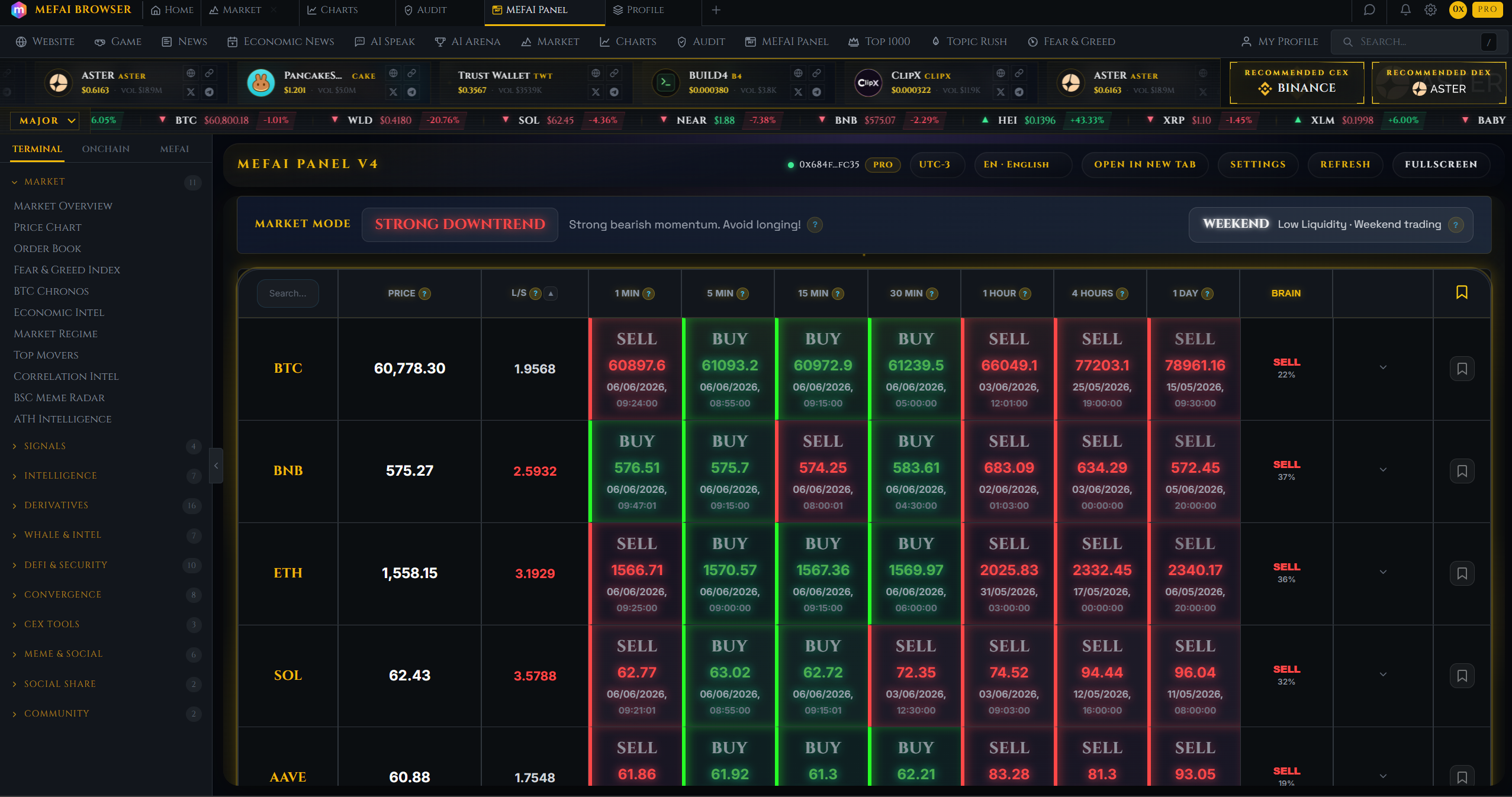
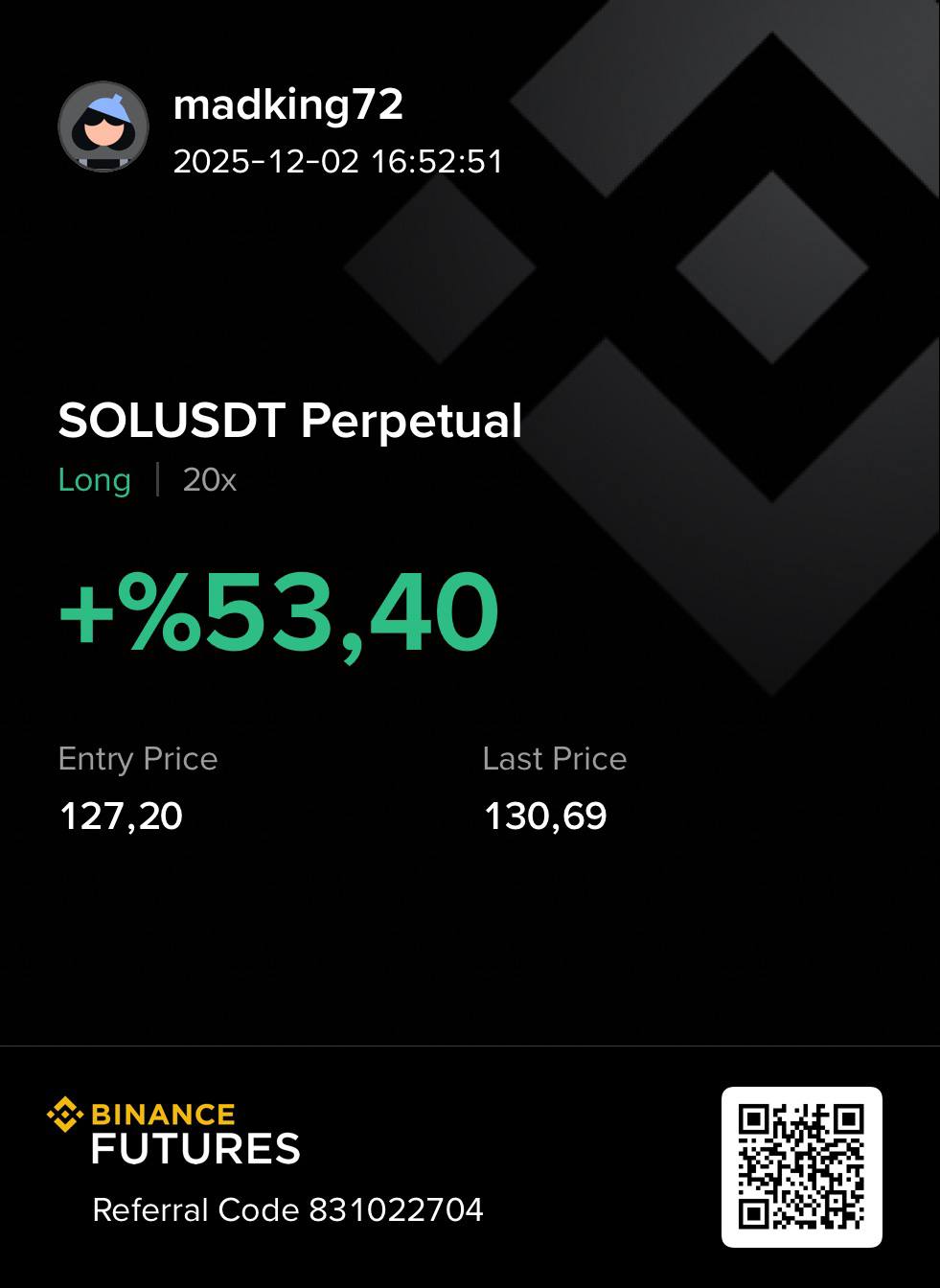
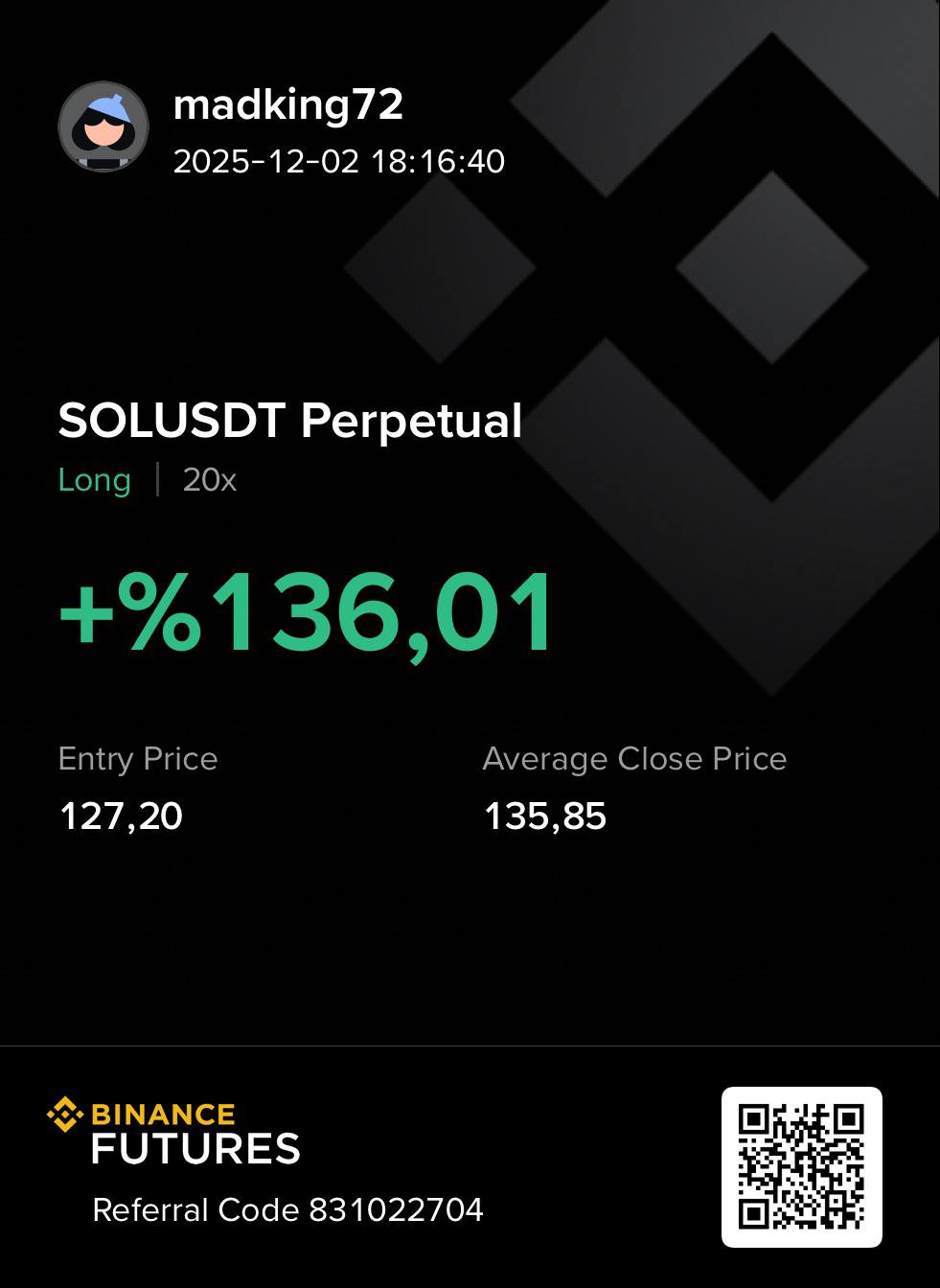
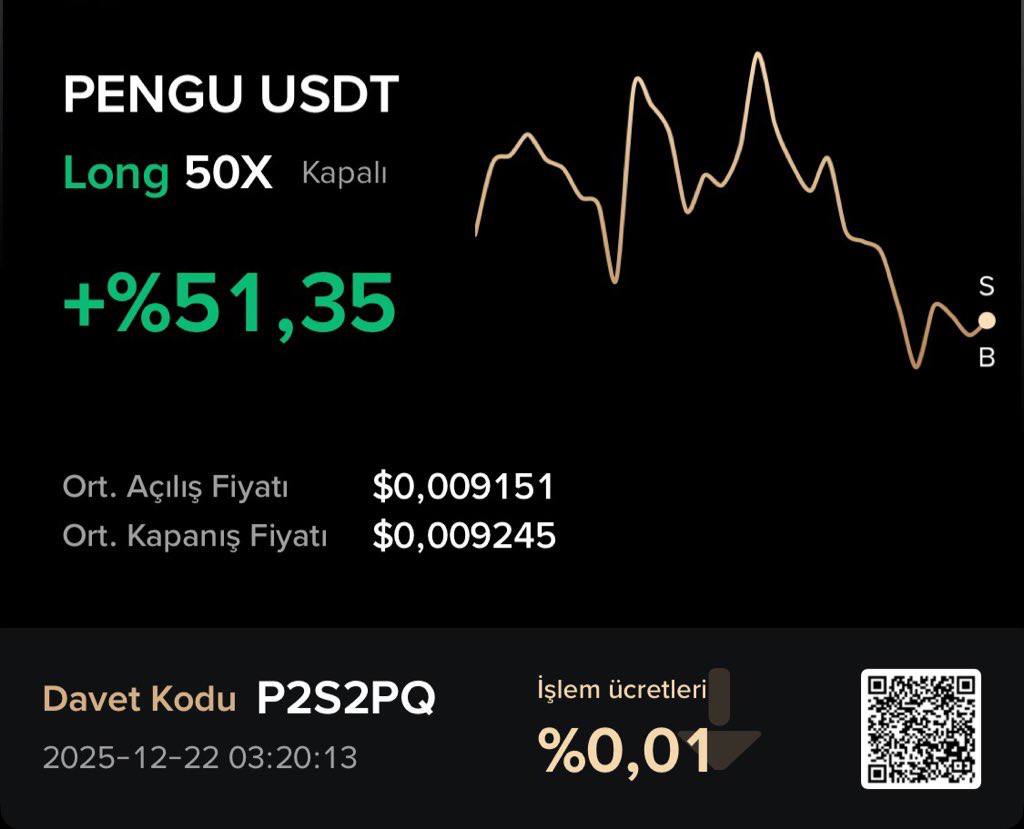
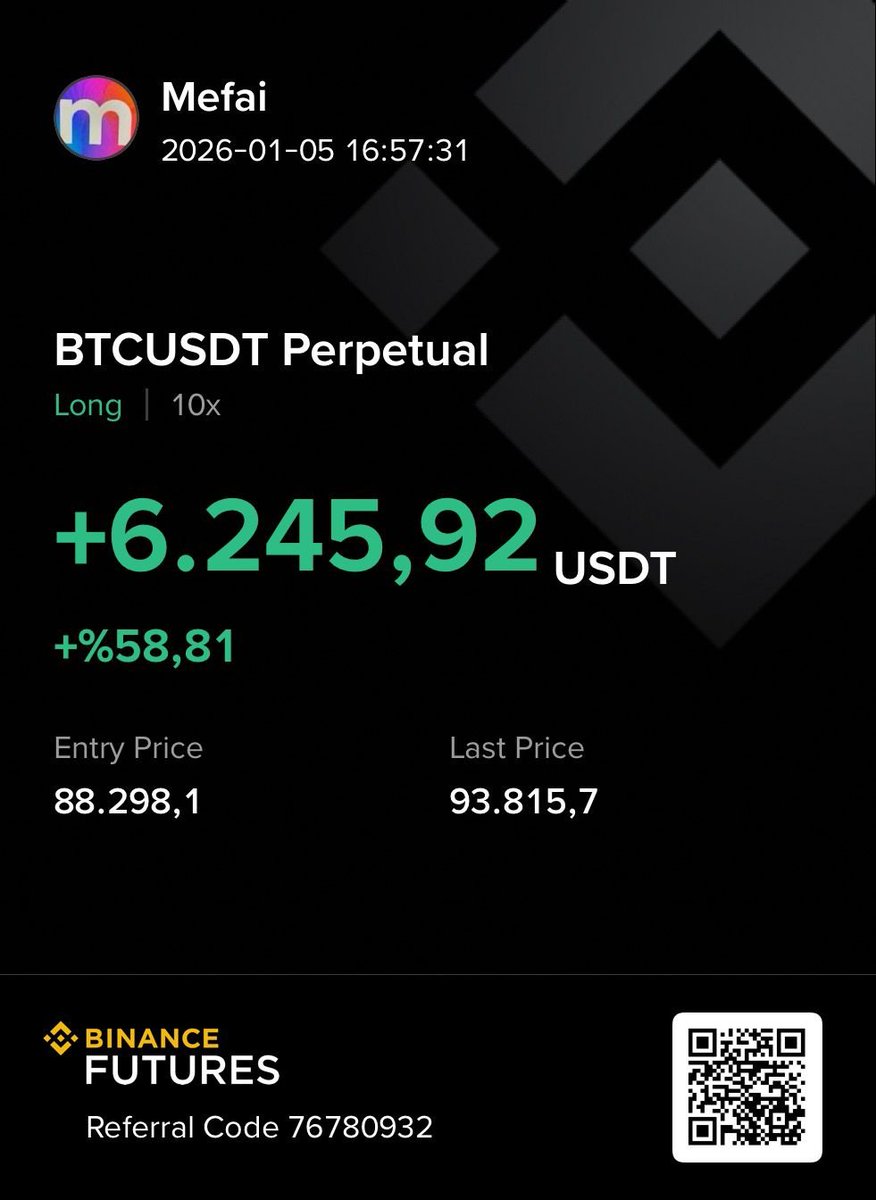
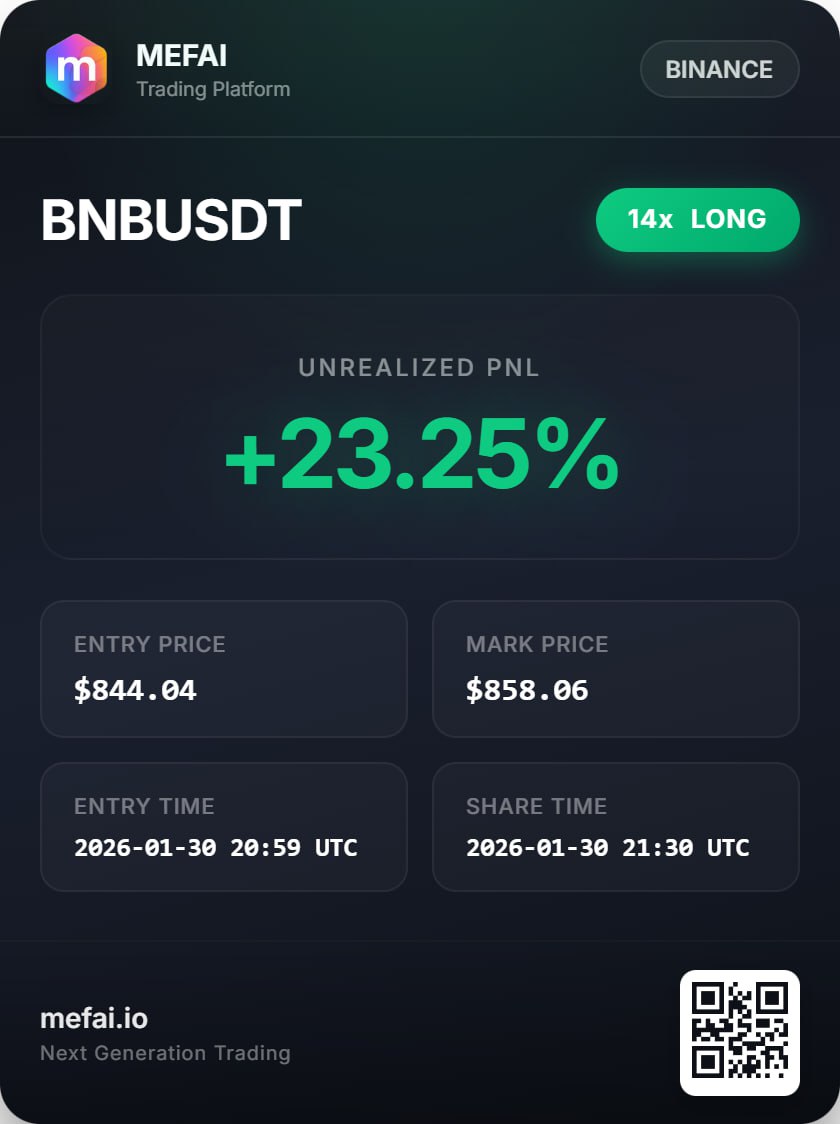
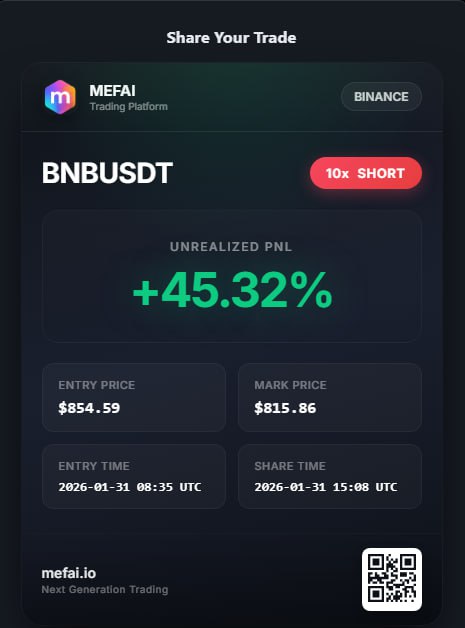
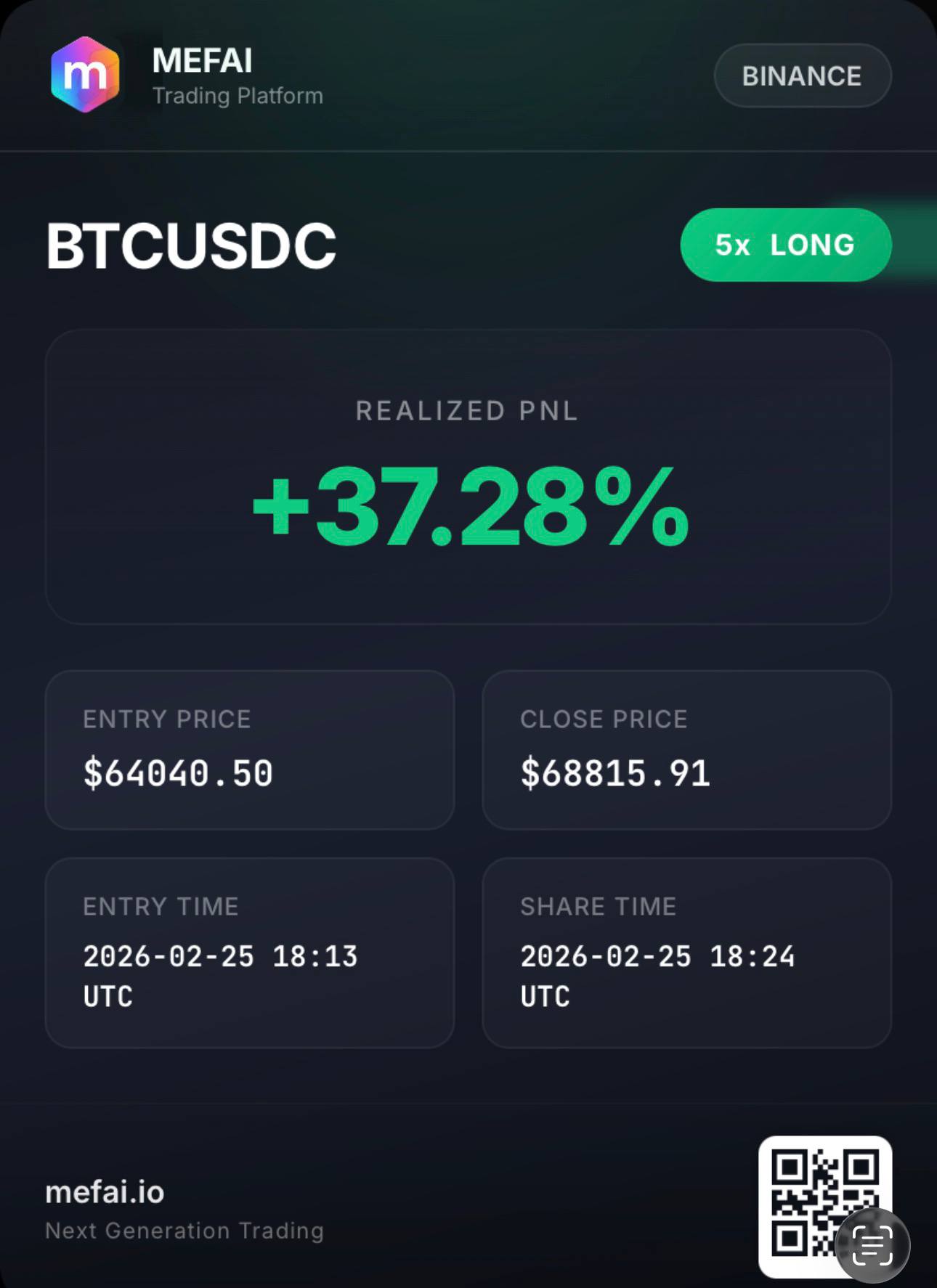
Real results from MEFAI's AI. Get $50 off the Pro plan.
Sponsored · Past performance is not indicative of future results. Not financial advice.

Mistake 5: Using unaudited or unaffiliated front ends that mimic real protocols
Phishing remains one of the top loss vectors in DeFi. Attackers clone popular protocol websites, deploy fake liquidity pools, or trick users into signing malicious wallet approvals. Many newcomers arrive via search results or social links without verifying the site’s URL, SSL certificate, or contract address. Always navigate to the official site via bookmarks or trusted aggregators like DeFiPulse or DeFiLlama. When connecting your wallet, double-check the domain and the contract address shown in your wallet; mismatched addresses are a red flag. Use browser extensions like WalletConnect’s request confirmation or ENS‑aware wallets that highlight impersonation attempts. Never approve token allowances on unfamiliar sites.

Mistake 6: Neglecting withdrawal delays, fees, and cross-chain risks
Some DeFi platforms impose withdrawal limits, exit fees, or cooldown periods that block funds when you need them most. Others operate across multiple chains, increasing the risk of bridge failures or cross-chain arbitrage attacks that drain liquidity. Before depositing, read the withdrawal policy: Are there minimum times or fees? Can you exit instantly, or must you queue? For cross-chain protocols, check whether the bridge has undergone third-party audits and whether it supports fast exits back to your base chain. If a protocol relies on a single bridge, a failure there can lock funds on the destination chain. Diversify across chains and protocols when possible to avoid single points of failure.
How to compare DeFi platforms systematically
Start with your goal: Are you seeking low-risk yield, active yield farming, or speculative leverage? Then map platforms to your risk tolerance. For conservative users, audited lending protocols like Aave or Compound on Ethereum mainnet or USDC-specific pools on Layer‑2s are safer choices, though yields are modest. For active farmers, choose protocols with transparent tokenomics, deep liquidity, and time-locked governance, such as Curve or Balancer, but monitor emissions schedules closely. For cross-chain swappers, use aggregators like 1inch or Matcha that route orders across multiple DEXs and chains, reducing slippage and exposure to any single venue. Keep a checklist: audits, admin controls, liquidity depth, withdrawal terms, and token liquidity. Store only what you need in hot wallets; move the rest to hardware wallets or multisig setups.
Red flags and green flags to watch for
Red flags include anonymous teams, unverified audits, admin keys without timelocks, and governance tokens that are not yet tradable. Green flags include public bug bounties, open-source repositories, multi-sig admin setups, and transparent tokenomics with clear emissions schedules. Watch for sudden TVL spikes without corresponding revenue growth, which can signal mercenary capital or wash trading. Compare protocol revenue (fees) against token issuance; if issuance far exceeds revenue, yields may be unsustainable. Finally, use reputable dashboards to monitor protocol health in real time; set price alerts for governance tokens you stake, and diversify across at least two unrelated protocols to reduce concentration risk.
Practical next steps for safer DeFi
Begin with small deposits on two audited lending protocols, then gradually expand to yield farms with transparent tokenomics. Use a dedicated wallet for DeFi to limit exposure, and revoke token allowances regularly via tools like Revoke.cash. Enable two-factor authentication on exchanges and wallets, and store seed phrases offline. If you farm volatile pools, set stop-loss orders on centralized exchanges to hedge token exposure. Monitor governance proposals and upgrade timelines; sudden admin changes can alter protocol behavior overnight. Finally, join community channels like Discord or Telegram for each protocol to receive real-time updates and alerts. Over time, you will build a repeatable process that separates hype from substance and turns DeFi’s risks into manageable trade-offs.
More in Crypto & Trading
DeFi Compared: Matching the Right Platform to Your Needs
A practical guide to the leading DeFi platforms, who each suits, what they offer, and how to choose based on your goals and risk tolerance.

Why an Anthropic IPO Could Tie Bitcoin Closer to the AI Trade
An Anthropic stock listing would give traders a single AI stock to bet on, tightening bitcoin’s correlation with the AI trade and increasing its sensitivity to Fed policy and risk appetite.

AI Crypto Trading Tools for Beginners: How to Get Started Safely
A no-nonsense beginner’s guide to AI crypto trading tools: what they do, how to start, and which beginner-friendly options to consider first.