Free vs Paid DeFi: What’s Actually Worth Paying For in Decentralized Finance
By Mag-Info Tech editorial · 2026-06-10

Why “free” DeFi isn’t really free—and why you still might not need to pay
Decentralized finance tools often advertise themselves as “free,” but that label usually refers only to transaction fees on the blockchain, not the costs hidden in slippage, gas spikes, or inefficient yield strategies. A wallet or aggregator that doesn’t charge an explicit fee can still route your trade through a high-fee pool or fail to capture the best available rate, effectively costing you more than a paid tool that optimizes aggressively. In practice, “free” DeFi platforms monetize through spread, MEV capture, or affiliate rewards, so the real question isn’t whether you pay a fee, but who captures the value you leave on the table.
For most newcomers, starting with reputable free tools is sensible: they let you learn how swaps, liquidity provision, and staking work without risking subscription costs. Platforms like Uniswap, SushiSwap, and Aave’s public interfaces remain the default onboarding points for Ethereum mainnet and popular L2s, offering core functions without upfront charges. Their interfaces are battle-tested, audited, and supported by large communities, which reduces the risk of outright scams or critical bugs. If your goal is to swap tokens once a month or deposit stablecoins into a well-known protocol, the free tier is often sufficient—and upgrading prematurely can add complexity you don’t need.
When paid DeFi platforms start to matter: yield optimization and risk control
Paid DeFi services typically enter the picture when you need to automate complex strategies across multiple chains, optimize yield after accounting for impermanent loss, or reduce exposure to front-running and sandwich attacks. Services such as Yearn Finance, Convex Finance, and specialized vaults offered by companies like Beefy Finance charge a performance fee—usually a small percentage of the yield generated—only when the strategy succeeds. This aligns incentives: you pay only when the service actually delivers returns, and the fee is deducted automatically from the yield, so no upfront cash is required.
These paid platforms shine in areas where free tools fall short: they aggregate liquidity across dozens of DEXs and lending protocols, auto-compound rewards, and rebalance positions to maintain target risk profiles. For example, a free aggregator might route a stablecoin deposit to the highest APY pool on a single chain, but a paid yield optimizer can split the deposit across multiple chains, hedge against depeg risks, and reinvest rewards every few hours—actions that would require constant manual oversight. If you are managing five-figure sums or running multi-chain strategies, the marginal gains from paid automation can outweigh the fees, especially when combined with risk-mitigation features like auto-withdrawals or emergency exits.
Interfaces and dashboards: free visualizers vs paid portfolio managers
Free DeFi dashboards such as DeBank, Zapper, and Zerion provide real-time snapshots of your positions across protocols and chains, but they stop at visibility. They don’t alert you to impending liquidations, suggest rebalancing, or help you exit a compromised position quickly. Paid portfolio managers like Rotki (with paid cloud sync), Koinly (with premium tiers), and specialized institutional dashboards offer deeper analytics, tax-lot tracking, and automated alerts based on custom thresholds. For active traders who juggle dozens of positions or need to generate tax reports, the paid tiers save hours of manual work and reduce the chance of costly oversights.
The difference becomes stark when you use leverage or cross-chain bridges. A free dashboard might show your collateral value in USD, but a paid manager can integrate margin ratios, liquidation prices, and cross-chain debt positions into a single alerting system. If you rely on DeFi for income rather than occasional swaps, the paid dashboard can act as a control tower that prevents small errors from compounding into large losses.
Security and custody: free multisig vs paid institutional custody
Free DeFi tools assume you control your keys, which is empowering but risky if you are not experienced with seed-phrase hygiene or multisig setups. Services such as Safe (formerly Gnosis Safe) offer free multisig interfaces on Ethereum mainnet and several L2s, letting you require multiple signatures for large transactions without paying platform fees. However, the free tier does not include insurance, dedicated support, or compliance features—trade-offs you accept in exchange for self-custody.
Paid custody solutions like Fireblocks, Anchorage Digital, and institutional-grade wallets provided by major exchanges add layers of risk management: hardware-backed key storage, transaction monitoring, policy engines, and insurance coverage. These services are designed for teams, DAOs, or high-net-worth individuals who need to prove regulatory compliance or segregate operational risk. If you are managing community treasuries or corporate funds, the paid option is not just about convenience; it’s about reducing liability exposure and meeting fiduciary standards.
Cross-chain and multi-chain DeFi: when free bridges fall short
Free cross-chain bridges (e.g., official bridge UIs for Polygon, Arbitrum, or Optimism) can move assets between L1 and L2s without platform fees, but they often expose users to long withdrawal times, limited token support, and bridge-specific risks like fraud proofs or validator collusion. Paid bridging services such as Hop Protocol, Across, and deBridge aggregate multiple bridges, offer faster finality options, and sometimes include insurance or slippage protection for larger transfers. For users who bridge frequently or move large amounts, the paid aggregators reduce failed transactions and save time, which translates into real dollar savings even after fees.
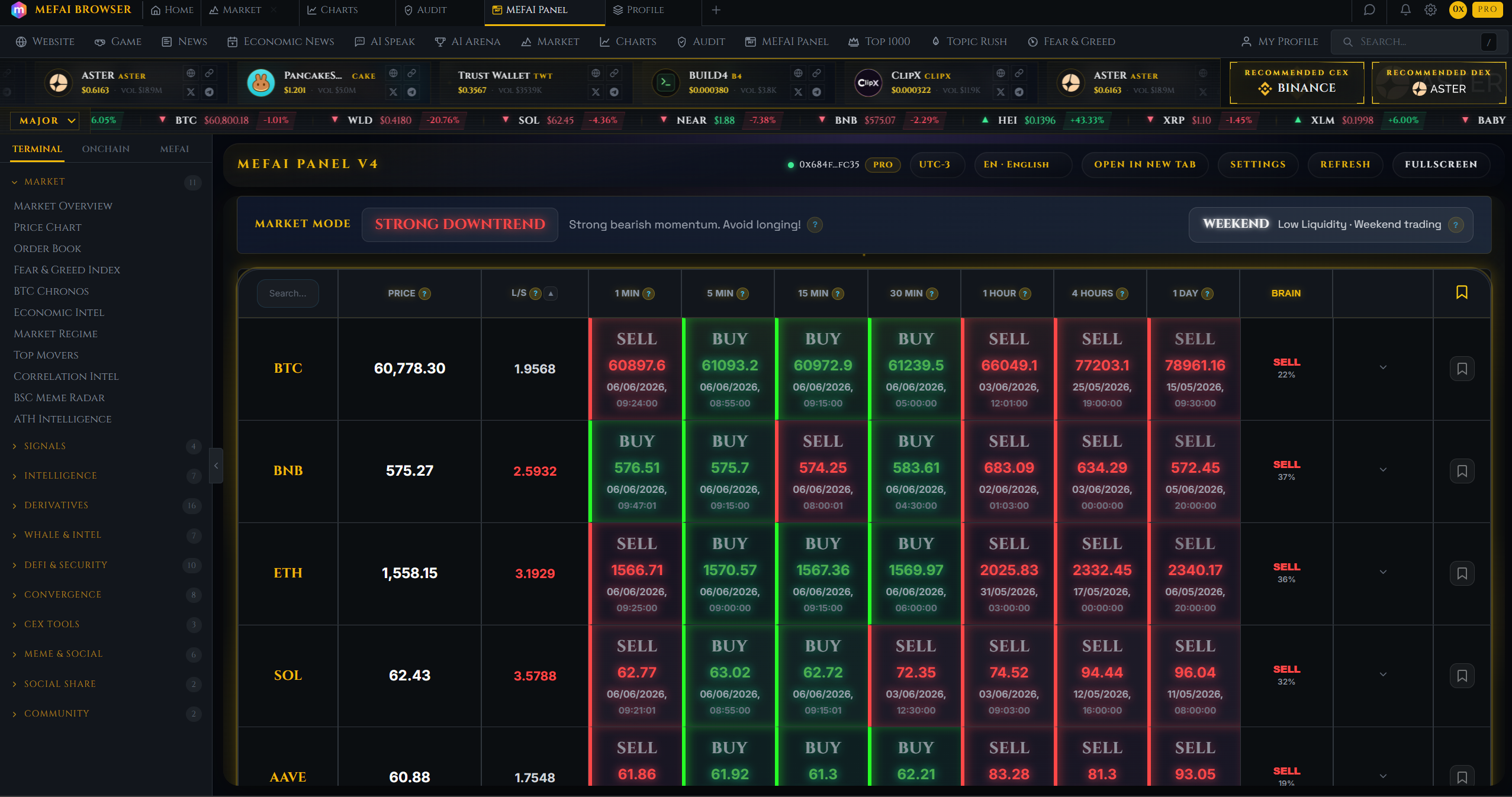
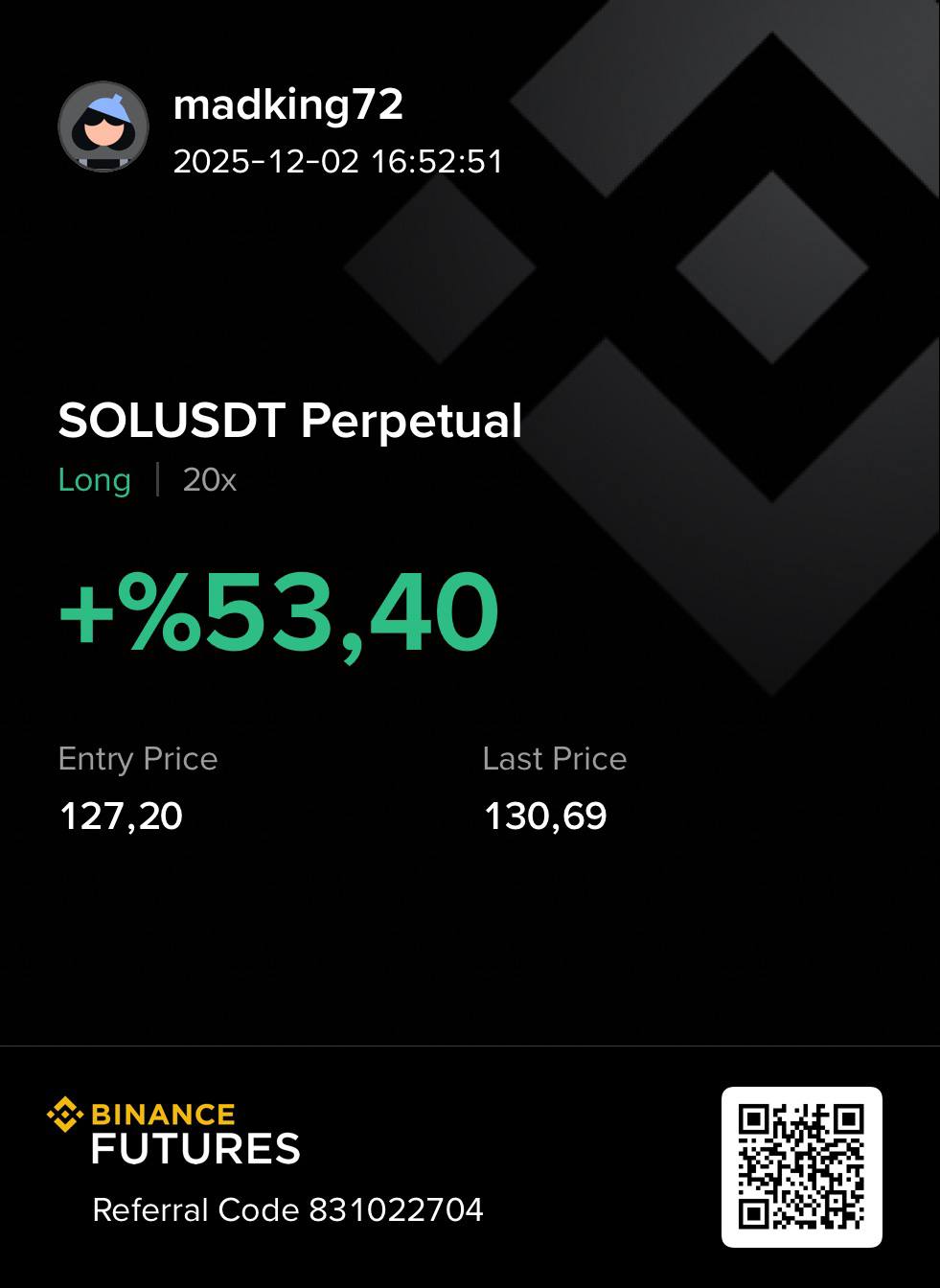
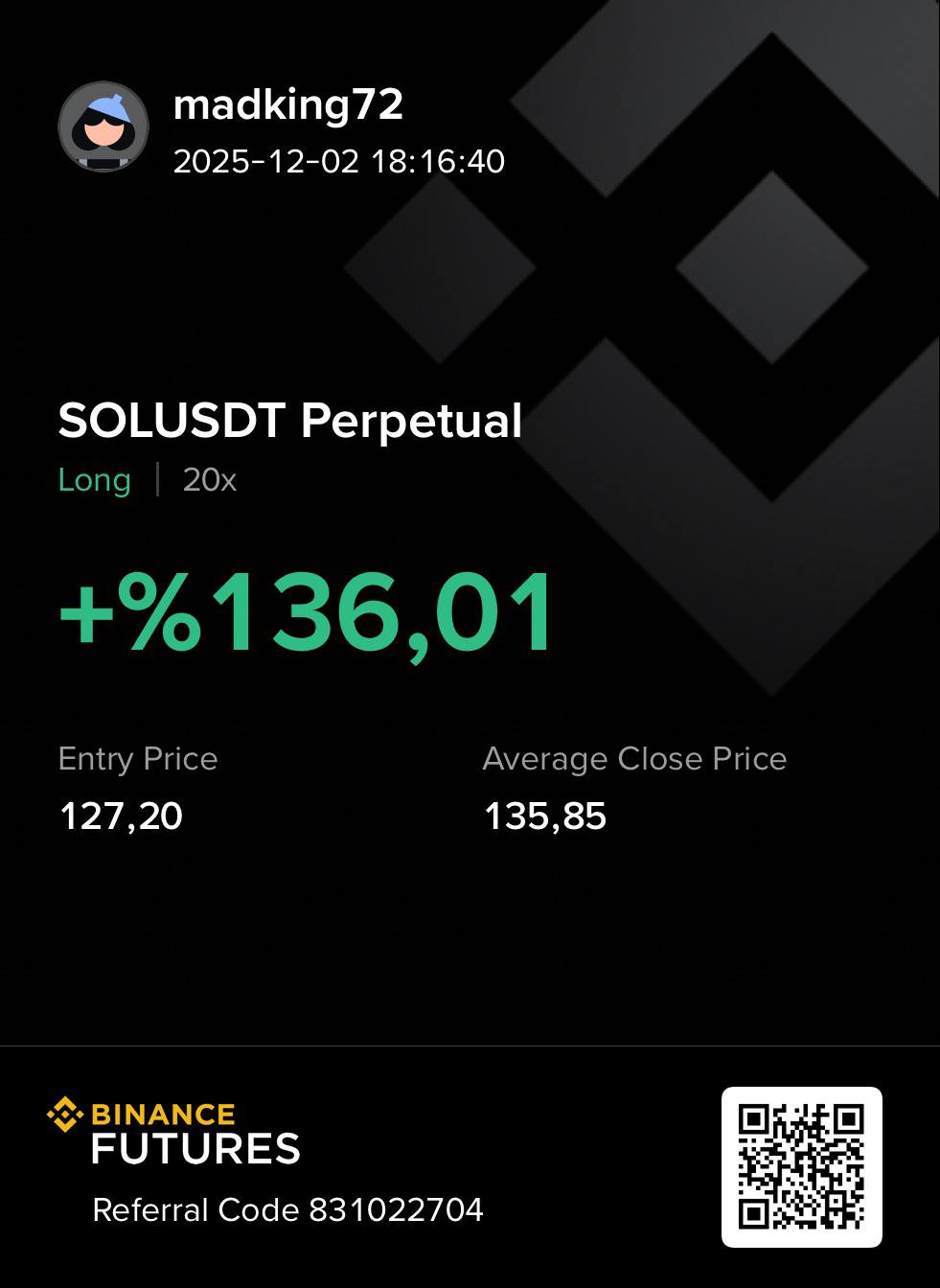
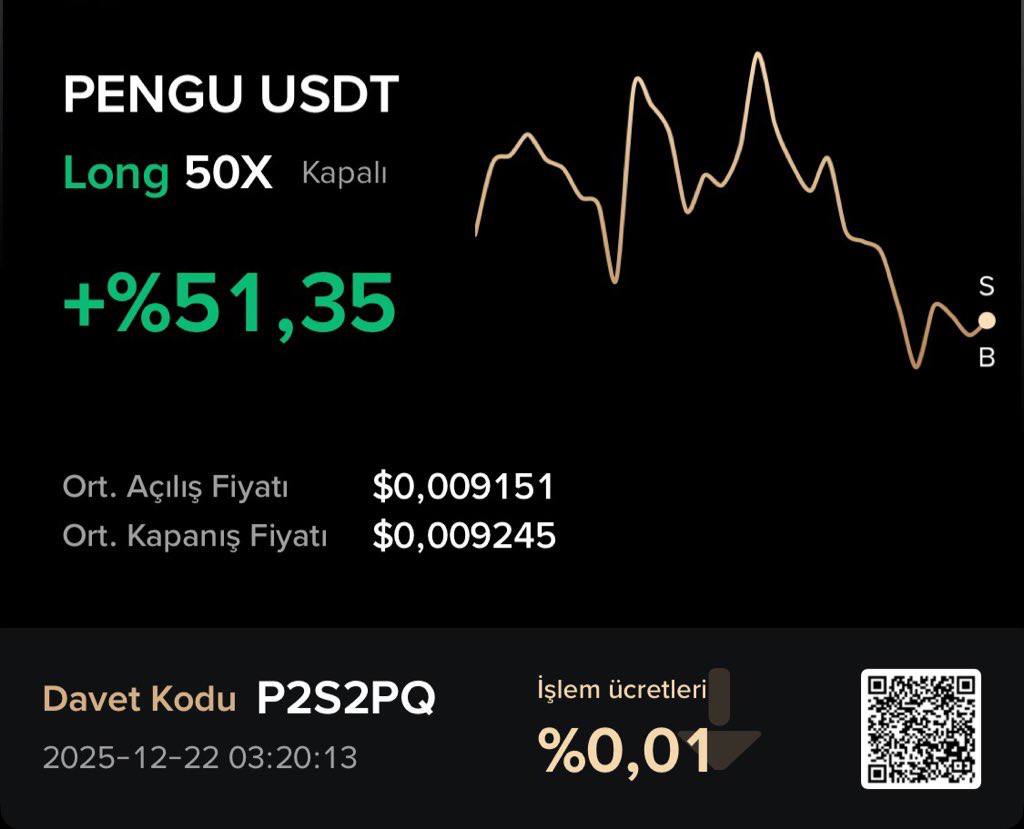
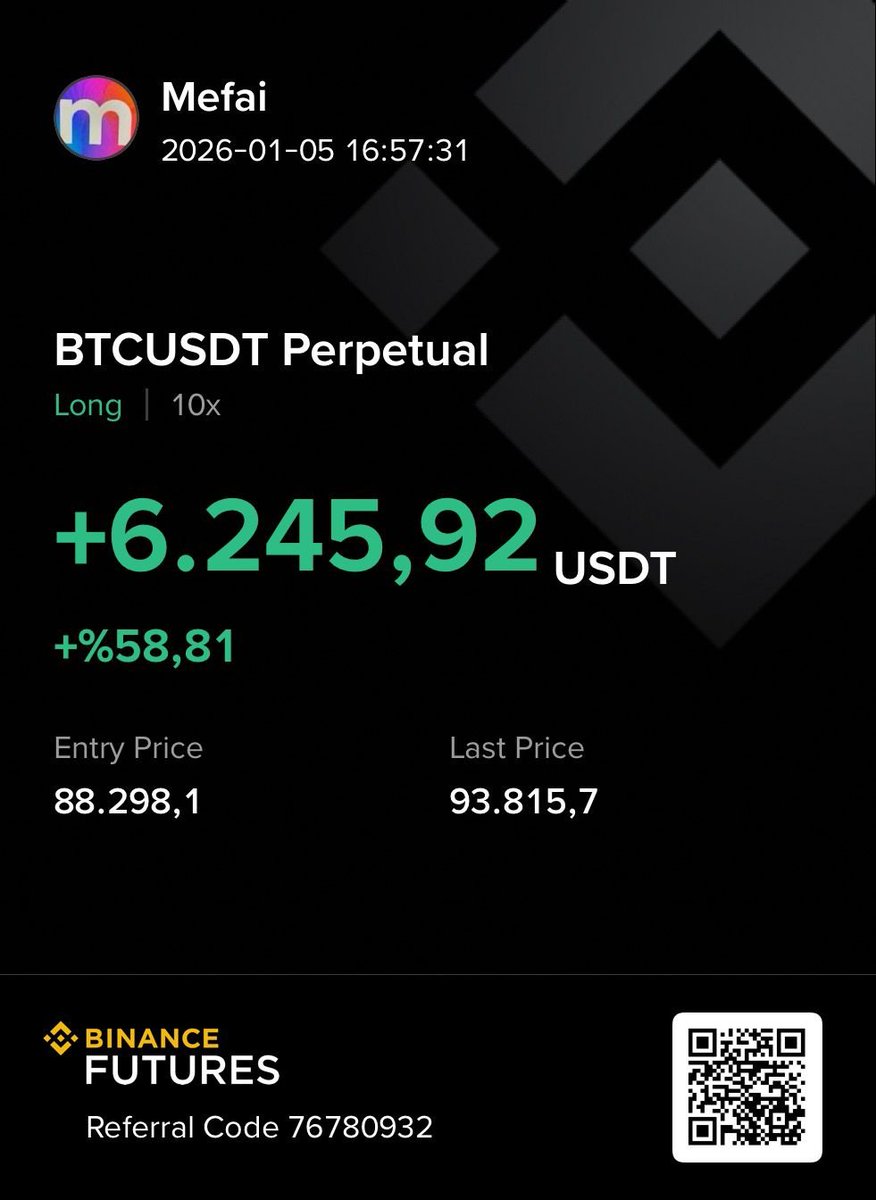
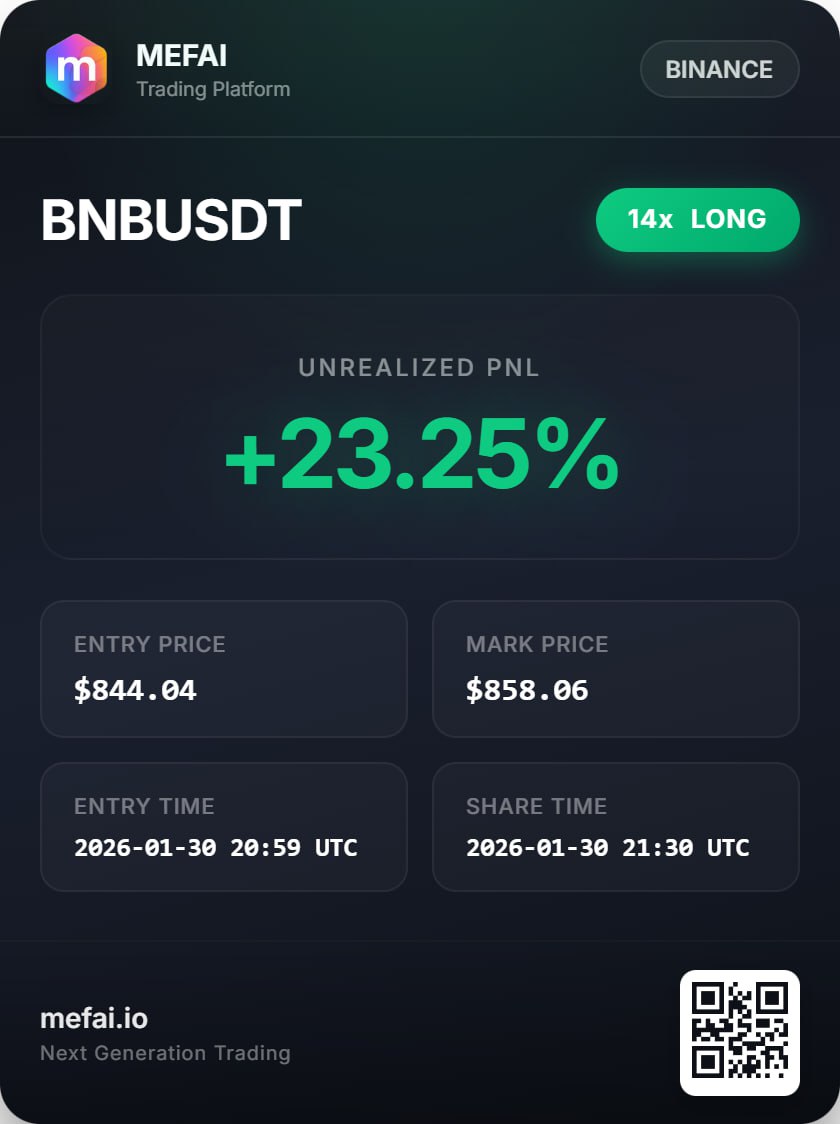
Real results from MEFAI's AI. Get $50 off the Pro plan.
Sponsored · Past performance is not indicative of future results. Not financial advice.

The same logic applies to cross-chain DEX aggregators like THORChain’s RUNE-powered swaps or Squid Router: their free interfaces may not guarantee the best rate or the fastest route, especially for exotic tokens or during volatile periods. Paid aggregators dynamically split orders across chains and bridges, optimizing for both cost and speed. If you routinely move assets between Ethereum, Solana, and Cosmos ecosystems, the paid aggregator can be worth the extra cost by avoiding stuck transactions and capital inefficiency.
Yield farming and liquidity mining: free aggregators vs paid vaults
Free yield aggregators let you deposit tokens into pools and earn rewards, but they rarely optimize for impermanent loss, reward token volatility, or protocol risk. Paid vaults from Yearn, Beefy, and Idle Finance automatically rebalance between lending markets, harvest rewards at the optimal time, and sometimes hedge against token devaluations by switching to safer collateral. The performance fee is only charged on realized gains, so if a strategy underperforms, you don’t pay anything extra.
For liquidity miners who chase short-lived incentives, the paid vaults can be more capital-efficient: they aggregate rewards across multiple pools, auto-compound, and exit positions before incentives expire. If you are farming with less than five figures, the free aggregators may still suffice, but once you scale or diversify across several protocols, the paid vaults reduce the operational burden and improve net returns by minimizing time-sensitive mistakes.
Analytics and compliance: free trackers vs paid tax and audit tools
Free DeFi trackers give you a high-level view of your portfolio, but they often lack granular transaction history, cost-basis accounting, and support for niche protocols. Paid tools like Koinly, TokenTax, and Accointing integrate directly with blockchain explorers, pull historical data across chains, and generate audit-ready reports for tax authorities. If you are a frequent trader, validator, or DAO contributor, the paid tiers can save you from reconstructing months of trades during tax season and reduce the risk of misreporting.
Institutional users or DAOs that need SOC 2 or ISO 27001 compliance often turn to paid platforms that offer API access, role-based permissions, and exportable audit trails. The free dashboards simply don’t meet the documentation and control requirements needed for professional accounting or regulatory filings.

How to choose: a practical decision checklist
Start by listing your primary use cases: swapping tokens, earning yield, managing a treasury, or bridging assets. If you only swap occasionally on well-known chains, free DEX aggregators and dashboards will cover 90% of your needs without fees. If you are farming incentives or running multi-chain strategies, measure the expected yield uplift against the platform’s fee structure; if the net gain after fees is still positive, the paid tool is likely justified.
Next, assess your operational capacity. If you can actively monitor positions, rebalance manually, and track rewards, free tools are sufficient. If you lack time or technical skill, the automation and alerts in paid services can prevent costly errors. Finally, consider risk tolerance and compliance needs: self-custody with free multisig is fine for small personal portfolios, but larger sums or team funds may warrant paid custody and audit tools to meet governance or regulatory standards.
Bottom line: where to spend—and where to save
Reserve your budget for paid DeFi tools only when they directly increase yield, reduce risk, or save time at scale. Begin with free interfaces for learning and small-scale activity, then upgrade deliberately as your capital or complexity grows. Focus spending on yield optimizers, cross-chain aggregators, and institutional-grade custody—areas where automation and risk controls deliver measurable value. Keep the rest in free dashboards and open-source protocols to minimize unnecessary fees. By aligning tool choices with your actual needs, you avoid paying for features you don’t use while still capturing the benefits of paid DeFi when they matter most.
More in Crypto & Trading
DeFi Compared: Matching the Right Platform to Your Needs
A practical guide to the leading DeFi platforms, who each suits, what they offer, and how to choose based on your goals and risk tolerance.

Why an Anthropic IPO Could Tie Bitcoin Closer to the AI Trade
An Anthropic stock listing would give traders a single AI stock to bet on, tightening bitcoin’s correlation with the AI trade and increasing its sensitivity to Fed policy and risk appetite.

AI Crypto Trading Tools for Beginners: How to Get Started Safely
A no-nonsense beginner’s guide to AI crypto trading tools: what they do, how to start, and which beginner-friendly options to consider first.