
Free vs Paid AI Trading Tools: What’s Actually Worth Paying For
By Mag-Info Tech editorial · 2026-06-10
Why AI trading tools are everywhere right now
AI-driven trading tools now cover the entire workflow from idea to execution. You can get free signals that flag momentum spikes, free dashboards that visualize market bias, and free bots that place orders automatically. At the same time, paid tiers promise better signals, deeper backtests, and faster execution. The key question is not whether AI can help—it clearly can—but which parts of that stack are worth paying for and which you can safely leave in the free tier.
This guide compares real tools across three layers: AI signals, market-bias dashboards, and trading bots. For each layer we list well-known free and paid options, explain what the free tier gives you, what the paid tier adds, and who should upgrade. We close with a short decision checklist you can apply to any new tool.
AI signals: free tiers cover the basics, paid tiers refine the edge
Free AI signal services scan order books, social sentiment and on-chain flows to flag unusual activity. They typically deliver alerts via email, Telegram or a web dashboard, often limited to the top few coins or a capped number of signals per day. For example, free plans may cover Bitcoin and Ethereum only and send 5–10 alerts per day. Those limits are fine if you trade only the majors and want to test whether AI alerts align with your own analysis.
Paid plans lift those limits and add features like multi-exchange coverage, longer look-back windows and sharper filters for noise versus signal. Some also include risk scores and projected drawdowns, which help you size positions without overleveraging. If you trade altcoins or run multiple strategies at once, the expanded coverage and deeper analytics can materially reduce false positives and improve win rates. In short, free signals are enough to learn the ropes; paid signals are worth it when you scale breadth or precision.
Market-bias dashboards: visual bias tools are free, but paid tiers add depth
Free market-bias dashboards plot sentiment curves, funding-rate heat maps and whale-flow indicators on a single screen. They let you see whether leverage is skewed long or short and whether inflows are concentrated in derivatives or spot. These dashboards are surprisingly effective for spotting regime shifts—like when funding flips from positive to negative across major exchanges—before price follows.
Paid tiers add historical bias archives, cross-asset overlays and customizable alerts. You can replay past weeks to see how bias evolved before major moves, or set alerts when funding spikes beyond two standard deviations. If you base part of your strategy on crowd psychology and macro regime detection, the paid depth helps you backtest bias regimes and avoid whipsaws. For most traders, the free view is adequate for day-to-day scanning; the paid view is useful for systematic bias trading or risk management.
Trading bots: free bots are for learning, paid bots are for execution at scale
Free bot tiers usually give you a paper-trading sandbox plus a handful of prebuilt strategies like grid, DCA or mean reversion. You can tweak parameters, run simulations and see how the bot behaves without risking capital. This is ideal for understanding how bots handle slippage, volatility spikes and exchange downtime.
Paid bot plans remove the sandbox limits, add live execution across more exchanges, and include features like dynamic position sizing, stop-loss layers and API-failure failovers. Some also offer white-label cloud hosting so you don’t have to babysit a local server. If you run multiple strategies or trade high-frequency patterns, the paid execution stack can materially reduce latency and improve fill quality. In other words, start with free bots to learn mechanics; upgrade when you need reliability and scale.
When the free tier is enough: a practical checklist
Use free tiers if you fit most of these criteria: you trade only Bitcoin and Ethereum, you can manually place orders within minutes of an alert, you’re comfortable with basic dashboards, and you’re still validating whether AI tools improve your results. Many traders stay in free tiers for months while they tune their edge and build discipline. The main risk is missing altcoin signals or being late to act when markets move fast—both are manageable if you set tight manual triggers.
Free tiers are also sufficient if you treat AI tools as complements rather than replacements. For example, you might use free signals to confirm your own chart patterns, or use a free bias dashboard to decide whether to add leverage before a weekend gap. In these cases, the free output is enough to augment human judgment without forcing an upgrade.
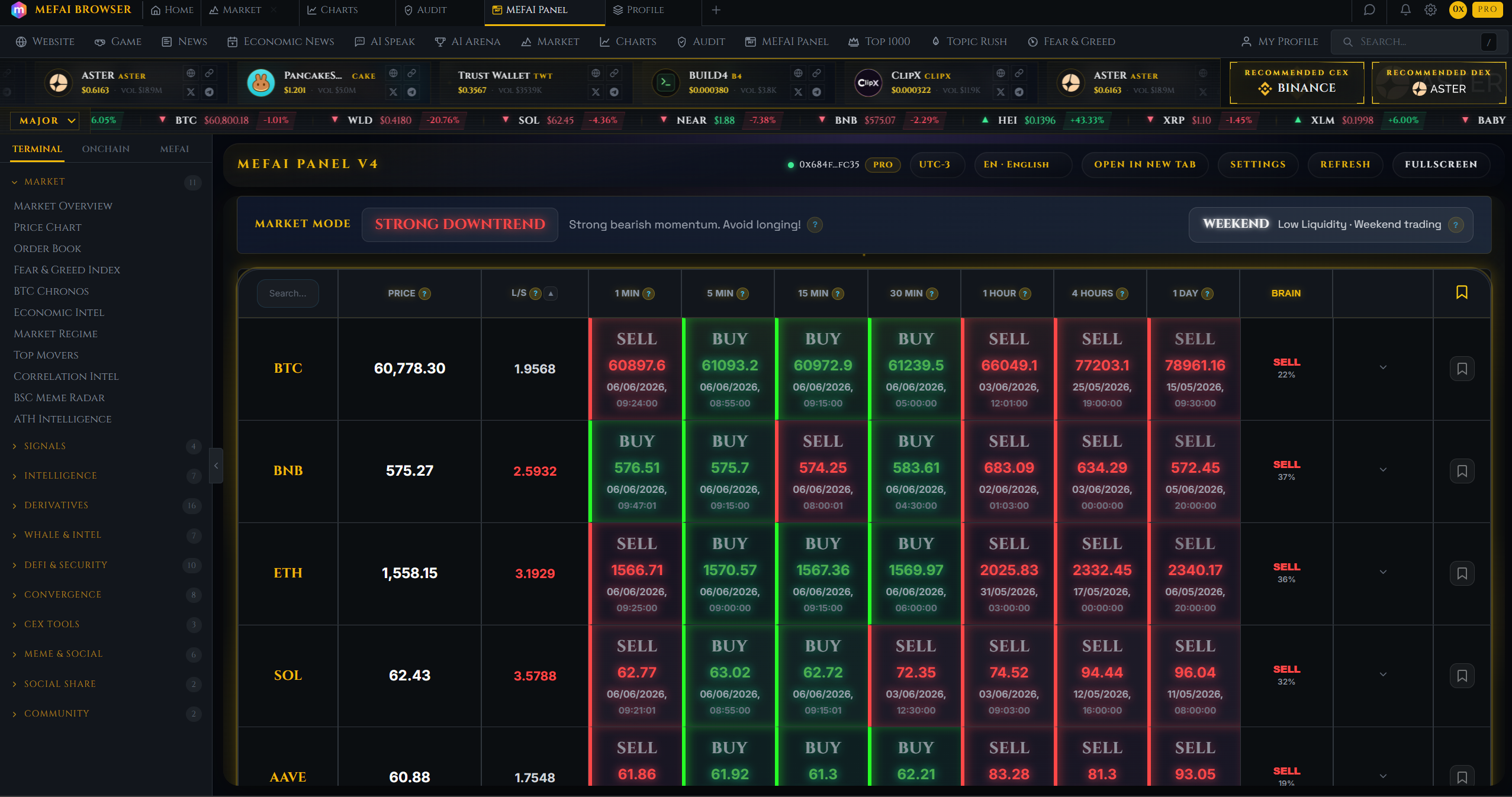
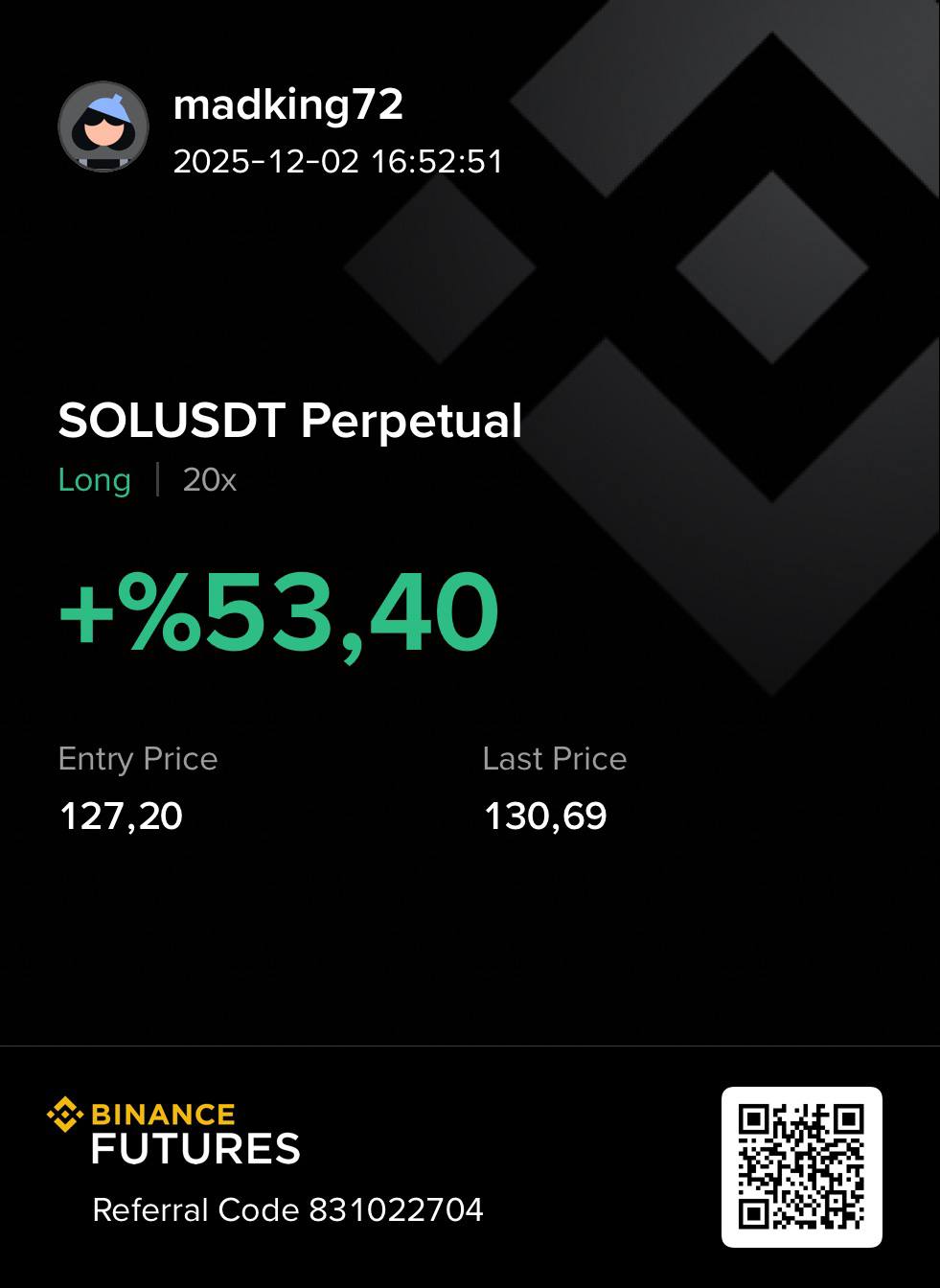
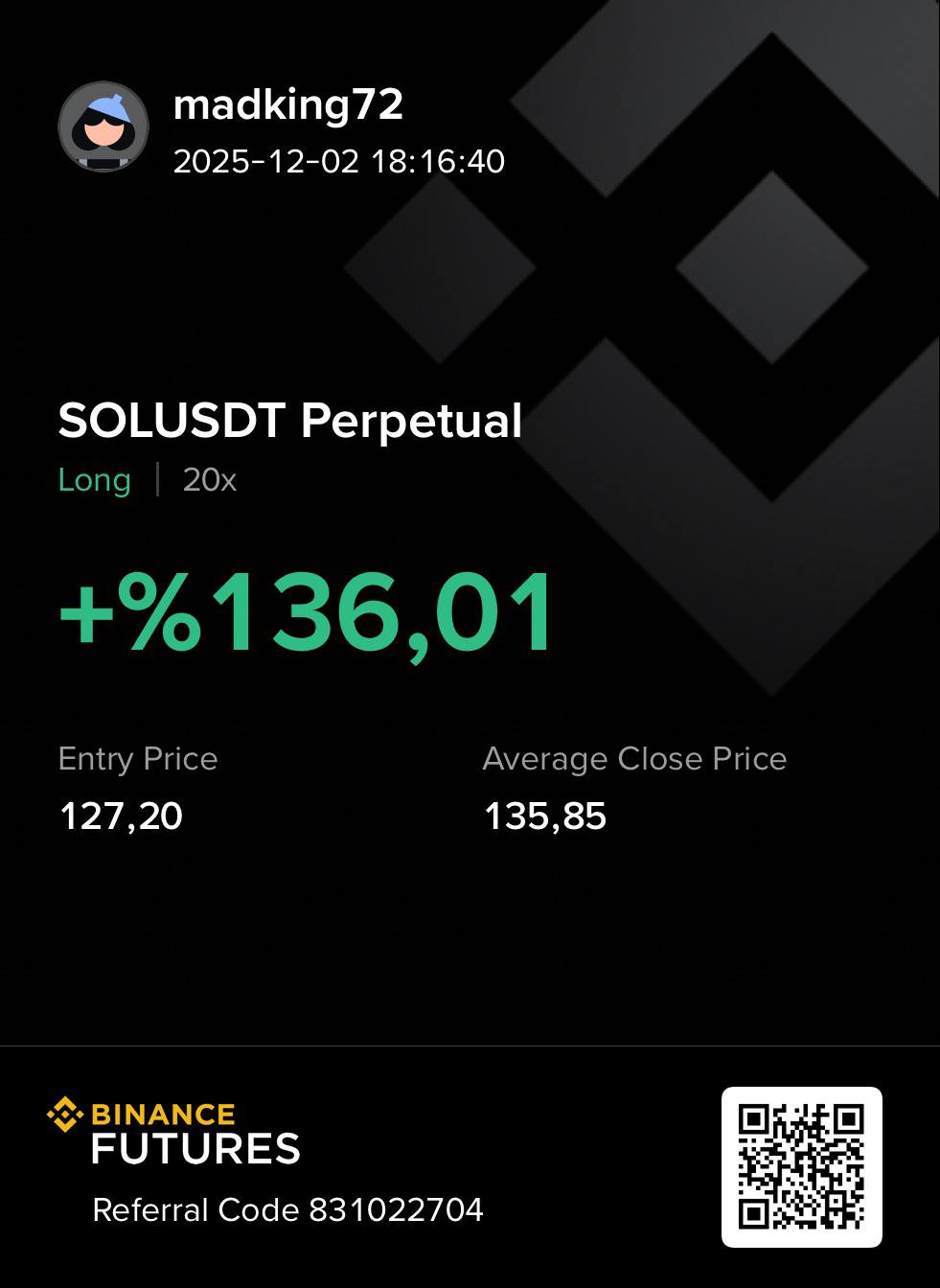
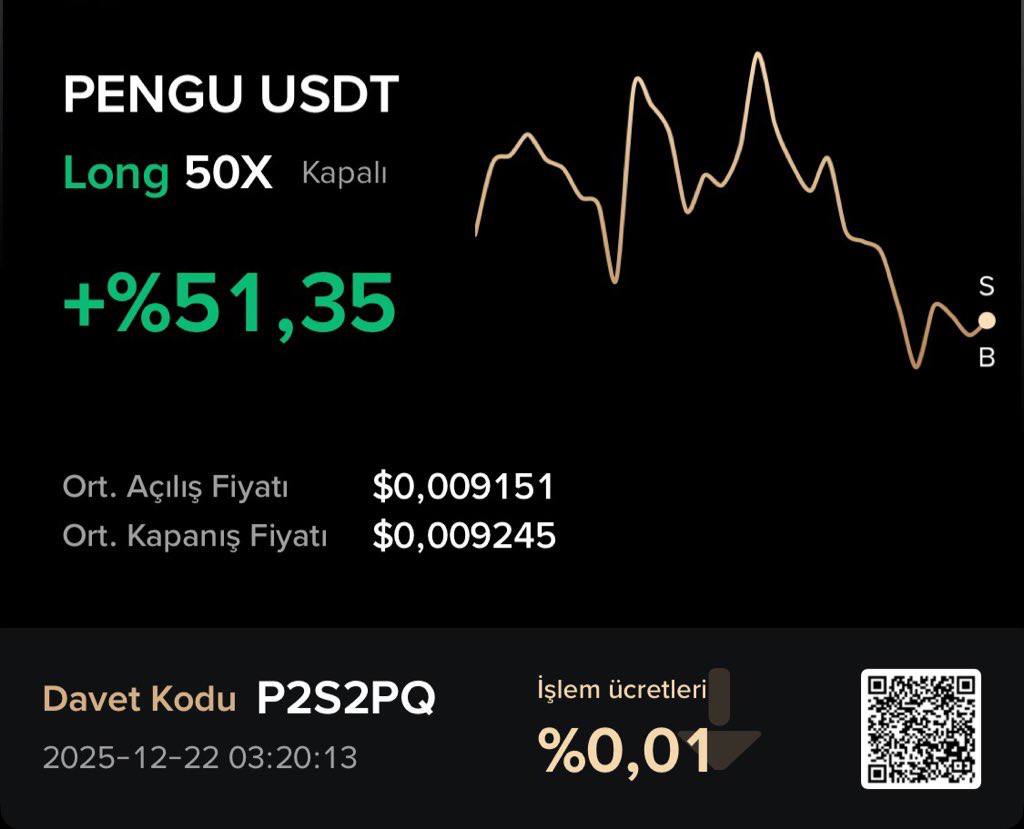
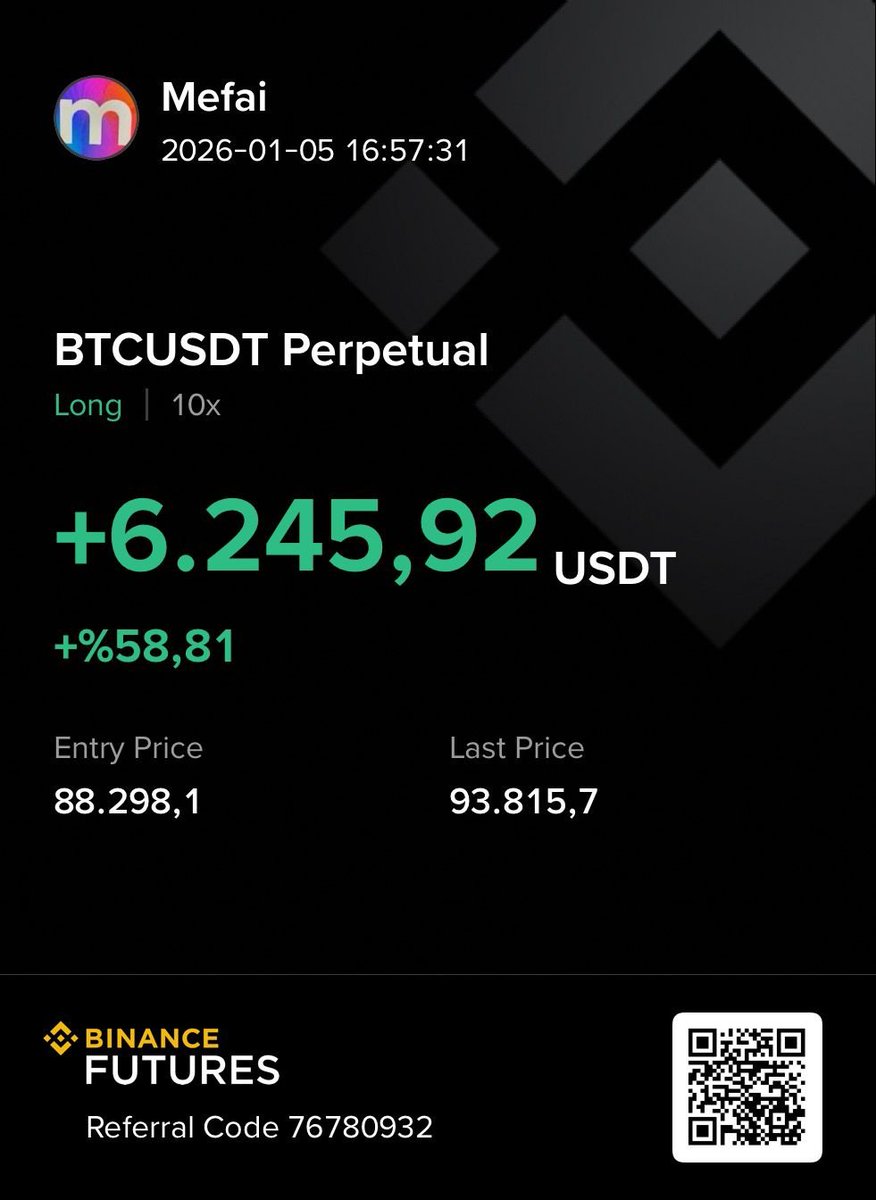
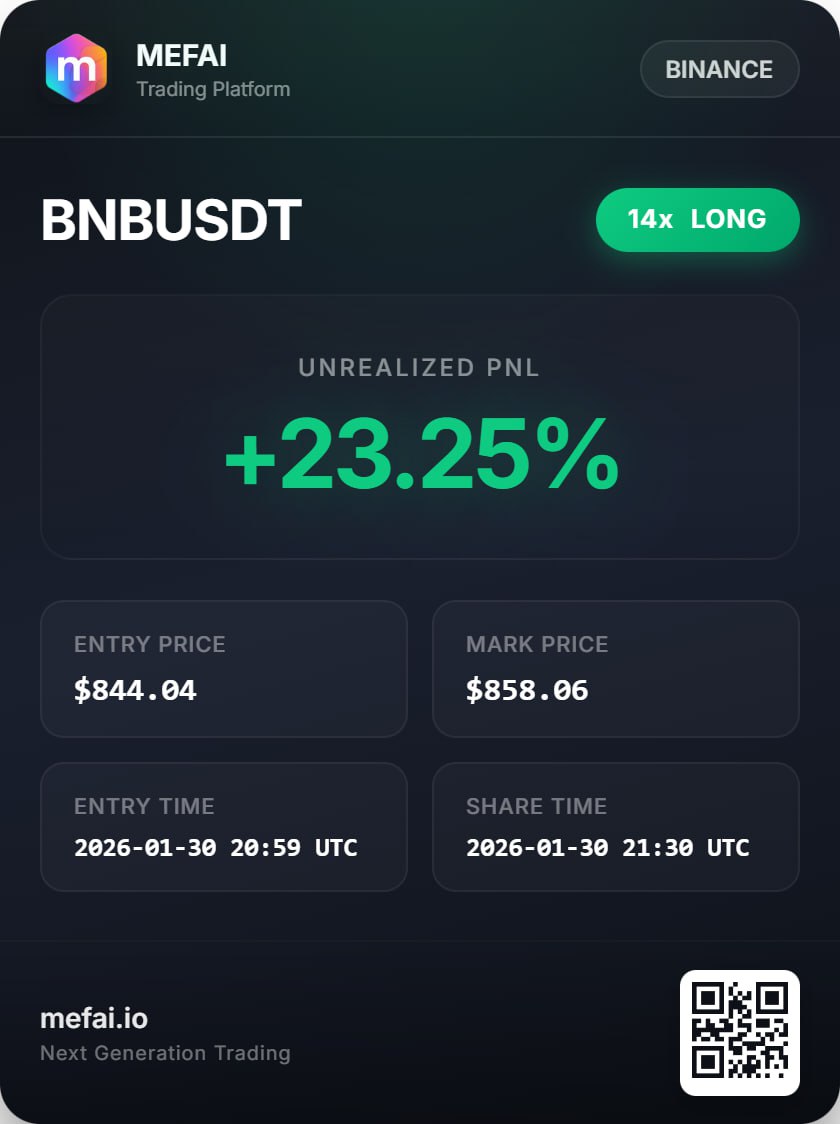
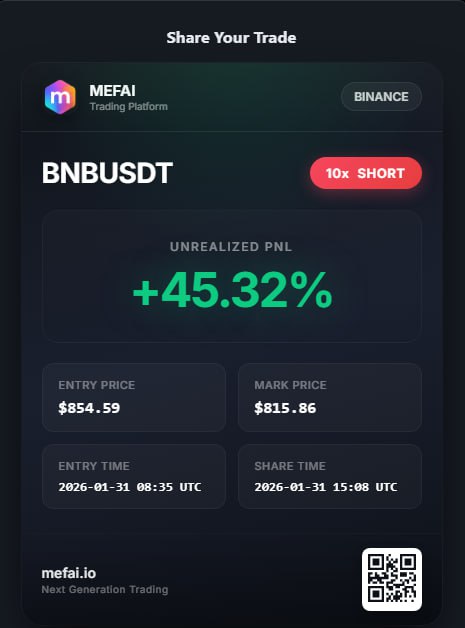
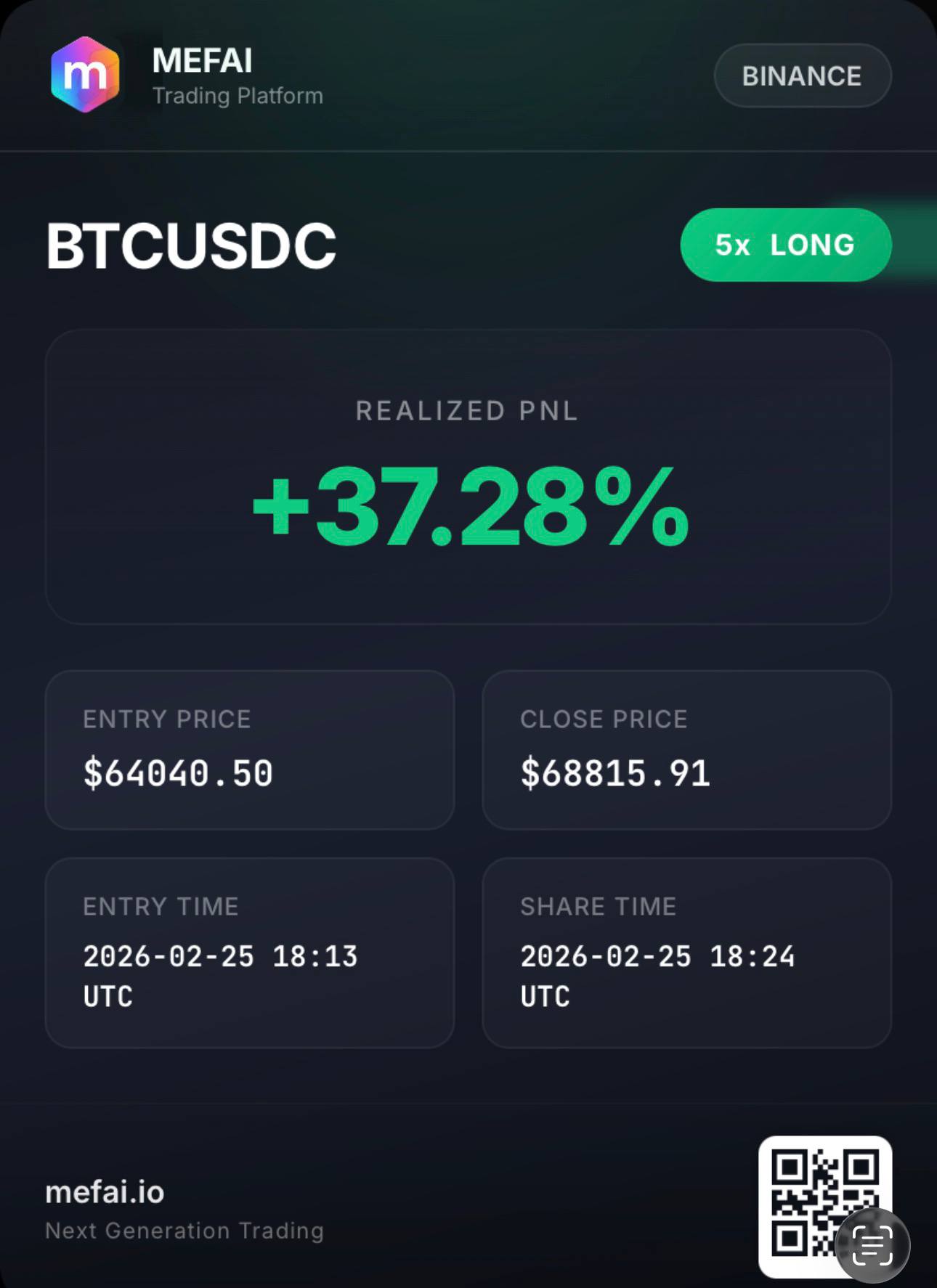
Real results from MEFAI's AI. Get $50 off the Pro plan.
Sponsored · Past performance is not indicative of future results. Not financial advice.

When paid tiers start to pay off: the upgrade signals
Consider upgrading when you hit any of these thresholds: you track more than five coins or multiple cross-asset pairs, you need historical bias data to backtest regimes, you run more than one bot at a time, or you want API-driven execution across several exchanges with sub-second failover. Another clear upgrade trigger is when false positives from free signals start costing you real capital—paid filters and sharper scoring often reduce noise enough to justify the cost.
Another scenario is professional use: if you manage outside capital or run a small fund, paid tiers provide audit trails, multi-user access and compliance-friendly reporting. Even if the raw signals are only modestly better, the operational features can matter as much as the alpha. In short, paid tiers shine when scale, precision or compliance become bottlenecks.
Concrete tool-by-tool comparison
Start with free signal services like those from major exchanges that bundle basic AI alerts with account opening. These cover the top pairs and send a handful of daily alerts; they’re perfect for testing whether AI signals resonate with your style. On the paid side, independent platforms offer multi-exchange coverage, risk scoring and historical replay—useful once you’re running several strategies in parallel.
For bias dashboards, free versions aggregate sentiment and funding across a few exchanges and update every few minutes. Paid versions add multi-asset overlays, custom alerts and weeks of historical data, which help you map bias regimes and avoid crowded trades. Choose free if you only need a quick pulse; choose paid if you trade bias as a system.
For bots, free tiers give paper trading and a limited set of strategies. Paid tiers add live execution across more venues, dynamic sizing, stop-loss layers and cloud hosting. If you’re comfortable with manual execution, the free bots are enough to learn mechanics; if you need reliability at scale, paid execution stacks are worth the cost.
Hidden costs and gotchas to watch
Even free tools can have hidden costs. Some free signal services upsell you on paid exchanges or require you to hold platform tokens to unlock features. Free bots may throttle API calls or limit the number of active strategies, which can frustrate high-frequency users. Free dashboards sometimes display data with a 15-minute delay, which is fine for bias scanning but useless for execution timing.
Paid plans can also surprise you with exchange-specific fees, slippage on low-liquidity pairs, and the time cost of maintaining multiple API keys and webhook setups. Before upgrading, run a small live test with real capital to measure whether the paid features actually improve your risk-adjusted returns. Track fill rates, latency and false-positive rates under real market conditions—not just in backtests or paper mode.
How to decide: a three-step test
First, run a two-week free trial with your top two paid services while still using free signals and dashboards. Measure how often paid alerts arrive before price moves, whether paid bias overlays change your positioning, and how free versus paid bots handle volatility spikes. Second, quantify the time you spend manually executing versus the value of the alerts; if manual execution is eating your edge, it’s a sign you need a paid bot. Third, estimate the opportunity cost of missing altcoin signals or delayed alerts—if the free tier is already missing trades that matter to your portfolio, upgrade.
Apply this test each time you hit a new threshold: new coins, new exchanges, new strategies or new capital. The thresholds are durable; the exact numbers aren’t. What matters is whether free tiers are still covering your edge or whether paid tiers unlock the next increment of precision and scale.
Bottom line: upgrade only what you need
Free AI trading tools give you a solid foundation for learning and small-scale testing. Paid tiers add breadth, depth and reliability—useful once you scale or professionalize. The decision rule is simple: upgrade when free tiers start to limit your edge, not when marketing promises sound exciting. Start free, measure rigorously, and pay only for features that demonstrably improve your win rate, reduce noise or save you time under real market conditions.
More in Crypto & Trading

DeFi Compared: Matching the Right Platform to Your Needs
A practical guide to the leading DeFi platforms, who each suits, what they offer, and how to choose based on your goals and risk tolerance.

Why an Anthropic IPO Could Tie Bitcoin Closer to the AI Trade
An Anthropic stock listing would give traders a single AI stock to bet on, tightening bitcoin’s correlation with the AI trade and increasing its sensitivity to Fed policy and risk appetite.
AI Crypto Trading Tools for Beginners: How to Get Started Safely
A no-nonsense beginner’s guide to AI crypto trading tools: what they do, how to start, and which beginner-friendly options to consider first.