
DeFi for Beginners: Where to Start with Decentralized Finance
By Mag-Info Tech editorial · 2026-06-10

What DeFi is and why it matters for newcomers
DeFi stands for decentralized finance: financial services built on public blockchains that anyone with an internet connection can use without banks or brokers. Instead of accounts and credit checks, you hold your own assets in a crypto wallet and interact with open protocols that run automatically via code. For beginners, DeFi offers two immediate benefits: the ability to swap tokens directly from your wallet and the chance to earn yield by lending or staking those tokens. Both activities happen peer-to-peer on-chain, so you retain custody of your funds at every step—no paperwork, no approvals, and no central authority deciding whether you qualify.
The catch is that DeFi is still experimental software. Smart contracts can contain bugs, and user interfaces can be confusing. That’s why the safest first step is to use established platforms with audited code and clear documentation. Look for platforms that have been live for years, publish regular audits, and offer simple dashboards that explain risks like impermanent loss or liquidation thresholds. If you keep small amounts at first, learn the flows, and only move into more exotic strategies once you’re comfortable, DeFi can be a practical way to begin managing your own money on-chain.
The essential tools every beginner needs
Before you can use DeFi, you need three things: a wallet, some tokens, and a way to connect to protocols. Start with a non-custodial wallet that gives you full control of private keys—popular choices include MetaMask, Trust Wallet, and Rainbow. These wallets let you generate a seed phrase (write it down offline) and connect to websites or apps that act as front ends for on-chain protocols. For Ethereum and EVM-compatible chains, MetaMask is the default; for Solana, Phantom is widely used. Next, you’ll need tokens on the same chain your chosen protocols support. Most beginners begin with stablecoins like USDC or USDT because their value is designed to stay close to one US dollar, making them easier to experiment with than volatile assets.
Once you have tokens in your wallet, you connect to a decentralized application (dApp) through your wallet’s browser or mobile interface. Popular beginner dApps include decentralized exchanges (DEXs) like Uniswap and PancakeSwap, lending platforms like Aave and Compound, and yield aggregators like Yearn Finance. Each dApp has a website or mobile app that opens a connection to your wallet; never enter your seed phrase anywhere except your wallet app. After the first connection, you’ll see your wallet balance inside the dApp and can begin swapping, depositing, or exploring other features. Always double-check the URL in your browser to avoid phishing sites—bookmark the official URLs you trust and never click links from social media or unknown emails.
How to choose your first DeFi platform safely
When comparing platforms, prioritize transparency and security. Look for platforms that publish regular third-party audits and maintain public bug-bounty programs. Check their documentation and community channels to see how quickly they respond to issues. Liquidity is another key factor: platforms with higher trading volume and total value locked (TVL) tend to have tighter spreads and lower slippage, which means your swaps cost less. Beginner-friendly platforms also offer clear user interfaces, educational resources, and customer support channels such as Discord or help centers. Avoid platforms that promise unusually high returns with little explanation, as these often carry hidden risks like smart-contract exploits or unsustainable yield farming schemes.
Another practical consideration is chain support. Some platforms operate only on Ethereum, which can be expensive due to high gas fees, while others run on cheaper networks like Polygon, Arbitrum, or Solana. If cost is a concern, start on a low-fee chain with a strong ecosystem of audited protocols. Polygon, for example, is widely used for DeFi because it inherits Ethereum’s security while reducing transaction costs. Arbitrum offers similar benefits for Ethereum users who want to stay within the same ecosystem but pay lower fees. Solana provides fast, low-cost transactions but has a different programming model, so make sure the platforms you choose explicitly support the chain you intend to use. Finally, check whether the platform offers insurance or safety modules—some protocols reimburse users in case of smart-contract failures, which can add an extra layer of protection for beginners.

Best decentralized exchanges for beginners
Uniswap is the largest decentralized exchange on Ethereum and many EVM-compatible chains. It lets you swap tokens directly from your wallet without creating an account, and its interface is simple enough for newcomers to understand. Uniswap also supports a wide range of tokens, including long-tail assets that aren’t listed on centralized exchanges, which makes it useful for discovery as well as trading. For users on cheaper chains, PancakeSwap on BNB Smart Chain and Trader Joe on Avalanche offer similar functionality with lower fees. All three platforms use an automated market maker (AMM) model, which means you trade against liquidity pools rather than order books, so prices depend on pool sizes and can experience slippage on large orders.
For beginners, the key advantage of these DEXs is custody: you never deposit tokens into the exchange, so you retain full control of your assets throughout the trade. Start by swapping a small amount of stablecoins to familiarize yourself with the process—watch the estimated price, confirm the network fee, and verify the token contract address before you execute. If you’re on Ethereum and fees feel too high, consider using the Uniswap interface on Polygon or Arbitrum, where gas costs are typically under a dollar. Once you’re comfortable with swaps, you can explore liquidity provision, but be aware that providing liquidity introduces impermanent loss risk, so it’s best left for later stages of your DeFi journey.
Best lending and borrowing platforms for newcomers
Aave and Compound are two of the most established lending protocols on Ethereum and other EVM chains. Both let you deposit tokens to earn interest and borrow against your collateral without credit checks. Interest rates are set algorithmically based on supply and demand, and you can withdraw your assets at any time (subject to liquidity availability). For beginners, these platforms are attractive because they are non-custodial: your tokens remain in your wallet until you withdraw them, and the protocol only holds them as collateral for loans. Start by depositing a stablecoin like USDC to earn yield—rates fluctuate, but they are typically higher than traditional savings accounts and paid out in the same token you deposit.
Before you borrow, understand the collateralization ratio: if you deposit $100 worth of ETH and borrow $50 worth of USDC, your collateralization ratio is 200%. If the price of ETH drops sharply, the protocol may liquidate your position automatically to protect lenders. Use borrowing only for short-term needs or to avoid selling appreciated assets for tax reasons—never borrow more than you can comfortably repay. Both Aave and Compound offer safety features like liquidation penalties and over-collateralization, which reduce risk for lenders but increase the risk for borrowers if prices move unfavorably. If you prefer a simpler experience, look for platforms that abstract these parameters into beginner-friendly dashboards with clear health-factor indicators.
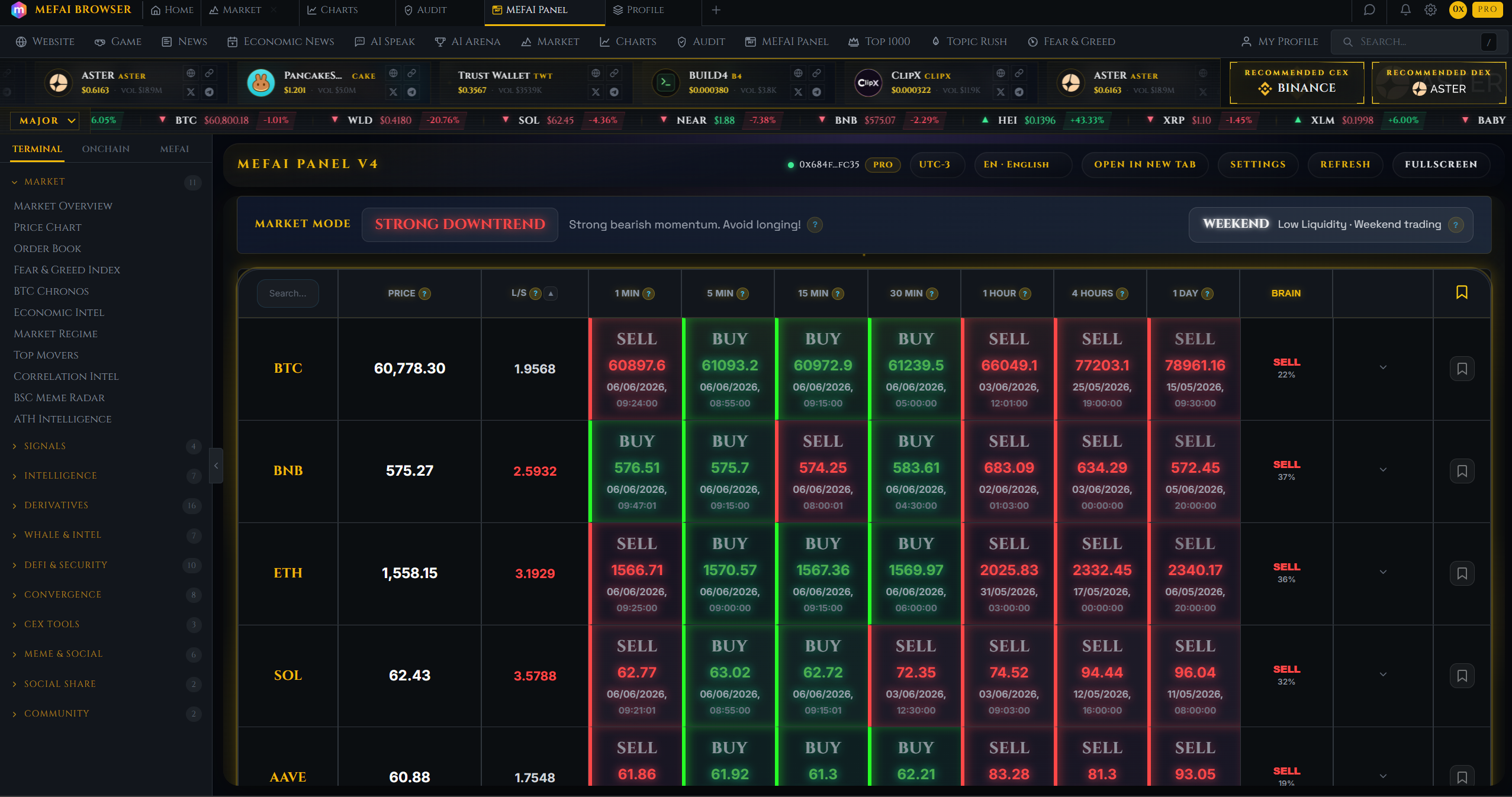
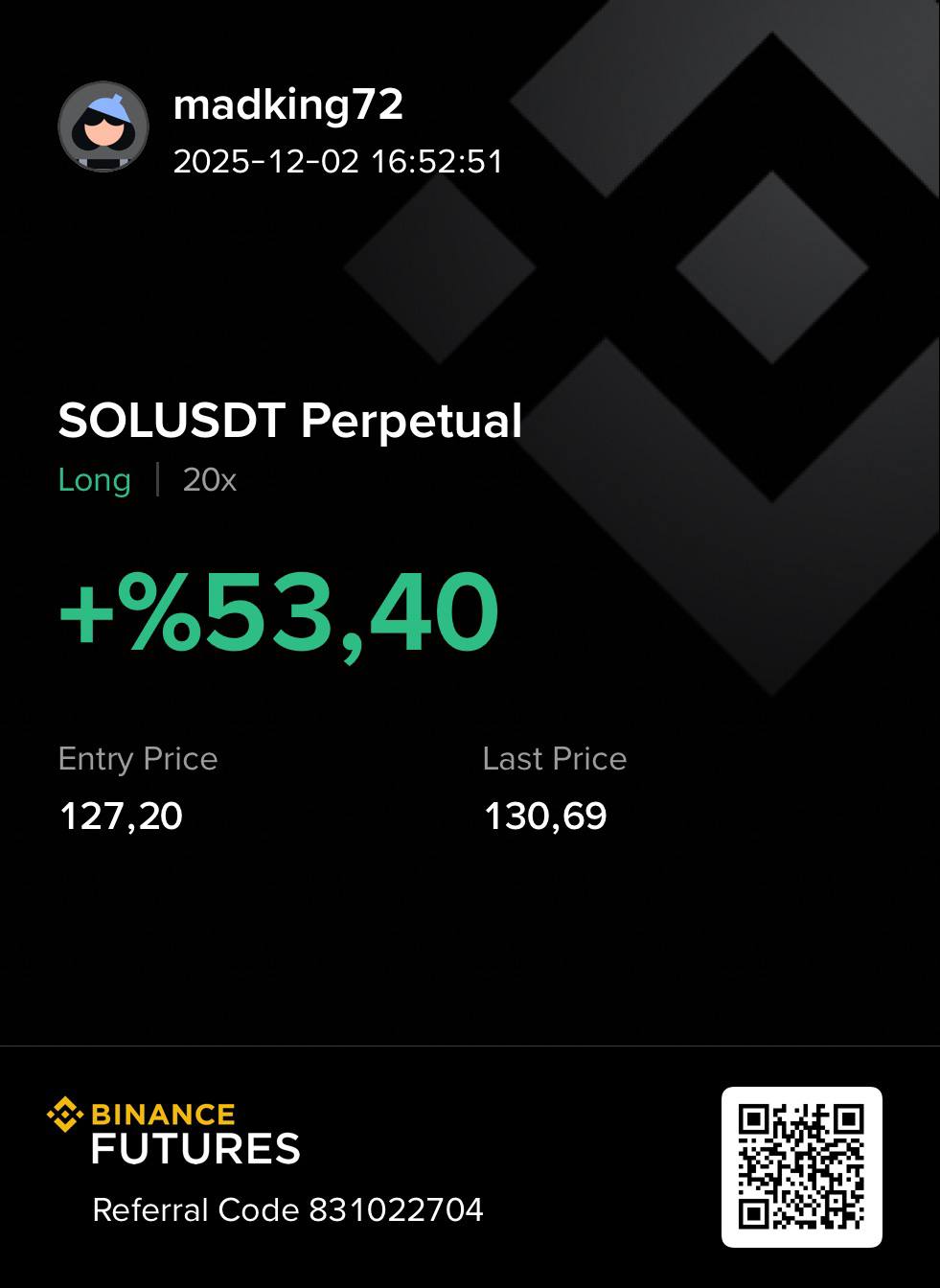
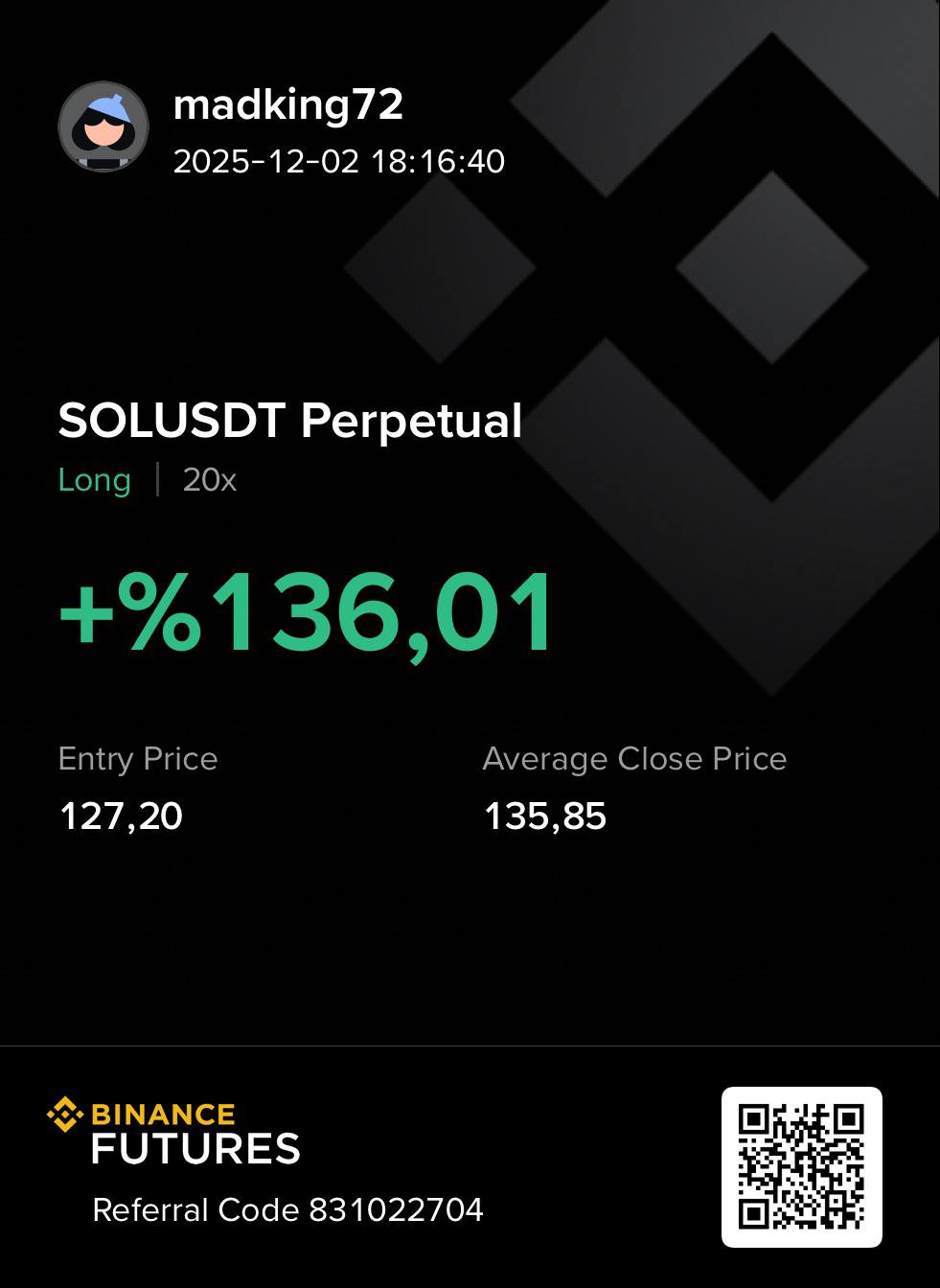
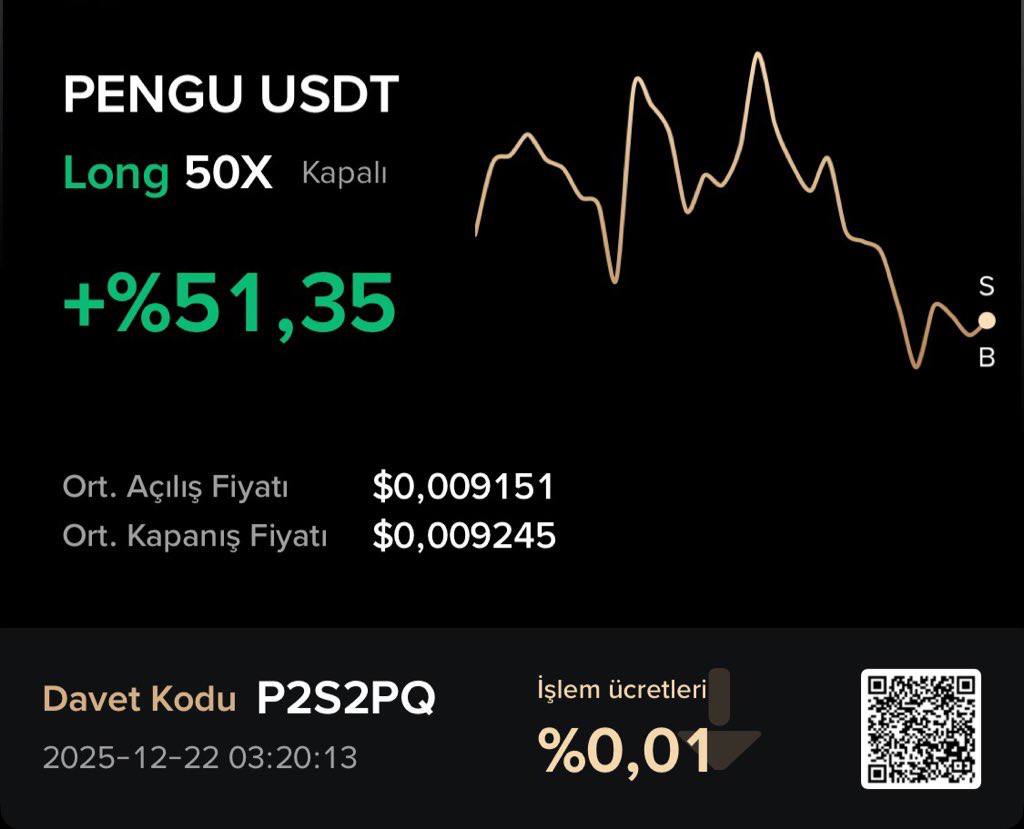
Real results from MEFAI's AI. Get $50 off the Pro plan.
Sponsored · Past performance is not indicative of future results. Not financial advice.

Best yield aggregators and vaults for hands-off earning
Yearn Finance is a yield aggregator that automatically moves deposited tokens between lending protocols to maximize interest. It’s designed for users who want passive income without actively monitoring rates across multiple platforms. Yearn’s vaults automatically compound rewards and reinvest profits, which can increase returns over time. For beginners, Yearn simplifies the process of earning yield: you deposit tokens once, and the protocol handles the rest. However, Yearn’s strategies can be complex under the hood, and the platform occasionally updates vault parameters, so read the documentation and check the changelog before depositing. Another option is Beefy Finance, which offers a similar vault model across multiple chains with a focus on high-risk-adjusted returns.
These aggregators are best suited for stablecoins and liquid tokens you plan to hold long-term. Avoid depositing volatile assets like Bitcoin or Ethereum directly into vaults unless you fully understand the strategy and risk of impermanent loss. Start with small amounts to test how withdrawals and compounding work, and always check the vault’s risk disclosures and audit status. Yield aggregators can be powerful tools for passive income, but they are not risk-free—platforms can be exploited, strategies can fail, and smart-contract upgrades can change behavior. Use them only after you’re comfortable with the underlying protocols and have tested smaller transactions.
Security checklist: how to stay safe while learning DeFi
Never share your seed phrase or private key with anyone, including support staff or social-media contacts. Phishing remains the most common attack vector in DeFi: attackers create fake websites, impersonate customer support, or send malicious links via email or Discord. Always verify the URL matches the official domain, use a hardware wallet for larger amounts, and bookmark the sites you trust. Enable multi-factor authentication where available, and consider using a dedicated email address for crypto accounts to reduce exposure to phishing campaigns.
Use separate wallets for different purposes: one for small experiments, one for larger holdings, and one for hot wallets connected to dApps. Keep most of your assets in cold storage or a hardware wallet when you’re not actively trading or earning yield. Before you approve any transaction, review the on-chain details in your wallet—check the contract address, the amount, and the transaction type (swap, deposit, approve). If anything looks unfamiliar, cancel the transaction and research further. Finally, start with reputable tokens and platforms only. Avoid obscure tokens with anonymous teams or unrealistic yield promises—these are common red flags for scams or rug pulls.
Practical roadmap: your first week in DeFi
Day 1: Install a non-custodial wallet like MetaMask or Phantom, write down your seed phrase offline, and fund it with a small amount of stablecoins purchased from a regulated exchange. Bookmark the official URLs of Uniswap, Aave, and Yearn (or their equivalents on your chosen chain). Connect your wallet to Uniswap and perform a test swap of a few dollars’ worth of tokens to see how the interface works and confirm you understand the transaction flow.
Day 3–4: Deposit a small amount of stablecoins into Aave or Compound to earn interest. Monitor the rate and your wallet balance to see how compounding works. If you’re comfortable, try borrowing a small amount against your collateral—just enough to understand the liquidation mechanism—then repay it immediately to test the process.
Day 5–7: Explore a yield aggregator like Yearn or Beefy by depositing a small amount of stablecoins into a beginner-friendly vault. Watch how rewards accumulate and learn how to withdraw. If you’re on a low-fee chain, consider providing liquidity to a stablecoin pool on a DEX to earn trading fees, but only after you’ve practiced swaps and lending safely.
Throughout your first week, keep records of every transaction hash and note any questions you have. DeFi moves quickly, so pace yourself—master the basics before moving into more advanced strategies like leveraged yield farming or governance participation. The goal is to build confidence while minimizing risk, so start small, verify every step, and only increase your exposure as you become more comfortable with the tools and risks.
What to watch next as you gain experience
Once you’re comfortable with swaps, lending, and basic yield strategies, you can explore more advanced options like liquidity mining, leveraged farming, or participating in governance votes on protocols you use. Each step introduces new risks—impermanent loss, smart-contract risk, and market volatility—so continue using small amounts and only increase exposure after thorough research. Keep an eye on chain upgrades and protocol changes, especially those related to security patches or fee models, as these can affect your strategies.
Another area to watch is cross-chain bridges and multi-chain platforms. As DeFi expands beyond Ethereum, platforms that let you move assets between chains—like Arbitrum, Optimism, or Cosmos—are becoming more important. These tools can reduce fees and open up new yield opportunities, but they also introduce bridge risks and additional complexity. Consider experimenting with small amounts across chains only after you’re confident with single-chain DeFi. Finally, follow reputable security researchers and protocol teams on social media to stay informed about new risks or audit results. DeFi is evolving rapidly, but the fundamentals of custody, transparency, and risk management remain constant—master those first, and you’ll be well prepared for whatever comes next.
More in Crypto & Trading

DeFi Compared: Matching the Right Platform to Your Needs
A practical guide to the leading DeFi platforms, who each suits, what they offer, and how to choose based on your goals and risk tolerance.

Why an Anthropic IPO Could Tie Bitcoin Closer to the AI Trade
An Anthropic stock listing would give traders a single AI stock to bet on, tightening bitcoin’s correlation with the AI trade and increasing its sensitivity to Fed policy and risk appetite.

AI Crypto Trading Tools for Beginners: How to Get Started Safely
A no-nonsense beginner’s guide to AI crypto trading tools: what they do, how to start, and which beginner-friendly options to consider first.