
How Crypto Trading Signals Are Evolving in 2026: What Traders Need to Know
By Mag-Info Tech editorial · 2026-06-10
The shift from alerts to context
Trading signals used to be little more than flashing arrows: “Buy BTC,” “Sell ETH,” or “Long SOL.” In 2026 the most useful signals are no longer isolated calls but layered narratives that explain why a move is happening and how it fits into the broader market cycle. Services now pair price forecasts with on-chain flow analysis, order-book imbalances, and macro indicators to give traders a sense of conviction before they act. The practical difference is that a trader can decide not just whether to follow a signal, but how much capital to allocate and where to set risk controls.
The change is being driven by two forces. First, the sheer volume of data—millions of on-chain transactions, derivatives funding rates, cross-exchange arbitrage windows—has overwhelmed human pattern recognition. Second, the rise of programmable execution stacks means signals can be routed directly into smart wallets or algorithmic vaults without manual copy-trading. As a result, the best signal providers now compete on the quality of their underlying intelligence rather than the sharpness of their arrows.
What a 2026 signal actually looks like
A modern crypto signal is a JSON object delivered over WebSocket or REST, containing fields such as narrative (the “why”), catalysts (events or flows driving the thesis), entry zone, invalidation level, reward-to-risk ratio, suggested position size, and suggested leverage cap. Some services also attach a short audio clip or a 30-second video walkthrough for mobile users. The output is no longer a single price target but a risk-managed playbook that can be ingested by bots or executed manually.
Behind the scenes, the intelligence layer blends supervised machine-learning models trained on labeled chart patterns, anomaly-detection systems watching for unusual exchange inflows, and sentiment engines parsing social chatter across multiple languages. The models are retrained daily and backtested on out-of-sample cycles to avoid overfitting to a single regime. For traders, the key takeaway is that the signal itself is only as good as the research pipeline that produced it—so evaluating transparency and methodology matters more than flashy track records.
Three categories of signal providers in 2026
Providers have crystallized into three broad buckets based on how they generate and deliver signals.
First are the data-first platforms. These companies ingest raw market data—order books, perpetual funding, miner flows, options implied volatility—and publish structured signals with full lineage. Users can drill down into the underlying data to confirm or challenge the thesis. Second are the hybrid research desks that combine analyst insight with algorithmic signals. They often offer a mix of daily newsletters, live voice commentary, and programmable alerts. Third are the execution-centric networks that bundle signals with built-in risk controls and auto-compounding vaults, turning forecasts into deployed capital with one click.
Each category serves a different user profile. Data-first platforms appeal to quants and researchers who want to rebuild the signal themselves. Hybrid desks suit active traders who value human color around the edges. Execution networks are designed for investors who want to automate the heavy lifting while still understanding the thesis.
Platform-by-platform comparison
Trading Central Signals remains a reference for institutions because it exposes raw data feeds alongside its AI-generated narratives. Its strength is transparency: every signal links to the underlying order-book imbalance or funding-rate anomaly. For retail users, the learning curve is steep and the cost is high, so it is best suited to professional teams with dedicated research capacity.
CryptoQuant Pro has evolved from a charting tool into a full signal ecosystem. It now publishes “flow alerts” that flag unusual exchange deposits or miner movements within minutes, alongside more traditional technical signals. The interface is clean and mobile-first, making it accessible to active retail traders. The trade-off is that flow alerts can be noisy during high-volatility events, so users must decide whether to act immediately or wait for confirmation.
Bybit Alpha is the exchange-native option, delivering signals directly inside the trading interface. Signals are filtered by the exchange’s liquidity depth, so execution slippage is minimized for users who act quickly. The platform also offers a “copy-trade” mode that turns signals into automated bots with adjustable risk parameters. The downside is obvious bias: signals are optimized for the exchange’s book, which may not always align with broader market conditions.
Messari Signals has pivoted toward macro narratives—linking crypto moves to traditional macro indicators such as Treasury yields or dollar liquidity. It is valuable for traders who think in cycles rather than hours. The drawback is latency: macro calls are slower to materialize than intraday flow signals, so timing the entry requires patience.
For each platform, the right choice depends on your workflow. If you need raw data and the ability to rebuild the model, Trading Central Signals is the best fit. If you want mobile alerts with exchange-grade execution, Bybit Alpha is compelling. If you care about macro context over micro timing, Messari Signals delivers. And if you want a blend of human insight and algorithmic signals, CryptoQuant Pro sits in the middle.
How execution is changing the game
The real frontier in 2026 is programmable execution. Signals are now delivered with embedded risk rules: suggested stop-loss, take-profit levels, and even position sizing based on portfolio volatility. Some providers let users attach these rules to a smart wallet so that when a signal arrives, the position is opened, sized, and hedged automatically. The benefit is consistency—no emotional overrides during fast markets. The risk is that rigid rules can underperform in regime shifts, so users must still monitor the underlying thesis.
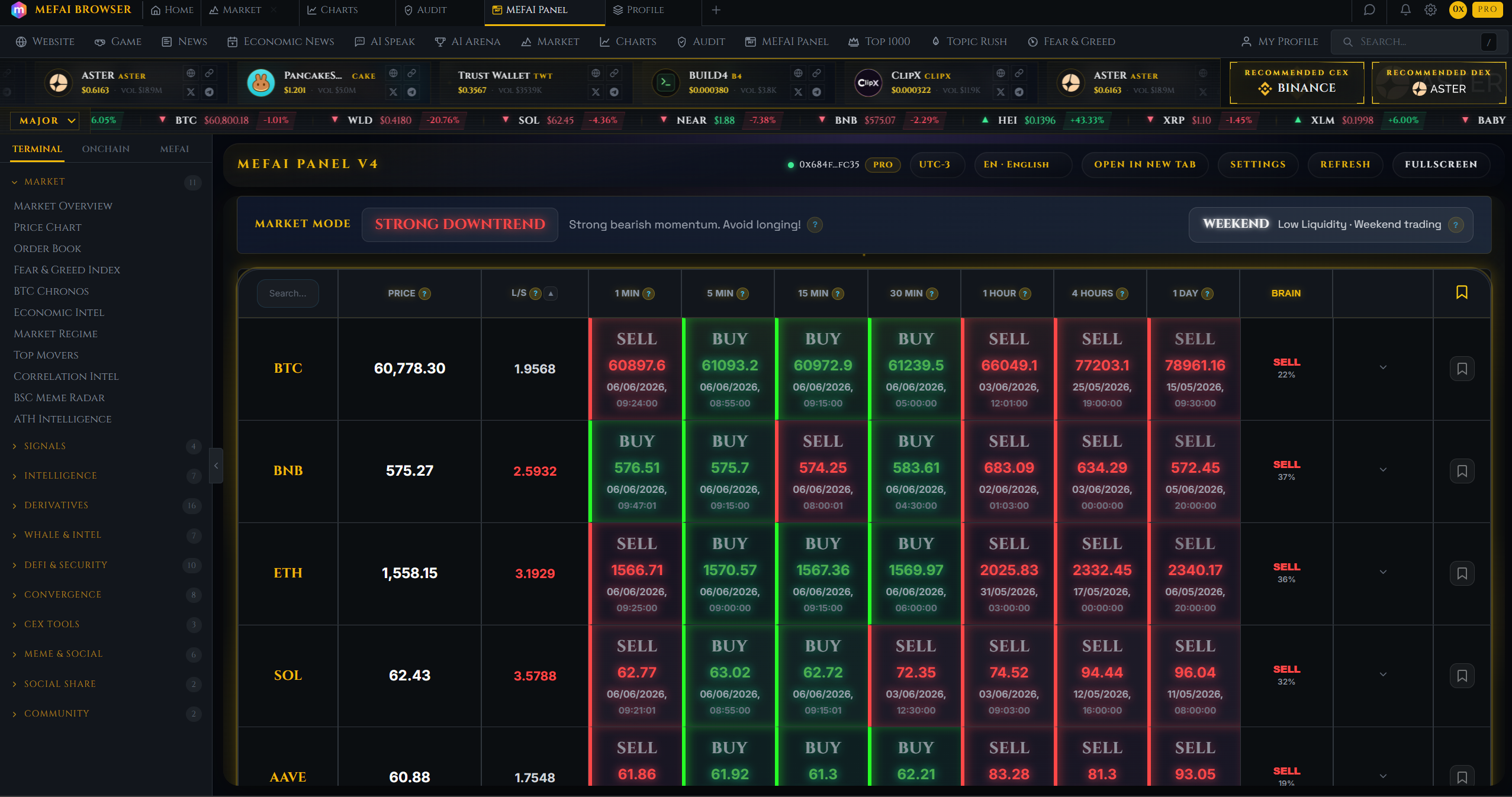
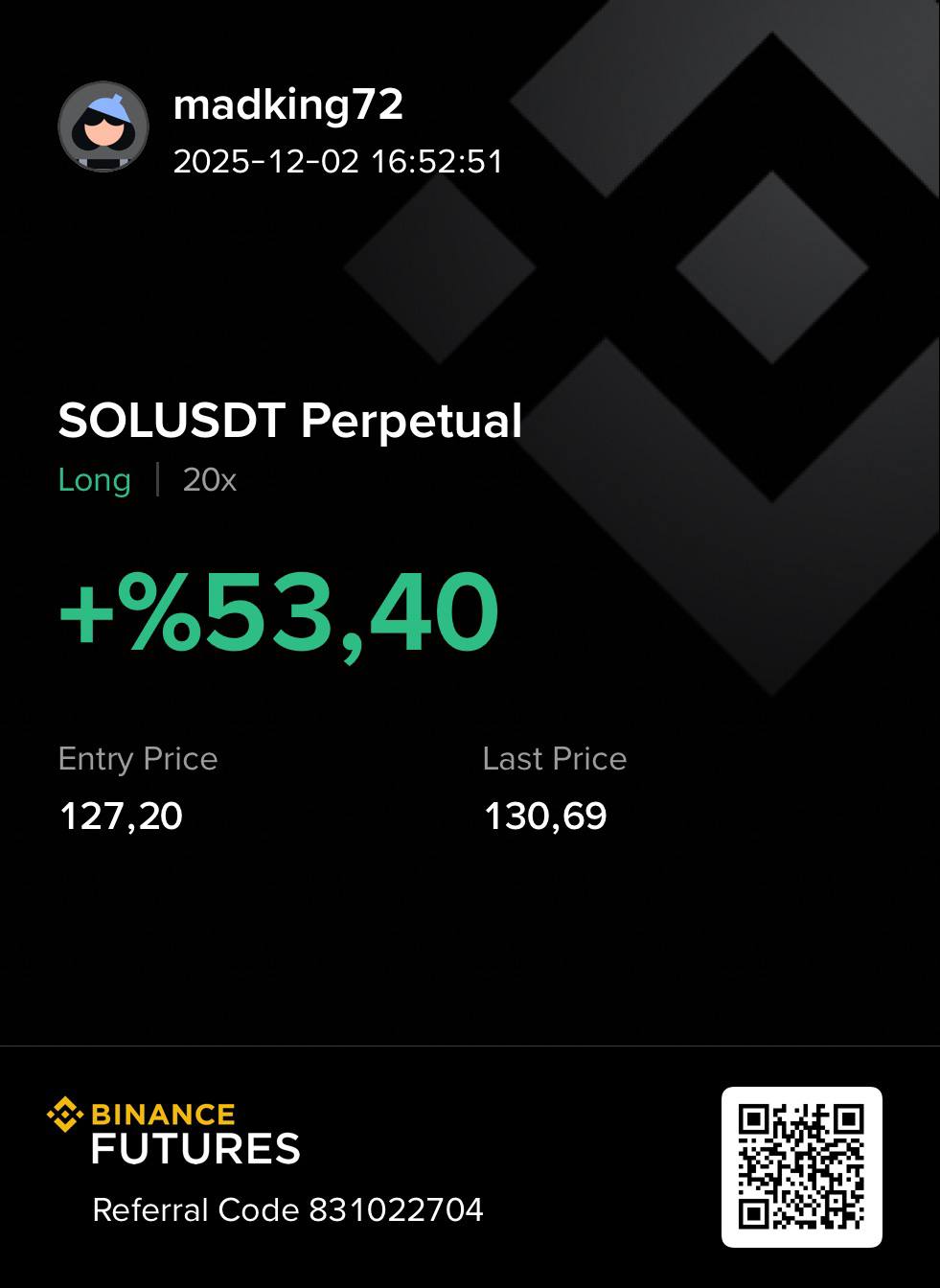
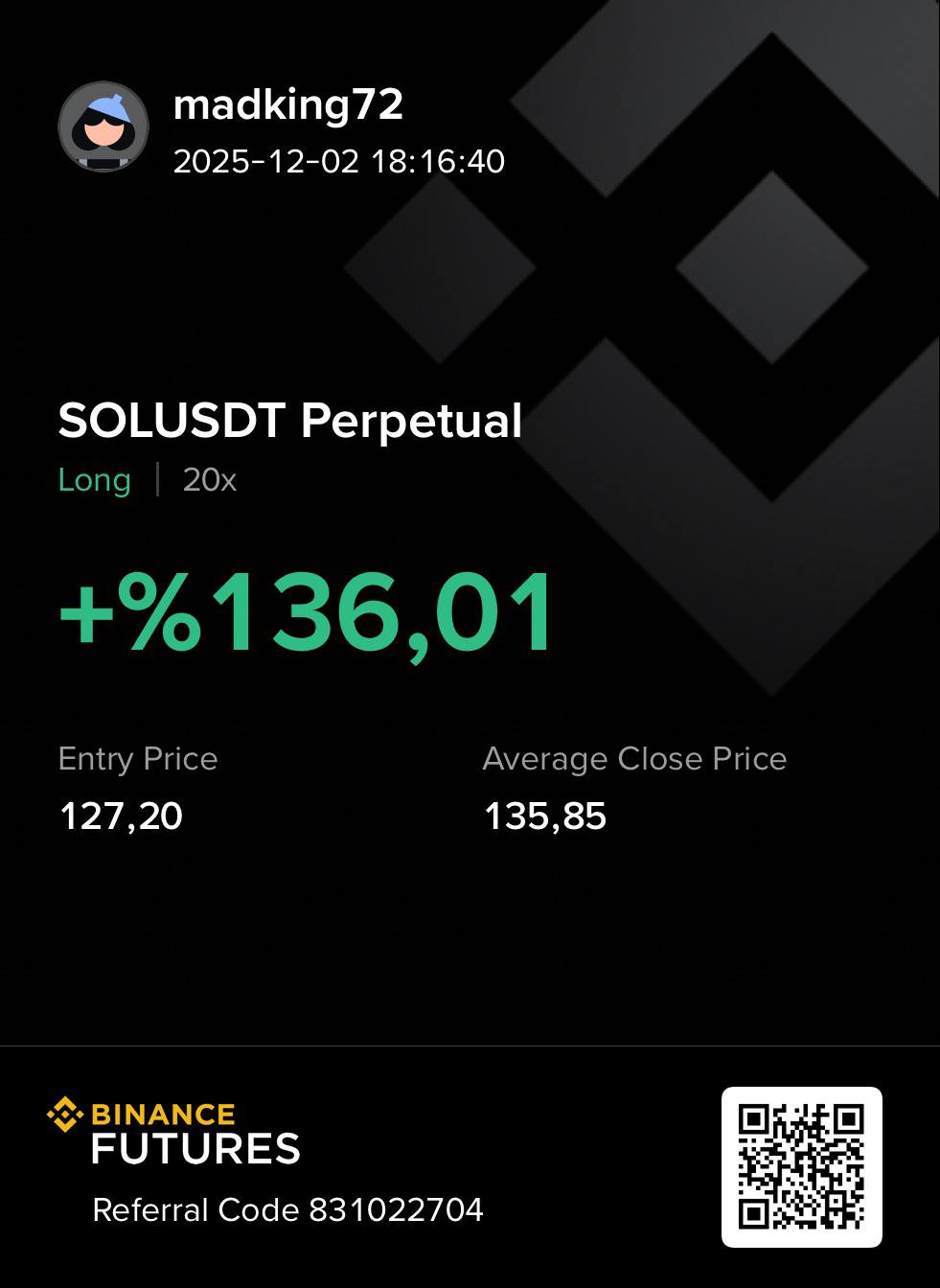
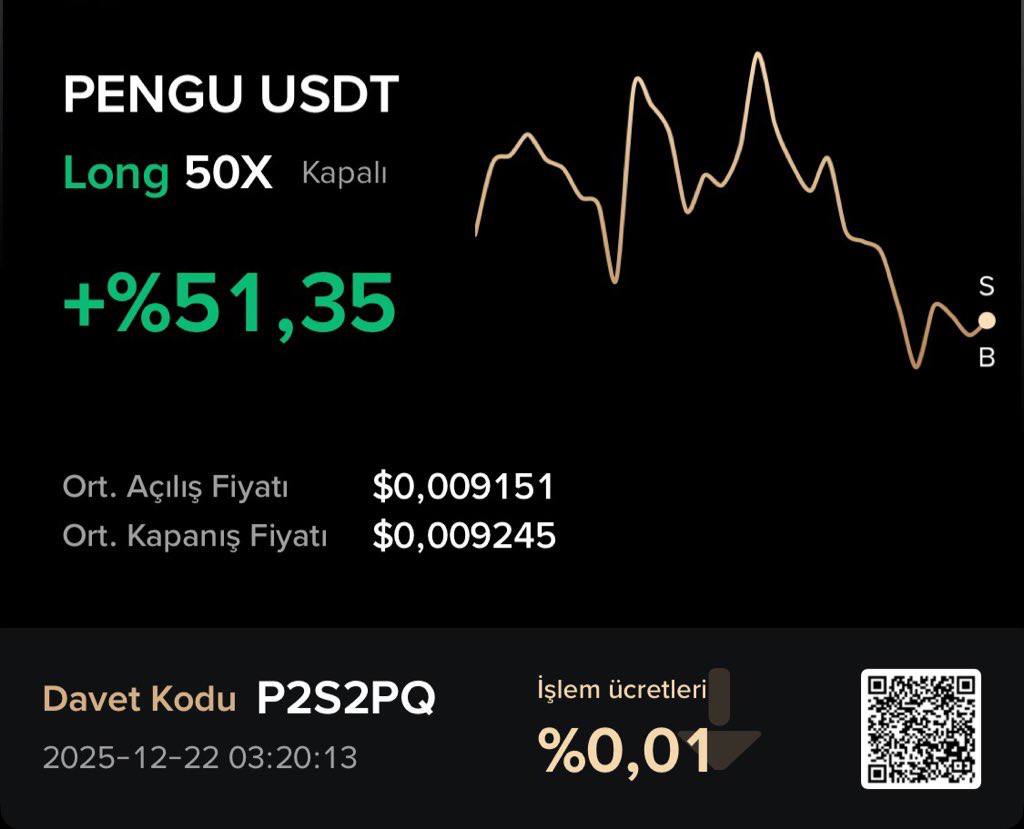
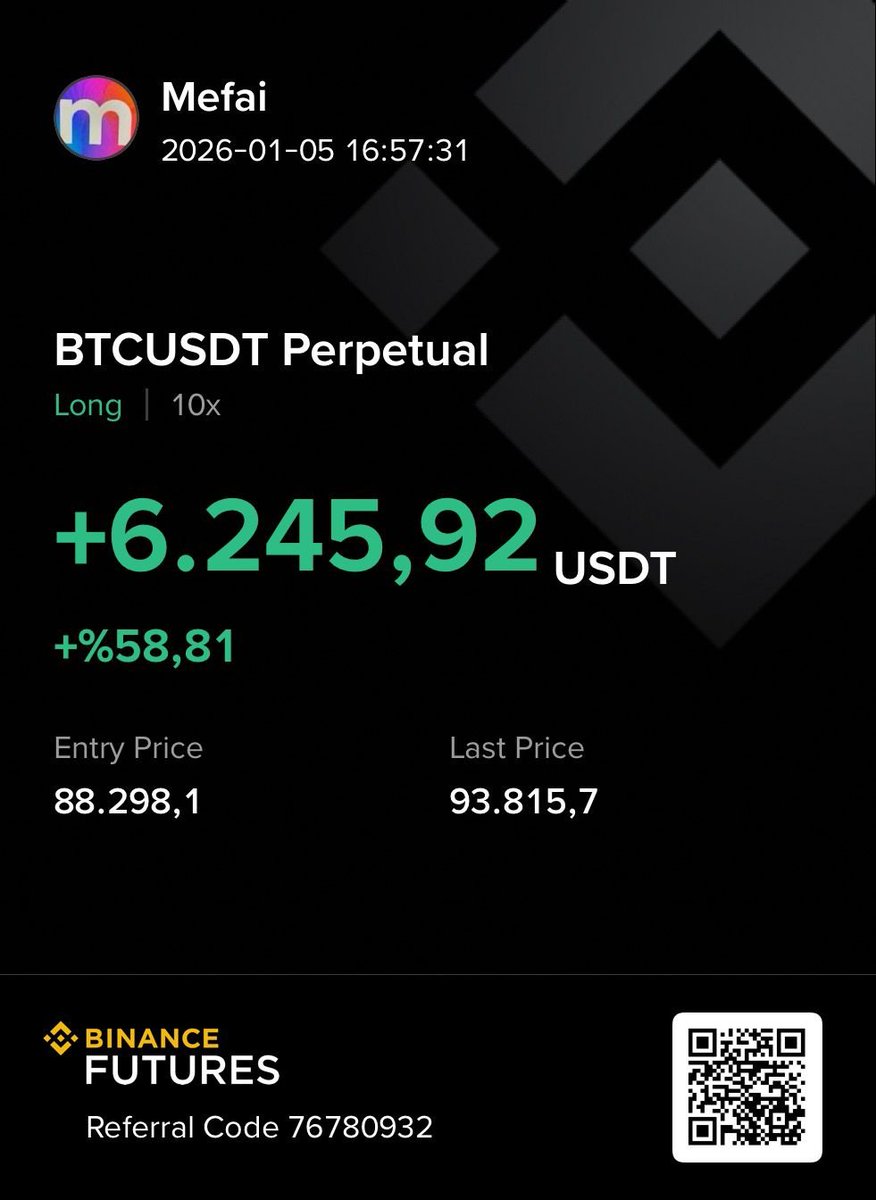
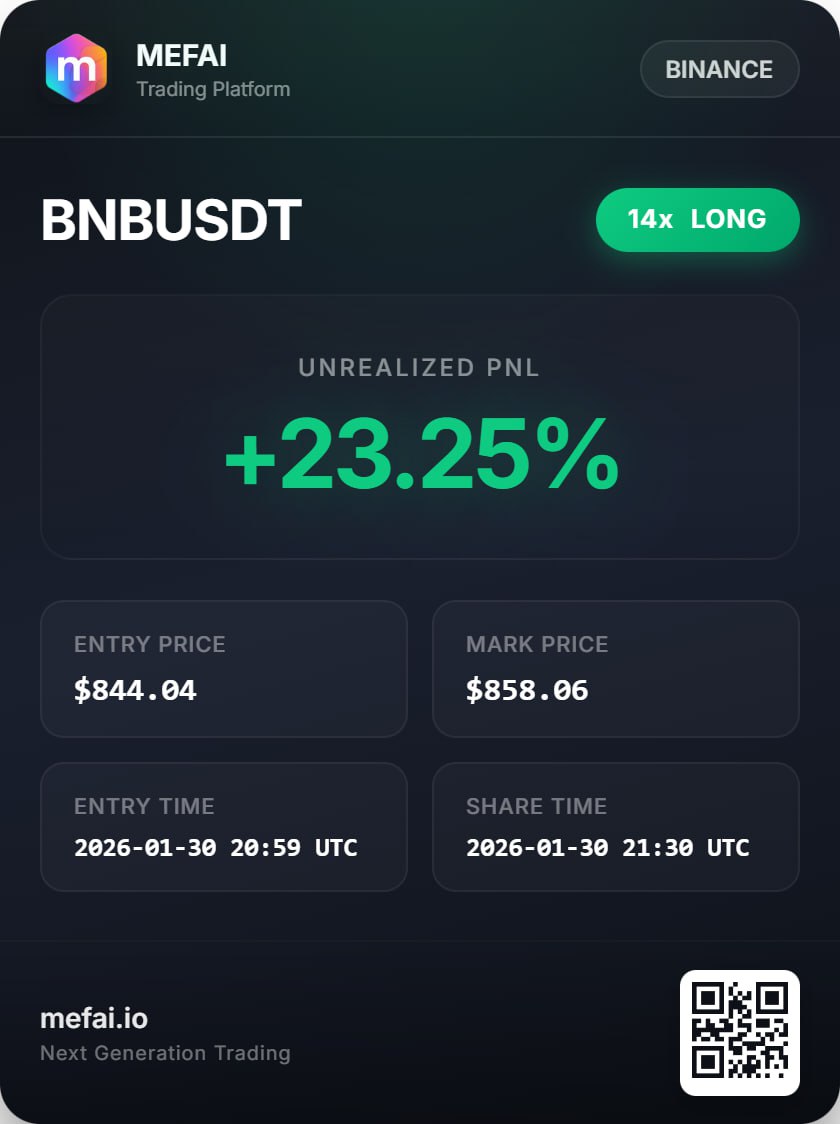
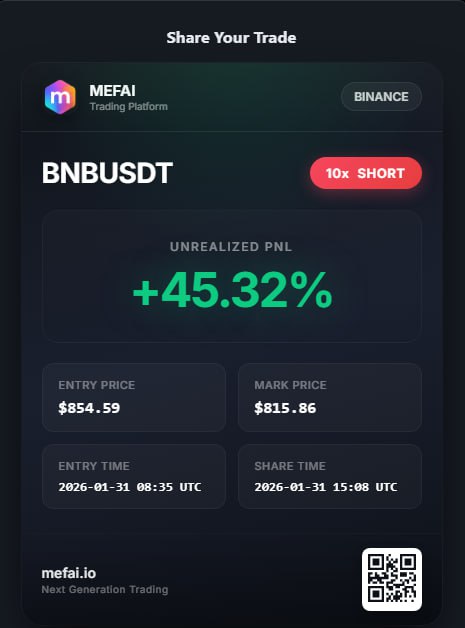
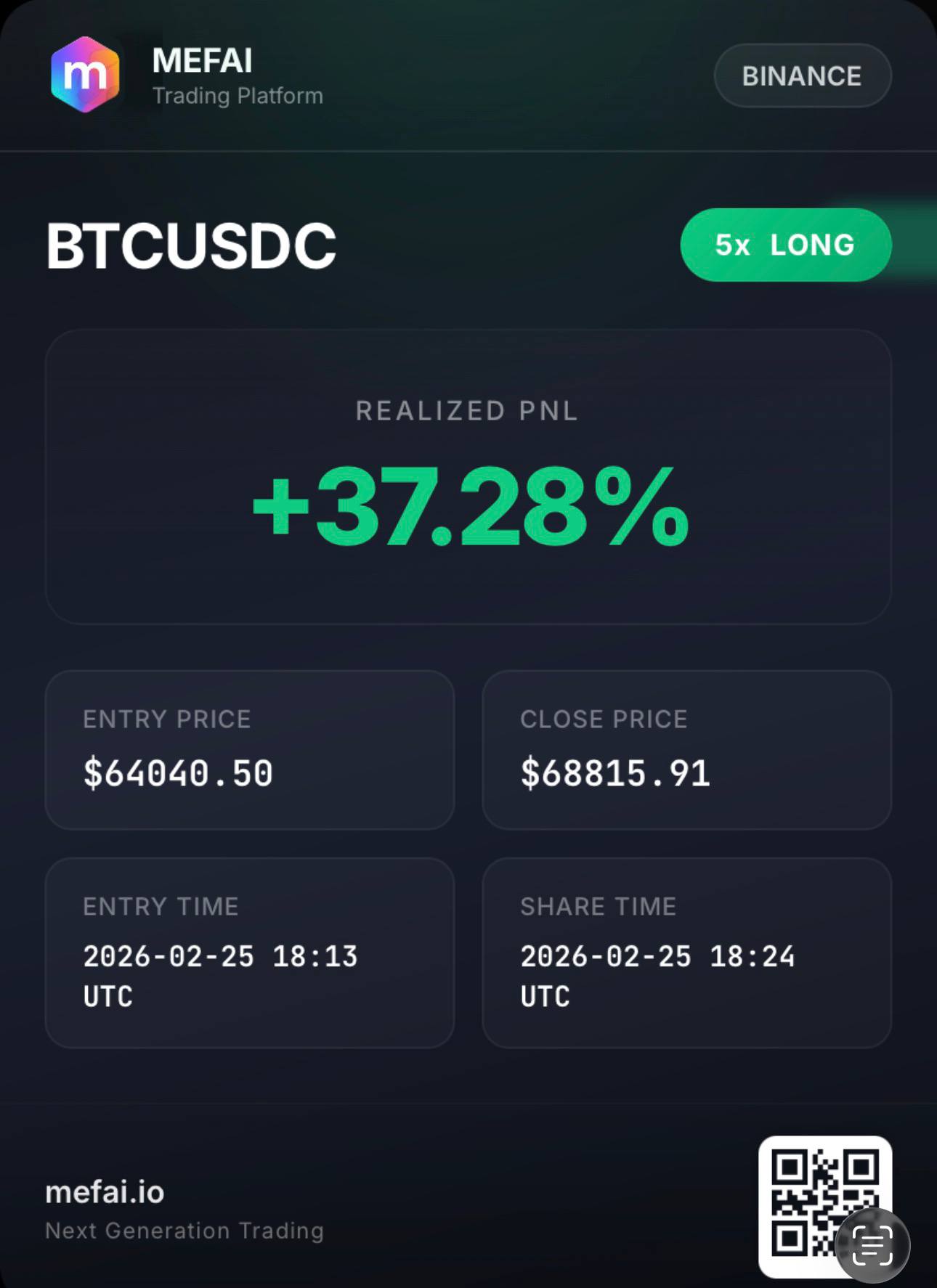
Real results from MEFAI's AI. Get $50 off the Pro plan.
Sponsored · Past performance is not indicative of future results. Not financial advice.

Another development is the rise of “signal marketplaces.” These platforms aggregate signals from multiple providers and let users backtest, combine, and route them through their preferred execution venue. The advantage is diversification across styles and vintages of models. The challenge is that not all signals are compatible—some are optimized for spot, others for perpetuals or options—so users must align provider incentives with their instrument choice.
For most traders, the practical takeaway is to start with a single provider whose methodology matches your time frame, then layer in execution automation only after you are confident in the signal quality. Blindly automating signals from unknown providers is a fast route to drawdowns.
The role of on-chain intelligence
On-chain signals have moved from novelty to necessity. In 2026, the most reliable alerts are often triggered by sudden changes in exchange reserves, large wallet movements, or derivatives funding extremes rather than traditional chart patterns. Services like Nansen Alpha and Arkham Pro publish dashboards that highlight entities moving coins, then distill those flows into tradable theses. The catch is that whale behavior is not always predictive—sometimes it signals distribution, sometimes accumulation—so the narrative layer is critical.
For short-term traders, on-chain flow alerts can provide an edge in the first 30 minutes after a large deposit. For longer-term investors, sustained accumulation or depletion of exchange reserves over weeks can confirm or invalidate macro theses. The best platforms combine both time horizons: they alert on spikes in activity and also track cumulative trends over rolling windows.
Risk management as a first-class signal component
Modern signal platforms treat risk management as part of the signal, not an afterthought. A 2026 signal package typically includes not just entry and exit zones but also suggested position size based on portfolio volatility, maximum leverage cap, and correlation hedges against correlated assets. Some services even publish a “regime score” that tells you whether the signal is likely to work in the current market phase.
For traders, the practical implication is that you should treat every signal as a mini-strategy with its own risk controls. Blindly copying a 2x leveraged long without adjusting your own portfolio risk is a recipe for disaster. The most robust providers let you override the default sizing or attach your own risk rules before the trade is executed.
What to watch next: three durable trends
First, the convergence of signals and vaults will accelerate. We are already seeing “signal vaults” that automatically size positions and compound gains while respecting drawdown limits. These vaults are attractive for investors who want exposure to alpha signals without daily management.
Second, regulatory clarity around signal distribution will reshape the market. In some jurisdictions, publishing trading signals may soon require licensing, which could push smaller providers out of the retail market and concentrate signal quality in a handful of regulated entities.
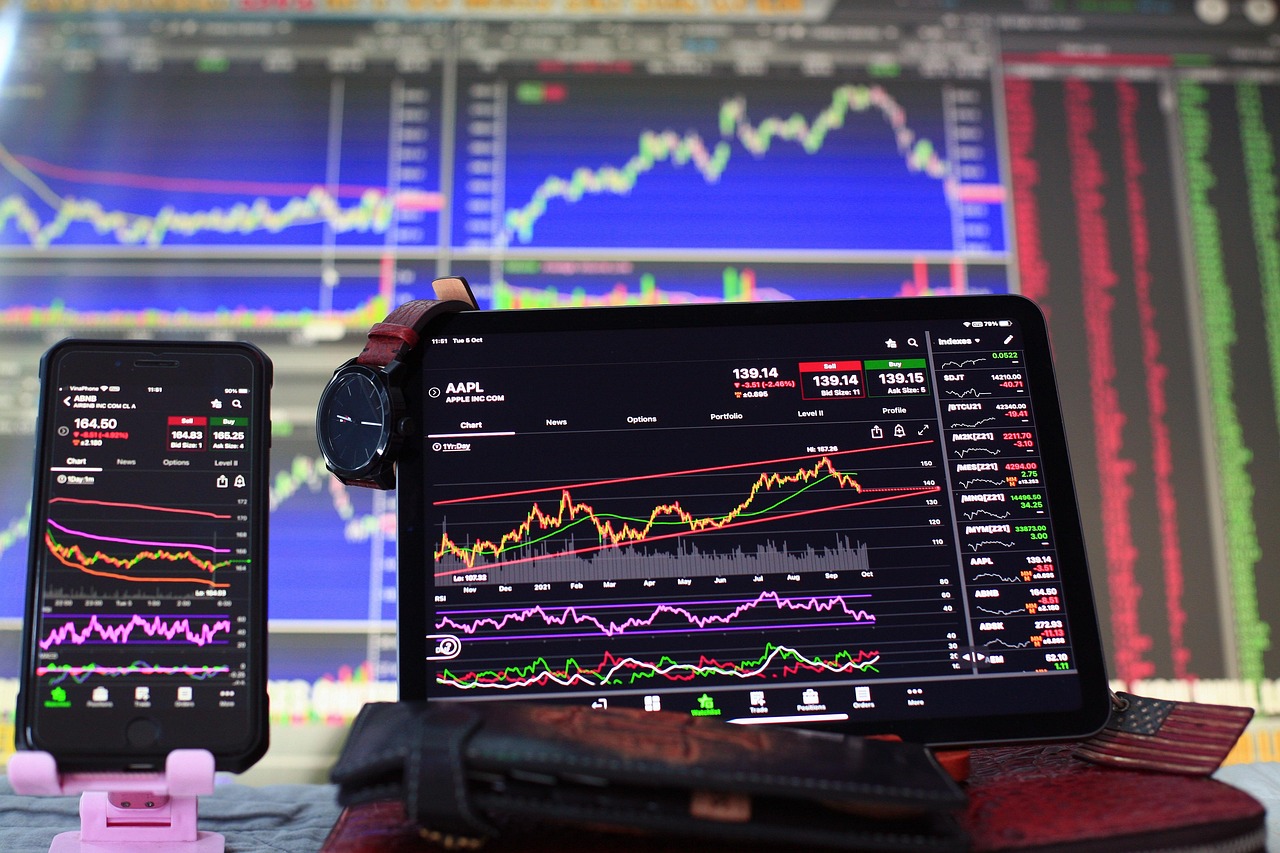
Third, the rise of multi-asset signals will blur the line between crypto and traditional markets. As crypto derivatives become more liquid, signal providers are starting to embed cross-asset correlations—tracking the S&P 500 alongside Bitcoin—to anticipate liquidity shocks. For traders, this means signals will become more macro and less crypto-native over time.
How to choose a signal service in 2026
Start by matching provider style to your edge. If your edge is speed, pick a flow-focused platform. If your edge is macro, choose a narrative-driven service. If your edge is automation, look for execution-centric networks.
Next, evaluate transparency. Can you see the raw data behind a signal? Are the models retrained frequently? Is there a changelog or methodology note? Providers that hide their work are harder to trust when regimes shift.
Finally, test the execution path. Even the best signal is useless if it cannot be acted on efficiently. If you trade on multiple venues, a signal marketplace may be the best way to route ideas to the right book. If you are a high-frequency trader, an exchange-native signal feed with low-latency WebSocket delivery is essential.
Bottom line
Trading signals in 2026 are no longer arrows on a chart; they are risk-managed playbooks delivered at the speed of data. The platforms that win are those that combine robust intelligence, transparent methodology, and seamless execution. For most traders, the path forward is to pick one provider whose signals match your style, automate the execution only after you are confident in the quality, and always keep the underlying thesis visible—because in volatile markets, context is the ultimate edge.
More in Crypto & Trading
DeFi Compared: Matching the Right Platform to Your Needs
A practical guide to the leading DeFi platforms, who each suits, what they offer, and how to choose based on your goals and risk tolerance.

Why an Anthropic IPO Could Tie Bitcoin Closer to the AI Trade
An Anthropic stock listing would give traders a single AI stock to bet on, tightening bitcoin’s correlation with the AI trade and increasing its sensitivity to Fed policy and risk appetite.
AI Crypto Trading Tools for Beginners: How to Get Started Safely
A no-nonsense beginner’s guide to AI crypto trading tools: what they do, how to start, and which beginner-friendly options to consider first.