
The Most Common Mistakes When Choosing Trading Signals — And How to Avoid Them
By Mag-Info Tech editorial · 2026-06-10
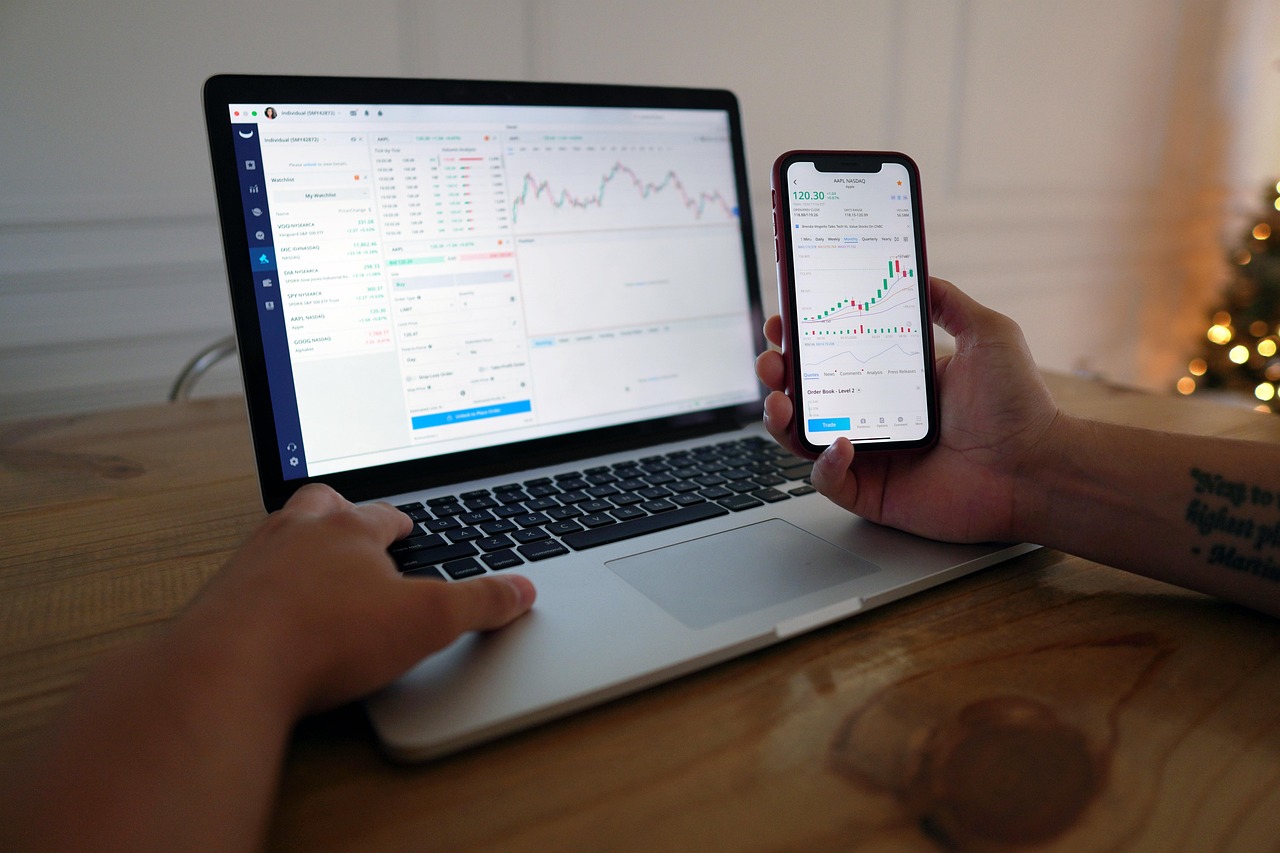
Choosing a crypto trading-signal service can feel like picking a partner: the wrong choice can cost you money, time and confidence. Too many newcomers sign up for the first provider that flashes high win-rates or flashy charts, only to watch their capital evaporate when the service’s real performance doesn’t match the marketing. The market is crowded with vendors who optimize for hype instead of reliability, and the line between a genuine edge and a scam is thinner than most traders realize. Below are the most common mistakes investors make when selecting signal services, concrete ways to test each claim, and the tools you can use to protect yourself.
1. Believing headline win-rates without digging into the math
A single percentage flashed on a website rarely tells the full story. Many services quote overall win-rates that include tiny, low-risk trades alongside a handful of outsized losses, smoothing out volatility that would hammer your account in real life. Others only publish “closed-trade” statistics, conveniently omitting open positions that may be underwater. The result is a misleadingly high number that collapses once you account for drawdowns, fees and slippage.
Before you trust a win-rate, ask for a complete trade log with timestamps, entry and exit prices, and the size of each position relative to the account. Reputable providers often publish anonymized logs or third-party verified track records. If they refuse, treat the win-rate as marketing fluff. You should also compare the service’s average profit factor (gross wins divided by gross losses) against the industry baseline; anything below 1.5 is usually unsustainable after fees. Lastly, run a small live test yourself—mirror two or three signals with real capital and measure the actual slippage you experience on your exchange. The gap between the advertised win-rate and your realized returns is often the first warning sign.
2. Ignoring the risk controls behind the signals
Even a high win-rate is meaningless if the losses are catastrophic. Some signal providers aim for frequent small wins while quietly exposing you to 20–30% drawdowns on outlier trades. The key is the risk-per-trade and the maximum portfolio drawdown the service tolerates. Ask whether the provider enforces stop-losses on every signal and caps single-position risk at 1–3% of account equity. If they only give take-profit targets without automatic exits, you will have to babysit every trade, which defeats the purpose of a hands-off signal service.
You can test a provider’s risk discipline by looking at their worst drawdown in the last 12 months and comparing it to the average drawdown. A ratio above 2:1 suggests the provider is taking outsized risks to juice the win-rate. Another red flag is the absence of a maximum daily or weekly loss rule; without it, a single bad week can wipe out months of gains. If the provider cannot explain their risk framework in plain terms, walk away. In practice, services that publish verified logs with clear risk parameters tend to align their incentives with yours.
3. Falling for “secret sauce” without verifiable backtests
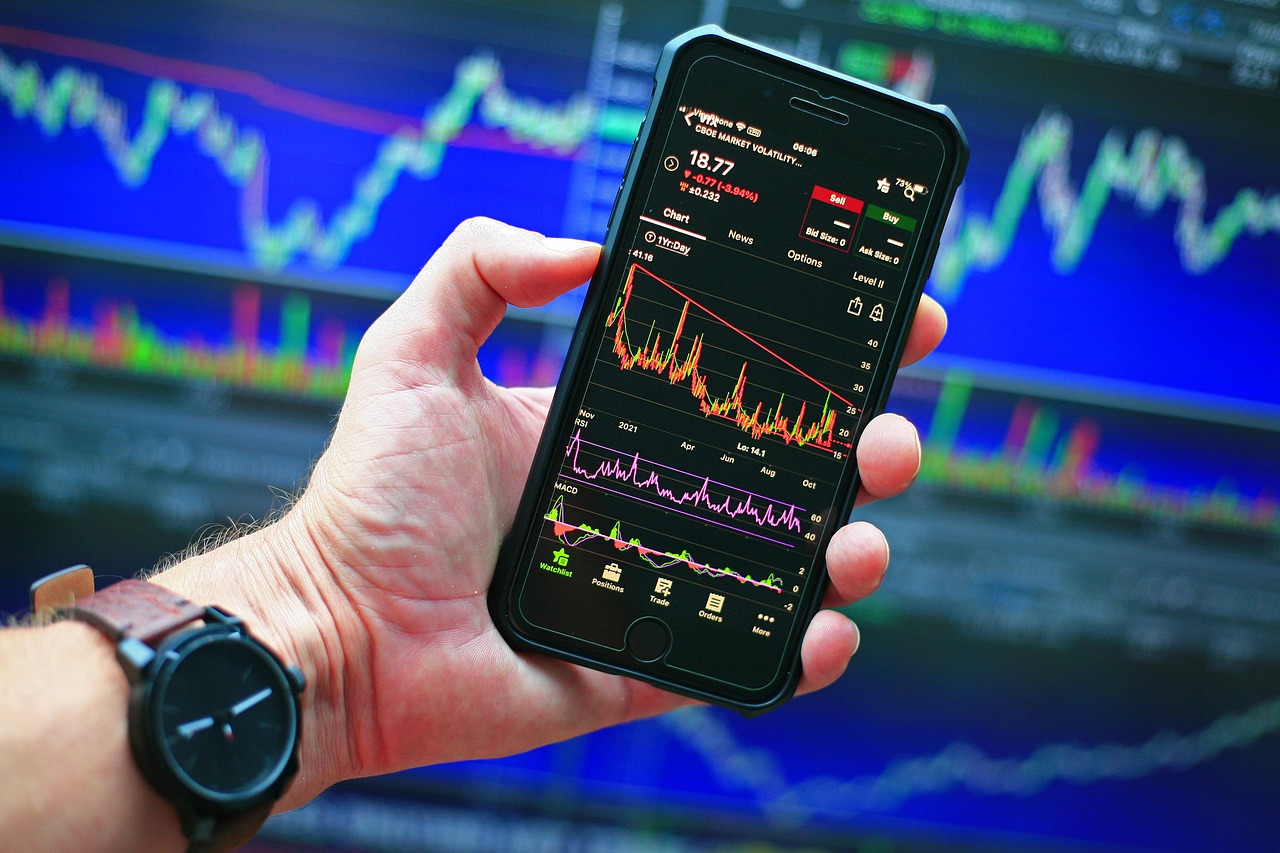
Every signal provider claims to have a unique edge—an indicator, a neural network, or an insider network—but most never release enough detail to reproduce the results. Without a transparent backtest that covers multiple market regimes, you are trusting a black box. Look for services that publish full backtest code, parameter ranges and out-of-sample periods that exclude the most recent data. If the backtest only covers a bull market and omits 2018 or 2022, the edge may vanish when volatility spikes.
Even when backtests exist, they often suffer from look-ahead bias: the model is trained and tested on the same dataset, inflating performance. A robust backtest should use walk-forward validation—rolling windows where the model is trained on past data and tested on unseen future data. If a provider cannot show this, assume the backtest is over-optimized. You can sanity-check their claims by running a small sample of signals yourself on a paper-trading account and comparing the results to the backtest. Large divergences usually mean the strategy does not survive real-world conditions.
4. Choosing signals that don’t match your exchange or trading style
A signal that works on Binance spot may fail on Bybit futures because of funding rates, liquidation cascades and leverage constraints. Likewise, a high-frequency scalping signal is useless if you only trade swing setups. Before you subscribe, map the provider’s supported exchanges, instruments and timeframes to your own setup. If they only offer ETH/USDT perpetuals on one exchange but you trade BTC/USD on another, you will face slippage and execution risk every time you chase the signal.
Check whether the provider’s signals are exchange-agnostic or tied to specific venues. Exchange-agnostic signals often come with API integrations or Telegram bots that let you route orders to your preferred broker. If you trade across multiple exchanges, prioritize providers that support multi-exchange execution or offer clear instructions for manual entry. Also confirm the signal frequency: if you are a swing trader, a service that fires off 20 signals per day will overwhelm you, while a low-frequency provider may leave you waiting weeks for a setup. Matching the signal cadence to your lifestyle reduces the temptation to overtrade or abandon the service out of frustration.
5. Overlooking the operational friction: latency, fees and support
A perfect signal is useless if you miss the entry because the provider’s API is down or your mobile data is patchy. Latency matters most for high-frequency and arbitrage signals; even a few seconds of delay can turn a profitable trade into a loss. Ask whether the provider offers WebSocket or FIX connectivity and whether they publish uptime statistics. If they rely solely on Telegram or email, assume you will occasionally miss trades.
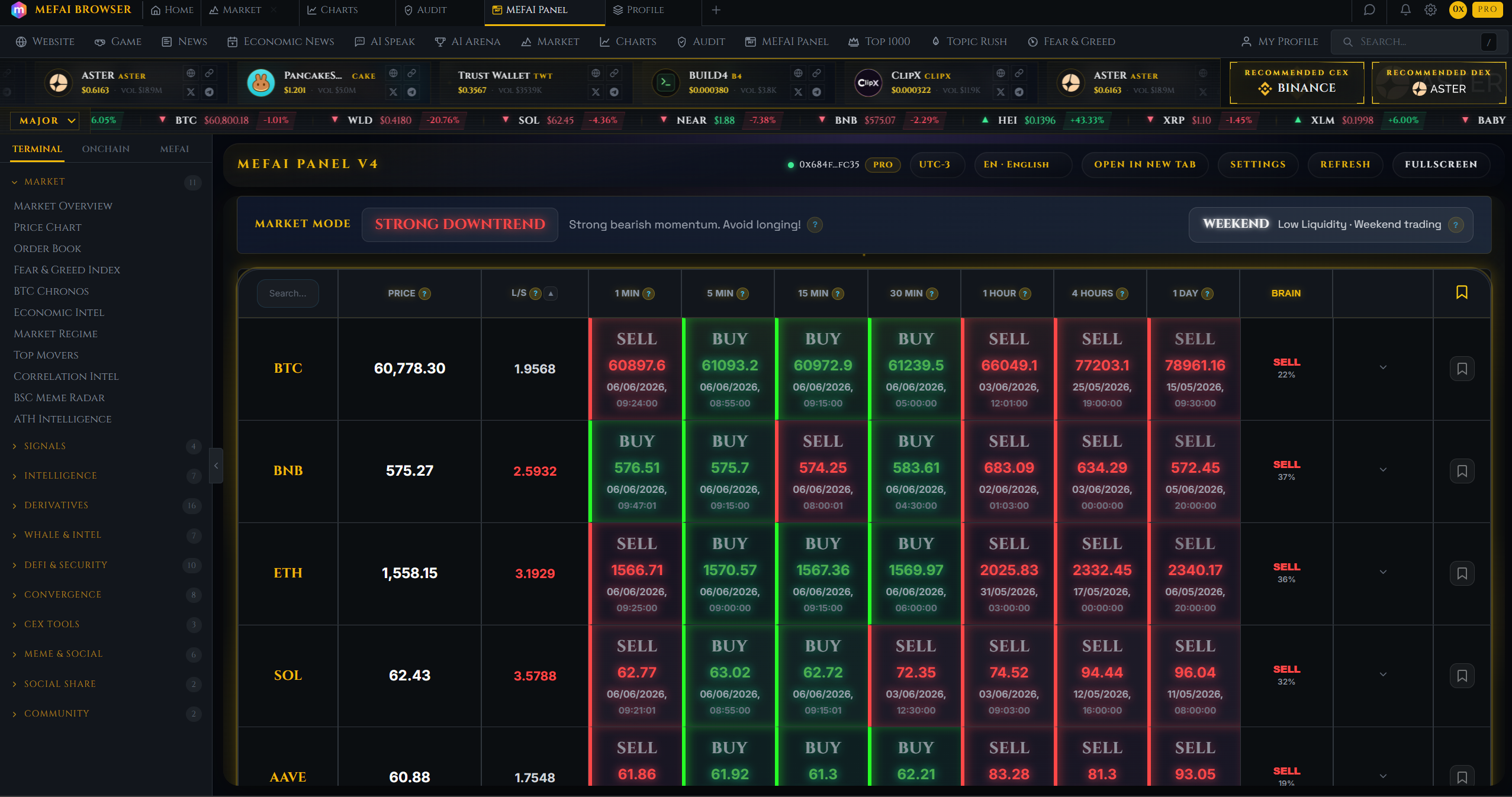
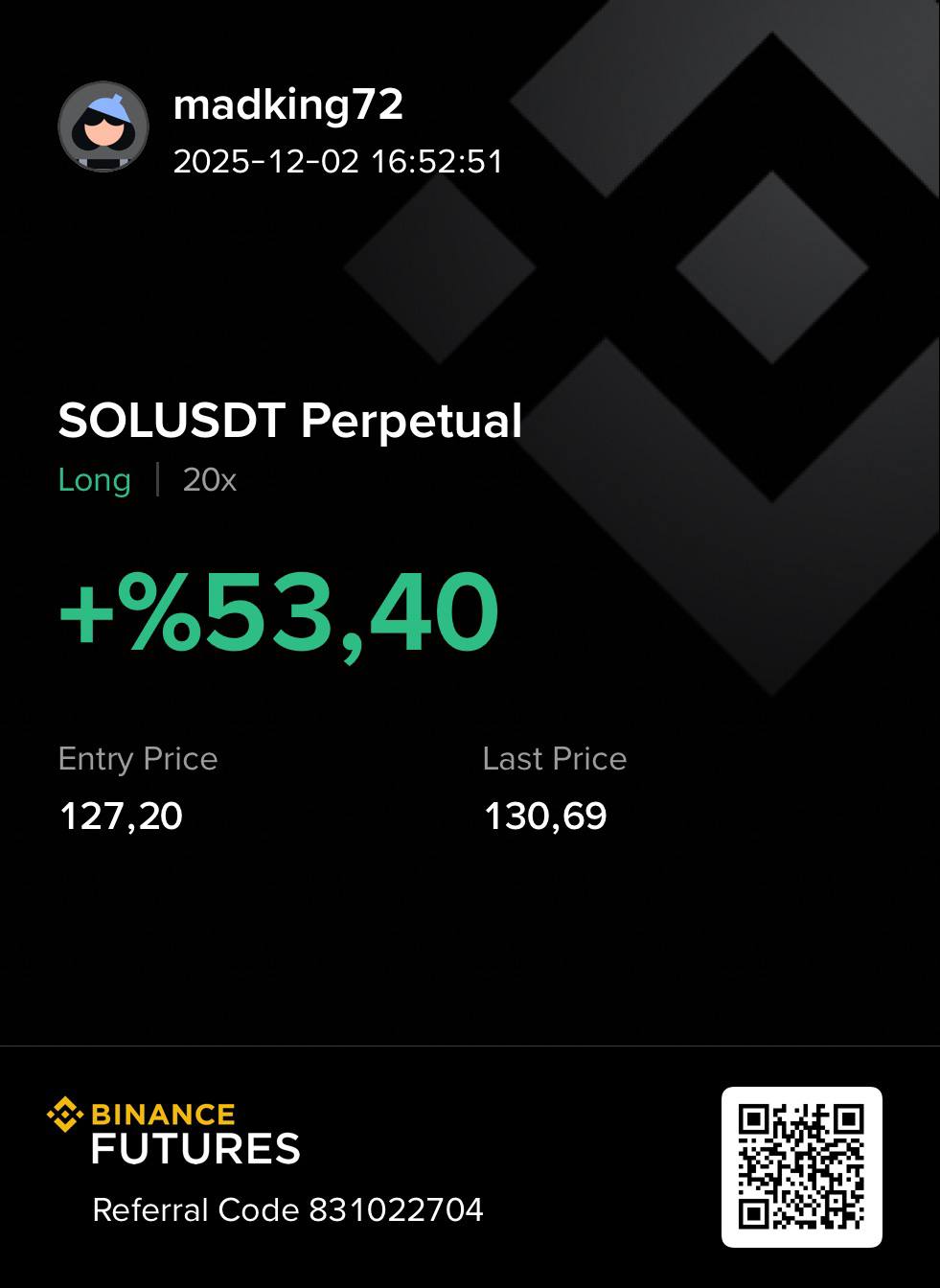
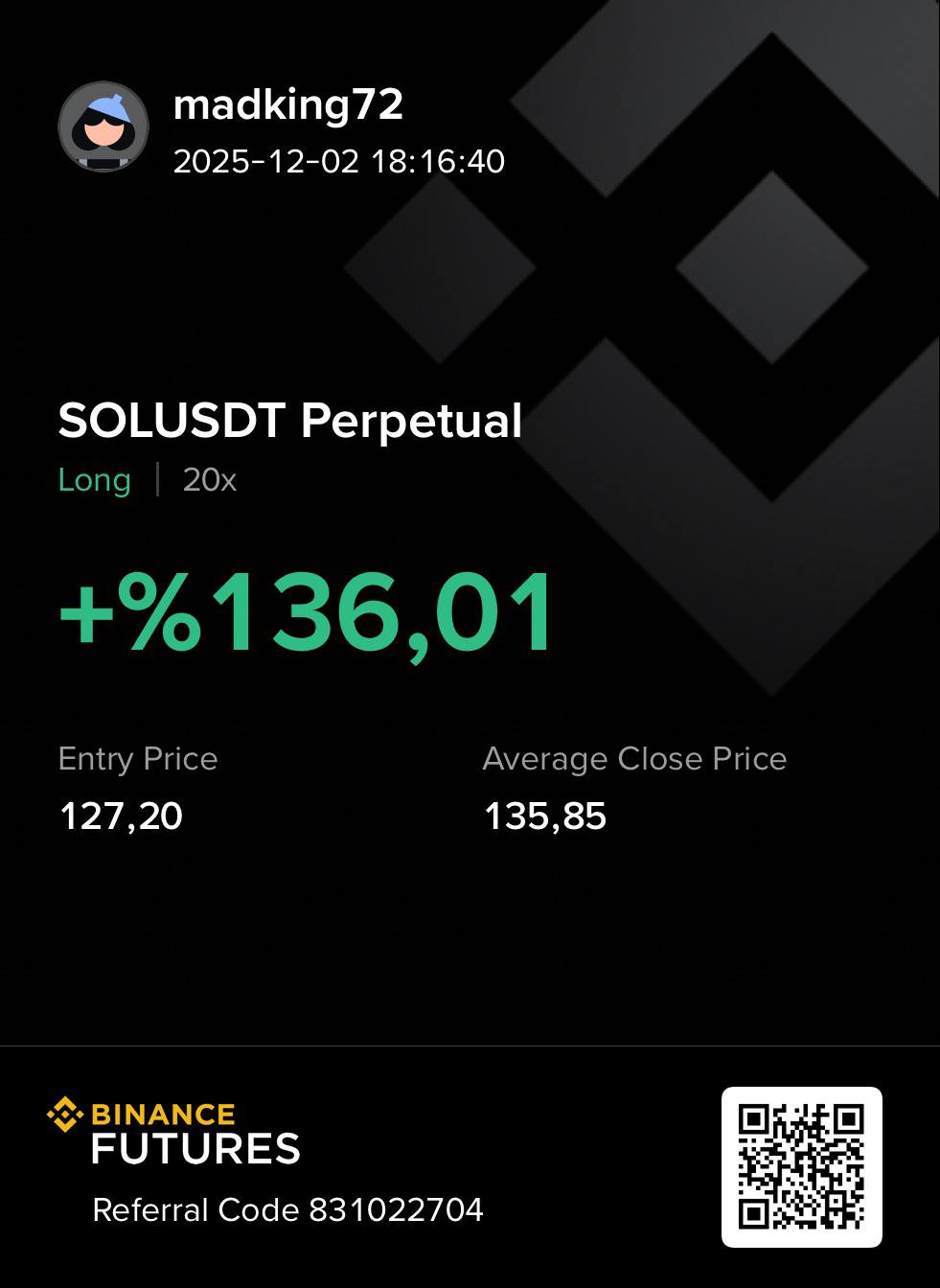
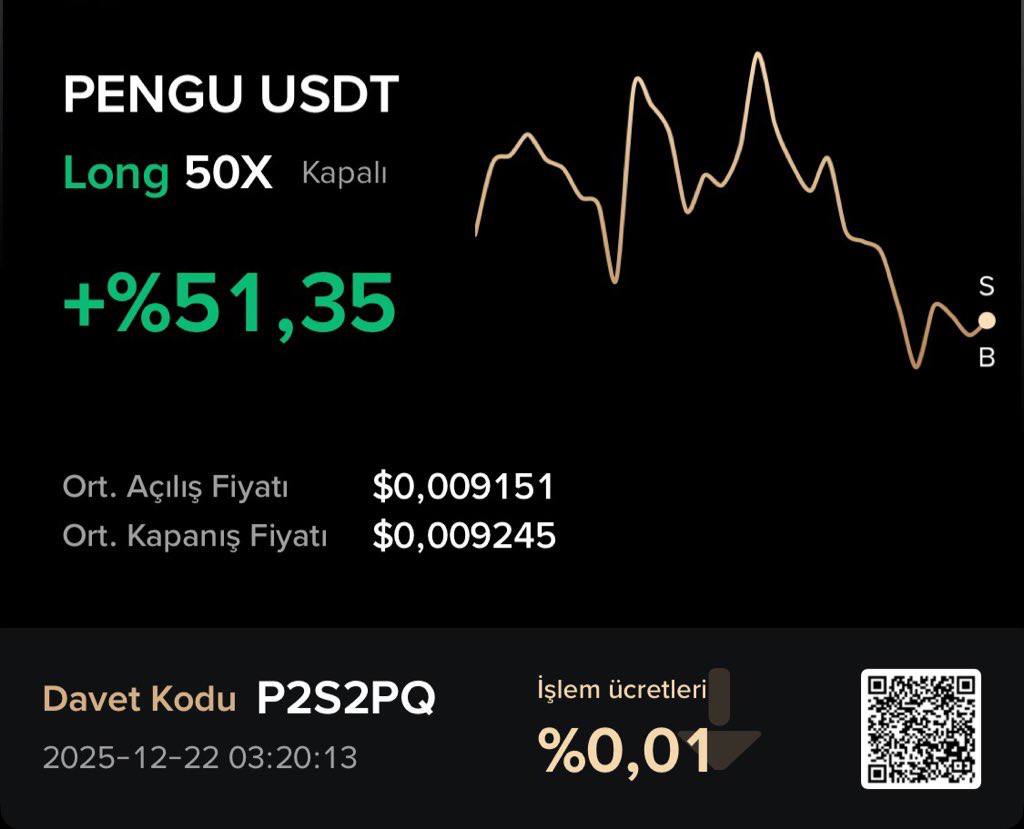
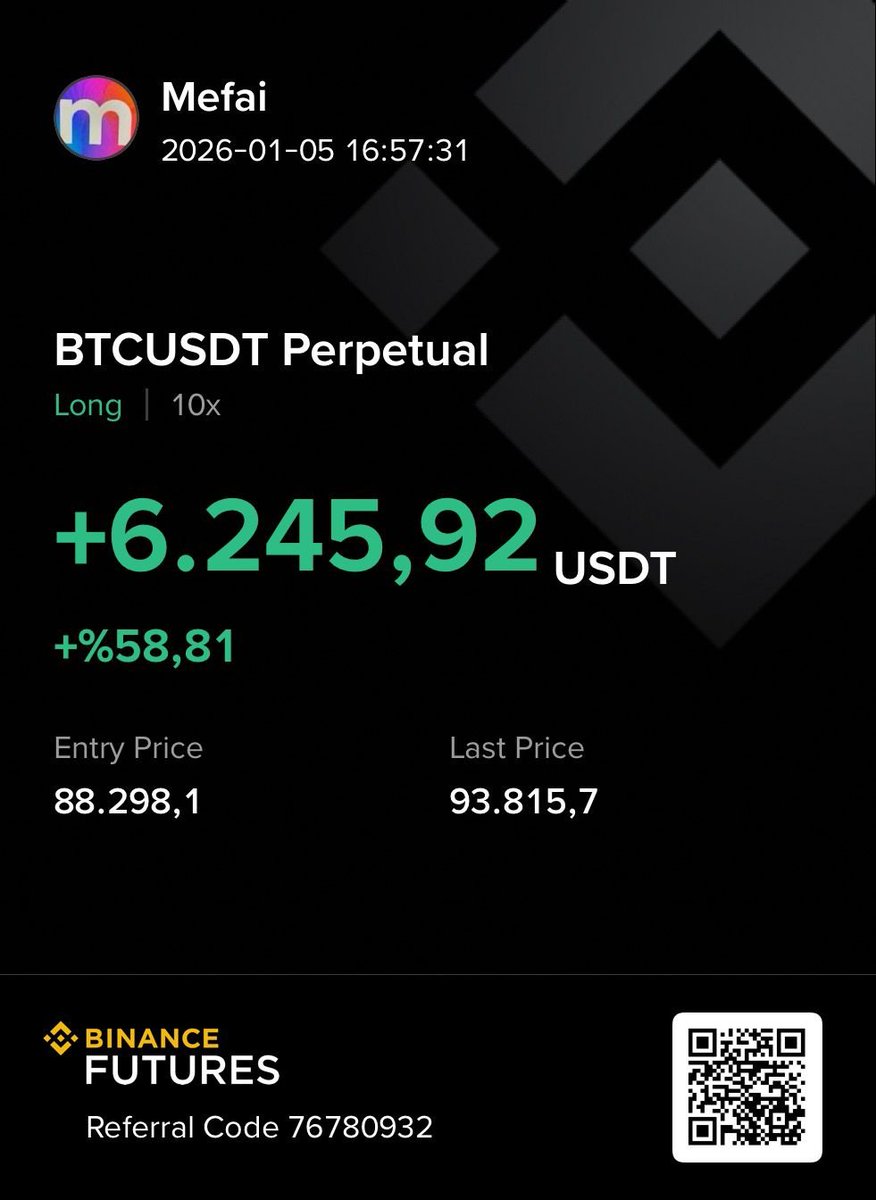
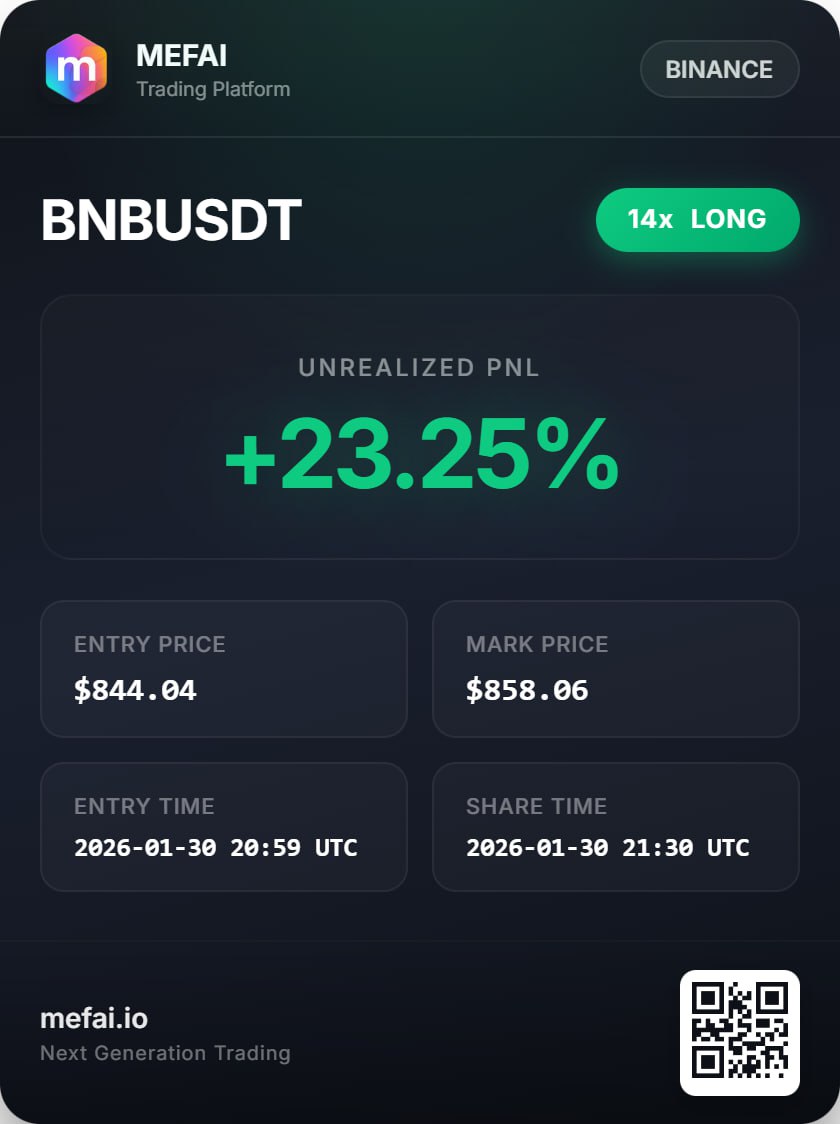
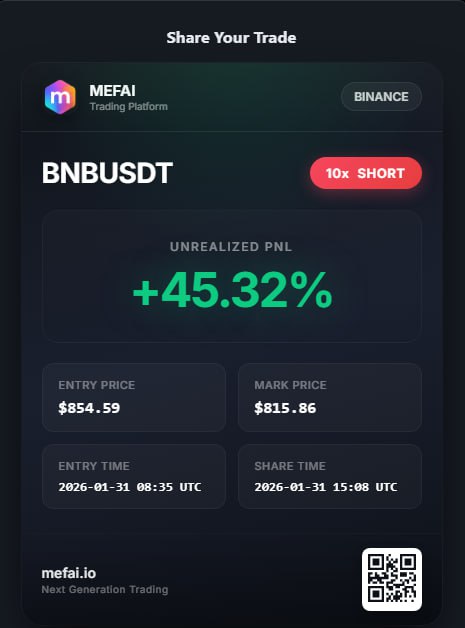
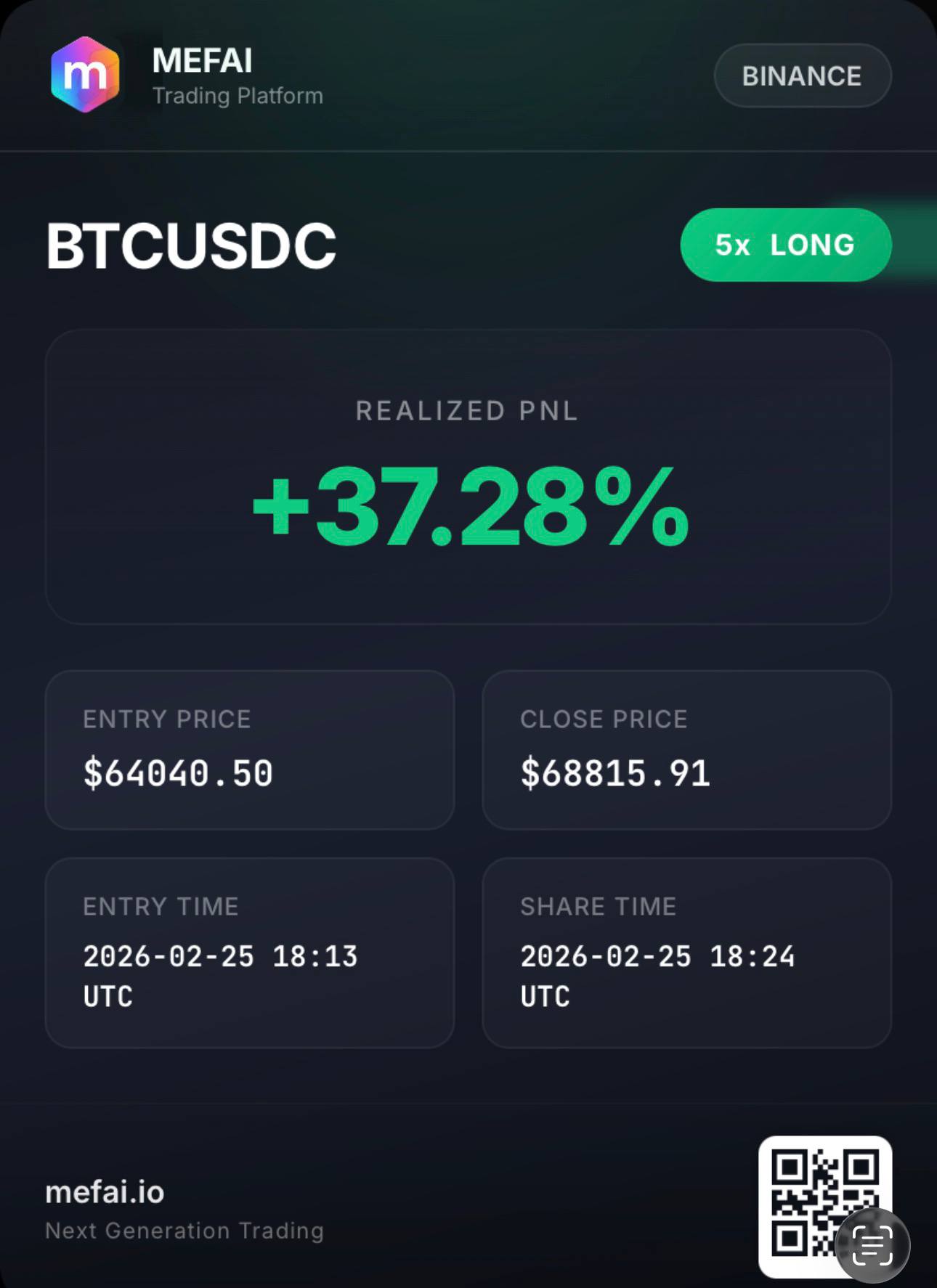
Real results from MEFAI's AI. Get $50 off the Pro plan.
Sponsored · Past performance is not indicative of future results. Not financial advice.

Fees compound quickly in crypto. Some providers charge a flat monthly fee plus a percentage of profits, while others embed hidden costs in wider spreads or worse fills. Compare the all-in cost against the expected edge; if the provider takes 20% of profits and your average hold time is less than a week, the math rarely works in your favor. Finally, test the provider’s support before you pay. Send a test message via their preferred channel and measure the response time. If you cannot get a human reply within 24 hours during a quiet period, imagine the chaos during a market crash when every trader is screaming for help.
6. Chasing “insider” signals without understanding the source
A subset of signal services markets themselves as “insider” or “whale-alert” feeds, promising early access to large transactions. While some of these feeds are legitimate, many are repackaged public blockchain data or outright fabricated narratives. The key is whether the provider can trace each signal to an on-chain source and explain the methodology for filtering noise. If they only say “we watch the whales,” ask for concrete examples with transaction hashes and timestamps you can verify yourself.
Even legitimate on-chain signals have limitations: front-running by other bots, exchange delays and wash trading can distort the signal. Use these feeds as supplementary intelligence rather than primary signals. Combine them with order-book depth and funding-rate data to confirm whether the whale activity is real or already reflected in prices. If a provider cannot explain how they distinguish signal from noise, their alerts are closer to speculation than to actionable data.
7. Letting emotion override the signal rules
Once you pay for a signal service, the real test begins: sticking to the plan when the trade goes against you. Many traders abandon signals after two or three losses, convinced the edge has vanished. Others double down after a streak of wins, ignoring the risk controls. The result is a classic case of emotional drift: you end up trading your feelings instead of the signals.
The antidote is to pre-commit to a rule set before you take the first signal. Define your maximum daily loss, the number of consecutive losses that trigger a pause, and your profit-taking schedule. Write these rules in a journal and review them weekly. If the provider’s risk framework conflicts with your rules, either adjust your plan or switch providers. Over time, the providers that enforce discipline through transparent logs and risk limits tend to produce better long-term outcomes than the ones that chase performance.

8. Skipping the exit strategy and performance review
Most subscribers focus on the entry signals and forget to track exits, fees and taxes. Without a complete picture of round-trip performance, you cannot tell whether the service is adding value or just generating activity. Set up a simple spreadsheet or use a portfolio tracker that logs every signal’s entry, exit, fees and net result. At the end of each month, calculate the Sharpe ratio and maximum drawdown of the service’s track record versus your own account. If the service’s metrics deteriorate after you start using it, the signals may no longer be effective.
Also schedule a quarterly review with the provider’s support team. Ask for explanations of any large losses and confirm that their backtests still cover the current market regime. If they cannot provide coherent answers, treat it as a sign to exit. Over time, the providers that welcome scrutiny and publish transparent performance updates tend to be the ones that survive market cycles.
Practical checklist: how to pick a signal service in five steps
- Demand raw data: ask for a full trade log with timestamps, entry/exit prices and position sizes. If they refuse, move on.
- Stress-test risk controls: confirm automatic stop-losses, 1–3% risk-per-trade and a maximum daily loss rule.
- Reproduce the edge: run a small sample of signals in a paper account and compare results to the backtest.
- Match the mechanics: verify the service supports your exchanges, instruments and latency requirements.
- Budget for fees: calculate all-in costs including subscriptions, spreads and slippage; if the math doesn’t work, don’t subscribe.
The signal market rewards patience and skepticism. The providers that survive are the ones that publish transparent logs, enforce risk limits and align their incentives with yours. By avoiding the mistakes above, you can separate the genuine intelligence from the noise and build a repeatable process around signals instead of gambling on hype.
More in Crypto & Trading

DeFi Compared: Matching the Right Platform to Your Needs
A practical guide to the leading DeFi platforms, who each suits, what they offer, and how to choose based on your goals and risk tolerance.

Why an Anthropic IPO Could Tie Bitcoin Closer to the AI Trade
An Anthropic stock listing would give traders a single AI stock to bet on, tightening bitcoin’s correlation with the AI trade and increasing its sensitivity to Fed policy and risk appetite.

AI Crypto Trading Tools for Beginners: How to Get Started Safely
A no-nonsense beginner’s guide to AI crypto trading tools: what they do, how to start, and which beginner-friendly options to consider first.