
Free vs Paid Crypto Trading Signals: What’s Worth Paying For
By Mag-Info Tech editorial · 2026-06-10
Why trading signals matter in crypto
Crypto moves fast and never sleeps, so traders rely on signals—entry, exit, stop-loss and take-profit ideas delivered via apps, bots or newsletters—to act quickly without spending hours analyzing charts. Signals come from three main sources: automated algorithms that scan markets for patterns, professional analysts who publish structured trade ideas, and community-driven channels where experienced traders share calls. The core promise is the same: reduce guesswork and execute faster than manual charting. Where free and paid offerings diverge is in reliability, risk controls and the depth of supporting data. Beginners can learn from free streams, but most serious traders eventually need the rigor and accountability that paid services provide.
The biggest risk with any signal is acting on a bad call. Free signals often lack verified performance history, clear risk parameters or post-trade reviews, which means one erratic move can wipe out gains. Paid services typically include audit trails, maximum drawdown limits and real-time performance dashboards so you can see whether a provider’s edge is real or random. In volatile assets like Bitcoin and altcoins, the difference between a 5% loss and a 20% loss can hinge on disciplined risk controls—something paid plans usually bake in. For traders who want to scale beyond small bets, paid tools also offer portfolio-level analytics and multi-exchange routing, which free tiers rarely support.
What free trading signals can (and can’t) do
Free signals are best for education and low-stakes experimentation. Many exchanges and analytics platforms offer basic buy/sell alerts based on volume spikes or technical indicators, and these can help new traders learn chart patterns without risking capital. Community-driven Telegram or Discord groups often post free calls, but quality varies widely—some are educational, others are thinly veiled pump-and-dumps. Because these signals lack formal track records, they’re best used as supplementary ideas rather than primary trade plans.
Free services rarely include stop-loss guidance, position sizing or exit logic, which are essential for managing risk. Without these, a single bad call can erase weeks of small gains. Beginners who rely solely on free signals also miss out on advanced filtering—such as exchange liquidity checks, on-chain metrics or correlation analysis—that paid tools provide. In short, free signals can build intuition but are not a substitute for a disciplined strategy or risk framework.
What paid trading signals add: verified performance and risk controls
Paid signal services typically publish audited performance logs, maximum drawdown figures and win-rate statistics so you can evaluate edge before risking money. They also embed risk controls directly into each call: recommended stop-loss levels, position size relative to account balance and clear take-profit zones. Some services integrate with exchanges to auto-place or pre-stage orders, reducing slippage and emotional errors. These features matter because crypto’s volatility can turn a 10% move in minutes, and without baked-in stops, even a “good” signal can become a large loss.
Beyond execution, paid services often layer in market intelligence: on-chain flow analysis, order-book imbalances, derivatives funding rates and macro context (e.g., correlation with equities or macro events). This depth helps traders understand why a signal was issued and whether it still holds. Some platforms also offer portfolio-level dashboards that aggregate signals across multiple exchanges, making it easier to track overall exposure and rebalance. For active traders who juggle several positions, these capabilities justify the cost by preventing over-concentration and improving timing.
Who should stick with free signals
Free signals are a good fit for traders who are still learning, testing strategies or only risking small amounts. If you’re new to crypto and want to see how signals work without financial pressure, free streams from reputable exchanges or analytics sites can be a low-risk sandbox. They’re also useful for observing market reactions to news events or technical levels, which builds intuition over time. Community channels can provide color on sentiment shifts, though always treat them as secondary to your own analysis.
Another case for free is side-hobby trading where the goal is entertainment rather than profit. If you’re allocating a few hundred dollars just to “play” with crypto, the incremental value of a paid service may not outweigh the learning benefit you get from free tools. In these situations, focus on services that clearly label their methodology (e.g., “RSI divergence on 4-hour chart”) and avoid any group that pressures you to deposit or follow without explanation.
Who should consider paid signals
Paid signals make sense once you treat crypto trading as a serious endeavor with real capital at risk. If you’re running a disciplined strategy with defined risk per trade and a target return, you need signals that match your framework—with stops, sizing and exit logic built in. Traders who scale beyond a single exchange or asset class also benefit from portfolio-level views and cross-market analytics that free tiers rarely offer. Paid services can reduce the cognitive load of juggling multiple positions and improve consistency by removing guesswork from entries and exits.
Professional or semi-pro traders who rely on signals for a portion of their income should insist on verified performance, clear risk metrics and integration with their execution stack. These traders often need multi-exchange routing, API-based order placement and real-time alerts that free apps can’t reliably provide. The cost of a paid plan is justified when it prevents costly mistakes—such as entering without a stop or ignoring liquidity constraints—that free signals often omit.
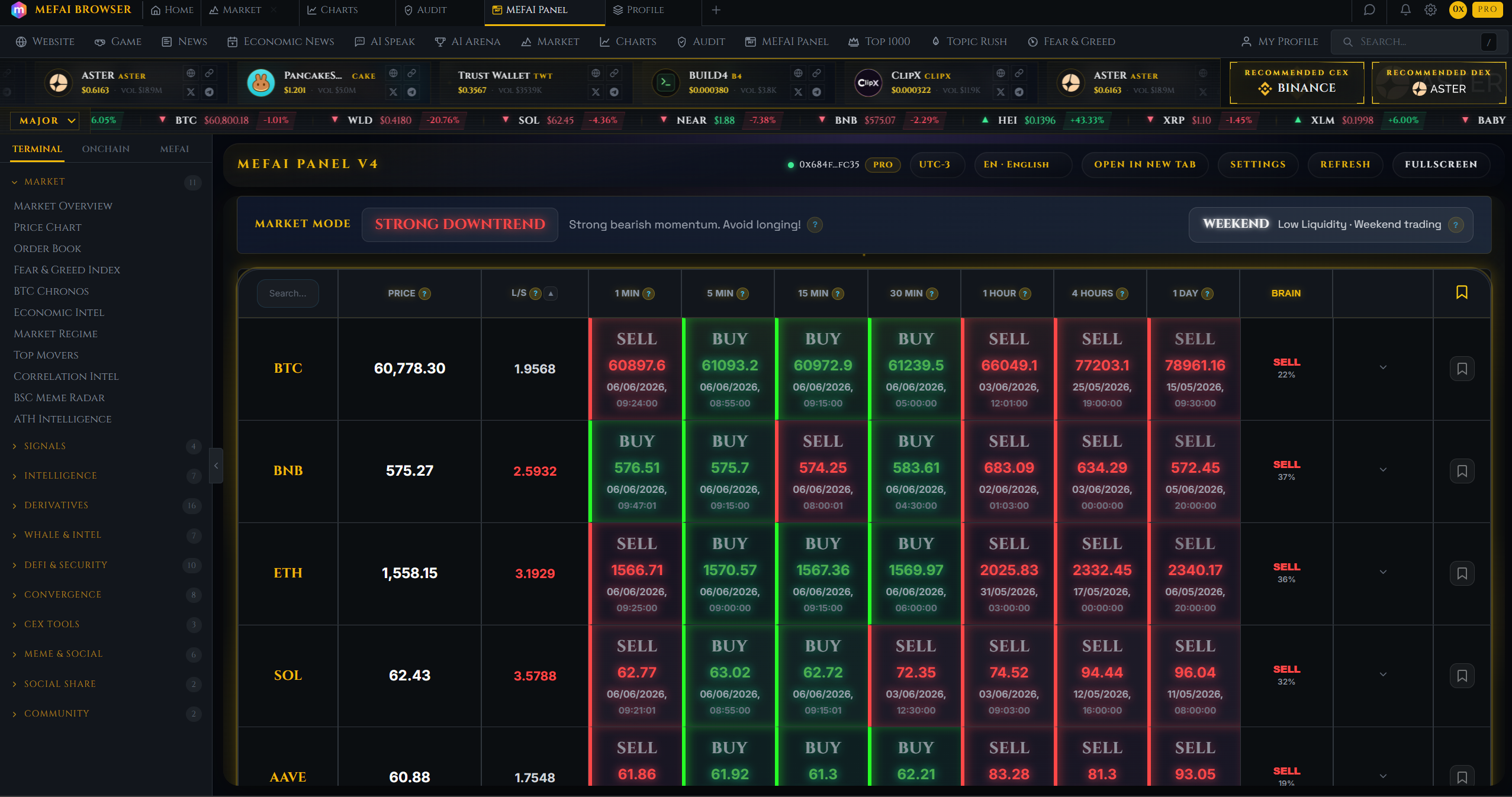
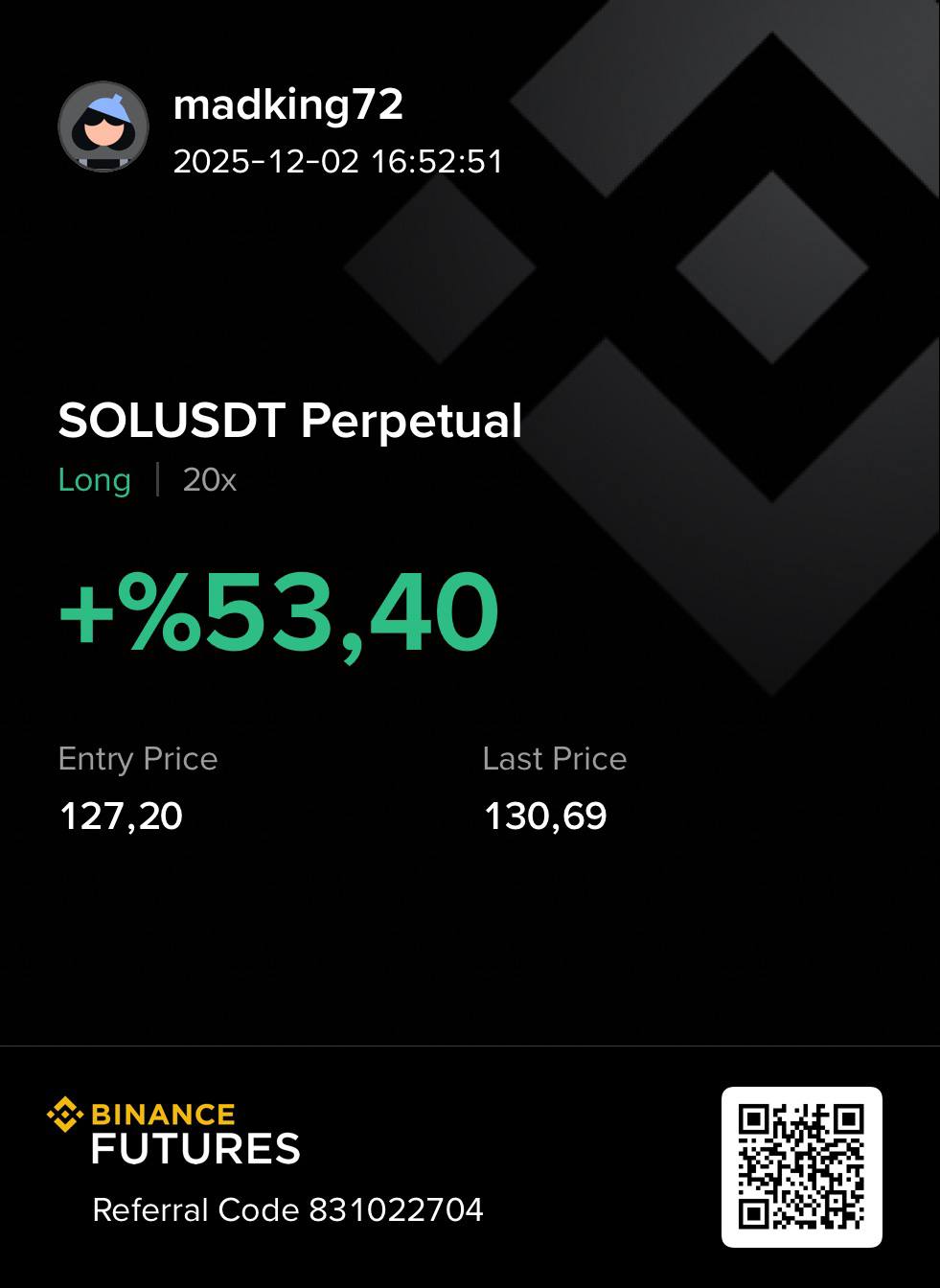
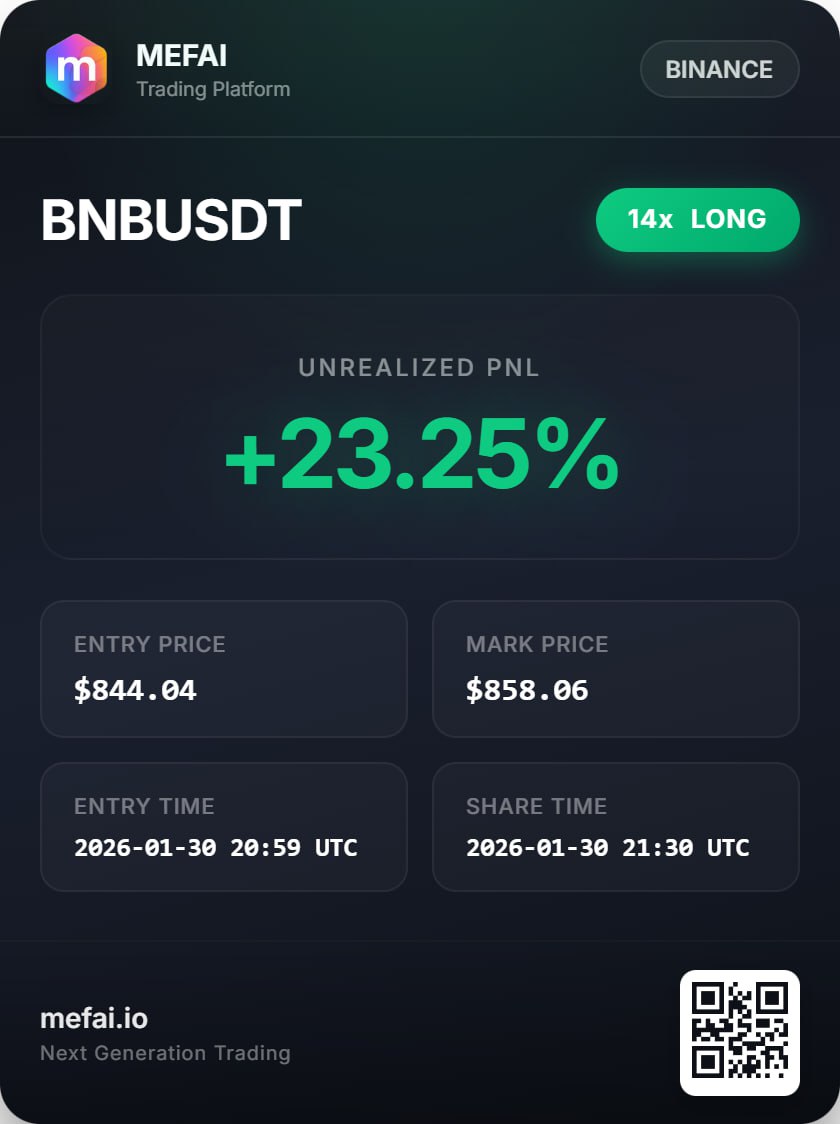
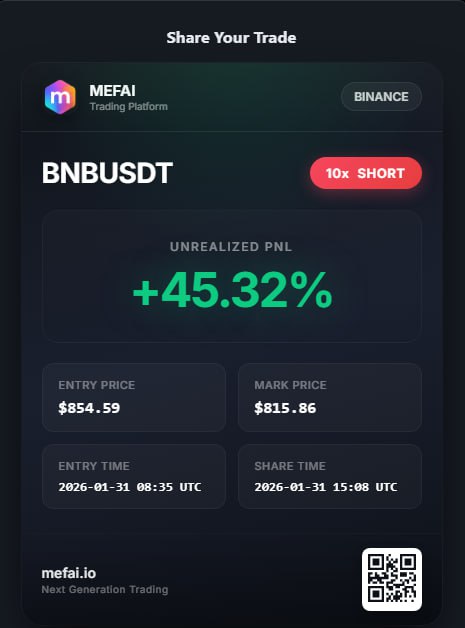
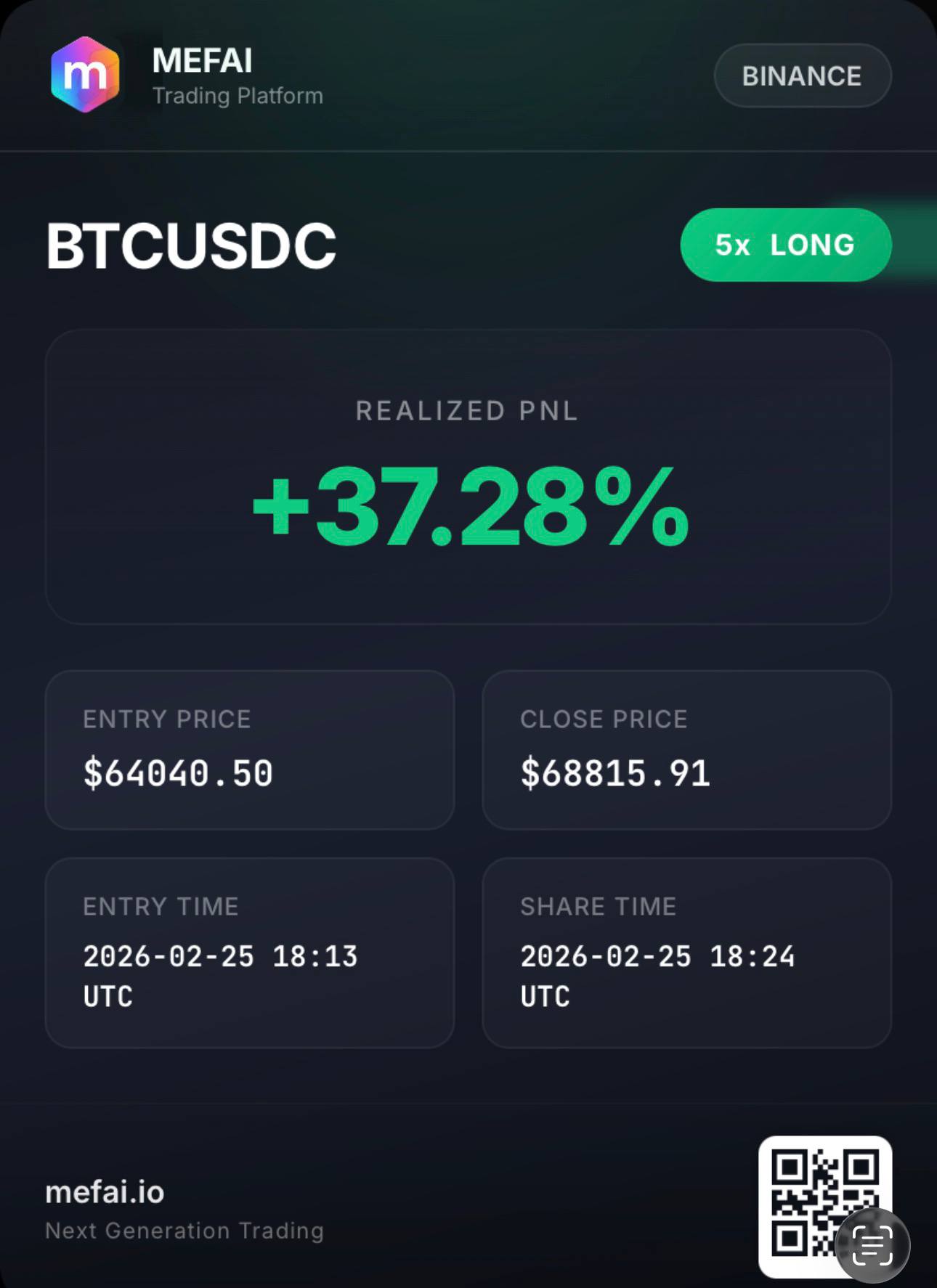
Real results from MEFAI's AI. Get $50 off the Pro plan.
Sponsored · Past performance is not indicative of future results. Not financial advice.

How to evaluate a paid signal service before subscribing
Start by checking whether the service publishes audited performance logs with metrics like win-rate, maximum drawdown and average holding period. Look for clear risk controls in each call: recommended stop-loss, position size relative to account balance and defined take-profit zones. Avoid services that only show cherry-picked wins or refuse to share drawdown data. Next, test the signal quality with a small allocation over several weeks. Track whether the calls align with their stated strategy and whether the risk parameters hold during volatile periods.
Integration is another key filter. The best services let you route signals directly to your exchange via API or pre-stage orders, reducing slippage and emotional drift. Check whether the platform supports the exchanges you use and whether the API keys are read-only or can place trades. Finally, assess the depth of market intelligence: on-chain flows, order-book imbalances, derivatives metrics and macro context. A signal without rationale is just a guess dressed up as advice. If the service can’t explain why a trade makes sense—beyond “moon” or “to the moon”—it’s not worth paying for.
Red flags in both free and paid signals
In free communities, watch for anonymous admins pushing calls without track records, exaggerated language (“guaranteed 100x”) and pressure to deposit or follow without explanation. Free streams that lack clear methodology or post-trade reviews are often noise masquerading as insight. In paid services, red flags include refusal to share drawdown data, no risk controls in the calls and a focus on hype over substance. Be wary of services that only show monthly or quarterly summaries without granular trade logs.
Another warning sign is overpromising returns without discussing risk. Any signal service—free or paid—that frames crypto as a “sure thing” is misleading. Legitimate providers emphasize probability, not certainty, and include stop-loss guidance as standard. Also, avoid services that don’t integrate with your exchange or require manual copying of entries and exits—these frictions increase slippage and emotional errors. Finally, if a service can’t explain its edge in plain terms (e.g., “we scan for order-book imbalances on Binance futures”), it’s likely selling hype rather than analytics.
Practical workflow: combining free and paid tools
A durable workflow for most traders is to use free signals for education and low-stakes testing, then layer in paid services as capital and complexity grow. Start by following a few free streams from reputable exchanges or analytics sites to understand how signals are structured and how markets react. Use these as training wheels while you build a simple risk framework—define your max loss per trade and stick to it regardless of the signal.
Once you’re comfortable with small allocations, subscribe to a paid service that matches your strategy and exchange setup. Begin with the smallest viable allocation and track performance against your own benchmarks. Over time, integrate the paid signals with your exchange API so orders route automatically, reducing slippage and emotional drift. As your portfolio scales, add portfolio-level dashboards and multi-exchange views from the paid service to manage overall exposure. This phased approach lets you learn without risking much, then upgrade only when the incremental value justifies the cost.
What to watch next in signal services
Two trends are reshaping signal quality: on-chain analytics and AI-driven pattern recognition. On-chain tools now track exchange inflows/outflows, whale movements and smart-contract interactions in real time, adding depth to signal rationale. AI models that analyze order-book dynamics, social sentiment and historical patterns are also entering the market, promising faster, more nuanced calls. However, these tools require careful vetting—AI can overfit to past data, and on-chain flows can reverse quickly.
Regulatory scrutiny is another area to monitor. Some jurisdictions are tightening rules around paid financial advice and signal services, which could force providers to disclose conflicts of interest or register as investment advisors. This may improve transparency but could also reduce the number of independent signal creators. Traders should prepare for more rigorous due diligence when evaluating services and favor those that embrace auditability and risk disclosure.
Bottom line: when to pay and when to pass
Free signals are enough for learning, side-hobby trading or testing small allocations, but they lack the risk controls, performance transparency and execution depth that serious traders need. Paid services shine when you have a defined strategy, meaningful capital at risk and a need for verified track records, risk limits and multi-exchange integration. The key is to start small, verify claims with real trades, and upgrade only when the service demonstrably improves your edge without adding hidden risks.
Before subscribing, demand audited performance logs, clear risk parameters in every call and seamless API integration with your exchange. If a service can’t meet these basics, the cost isn’t justified. Treat signals as tools, not guarantees—even the best calls require your own risk framework and discipline to avoid costly mistakes.
More in Crypto & Trading

DeFi Compared: Matching the Right Platform to Your Needs
A practical guide to the leading DeFi platforms, who each suits, what they offer, and how to choose based on your goals and risk tolerance.

Why an Anthropic IPO Could Tie Bitcoin Closer to the AI Trade
An Anthropic stock listing would give traders a single AI stock to bet on, tightening bitcoin’s correlation with the AI trade and increasing its sensitivity to Fed policy and risk appetite.
AI Crypto Trading Tools for Beginners: How to Get Started Safely
A no-nonsense beginner’s guide to AI crypto trading tools: what they do, how to start, and which beginner-friendly options to consider first.