
Crypto Trading Signals Compared: How to Match the Right Option to Your Needs
By Mag-Info Tech editorial · 2026-06-10

What trading signals are—and why they matter
Trading signals package buy, sell, or hold recommendations with supporting analysis so traders can act quickly without performing full market research themselves. In crypto, where volatility is high and markets trade around the clock, signals can reduce reaction time and help less-experienced users follow proven strategies. They are not guarantees: prices can move against a signal, and execution quality depends on the user’s exchange, fees, and discipline. Still, for many traders, signals provide a structured way to learn from experienced analysts and automated systems.
The right signal service should fit your workflow, risk tolerance, and technical comfort. Some services focus on short-term trades with frequent alerts, while others provide longer-term market intelligence and research. Cost structures vary widely, from free tiers to premium subscriptions and performance-based models. Before choosing, clarify whether you need signals for spot trading, derivatives, or both, and whether you want human-curated insights, algorithmic signals, or a mix of both.
How to choose a signal service: four key criteria
First, consider the source of the signals. Human-led services employ analysts who publish rationale, while algorithmic services rely on back-tested models that update automatically. Human services can explain macro trends and news catalysts, whereas algorithmic services often respond faster to pure price action. Second, evaluate delivery channels: Telegram, Discord, email, and in-app notifications each have different latency and usability trade-offs. Third, look at the asset coverage and market scope—some services focus on major pairs like BTC/USDT and ETH/USDT, while others include mid-cap altcoins or derivatives like futures and options.
Risk management features matter too. The best services include stop-loss guidance, position sizing suggestions, and clear risk ratings per signal. Transparency about past performance and methodology builds trust, though past results do not guarantee future outcomes. Finally, integration options are crucial: APIs, trading-bot connectors, and direct exchange partnerships can turn signals into automated trades, while manual users may prefer simple copy-trading features. Match these capabilities to your technical skills and time you can dedicate.
Best for solo beginners: CoinMarketCap Alpha and Binance Krypto
CoinMarketCap Alpha emphasizes education alongside signals. Its interface surfaces trending tokens, on-chain metrics, and analyst notes with clear risk labels. Beginners benefit from the glossary, educational articles, and a free tier that lets users sample signals without payment. The delivery is web-first with optional email digests, which suits users who prefer not to rely solely on chat apps. Because CoinMarketCap is a well-known data provider, its signals carry brand recognition that can reassure cautious traders.
Binance Krypto bundles signals inside the exchange’s mobile app, making it convenient for users already trading on Binance. Signals appear as card-based recommendations with entry, exit, and stop-loss levels, and users can place trades with one tap. This tight integration reduces friction and eliminates the need to copy trades manually. For beginners who want a single environment for charting, execution, and signals, the in-app approach is compelling. The downside is platform lock-in—signals are optimized for Binance pairs and may not cover assets on other exchanges.
Best for active traders who want depth and variety: Bybit Signal Hub and CryptoSignals.org
Bybit Signal Hub targets derivatives traders with frequent, short-term signals for futures contracts. It includes leverage guidance, liquidation warnings, and market-condition filters so traders can match signals to their risk tolerance. The service is integrated with Bybit’s exchange, enabling quick order placement and position tracking. Because Bybit supports inverse and linear contracts, the signals cover a broad range of trading styles, from scalping to swing trading. This makes it a solid choice for active traders who prefer structured signals over discretionary trading.
CryptoSignals.org focuses on mid-cap altcoins with a Telegram-first delivery model. It publishes 3–5 signals per day with entry, take-profit, and stop-loss levels, and includes chart snapshots to justify each call. The service appeals to traders who want exposure beyond Bitcoin and Ethereum but lack the time to scan dozens of pairs. Its community-driven Telegram group also provides real-time commentary, which can help users ask questions and share observations. For traders comfortable with chat-based workflows and willing to monitor positions actively, this is a practical option.
Best for teams and small funds: Token Metrics and Shrimpy’s Smart Portfolios
Token Metrics serves professional investors and small teams with institutional-grade research and signals. It combines on-chain analytics, AI-driven models, and analyst reports, then packages actionable signals with risk scores. Teams can white-label reports and integrate the API into their dashboards or trading bots. The depth of data and research depth make it suitable for funds that need to justify decisions to stakeholders or regulators. While the cost is higher than consumer-focused services, it scales with the size of the portfolio and the need for rigorous analysis.
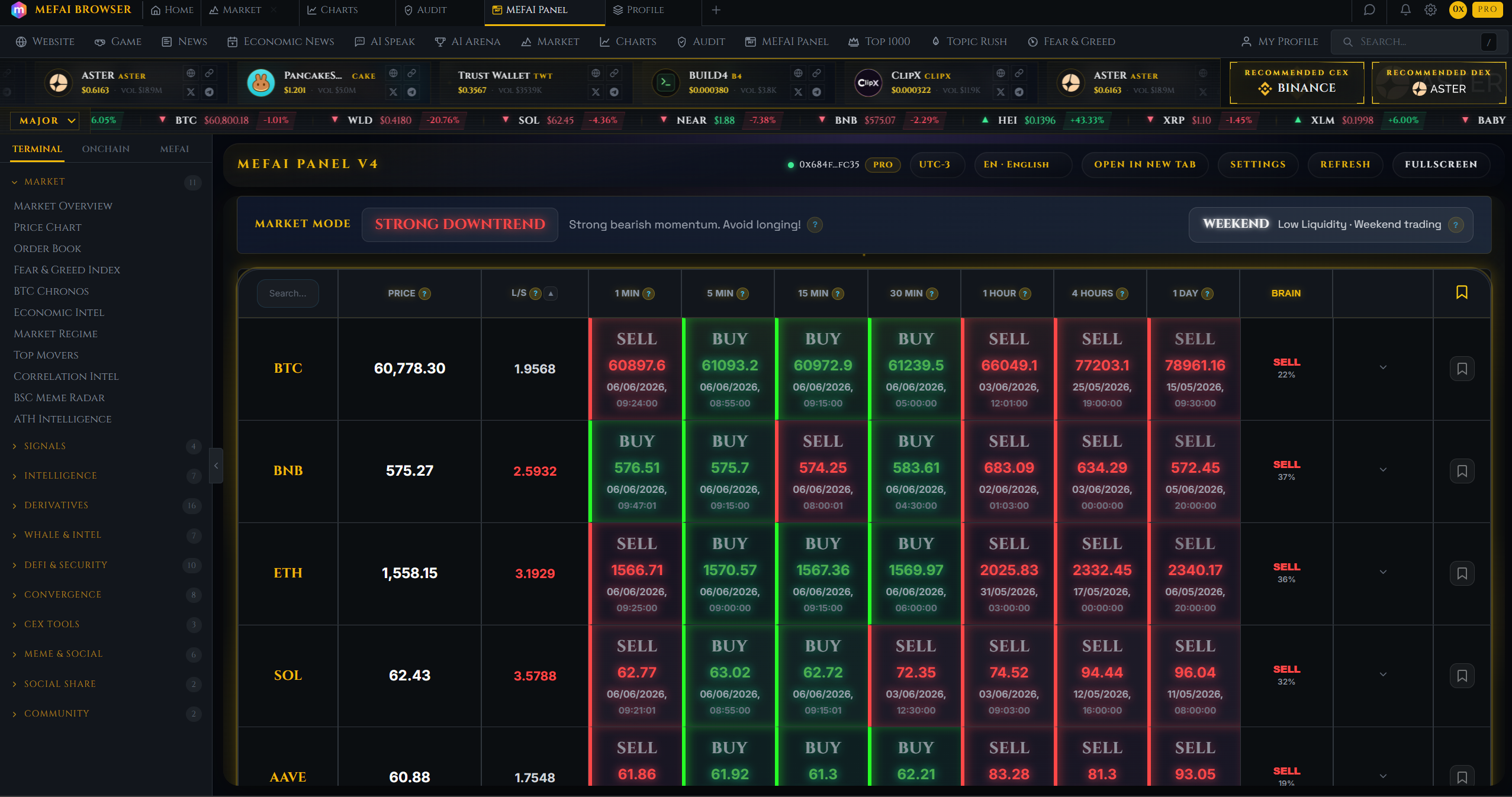
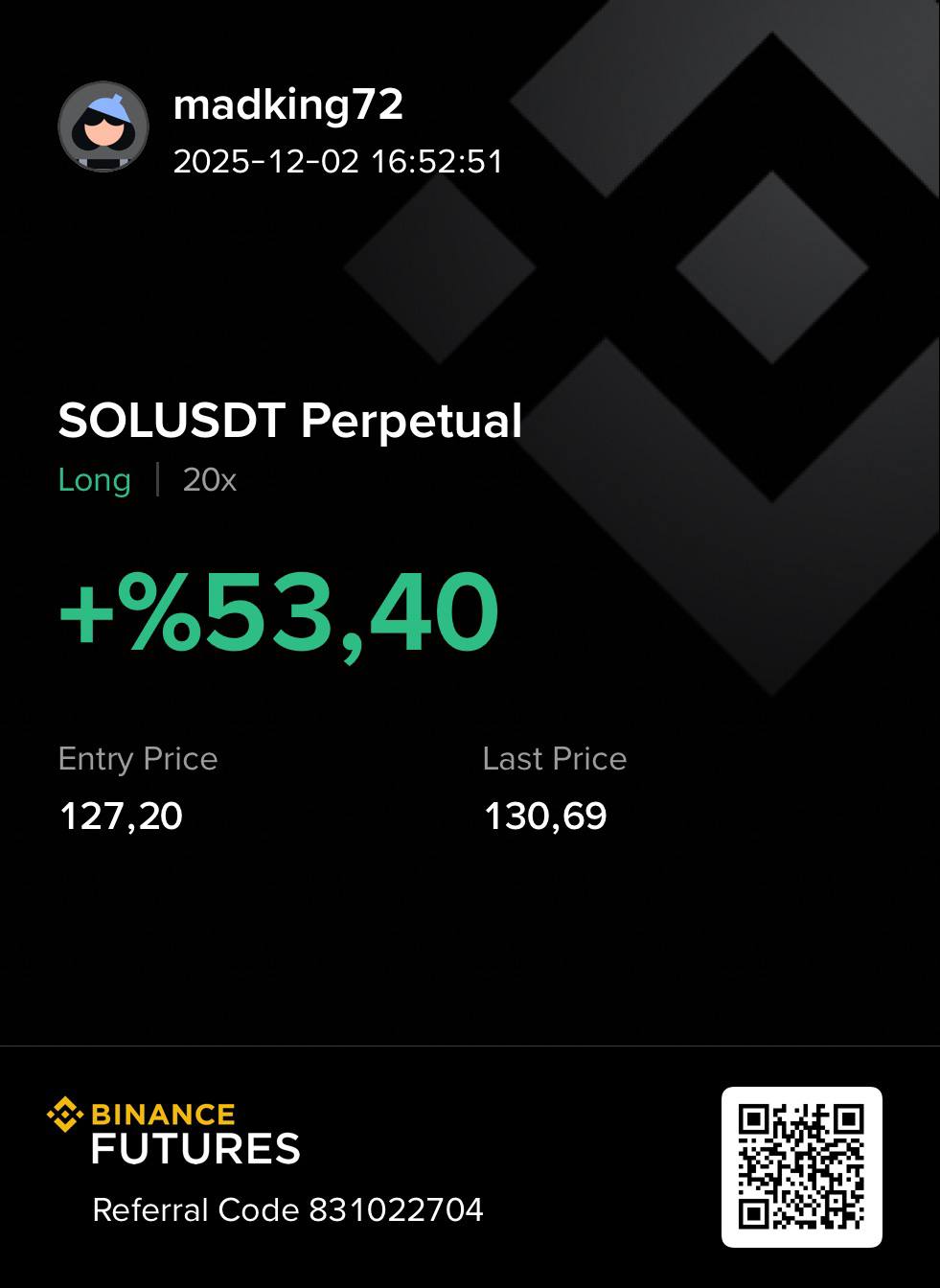
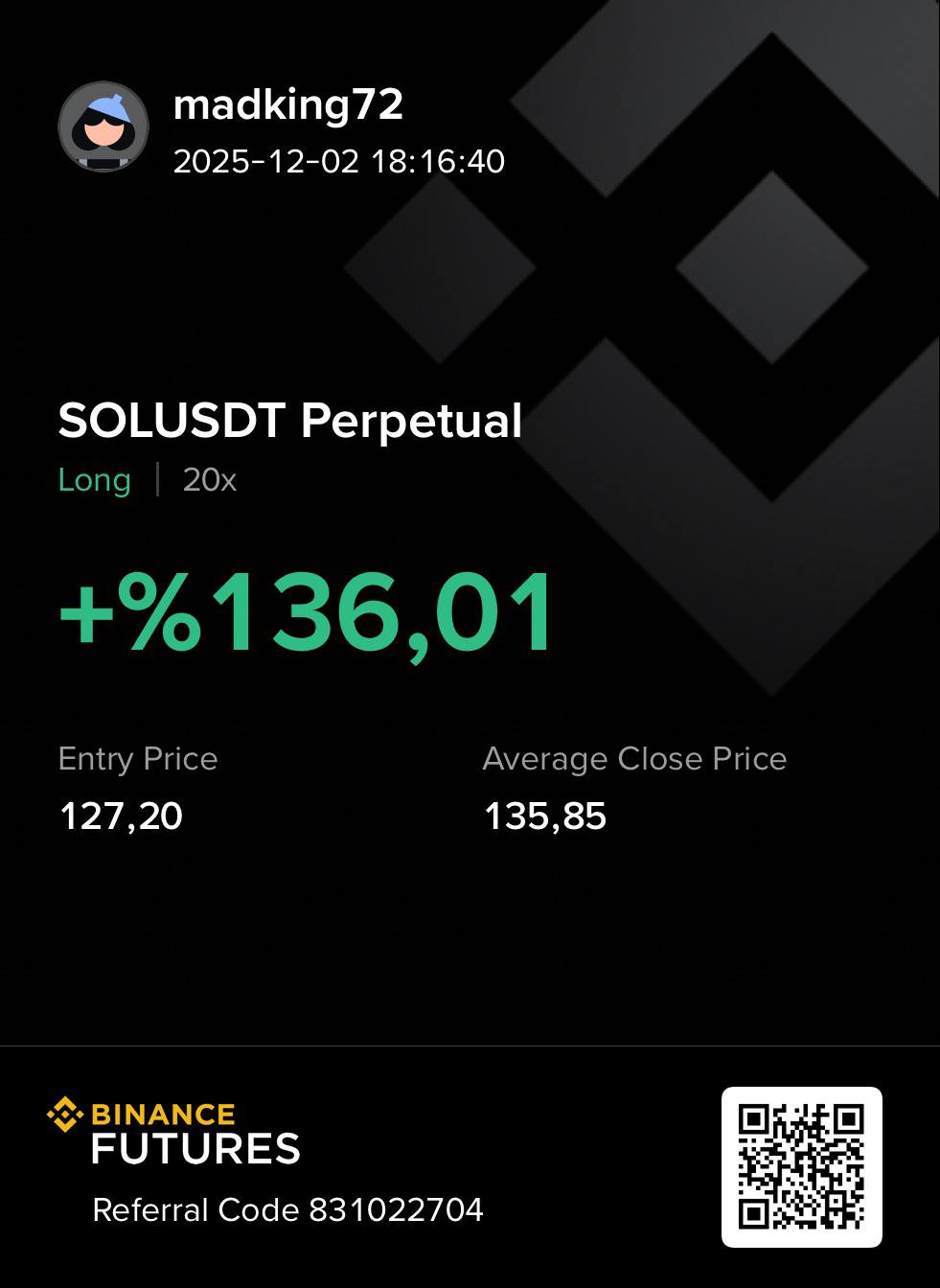
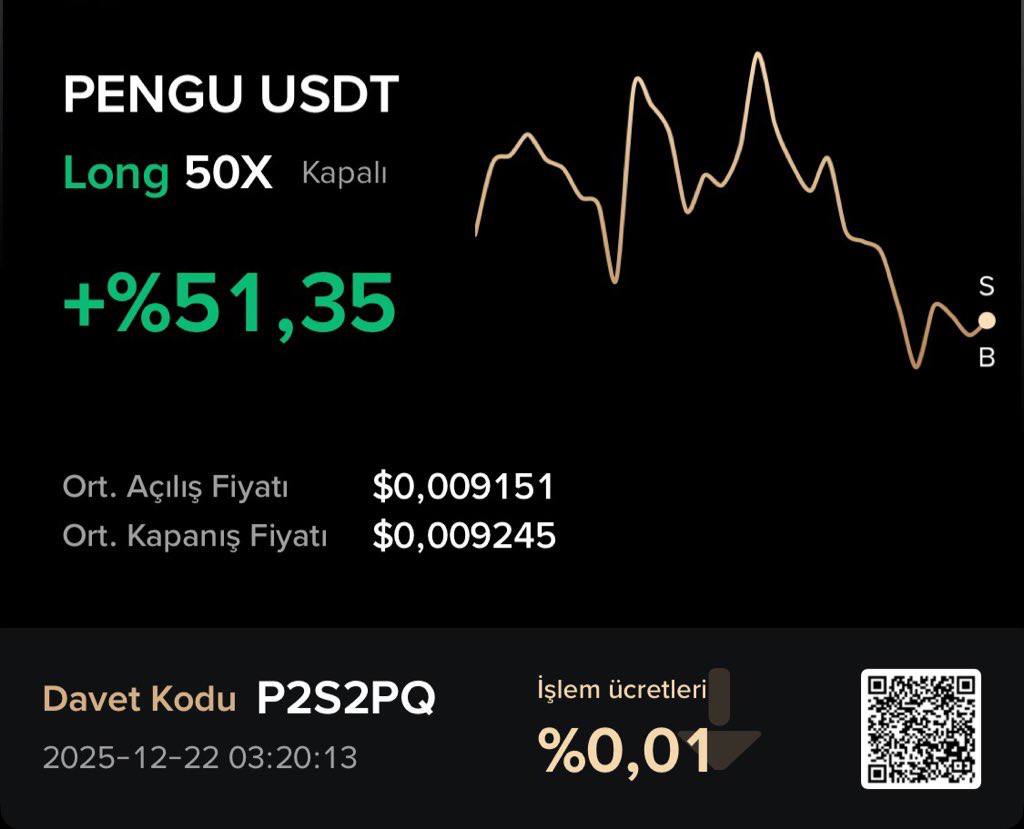
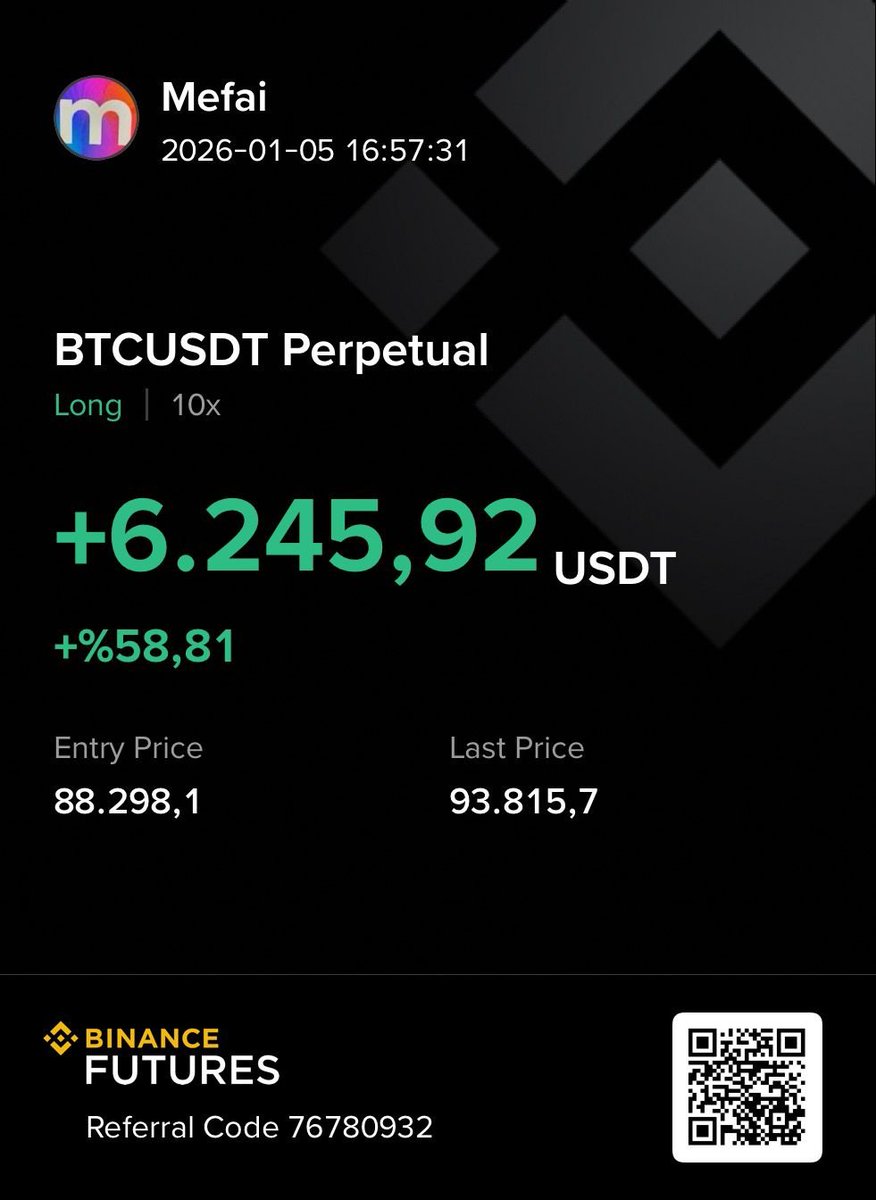
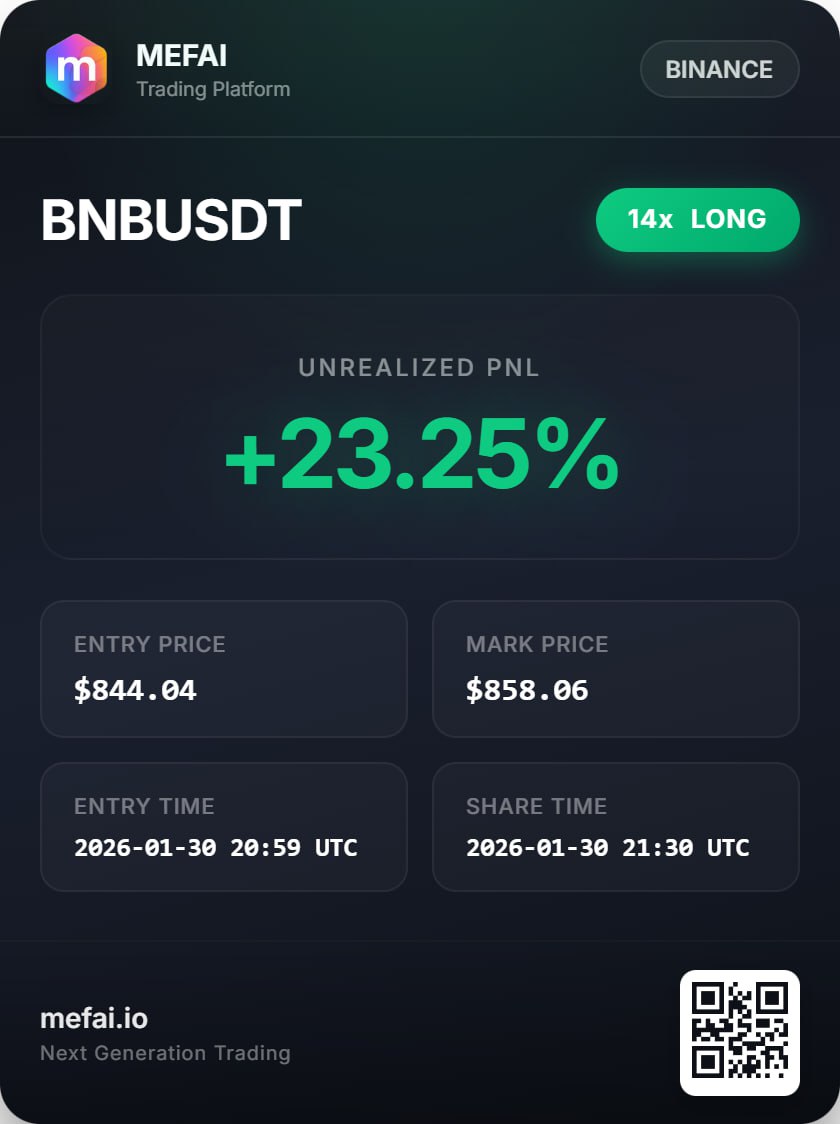
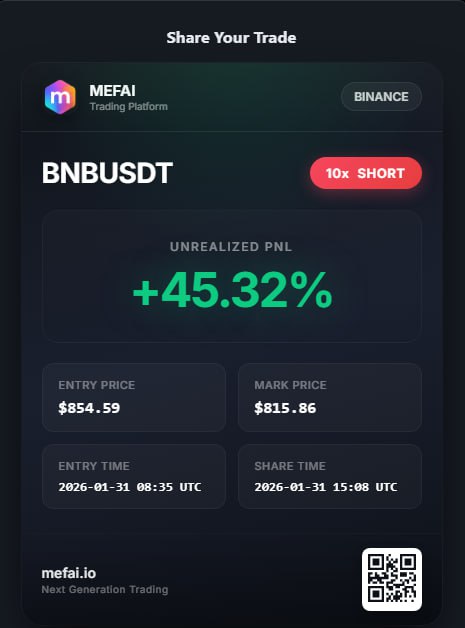
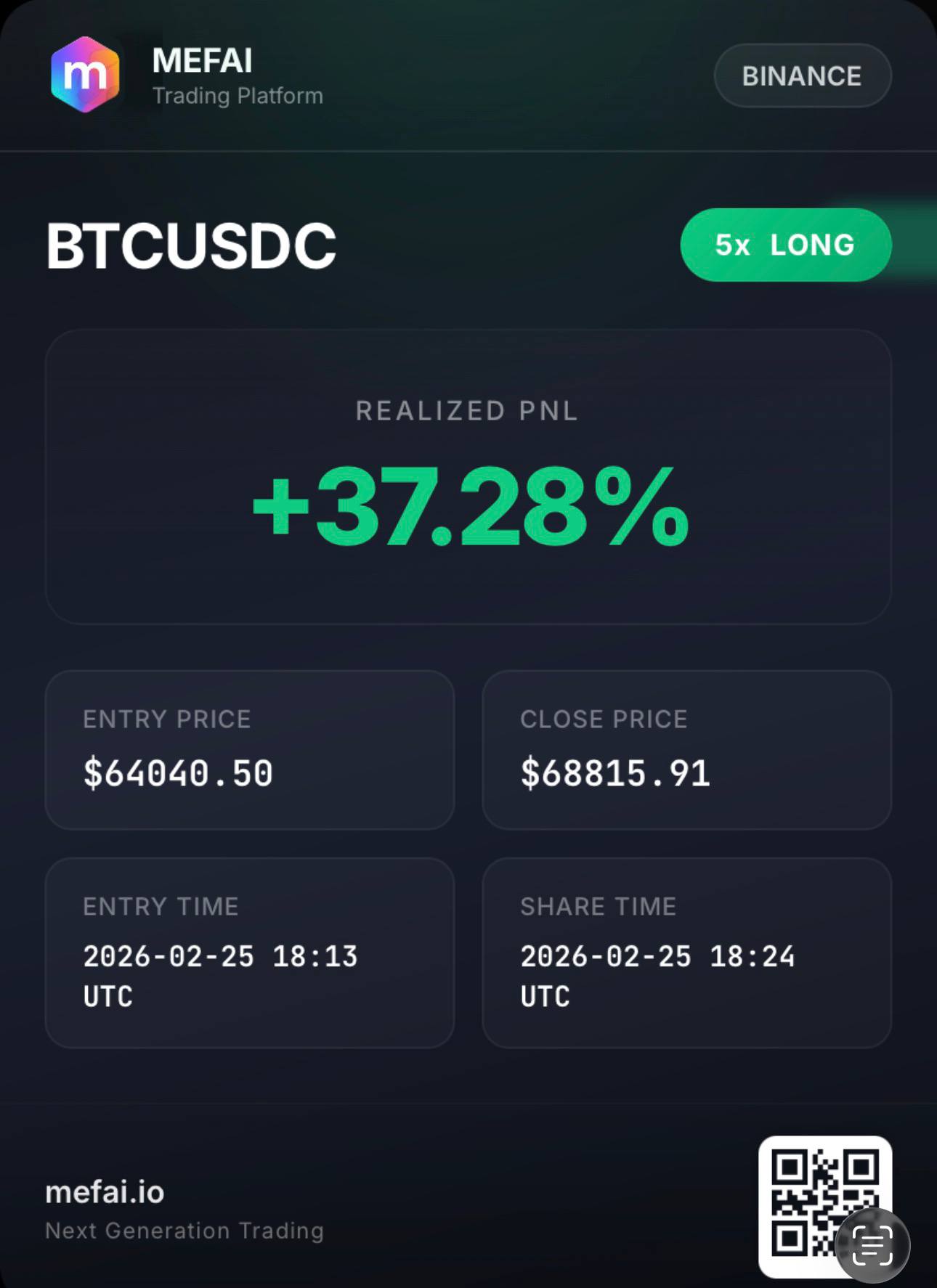
Real results from MEFAI's AI. Get $50 off the Pro plan.
Sponsored · Past performance is not indicative of future results. Not financial advice.

Shrimpy’s Smart Portfolios automate portfolio-level signals into rebalancing instructions. Instead of single-asset trades, it suggests allocations across multiple assets based on predefined strategies like “Conservative” or “Aggressive.” Teams can clone strategies, backtest them, and execute trades automatically across supported exchanges. This approach reduces emotional bias and enforces discipline at portfolio scale. It is ideal for groups managing multiple accounts or following a model portfolio approach rather than chasing individual trades.
Best for power users who want automation and APIs: 3Commas Signals and WunderTrading
3Commas Signals connects signal providers with trading bots across dozens of exchanges. Users subscribe to a signal provider, then route signals directly into a bot that places and manages trades according to preset rules. This removes manual execution and emotional errors, though it requires comfort with configuring bots and managing API keys securely. The platform supports trailing stops, take-profit sequences, and multi-pair diversification, which appeals to power users who want to scale signal-based strategies without constant monitoring.
WunderTrading offers a similar automation layer with a focus on copy-trading and signal routing. It aggregates signals from multiple sources and lets users allocate a portion of capital to follow them automatically. Power users appreciate the ability to combine manual and automated strategies, set maximum drawdown limits, and track performance across providers. Because it supports both spot and futures markets, users can diversify signal sources without switching platforms. The key requirement is trust in the automation setup and careful management of API permissions.
Best for market intelligence and research: Messari Pro and Glassnode
Messari Pro provides institutional-grade market intelligence, including sector reports, token fundamentals dashboards, and analyst notes that double as macro signals. It is less about real-time buy/sell calls and more about identifying trends, regulatory shifts, and on-chain developments that may drive future price action. For teams and power users who need to build conviction before acting, Messari’s structured research is valuable. The platform also offers screening tools to filter tokens by metrics like realized cap, exchange reserves, and developer activity.
Glassnode focuses on on-chain analytics and delivers signals derived from on-chain data rather than price alone. Its alerts cover exchange inflows/outflows, miner behavior, and whale movements, which can precede market moves. The interface is dashboard-heavy, so it suits users who prefer charts and metrics over chat alerts. Teams using on-chain signals often combine them with price-based signals to confirm trends. For users who want to base decisions on data rather than hype, Glassnode’s approach is distinctive.

Practical selection checklist: what to try first
Start by listing your priorities: asset class (spot vs. derivatives), trading frequency (swing vs. day trading), and delivery preference (app, web, Telegram). If you trade only on Binance and want simplicity, try Binance Krypto’s in-app signals. If you need altcoin exposure and Telegram alerts, sample CryptoSignals.org for a week. For automation, set up a small bot on 3Commas or WunderTrading with a single signal provider and a modest allocation. Always begin with the free tiers or trial periods to validate fit before committing funds.
Risk management should be part of your setup from day one. Use the stop-loss guidance provided with each signal, size positions conservatively, and avoid over-allocating to a single signal source. Track your own performance separately from the service’s reported results, because execution slippage, exchange fees, and network delays can materially affect outcomes. If you belong to a small team, consider Token Metrics for research depth or Shrimpy for disciplined portfolio management. For market-wide context, pair a short-term signal service with Messari or Glassnode to cross-check macro conditions.
Bottom line: pick the tool that matches your workflow today—and can grow with you
No single signal service fits every trader. Beginners benefit from integrated, educational platforms like CoinMarketCap Alpha or Binance Krypto, which reduce complexity and provide guardrails. Active traders who want frequent, actionable calls should look at Bybit Signal Hub or CryptoSignals.org, depending on whether they trade derivatives or altcoins. Teams and funds should evaluate Token Metrics for research depth or Shrimpy for automated portfolio strategies. Power users who want to automate at scale will find 3Commas Signals and WunderTrading the most flexible.
The crypto market evolves quickly, so revisit your choice every few months. If your strategy shifts from swing trading to day trading, or if you move to a new exchange, your ideal signal service may change too. Treat signals as one input in a broader process that includes risk management, position sizing, and ongoing education. With the right match, signals can accelerate learning and improve consistency—but they are not a substitute for skill and discipline.
More in Crypto & Trading

DeFi Compared: Matching the Right Platform to Your Needs
A practical guide to the leading DeFi platforms, who each suits, what they offer, and how to choose based on your goals and risk tolerance.

Why an Anthropic IPO Could Tie Bitcoin Closer to the AI Trade
An Anthropic stock listing would give traders a single AI stock to bet on, tightening bitcoin’s correlation with the AI trade and increasing its sensitivity to Fed policy and risk appetite.

AI Crypto Trading Tools for Beginners: How to Get Started Safely
A no-nonsense beginner’s guide to AI crypto trading tools: what they do, how to start, and which beginner-friendly options to consider first.