
Trading Signals for Beginners: How to Start Using Crypto Signals Safely
By Mag-Info Tech editorial · 2026-06-10
What trading signals are and why beginners use them
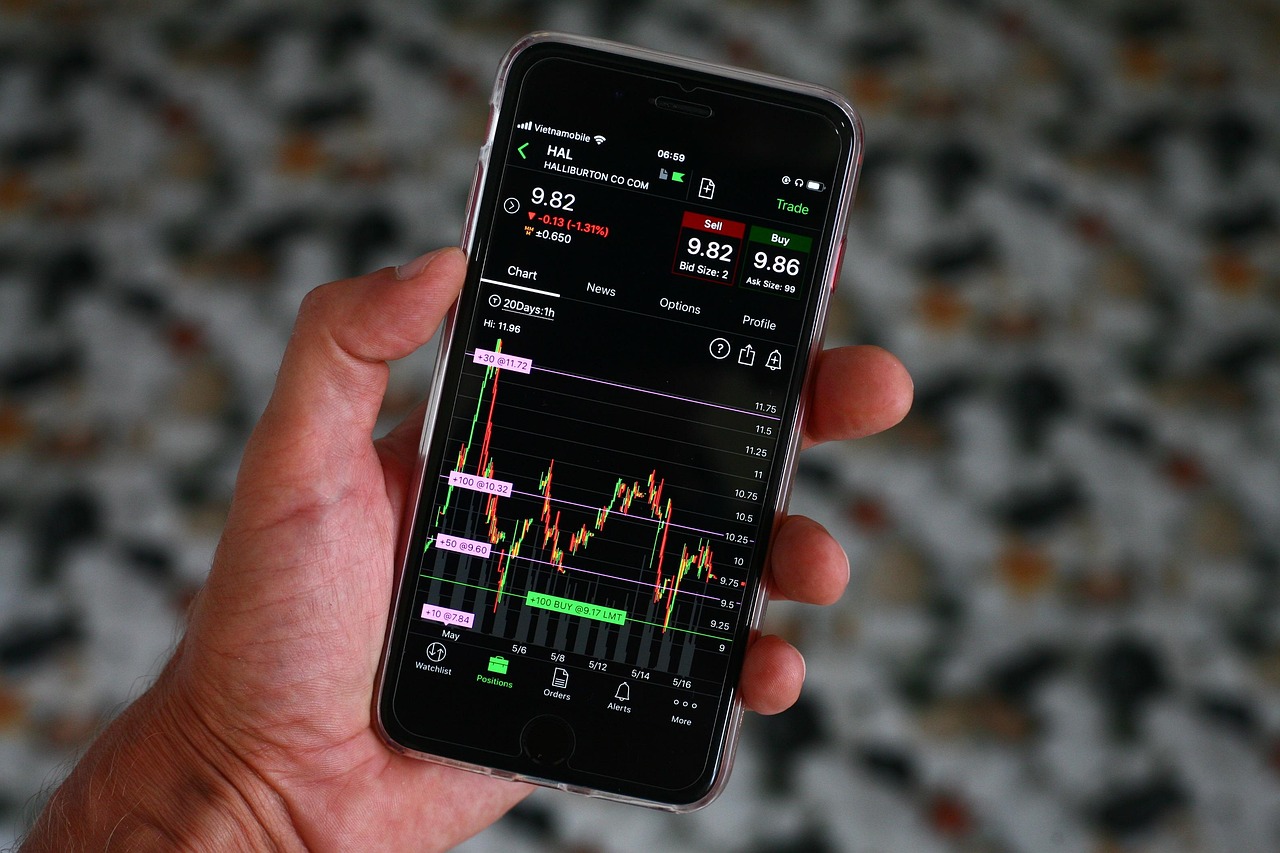
Trading signals are buy, sell or hold recommendations delivered in real time to help traders decide when to enter or exit a position. In crypto, these signals are typically based on analysis of price charts, order book data, on-chain metrics and news sentiment. Beginners often start with signals because they provide clear, actionable instructions without requiring deep technical knowledge or constant market monitoring.
For newcomers, signals reduce the steep learning curve of trading by translating complex data into simple instructions. Instead of spending hours learning candlestick patterns or interpreting technical indicators, beginners can follow a signal provider’s entry, stop-loss and take-profit levels. This allows them to participate in markets while gradually building their own understanding. However, not all signals are equal, and understanding their source and methodology is essential before relying on them.
How crypto trading signals are delivered and used
Most crypto trading signals are sent through messaging apps like Telegram, Discord or Slack, or via email and web dashboards. A typical signal includes the asset pair (e.g., BTC/USDT), the suggested action (buy or sell), entry price, stop-loss to limit risk, and take-profit targets. Some providers also include risk ratings or confidence scores to help users assess the signal’s strength.
Once received, beginners can manually place trades on exchanges that support the asset, or use automated tools to execute signals directly. Manual execution gives newcomers control and helps them learn order types and risk management, while automation can help avoid emotional delays. Either way, it’s important to verify the exchange supports the asset and trading pair before acting on a signal.
Key types of signal providers: free vs paid, manual vs automated
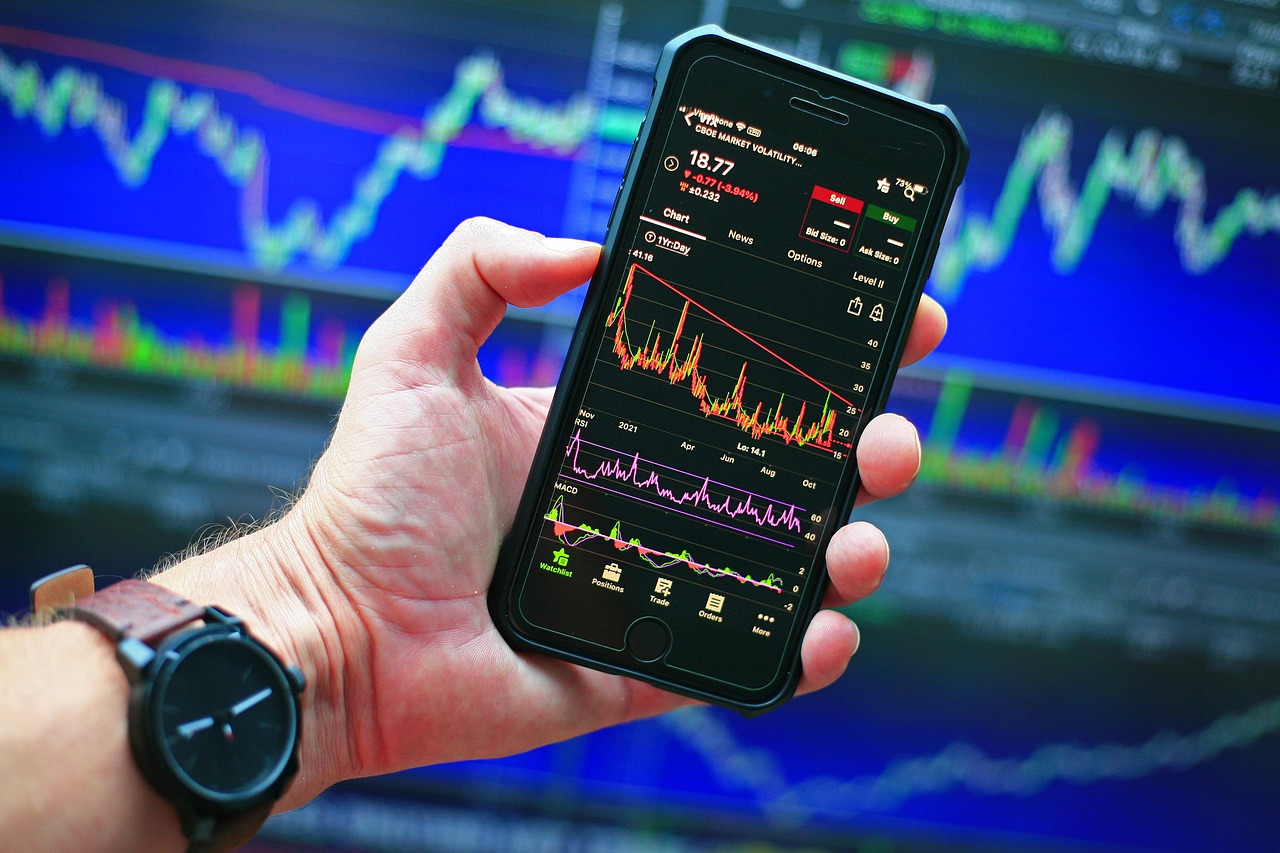
Free signal groups are often community-driven or promotional channels that share basic buy/sell alerts. These can be useful for learning, but they typically lack depth, consistency and risk controls. Paid providers usually offer structured services, including detailed analysis, performance track records and dedicated support. Some focus on specific strategies like scalping, swing trading or long-term holding.
Manual signal providers rely on human analysts who interpret market conditions and craft each signal. Automated providers use algorithms to generate signals based on predefined rules. Beginners may prefer manual signals at first, as they often come with written reasoning and context, which helps build understanding. Automated signals can be faster and more consistent, but may lack explanatory depth.
Beginner-friendly signal services to consider
For newcomers, starting with reputable free or low-cost services can help build confidence without large upfront costs. Many exchanges and platforms offer basic signal features as part of their ecosystem, which can be a safe way to test the waters. Some services specialize in educational content alongside signals, helping beginners understand the reasoning behind each alert.
It’s wise to choose providers with transparent track records and clear communication. Look for services that publish past signals and results (even if unverified), explain their methodology and offer customer support. Avoid providers that promise guaranteed profits or use aggressive marketing tactics, as these are common red flags in the signal space.








Real results from MEFAI's AI. Get $50 off the Pro plan.
Sponsored · Past performance is not indicative of future results. Not financial advice.

Tools to execute signals safely and efficiently
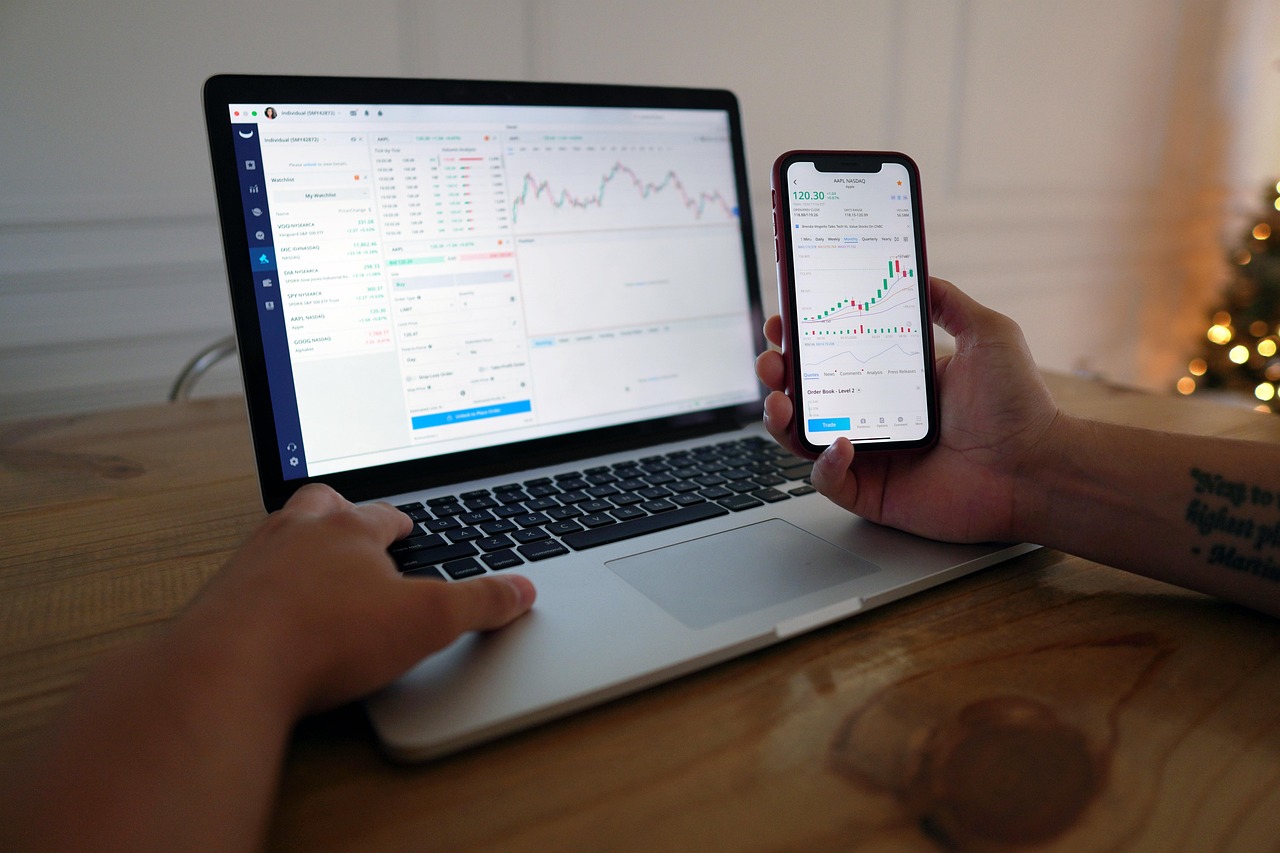
Once you have a signal, the next step is executing it correctly. Most beginners start by manually placing trades on exchanges like Binance, Coinbase or Kraken, which support a wide range of crypto pairs. Using limit orders instead of market orders can help control slippage and ensure you enter at the intended price. Always double-check the asset symbol and pair before submitting an order.
For users who want faster execution, some signal services integrate with trading bots or APIs that can automatically place trades based on received signals. These tools can reduce emotional bias and speed up response times, but they require careful setup and risk management. Beginners should fully understand how the bot operates and test it with small amounts before committing larger funds.
What to watch out for: common risks and how to avoid them
One of the biggest risks with trading signals is over-reliance. Beginners may treat signals as infallible and ignore risk management, leading to large losses. It’s important to use stop-loss orders on every trade and never risk more than a small percentage of your account on a single signal. Signals should complement your strategy, not replace your judgment.
Another risk is provider quality. Many signal groups are run by inexperienced or unscrupulous operators who share low-quality or even fake signals to attract followers. Always verify a provider’s reputation through independent reviews, community feedback and their own published results. Be cautious of services that ask for direct deposits, private keys or admin access to your exchange account.
Practical steps to get started with signals today
Start by choosing one reliable signal provider or platform and follow their instructions closely. Begin with a small amount of capital you can afford to lose, and use the signal’s stop-loss to limit downside. Keep a trading journal to record each signal, your entry and exit prices, and the outcome. Over time, this will help you evaluate the provider’s accuracy and learn from each trade.
Next, familiarize yourself with your exchange’s interface and order types. Practice placing limit orders and setting stop-losses before acting on a real signal. If you’re using a bot, test it in a demo or paper trading environment first. Finally, stay disciplined: avoid chasing signals after missed opportunities and never trade based on FOMO or hype.
How to evaluate signal providers over time
As you gain experience, you’ll want to assess whether a signal provider is truly helping your trading. Track the win rate, average profit per trade and maximum drawdown over a meaningful sample of signals. Compare these metrics against your own goals and risk tolerance. Be wary of providers who cherry-pick results or only show winning trades.
Over time, aim to combine signals with your own analysis. This might mean using signals for entry points while setting your own stop-loss and take-profit levels. Gradually reduce reliance on signals as your confidence and skills grow. The ultimate goal is to become an informed trader who uses signals as one tool among many, not as a crutch.
More in Crypto & Trading

DeFi Compared: Matching the Right Platform to Your Needs
A practical guide to the leading DeFi platforms, who each suits, what they offer, and how to choose based on your goals and risk tolerance.

Why an Anthropic IPO Could Tie Bitcoin Closer to the AI Trade
An Anthropic stock listing would give traders a single AI stock to bet on, tightening bitcoin’s correlation with the AI trade and increasing its sensitivity to Fed policy and risk appetite.
AI Crypto Trading Tools for Beginners: How to Get Started Safely
A no-nonsense beginner’s guide to AI crypto trading tools: what they do, how to start, and which beginner-friendly options to consider first.