
Free vs Paid Crypto Market Analysis Tools: What’s Worth Paying For
By Mag-Info Tech editorial · 2026-06-10
Why market analysis matters in crypto
Crypto prices move fast and unpredictably, so traders and investors rely on market analysis to make sense of momentum and risks. The best tools combine real-time price data, on-chain activity, derivatives metrics, and sentiment indicators to help users spot trends before they become obvious. Whether you’re a beginner checking free dashboards or a full-time trader running multiple paid subscriptions, the core question is the same: which tools give you the edge you need without unnecessary cost?
The difference between free and paid tools usually comes down to depth, accuracy, and speed. Free platforms can show you basic price charts and simple order books, but they often lack granular on-chain data, detailed derivatives analytics, or reliable sentiment signals. Paid services fill those gaps with higher-resolution data, longer historical records, and professional-grade interfaces. The right choice depends on your goals: casual monitoring, active trading, or systematic investing.
Free tools: what you get and where they fall short
Free crypto market analysis tools are widely available and can cover the basics for beginners and casual users. Most provide live price feeds, simple candlestick charts, and basic order book or trade history views. Some also include limited on-chain metrics like transaction counts or top wallet movements, and a few offer rudimentary sentiment scores based on social media mentions or news aggregation.
These tools are best for learning the market, tracking a few favorite assets, or checking conditions before making small trades. They’re also useful for testing strategies without financial commitment. However, free tiers typically cap data depth—such as restricting historical on-chain data to the last few days or limiting derivatives metrics like funding rates to a handful of exchanges. Alerts and customization are often limited, and support is usually community-driven rather than professional.
Where free tools struggle is in accuracy and completeness. For example, funding rate calculations may be delayed or based on incomplete exchange data, liquidation alerts may lag, and sentiment indicators can be noisy or manipulated. If you’re trading based on these signals, small inaccuracies can lead to outsized losses. In short, free tools are a great starting point, but they rarely provide the reliability and precision needed for serious trading.
On-chain data: why paid tiers unlock deeper insight
On-chain data reveals what’s happening inside a blockchain network—wallet balances, transaction volumes, smart contract interactions, and token flows between exchanges and wallets. Free tools often show only the most basic metrics, like total transaction count or top holder balances, but paid platforms provide deeper analytics such as exchange net flows, whale movements, and token age distribution.
For investors focused on long-term trends or DeFi strategies, paid on-chain tools are essential. They allow you to track accumulation or distribution patterns across wallets, detect unusual activity before it appears in price charts, and verify whether large transactions are moving into cold storage or exchanges. Some platforms also offer labeled entity tracking, helping you distinguish between known exchanges, miners, DAOs, and anonymous actors.
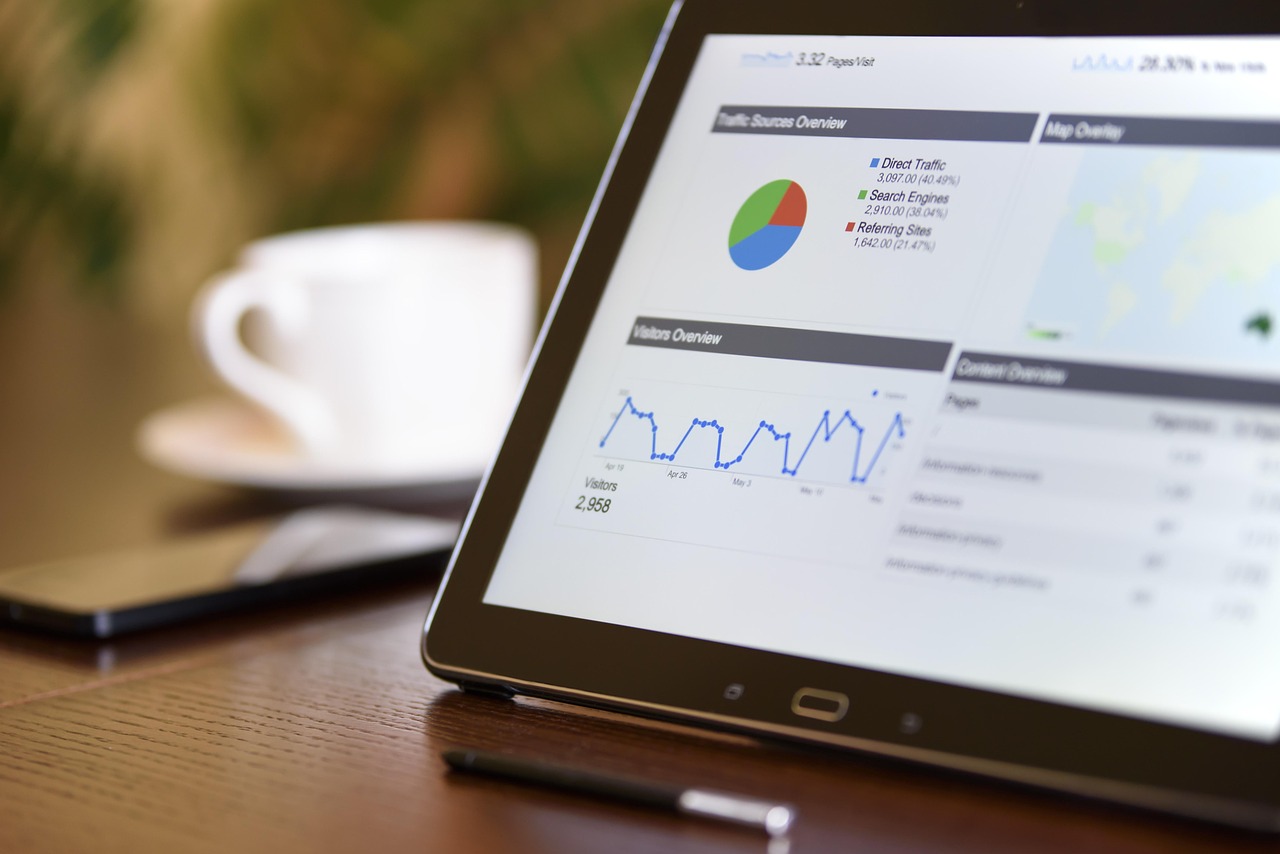
The value of on-chain data becomes clear during market turning points. A sudden outflow from exchanges can signal potential supply tightening, while rapid inflows may precede sell pressure. Without paid tools, these signals are harder to detect or confirm. For anyone building a data-driven strategy, the extra insight is often worth the cost.
Derivatives analytics: funding rates, open interest, and liquidations
Derivatives markets—especially perpetual futures—offer powerful signals about trader sentiment and positioning. Funding rates indicate whether longs or shorts are paying each other, effectively showing market bias. Open interest tracks the total value of active contracts, and liquidation data reveals where forced selling or buying is occurring. Free tools may show funding rates for one or two exchanges, but paid platforms aggregate data across major venues and provide historical comparisons.
For active traders, these metrics are critical. If funding rates are persistently high and positive, it suggests excessive optimism and a potential reversal risk. Conversely, negative funding can signal bearish sentiment. Open interest trends help confirm whether price moves are backed by real capital or just noise. Liquidation data, especially when mapped to price levels, highlights key support and resistance zones where the market is most fragile.
Free derivatives dashboards are useful for a quick check, but they often miss cross-exchange arbitrage opportunities or fail to normalize data for differences in contract specifications. Paid services provide unified views, historical backtesting, and alerts that can protect capital during volatile periods. If you trade derivatives regularly, the investment in a paid tool usually pays off quickly.
Sentiment analysis: signals, noise, and manipulation risks
Sentiment analysis uses natural language processing to gauge public mood from social media, news articles, forums, and even code repositories. Free tools often rely on simple keyword counts or basic sentiment scores, which can be noisy and easily gamed by bots or coordinated campaigns. Paid platforms apply more sophisticated models, filtering out spam, weighting sources by influence, and tracking sentiment shifts over time.
For traders, sentiment data can act as a contrarian indicator. Extreme optimism often coincides with market tops, while persistent pessimism can mark bottoms. However, sentiment alone is unreliable—it needs to be combined with price and on-chain data to avoid false signals. Paid sentiment tools also provide historical context, helping users distinguish between short-term spikes and sustained trends.
A common pitfall is over-reliance on sentiment without verification. Paid tools reduce this risk by offering transparency into their data sources and scoring methods. They also allow customization, letting users focus on specific communities or topics relevant to their strategy. If you use sentiment in your decision-making, a paid tool is usually necessary to separate signal from noise.
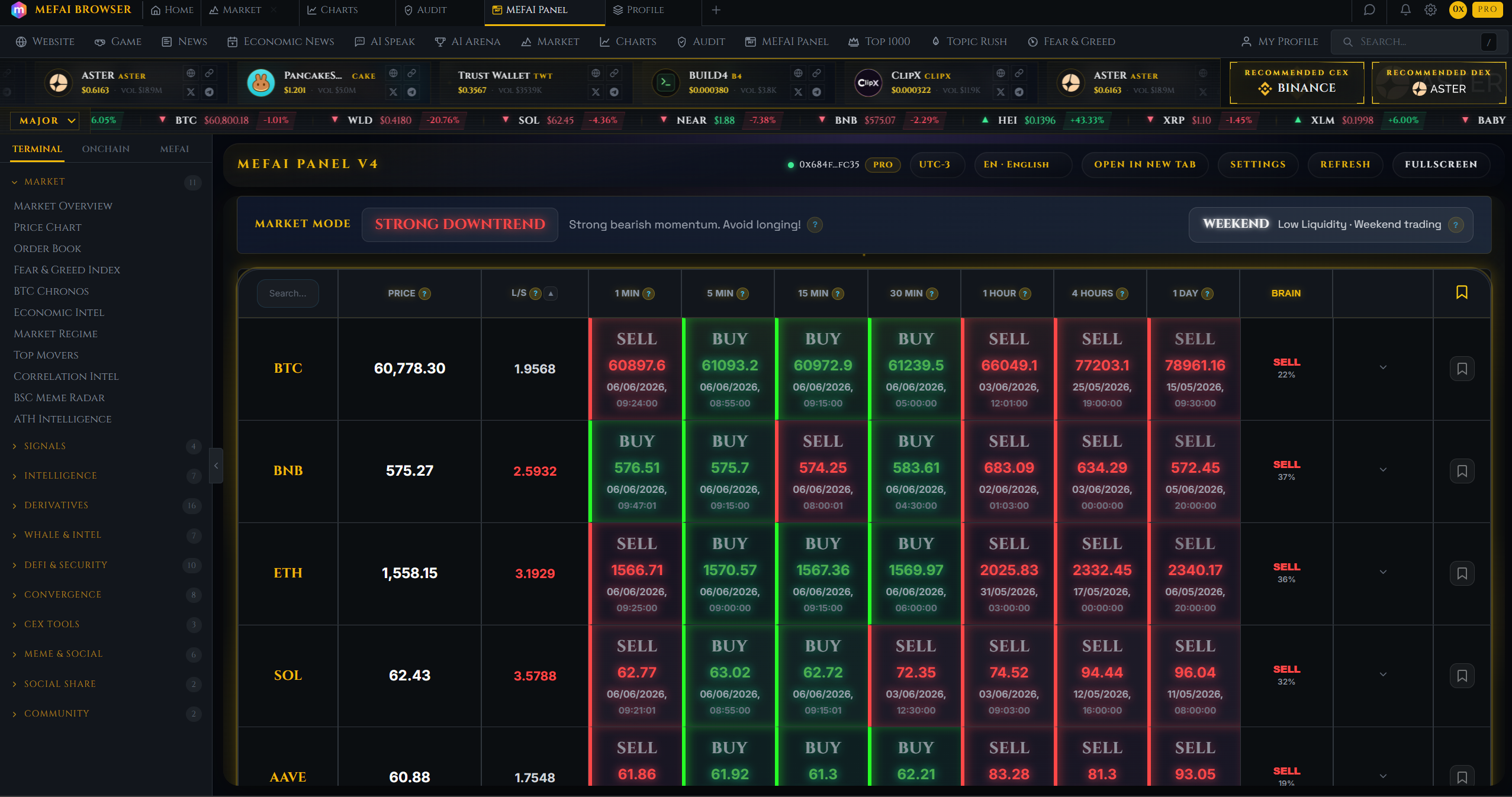
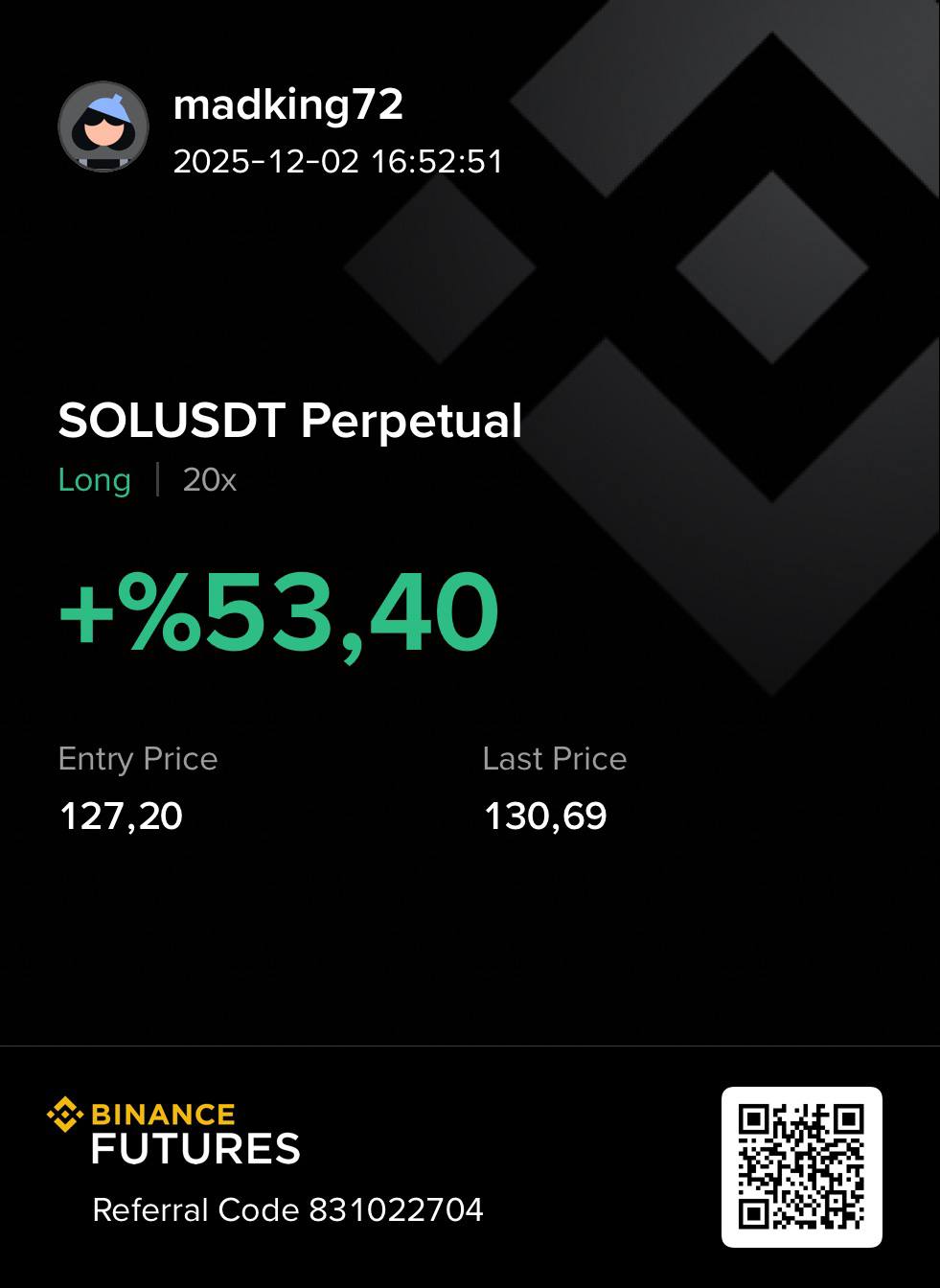
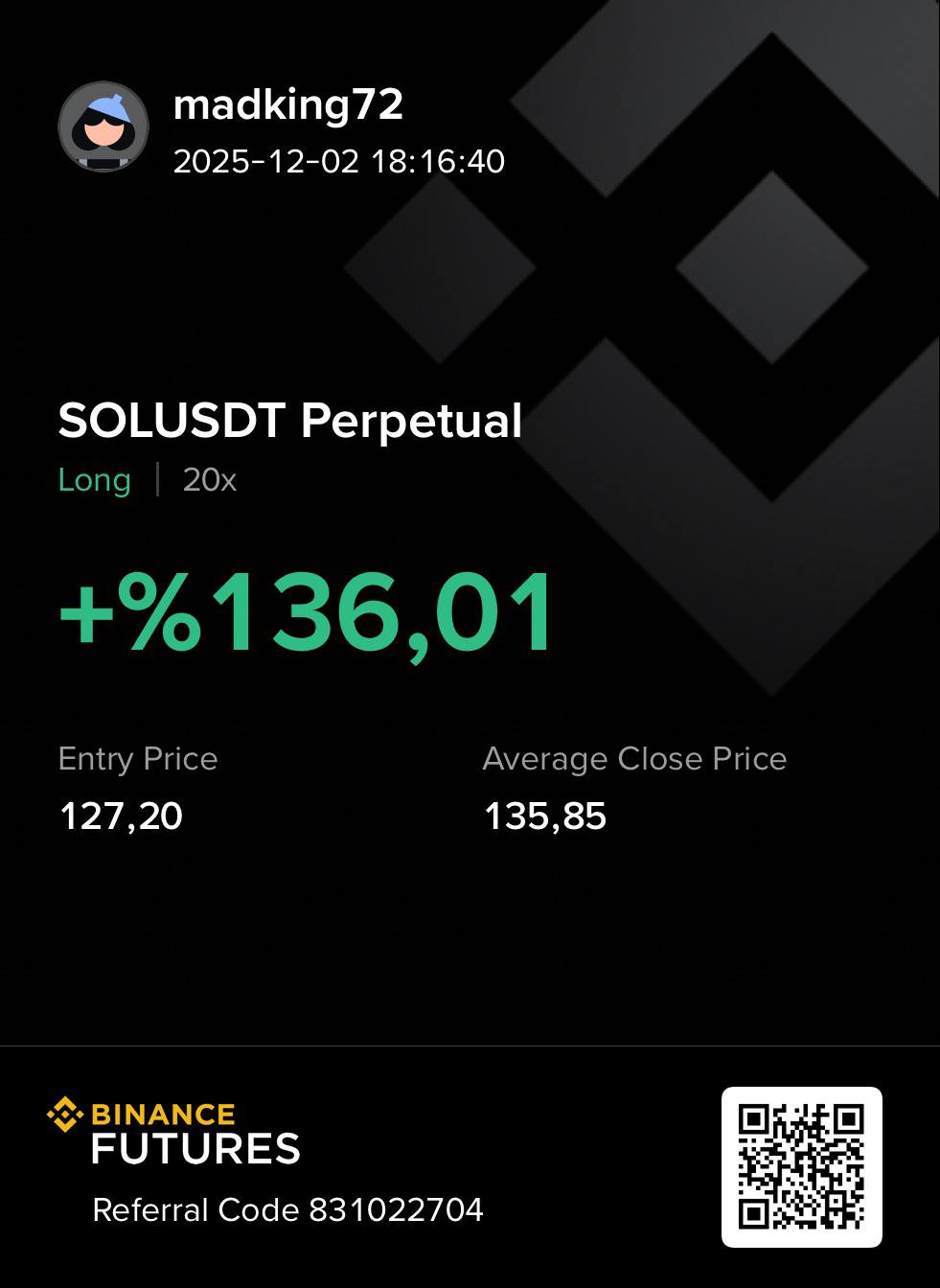
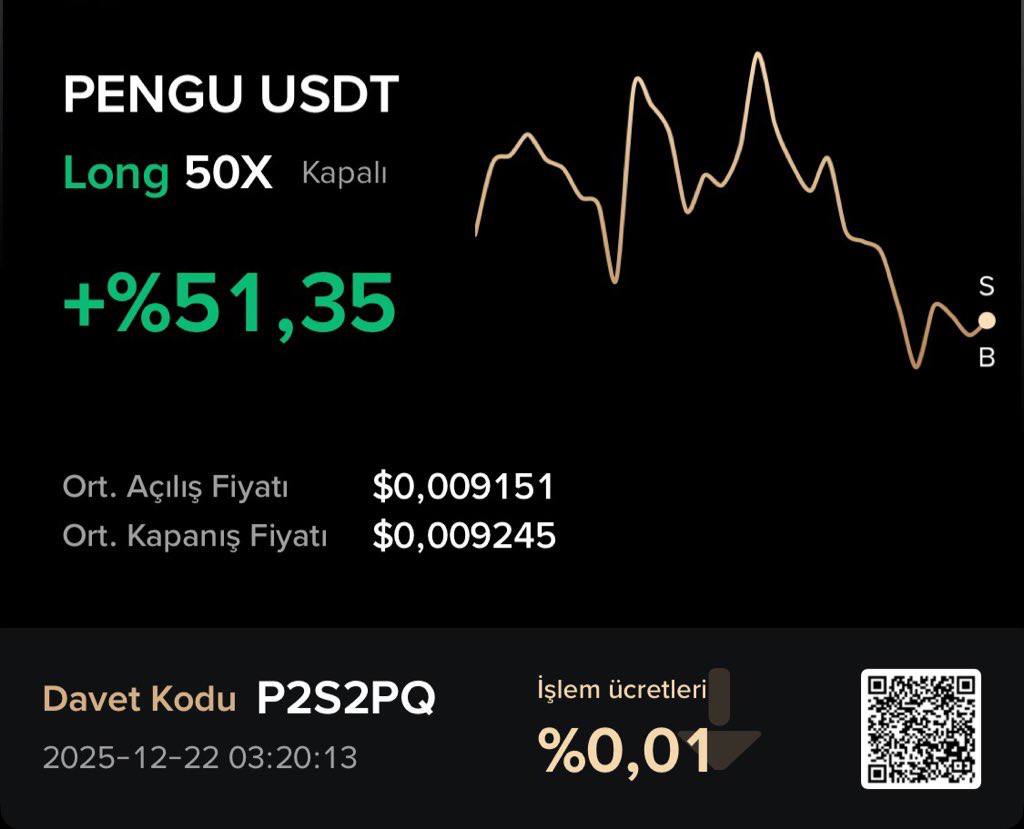
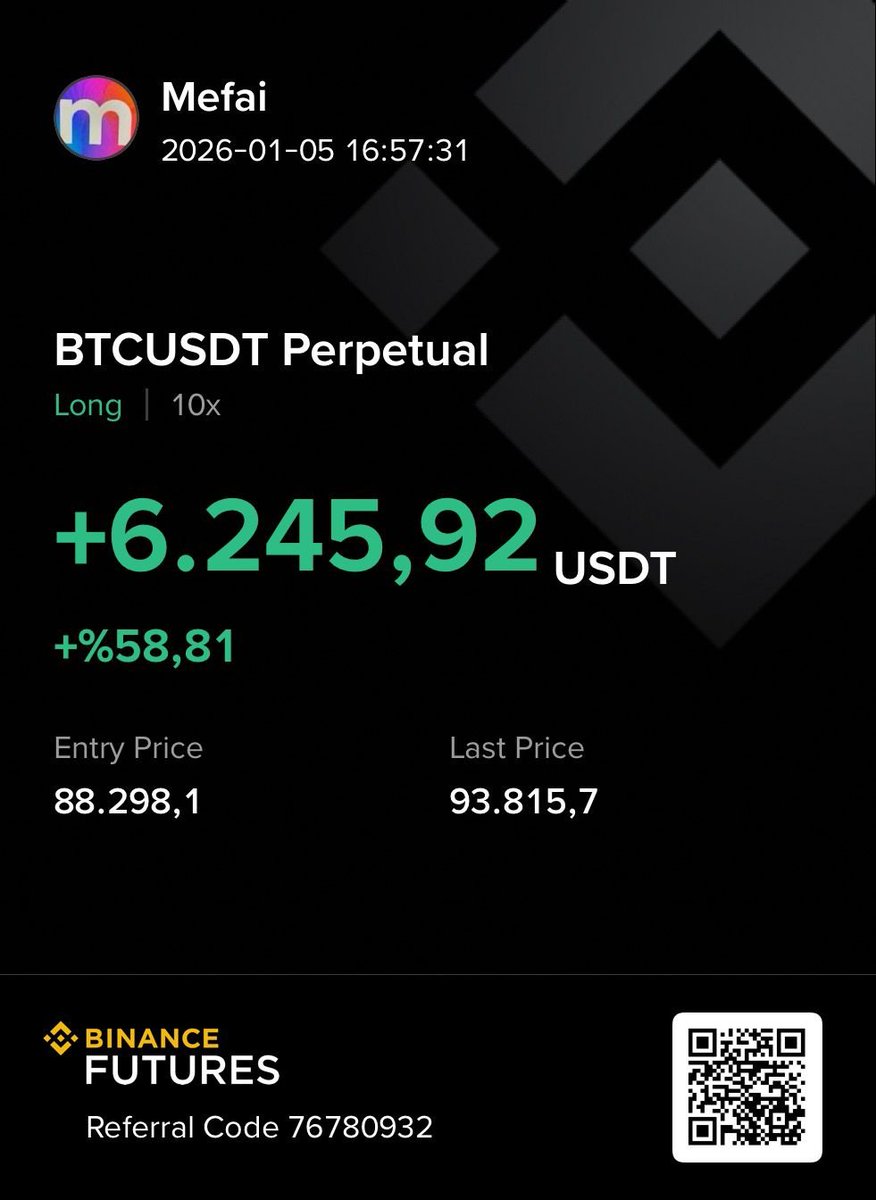
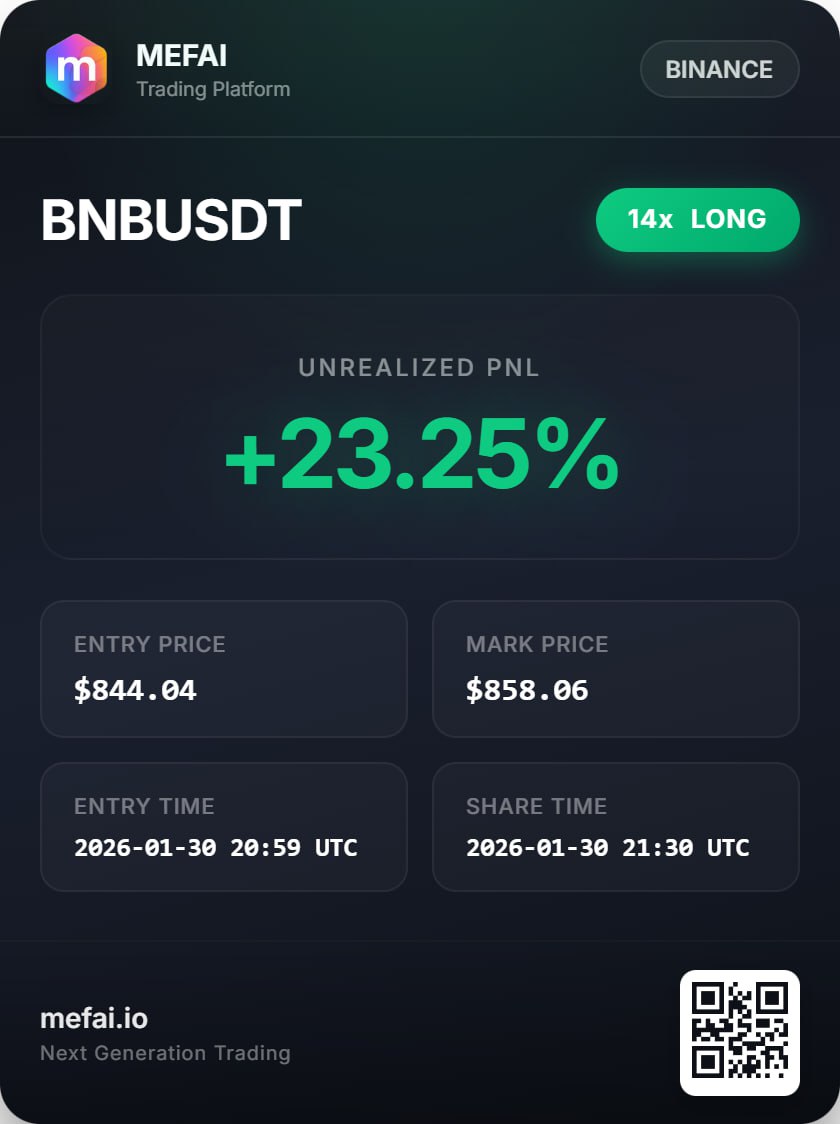
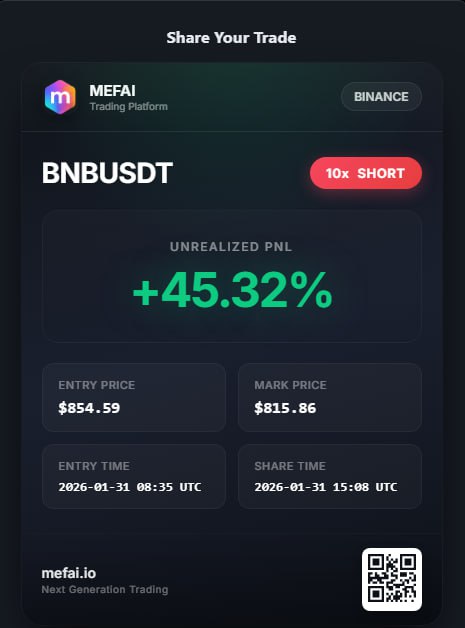
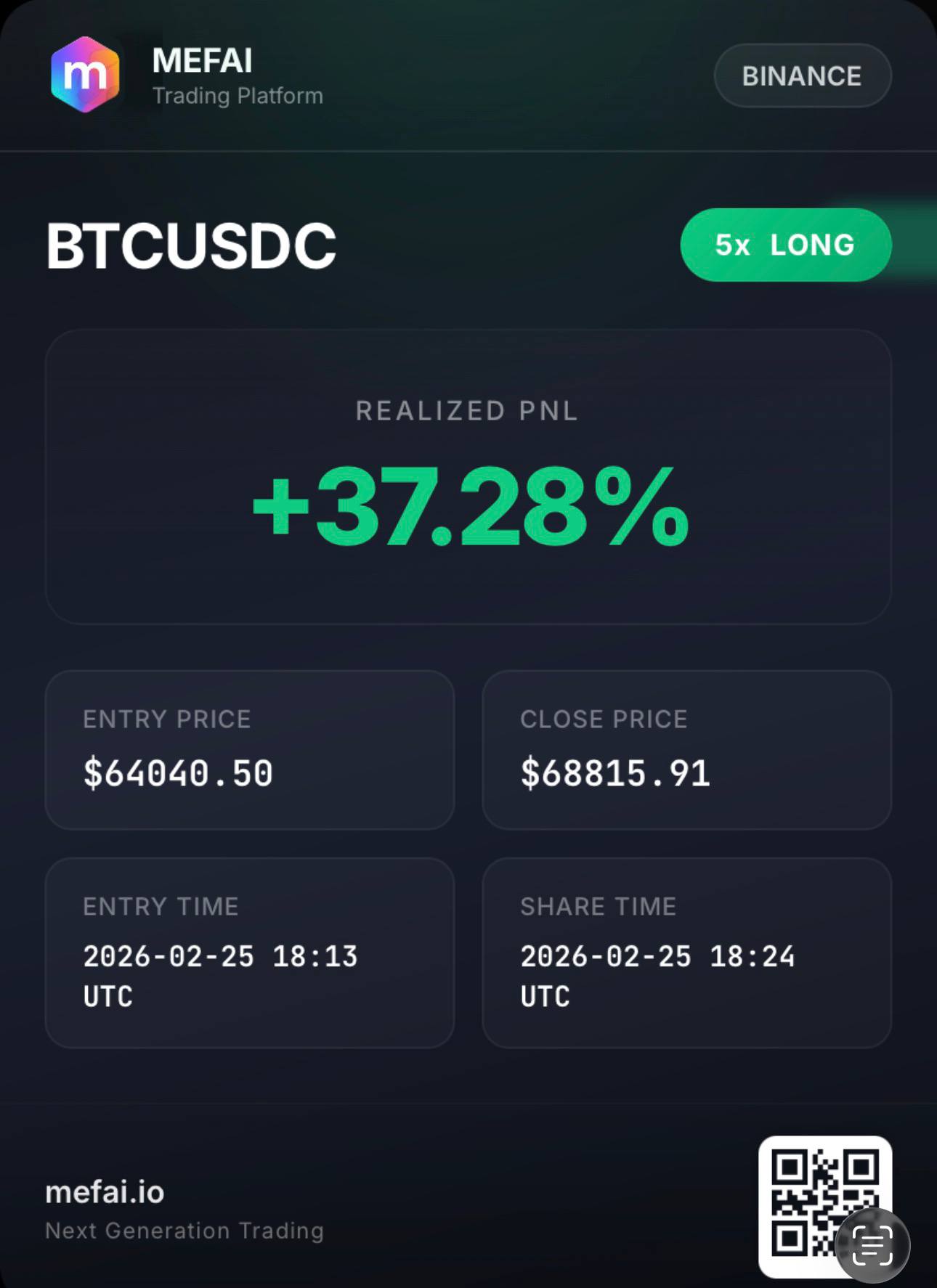
Real results from MEFAI's AI. Get $50 off the Pro plan.
Sponsored · Past performance is not indicative of future results. Not financial advice.


Alerts, backtesting, and automation: where paid tools excel
Free market analysis tools rarely offer robust alerting, backtesting, or automation features. Alerts in free tiers are often limited to basic price thresholds or simple notifications. Paid platforms provide multi-condition alerts, real-time push notifications, and integrations with trading bots or execution platforms. Backtesting lets you test strategies against historical data, a critical step before risking real capital. Free tools may offer limited historical data or simplified backtests, but paid services provide full datasets, custom timeframes, and performance metrics.
Automation is another area where paid tools shine. Some platforms allow you to set up automated alerts based on on-chain, derivatives, or sentiment signals, which can then trigger trades via API connections. This is especially valuable for high-frequency or algorithmic strategies. Free tools typically don’t support these workflows, making them unsuitable for systematic traders.
For anyone serious about trading, the ability to automate monitoring and execution is a game-changer. Paid tools not only save time but also reduce the risk of missing critical signals during fast-moving markets.
Choosing the right tool: a practical framework
Start by defining your goals and budget. If you’re a beginner or only trade occasionally, free tools will likely meet your needs. Focus on learning price action, basic on-chain flows, and simple derivatives signals. If you’re an active trader or investor managing larger positions, paid tools become more valuable. Prioritize features that align with your strategy: on-chain analytics for long-term holders, derivatives data for futures traders, sentiment tools for contrarian plays.
Next, evaluate data quality and coverage. Check whether the tool aggregates data from multiple exchanges and blockchains, and whether historical data is available for backtesting. Look for transparency in methodology, especially for sentiment and on-chain labeling. Support and community also matter—paid services often provide dedicated help channels and professional documentation.
Finally, test before committing. Most paid platforms offer trial periods or money-back guarantees. Use this time to verify that alerts are timely, data is accurate, and the interface fits your workflow. If a tool doesn’t improve your decision-making within a few weeks, it may not be worth the cost.
Top picks across categories
For free tools, platforms that combine price charts, basic order books, and limited on-chain views are good starting points. These are best for beginners or those monitoring a small portfolio. They won’t replace paid services, but they’re sufficient for learning and casual use.
Among paid tools, some specialize in on-chain analytics, offering deep wallet tracking, exchange flow analysis, and DeFi protocol insights. These are ideal for investors focused on fundamentals and long-term trends. Others focus on derivatives, providing unified funding rate dashboards, open interest trends, and liquidation heatmaps across exchanges. These suit active futures traders.
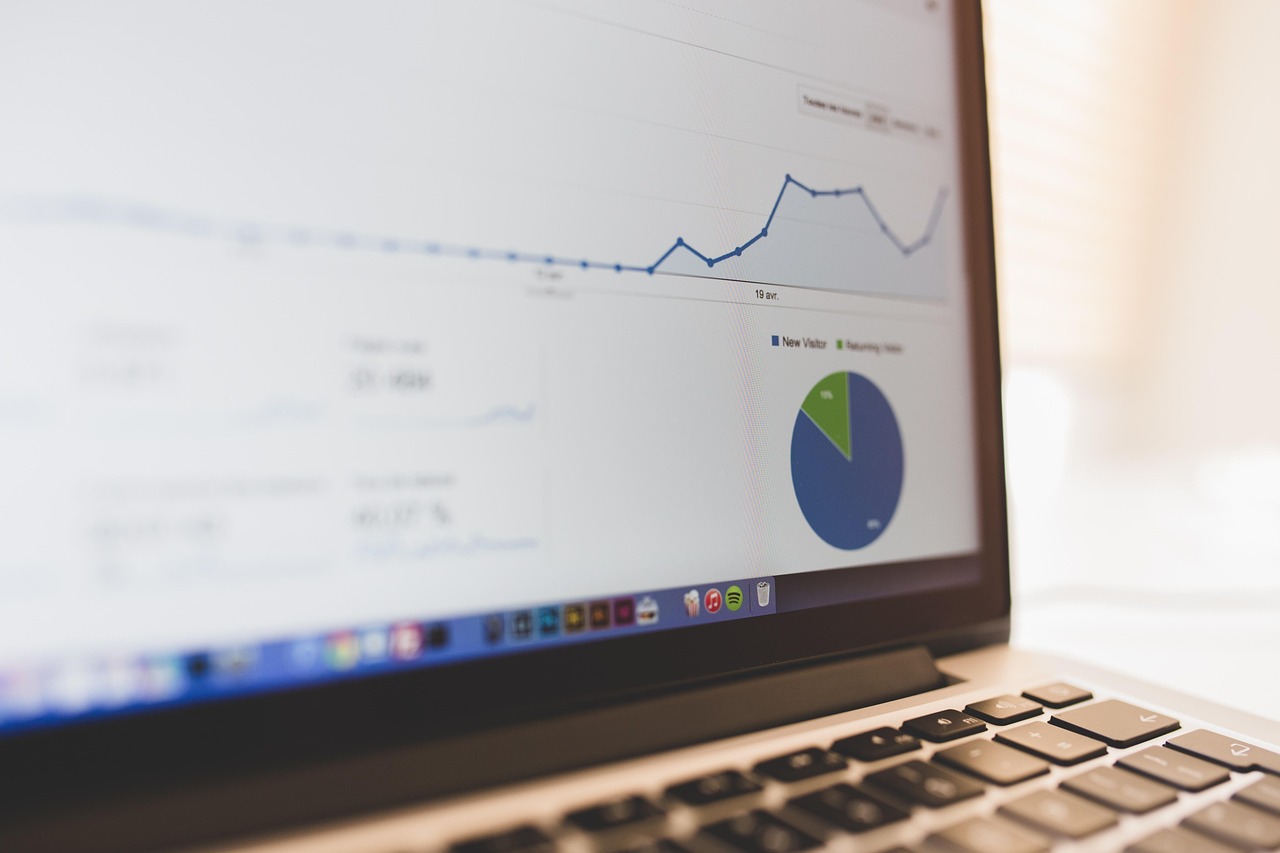
A third category blends on-chain, derivatives, and sentiment data into a single interface, often with customizable alerts and backtesting. These all-in-one platforms are best for systematic traders who need a holistic view of market conditions. Each category has strong options, so choose based on your primary use case.
When paying doesn’t pay off (and when it does)
You probably don’t need to pay for market analysis if you’re a passive investor, only trade spot markets, or rely mainly on price action and basic news. Free tools are also sufficient if you’re still learning and don’t need historical data or advanced alerts. In these cases, the added cost of paid tiers won’t translate to better returns.
Paying is worth it if you trade derivatives regularly, manage larger portfolios, or use on-chain data for strategy. It’s also justified if you need reliable sentiment signals, cross-exchange derivatives analytics, or automated alerts. For systematic traders, paid tools can quickly cover their cost through improved trade timing and risk management.
The key is to avoid paying for features you don’t use. Many traders subscribe to multiple paid tools only to realize they rely on just one or two functions. Start with a single paid service, master its features, and expand only if you see clear value.
Final verdict: build a minimal, purposeful stack
Most traders and investors don’t need every paid feature at once. A practical approach is to start with a free tool for learning, then add one paid service that addresses your biggest gap—whether it’s on-chain data, derivatives analytics, or sentiment tracking. Avoid over-subscribing; focus on tools that integrate well with your workflow and provide consistent, actionable signals.
Over time, refine your stack based on real performance. If a paid tool improves your win rate or reduces risk, it’s worth keeping. If not, downgrade or cancel. The crypto market changes constantly, so your tools should too. By building a minimal, purposeful stack, you’ll get the insight you need without unnecessary expense.
More in Crypto & Trading

DeFi Compared: Matching the Right Platform to Your Needs
A practical guide to the leading DeFi platforms, who each suits, what they offer, and how to choose based on your goals and risk tolerance.

Why an Anthropic IPO Could Tie Bitcoin Closer to the AI Trade
An Anthropic stock listing would give traders a single AI stock to bet on, tightening bitcoin’s correlation with the AI trade and increasing its sensitivity to Fed policy and risk appetite.
AI Crypto Trading Tools for Beginners: How to Get Started Safely
A no-nonsense beginner’s guide to AI crypto trading tools: what they do, how to start, and which beginner-friendly options to consider first.