Market Analysis Tools Compared: Matching the Right Option to Your Needs
By Mag-Info Tech editorial · 2026-06-10
Why market analysis tools matter in crypto
Crypto markets trade around the clock, move on news and on-chain events, and often shift sentiment in minutes. Without the right tools, even experienced traders can miss liquidations, misread funding rates, or overlook on-chain shifts that precede price moves. The best platforms combine on-chain data, derivatives metrics, sentiment signals and liquidation tracking into a single view, but each tool emphasizes different data types and caters to different workflows. Solo traders may prioritize real-time alerts and simple dashboards, while teams need sharable reports and API access. Budgets vary widely, from free tiers to enterprise pricing, so matching the tool to your needs can save money and improve decision quality.
Choosing the wrong platform can lead to data overload or gaps that distort analysis. A tool heavy on derivatives data may miss on-chain accumulation patterns, while a purely on-chain platform might lag on funding-rate trends. The goal here is to compare widely used platforms by their core strengths—on-chain analytics, derivatives/funding data, liquidation tracking and sentiment—and help you decide which fits your profile, budget and workflow.
What to look for in a market analysis tool
Before comparing tools, clarify what you need most. If you trade derivatives or follow funding rates, prioritize platforms with strong derivatives dashboards and liquidation heatmaps. If you focus on accumulation or token flows, on-chain analytics should be your filter. Many platforms bundle multiple data types, but the depth and freshness of each layer vary. Also consider how you consume data: real-time alerts for day traders, exportable reports for analysts, or API access for developers building custom dashboards.
Cost is another key factor. Free tiers can cover basics like price charts and some on-chain data, but advanced features like custom alerts, multi-exchange liquidation feeds or historical derivatives data usually require paid plans. Team features—shared workspaces, API keys, and role-based access—are typically reserved for higher tiers. Finally, ease of use matters: a platform with steep learning curves can slow you down, while overly simplified tools may lack the granularity you need. Test free versions or demos to see which interface aligns with your workflow.
On-chain analytics platforms: best for token flows and accumulation
For traders who anchor decisions in on-chain data, platforms like Nansen and Glassnode provide deep views into wallet behavior, token flows and accumulation patterns. Nansen offers labeled wallet dashboards that highlight smart-money movements and NFT trader flows, which can signal shifts before they appear on price charts. Glassnode focuses on macro on-chain metrics like exchange balances, realized cap and active addresses, giving a longer-term perspective on supply and demand dynamics.
These platforms are ideal for investors tracking accumulation trends or monitoring large wallet movements, but they can be expensive for casual users. Solo traders may find the labeled wallet insights valuable for spotting early moves, while researchers and analysts use Glassnode’s macro metrics to validate broader trends. If you rely on on-chain signals, ensure the platform covers the chains you trade and offers API access if you plan to build custom dashboards.

Derivatives and funding-rate platforms: best for futures traders
Traders focused on perpetual futures need tools that track funding rates, open interest and liquidations across multiple exchanges. CoinGlass aggregates liquidation data, open-interest charts and funding-rate heatmaps from major derivatives venues, giving a unified view of leverage and sentiment. Bybt offers similar features with a focus on historical funding data and exchange-specific metrics, helping traders identify trends in funding cycles.
These platforms are essential for managing leverage risk and timing entries or exits around funding shifts. Futures traders should prioritize platforms with real-time liquidation feeds and customizable alerts, as liquidations often precede directional moves. If you trade across multiple exchanges, a platform with multi-venue coverage reduces the need to switch between interfaces. For those who build trading bots, API access to funding and liquidation data can be a deciding factor.
Liquidation-focused platforms: best for risk management and contrarian plays
Liquidation heatmaps and real-time feeds are critical for risk management and contrarian strategies. CoinGlass and Bybt both excel here, offering live liquidation data sorted by size, direction and exchange. These feeds help traders anticipate volatility spikes and identify potential reversal points when large clusters of liquidations occur. Some platforms also overlay liquidation data on price charts, making it easier to correlate liquidations with key levels.
Liquidation-focused tools are most useful for short-term traders and those managing leveraged positions. Watching liquidation clusters can signal when the market is overleveraged in one direction, creating opportunities for counter-trend moves. For long-term investors, liquidation data is less critical but can still provide context during major market events. If you use leverage, integrate a liquidation feed into your workflow to avoid being caught in cascading liquidations.
Sentiment and social analytics: best for gauging crowd psychology
Sentiment tools like Santiment and LunarCrush track social volume, influencer mentions and keyword trends across crypto communities. Santiment combines on-chain and social signals, including development activity and exchange inflow/outflow data, to generate sentiment scores. LunarCrush focuses on social volume and influencer impact, which can highlight trending tokens before they appear on price charts. These platforms are useful for identifying hype cycles and potential reversals driven by crowd psychology.
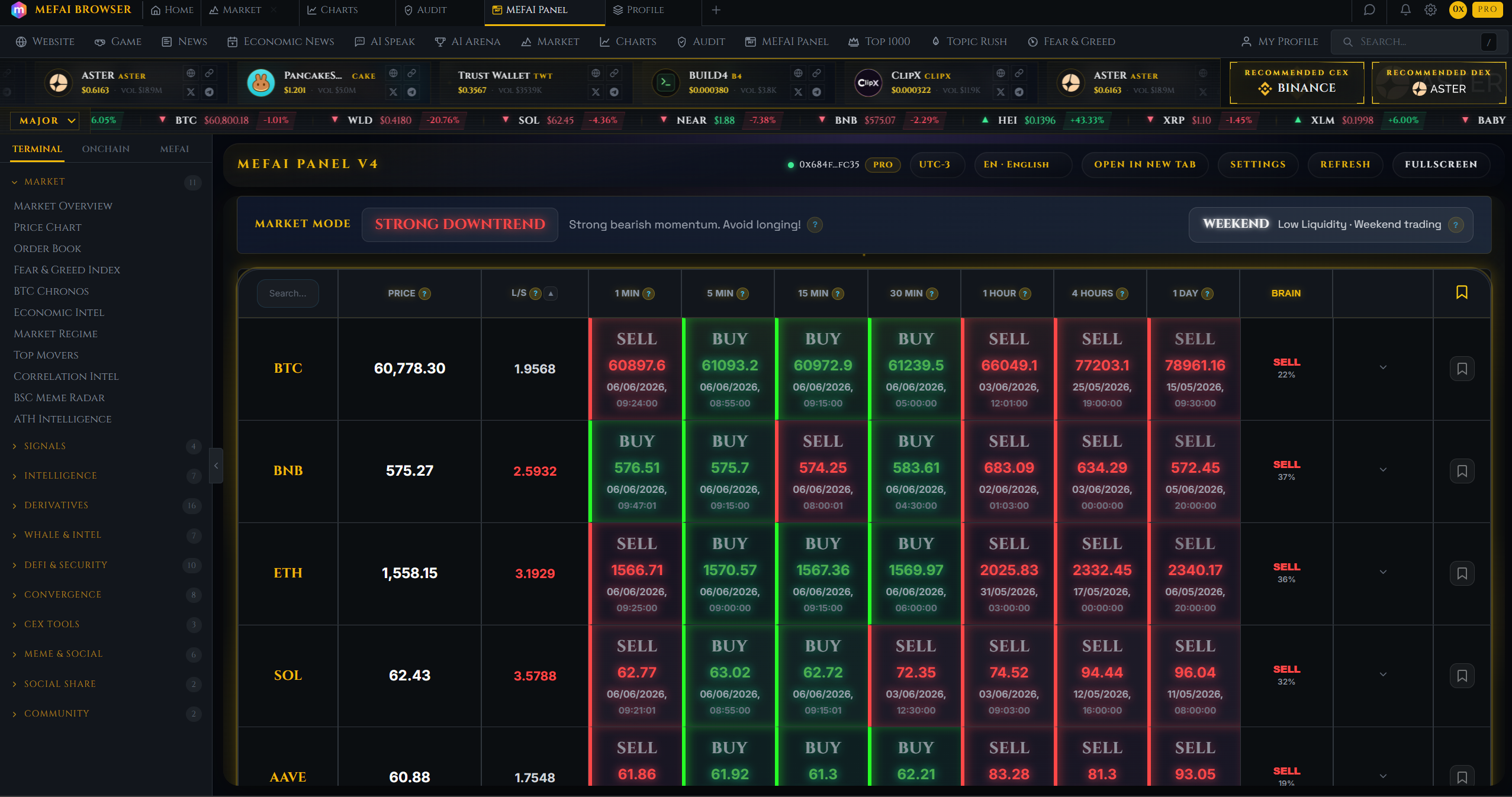
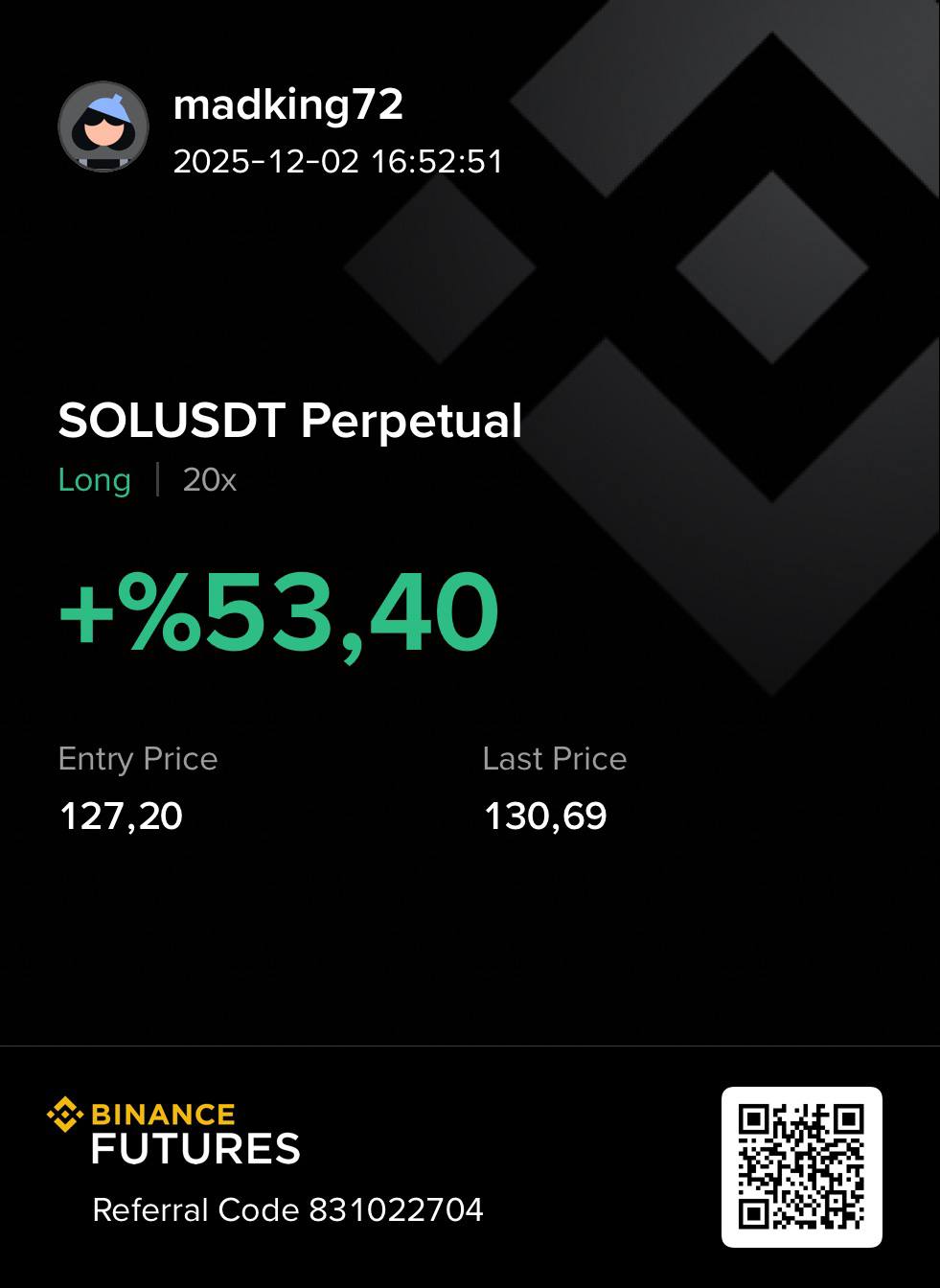
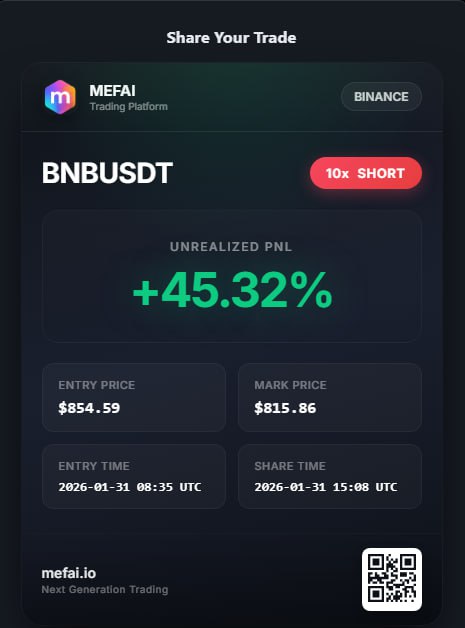
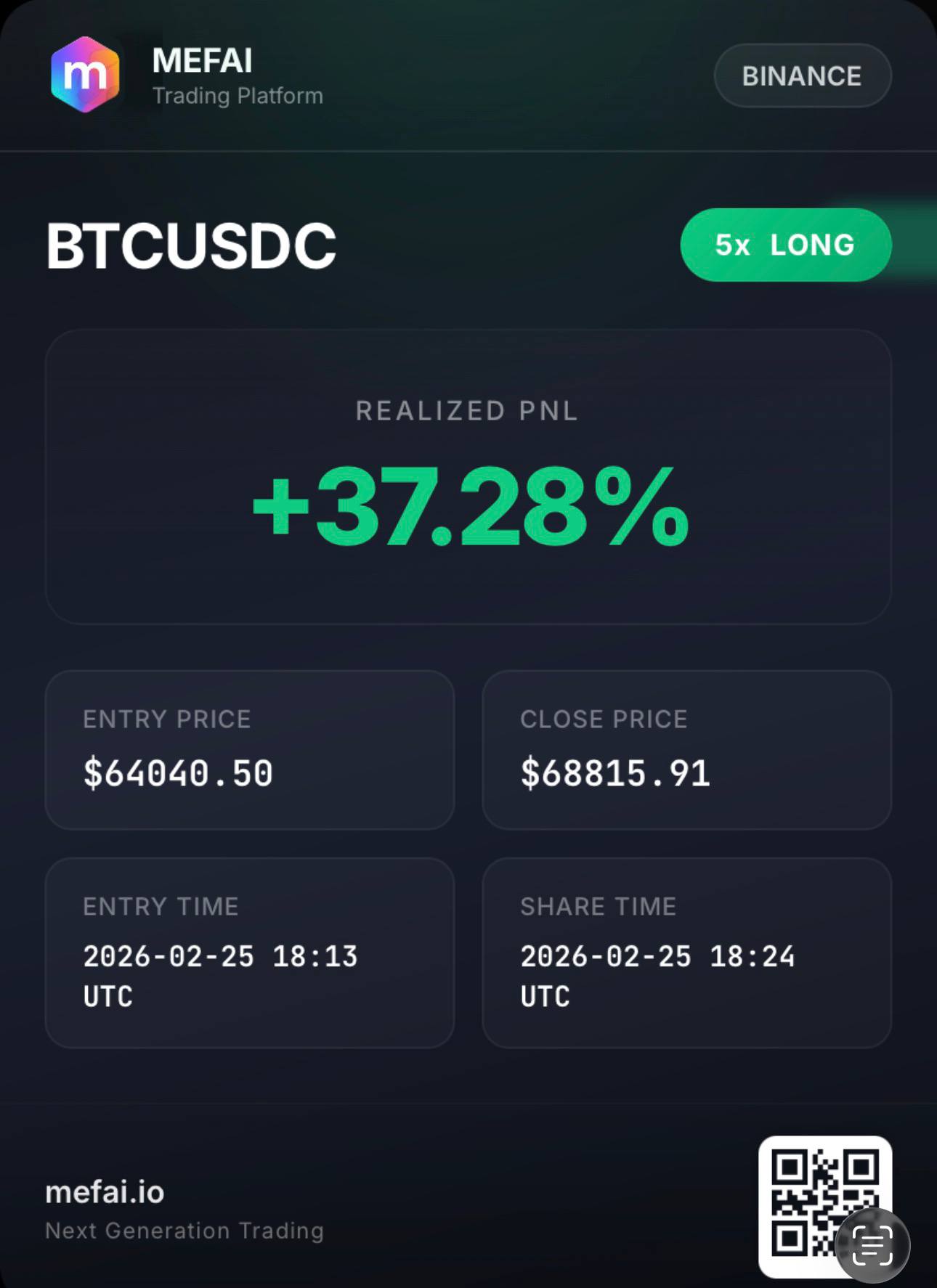
Real results from MEFAI's AI. Get $50 off the Pro plan.
Sponsored · Past performance is not indicative of future results. Not financial advice.

Sentiment data is best used as a secondary signal, not a primary trigger, because social trends can be noisy and self-reinforcing. Traders who follow news-driven moves or meme-coin cycles benefit most from sentiment tools, while on-chain-focused analysts may find them less essential. If you trade based on narrative shifts, prioritize platforms with broad social data coverage and sentiment scoring models you can customize.
All-in-one dashboards: best for solo traders who want simplicity
For traders who want a single interface covering price, on-chain, derivatives and sentiment, all-in-one dashboards like TradingView and Messari offer integrated views. TradingView combines charting with some on-chain and derivatives data via third-party integrations, making it a one-stop shop for many traders. Messari provides research reports alongside market metrics and on-chain data, appealing to investors who want both analysis and raw data in one place.
These platforms are ideal for solo traders who prefer not to juggle multiple tools. However, depth can suffer when everything is bundled together. If you need advanced derivatives analytics or granular on-chain labeling, a specialized tool may still be necessary. Test the free tiers to see if the all-in-one approach meets your needs before committing to a paid plan.
Team and enterprise platforms: best for analysts and institutions
Teams and institutions often need sharable workspaces, API access and audit trails. Glassnode and Santiment offer enterprise tiers with custom dashboards, role-based access and dedicated support. These platforms allow analysts to collaborate on reports, share data with stakeholders and integrate market data into internal systems. API access is especially valuable for building custom dashboards or automating alerts.
Budget is the main barrier here, as enterprise plans can be costly. Institutions should evaluate whether the added features justify the price, while smaller teams may find that free or mid-tier plans suffice. If collaboration and data integration are priorities, prioritize platforms with strong team features and reliable uptime.
How to choose: matching tools to your profile
Solo traders on a budget should start with free tiers of all-in-one platforms like TradingView or derivatives-focused tools like CoinGlass. Test how well the data aligns with your strategy before upgrading. If you rely heavily on on-chain data, Nansen or Glassnode offer unique insights but come at a premium—compare their free versions to see if the labeled wallets or macro metrics justify the cost.
Teams and power users should prioritize platforms with API access and collaboration features, even if it means paying more. Institutions may need Glassnode’s enterprise tier or Santiment’s team plans to support multiple analysts and integrate data into existing workflows. For futures traders, liquidation and funding-rate tools are non-negotiable, while sentiment tools are best for those trading narrative-driven assets.
Practical setup tips
Start with one primary tool and one or two secondary sources to avoid data overload. For example, use Nansen for on-chain signals, CoinGlass for liquidations and TradingView for charting. Set up alerts for key metrics like funding-rate spikes or large wallet movements to act quickly. If you use multiple tools, standardize your data sources to reduce noise—mixing conflicting signals can lead to poor decisions.
Always cross-check critical signals before acting. On-chain labels can be wrong, liquidation feeds may lag slightly, and sentiment data can be manipulated. Use these tools to inform your thesis, not replace judgment. Finally, revisit your toolkit every few months—new platforms emerge, and existing ones update features, so what worked six months ago may not be optimal today.
Bottom line
The right market analysis tool depends on your focus, budget and workflow. On-chain platforms like Nansen and Glassnode suit accumulation-focused traders, while derivatives tools like CoinGlass and Bybt are essential for futures traders managing liquidation risk. Sentiment tools like Santiment and LunarCrush help gauge crowd psychology, and all-in-one dashboards like TradingView simplify workflows for solo traders. Teams and institutions should prioritize platforms with collaboration and API features, even at higher costs.
Before committing, test free versions, compare data freshness and ensure the platform covers the chains and exchanges you trade. Market analysis tools are force multipliers, but they work best when aligned with your strategy and risk tolerance. Choose wisely, and your analysis will be sharper and your decisions more confident.
More in Crypto & Trading

DeFi Compared: Matching the Right Platform to Your Needs
A practical guide to the leading DeFi platforms, who each suits, what they offer, and how to choose based on your goals and risk tolerance.

Why an Anthropic IPO Could Tie Bitcoin Closer to the AI Trade
An Anthropic stock listing would give traders a single AI stock to bet on, tightening bitcoin’s correlation with the AI trade and increasing its sensitivity to Fed policy and risk appetite.
AI Crypto Trading Tools for Beginners: How to Get Started Safely
A no-nonsense beginner’s guide to AI crypto trading tools: what they do, how to start, and which beginner-friendly options to consider first.