
Crypto Wallets in 2026: How Hardware and Self-Custody Are Evolving
By Mag-Info Tech editorial · 2026-06-10
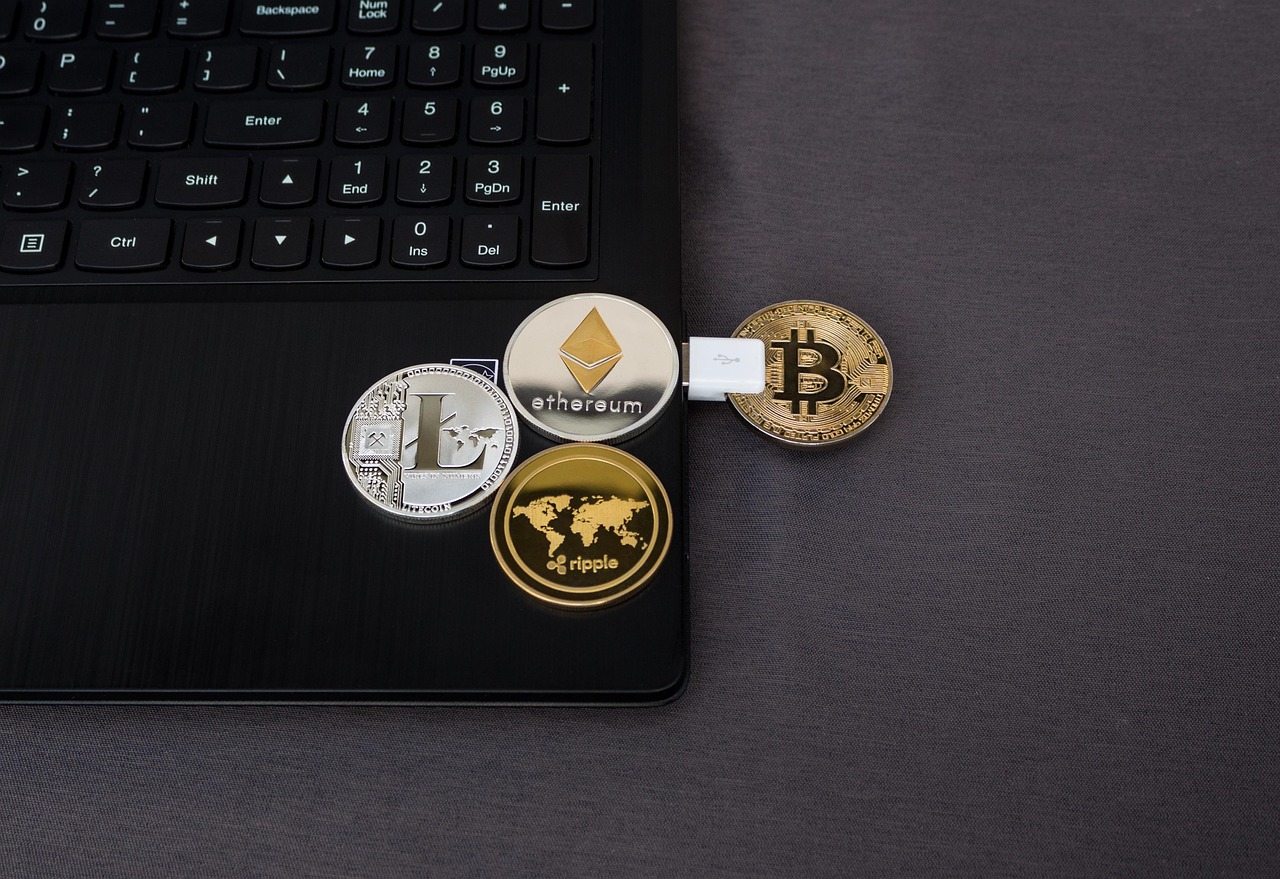
Why wallets and security are changing in 2026
The biggest shift in 2026 is that wallets are no longer just storage—they are security hubs. After years of exchange hacks and lost passwords, users are moving toward self-custody with hardware devices that combine tamper-resistant chips, biometric locks, and offline signing. At the same time, custody providers are offering insurance and legal protections that make high-value storage feel safer than keeping large balances on exchanges. These changes are driven by clearer regulations, better chip-level defenses, and demand for wallets that work across dozens of blockchains without extra software.
This guide focuses on hardware wallets and self-custody options that matter today and will still matter in a few years. It explains what has actually changed, who each tool is best for, and how to pick one that won’t feel outdated next year.
What “self-custody” means in 2026
Self-custody no longer requires memorizing seed phrases or juggling multiple apps. Modern hardware wallets store private keys inside secure elements that wipe themselves after too many failed unlock attempts. Many now include a small screen and side buttons so you can verify transactions on the device itself, removing trust in a connected computer. Others add multi-user policies where family members can inherit access after a set period, addressing a long-standing worry about “what happens when I’m gone.”
For institutions, custody providers have integrated hardware-backed vaults with professional key-sharding, real-time monitoring, and legal wrappers that shift liability from the user to the provider—something that was rare even in 2024. These vaults still rely on hardware security modules, but now they expose APIs so developers can build custom policies without touching raw keys. If you hold more than a few thousand dollars in crypto and want to avoid exchange risk, the new generation of vaults is the most direct path.
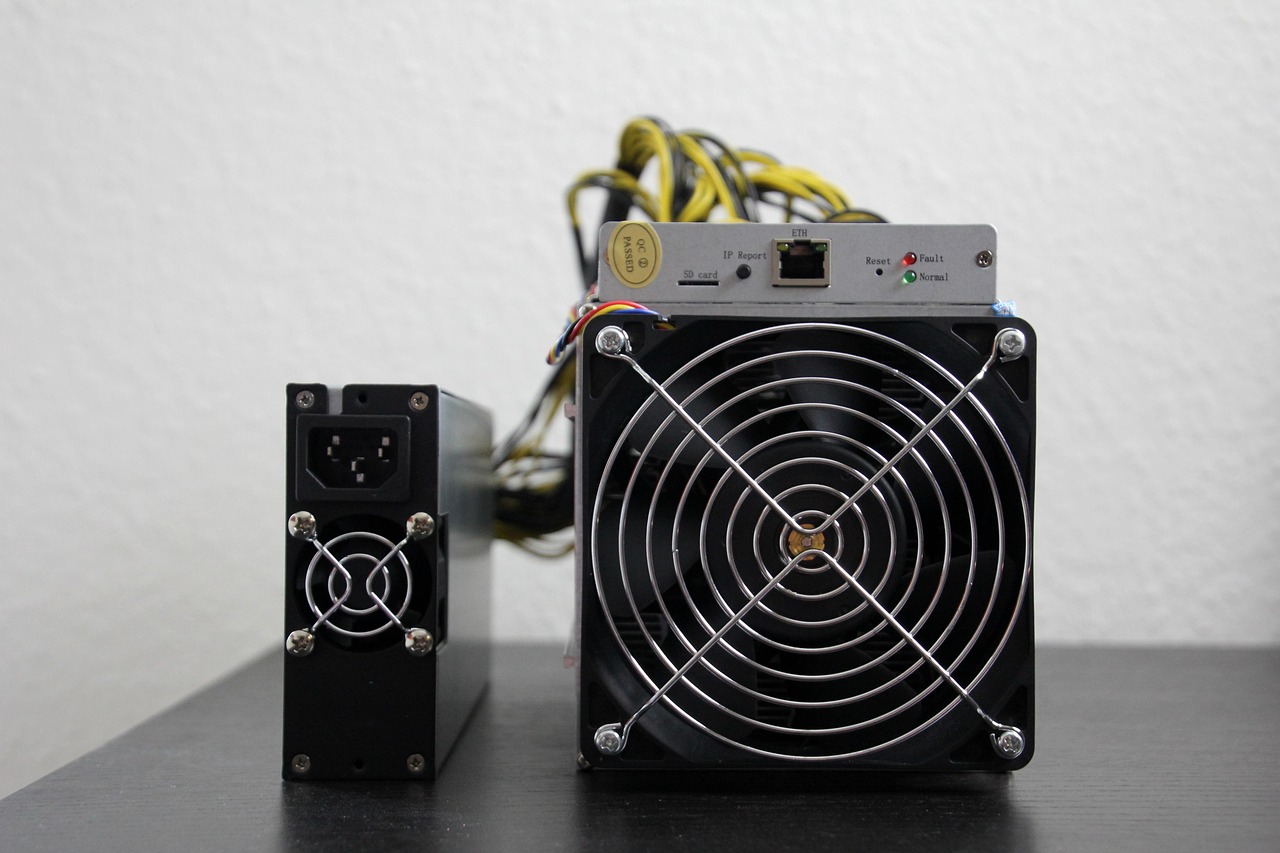
Best hardware wallets for most users
For everyday users who want strong security without complexity, 2026’s top hardware wallets share a few traits: they support at least 50 chains out of the box, include a bright screen for transaction verification, and can pair with mobile apps for quick access. One device uses a swappable secure element so if the chip is compromised the owner can physically replace it without losing funds. Another adds a secondary Bluetooth chip that only activates when you press a hidden button, reducing wireless attack surfaces. Both keep private keys offline and require a PIN plus fingerprint or face ID before any signing.
These wallets are best for people who actively trade or hold several assets and want one device to rule them all. They are not the cheapest, but they avoid the fragmentation that forces users to buy multiple specialized devices. If you plan to keep your crypto for years and want a single point of control, these wallets deliver the strongest balance of safety, convenience, and future-proofing.
Best hardware wallets for Bitcoin maximalists
Bitcoin-only hardware wallets have evolved beyond simple signing. The newest models include side-channel resistant boards, open-source firmware that anyone can audit, and a “coinjoin mode” that mixes transactions before they leave the device. One wallet adds a microSD slot so you can load unsigned transactions from an air-gapped computer and sign them offline, a feature once limited to enterprise HSMs. These devices are heavier and pricier, but they are built for users who value Bitcoin’s censorship resistance above all else.
If you rarely touch altcoins and want the simplest, most transparent path, a Bitcoin-only wallet is still the gold standard. Pair it with a reputable multisig setup using three devices from different manufacturers, and you approach the security level of a high-security vault without the institutional price tag.
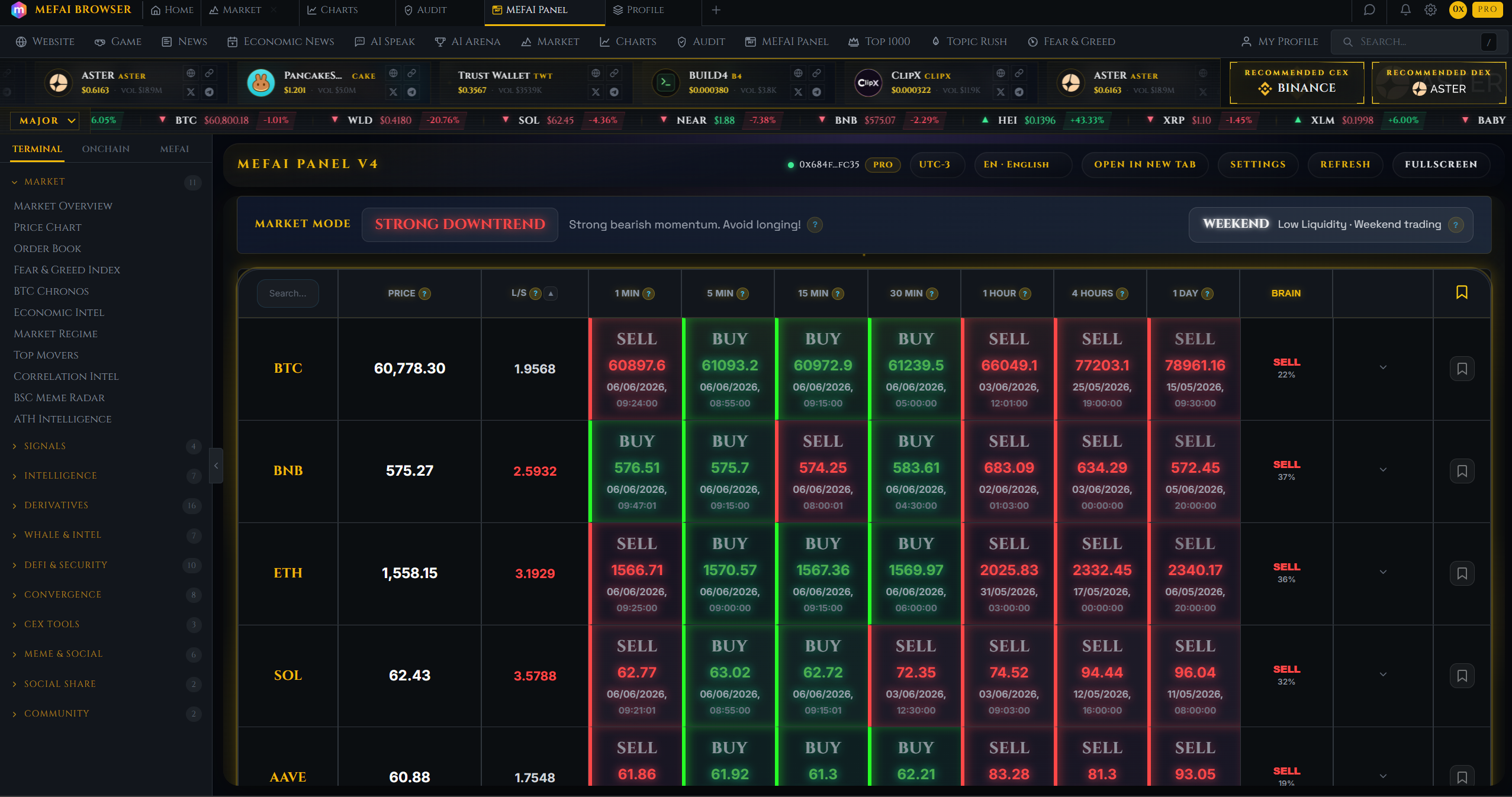
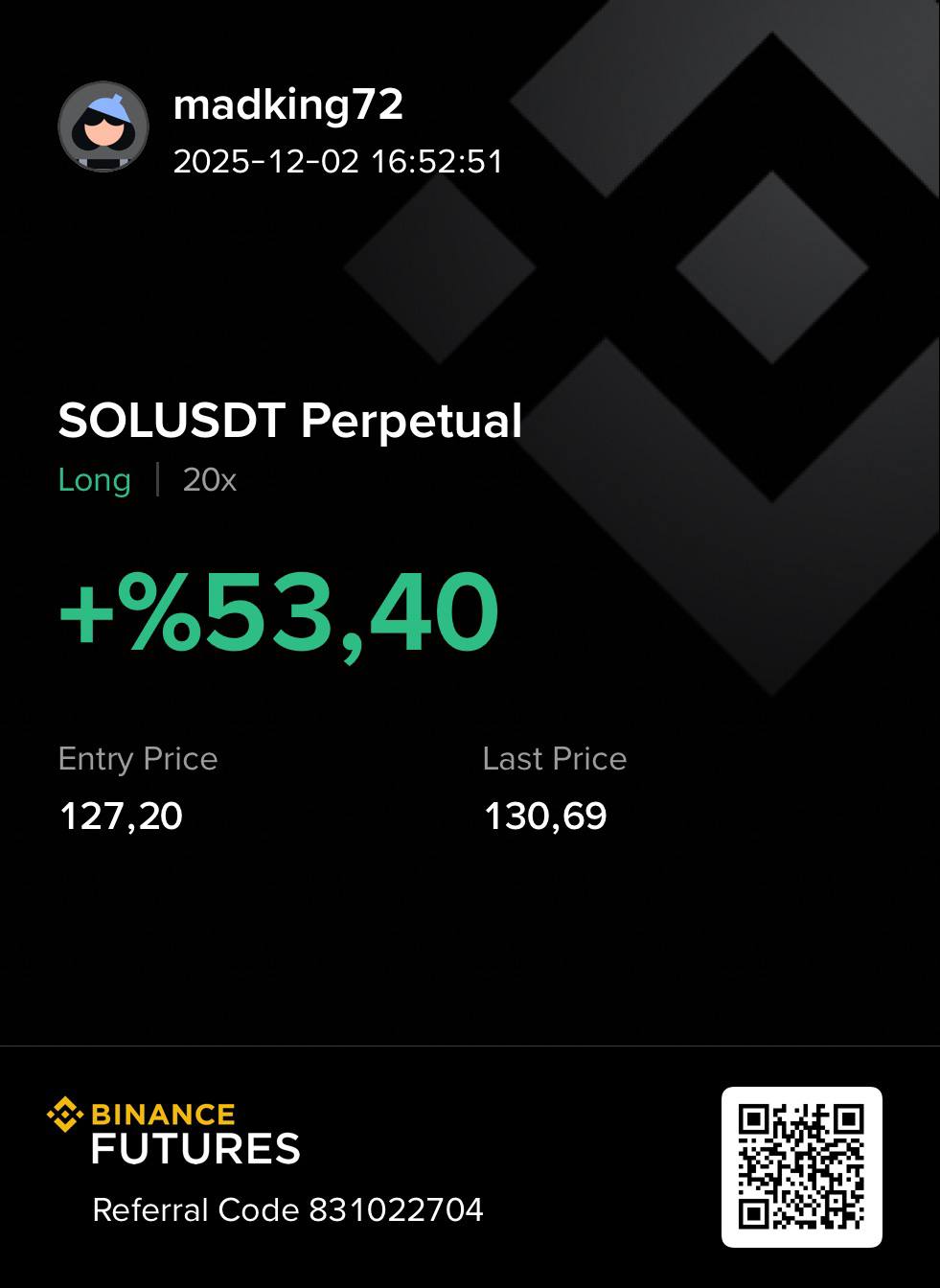
Real results from MEFAI's AI. Get $50 off the Pro plan.
Sponsored · Past performance is not indicative of future results. Not financial advice.

Best self-custody tools for institutions and DAOs
Institutions and decentralized autonomous organizations now have hardware-backed custody platforms that combine key sharding, policy engines, and real-time compliance checks. One platform uses a cluster of hardware security modules that require a threshold of human signers plus automated policy approvals before any transaction executes. Another offers a “time-lock” mode where large transfers must wait days before finalizing, giving members a chance to veto suspicious activity.
These tools are best for treasuries holding seven-figure balances or DAOs managing community funds. They integrate with accounting software, produce audit trails automatically, and can be upgraded without migrating keys. The trade-off is complexity: setup requires coordination among multiple stakeholders and sometimes legal review. If you lead a DAO or manage a corporate treasury, these platforms are the only practical way to keep control while satisfying regulators and auditors.
What to watch: new security layers on the horizon
Two trends are still emerging and worth watching. The first is “social recovery” wallets that let you designate trusted friends or family as guardians who can help restore access if you lose your device. In 2026 some guardians can be hardware wallets themselves, adding another layer of tamper evidence. The second is on-device biometric templates stored in the secure element, which means your fingerprint or face data never leaves the wallet, reducing privacy risks from connected apps.
Neither trend is mature enough to replace PINs or seed phrases entirely, but early adopters are already using them for smaller accounts. Keep an eye on wallets that let you toggle these features on and off, so you can experiment without locking yourself out.
How to choose a wallet that won’t be obsolete next year
Start by listing the chains you use most. If you hold Bitcoin, Ethereum, and Solana, pick a wallet that supports all three out of the box; avoid tools that require third-party bridges. Next, decide whether you need mobility—some wallets are pocket-sized while others are desktop-only. Finally, consider inheritance: if you have a family or team, look for wallets with built-in multi-sig or time-delay features.
Avoid wallets that hide their supply chain or firmware source. Prefer devices with transparent audit reports and a history of prompt security updates. If you can, buy directly from the manufacturer or an authorized reseller to avoid supply-chain tampering. Lastly, test the recovery flow before funding the wallet—many users discover too late that their backup phrase is ambiguous or that their chosen wallet doesn’t support their preferred derivation path.
The bottom line
Hardware wallets in 2026 are safer, more flexible, and easier to use than the early 2020s models. Most users will be happiest with a mainstream multi-chain device that includes a secure screen and robust backup options. Institutions and DAOs should look at hardware-backed vaults with policy engines and multi-signer controls. Watch for social-recovery and biometric-on-device features, but treat them as extras rather than requirements. Choose based on chains, form factor, and recovery path, and always buy through official channels. If you do, your wallet will still feel modern and secure for years to come.
More in Crypto & Trading
DeFi Compared: Matching the Right Platform to Your Needs
A practical guide to the leading DeFi platforms, who each suits, what they offer, and how to choose based on your goals and risk tolerance.

Why an Anthropic IPO Could Tie Bitcoin Closer to the AI Trade
An Anthropic stock listing would give traders a single AI stock to bet on, tightening bitcoin’s correlation with the AI trade and increasing its sensitivity to Fed policy and risk appetite.

AI Crypto Trading Tools for Beginners: How to Get Started Safely
A no-nonsense beginner’s guide to AI crypto trading tools: what they do, how to start, and which beginner-friendly options to consider first.