
Free vs Paid Crypto Wallets: When to Pay for Security and What You Get
By Mag-Info Tech editorial · 2026-06-10
Why wallet choice is the most important security decision you make
Crypto wallets don’t actually store your coins; they protect the private keys that let you move them. Choose the wrong type or cut corners on security, and you risk losing access forever or falling victim to theft. Free wallets are everywhere, from browser extensions to mobile apps, but they differ widely in custody, backup options, and attack surface. Paid solutions like hardware wallets add physical layers of protection that are hard to replicate with software alone. The right pick depends on how much you own, how often you transact, and how much responsibility you’re willing to accept.
Most newcomers start with free wallets because they’re easy to set up and cost nothing. That can be fine for small amounts you plan to spend or trade regularly. But as balances grow, the stakes rise. Free wallets that rely on third-party servers or custodial services shift control—and risk—onto someone else. If you want true self-custody, you’ll eventually need to move beyond free options. The question isn’t whether to pay, but when and for what.
How free wallets work and where they fall short
Free wallets come in two main flavors: custodial and non-custodial. Custodial wallets, often offered by exchanges, hold your keys for you. They’re convenient—login with a password, enable two-factor authentication, and you’re ready. For small balances or frequent trading, this is often enough. But if the platform gets hacked or freezes withdrawals, your funds are at risk. History shows even large exchanges can fail, leaving users waiting years for refunds.
Non-custodial free wallets let you control your keys directly. You download the app or extension, generate a seed phrase, and keep it offline. These wallets are safer than custodial ones because you’re not relying on a company’s security posture. However, they still face risks: malware on your device can steal seed phrases, phishing sites can trick you into entering them, and lost backups can lock you out permanently. Free wallets also often lack advanced features like multi-signature, hardware wallet integration, or detailed transaction simulation—tools that paid solutions provide.
What paid wallets—especially hardware ones—actually add
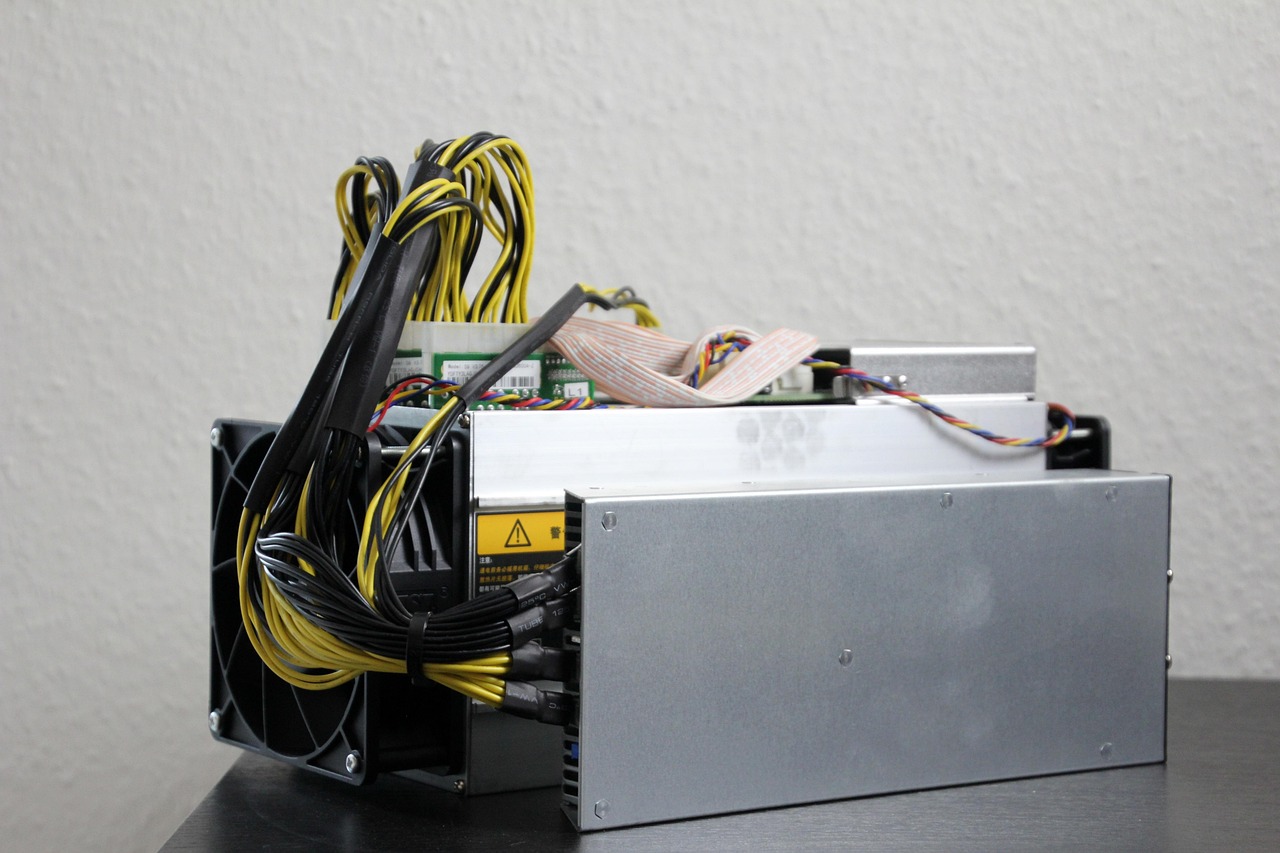
Hardware wallets are small, dedicated devices that generate and store private keys offline. They’re the most widely recommended paid solution for serious crypto holders because they physically isolate keys from internet-connected devices. Even if your computer is infected with malware, the hardware wallet won’t reveal your keys during signing. It also requires physical confirmation for every transaction, adding a second layer of defense against remote attacks.
Beyond security, paid wallets often include better backup and recovery options. Some support multi-signature setups, where multiple devices or people must approve a transaction. Others integrate with desktop or mobile apps that offer clearer transaction previews, fee customization, and address labeling. Some even include built-in exchange features or support for niche assets without relying on third-party services. These extras don’t directly prevent theft, but they reduce human error and improve transparency—critical when mistakes can be irreversible.
Who should stick with free wallets—and who shouldn’t
Free wallets are a good fit for people who treat crypto like digital cash: small balances used for spending, trading, or experimenting. If you’re dipping toes into Bitcoin or Ethereum and plan to keep less than a few hundred dollars worth at a time, a reputable non-custodial free wallet is usually sufficient. Just ensure you back up the seed phrase securely and avoid storing large amounts on exchanges for long periods.
Anyone holding more than a modest amount should seriously consider upgrading. This includes long-term investors, people managing funds for others, or anyone in a high-risk environment where malware or social engineering is common. If you’re unsure, ask: could you afford to lose this money tomorrow? If the answer is no, move it off free wallets and into a hardware wallet or a non-custodial solution with stronger controls.
Comparing top free non-custodial wallets for everyday use
Among free non-custodial options, a few stand out for reliability and ease of use. One widely used wallet offers a clean mobile interface and supports hundreds of assets with direct integrations for decentralized exchanges. It includes basic security features like biometric login and encrypted backups, but relies on the user to protect the seed phrase. Another popular choice focuses on desktop users, emphasizing open-source transparency and compatibility with hardware wallets. Both are solid for regular spending and small holdings, but neither provides the physical isolation of a hardware device.
A third option is a browser-based wallet known for its simplicity and built-in swap feature. It’s convenient for quick trades but stores keys in the browser, which can be vulnerable if the device is compromised. For users who prioritize speed and simplicity over maximum security, these free tools can work well. Just remember: all free wallets shift the burden of security entirely onto you. If you misplace your seed phrase or fall for a phishing link, recovery is up to you—and often impossible.
When a paid hardware wallet becomes the only sensible choice
Hardware wallets shine when you need guarantees that no software can provide. They’re the standard for anyone storing life savings, managing business funds, or holding assets long-term. Even if your computer is infected, the hardware wallet’s screen and buttons let you verify transaction details independently. Most models also support passphrase encryption, turning a simple PIN into a stronger security layer. Over time, the cost—typically in the tens of dollars—pales compared to the value of the assets it protects.
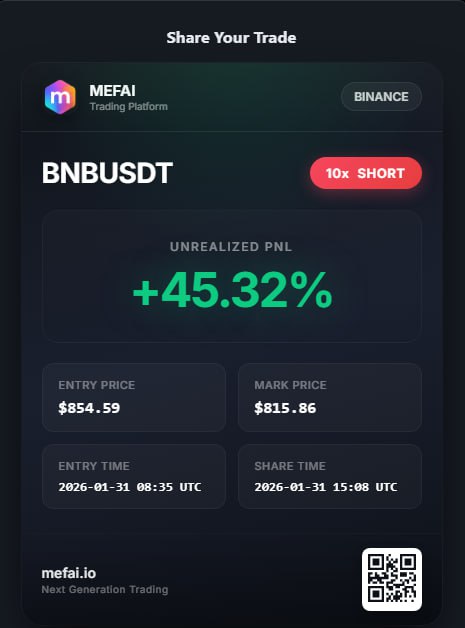
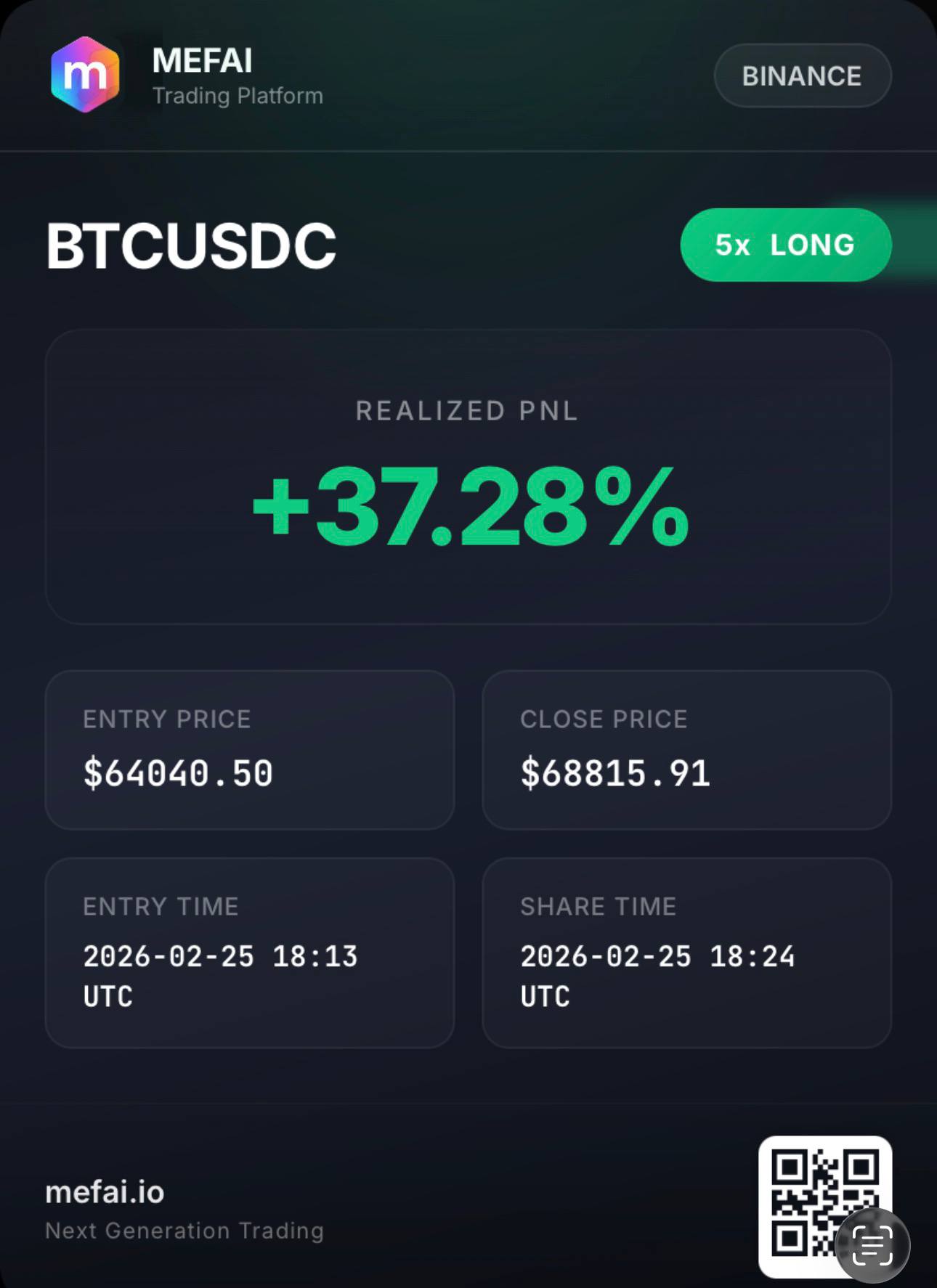
Real results from MEFAI's AI. Get $50 off the Pro plan.
Sponsored · Past performance is not indicative of future results. Not financial advice.

Another scenario where paid wallets excel is multi-asset management. Some hardware wallets support dozens of blockchains natively, letting you manage Bitcoin, Ethereum, and niche tokens from one device. They often include firmware updates and community audits, reducing the risk of hidden vulnerabilities. For people juggling multiple wallets or using advanced features like coin mixing or staking, these devices reduce complexity and error. The peace of mind is hard to quantify, but it’s real.
What about paid software wallets? Do they bridge the gap?
Some companies sell “premium” software wallets that add features like encrypted cloud backups, multi-device sync, or advanced analytics. These can be useful for power users who want self-custody without buying hardware. For example, one paid mobile wallet offers encrypted cloud storage for seed phrases and multi-signature support on select chains. Another desktop wallet provides detailed portfolio tracking and tax reporting tools. These features reduce friction and improve usability, but they don’t eliminate the core risk: your keys are still on an internet-connected device.
Paid software wallets are a middle ground—more secure than free custodial options, but less secure than hardware wallets. They make sense for people who transact frequently and want convenience without trusting an exchange. However, they still require strong device security, regular updates, and careful backup management. If you go this route, prioritize wallets with open-source code and a track record of transparent security practices. Even then, treat them as a stepping stone: as your balance grows, plan to migrate to a hardware wallet.
Practical selection criteria: how to choose without hype
Start by defining your risk profile. Ask: How much am I willing to lose in a single incident? How tech-savvy am I? Do I travel often or use public Wi-Fi? Your answers determine the minimum acceptable security level. Next, audit your transaction habits. If you move funds daily, a free non-custodial wallet with strong backup options may suffice. If you rarely transact but hold large sums, a hardware wallet is likely necessary.
Evaluate custody carefully. Custodial wallets are convenient but shift control to a third party. Non-custodial wallets give you control but put the responsibility on you. Paid hardware wallets combine control with physical isolation. Also consider ecosystem support. Does the wallet support the assets you own? Can it integrate with your preferred exchanges or DeFi platforms? Finally, test the backup and recovery process before committing. If you can’t confidently restore access, the wallet isn’t safe—no matter what it promises.
Setting up and using a hardware wallet safely
Begin by purchasing directly from the manufacturer or an authorized reseller to avoid tampered devices. Once you receive it, initialize it using the device’s official instructions—not a QR code or link from an email. Write down the seed phrase on paper and store it in a secure, offline location. Never photograph it, store it in a cloud document, or enter it into a computer. If the device is lost or damaged, this seed phrase is your only recovery path.

Use the device’s screen and buttons to verify every transaction. Avoid blind signing—always check the recipient address and amount on the wallet’s display. Enable any available security features, like a PIN or passphrase. Keep the firmware updated and avoid using the device on untrusted computers. For extra protection, consider a secondary backup seed phrase stored in a different physical location. Treat the hardware wallet like a vault: it’s only as strong as your operational discipline.
Common mistakes that undermine even the best wallets
The most frequent mistake is poor seed phrase management. Storing it digitally, sharing it with others, or misplacing it accounts for most wallet losses. Another error is using the same seed phrase across multiple wallets, which increases exposure if one is compromised. Some users also overlook transaction previews, signing transactions without verifying details on the device’s screen. Others mix wallet types carelessly—storing large sums in a free wallet while using a hardware wallet for small amounts, which defeats the purpose of the upgrade.
Social engineering remains a top threat. Phishing links, fake support chats, and impersonation scams trick users into revealing seed phrases or connecting compromised wallets. Always verify sources independently and never enter seed phrases outside the wallet’s official interface. Finally, complacency is dangerous. Even the best wallet is useless if you ignore security basics like regular backups, firmware updates, and cautious browsing habits.
The bottom line: what to pay for and when
For small, active balances, a reputable free non-custodial wallet is often enough—just ensure you control the keys and back them up securely. As your holdings grow or your risk tolerance shrinks, upgrade to a hardware wallet. The cost is modest compared to the protection it provides. Avoid custodial wallets for anything beyond short-term trading or negligible amounts. If you need advanced features without hardware, consider a paid software wallet—but treat it as a temporary solution.
Ultimately, the best wallet is the one you use correctly every time. Security isn’t about the price tag; it’s about the habits and controls you maintain. Start simple, stay disciplined, and scale up only when the risk justifies it.
More in Crypto & Trading

DeFi Compared: Matching the Right Platform to Your Needs
A practical guide to the leading DeFi platforms, who each suits, what they offer, and how to choose based on your goals and risk tolerance.

Why an Anthropic IPO Could Tie Bitcoin Closer to the AI Trade
An Anthropic stock listing would give traders a single AI stock to bet on, tightening bitcoin’s correlation with the AI trade and increasing its sensitivity to Fed policy and risk appetite.

AI Crypto Trading Tools for Beginners: How to Get Started Safely
A no-nonsense beginner’s guide to AI crypto trading tools: what they do, how to start, and which beginner-friendly options to consider first.