
Crypto Wallets & Security for Beginners: How to Get Started Safely
By Mag-Info Tech editorial · 2026-06-10
Why self-custody matters when you’re just starting out
If you’re new to crypto, the first decision you’ll face is where to store your coins. The simplest route is to leave them on an exchange, but that means the exchange controls the keys. If the platform gets hacked, freezes withdrawals, or goes out of business, your funds can vanish. Moving coins into your own wallet—often called “self-custody”—puts you in charge of access and recovery, which is the safer long-term habit. For beginners, the goal is to begin with a small amount you can afford to lose, learn the basics of seed phrases and transaction fees, and then scale up as your confidence grows.
The biggest beginner pitfalls are phishing sites that mimic wallet apps, fake customer-support accounts on social media, and devices that arrive pre-infected. Practicing with a test transaction of a few dollars can reveal whether you’ve set up the wallet correctly before you move larger balances. Once you’re comfortable with the process, you can add a hardware wallet as a physical backup to protect your main holdings from malware and online theft.
Hot wallets: smartphone and browser options for daily use
Hot wallets run on internet-connected devices, making them convenient for quick trades and everyday spending. They generate and store your private keys on your phone or computer, so you need strong device security—updated operating systems, reliable antivirus, and a screen-lock PIN—to keep them safe. Popular, beginner-friendly hot wallets include Trust Wallet, MetaMask for Ethereum and tokens, and Exodus, which supports multiple chains in one app. These wallets let you swap tokens inside the app, view NFTs, and connect to decentralized apps without leaving your wallet interface.
For Ethereum users, MetaMask is the de facto starting point because it connects seamlessly to NFT marketplaces, DeFi protocols, and Layer-2 networks. Trust Wallet offers a similar experience with built-in staking and a clean mobile interface. Exodus stands out for multi-asset newcomers who want one app to hold Bitcoin, Solana, and other popular coins. All three wallets display your seed phrase only once during setup; writing it down on paper and storing it offline is essential. If you lose the device or uninstall the app, the seed phrase is the only way to restore access, so treat it like cash.
Custodial wallets: when an exchange holds your keys
Custodial wallets are the default when you buy crypto on an exchange. The exchange generates and stores the private keys, so you log in with a username and password instead of a seed phrase. This is the easiest route for absolute beginners who want to buy a little Bitcoin or Ethereum without learning seed phrases right away. Exchanges also offer built-in exchange features, so you can trade coins without moving them to another app.
The trade-off is control: if the exchange’s security is breached, freezes your account, or restricts withdrawals, you must rely on their customer service to recover funds. Regulatory actions or compliance checks can also temporarily lock funds. For small amounts or short-term holdings, custodial wallets are fine, but as your balance grows, moving to self-custody reduces these risks. Many newcomers start here, then migrate to a hot wallet for daily use and eventually a hardware wallet for long-term storage.
Hardware wallets: the gold standard for securing larger amounts
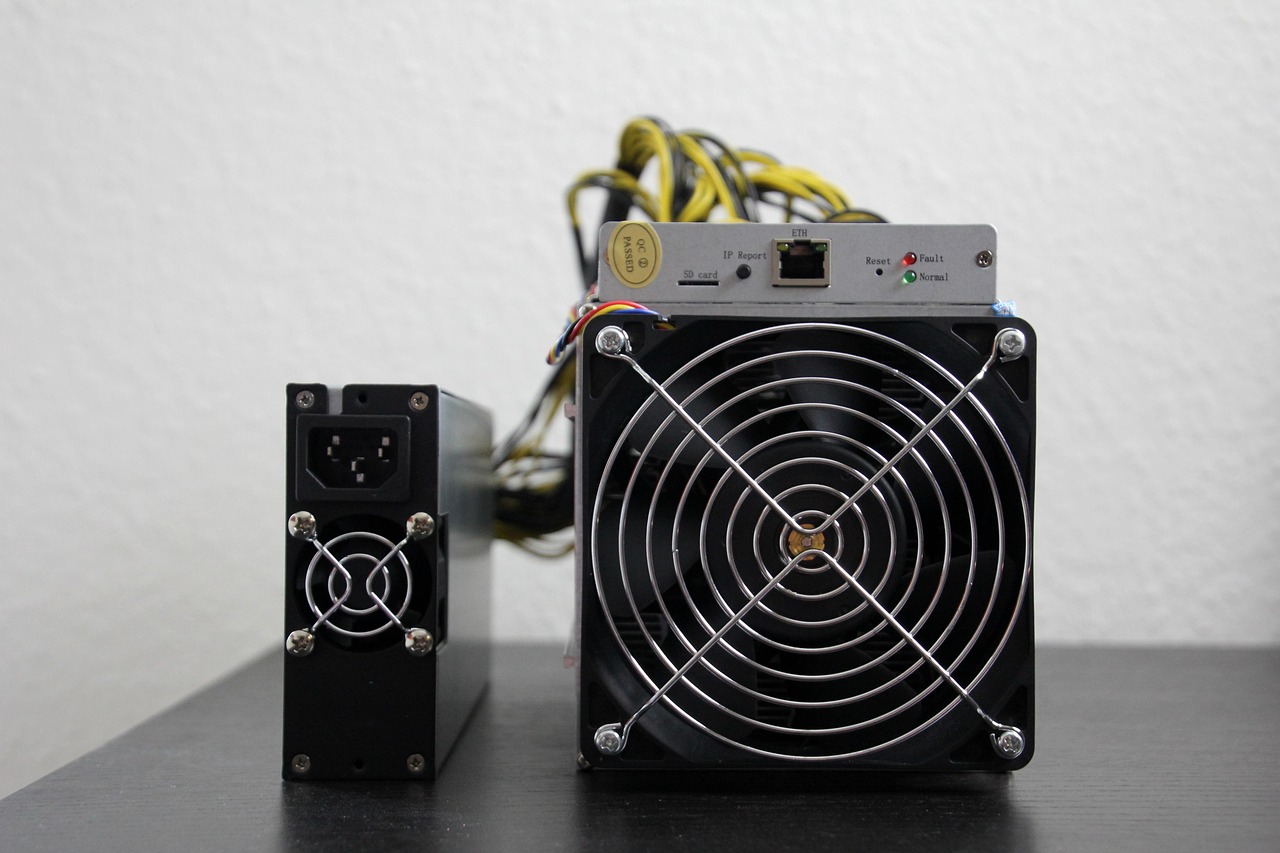
Hardware wallets keep private keys offline on a dedicated device, making them immune to most malware and phishing attacks that target hot wallets. They connect to your computer or phone only when you need to sign a transaction, so your keys never touch the internet. Popular models like Ledger and Trezor are designed for beginners, with clear instructions and recovery processes. When you set one up, the device generates a seed phrase that you must write down and store securely; this phrase is the only way to restore your wallet if the device is lost or damaged.
For someone holding more than a few hundred dollars in crypto, a hardware wallet is the most straightforward way to add serious protection without learning advanced security practices. The devices cost more than a hot wallet app, but they remove the risk of a compromised phone or computer stealing your funds. Many hardware wallets also support multiple cryptocurrencies and integrate with popular hot wallets, so you can manage diverse portfolios safely. If you plan to hold crypto for years, the hardware wallet becomes the cornerstone of your security setup.
Seed phrases and recovery: the one thing you must protect
Every non-custodial wallet, whether hot or hardware, relies on a seed phrase—a sequence of 12 or 24 words generated when you first set up the wallet. This phrase is your wallet’s master key; anyone who sees it can steal your funds, and anyone who loses it can never recover access. Beginners often underestimate how easy it is to accidentally share the phrase via screenshots, clipboard history, or shoulder surfing. The safest practice is to write the phrase on paper, double-check each word, and store it in a secure location like a safe or a locked drawer.
Never store the phrase digitally—not in cloud notes, password managers, or encrypted files—because malware or future security breaches could expose it. Some users split the phrase across multiple secure locations, but that increases the risk of loss if one piece is misplaced. If you’re unsure about memorization, consider a metal backup plate designed for seed phrases; these resist fire and water better than paper. Treat the seed phrase with the same care you would a stack of cash; once it’s gone, there’s no customer support to call.








Real results from MEFAI's AI. Get $50 off the Pro plan.
Sponsored · Past performance is not indicative of future results. Not financial advice.

Multi-signature and social recovery: advanced options for cautious users
Once you’re comfortable with basic wallets, you may want extra layers of protection. Multi-signature wallets require multiple approvals to move funds—for example, two out of three keys held by different people or devices. This is useful for shared savings or business treasuries, but it adds complexity that most beginners don’t need. Social recovery wallets let you designate trusted contacts or devices that can help you regain access if you lose your main key, without fully trusting a single third party. These features are available in wallets like Argent and Gnosis Safe, but they require careful setup and clear agreements with your recovery contacts.
For most newcomers, sticking with a single hardware wallet and a securely stored seed phrase is enough. Social recovery and multi-sig are powerful tools for larger holdings or shared funds, but they introduce new risks if recovery contacts are compromised or unavailable. Start simple, then explore these options only when you understand the trade-offs.
Transaction fees and network choices: avoiding surprise costs
Every crypto transfer incurs a network fee paid to miners or validators. These fees vary by blockchain and network congestion; sending Bitcoin during high demand can cost far more than sending Litecoin at the same time. Hot wallets usually let you adjust the fee before confirming, while hardware wallets often show a recommended fee based on current conditions. Beginners should practice sending small amounts first to see how fees work on their chosen network, and they should avoid rushing transactions during periods of high congestion.
Some wallets also support Layer-2 solutions like Arbitrum or Optimism for Ethereum, which can slash fees and speed up transactions. If you plan to use DeFi or NFTs frequently, choosing a wallet that supports these networks can save money over time. Always check the wallet’s supported networks before transferring funds; sending Bitcoin to an Ethereum address—or vice versa—can result in permanent loss.

Red flags and common scams targeting new users
Beginners are frequent targets of wallet scams. Fake wallet websites mimic official apps, tricking users into entering seed phrases or downloading malware. Always download wallet software from the official website or trusted app store listings, and verify the URL carefully. Another common trick is the “tech support” scam, where scammers pose as customer service agents on social media or messaging apps, asking for seed phrases or remote access to your device. Legitimate wallet providers will never ask for your seed phrase or login credentials.
Phishing links in emails or social media posts can also lead to fake wallet interfaces that look identical to the real thing. Bookmark the official wallet URL after installation and avoid clicking links from unsolicited messages. Finally, watch for wallet apps that promise unrealistic features like guaranteed returns or “free” coins—these are almost always scams designed to steal your funds.
Step-by-step starter plan for your first wallet
- Start small: buy or transfer only a few dollars’ worth of crypto to a custodial wallet on an exchange.
- Practice: send a tiny amount from the exchange to a hot wallet you installed from the official source.
- Secure: write down the seed phrase, store it offline, and delete any digital copies.
- Diversify: once comfortable, add a hardware wallet for larger holdings and keep the seed phrase in a safe place.
- Stay updated: regularly check for wallet app updates and device firmware upgrades to patch security holes.
Following this sequence lets you learn without risking significant losses, while building habits that protect larger amounts later.
Final verdict: where to begin today
If you’re brand new, start with a custodial wallet on a reputable exchange to get comfortable buying and holding a small amount. Next, install a hot wallet like Trust Wallet, MetaMask, or Exodus on your phone, and move a small test amount to practice sending and receiving. Once you’re confident in handling seed phrases and transactions, add a hardware wallet like Ledger or Trezor for any funds you plan to keep long-term. Keep your seed phrase offline, avoid sharing it, and never trust unsolicited support messages. These steps give you control, reduce risk, and set you up for safer crypto ownership as your holdings grow.
More in Crypto & Trading

DeFi Compared: Matching the Right Platform to Your Needs
A practical guide to the leading DeFi platforms, who each suits, what they offer, and how to choose based on your goals and risk tolerance.

Why an Anthropic IPO Could Tie Bitcoin Closer to the AI Trade
An Anthropic stock listing would give traders a single AI stock to bet on, tightening bitcoin’s correlation with the AI trade and increasing its sensitivity to Fed policy and risk appetite.

AI Crypto Trading Tools for Beginners: How to Get Started Safely
A no-nonsense beginner’s guide to AI crypto trading tools: what they do, how to start, and which beginner-friendly options to consider first.