
How Crypto Exchanges Are Evolving in 2026: What Traders Need to Know
By Mag-Info Tech editorial · 2026-06-10
In 2026 the line between traditional finance and digital assets is blurring faster than ever. Centralized exchanges still dominate where users want liquidity and customer support, but they now settle trades on-chain or through permissioned ledgers, embed real-time compliance checks, and layer AI agents that help with everything from price forecasting to fraud alerts. Meanwhile, decentralized exchanges have matured from simple AMMs into full-stack trading platforms that connect directly to wallets, custody assets client-side, and settle on multiple L1s and L2s without a middleman. For traders and investors, the result is more choice, tighter integration with DeFi yields, and clearer regulatory footprints—if you know where to look.
Below is a practical guide to the exchanges that are leading these shifts in 2026, who each one is best for, and the durable criteria you should weigh before choosing where to buy, sell and trade. Whether you prioritize institutional-grade custody, zero-knowledge proof privacy, or AI copilots that trade while you sleep, there is now a platform built for it.
Why Crypto Exchanges Are Changing in 2026
The biggest evolution is that exchanges no longer just match orders—they also settle them. Major centralized platforms now publish proofs of on-chain settlement, allowing users to verify that trades actually occurred on public ledgers. This reduces the risk of internal mismatches and gives traders a clearer audit trail. At the same time, exchanges increasingly embed compliance into the trade lifecycle: identity checks happen at login, sanctions lists are screened before withdrawal, and travel-rule data travels with every cross-border transfer. These changes reflect regulatory expectations that are now global in scope, not just regional.
On the product side, exchanges have added AI-driven workflows that sit between the user and the market. Some platforms let you create “conditional bots” that trigger after a coin crosses a price threshold, then route the order to the venue with the best fill. Others surface real-time alerts about unusual withdrawal patterns or potential phishing addresses. The effect is that exchanges are becoming less like bulletin boards and more like trading desks with algorithmic assistants built in. For frequent traders, this can mean faster reactions and lower slippage; for newcomers, it can mean guardrails that were once only available to professionals.
Centralized Exchanges Still Rule for Liquidity and Support
Centralized exchanges remain the default choice for most users because they combine deep order books, fiat on-ramps, and live customer service. In 2026, the leading platforms have expanded their custody offerings to include multi-signature cold wallets, institutional-grade MPC wallets, and even hardware-backed vaults that require biometric approval from multiple signatories. This makes them suitable for high-net-worth individuals and small institutions who want the liquidity of a CEX with the security posture of a bank.
Another advantage is fiat integration. The best CEXs now let you link bank accounts, debit cards, and even brokerage accounts in one place, so you can move seamlessly between cash and crypto. They also embed tax calculators that auto-populate cost-basis data and generate compliant reports for most jurisdictions. For investors who want to dollar-cost-average into Bitcoin or diversify across large-cap altcoins without leaving the platform, these features remove a lot of friction. If you trade daily or need reliable customer support, a top-tier centralized exchange is still the most practical starting point.
Decentralized Exchanges Have Become Full-Stack Trading Platforms
Decentralized exchanges used to be synonymous with automated market makers and impermanent loss. In 2026, they are full trading ecosystems that connect directly to self-custody wallets, aggregate liquidity across multiple chains, and offer limit orders, stop-losses, and margin trading—all without a central operator. Some platforms now support cross-chain swaps in a single transaction, using atomic swaps or chain-agnostic bridges that settle in seconds. This is a major step forward from the early days of swapping tokens on the same network.
Privacy-focused DEXs have also introduced zero-knowledge proof systems that let you prove you hold sufficient funds or meet eligibility criteria without revealing your wallet address or transaction history. This is especially valuable in regions with capital controls or where financial surveillance is a concern. For users who prioritize self-custody and censorship resistance, these exchanges now rival centralized platforms in usability while maintaining the core ethos of decentralization. If you prefer to hold your keys and trade across ecosystems without intermediaries, a modern DEX is the clear choice.
Hybrid Exchanges Bridge the Gap Between CEX and DEX
Hybrid exchanges combine the liquidity of centralized order books with the self-custody model of decentralized platforms. In practice, users place orders on a traditional order book but settlement happens on-chain or in a permissioned sidechain. Some hybrids let you post limit orders off-chain and execute them on-chain only when matched, reducing gas fees and front-running risk. Others offer “one-click DeFi” features that automatically deposit idle assets into yield farms after a trade settles, turning spot trading into a yield-generating activity.
For traders who want the best of both worlds—deep liquidity with the security of self-custody—hybrid exchanges are increasingly the sweet spot. They also tend to have clearer compliance paths because they can separate order matching (which can be regulated) from settlement (which can remain decentralized). If you want to keep your coins in your own wallet but still enjoy the pricing and depth of a major exchange, look for a hybrid platform that publishes regular attestations of on-chain settlement.
What to Look for When Choosing an Exchange in 2026
Start with custody and settlement. If you are comfortable with self-custody, prioritize exchanges that let you retain control of private keys and publish on-chain proofs for every trade. If you prefer ease of use and customer support, choose a centralized exchange with strong regulatory licenses and transparent proof-of-reserves reports. In either case, verify that the exchange supports the chains and assets you care about—some platforms specialize in Bitcoin and Ethereum while others cover Solana, Cosmos, or newer L1s.
Next, examine the compliance and privacy posture. The best exchanges now embed identity checks, sanctions screening, and travel-rule compliance directly into the trade flow. If you are in a regulated jurisdiction, this reduces the risk of frozen funds or compliance surprises. If you are in a region with capital controls, look for privacy-preserving DEXs that use zero-knowledge proofs or chain-agnostic swaps. Also check whether the platform supports tax reporting and audit trails; this can save weeks of work at year-end.
Finally, evaluate the trading tools and AI assistance. Modern exchanges offer conditional orders, trailing stops, and algorithmic routing that can improve fill rates and reduce slippage. Some platforms provide AI copilots that analyze on-chain data, social sentiment, and order-book depth to suggest trades or highlight risks. These tools are not magic—they still require your judgment—but they can act as force multipliers for active traders. If you plan to trade frequently or manage a diversified portfolio, prioritize exchanges with robust API access and algorithmic trading features.
Top Centralized Exchanges for Most Traders
For traders who want liquidity and support, the leading centralized exchanges in 2026 are those that combine deep order books with institutional custody, fiat on-ramps, and transparent settlement proofs. These platforms now offer multi-asset wallets with hardware-grade security, real-time compliance checks, and tax reporting dashboards that auto-populate cost-basis data. They also support advanced order types like TWAP, iceberg, and post-only, which help minimize market impact and reduce fees. If you trade daily or need reliable customer service, a top-tier CEX remains the most practical choice.
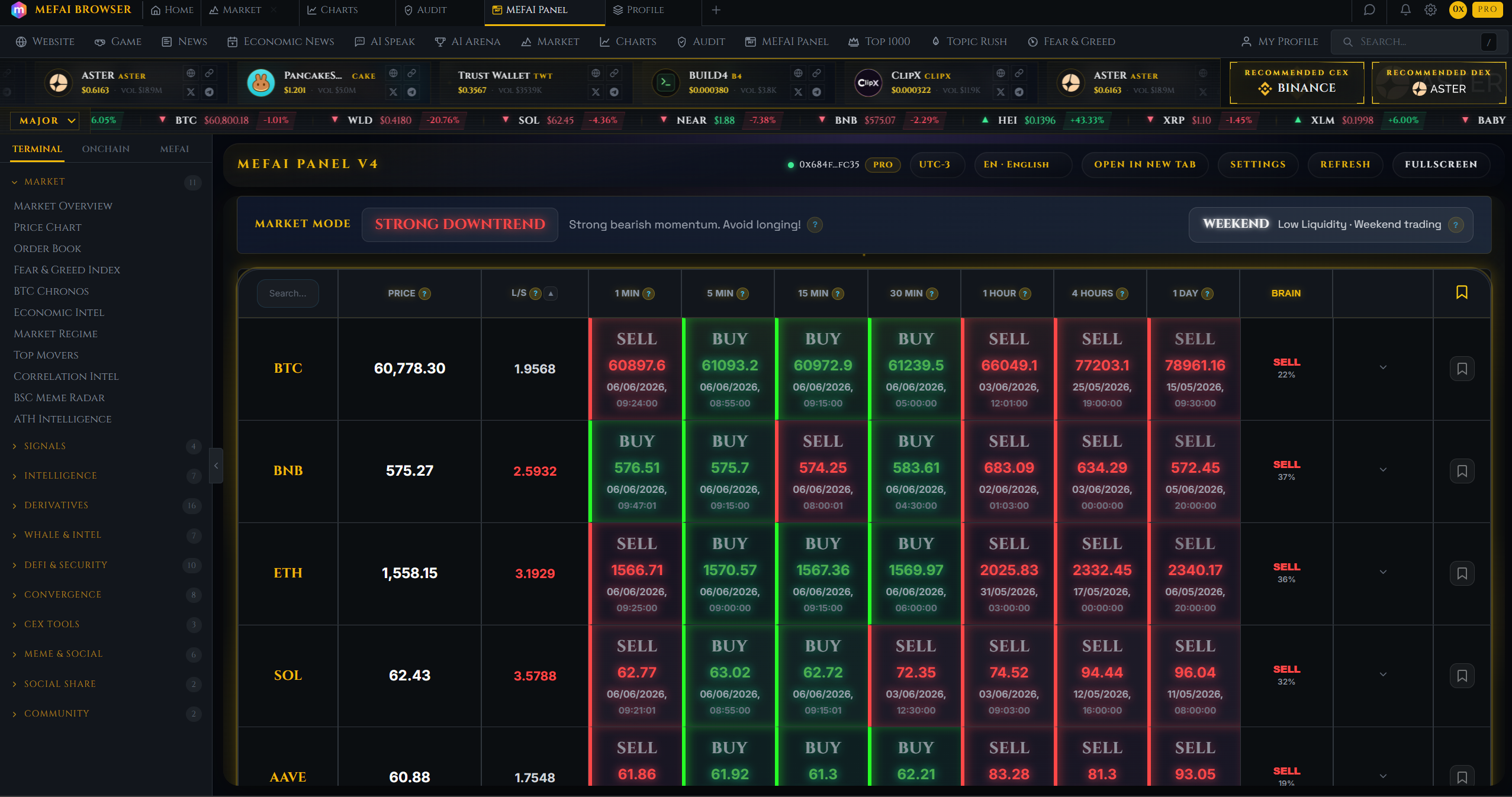
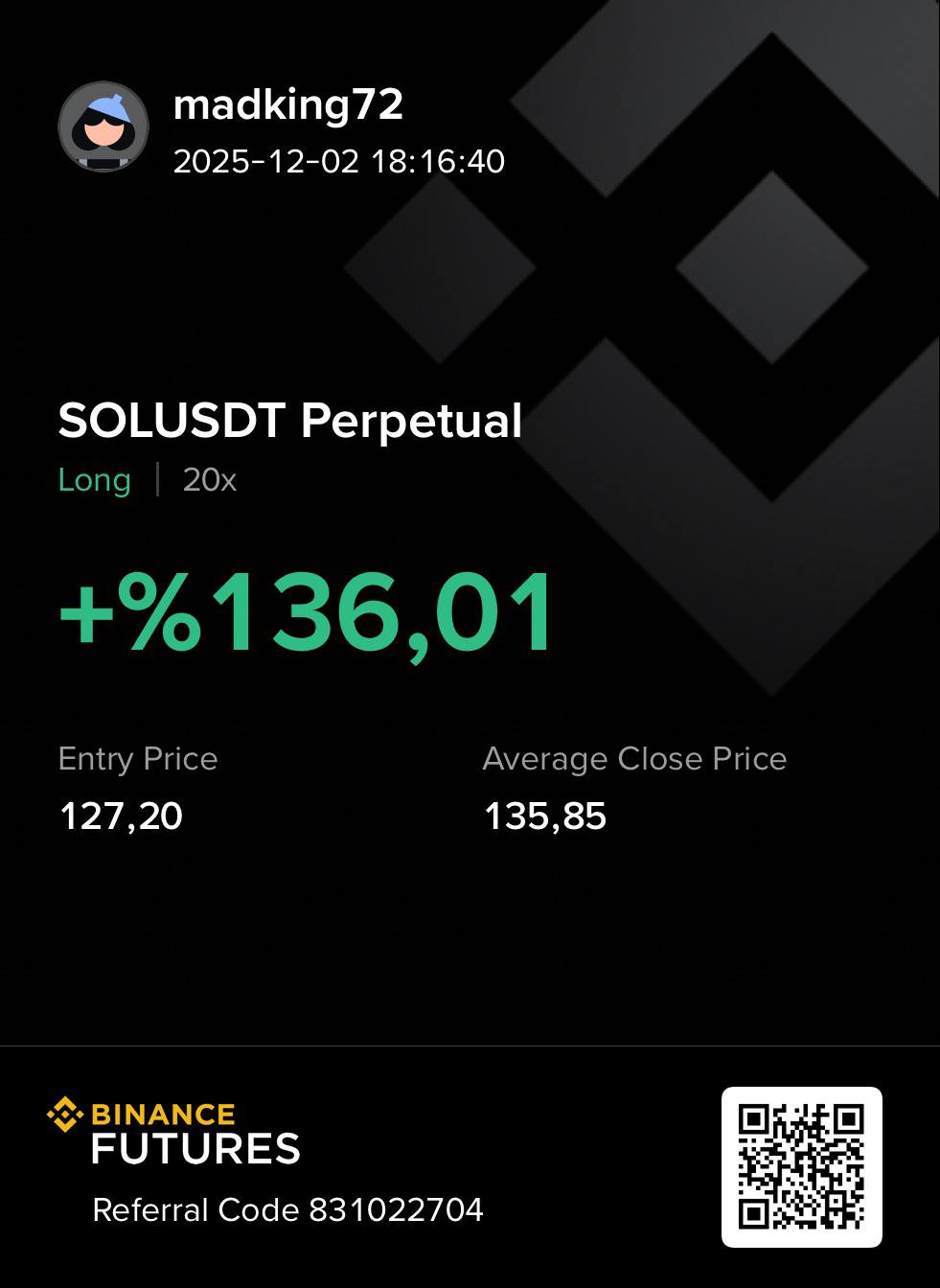
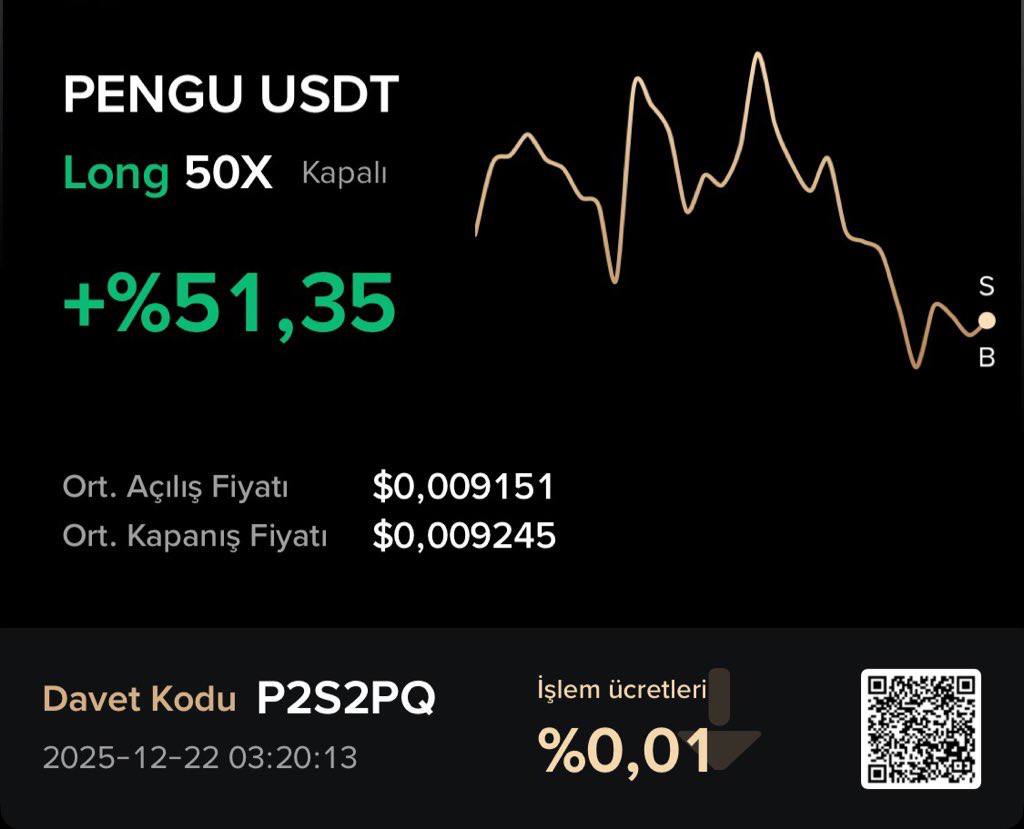
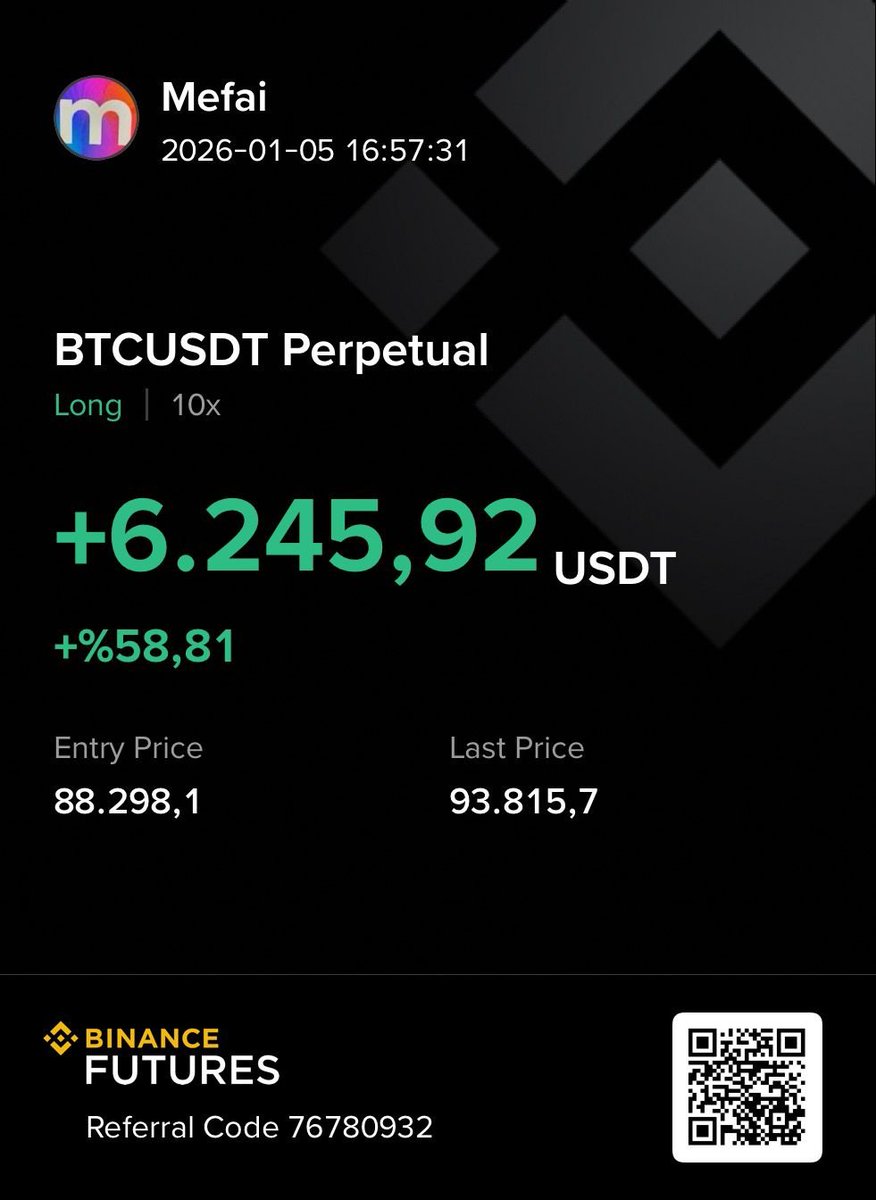
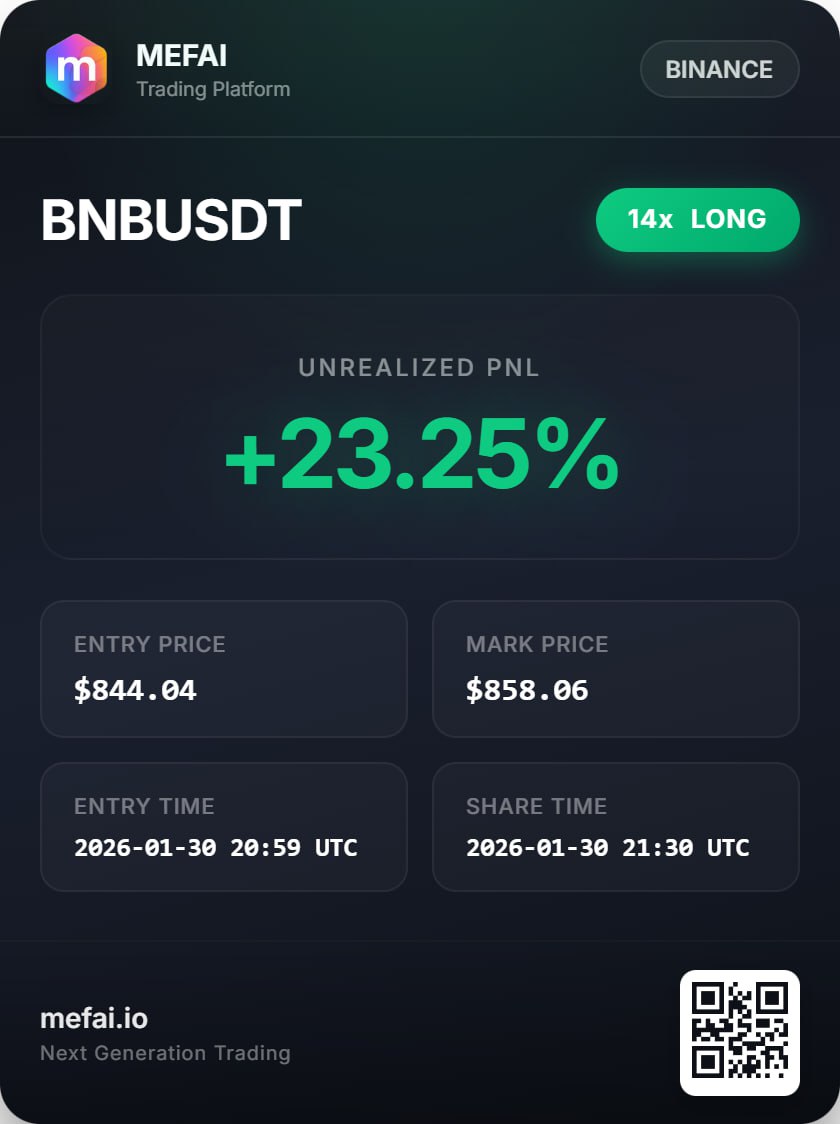
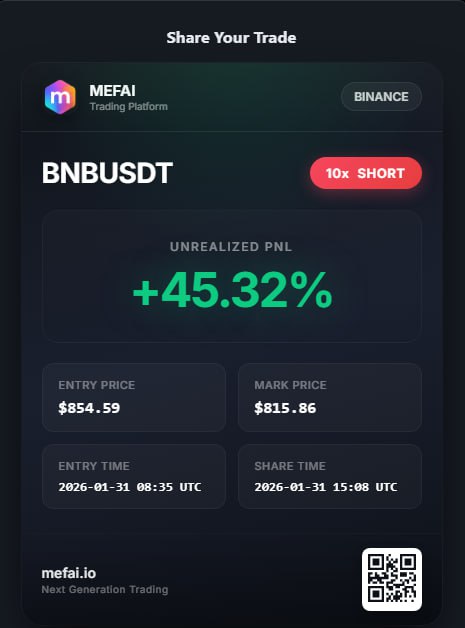
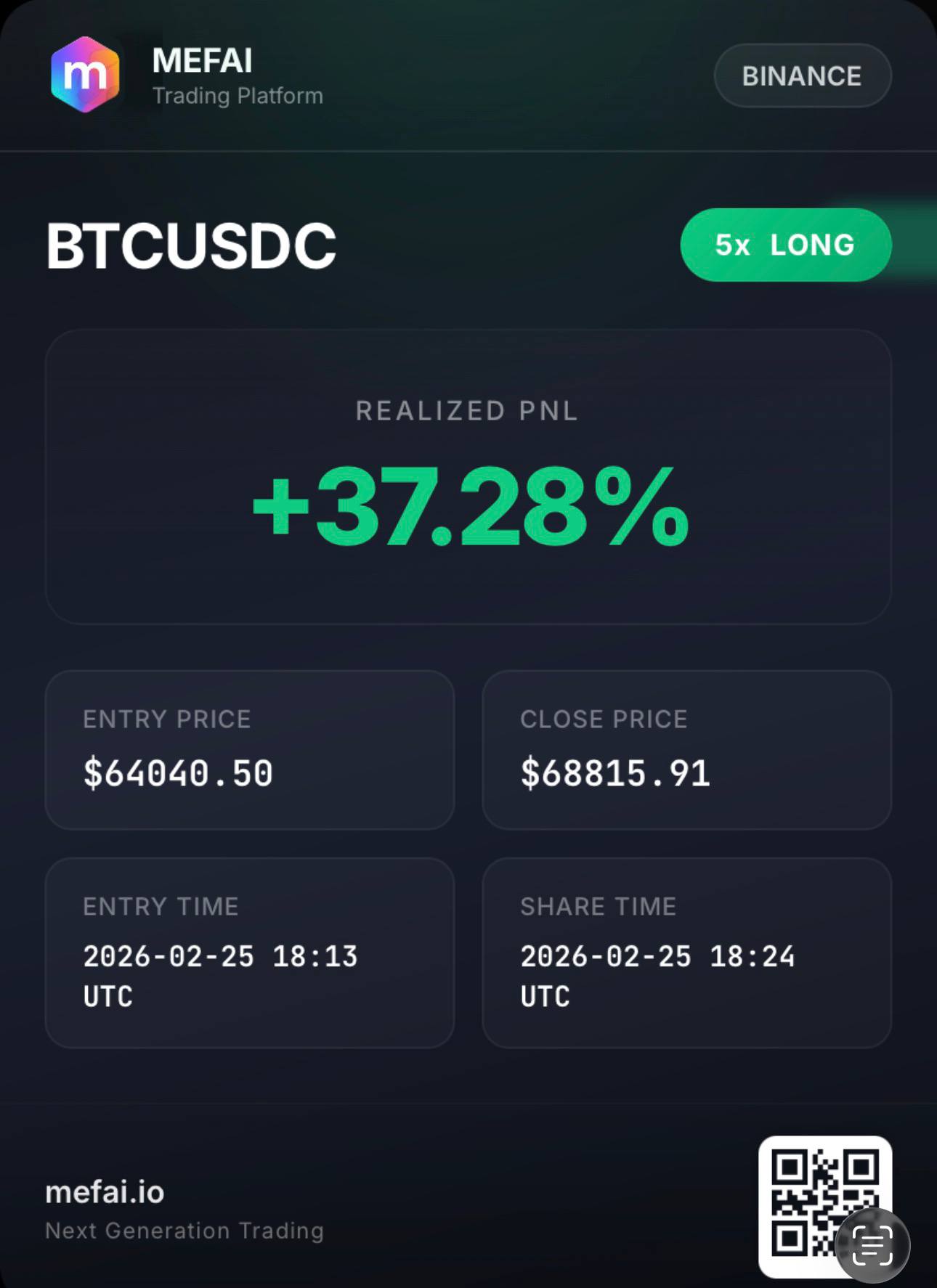
Real results from MEFAI's AI. Get $50 off the Pro plan.
Sponsored · Past performance is not indicative of future results. Not financial advice.

Another key advantage is global reach. The best CEXs now support bank transfers, debit cards, and brokerage integrations across multiple regions, making it easy to move between cash and crypto without leaving the platform. They also embed educational content and risk-management tools that help newer traders understand leverage, liquidation risks, and portfolio diversification. For investors who want to dollar-cost-average into Bitcoin or diversify across large-cap altcoins, these features remove a lot of friction and provide a safer on-ramp.
Best Decentralized Exchanges for Self-Custody Traders
For users who prioritize self-custody and censorship resistance, decentralized exchanges have evolved into full trading platforms that support limit orders, margin, and cross-chain swaps. Some now aggregate liquidity across multiple chains in a single transaction, using atomic swaps or chain-agnostic bridges that settle quickly. Privacy-focused DEXs have introduced zero-knowledge proof systems that let you prove eligibility or solvency without revealing your wallet address or transaction history—useful in regions with capital controls or heavy surveillance.
These platforms also excel at composability: you can trade, then immediately deposit the received tokens into a yield farm or lending protocol without leaving the interface. This reduces the risk of leaving funds idle on an exchange and improves capital efficiency. If you prefer to hold your keys and trade across ecosystems without intermediaries, a modern DEX is the clear choice. Just be prepared to manage seed phrases, gas fees, and smart-contract risks—these remain the trade-offs of self-custody.
Hybrid Exchanges That Combine CEX Liquidity with DEX Settlement
Hybrid exchanges sit between centralized and decentralized models: they match orders on traditional order books but settle trades on-chain or in permissioned sidechains. This gives users the depth of a CEX with the self-custody benefits of a DEX. Some hybrids let you post limit orders off-chain and execute them on-chain only when matched, reducing gas fees and front-running risk. Others offer “one-click DeFi” features that automatically deposit idle assets into yield farms after settlement, turning spot trading into a yield-generating activity.
For traders who want the best of both worlds—deep liquidity with the security of self-custody—hybrid exchanges are increasingly the sweet spot. They also tend to have clearer compliance paths because they can separate regulated order matching from decentralized settlement. If you want to keep your coins in your own wallet but still enjoy the pricing and depth of a major exchange, look for a hybrid platform that publishes regular attestations of on-chain settlement and maintains clear separation between customer funds and corporate treasuries.
AI Assistants and Automated Trading: What’s Practical Today
In 2026, exchanges embed AI agents that can monitor portfolios, suggest rebalancing, and even execute trades based on predefined rules. Some platforms let you create “conditional bots” that trigger after a coin crosses a price threshold, then route the order to the venue with the best fill. Others surface real-time alerts about unusual withdrawal patterns or potential phishing addresses, acting as a personal compliance assistant. These tools are not substitutes for your judgment—they are force multipliers that help you react faster and manage risk more consistently.
The most useful AI features are those that integrate with your existing workflow. For example, some exchanges let you set up a trading bot that only activates when your portfolio’s volatility exceeds a threshold, or when on-chain data suggests a large holder is accumulating a specific asset. Others provide sentiment analysis based on social channels and news feeds, flagging potential catalysts before they appear in price charts. If you plan to trade frequently or manage a diversified portfolio, prioritize exchanges with robust API access and algorithmic trading features that you can customize to your risk tolerance.
Security and Compliance: The New Baseline
Security is no longer optional—it’s table stakes. The best exchanges now publish regular proof-of-reserves reports, undergo third-party audits, and offer multi-layered custody options such as multi-signature wallets, MPC wallets, and hardware-backed vaults. Some even provide insurance pools funded by trading fees, giving users recourse in the event of a breach. Compliance has also moved from a checkbox to an embedded feature: identity checks at login, sanctions screening before withdrawal, and travel-rule compliance for cross-border transfers are now standard.
For users in regulated jurisdictions, these changes reduce the risk of frozen funds or unexpected compliance actions. For users in regions with capital controls or heavy surveillance, privacy-preserving DEXs and zero-knowledge proof systems offer alternatives that maintain censorship resistance. Either way, the exchanges that thrive in 2026 are those that bake security and compliance into every layer of their stack—not as an afterthought, but as a core product feature.
How to Decide: A Practical Checklist
Start by mapping your priorities: custody, liquidity, compliance, or privacy. If you want the deepest order books and fiat on-ramps, a top-tier centralized exchange is still the best choice. If you prioritize self-custody and censorship resistance, look at modern DEXs with cross-chain swaps and zero-knowledge proofs. If you want both, explore hybrid exchanges that publish on-chain settlement proofs and maintain clear separation between corporate funds and customer assets.
Next, verify the platform’s compliance posture. In 2026, the exchanges that survive are those that embed identity checks, sanctions screening, and travel-rule compliance directly into the trade flow. If you are in a regulated region, this reduces the risk of frozen funds or compliance surprises. If you are in a region with capital controls, look for privacy-preserving DEXs that use zero-knowledge proofs or chain-agnostic swaps.
Finally, evaluate the trading tools and AI assistance. Modern exchanges offer conditional orders, trailing stops, and algorithmic routing that can improve fill rates and reduce slippage. Some platforms provide AI copilots that analyze on-chain data, social sentiment, and order-book depth to suggest trades or highlight risks. If you plan to trade frequently or manage a diversified portfolio, prioritize exchanges with robust API access and algorithmic trading features that you can customize to your risk tolerance.
The Bottom Line
Crypto exchanges in 2026 are converging toward a model that blends the liquidity and support of centralized platforms with the self-custody and censorship resistance of decentralized ones. The best exchanges now settle trades on-chain or through permissioned ledgers, embed real-time compliance checks, and layer AI agents that help with everything from price forecasting to fraud alerts. Whether you choose a CEX for its depth and support, a DEX for its self-custody and composability, or a hybrid for the best of both, the key is to verify custody, compliance, and settlement proofs before you deposit funds.
For most traders, the safest starting point is a top-tier centralized exchange that offers deep liquidity, fiat on-ramps, and transparent proof-of-reserves reports. If you prefer self-custody, modern DEXs now rival CEXs in usability while maintaining the core ethos of decentralization. And if you want the best of both worlds—liquidity without giving up control—hybrid exchanges that publish on-chain settlement proofs are the emerging middle ground. Wherever you trade, make sure the platform’s security, compliance, and settlement model align with your risk tolerance and regulatory reality.
More in Crypto & Trading
DeFi Compared: Matching the Right Platform to Your Needs
A practical guide to the leading DeFi platforms, who each suits, what they offer, and how to choose based on your goals and risk tolerance.

Why an Anthropic IPO Could Tie Bitcoin Closer to the AI Trade
An Anthropic stock listing would give traders a single AI stock to bet on, tightening bitcoin’s correlation with the AI trade and increasing its sensitivity to Fed policy and risk appetite.
AI Crypto Trading Tools for Beginners: How to Get Started Safely
A no-nonsense beginner’s guide to AI crypto trading tools: what they do, how to start, and which beginner-friendly options to consider first.