
How to Choose a Crypto Exchange: The Most Common Mistakes and How to Avoid Them
By Mag-Info Tech editorial · 2026-06-10
Why choosing the right crypto exchange matters
The exchange you pick shapes how you buy, sell and trade crypto every day. A poor choice can mean higher fees, slow withdrawals, hidden rules or even lost funds. A good one gives you reliable prices, responsive support and tools that fit your goals. Whether you’re just starting or you trade daily, the same mistakes trip people up: focusing only on headline prices, ignoring security basics, or assuming all platforms work the same. These errors can cost money or put your assets at risk. The key is to match the exchange to your needs and habits.
Mistake 1: Picking an exchange based only on low trading fees
Many traders start by comparing fee schedules and pick the platform with the smallest percentage. That can backfire. Some exchanges advertise low spot-trading fees but hide higher withdrawal, deposit or funding fees. Others offer “zero-fee” trading with wider bid-ask spreads, so you pay indirectly through a worse price. Frequent traders should also check fee tiers tied to 30-day volume, which can change quickly. A flat, transparent fee structure is safer than a headline-grabbing discount that hides costs elsewhere.
Practical tip: Look at the full fee schedule—trading, deposits, withdrawals, funding—and how fees change with your activity. If you trade often, test whether the fee discount at higher volumes actually applies to your expected turnover.
Mistake 2: Ignoring regulatory status and legal protections
Some exchanges operate in gray areas or offshore jurisdictions with weak investor protections. If an exchange runs into trouble—financial shortfalls, legal action, or insolvency—your funds may be at risk or tied up in lengthy proceedings. Regulatory status also affects which coins you can buy and how you can fund your account. Exchanges licensed in major jurisdictions usually offer clearer rules on KYC, dispute resolution and asset segregation.
Practical tip: Prefer platforms regulated in well-known jurisdictions or that publish proof of reserves and insurance coverage. Check whether customer funds are held separately from company assets and if the exchange complies with local financial rules where you live.
Mistake 3: Overlooking security and custody risks
Not all exchanges secure customer funds the same way. Some keep most assets in hot wallets for convenience, making them bigger targets for hacks. Others use multi-signature cold storage and regular audits. The way an exchange handles private keys matters: some control the keys for you (convenient but custodial), while others let you withdraw to your own wallet (safer but requires responsibility). Two-factor authentication, withdrawal whitelists and email confirmations add layers of protection.
Practical tip: Look for exchanges that publish security practices—hardware security modules, regular audits, bug-bounty programs—and enable every available security feature. If you plan to hold large amounts, move most assets off the exchange into your own wallet.
Mistake 4: Assuming all coins and trading pairs are available everywhere
A global exchange may list hundreds of tokens, but availability varies by region due to licensing and demand. Some platforms restrict certain coins in specific countries or only offer them through derivatives, not spot trading. Smaller altcoins often have low liquidity, leading to wide spreads and slippage. If you want to trade niche tokens, check whether they’re available on the exchange before signing up.
Practical tip: Make a shortlist of the coins you plan to buy and verify they’re listed as spot pairs with sufficient liquidity. If you need access to new or low-cap tokens, choose an exchange known for fast listings and deep order books.
Mistake 5: Underestimating deposit and withdrawal limits or delays
Some exchanges impose daily or monthly limits that change without notice, especially for unverified accounts or certain payment methods. Others delay withdrawals during high congestion or maintenance windows. If you rely on bank transfers, credit cards or local payment rails, check which options are supported, what fees they carry and how long transfers take. Unexpected limits can block urgent trades or personal cash flow.
Practical tip: Review deposit and withdrawal policies for your preferred payment methods. If you need fast fiat on-ramps, choose platforms with local currency support and real-time transfers.
Mistake 6: Trading on exchanges with poor customer support
When a trade fails, a withdrawal is stuck or an account is locked, support response time can make the difference. Some exchanges route users through chatbots or slow ticket systems, while others offer phone or live chat with dedicated account managers. Poor support can leave you exposed to market moves or technical issues without help.
Practical tip: Test support before you need it: send a simple question via the available channels and time the response. Prefer platforms with multiple support options and published service-level agreements.
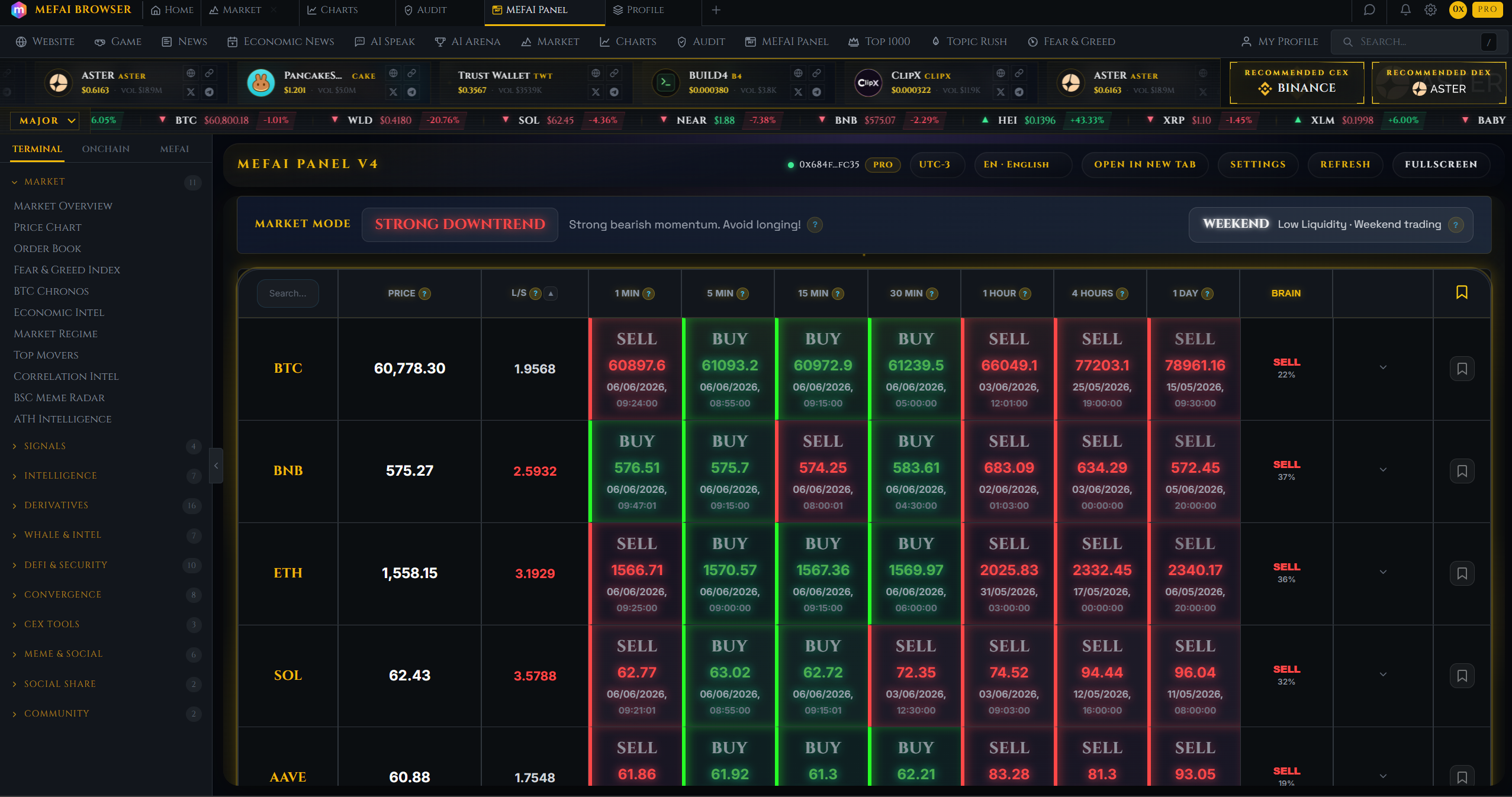
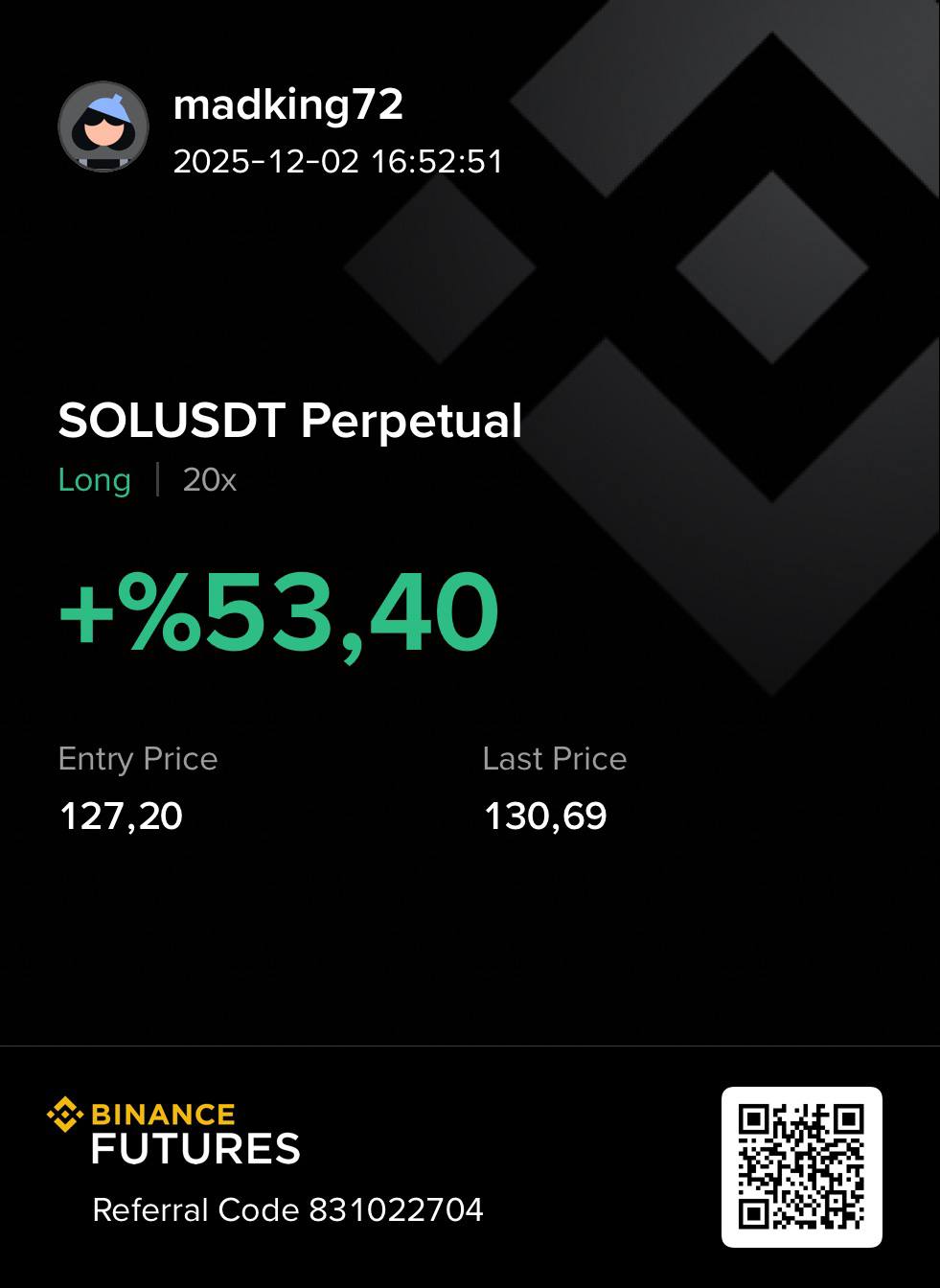
Real results from MEFAI's AI. Get $50 off the Pro plan.
Sponsored · Past performance is not indicative of future results. Not financial advice.

Mistake 7: Choosing a platform without the right tools for your strategy
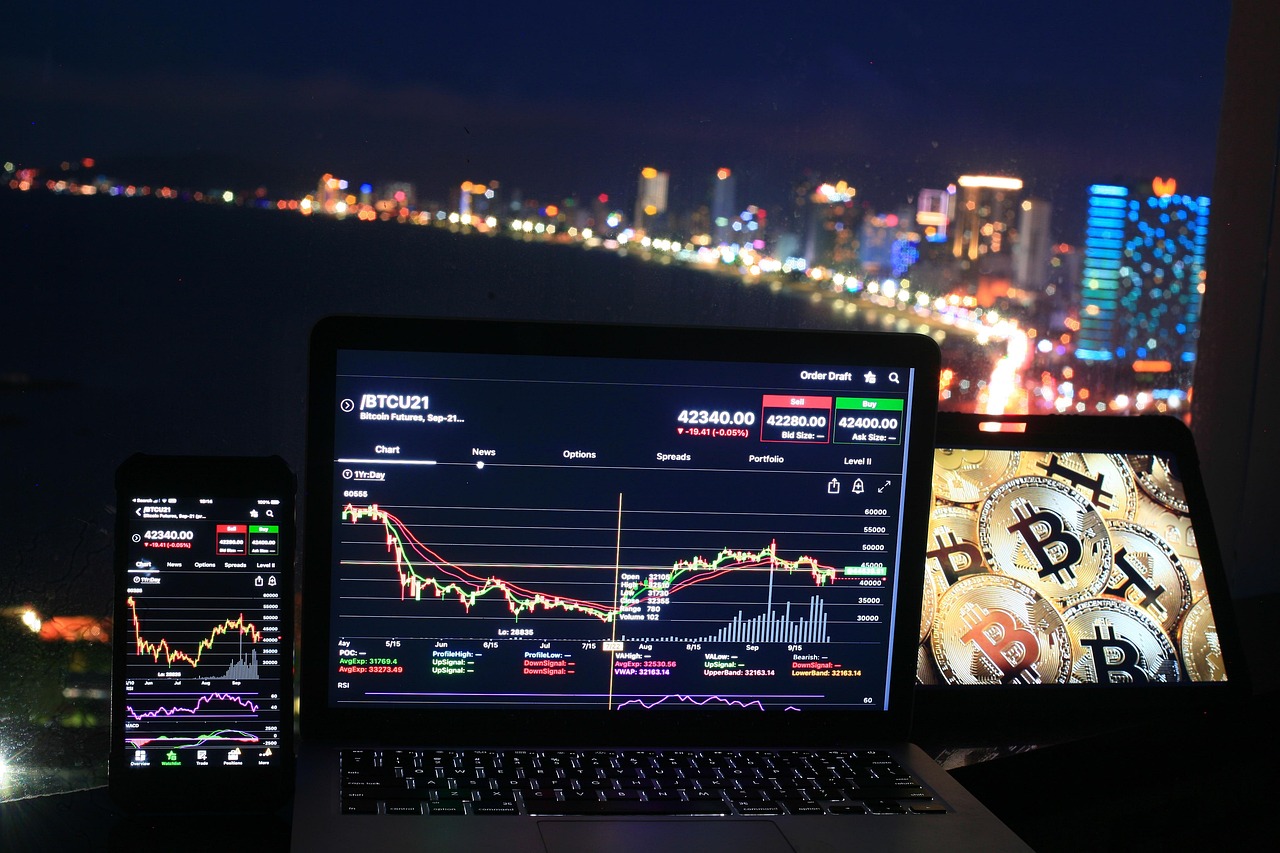
Beginners often need simple buy/sell screens with clear pricing, while active traders want advanced charts, API access, bots or margin trading. Some exchanges cater to one group and neglect the other. If you plan to use algorithmic strategies or trade derivatives, ensure the platform supports the necessary order types, historical data and execution speed.
Practical tip: Match the exchange’s interface and features to your skill level and strategy. If you’re new, start with an intuitive app and basic trading. If you’re advanced, verify API documentation, latency and order book depth before committing.
Mistake 8: Falling for marketing hype without checking liquidity
Exchanges sometimes promote “instant deposits,” “zero fees” or “exclusive tokens” without disclosing thin order books or high slippage. Low liquidity means your market orders move the price against you, especially with large trades. It can also make it harder to exit positions quickly during volatility.
Practical tip: Review the order book depth and daily volume for the pairs you trade. Prefer exchanges with tight spreads and deep liquidity to minimize slippage and ensure reliable execution.
Mistake 9: Mixing personal and business activities on the same account
Some users trade, stake, lend and hold NFTs all in one account, which can complicate taxes and audits. If you run a small fund or use crypto for business, separate accounts help track transactions and meet compliance requirements. Mixing activities can also expose you to unexpected regulatory scrutiny.
Practical tip: If you’re active beyond personal investing, open dedicated accounts for different activities. Keep clear records and consider using portfolio trackers that integrate with multiple exchanges.
Mistake 10: Not planning for exit and migration
Even the best exchange can change policies, raise fees or face regulatory pressure. If the platform suddenly stops serving your region or delists key coins, you need a plan to move funds quickly. Some exchanges make withdrawals difficult or impose unexpected delays during stress periods.
Practical tip: Keep a tested withdrawal method ready and maintain balances across two reputable exchanges so you’re not forced to sell in a hurry. Regularly back up your wallet addresses and export transaction histories.
How to compare exchanges step by step
Start by listing your must-haves: which coins you need, your preferred payment methods, how often you trade and how much you plan to hold. Then compare platforms on regulatory status, security practices, fee structure and support responsiveness. Open demo accounts or paper trading if available to test the interface. Finally, check independent reviews and community feedback for red flags.
Tools worth considering
For beginners, platforms like Coinbase and Kraken offer intuitive apps, strong regulation and educational resources. Active traders often prefer Binance, Bybit or OKX for low fees, advanced tools and deep liquidity. If you need privacy-focused or decentralized options, consider non-custodial exchanges like Bisq or decentralized platforms like Uniswap for specific tokens. Each serves a different risk tolerance and strategy.
What to watch next
Watch for new regulatory guidance in your region, which can change which exchanges operate legally where you live. Also monitor fee updates and new coin listings, as these affect availability and costs. If you use margin or derivatives, keep an eye on liquidation risks and position limits during volatile periods. Finally, review your exchange choice at least once a year to ensure it still meets your needs.
Bottom line
The best crypto exchange isn’t necessarily the one with the lowest fees or the most coins—it’s the one that matches your goals, risk tolerance and workflow. Avoid the common pitfalls by focusing on regulation, security, liquidity and support before you trade. Start with a small deposit to test the platform, then scale up as you gain confidence. With the right exchange, you can buy, sell and trade with fewer headaches and more control.
More in Crypto & Trading

DeFi Compared: Matching the Right Platform to Your Needs
A practical guide to the leading DeFi platforms, who each suits, what they offer, and how to choose based on your goals and risk tolerance.

Why an Anthropic IPO Could Tie Bitcoin Closer to the AI Trade
An Anthropic stock listing would give traders a single AI stock to bet on, tightening bitcoin’s correlation with the AI trade and increasing its sensitivity to Fed policy and risk appetite.
AI Crypto Trading Tools for Beginners: How to Get Started Safely
A no-nonsense beginner’s guide to AI crypto trading tools: what they do, how to start, and which beginner-friendly options to consider first.