
Free vs Paid Crypto Exchanges: What’s Worth Paying For
By Mag-Info Tech editorial · 2026-06-10

Why this comparison matters
Choosing where to buy, sell and trade crypto is one of the first decisions every user faces. The first fork in the road is usually between free and paid exchanges. Free exchanges let users deposit funds and execute trades without paying trading fees, while paid exchanges charge fees but often add services like lower costs at scale, advanced trading tools, or institutional-grade custody. The right choice depends on how frequently you trade, how much you trade, and what level of control and security you need.
This guide compares real, widely used exchanges to help you decide when a free tier is enough and when upgrading to a paid plan is worth it. We focus on practical differences in fees, features, security, and support that affect day-to-day use for buying, selling, and trading crypto.
How free exchanges make money and what that means for you
Free exchanges typically generate revenue through spreads, withdrawal fees, network fees, or premium services rather than charging trading commissions. For example, some free platforms widen the buy-sell spread slightly so the difference between the quoted price and the executed price covers their costs. Others waive trading fees but charge for faster withdrawals or for moving funds off the platform.
For occasional buyers and sellers, these models can be cost-effective because you avoid explicit per-trade fees. However, the spread can add up if you make many small purchases or sales. Free exchanges also often limit features like advanced order types, margin trading, or staking rewards. If you only need to buy and hold a few coins, a free exchange can be a practical starting point without immediate costs.
Security practices vary widely among free exchanges. Some provide strong two-factor authentication and cold storage for customer funds, while others prioritize speed and low costs over deep security budgets. Always check the exchange’s security certifications, insurance policies, and track record before trusting it with funds.
When a free exchange is enough: the beginner and occasional user
A free exchange is usually sufficient if you plan to buy crypto occasionally, hold it for months or years, and do not need advanced trading tools. Beginners benefit from simple interfaces, educational resources, and the ability to start with small amounts. Free platforms that offer instant buy options with debit or credit cards make onboarding easy, even for users with limited technical experience.
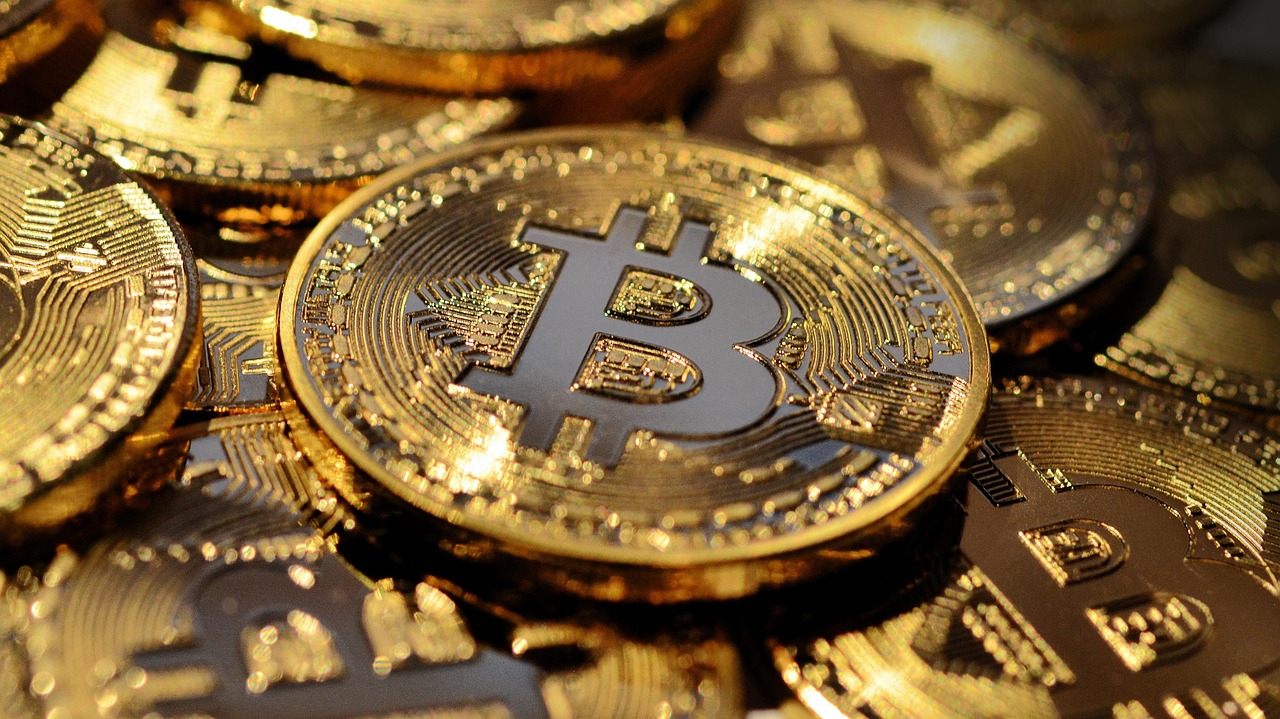
If your strategy is dollar-cost averaging—buying fixed amounts at regular intervals—a free exchange with no trading fees can keep costs predictable. You may still pay network fees when withdrawing to your own wallet, but these are unavoidable and apply whether the exchange is free or paid. For users who value simplicity and low upfront costs, a reputable free exchange can serve as a practical entry point.
However, be mindful of withdrawal limits and liquidity. Free exchanges sometimes impose daily or monthly withdrawal limits that can disrupt larger transfers. Also, customer support on free tiers is often slower or limited to FAQs and chatbots. If you anticipate needing help during market stress, a free tier may not provide the responsiveness you want.
What paid exchanges offer: lower fees, features, and control
Paid exchanges typically charge trading fees but compensate with lower spreads, higher liquidity, advanced trading tools, and enhanced security or custody options. For active traders, lower per-trade fees can offset the cost of the paid plan, especially when trading larger volumes. Many paid platforms also offer reduced fees on high-volume tiers, margin trading, futures contracts, and algorithmic order types that free exchanges do not provide.
Security is often a key differentiator. Paid exchanges frequently invest more in cold storage, multi-signature wallets, hardware security modules, and insurance against theft or breach. Some target professional and institutional users by offering segregated custody, dedicated account managers, and compliance tools for regulated entities. If you manage significant assets or need audit trails, a paid exchange can deliver the infrastructure and oversight required.
Support quality tends to be higher on paid plans as well. Dedicated account managers, priority ticket routing, and 24/7 live support are common benefits. For businesses or high-net-worth individuals, these services can justify the cost by reducing operational friction and risk.
Comparing real exchanges: free tiers and paid upgrades
Several well-known exchanges illustrate these differences in practice. One platform offers a free tier with no trading fees but charges a small spread on instant buys and applies withdrawal fees for moving crypto off the platform. Its paid tier reduces spreads, waives many withdrawal limits, and adds advanced charting and staking options. Another exchange provides free spot trading but reserves margin trading, futures, and API access for paid users. A third focuses on institutional clients with paid plans that include white-glove custody, compliance reporting, and lower latency execution.
These examples show that free tiers are often sufficient for basic buying and selling, while paid upgrades unlock features that matter most to active traders and institutions. When evaluating an exchange, compare not only fees but also the availability of the specific tools you need, such as stop-loss orders, lending programs, or tax reporting features.
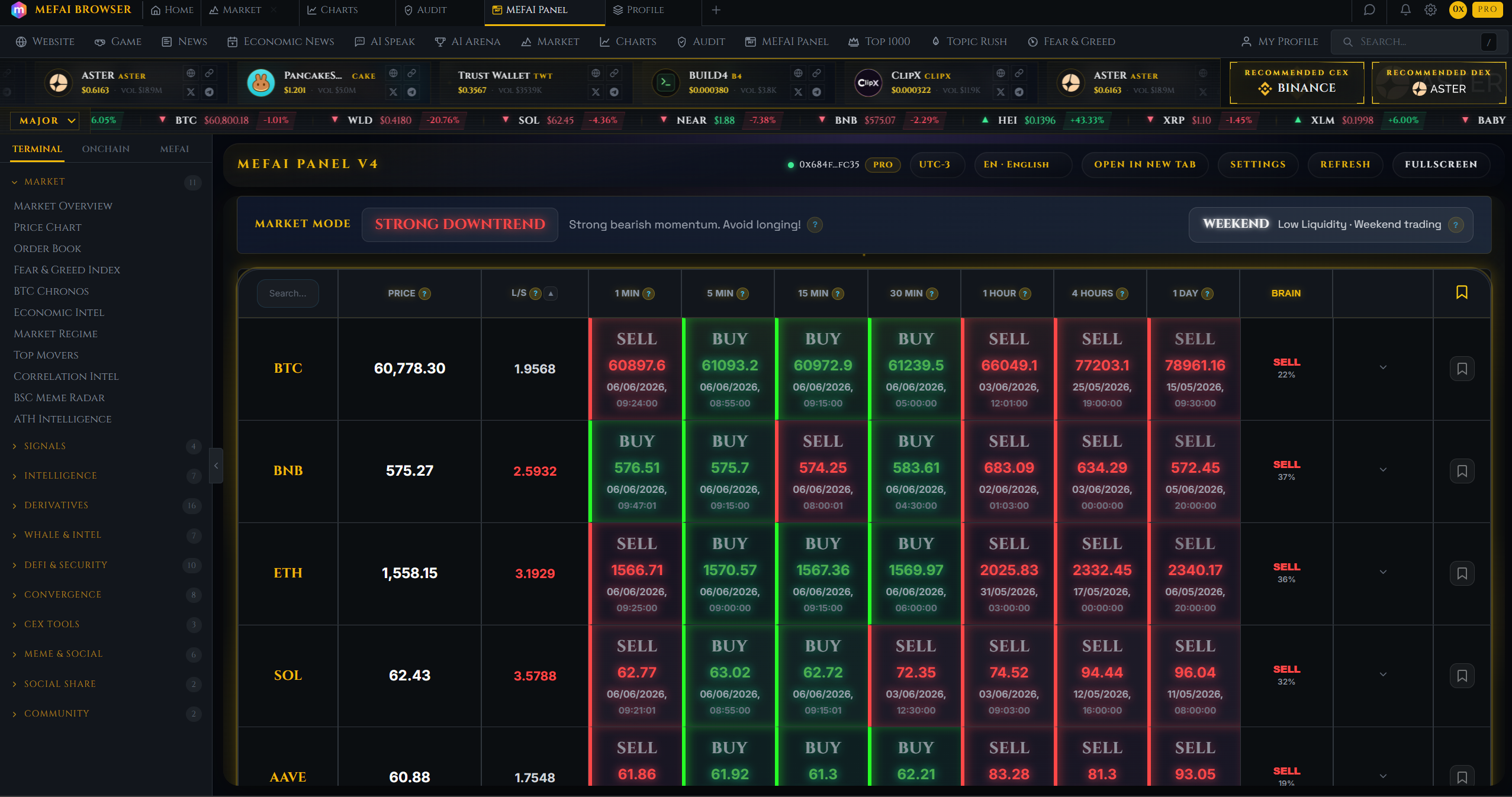
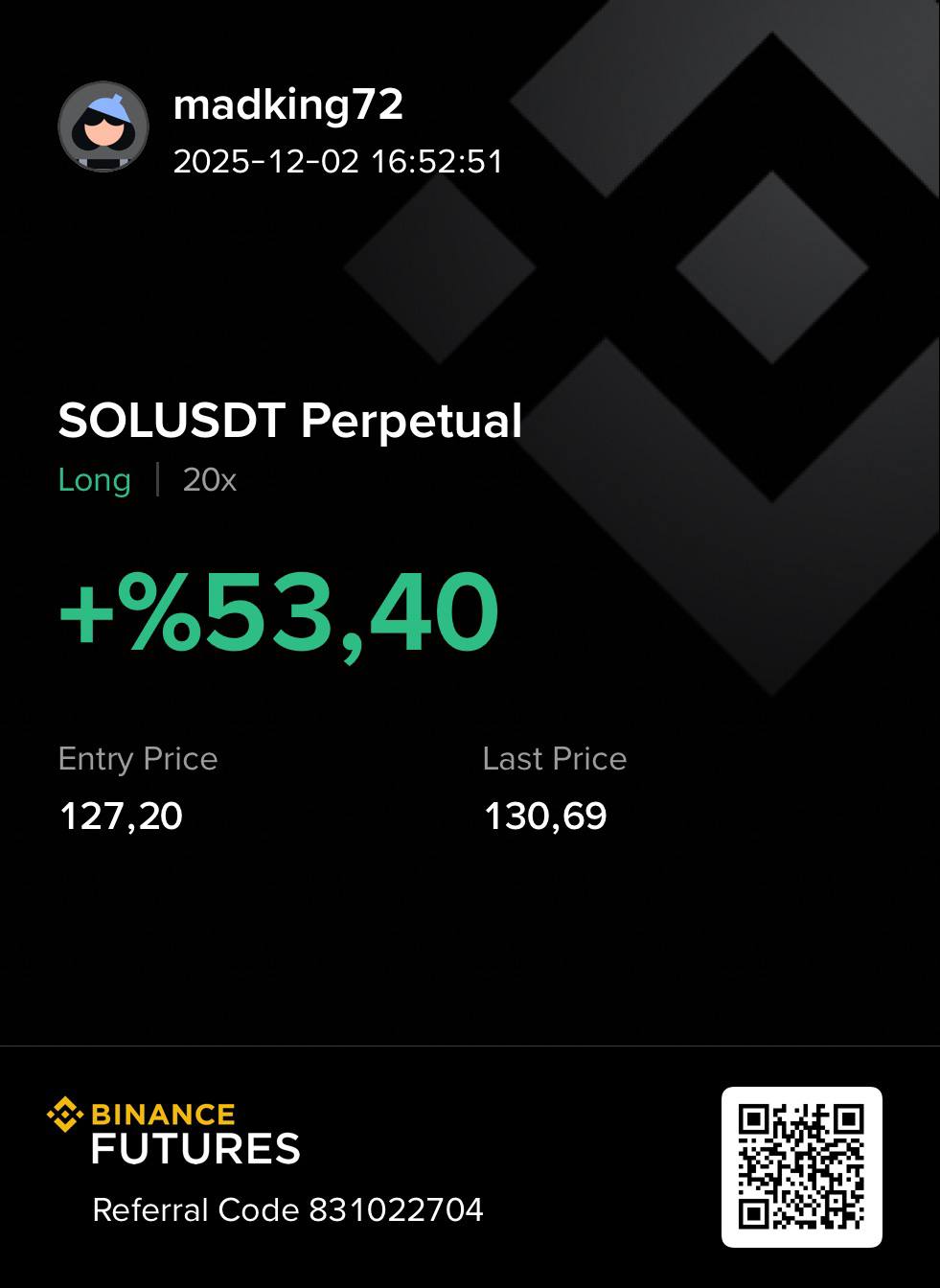
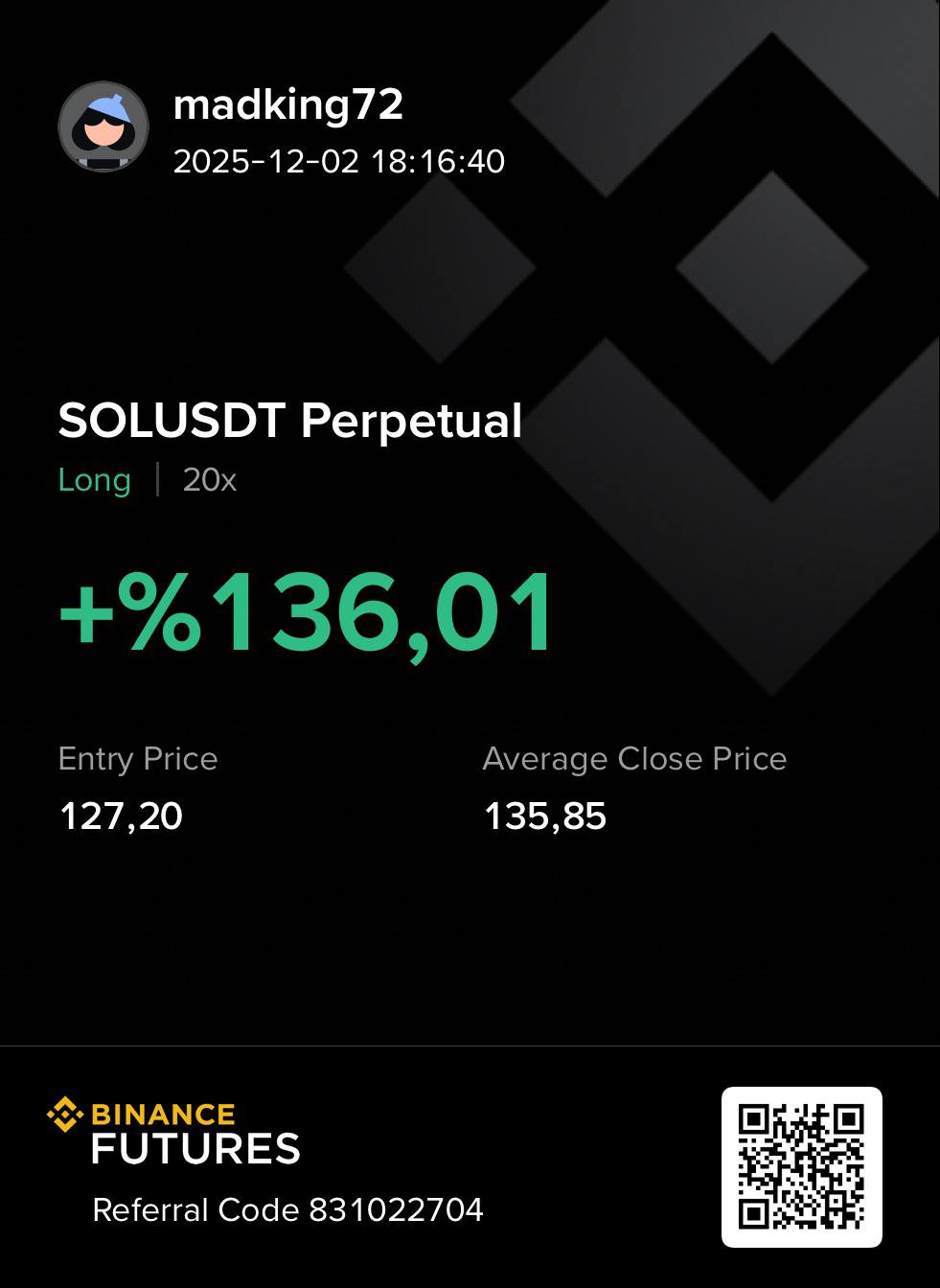
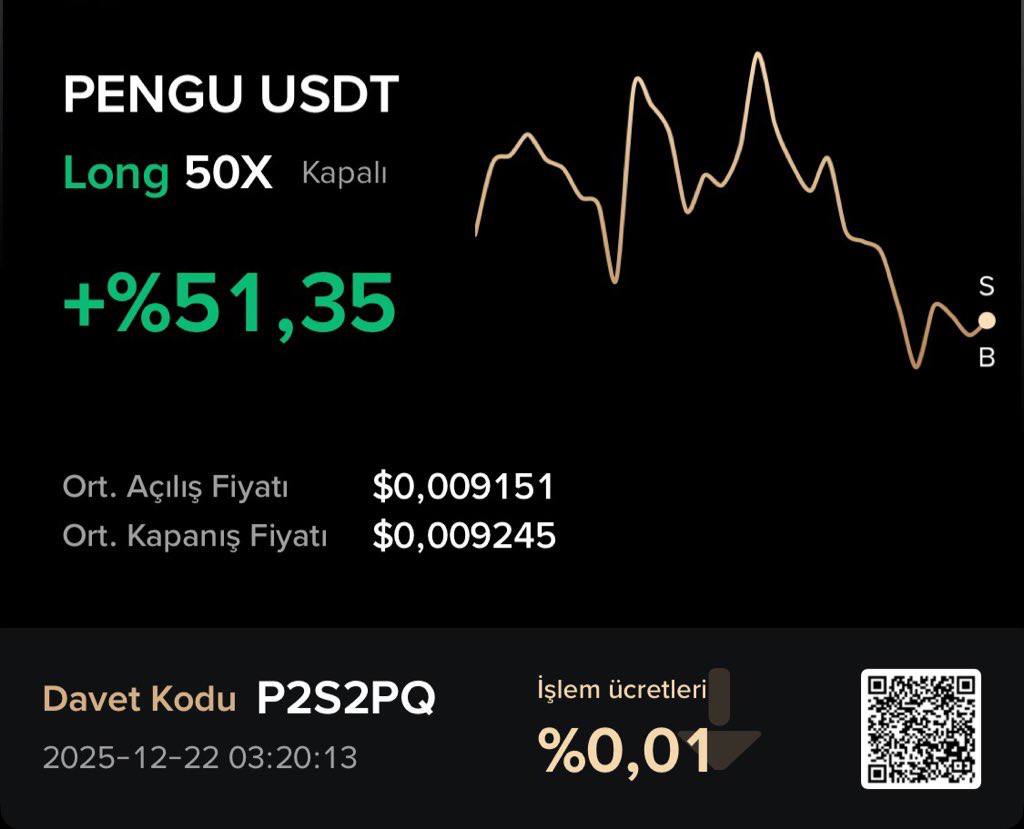
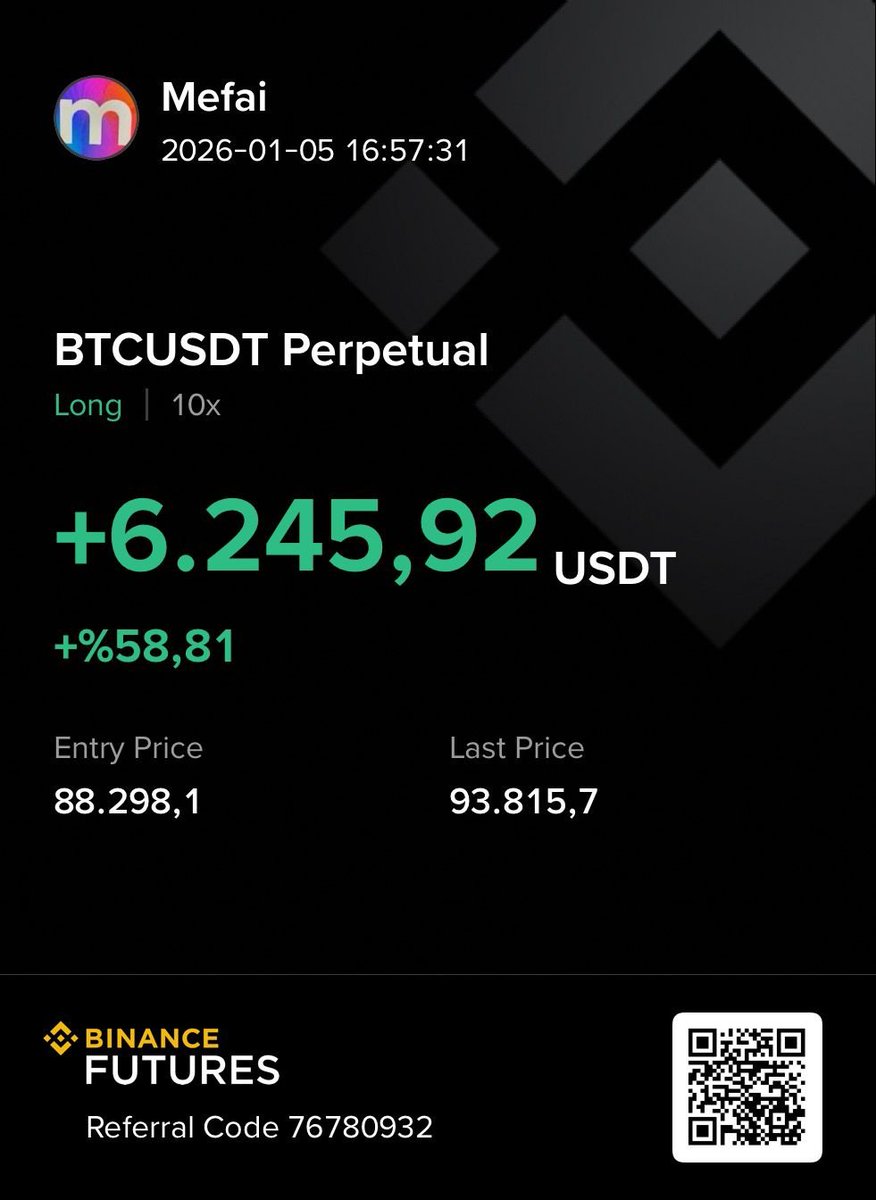
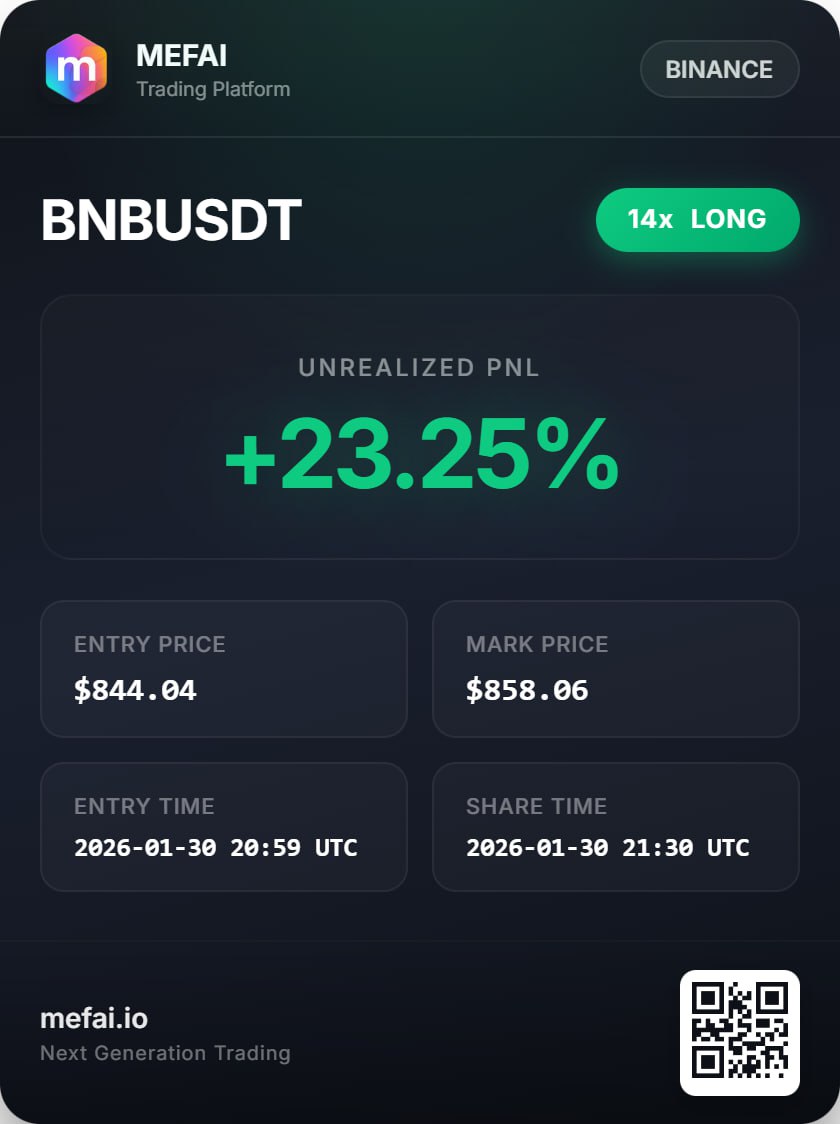
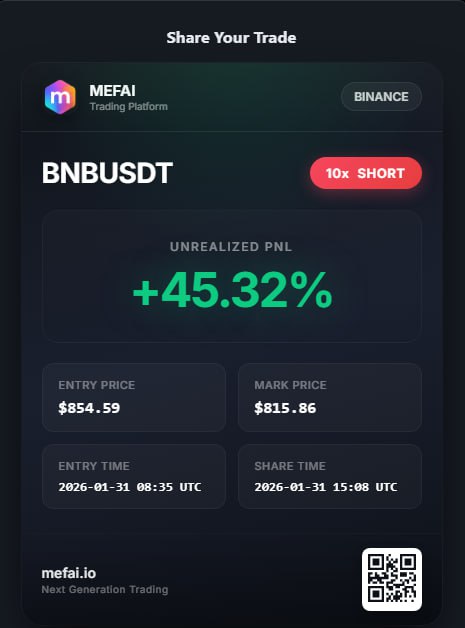
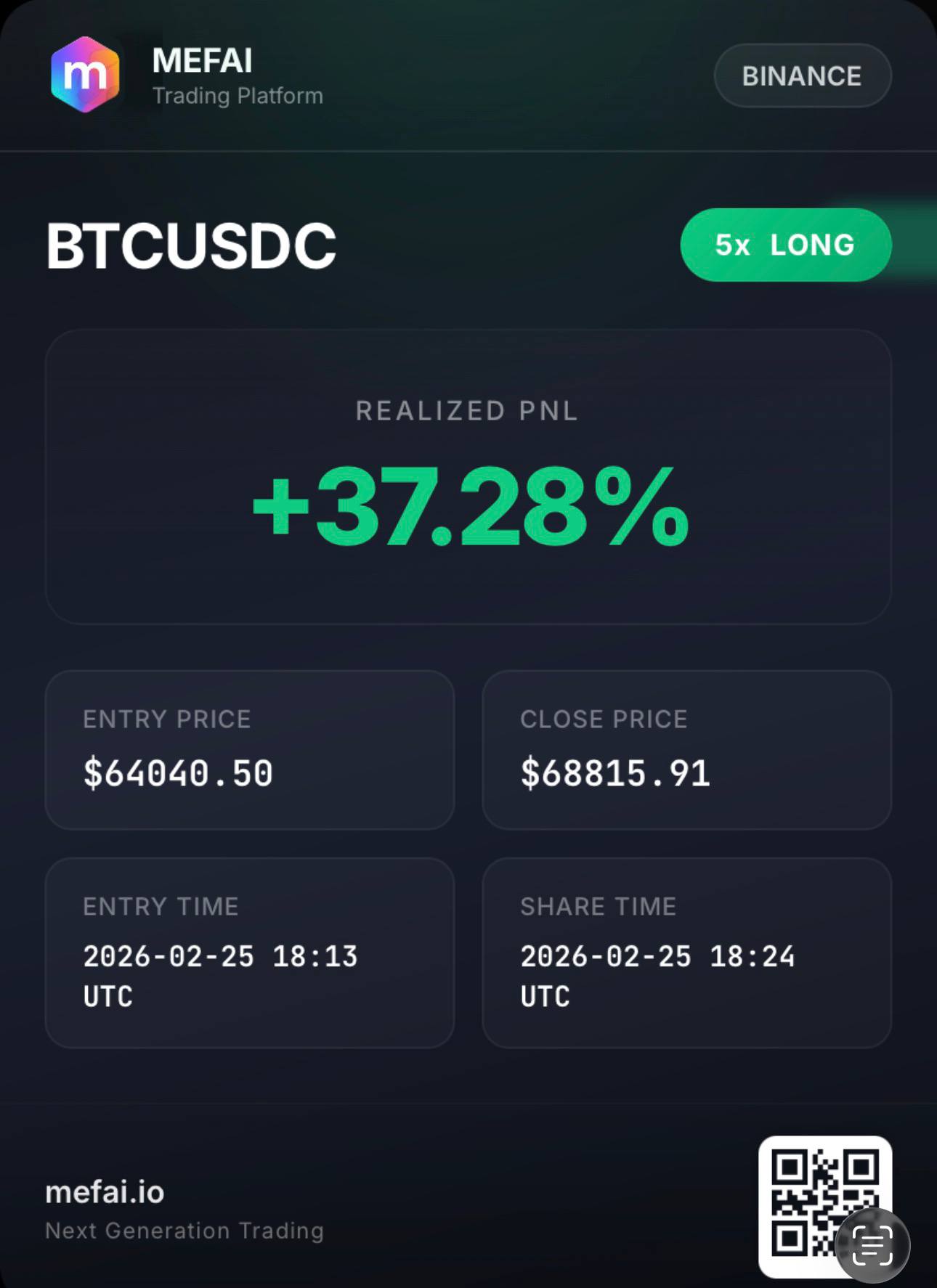
Real results from MEFAI's AI. Get $50 off the Pro plan.
Sponsored · Past performance is not indicative of future results. Not financial advice.


Key features to prioritize when choosing an exchange
Start by listing your must-haves. If you only need to buy and hold Bitcoin or Ethereum, a free exchange with strong security and simple withdrawal options may be ideal. If you plan to trade daily or use leverage, prioritize exchanges with low trading fees, high liquidity, and robust charting tools. For those who value custody, look for exchanges that support self-custody withdrawals or integrate with third-party wallets.
Security features are non-negotiable. Ensure the exchange supports hardware security keys, time-based one-time passwords, and withdrawal whitelists. Check whether customer funds are held in cold storage and whether the platform carries insurance against hacking or internal fraud. Transparency about proof-of-reserves or regular audits can also build trust.
Finally, consider the user experience across devices. A mobile app with biometric login, price alerts, and one-tap trading can save time and reduce errors. If you trade on the go, prioritize exchanges with reliable mobile performance and intuitive interfaces.
Security and compliance: hidden costs of “free”
Free exchanges sometimes cut corners on security or compliance to keep costs low. This can expose users to higher risks of hacks, insider threats, or regulatory penalties that disrupt service. Paid exchanges often allocate more resources to security infrastructure, regulatory licensing, and audits, which can reduce long-term risk even if the upfront cost is higher.
Compliance also matters for tax reporting and access. Some exchanges provide detailed transaction histories and exportable tax reports only on paid plans. If you need accurate records for capital gains calculations, a free tier may force manual tracking or require paid upgrades later. Always verify whether the exchange supports your jurisdiction’s reporting requirements before committing funds.
How to test an exchange before committing
Most exchanges let you open an account and explore features without depositing funds. Start by verifying the sign-up process, identity verification steps, and funding options. Test the withdrawal flow by moving a small amount to a personal wallet to confirm network fees and processing times. Try placing a market order and a limit order to see how the interface behaves under different conditions.

Pay attention to latency and order execution quality. Some exchanges route orders to external liquidity providers, which can introduce slippage. Others match orders internally, which may improve fills but can create conflicts of interest. If you plan to trade actively, run a few test trades during both high and low volatility to gauge reliability.
Practical decision checklist: free or paid?
Use this checklist to decide quickly:
- Are you buying occasionally or trading daily? Occasional users can usually stay with free tiers.
- Do you need advanced tools like margin, futures, or algorithmic orders? If yes, consider a paid plan.
- How much do you plan to trade per month? Calculate whether lower fees on a paid plan would save more than the cost of the plan.
- Do you need strong security, custody options, or insurance? Paid exchanges often provide these.
- Will you need live support or dedicated account management? Paid tiers typically include faster or personalized support.
- Does the exchange support your local currency, payment methods, and tax reporting needs? Confirm before depositing.
If most answers point to basic needs, a free exchange should work. If several answers point to advanced trading or custody, a paid plan is likely worth the investment.
Bottom line: what’s actually worth paying for
The free versus paid decision comes down to usage intensity and risk tolerance. Free exchanges are ideal for beginners, occasional buyers, and holders who prioritize simplicity and zero trading fees. Paid exchanges are worth the cost for active traders, institutions, and users who need advanced tools, better security, or dedicated support.
In practice, many users start on free tiers and upgrade later as their needs evolve. That approach minimizes early costs while preserving the option to access more powerful features when volume or complexity increases. Whatever you choose, prioritize security, compliance, and reliable execution—these factors protect your assets long after the fee debate ends.
More in Crypto & Trading

DeFi Compared: Matching the Right Platform to Your Needs
A practical guide to the leading DeFi platforms, who each suits, what they offer, and how to choose based on your goals and risk tolerance.

Why an Anthropic IPO Could Tie Bitcoin Closer to the AI Trade
An Anthropic stock listing would give traders a single AI stock to bet on, tightening bitcoin’s correlation with the AI trade and increasing its sensitivity to Fed policy and risk appetite.

AI Crypto Trading Tools for Beginners: How to Get Started Safely
A no-nonsense beginner’s guide to AI crypto trading tools: what they do, how to start, and which beginner-friendly options to consider first.