Crypto Exchanges for Beginners: Where to Start Buying, Selling and Trading
By Mag-Info Tech editorial · 2026-06-10
What a beginner needs from a crypto exchange
A first crypto exchange should make it simple to buy a small amount of Bitcoin or another coin with familiar money such as a bank transfer or card, protect those funds, and let you watch the market without overwhelming choices. Ease of use matters more than advanced trading features at this stage. Look for clear sign-up, identity checks that are explained step-by-step, and straightforward ways to deposit and withdraw. Security basics like two-factor authentication, cold storage for most customer funds, and a track record of handling incidents responsibly should be non-negotiable. Finally, transparent fees and a short list of well-known coins reduce surprises when you are still learning how crypto prices move.
Most newcomers start with a single exchange and expand later, so pick one that lets you buy at least Bitcoin and Ethereum with your local currency and supports a basic euro, dollar or pound bank transfer. Avoid platforms that bury fee schedules in fine print or require you to enable obscure trading modes just to buy your first coins. The exchange should also provide simple charts and order types so you can see what you own and how its value changes over time.
How to open your first account safely
Opening an account usually begins with an email address and a strong password, followed by identity verification using a government photo ID and a selfie. The best platforms guide you through this process with clear prompts and estimated wait times. Keep the documents you use for verification in a safe place; you may need them again if you move to another exchange or apply for higher limits. Enable two-factor authentication on both the exchange app and any linked email account, and consider using an authenticator app rather than SMS where possible to reduce the risk of SIM-swap attacks.
Once verified, start with a small deposit you can afford to lose while you learn. Many exchanges let you link a bank account for free deposits, but card payments are instant and convenient for small amounts. Watch out for deposit windows and minimum amounts; some methods are free only above a threshold or during certain hours. After the first deposit, withdraw a small test amount to your own wallet or a trusted device to confirm you understand the withdrawal process before moving larger sums.
Coinbase: the most approachable on-ramp
Coinbase is widely used by first-time buyers because it supports direct purchases with cards and bank transfers in many countries, lists only a handful of major coins, and provides an intuitive mobile app and website. Its interface hides advanced trading behind a separate tab, so beginners see buy and sell flows that resemble familiar money apps. The platform also publishes a public security incident log and keeps most customer funds offline, which reassures newcomers worried about exchange hacks.
For users who want even simpler access, Coinbase offers a basic wallet app that can hold Bitcoin, Ethereum and a few other coins without requiring full exchange sign-up. This is useful if you just want to receive a small gift of crypto or experiment with a phone-based wallet before committing to a larger purchase. On the downside, Coinbase’s headline fees are higher than some competitors, and customer support can be slow during market surges, so treat it as a learning platform rather than a long-term trading hub.
Kraken: strong security with transparent fees
Kraken emphasizes security and fee transparency, making it a solid second step after a first purchase elsewhere. It supports bank transfers in many regions, offers competitive trading fees that drop as your 30-day volume rises, and provides detailed fee schedules before you place an order. The interface still feels professional rather than cluttered, and the exchange publishes regular audits of its reserves, which adds trust for cautious newcomers.
Kraken’s verification levels are clearly tiered, so you can deposit small amounts quickly while knowing exactly what extra information is needed for higher limits. The platform also offers a simple mobile app for price tracking and basic trades, alongside a more advanced terminal for users who later decide to place limit orders. If you already own some crypto and want to diversify into smaller altcoins, Kraken’s listing policy is conservative enough to avoid scams but broad enough to include well-established projects.
Binance: global liquidity with a steep learning curve
Binance is the largest crypto exchange by trading volume and offers an enormous selection of coins and trading pairs, but its interface can overwhelm beginners. The main platform exposes spot, futures and savings products on a single screen, which is useful later but confusing early on. Binance does, however, provide a simplified “Lite” mode that hides complexity, and its mobile app includes a “Convert” feature that lets you swap major coins with one click and a visible fee.
Security at Binance has improved after past incidents, and the exchange now publishes proof-of-reserves reports and maintains a dedicated insurance fund. Its fee structure is among the lowest in the industry for high-volume traders, but newcomers should stick to spot trading and avoid leveraged products until they understand liquidation risks. If your priority is maximum coin choice and low fees, Binance can be a good long-term home, but consider starting with a smaller exchange to learn the basics first.
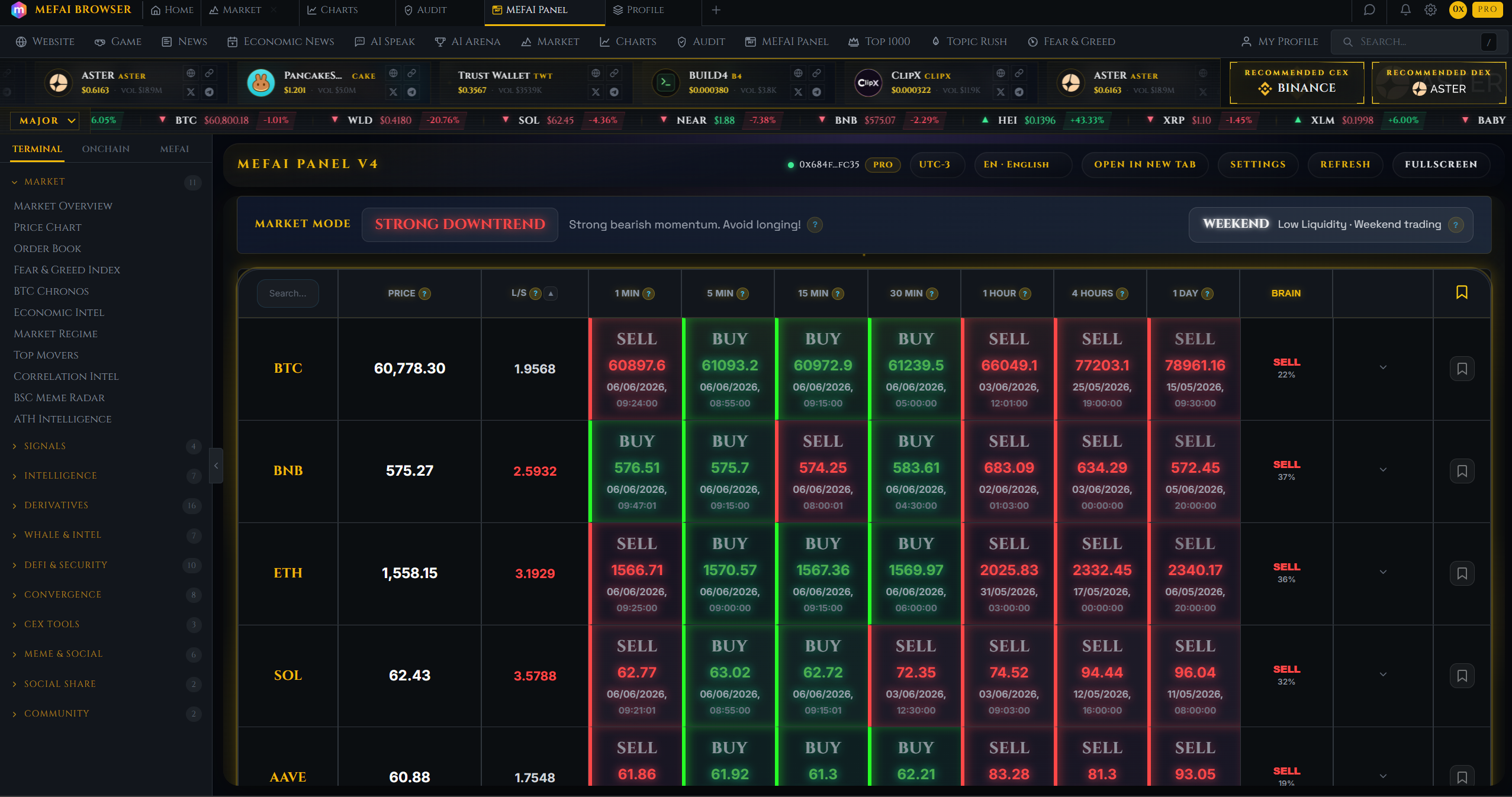
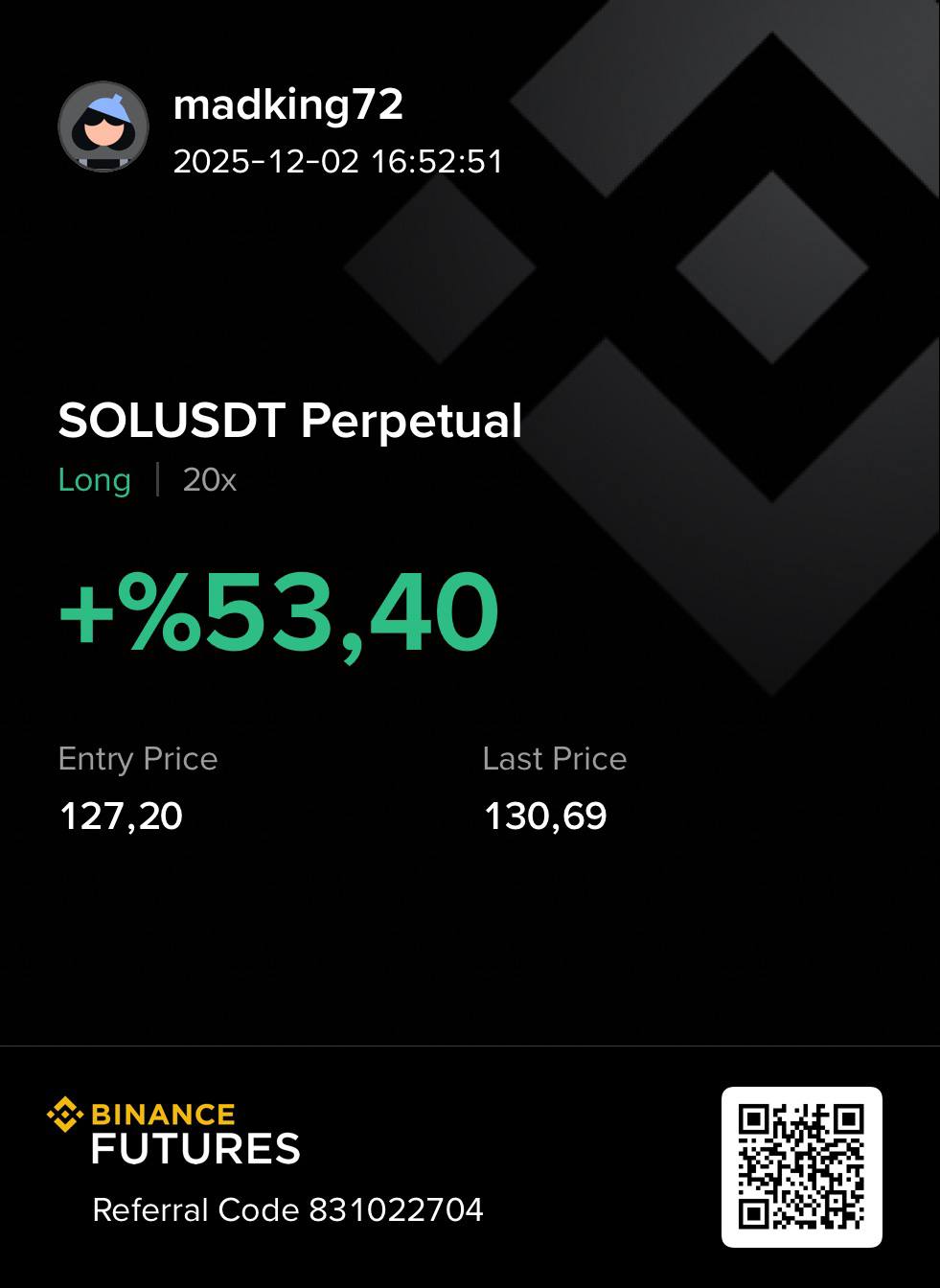
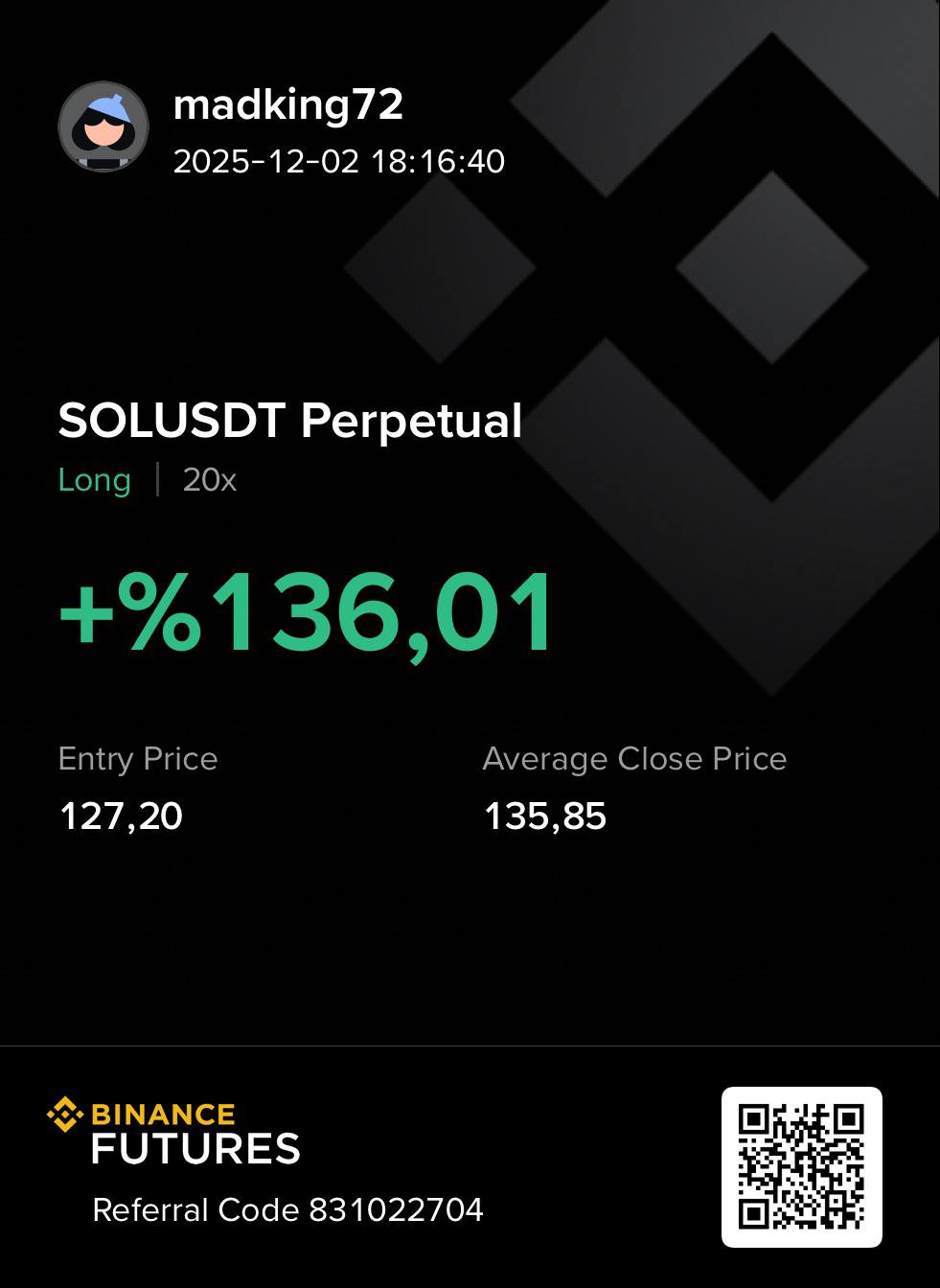
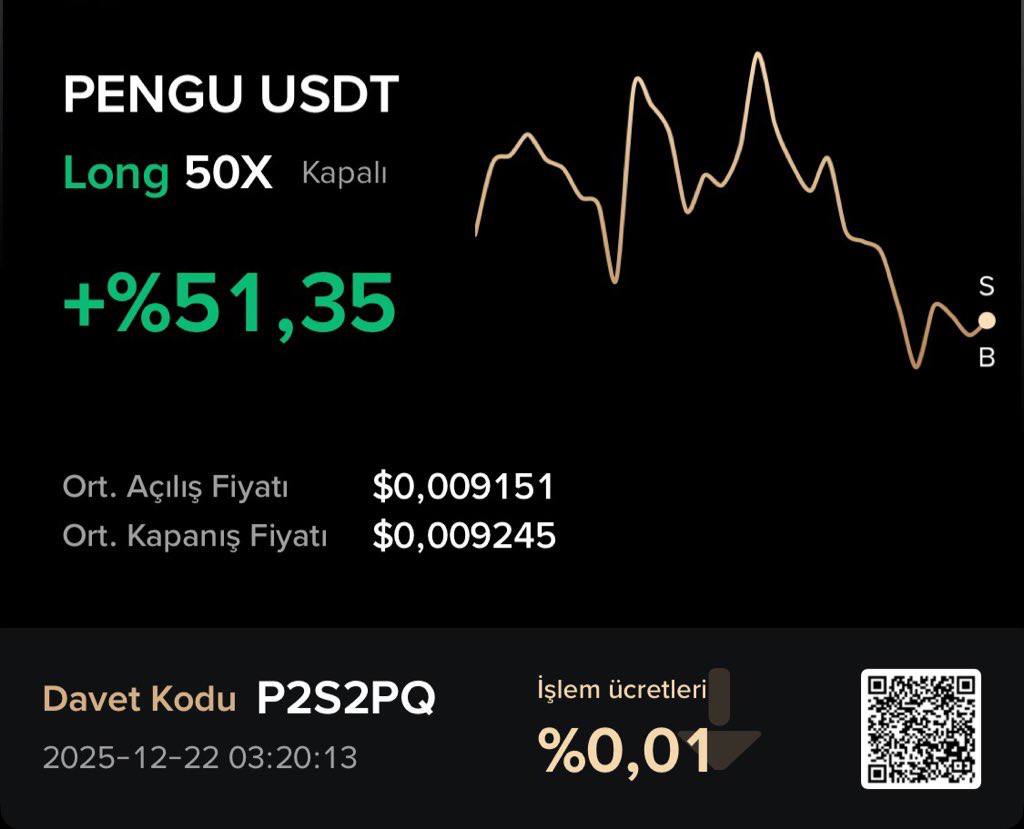
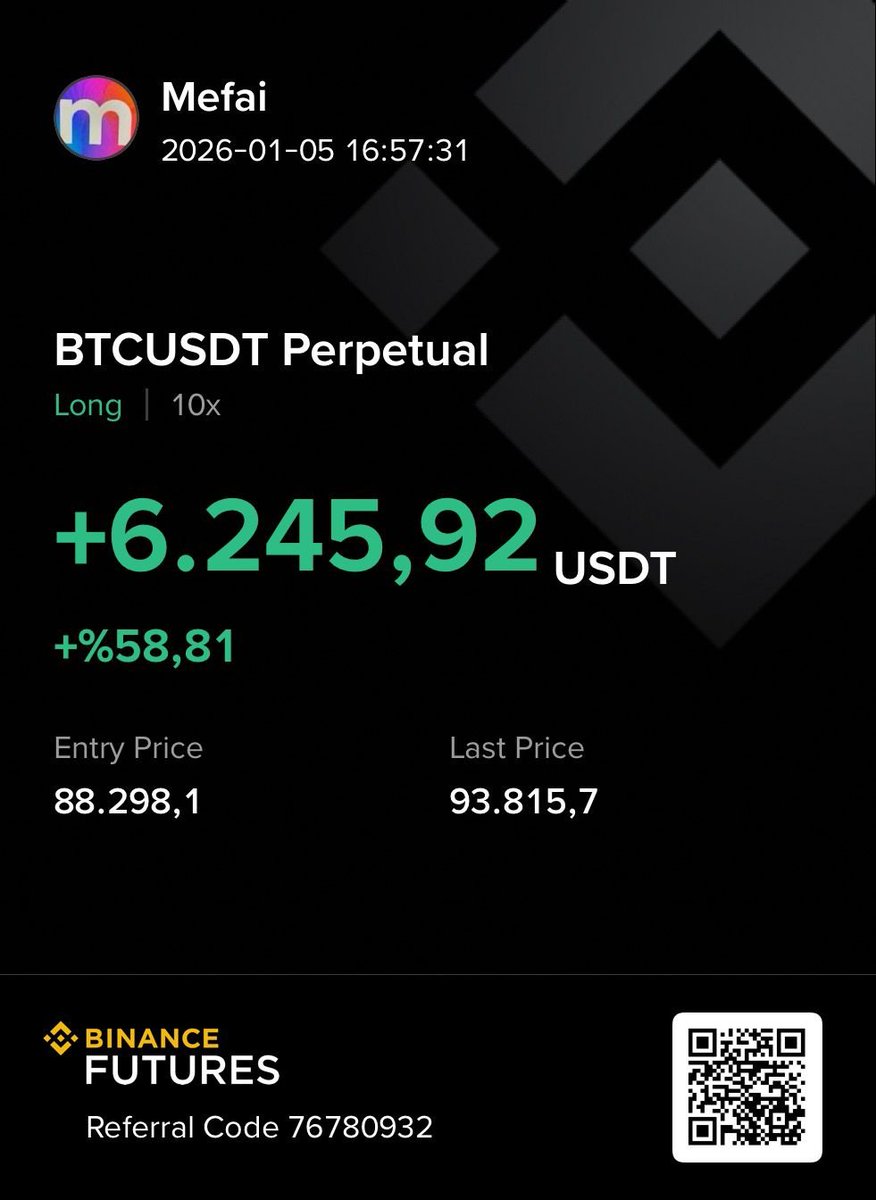
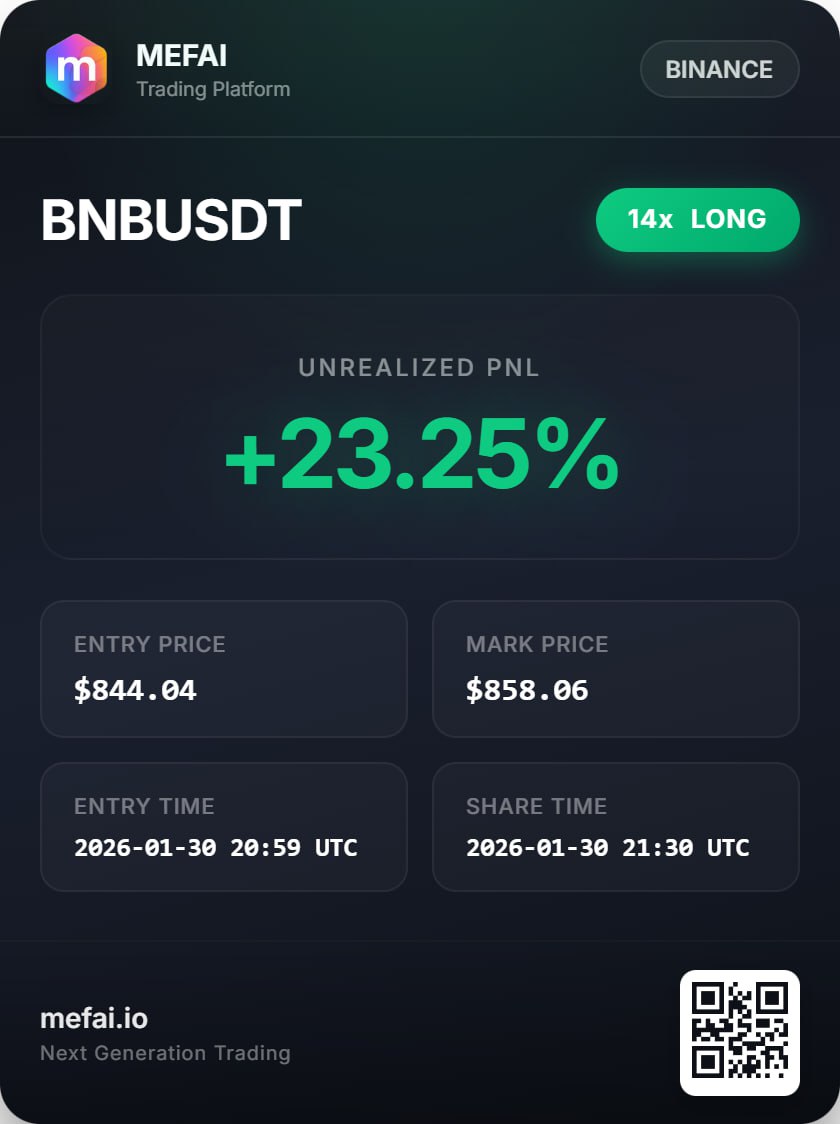
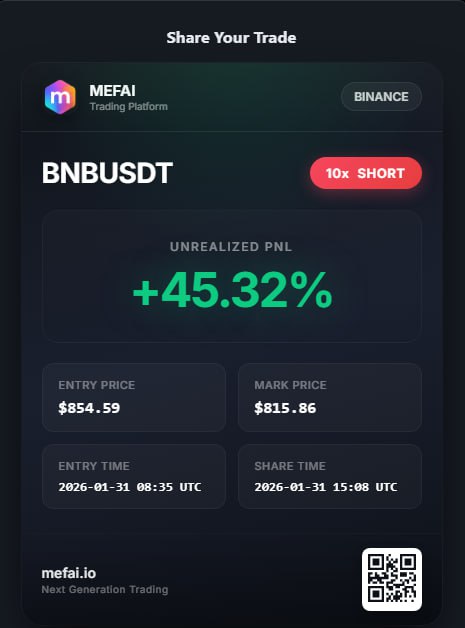
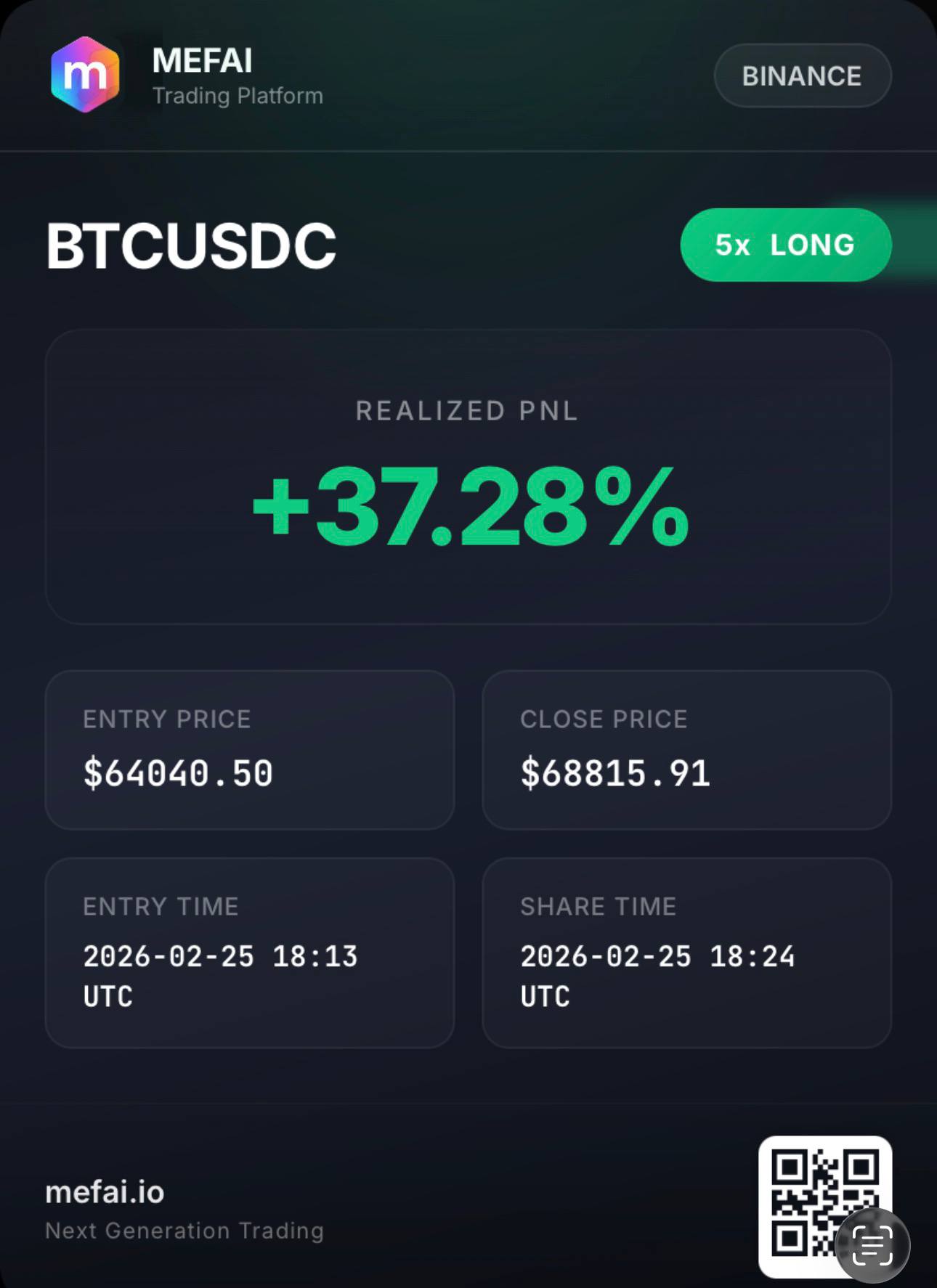
Real results from MEFAI's AI. Get $50 off the Pro plan.
Sponsored · Past performance is not indicative of future results. Not financial advice.


Bitstamp: Europe’s regulated gateway for euro and dollar buyers
Bitstamp focuses on European customers who want to buy Bitcoin and Ethereum with euros via SEPA transfer, and US customers who prefer ACH deposits. It is one of the oldest exchanges still operating, which gives it a conservative, regulated profile. Identity checks are straightforward, fees are transparent, and the platform supports basic trading without exposing users to exotic derivatives.
For users who want to hold coins in a regulated environment, Bitstamp’s banking partners and insurance arrangements can be reassuring. The exchange also offers a simple mobile app for price alerts and basic trades, alongside a web terminal for more serious users. If you are in Europe and want to avoid multi-currency complexity, Bitstamp’s euro-centric design reduces confusion and keeps fees predictable.
How to compare exchanges before you sign up
Start by checking which coins and deposit methods are available in your country; some platforms only handle crypto-to-crypto trades or limit card purchases to certain regions. Next, compare fee schedules for your expected payment method and trading volume; flat card fees can dwarf small trades, while bank transfers are often free but slower. Read the exchange’s security policies: look for cold storage of customer funds, bug-bounty programs, and regular audits. Finally, test the user experience with a small deposit and a practice withdrawal to confirm the flow matches your expectations.
If you plan to hold coins for months or years, investigate the exchange’s withdrawal process and whether it supports direct transfers to your own wallet. Some platforms make it easy to buy but difficult to move coins off-exchange, which can become costly if you later decide to self-custody. Also check the quality of customer support channels; slow ticket systems or missing chat options can be frustrating when you need help during market volatility.
What to do after your first purchase
Once you own your first coins, keep them safe. Move a small amount to a non-custodial wallet you control—mobile or desktop wallets that let you write down a recovery phrase—so you understand how self-custody works before committing larger sums. Keep the recovery phrase offline and never share it. Next, set up price alerts on your exchange app or a dedicated tracker so you can watch market movements without constantly refreshing the screen. Finally, consider setting aside a fixed amount for regular purchases, a strategy known as dollar-cost averaging, which smooths out price swings over time.
If you enjoyed the process and want to explore trading, start with the simplest order types—market and limit orders—and avoid leverage until you have practiced on small amounts. Keep a journal of your trades and feelings to spot emotional decisions. Over time, you may add another exchange for specific coins or lower fees, but resist spreading funds across too many platforms early on; consolidation reduces mistakes and simplifies taxes.

Common beginner mistakes and how to avoid them
Buying at the top of a spike because social media hype is loudest is a frequent trap; set a budget and stick to it regardless of market noise. Another error is leaving coins on an exchange for months without withdrawing; exchanges can freeze withdrawals during outages or regulatory actions, so move coins you do not plan to trade within days to your own wallet. Finally, sharing screenshots of your portfolio or wallet address can expose you to doxxing or targeted scams; keep your holdings private until you are comfortable with public disclosure.
Always double-check wallet addresses and network types before sending; sending Bitcoin to an Ethereum address or vice versa can result in irreversible loss. If you use a hardware wallet later, practice with small amounts first to confirm you understand seed phrase backup and firmware updates. Lastly, tax rules vary by country; keep records of every purchase, trade and withdrawal so you can report accurately and avoid surprises during filing season.
Which exchange should you pick first?
If you want the simplest on-ramp with card purchases and a trusted brand, start with Coinbase or a similar beginner-focused platform. If you prefer lower fees and a wider coin selection but can tolerate a busier interface, try Binance after you have made your first purchase elsewhere. For European users who want euro deposits and a regulated environment, Bitstamp or Kraken are strong choices. In all cases, begin with small amounts, verify the platform’s security posture, and plan your exit strategy—how you will move coins to your own custody—before the balance grows.
Your first exchange is a classroom, not a vault. Choose one that teaches good habits, protects your practice funds, and lets you graduate to more advanced tools when you are ready. Keep learning, stay patient, and treat every transaction as a lesson in both crypto and personal finance.
More in Crypto & Trading
DeFi Compared: Matching the Right Platform to Your Needs
A practical guide to the leading DeFi platforms, who each suits, what they offer, and how to choose based on your goals and risk tolerance.

Why an Anthropic IPO Could Tie Bitcoin Closer to the AI Trade
An Anthropic stock listing would give traders a single AI stock to bet on, tightening bitcoin’s correlation with the AI trade and increasing its sensitivity to Fed policy and risk appetite.

AI Crypto Trading Tools for Beginners: How to Get Started Safely
A no-nonsense beginner’s guide to AI crypto trading tools: what they do, how to start, and which beginner-friendly options to consider first.