
How AI Trading Tools Are Evolving in 2026: Signals, Bias and Bots for Crypto Traders
By Mag-Info Tech editorial · 2026-06-10
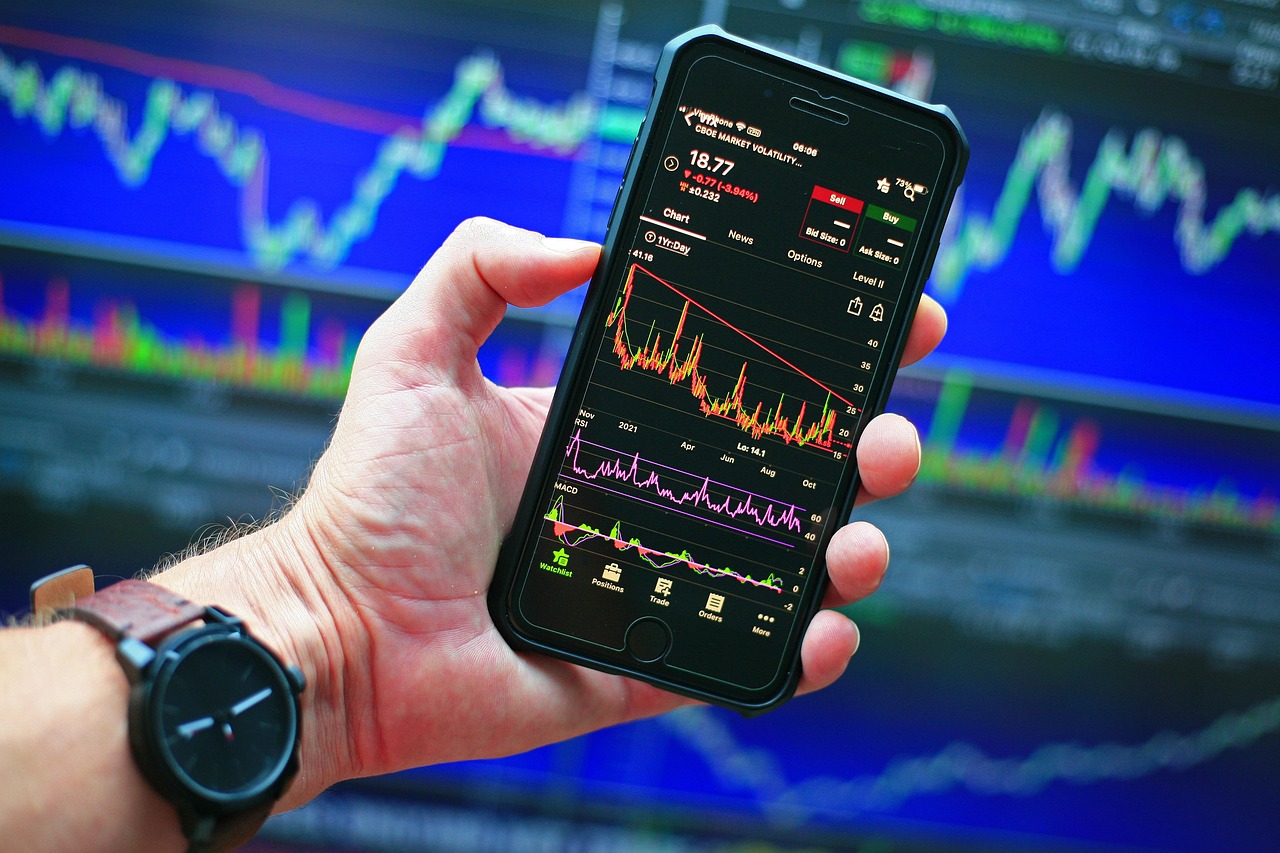
What changed in AI trading tools by 2026
Two years ago most AI tools were glorified bots that backtested strategies on static data. By 2026 the landscape has flipped. The most useful tools now focus on three durable problems: detecting shifting market bias, generating actionable signals, and executing trades with minimal slippage. The shift came from two pressures. First, crypto volatility became more regime-based—long stretches of low volatility punctuated by sudden regime changes—so static models broke down. Second, regulatory clarity in major markets pushed providers toward explainable outputs and away from black-box recommendations. As a result, the best tools combine on-chain, order-book and social-sentiment signals into a single bias score, then let users decide whether to automate or stay hands-on.
This evolution matters because it moves traders from “set and forget” to “observe and adapt.” The tools that matter in 2026 are those that surface why the market is biased, not just that it is. For example, a tool might show that stablecoin inflows into derivatives are rising alongside a drop in exchange reserves, indicating a structural bid, while another flags that options skew has flipped, signaling short-term bearish sentiment. Traders who ignore the “why” still rely on hope; those who use the new generation of tools make decisions with context.
How AI-driven signals differ from earlier generations
Earlier AI signals were either generic “buy the dip” alerts or high-frequency arbitrage pings that required ultra-low latency infrastructure. In 2026, AI signals are multi-source and multi-timeframe. They ingest order-book imbalance, funding-rate trends, on-chain flows, and social sentiment, then produce a composite score that updates every few minutes. Some providers layer in macro indicators like Treasury yield moves or equity ETF flows to anticipate crypto’s reaction. The result is a signal that is less about a single entry point and more about the balance of risks and opportunities across horizons.
What changed is the cadence and granularity. Instead of daily PDF reports or hourly Telegram alerts, traders get a live dashboard that shows bias across spot, perpetuals and options, with drill-downs into the components. For example, a trader can see that Bitcoin spot demand is rising but options skew is bearish, prompting a spot accumulation with hedged derivatives. The tools that deliver this clarity are the ones worth adopting.
Best tools for AI-driven signals in 2026
Two categories dominate: platform-native suites and third-party signal engines. Platform-native suites like those from major exchanges integrate order-book data, funding rates and on-chain flows into a single interface. They are best for traders who want one-stop shopping and trust the exchange’s data quality. Third-party engines like Santiment, Glassnode Insights or CryptoQuant Pulse plug into multiple venues and offer cross-exchange signals. They suit sophisticated users who trade across venues and need independent data sources.
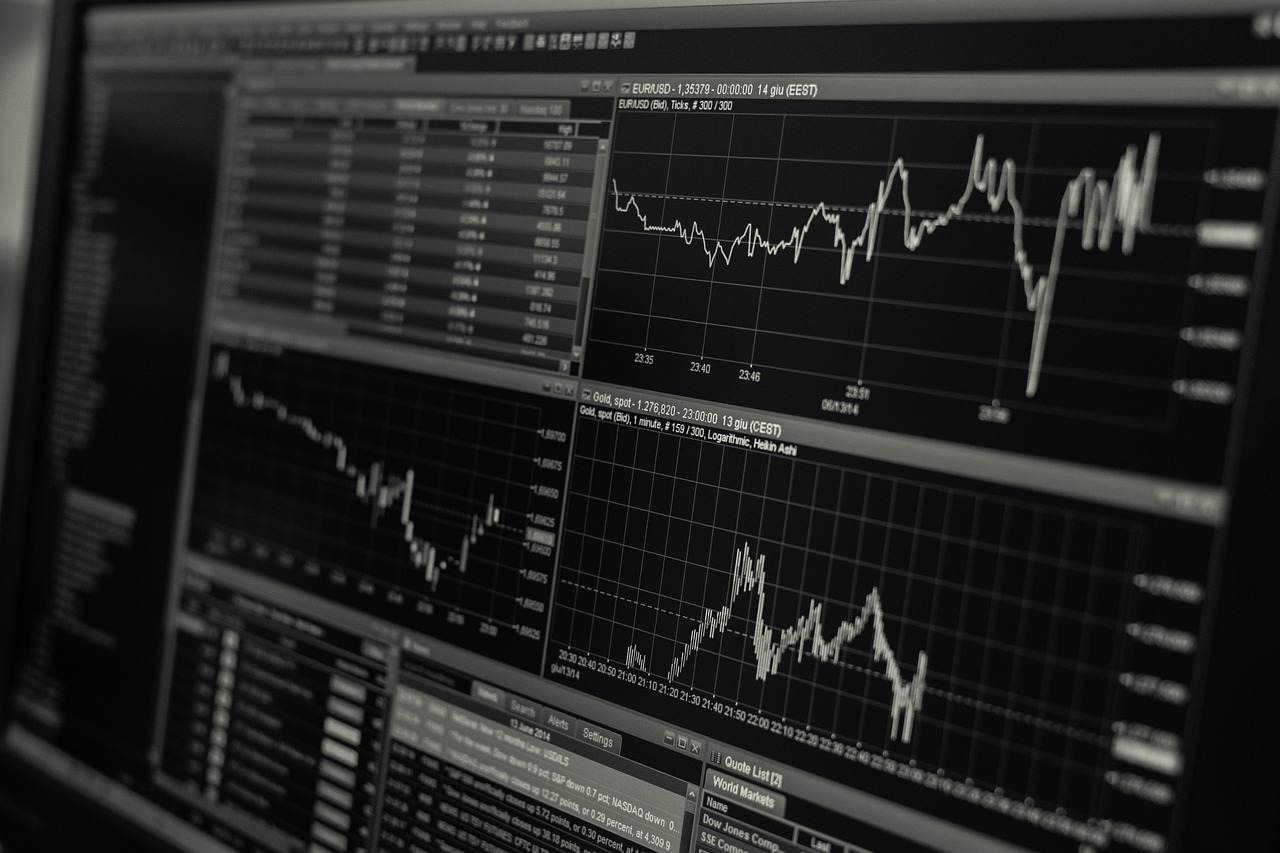
A newer breed are “bias-first” tools like Biaslytics and Volquant Signals. These tools output a real-time market-bias score (bullish, neutral, bearish) with a confidence band and an explanation. For instance, Biaslytics might show “bearish bias: 68%, driven by rising stablecoin reserves and negative options skew,” while Volquant adds “expected 24-hour move ±2.3%.” These scores help traders calibrate position sizing and hedging without relying on a single indicator. When choosing a signals tool, prioritize transparency: look for clear methodologies, independent data sources and a changelog for model updates.
Detecting market bias: why it matters and which tools to use
Market bias is the directional lean of the market before price moves. In 2026, the most reliable bias detectors combine on-chain flows, derivatives positioning and order-book dynamics. Tools like Glassnode’s Bias Engine and CryptoQuant’s Market Regime Scanner stand out because they normalize flows across assets and timeframes, removing noise from single-asset signals. For example, if Ethereum ETF inflows spike while perpetual funding turns negative, the combined bias flips from neutral to moderately bearish, giving traders early warning.
The practical takeaway is to use bias tools as a first filter before entering a trade. If the bias is strongly bullish but your entry signal is weak, you might wait for a pullback or reduce size. Conversely, if bias is mildly bullish but your timing model is strong, you can lean into the move. The best bias tools also surface regime shifts—for example, when funding rates flip from positive to negative across major perp markets—so you can adjust risk parameters before volatility spikes.
Trading bots that adapt to changing volatility and regimes








Real results from MEFAI's AI. Get $50 off the Pro plan.
Sponsored · Past performance is not indicative of future results. Not financial advice.

Modern bots are no longer static scripts. The leading products—3Commas Adaptive, Bitsgap Pro and Trality QuantFrame—now include regime detection and volatility scaling. They start with a base strategy (mean reversion, momentum, market making) but adjust parameters when the bot detects a regime change, such as a sudden jump in implied volatility or a structural shift in order-book depth. For example, during low-volatility regimes, the bot might widen take-profit levels and reduce position sizes; when volatility spikes, it tightens stops and scales into the trend.
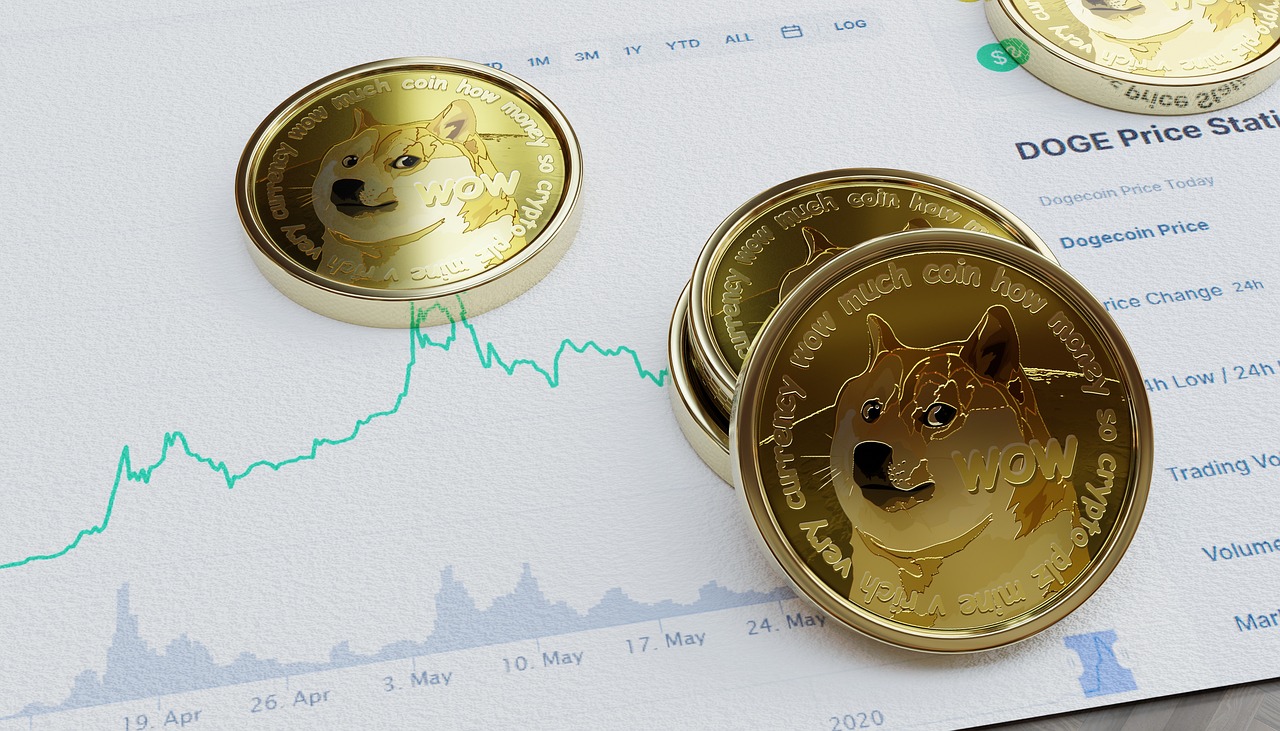
These adaptive bots suit traders who want automation but also want guardrails. The key is to set conservative base parameters and let the bot adjust within predefined risk limits. Avoid bots that promise outsized returns with no risk controls—those are rebranded 2021 products. Instead, look for bots that show real-time regime status, allow parameter overrides, and provide performance logs with drawdown metrics. The best tools also integrate with bias engines so you can pause or switch strategies when the market bias flips.
How to combine signals, bias and bots for a coherent workflow
The most robust workflow in 2026 layers three components: a bias engine for context, a signals engine for timing, and an adaptive bot for execution. Start with the bias engine to understand the market’s directional lean. Then use the signals engine to refine entries and exits based on multi-source data. Finally, deploy the adaptive bot to handle execution while you monitor the macro picture. For example, if the bias engine shows bullish regime with rising spot inflows, the signals engine might flag a pullback entry near support, and the adaptive bot can scale in with tight risk controls.
This layered approach reduces cognitive load and improves consistency. It also makes it easier to backtest and iterate: you can isolate the impact of each layer and tune them independently. For traders who prefer discretion, the same workflow provides a structured way to generate and validate trade ideas. The key is to keep each layer transparent—avoid tools that hide their methodology or data sources.
What to watch next: durability and regulation
Three trends will shape the next phase of AI trading tools. First, explainability requirements are tightening. Regulators in the EU and US now expect firms to document how AI models arrive at trading signals, which favors tools with clear feature attribution and model cards. Second, cross-market arbitrage is shrinking as venues tighten API latency and fees, pushing providers toward macro-aware signals and regime detection rather than pure speed. Third, the rise of native AI agents—tools that can autonomously scan markets, generate hypotheses and propose trades—will accelerate, but these agents will need robust risk controls and audit trails to be trusted.

For users, the watch list is simple: follow providers that publish model updates, data sources and performance logs. Avoid tools that treat AI as a magic box. Instead, favor platforms that let you see the inputs, adjust the weights, and override the outputs. The most durable tools will be those that combine transparency with adaptability.
Practical selection checklist for 2026
- Bias engine: Does it combine on-chain, derivatives and order-book data with a clear methodology and changelog?
- Signals engine: Does it provide multi-timeframe, multi-asset signals with explanations and confidence bands?
- Adaptive bot: Can it detect regime shifts and adjust parameters within your risk limits?
- Integration: Do the tools connect to your venues and allow API-based overrides?
- Explainability: Does the provider publish model cards, data sources and performance metrics?
- Cost structure: Are fees transparent and tied to usage rather than performance promises?
Use this checklist to shortlist tools that fit your style—whether you’re a discretionary trader who wants better signals, a systematic trader who needs adaptive bots, or a hybrid who layers bias, signals and execution.
Bottom line
AI trading tools in 2026 are less about automation for its own sake and more about context, adaptability and transparency. The best tools help you see the market’s bias, refine your timing with multi-source signals, and execute with adaptive bots—all while keeping you in control. Choose platforms that prioritize explainability and regime awareness, and you’ll be prepared for whatever volatility the next cycle brings.
More in Crypto & Trading

DeFi Compared: Matching the Right Platform to Your Needs
A practical guide to the leading DeFi platforms, who each suits, what they offer, and how to choose based on your goals and risk tolerance.

Why an Anthropic IPO Could Tie Bitcoin Closer to the AI Trade
An Anthropic stock listing would give traders a single AI stock to bet on, tightening bitcoin’s correlation with the AI trade and increasing its sensitivity to Fed policy and risk appetite.
AI Crypto Trading Tools for Beginners: How to Get Started Safely
A no-nonsense beginner’s guide to AI crypto trading tools: what they do, how to start, and which beginner-friendly options to consider first.