
Common Mistakes When Choosing AI Crypto Trading Tools — and How to Avoid Them
By Mag-Info Tech editorial · 2026-06-10
Introduction
AI crypto trading tools promise to automate signals and execute trades around the clock, but choosing the wrong one can cost more than fees. Many investors focus on headline performance or flashy interfaces without checking how the model was trained, what assets it covers, or whether it fits their risk tolerance and capital. This guide outlines the most common mistakes when selecting AI trading tools, explains why they matter, and provides clear criteria to evaluate platforms and bots before you commit funds.
Mistake 1: Assuming past returns predict future results
A tool’s historical performance is often presented as proof of its edge, but many models are overfitted to past market conditions and fail once volatility spikes or regimes shift. Short backtests on a narrow set of coins or a single timeframe rarely generalize, yet they remain a primary selling point. Some providers use synthetic data or survivorship-bias-adjusted curves that omit delisted coins and exchange failures, inflating apparent returns. Even tools that disclose live track records may have only a few months of data, which is insufficient to judge consistency across different market cycles.
Investors should ask for out-of-sample or walk-forward results, and insist on seeing performance across multiple market regimes—bull runs, corrections, and flat markets—rather than a single favorable period. Independent verification from third-party platforms or community-run dashboards can help confirm whether the reported gains are repeatable. If a provider cannot share granular trade logs with timestamps and exchange names, treat the data as promotional rather than verifiable.
Mistake 2: Ignoring the asset and exchange coverage gap
Many AI tools are built for a handful of large-cap coins and a single exchange, yet users often expect coverage across hundreds of tokens and multiple venues. If the tool cannot access the exchanges where you plan to trade, or omits the altcoins you follow, its signals will be incomplete or irrelevant. Some bots restrict trading to specific pairs or only offer spot strategies, leaving derivatives or leverage strategies unsupported. Market makers and arbitrage bots also require low-latency connectivity to multiple exchanges, which many retail-focused tools do not provide.
Before selecting a tool, map the coins and exchanges you use and verify that the platform supports them natively or via documented APIs. Check whether the tool offers futures, options, or cross-margin trading if those are part of your plan. If you rely on decentralized exchanges, confirm integration with protocols like Uniswap or PancakeSwap. A mismatch here can render even the best signal engine ineffective for your actual trading universe.
Mistake 3: Overlooking how the AI model is trained and updated
Not all AI models are created equal. Some tools use static, rule-based approximations dressed as machine learning, while others rely on proprietary datasets that are never disclosed. Black-box models trained on non-public order book data or exchange internal feeds create opacity that increases risk of leakage or overfitting. Worse, some tools update their models infrequently, failing to adapt to new tokens, regulatory changes, or protocol upgrades. In crypto, where new forks and airdrops can shift liquidity overnight, a stale model can quickly become obsolete.
Ask providers to explain their data pipeline: which exchanges feed the model, what timeframes are used, and how often the model is retrained. Transparency about feature sets—such as order book imbalance, funding rates, or on-chain metrics—helps you judge whether the approach aligns with your view of market drivers. If a tool treats its model as a trade secret with no public documentation, consider it a red flag. Community audits or open-source model repositories can sometimes fill this gap, but only if the provider allows external scrutiny.

Mistake 4: Confusing signals with execution
A strong signal generator is only as good as the execution layer behind it. Some platforms sell “AI signals” that must be manually entered into exchanges, adding latency and slippage. Others bundle signals with bots that run on third-party servers or cloud instances, which may not be co-located with exchange matching engines. In fast markets, even a few seconds of delay can erase the edge the AI claims to offer. Leverage and margin requirements also interact with execution quality—some bots fail to manage position sizing or liquidation risk in volatile conditions, leading to unnecessary losses.
Evaluate the execution stack: Does the tool run on-premises or in a cloud region close to your target exchanges? Does it support API key segregation for security? Can it adjust order types dynamically, such as switching from limit to market during high volatility? If the provider bundles signals with execution, demand a clear breakdown of where each component runs and how failures are handled. A tool that excels at signals but stumbles at execution is effectively a half-built solution.
Mistake 5: Underestimating fees, slippage, and hidden costs
AI trading tools often advertise gross returns without disclosing trading fees, withdrawal limits, or data subscription costs. In crypto, fees can vary widely by exchange, account tier, and order size, and some platforms charge additional fees for API usage, cloud compute, or premium data feeds. Slippage on illiquid pairs or during high volatility can dwarf the reported gains, yet many dashboards only show theoretical fills. Some tools also impose minimum capital requirements that force users into concentrated positions, increasing risk.
Create a full cost model before committing capital. List all explicit fees—exchange trading fees, API costs, data subscriptions—and estimate implicit costs like slippage and funding rates. Factor in withdrawal fees and minimum withdrawal amounts, which can lock funds on exchanges during volatile periods. If a tool bundles multiple services, ask for a line-item breakdown so you can compare total cost of ownership across providers. A tool with low headline fees but high slippage may be more expensive than one with higher stated fees but tighter execution.
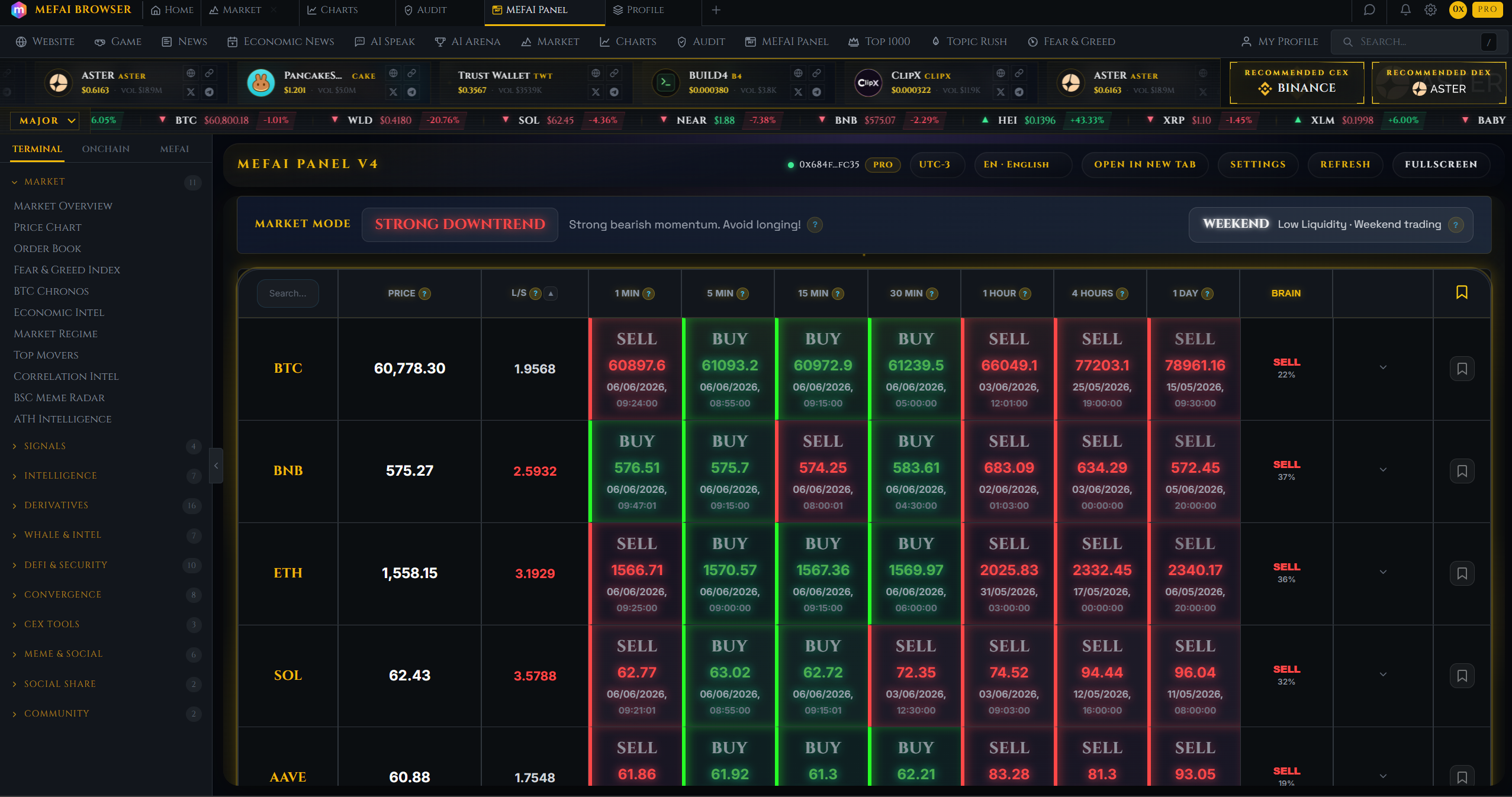
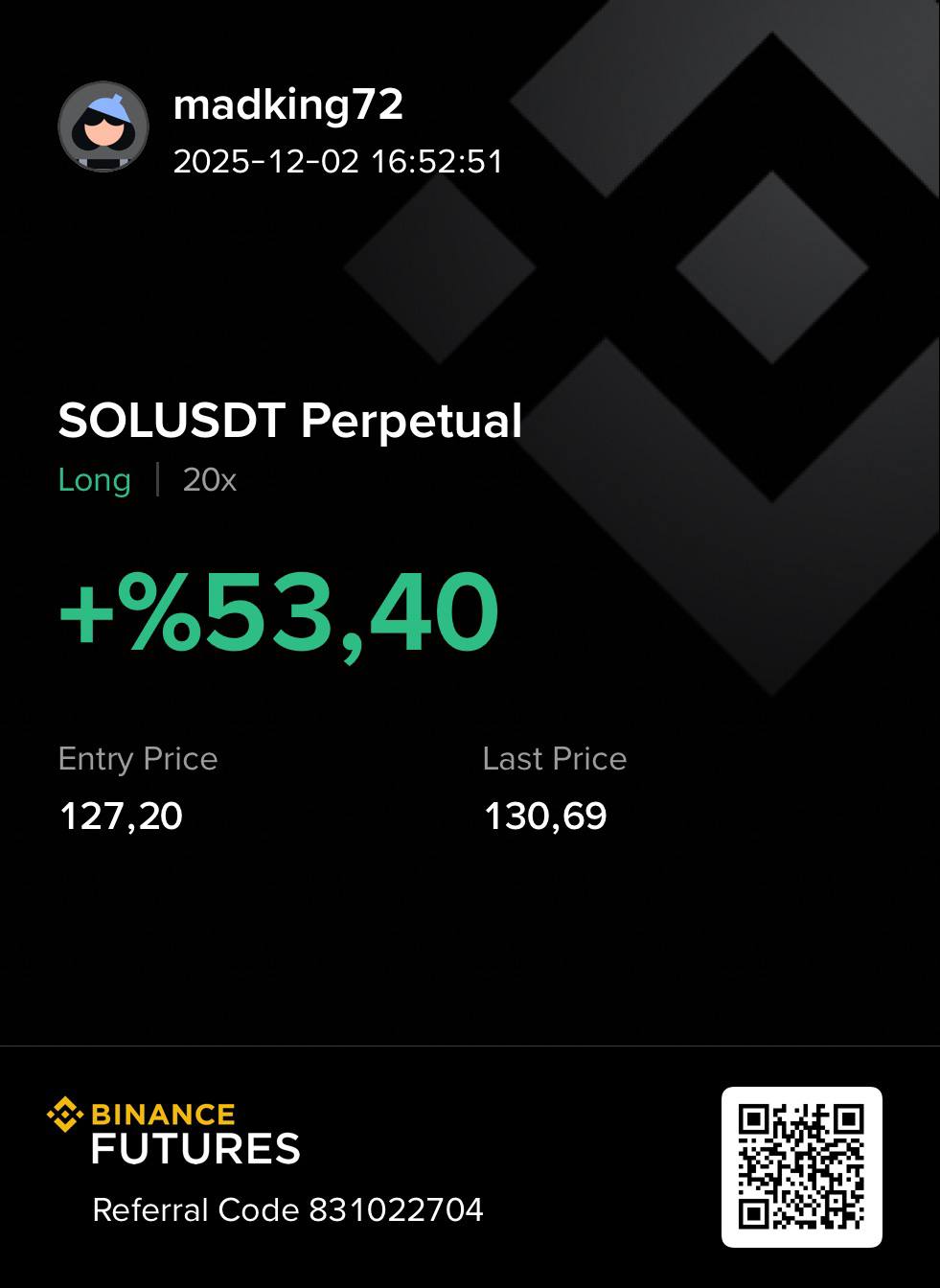
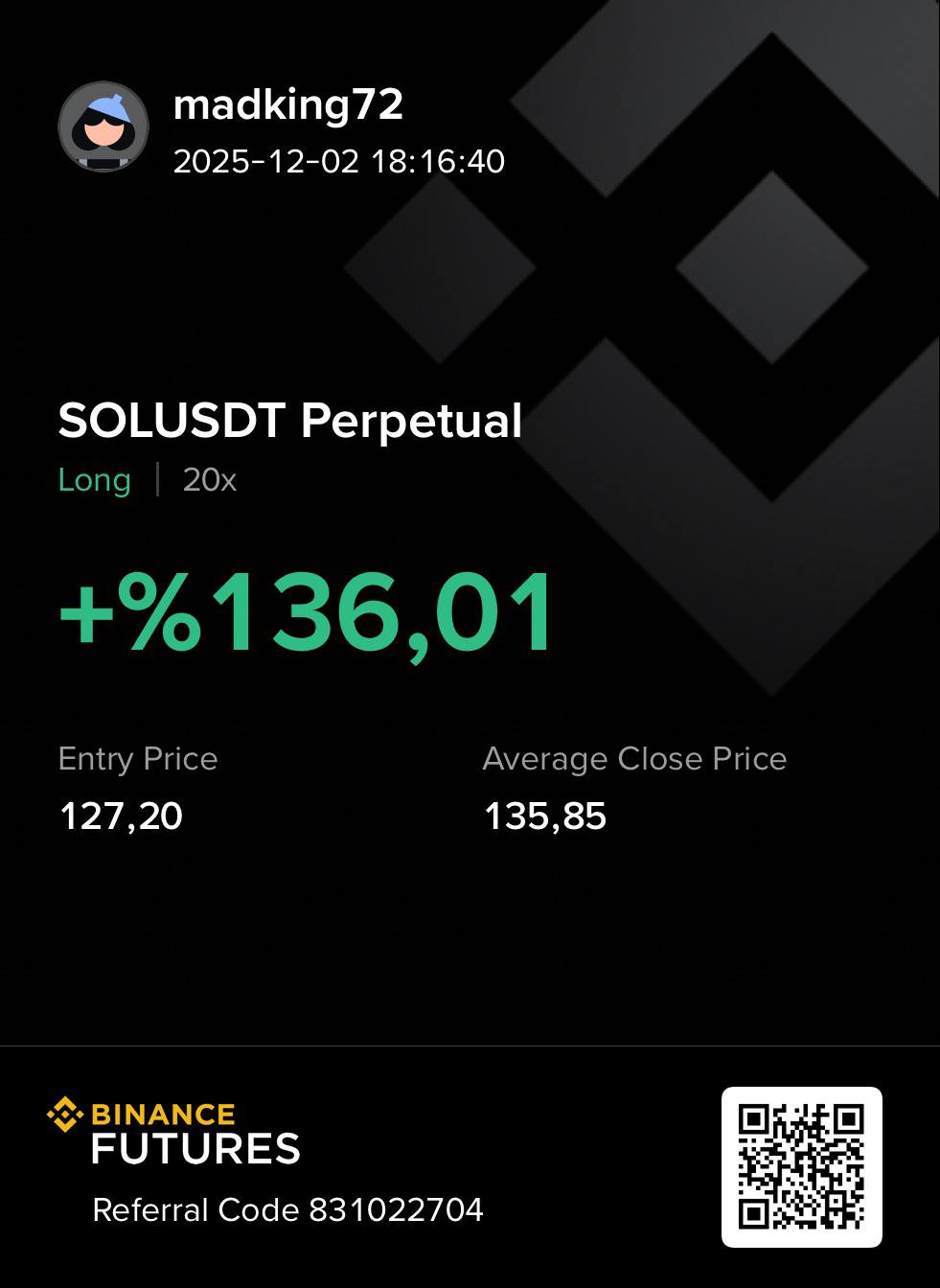
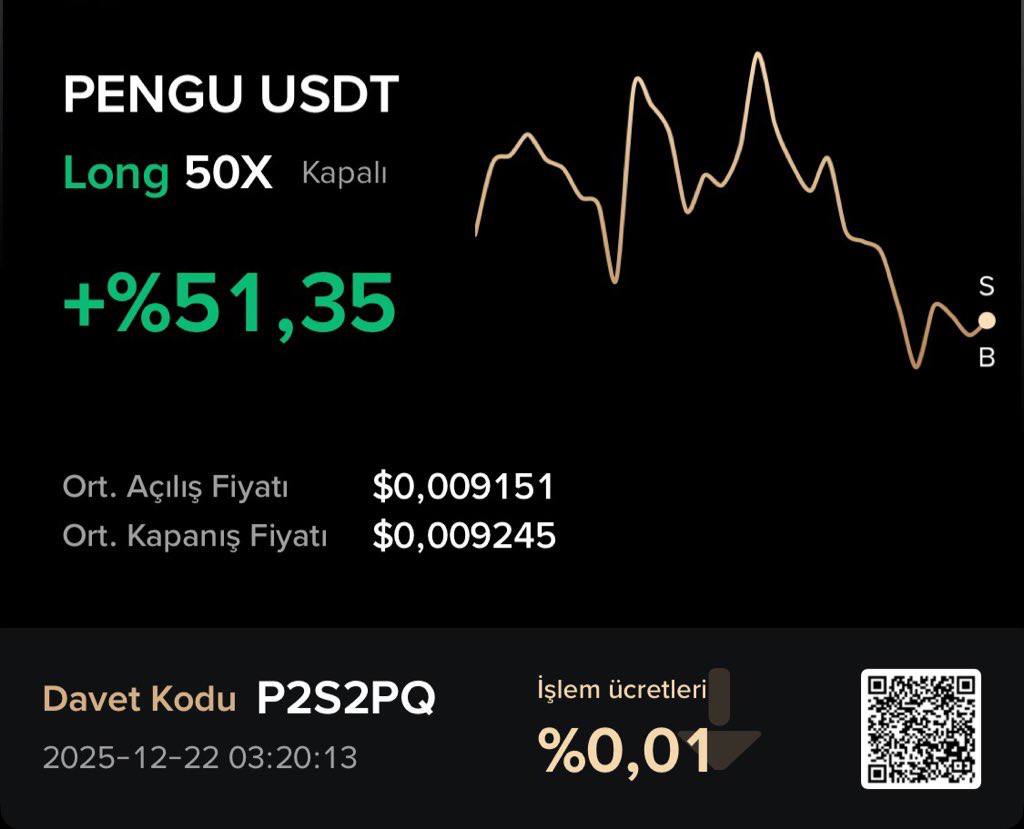
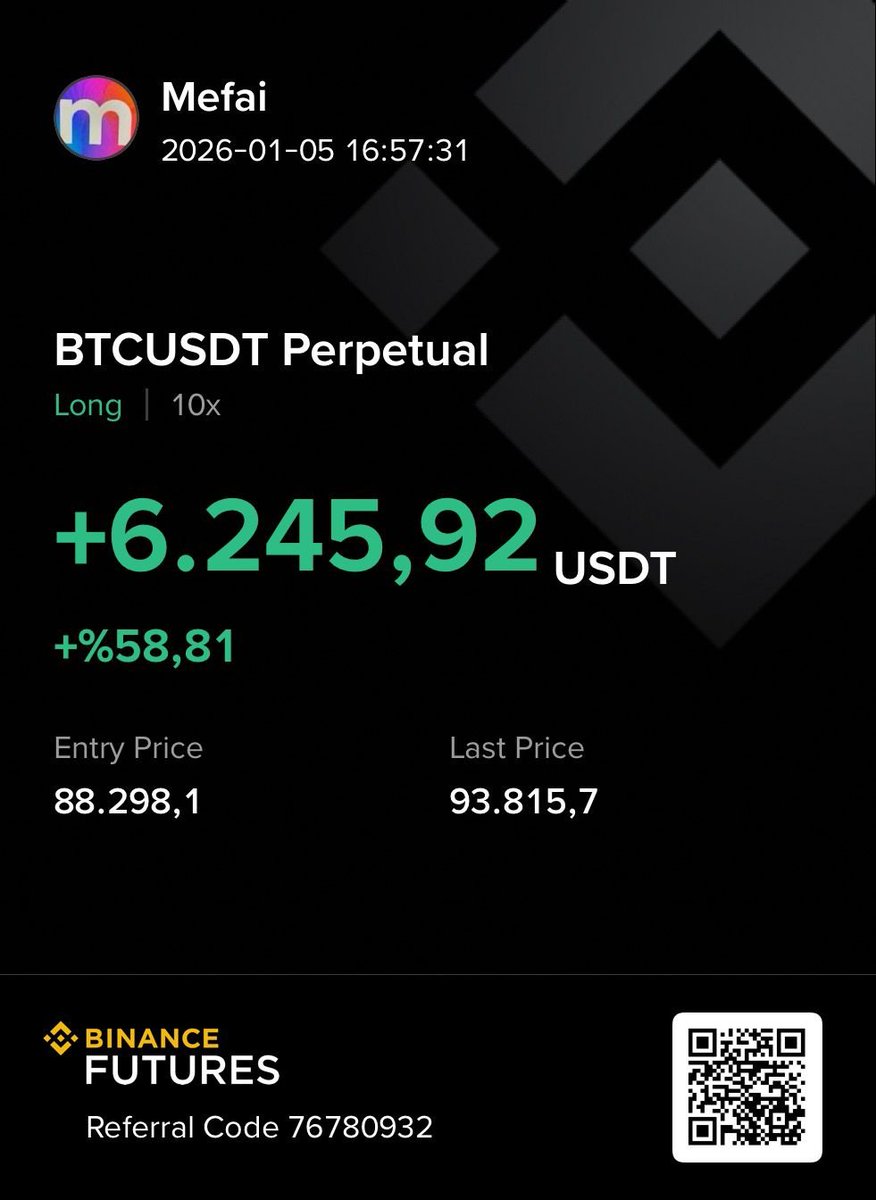
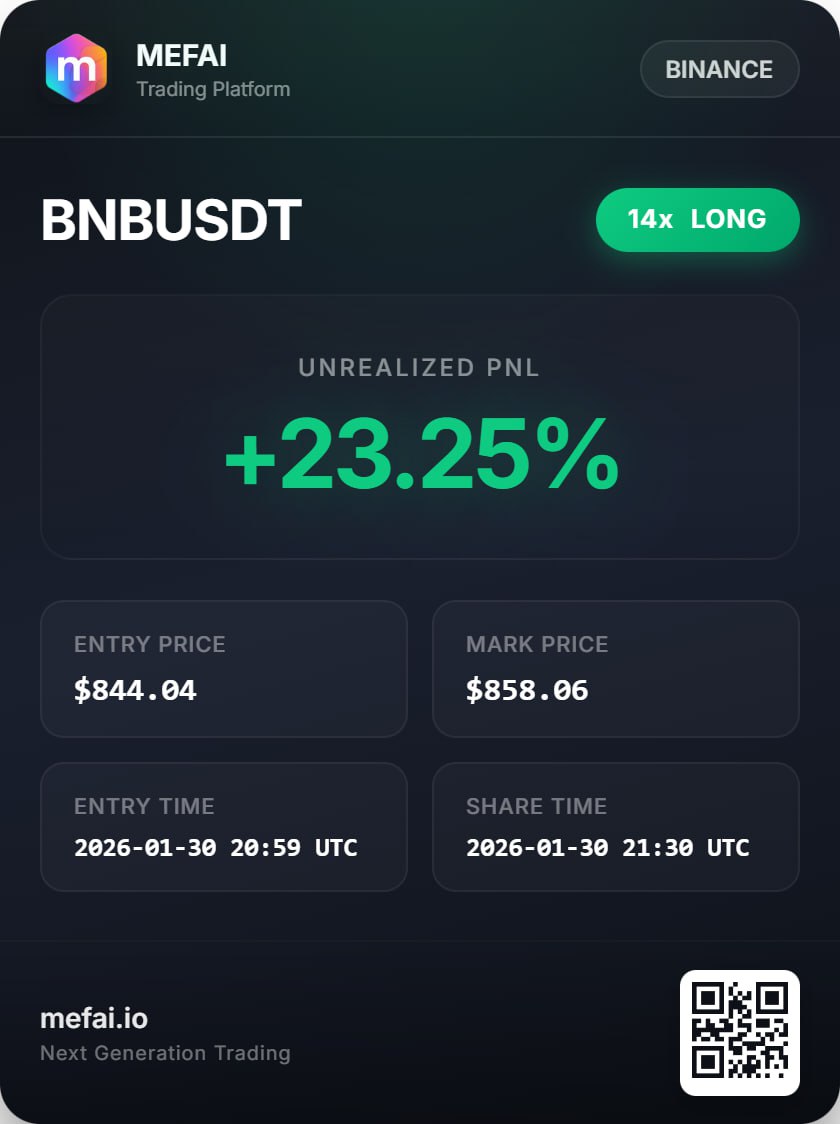
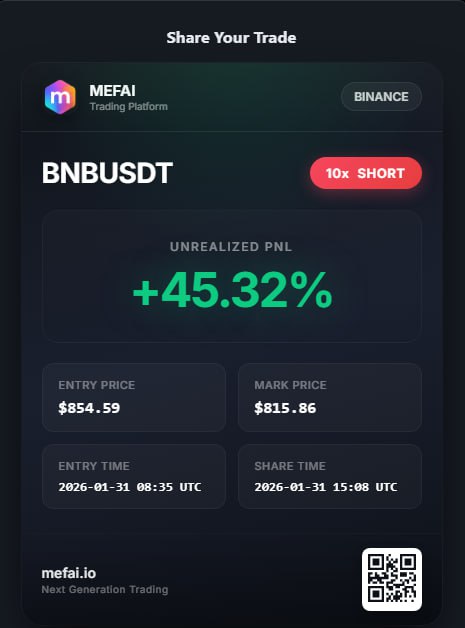
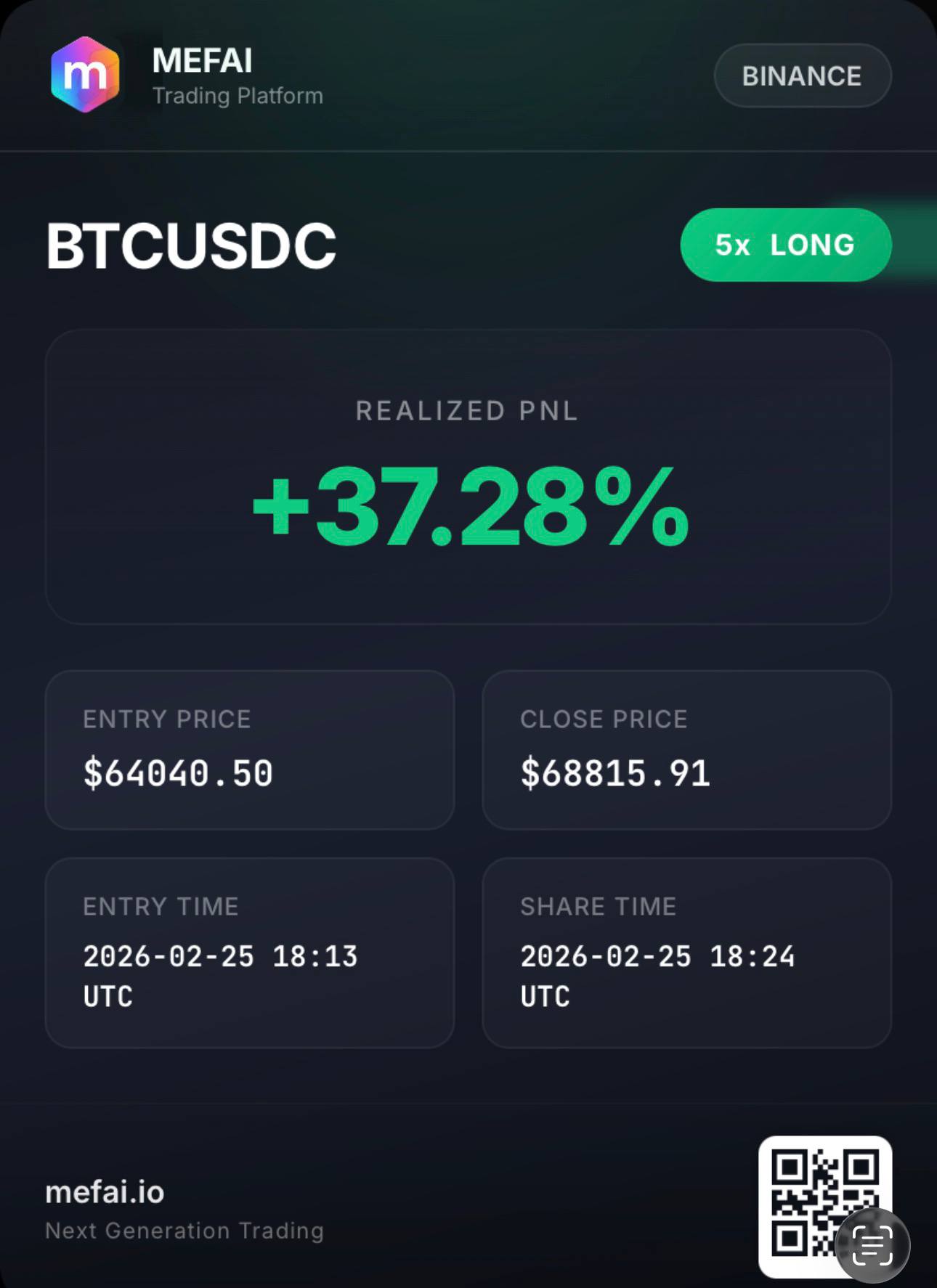
Real results from MEFAI's AI. Get $50 off the Pro plan.
Sponsored · Past performance is not indicative of future results. Not financial advice.


Mistake 6: Falling for marketing hype instead of measurable risk controls
Many platforms emphasize “AI-powered” or “quant-driven” without defining risk controls or drawdown limits. Some bots allow users to set take-profit and stop-loss rules, but these are often overridden by the AI during high volatility, leading to uncontrolled losses. Others lack position sizing logic, increasing exposure during drawdowns and amplifying losses. In leveraged strategies, hidden liquidation risks or margin call delays can trigger forced unwinds at the worst possible moment.
Look for concrete risk controls: maximum daily loss limits, portfolio-level drawdown guards, position sizing based on volatility, and circuit breakers that pause trading during extreme moves. Ask whether the tool enforces these at the code level or leaves them as user-configurable options. Independent audits or SOC 2 reports can provide assurance that risk limits are enforced systematically rather than left to user discretion. If a provider cannot articulate its worst-case loss scenarios or backtest them under stress conditions, the tool is likely optimized for marketing rather than risk management.
Mistake 7: Choosing a tool without a clear exit and data portability plan
Some AI platforms lock users into proprietary formats, dashboards, or data schemas, making it difficult to export trade history, signals, or model parameters. If you later decide to switch providers or migrate to self-hosted execution, you may face vendor lock-in that forces you to rebuild your strategy from scratch. Worse, some tools do not provide raw trade logs or require special permissions to access historical data, complicating tax reporting or performance analysis.
Before you start, verify data export capabilities: Can you download trade history in CSV or JSON? Can you extract signal logs with timestamps and confidence scores? Does the platform allow you to backtest your own strategies or export model weights if the provider offers them? If the answer to any of these is no, consider it a long-term risk. A tool that prioritizes data portability and open formats is more likely to fit into a sustainable workflow, whether you stay with the provider or move on.
Mistake 8: Selecting tools based on popularity rather than fit
Social proof—such as follower counts, testimonials, or influencer endorsements—is often used to sell AI trading tools, but popularity does not equal suitability. A tool optimized for high-frequency market making on centralized exchanges may be a poor fit for a long-term dollar-cost averaging strategy on decentralized venues. Similarly, a bot designed for conservative investors may fail under aggressive leverage settings chosen by active traders. Popularity can also attract copycats and sybil accounts, inflating perceived adoption without improving reliability.
Match the tool to your goals, time horizon, and risk tolerance. If you are a long-term holder, prioritize tools with low-turnover strategies and transparent custody options. If you are an active trader, focus on latency, API reliability, and order-type support. If you are a developer, look for open APIs, SDKs, and community support. Avoid tools that optimize for viral growth rather than functional fit—your capital deserves better criteria than likes and shares.

Practical checklist: how to evaluate AI trading tools
Start by listing your goals, assets, exchanges, and risk limits. Then, run each candidate tool through this checklist:
- Performance transparency: Can you see out-of-sample results across multiple market regimes, not just backtests?
- Asset coverage: Does the tool support all the coins and exchanges you use?
- Model transparency: Is the data pipeline and update frequency disclosed?
- Execution stack: Where does the tool run, and how close is it to the exchange matching engine?
- Cost structure: Are all fees and slippage estimates visible and comparable?
- Risk controls: Are drawdown limits, position sizing, and circuit breakers enforced automatically?
- Data portability: Can you export trade logs, signals, and model parameters in standard formats?
- Support and updates: Is there a documented process for handling exchange API changes, forks, or regulatory updates?
Use a small test capital allocation to validate execution quality and risk controls in real market conditions before scaling up. Keep a changelog of every tool update and regression test after major market events.
Red flags and green flags
Red flags include undisclosed data sources, static backtests, no independent verification, and refusal to disclose model documentation. Green flags include open data pipelines, independent audits, transparent fee schedules, and clear risk controls with enforced limits.
Conclusion
Choosing an AI crypto trading tool without scrutinizing its assumptions, coverage, execution, and risk controls is like buying a car based on its paint job rather than its engine. The most common mistakes—overfitting to past returns, ignoring asset coverage gaps, accepting opaque models, and overlooking fees and slippage—can be avoided with disciplined due diligence. Focus on transparency, portability, and measurable risk controls, and validate performance under real market conditions before committing significant capital. The right tool should fit your goals and risk tolerance, not the other way around.
More in Crypto & Trading

DeFi Compared: Matching the Right Platform to Your Needs
A practical guide to the leading DeFi platforms, who each suits, what they offer, and how to choose based on your goals and risk tolerance.

Why an Anthropic IPO Could Tie Bitcoin Closer to the AI Trade
An Anthropic stock listing would give traders a single AI stock to bet on, tightening bitcoin’s correlation with the AI trade and increasing its sensitivity to Fed policy and risk appetite.
AI Crypto Trading Tools for Beginners: How to Get Started Safely
A no-nonsense beginner’s guide to AI crypto trading tools: what they do, how to start, and which beginner-friendly options to consider first.