
AI Trading Tools Compared: How to Pick the Right One for Signals, Bots and Bias
By Mag-Info Tech editorial · 2026-06-10
What AI Trading Tools Actually Do—and Why It Matters
AI trading tools analyze market data, detect patterns, generate signals, and in some cases execute trades automatically. They differ in focus: some emphasize signal generation for manual traders, others adjust market exposure (bias) for passive investors, and a third group runs fully automated bots. The right choice depends on your time, skills, risk tolerance and whether you prefer to control execution or delegate it entirely.
For solo traders, the priority is usually reliable, interpretable signals and low setup friction. Teams and funds often need integrations, audit trails and multi-exchange support. Budget-conscious users should look for transparent pricing and free tiers, while power users demand speed, customization and institutional-grade security. Below, we compare widely used platforms across these profiles.
Signal Generators: Best for Traders Who Make the Final Call
Signal-focused tools produce buy, sell or hold recommendations derived from on-chain metrics, order-book dynamics, social sentiment and technical indicators. They are designed for traders who want AI insights but prefer to decide when and how to act.
One well-known platform in this category aggregates hundreds of on-chain and social signals into a single score per asset. It surfaces top movers, momentum shifts and potential reversals, and allows users to filter by timeframe and exchange. Another focuses on derivatives markets, generating liquidation cascades and funding-rate signals to highlight over-leveraged positions before they unwind. Both platforms provide dashboards and mobile alerts, so traders can react quickly without staring at charts all day.
For traders who already follow a strategy, signal tools act like a second opinion. They can reduce emotional bias and highlight opportunities that manual scanning might miss. However, they require discipline: users still need to manage position sizing, risk limits and exchange connectivity. If you are comfortable making execution decisions but want AI-powered insights, these tools are a good fit.
Market-Bias Adjusters: Best for Passive Investors Who Want AI-Enhanced Exposure
Bias adjusters tilt portfolio allocations toward assets with higher predicted outperformance while maintaining broad market exposure. They are aimed at investors who want AI influence without full automation or constant monitoring.
A leading platform in this space continuously rebalances a basket of major crypto assets, overweighting those with stronger momentum signals and underweighting weaker ones. It does not place trades on your behalf; instead, it provides recommended allocations you can review and approve before syncing with your exchange. Another service specializes in risk parity across DeFi yield strategies, using volatility forecasts to adjust allocations between lending, liquidity mining and staking positions.
These tools are useful for investors who want AI-driven portfolio tilts but retain control over custody and execution. They work best for medium to long timeframes and can reduce drawdowns during volatile periods by systematically trimming exposure to lagging sectors. The main limitation is that they depend on your willingness to follow the recommendations—if you override the AI too often, the benefit diminishes.
Rule-Based Bots: Best for Traders Who Want Automated Execution Without Full AI
Rule-based bots follow predefined logic—such as moving averages, RSI thresholds or volume spikes—to open and close positions. They are not “AI” in the deep-learning sense, but many platforms market them as AI tools because they incorporate statistical models and pattern recognition.
A popular platform offers drag-and-drop bot builders with templates for grid, DCA and mean-reversion strategies. It connects to dozens of exchanges and runs strategies in the cloud, so your bots keep trading even when your computer is off. Another well-known option focuses on high-frequency market-making, adjusting quotes based on order-book imbalance and recent trade flow. Both platforms emphasize transparency: users can inspect the logic, backtest on historical data and pause or edit bots at any time.
These bots suit traders who have a clear strategy but want to remove emotional timing and manual execution. They are especially effective in sideways or trending markets where the rules hold up. The risk is over-optimization: if market conditions change, a once-profitable rule set can start losing money. Regular review and parameter tuning are essential.
Machine-Learning Bots: Best for Advanced Users Who Want Adaptive Strategies
ML-powered bots use reinforcement learning, neural networks or ensemble models to adapt to changing market regimes. They are designed for traders who want strategies that evolve rather than follow rigid rules.
A leading platform in this category lets users select from pre-trained models or upload custom datasets to train new ones. It supports multi-asset portfolios and dynamically adjusts leverage and position sizes based on predicted volatility and regime shifts. Another service focuses on perpetual futures, using deep learning to detect microstructural inefficiencies and scalp small but frequent profits. Both platforms run in the cloud and provide performance analytics and risk reports.
These bots are powerful but demand more oversight. They can uncover non-obvious patterns and adapt faster than rule-based systems, but they are also sensitive to data quality, look-ahead bias and regime changes. They are best suited to experienced traders with the time to monitor performance, validate models and manage drawdowns. Beginners should start with simpler tools and gradually move up as they gain confidence.
Institutional-Grade Suites: Best for Teams and Funds That Need Integrations and Compliance
Teams and funds require tools that integrate with custody solutions, risk systems, accounting software and multiple exchanges, often under strict compliance and audit requirements.
A widely used platform offers a white-label trading interface, multi-exchange execution, real-time risk controls and full audit trails. It supports both automated strategies and signal distribution to traders, with role-based permissions and API access for internal dashboards. Another enterprise solution focuses on DeFi protocols, enabling automated yield optimization across lending markets and DEXs while enforcing policy limits such as maximum exposure per protocol.
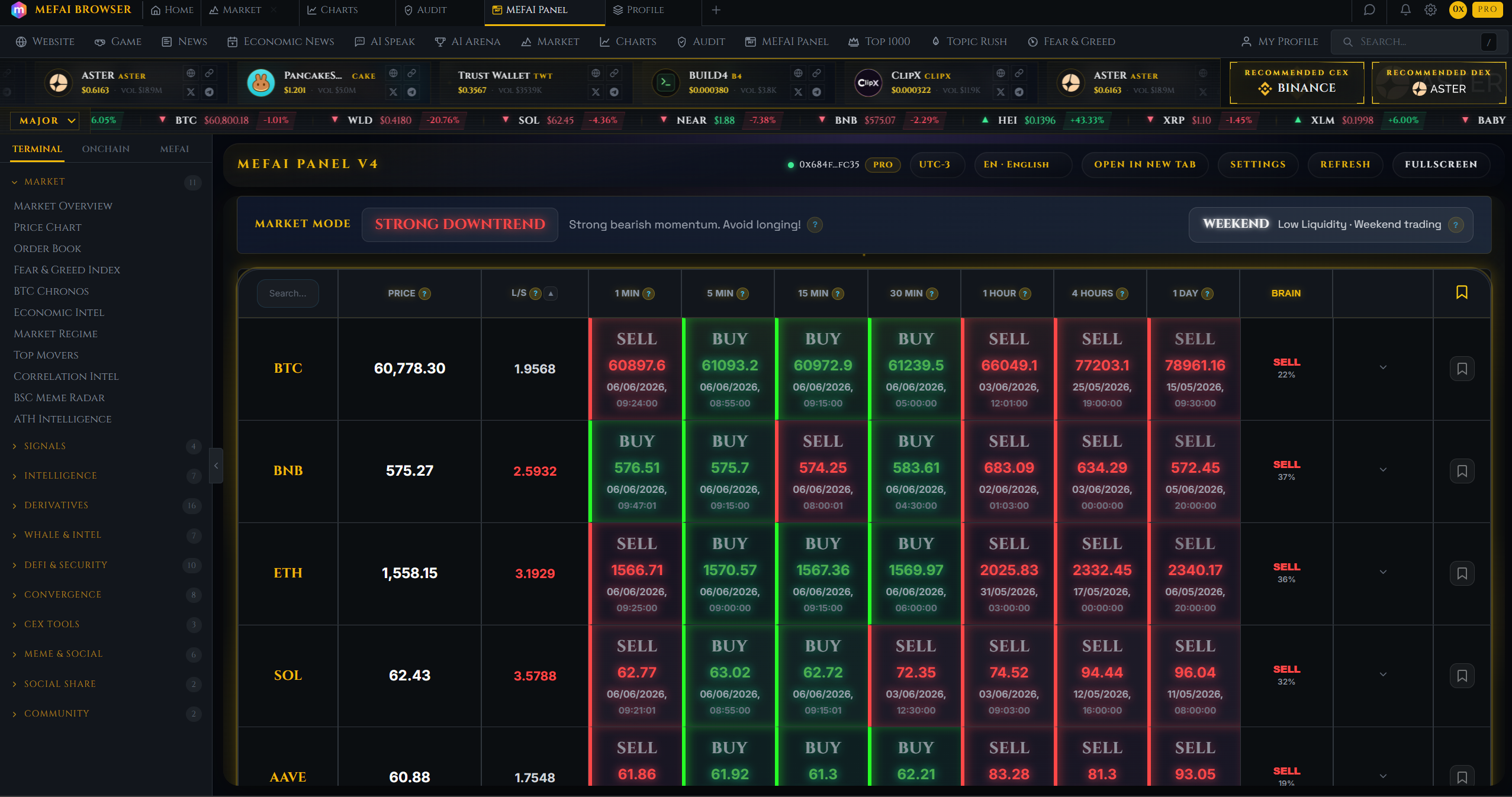
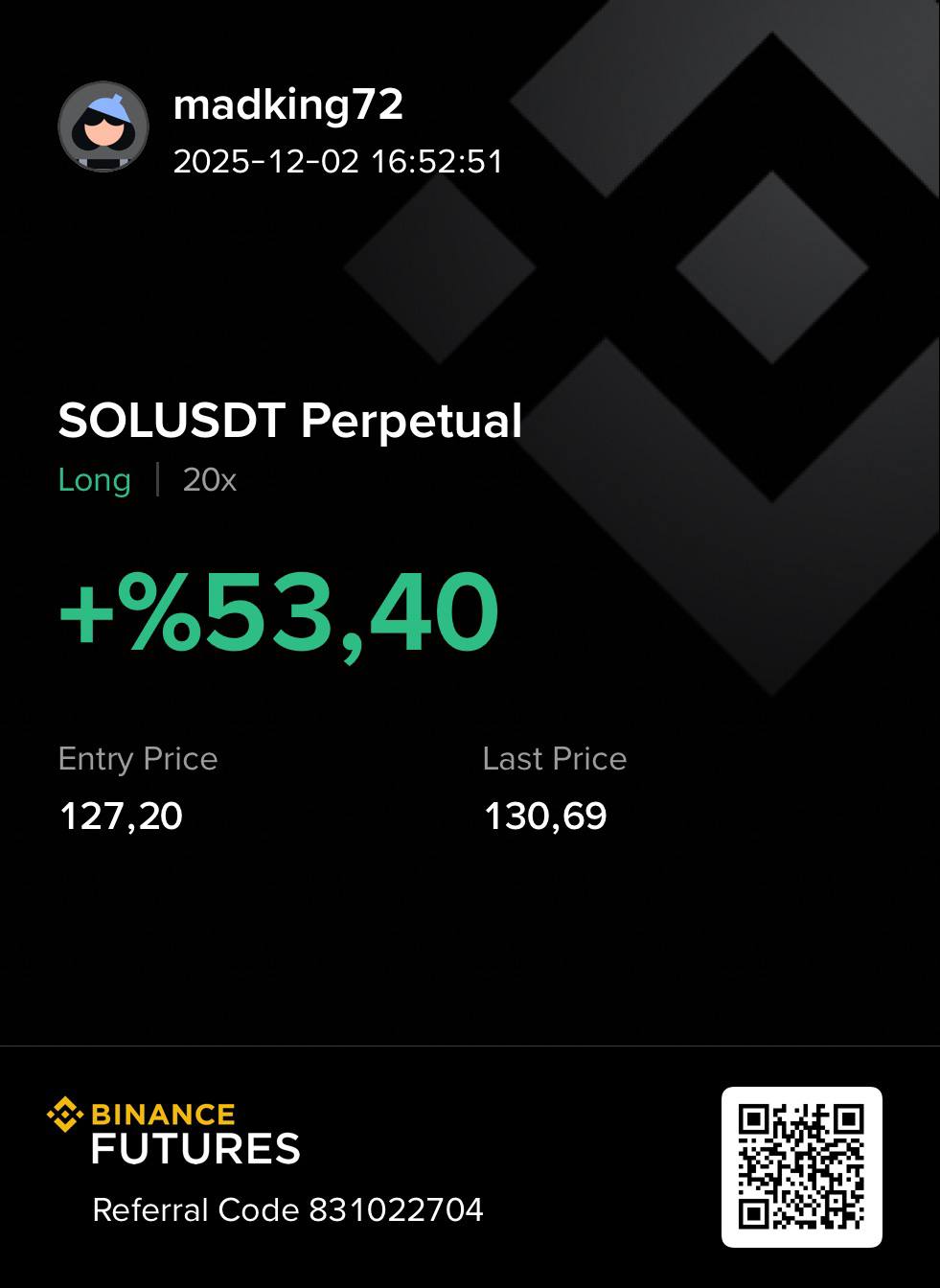
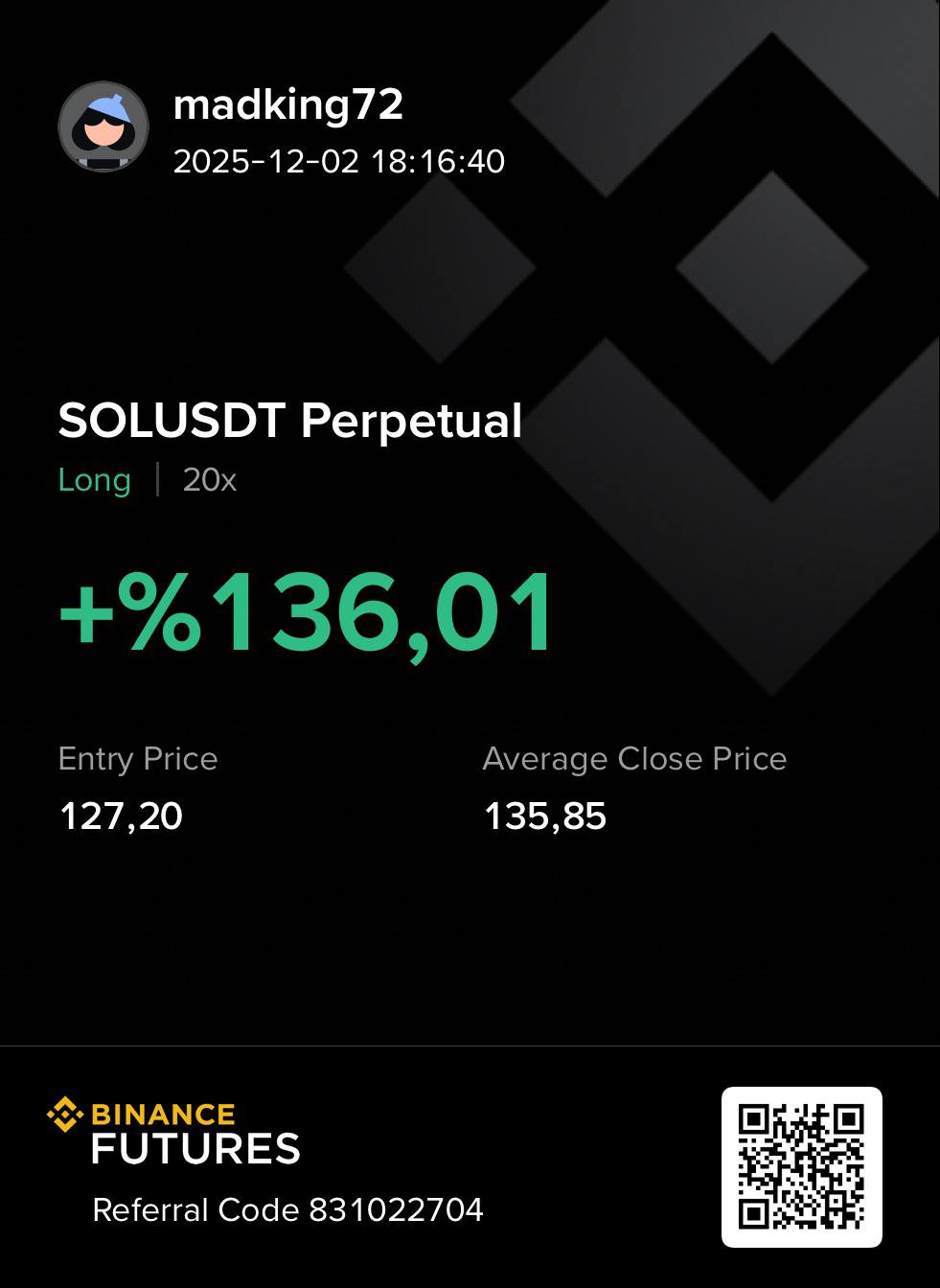
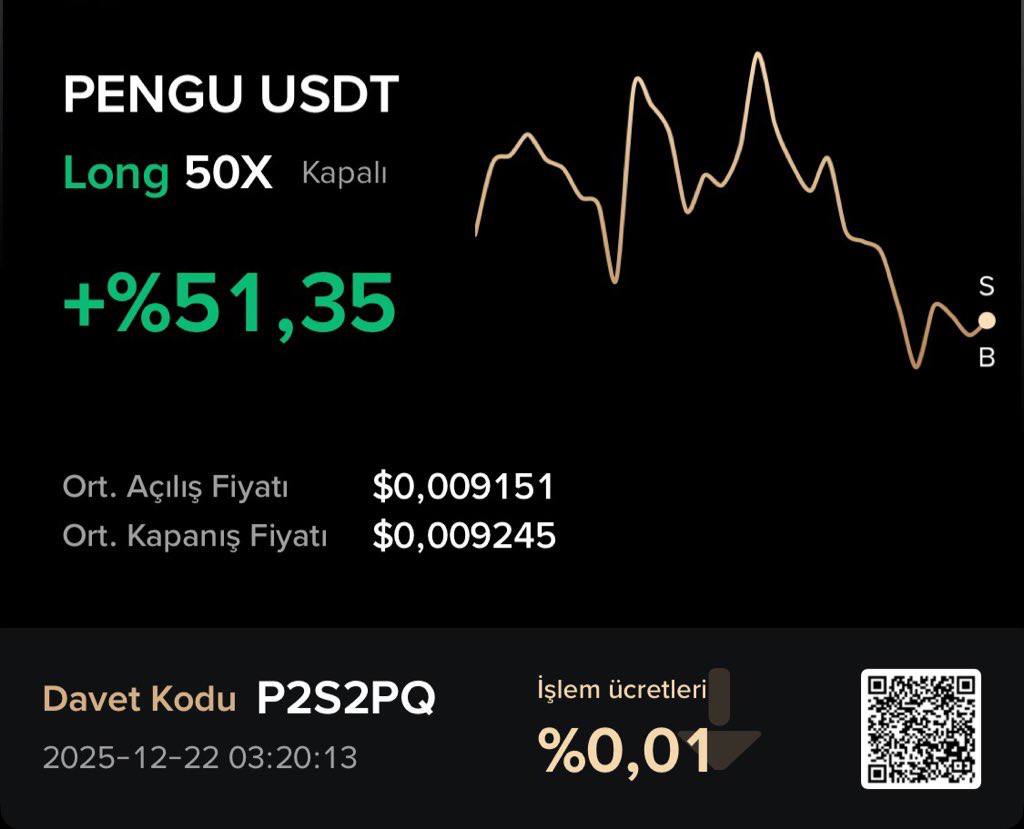
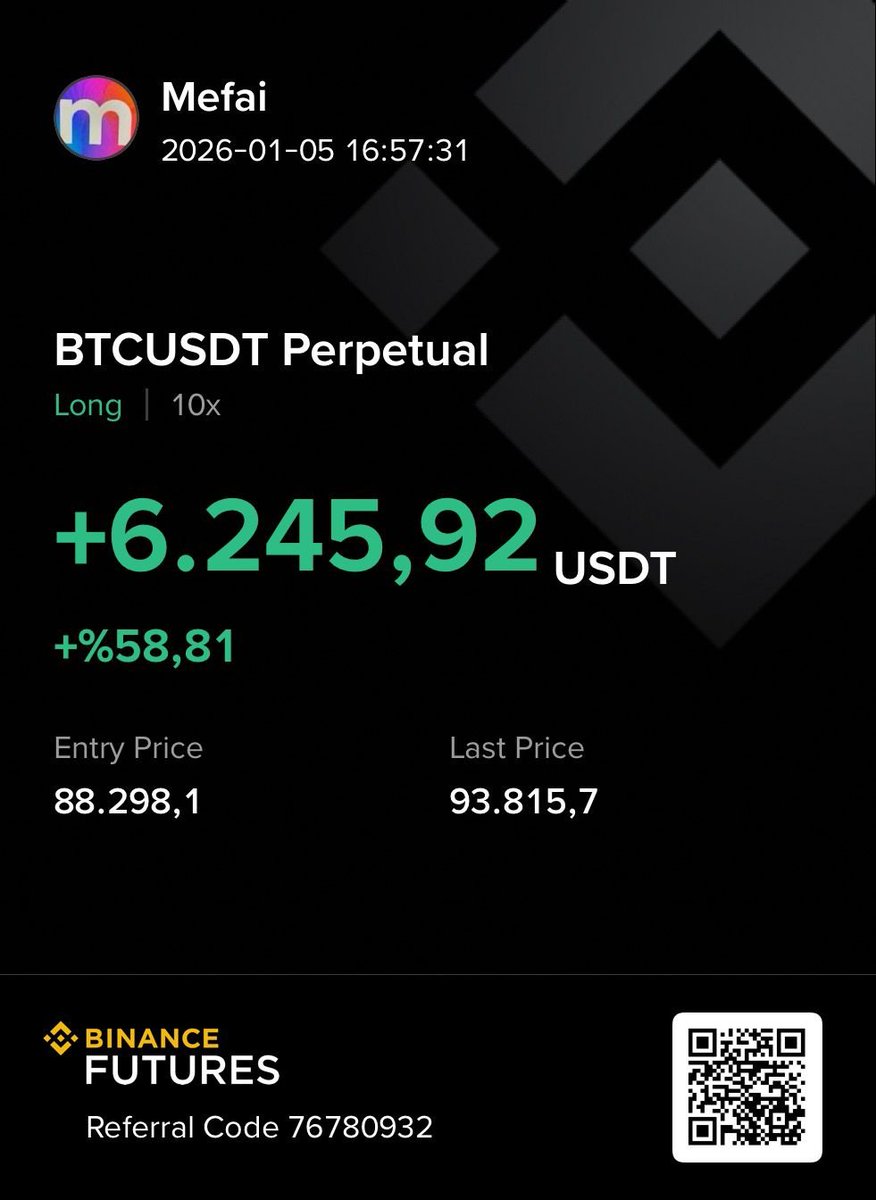
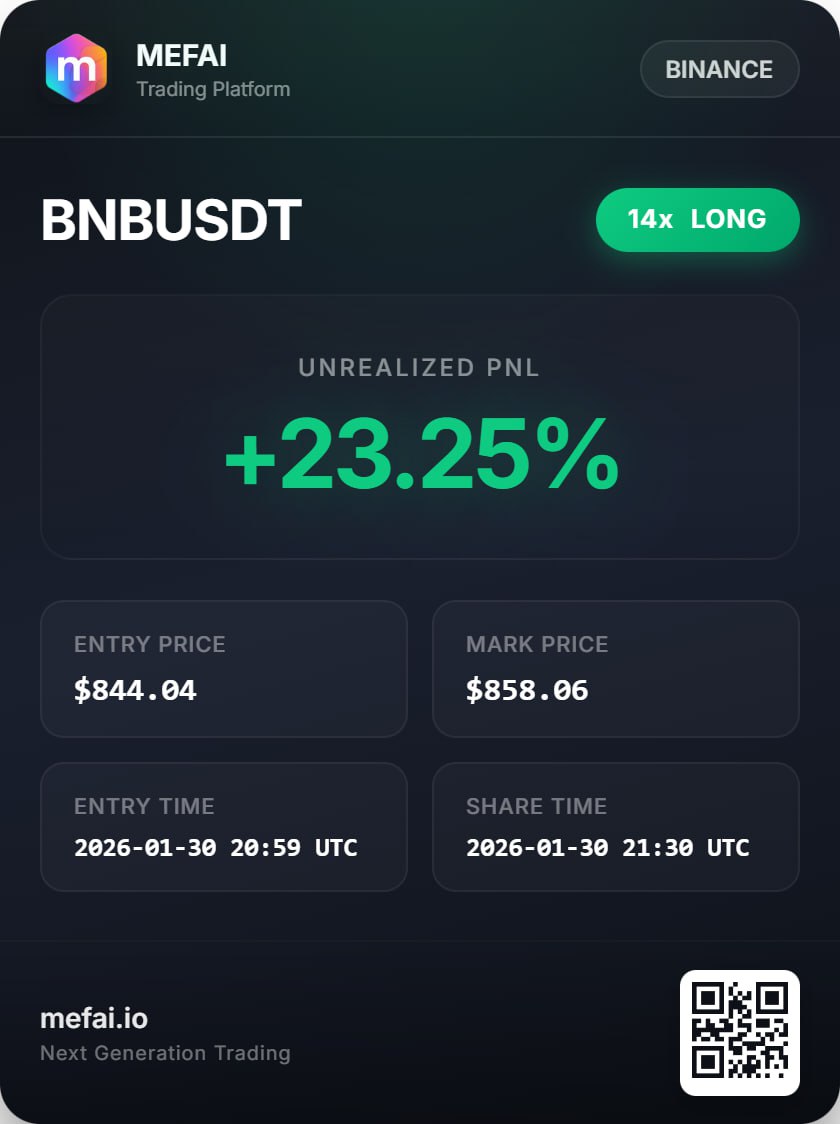
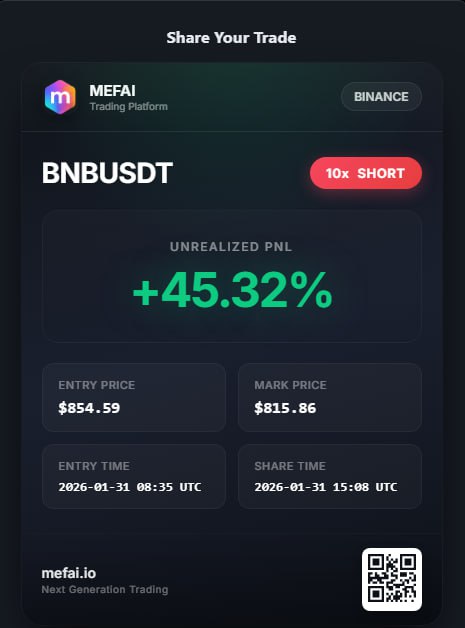
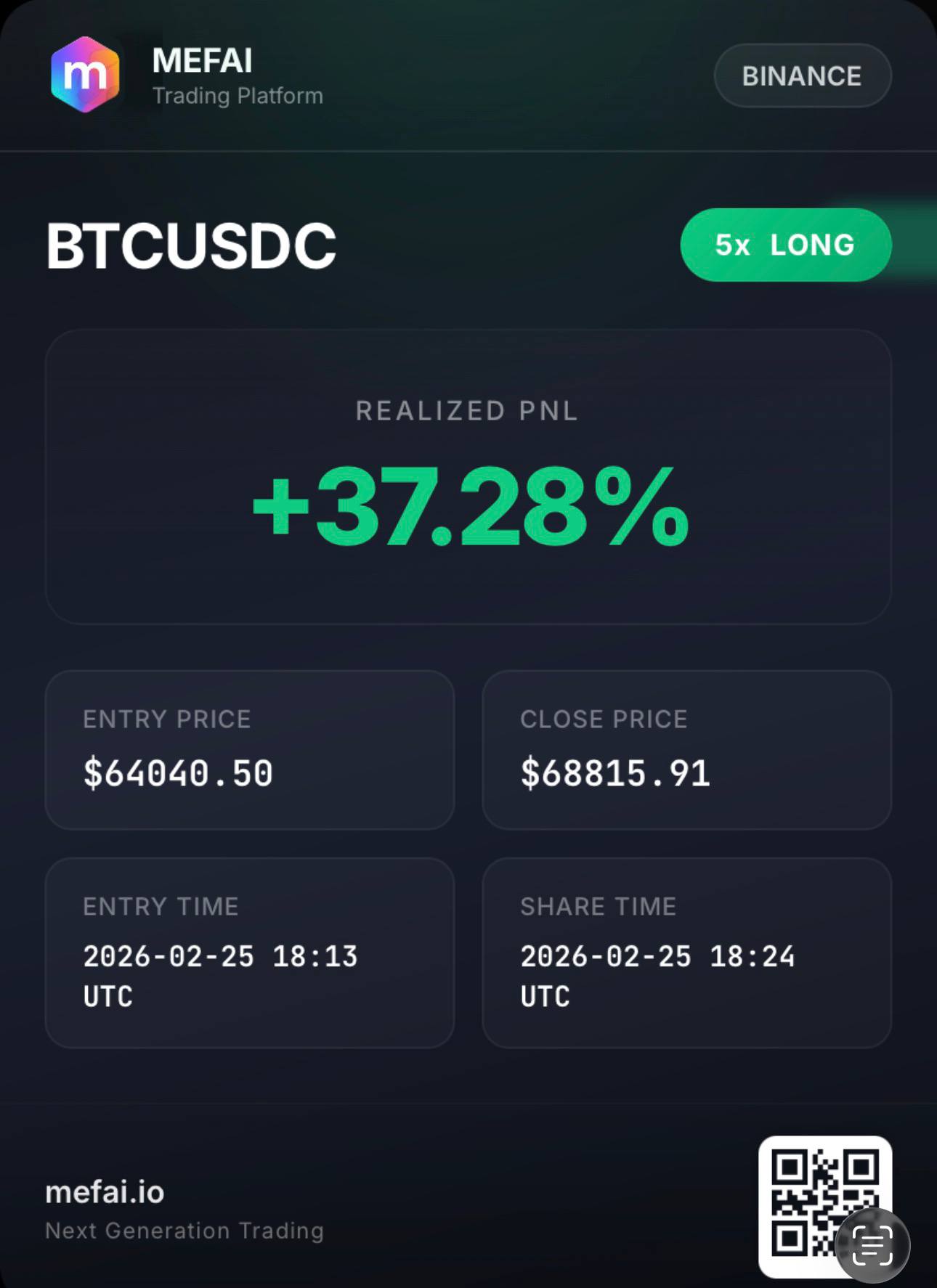
Real results from MEFAI's AI. Get $50 off the Pro plan.
Sponsored · Past performance is not indicative of future results. Not financial advice.


These suites reduce operational risk and streamline compliance, but they come with higher setup costs and minimum balances. They are ideal for funds, prop desks and DAOs that need institutional-grade infrastructure. Smaller teams can sometimes start with scaled-down versions of these tools before upgrading as assets under management grow.
Free and Low-Cost Options: Best for Solo Traders on a Budget
Not everyone can afford subscription fees or performance cuts. Free and low-cost tools offer a way to experiment with AI trading without heavy upfront costs.
Several platforms provide free tiers with limited signals, bots or backtesting credits. One offers a free signal feed derived from on-chain and social data, with optional paid upgrades for historical data and advanced filters. Another allows users to run basic rule-based bots for free, with paid plans unlocking multi-exchange support and higher execution frequency. These tools are excellent for learning and testing ideas before committing capital.
When using free tools, be mindful of hidden costs: some platforms monetize by taking a cut of profits, offering liquidity to their own books, or pushing premium features aggressively. Always read the fee structure and understand how the platform earns revenue before connecting exchange accounts.
Mobile-First Tools: Best for Traders Who Need Alerts and Light Execution on the Go
For traders who are rarely at a desk, mobile-first platforms provide AI-driven alerts, one-tap execution and simplified dashboards.
A popular mobile app aggregates signals from multiple sources and pushes real-time notifications when thresholds are met. It supports basic bots that can be configured in-app and executed through connected exchanges. Another app focuses on copy trading, showing the performance and risk profiles of top signal providers and allowing users to mirror trades with one tap. Both platforms prioritize speed and simplicity over deep customization.
These tools are convenient for casual traders and those who want to stay connected during travel or between meetings. However, they typically lack advanced analytics, multi-exchange routing and institutional-grade security. Use them for monitoring and light execution, not for running complex strategies.
How to Choose: A Practical Decision Framework
Start by defining your goal: Do you want AI-generated signals, AI-adjusted portfolios, or fully automated bots? Signals suit hands-on traders, bias adjusters work for passive investors, and bots fit those who want execution automated. Next, assess your technical comfort: rule-based bots are easier to understand than ML bots. Then consider your resources: free tools are great for learning, while institutional suites require budget and scale.
Security and custody are critical. Avoid tools that require you to deposit funds on their platform. Instead, use read-only API keys or connectors that place trades directly on your exchange. Check whether the tool supports two-factor authentication, withdrawal locks and encrypted data storage. Also verify exchange compatibility—some tools only work with a handful of centralized exchanges or specific DeFi protocols.
Backtesting and transparency matter. The best tools let you test strategies on historical data before risking real money. Look for platforms that publish performance metrics, explain their models, and provide audit logs. Be wary of tools that promise unrealistic returns or hide their methodology behind vague marketing language.
Finally, plan for ongoing maintenance. Even the best AI model degrades as market conditions shift. Set aside time to review performance, update parameters and, if necessary, retrain models. If you lack the bandwidth, consider tools that offer managed services or community-validated strategies.
Quick-Start Recommendations by Profile
- Solo trader who wants AI signals: Use a platform with a clean dashboard, mobile alerts and exchange connectors. Set clear risk rules and avoid overtrading on every signal.
- Passive investor seeking AI-enhanced exposure: Pick a bias adjuster that rebalances a diversified basket and provides clear rationale for tilts. Review allocations monthly and stick to the plan.
- Rule-based trader: Choose a bot builder with templates, backtesting and multi-exchange support. Start with small size and low frequency to validate the logic under live conditions.
- Advanced user wanting adaptive strategies: Select a platform with custom model training, regime detection and performance analytics. Monitor drawdowns closely and be ready to intervene.
- Team or fund needing integrations: Go for an institutional suite with API access, role-based permissions and compliance features. Budget for setup and ongoing management.
- Budget-conscious beginner: Use free tiers to learn and prototype. Focus on understanding market mechanics before scaling up.
- Mobile-first trader: Use an app with real-time alerts and one-tap execution. Keep positions small and avoid complex strategies on mobile.
What to Watch Next
The line between signals, bias adjusters and bots is blurring as platforms add hybrid features. Some now offer AI-generated strategies that you can deploy as bots with one click, while others combine on-chain signals with automated execution across both CeFi and DeFi. Expect more tools to integrate wallet-level analytics, enabling bias adjustments based on your actual holdings rather than a generic basket.
Regulatory scrutiny is increasing, especially around automated trading and DeFi integrations. Platforms that prioritize compliance, transparency and user-controlled custody will have an advantage. Keep an eye on tools that offer on-chain verification of trades and audit trails without relying on centralized servers.
Finally, community-driven innovation is accelerating. Open frameworks and shared model libraries are lowering the barrier to entry for custom strategies. If you are technically inclined, exploring these ecosystems could yield unique advantages over off-the-shelf solutions.
In short, the right AI trading tool depends on your goals, skills and resources. Start simple, validate rigorously, and scale only when you are confident in the setup. The tools are powerful, but they amplify both opportunity and risk—use them accordingly.
More in Crypto & Trading

DeFi Compared: Matching the Right Platform to Your Needs
A practical guide to the leading DeFi platforms, who each suits, what they offer, and how to choose based on your goals and risk tolerance.

Why an Anthropic IPO Could Tie Bitcoin Closer to the AI Trade
An Anthropic stock listing would give traders a single AI stock to bet on, tightening bitcoin’s correlation with the AI trade and increasing its sensitivity to Fed policy and risk appetite.
AI Crypto Trading Tools for Beginners: How to Get Started Safely
A no-nonsense beginner’s guide to AI crypto trading tools: what they do, how to start, and which beginner-friendly options to consider first.