Free vs Paid Productivity Tools: What’s Actually Worth Paying For
By Mag-Info Tech editorial · 2026-06-10

Why this question keeps coming up
Most people start with free productivity tools because they’re easy to try and cost nothing. That makes sense for casual notes or simple to-do lists. But as teams and projects grow, many hit limits: collaboration friction, missing features, or security gaps that slow everyone down. Free plans are valuable entry points, yet paid tiers often add capabilities that directly address real pain points—like version history, admin controls, and integrations that save hours each week. The question isn’t whether free is good or bad; it’s which paid upgrades deliver enough return to justify the cost.
The stakes matter more than most realize. A single missing feature in a shared workspace can cascade into daily meetings to work around gaps, duplicated files, or lost context. Meanwhile, a focused paid plan can replace three disjointed tools with one cohesive system. The goal here is to help you decide which upgrades are worth it based on how you and your team actually work—not on marketing promises.
How free and paid tiers usually differ
Free productivity tools typically offer core features like note-taking, basic document editing, or simple task lists. They’re designed to onboard users quickly and can handle light personal use or small projects. Limits are usually explicit: file storage caps, a small number of collaborators, or restricted export formats. These constraints are intentional—they let providers scale while keeping the free experience frictionless.
Paid tiers usually unlock higher limits, advanced collaboration, and administrative controls. You’ll see features like real-time co-editing with granular permissions, deep audit logs, priority support, and integrations with other business systems. Security and compliance offerings—such as single sign-on, data residency, and encryption controls—also tend to appear only on paid plans. These aren’t just “nice-to-haves”; they’re often prerequisites for regulated industries or growing teams with shared responsibilities.
Best for notes and personal knowledge
If your main use case is capturing ideas, organizing research, or maintaining a personal knowledge base, free tools are often sufficient. For example, a lightweight markdown-based note app with cloud sync can handle thousands of pages without issue. Search and tagging usually work well, and the interface stays fast because the data set is personal and small.
But when you need to share notebooks with others, embed external content reliably, or rely on long-term archival, paid plans start to pay off. Version history that goes back months (not days), offline access on multiple devices, and reliable PDF or HTML export become critical. Teams that use notes as living documentation—like product specs or meeting notes—benefit from nested notebooks, granular sharing permissions, and admin controls that prevent accidental deletions. In short, if you’re still solo today but expect collaboration tomorrow, upgrading early avoids migration pain later.

Best for collaborative documents and wikis
Free document tools can handle basic co-editing and simple page creation, but they often lack structure and governance. You might find yourself recreating the same page structure manually, struggling to keep track of who changed what, or unable to enforce naming conventions. These small frictions add up quickly in a team setting.
Paid wiki-style platforms bring structure out of the box: templates, linked databases, granular page permissions, and full-text search across thousands of pages. Real-time cursors and comments make feedback loops faster, while change tracking and rollback prevent lost work. For engineering teams maintaining internal docs, these features aren’t optional—they’re the difference between a living knowledge base and a graveyard of outdated markdown files. If your team writes more than a few documents per week, a paid plan usually pays for itself in saved time and reduced confusion.
Best for focus and distraction-free writing
Distraction-free writing apps on free plans often do exactly what they promise: a clean interface, basic formatting, and cloud sync. These are ideal for drafting articles, journaling, or brainstorming where interruptions derail flow. The simplicity is the point.
Where paid tiers help is in long-term focus strategies. Features like scheduled deep work modes, focused reading views, and integration with calendar blockers can turn a writing habit into a repeatable routine. Some paid plans also offer cross-device focus tracking and end-of-day summaries that help users build consistency. If focus is your bottleneck—rather than collaboration or structure—then a paid plan’s productivity analytics and automation features can give you an edge.



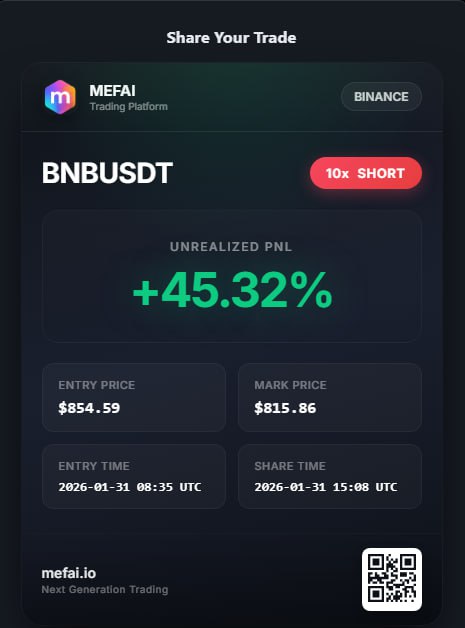
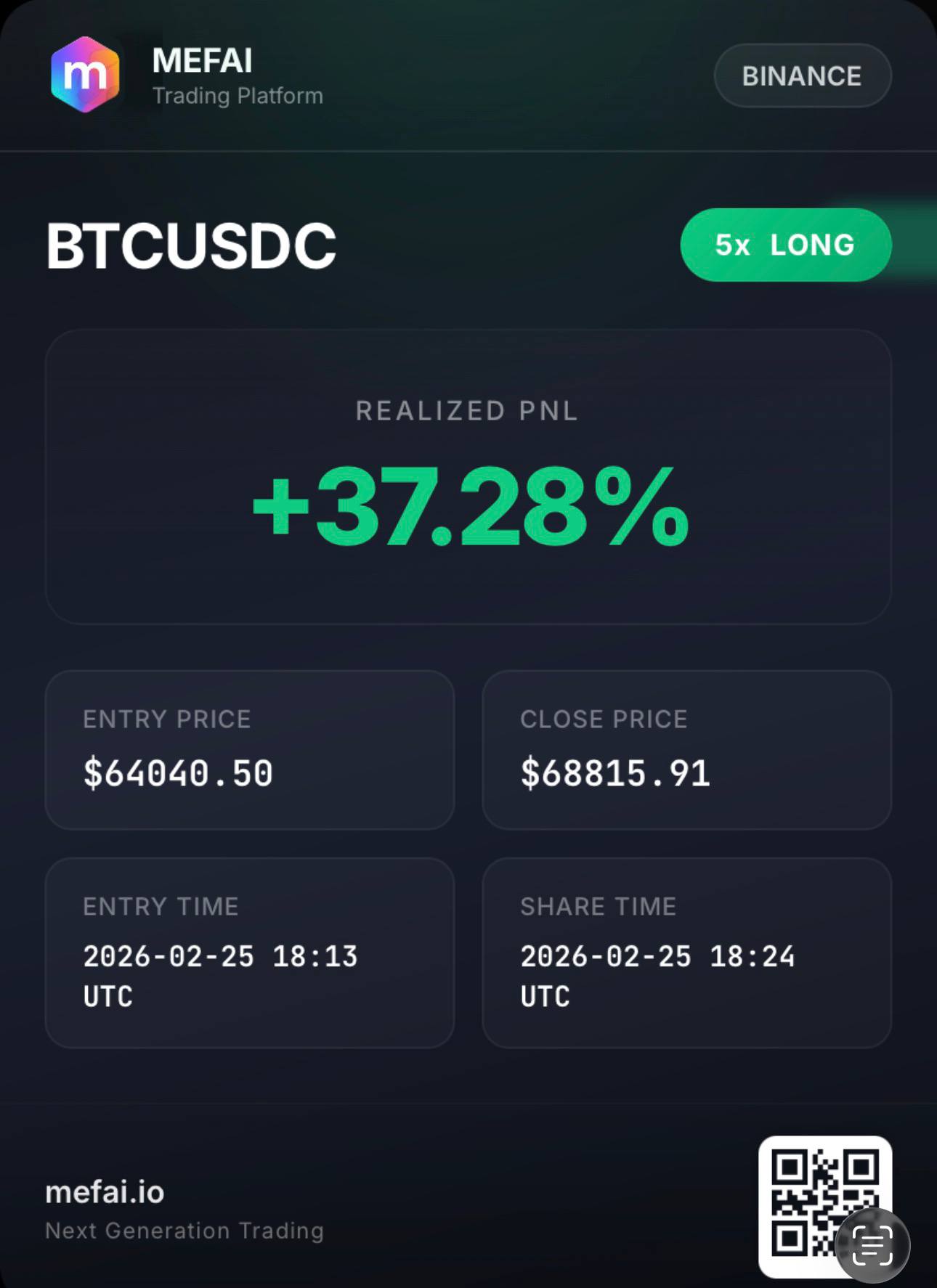
Real results from MEFAI's AI. Get $50 off the Pro plan.
Sponsored · Past performance is not indicative of future results. Not financial advice.


Best for task and project workflows
Free task apps are great for personal to-do lists and simple Kanban boards. They’ll sync across devices and send reminders, which covers most individual needs. But when you move to shared projects, free tiers hit walls: limited custom fields, no timeline views, restricted automations, and basic reporting.
Paid workflow tools introduce structure that scales: custom statuses, dependencies, recurring tasks with smart scheduling, and integrations with calendar and email. They also add admin features like user roles, audit trails, and bulk editing. For a small team managing multiple projects, these upgrades reduce coordination overhead and prevent missed deadlines. If your team is still using spreadsheets or sticky notes to track work, a paid project tool can consolidate effort and clarify priorities in one place.
Best for team coordination and communication
Free chat and coordination tools work well for ad-hoc conversations and small groups. They offer message history, file sharing, and basic bots. But as teams grow, the lack of structure becomes costly: important decisions get buried, onboarding is inconsistent, and context is scattered across threads.
Paid team platforms add threaded discussions, project-based channels, guest access with permissions, and built-in video calls. They also provide admin controls like message retention policies, compliance exports, and domain-level user management. For remote or hybrid teams, these features aren’t luxuries—they’re the backbone of effective communication. If your team relies on chat for everything from quick questions to project updates, upgrading to a paid plan can reduce meeting load and improve clarity.

How to decide: practical evaluation checklist
Start by listing your top three pain points with your current setup. Is it search that’s too slow? Export formats that don’t fit your workflow? Missing permissions for contractors? Rank these by impact on your daily work. Then compare how each paid plan addresses them. Don’t just look at feature lists—check user roles, support response times, and export reliability.
Next, estimate the cost of not upgrading. Multiply the time lost each week by your hourly rate, then compare it to the annual plan cost. In many cases, the savings from reduced meetings or fewer errors justify the expense. Also consider your growth timeline: if you expect to hire within six months, factor that into your decision now to avoid migrations later.
Finally, run a pilot with a small group before committing. Most paid plans offer trial periods or discounted tiers for small teams. Use this time to test real workflows—co-editing a document, setting up automations, or managing guest permissions. If the tool doesn’t reduce friction after two weeks of daily use, it’s probably not the right fit.
Quick verdict: when to upgrade—and to what
If you’re a solo user or working in a tiny team with simple needs, stick with free tools for now. Focus on mastering one system before layering complexity. But if you’re sharing work regularly, maintaining documentation, or coordinating projects across people and time zones, a paid plan will likely save more time than it costs.
For notes and personal knowledge, consider a paid plan when you need reliable versioning, offline access, and export control. For collaborative docs and wikis, upgrade when structure, permissions, and search become bottlenecks. For focus apps, pay for features that help you build and sustain habits. For task workflows, move to paid when you need custom views, automations, and reporting. And for team coordination, upgrade when clarity, compliance, and scalability matter more than cost.
The right choice depends on your context, not the price tag. Start small, measure the friction, and upgrade only when the pain is real and the solution is clear.
More in Software & SaaS

No-Code & Automation for Beginners: Where to Start in 2025
A clear, evergreen guide to the best no-code and automation platforms for newcomers, with practical criteria and tool picks for common beginner projects.

Siri’s AI Upgrade: Can It Finally Handle Busy Parents’ Schedules?
Apple’s Siri AI upgrade can now extract event details from emails and flyers and add them to your calendar—here’s what that means for busy families.

Getting Started with Productivity Tools: A Beginner’s Guide to Notes, Docs, Focus and Workflow Apps
A beginner-friendly roadmap to choosing the right notes, docs, focus and workflow tools, with clear recommendations and practical selection advice.