
No-Code & Automation for Beginners: Where to Start in 2025
By Mag-Info Tech editorial · 2026-06-10

What “no-code” and “automation” really mean for beginners
No-code and automation platforms let you build apps, workflows and integrations without writing code. Instead of learning JavaScript or Python, you drag, drop and configure prebuilt components. Automation tools connect your everyday apps—email, spreadsheets, forms, databases—so tasks run automatically when triggers occur, like “a new form is submitted” or “a calendar event starts.” For beginners, this means faster results, lower risk of bugs, and the ability to test ideas without hiring developers.
The first practical step is to match your goal to the right kind of tool. If you want to publish a simple website or landing page, a visual site builder is the place to start. If you need to move data between apps—like saving Gmail attachments to Google Drive—an automation platform with prebuilt connectors is ideal. If you want a basic internal tool such as a contact directory or task tracker, a no-code app builder with database features will work. Start with one small project, learn the basics of triggers and actions, and expand from there.
How to choose your first no-code tool as a beginner
Look for platforms that emphasize visual workflows, clear templates, and responsive customer support. Beginner-friendly tools include built-in learning paths, video tutorials, and community forums where you can ask questions. Check whether the platform integrates with the apps you already use—email, cloud storage, payment processors—so you don’t have to switch your whole workflow. Pay attention to pricing transparency: many tools offer free tiers or trial periods with usage limits, which is perfect for testing.
Security and data control matter even for small projects. Review how the platform stores your data, whether it encrypts connections, and if you can export your work to another service later. Some platforms run entirely in the cloud, while others offer self-hosted options for more control. For your first project, a fully managed cloud platform with good documentation is usually the simplest route. As your needs grow, you can migrate to more advanced options without rebuilding everything from scratch.
Best no-code website builders for beginners
Webflow and Framer are popular no-code website builders that give beginners pixel-perfect control over layouts and animations. Both use drag-and-drop editors and include responsive design tools that automatically adapt pages to phones and tablets. Webflow also offers a visual CMS for content-driven sites, while Framer’s real-time collaboration features make it easier to work with teammates. Beginners can start with templates, tweak colors and fonts, and publish to a custom domain without touching code.
For absolute simplicity, Carrd and Durable focus on one-page sites and landing pages. Carrd’s pricing is straightforward, and its editor is minimal, making it ideal for quick portfolios, event pages, or product launches. Durable adds AI-assisted copywriting and hosting, which can help beginners create a site in minutes by answering a few prompts. If your goal is a small, fast, and affordable online presence, these tools are excellent starting points.

Best no-code app builders for internal tools
Airtable and Softr let beginners build internal tools such as contact directories, inventory trackers, and simple CRMs without writing code. Airtable combines a spreadsheet-like interface with a relational database, forms, and Kanban views, so you can organize data your way. Softr turns Airtable bases into web apps with user roles and access controls, making it easy to create an internal portal for your team. Both platforms offer templates for common workflows, so you can adapt an existing structure instead of starting from scratch.
Glide and Retool are slightly more advanced but still beginner-friendly. Glide turns spreadsheets into mobile and web apps with native look and feel, while Retool provides a component library for internal dashboards and admin panels. If your team already uses Google Sheets or Excel, Glide can turn that data into a working app in minutes. Retool is best when you need to connect to APIs and databases directly, but its visual editor keeps the process approachable for newcomers.
Best automation platforms for everyday tasks
Zapier and Make (formerly Integromat) are the two most widely used automation platforms for beginners. Zapier’s interface is the simplest: you pick a trigger app, choose an action app, and map fields between them. It supports thousands of apps with prebuilt “Zaps,” so you can automate tasks like saving email attachments to cloud storage or adding new form responses to a spreadsheet. Make offers a visual scripting interface with more flexibility for multi-step workflows, which is useful once you outgrow basic automations.
For teams already using Google Workspace, Google Apps Script can automate tasks inside Sheets, Docs, and Gmail with JavaScript-like syntax that’s easier to grasp than full programming. n8n is an open-source automation tool you can self-host, giving you full data control and the ability to run automations on your own server. Beginners can start with Zapier or Make for quick wins, then explore Google Apps Script or n8n as their confidence grows.
Best no-code tools for simple e-commerce and payments
Shopify’s online store builder and Squarespace’s commerce features let beginners launch an online shop without coding. Both include templates, payment processing, inventory management, and basic marketing tools in one package. Shopify is best for sellers who plan to scale, while Squarespace offers a more integrated experience for creatives who want a portfolio and store in one place. Both platforms handle hosting, security, and compliance, so you can focus on products and sales.





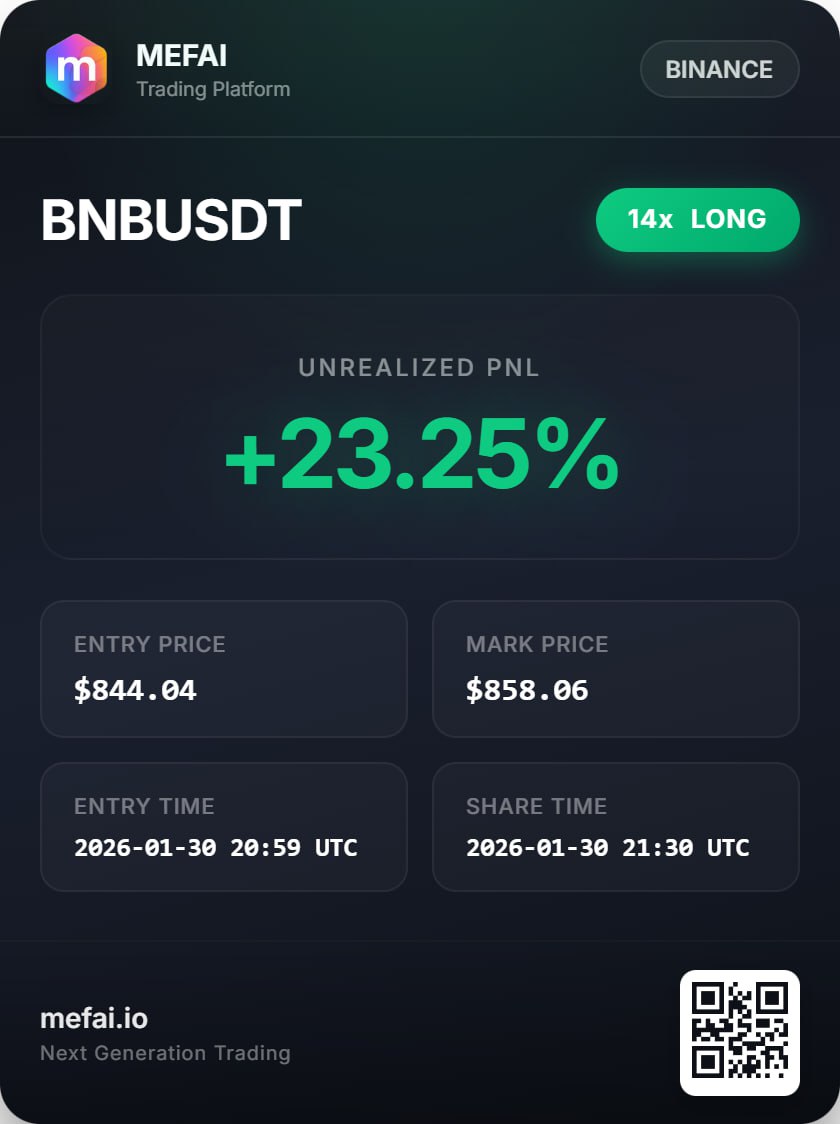
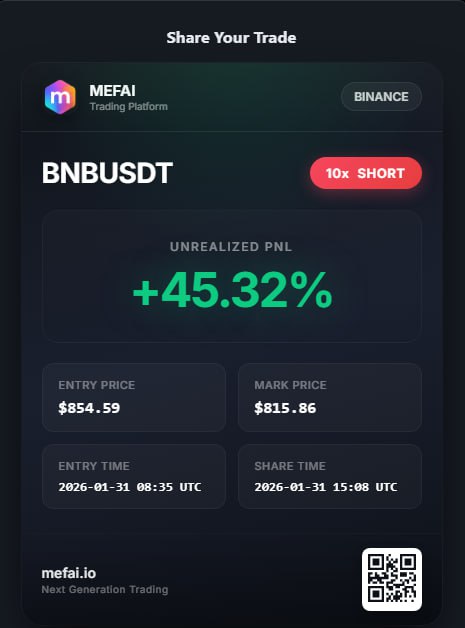
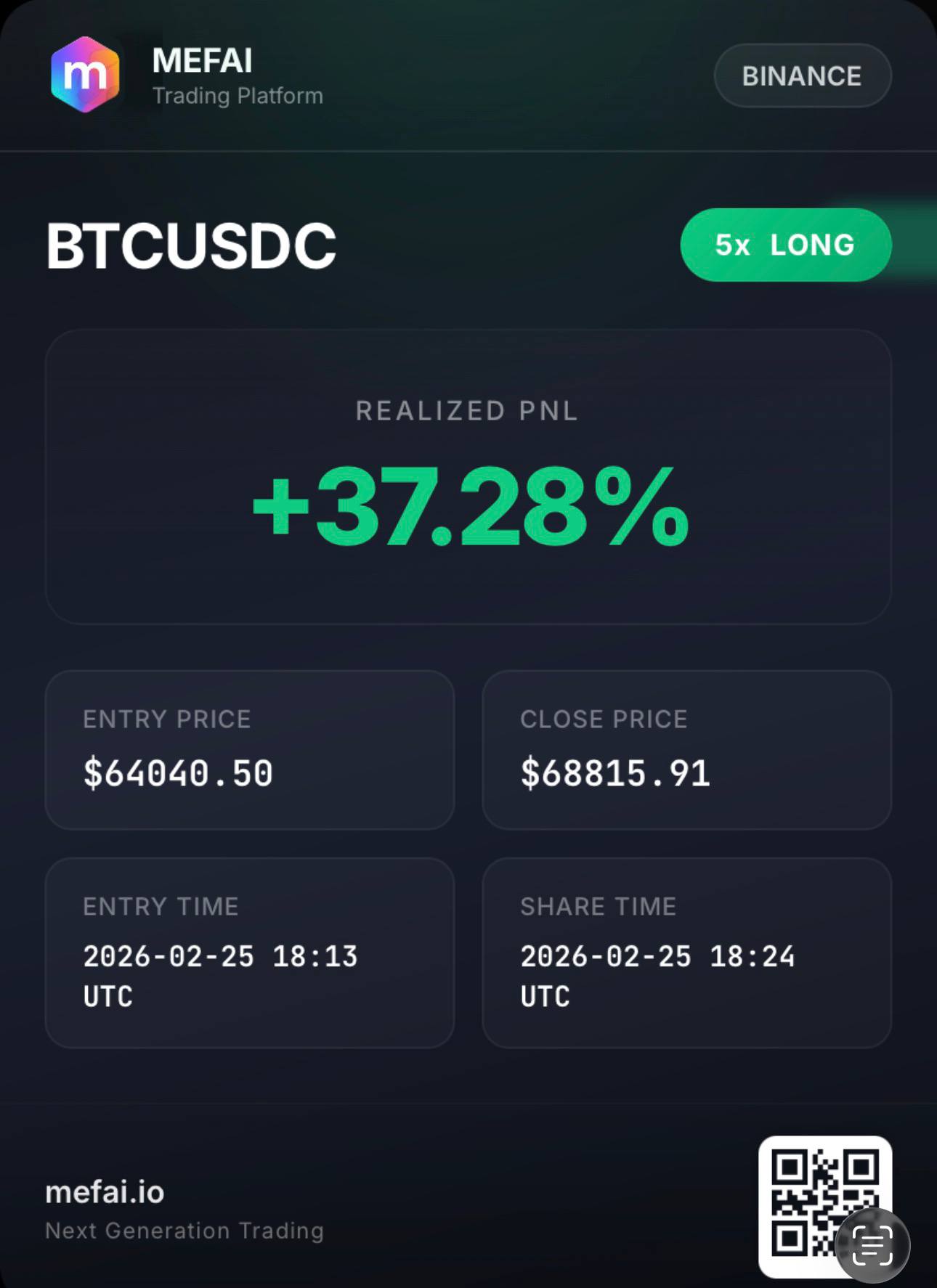
Real results from MEFAI's AI. Get $50 off the Pro plan.
Sponsored · Past performance is not indicative of future results. Not financial advice.

If you only need a single product or service page, Gumroad and Lemon Squeezy provide no-code checkout links and embeddable buttons. You upload your digital product or service, set a price, and share a link. These tools handle payments, delivery, and basic analytics, making them ideal for creators and solopreneurs who want to sell quickly without building a full website.
Best no-code tools for AI-powered workflows
Many no-code platforms now include AI features that help beginners build faster. Softr and Glide both offer AI-assisted text generation for app content, while Airtable has an AI add-on for summarizing records and generating insights. Zapier and Make support AI actions such as text classification and sentiment analysis, so you can automatically categorize customer emails or summarize support tickets.
For beginners who want to experiment with AI chatbots, Voiceflow and Landbot provide drag-and-drop interfaces to design conversational flows. You can connect these bots to messaging apps, websites, or customer support tools without writing code. If your goal is to add a simple AI assistant to an existing site or workflow, these platforms are a practical starting point.
How to start your first no-code project in five steps
Pick one small project that solves a real pain point, such as organizing event registrations or automatically backing up email attachments. Write down the trigger event and the desired outcome in one sentence—for example, “When someone fills out a Google Form, create a row in Airtable and send a Slack notification.” This clarity prevents scope creep and keeps your first build simple.
Next, choose a tool that matches your project type. If it’s a website, try Carrd or Webflow. If it’s an internal tool, try Airtable plus Softr. If it’s an automation, try Zapier or Make. Sign up for a free account and follow the platform’s beginner tutorial or template. Most platforms offer a template library labeled “for beginners,” so you can start with a proven structure rather than building from scratch.
Test your workflow with sample data before going live. For automations, run a test trigger and verify the action completes correctly. For apps, populate the database with a few records and check that views and filters work as expected. Once you’re confident, switch from test mode to production and invite a small group to try it. Collect feedback, fix any issues, and expand gradually—this iterative approach is the fastest way to learn.
Common beginner mistakes and how to avoid them
Trying to build too much at once is the most frequent mistake. Beginners often attempt complex dashboards or multi-step automations before mastering the basics. Instead, start with one trigger and one action, then add steps only after the first version works. Another mistake is ignoring data structure: if your spreadsheet or database is messy, your app or automation will break. Spend time planning your fields and relationships before you build.
Overlooking security and access controls can also cause problems. Many beginners publish internal tools without setting user roles, or they expose sensitive data in public links. Always review sharing settings, enable two-factor authentication, and avoid hardcoding credentials in workflows. Finally, some beginners become dependent on a single platform without a backup or export plan. Choose tools that let you export your data and, if possible, use open formats like CSV or JSON.
What to watch next as you grow
Once you’re comfortable with one platform, explore its more advanced features. In automation tools, learn to use filters, loops, and error handling to build robust workflows. In app builders, experiment with user roles, custom forms, and integrations with payment processors. If you enjoy building, consider learning basic JavaScript or SQL to unlock even more possibilities without leaving the no-code ecosystem.
As your projects become more complex, evaluate whether to stay on a managed platform or move toward self-hosting. Tools like n8n, Appsmith, and Budibase let you host your own automations and apps, giving you full control over data and infrastructure. This step is optional for most beginners, but it’s good to know your options as your needs evolve.
Quick-start recommendations by project type
- One-page website or landing page: Carrd or Durable
- Multi-page website or portfolio: Webflow or Framer
- Internal tool or database: Airtable plus Softr or Glide
- Automation between apps: Zapier or Make
- Online store: Shopify or Squarespace
- Simple checkout and sales: Gumroad or Lemon Squeezy
- AI chatbot or assistant: Voiceflow or Landbot
Start with the project that matters most to you, pick the simplest tool that solves it, and build your first version within a day. The goal is to learn by doing, not to create a perfect product on the first try. Once your project is live and helping you or your team, you’ll have the confidence and experience to explore more advanced tools and workflows.
More in Software & SaaS

Siri’s AI Upgrade: Can It Finally Handle Busy Parents’ Schedules?
Apple’s Siri AI upgrade can now extract event details from emails and flyers and add them to your calendar—here’s what that means for busy families.

Getting Started with Productivity Tools: A Beginner’s Guide to Notes, Docs, Focus and Workflow Apps
A beginner-friendly roadmap to choosing the right notes, docs, focus and workflow tools, with clear recommendations and practical selection advice.

Free vs Paid Productivity Tools: What’s Actually Worth Paying For
A practical guide to deciding when free productivity software is enough and when paid plans unlock real value for notes, docs, focus and workflows.