Best Productivity Software: How to Choose the Right Tool for Your Workflow
By Mag-Info Tech editorial · 2026-06-10

Why productivity software feels overwhelming—and how to cut through the noise
Productivity software is everywhere: notes that sync across devices, collaborative documents that never get lost, focus apps that block distractions, and all-in-one workspaces that promise to replace half your toolkit. The result is choice paralysis. Teams chase the latest AI-first suite, solo workers juggle too many apps, and budgets get stretched thin on overlapping features. The key is to match the tool to the job and the worker, not the hype cycle.
Start by clarifying your primary use case: Do you need a reliable note-taking system, a real-time collaborative document platform, a distraction-free writing environment, or a workflow hub that ties everything together? Budget, team size, and technical comfort also matter. A solo freelancer has different needs than a remote engineering squad, and a student writing essays has different priorities than a product manager running sprints. Below are real, widely used tools grouped by their strengths and who benefits most.
Best for solo knowledge workers: Obsidian for deep, long-term note-taking
Obsidian is built for people who live inside their notes: researchers, writers, lawyers, and lifelong learners. It stores every note as plain text Markdown files in a local folder you control, so you own your data and can move it anywhere. The app shines with bidirectional linking—you can connect ideas across notes with [[wikilinks]], then visualize those connections in a graph view that reveals hidden patterns in your thinking.
The trade-off is that Obsidian starts simple but rewards power users who invest time in plugins, templates, and custom workflows. If you prefer out-of-the-box convenience, it may feel too bare at first. For those willing to tinker, the ecosystem of community plugins adds tables, Kanban boards, and even basic spreadsheets without leaving the app. Obsidian’s offline-first design and cross-platform sync via third-party services make it a solid fit for users who value stability and control over flashy collaboration features.
Best for teams that live in documents: Notion for all-in-one workspaces
Notion markets itself as an all-in-one workspace, and for many teams it lives up to the promise. You can create nested pages, embed databases, build Kanban boards, run wikis, and even host simple websites from one interface. Teams use Notion to centralize meeting notes, product specs, customer feedback, and sprint plans in a single shared space. The block-based editor makes it easy to mix text, tables, calendars, and embeds from other tools like Figma or GitHub.
The downside is that Notion’s flexibility can lead to sprawl: pages multiply, permissions get tangled, and performance slows as the workspace grows. It also lacks real-time co-editing at the character level—collaborators see changes after saving, which can disrupt fast-paced discussions. Still, for teams that need one place to plan, document, and track work, Notion’s balance of structure and freedom is hard to beat, especially when paired with its built-in AI assistant for summarizing notes and drafting text.

Best for distraction-free writing: iA Writer for focused composition
iA Writer strips away everything except the words. Its minimalist interface hides toolbars until you hover, and the focus mode dims all lines except the one you’re editing. Built-in syntax highlighting highlights weak verbs and filler words, nudging writers toward tighter prose. The app supports plain text Markdown and exports cleanly to Word, PDF, or HTML, making it a favorite among journalists, novelists, and academics who need to move text between systems without formatting headaches.
Where iA Writer falls short is collaboration: there’s no built-in commenting or real-time co-authoring. It also lacks advanced organizational features like tags or nested notebooks, so it’s best suited for single-document or linear-project workflows. If your priority is sustained concentration and clean output, iA Writer delivers; if you need shared editing or complex knowledge bases, look elsewhere.
Best for real-time collaboration and cloud docs: Google Docs for synchronous team editing
Google Docs remains the default for teams that need to edit together in real time. Multiple people can type, comment, or suggest changes simultaneously, and version history lets you restore earlier drafts with a click. The lightweight interface loads quickly even on low-powered devices, and the built-in grammar and spellcheck catch errors as you type. Integrations with Google Drive, Meet, and Workspace apps make it a natural choice for organizations already using Google’s ecosystem.
The limitations are well-known: formatting can shift unpredictably when pasting from other tools, offline mode is clunky, and advanced features like advanced tables or macros require add-ons. Privacy-conscious users may also balk at Google’s data collection policies. Still, for teams that prioritize frictionless collaboration and universal access, Google Docs remains a safe, familiar bet.
Best for workflow orchestration and automation: Microsoft Loop for dynamic, component-based work
Microsoft Loop is the newest entrant here, designed to break documents out of static pages and into live, syncing components. A table, task list, or paragraph can be shared across a chat message, a OneNote page, and a Teams channel—changes appear everywhere at once. The app targets hybrid teams that juggle multiple apps and want to keep work in sync without copy-pasting. Loop also includes an AI assistant that can generate drafts, summarize discussions, and suggest next steps.
Because Loop is still evolving, its ecosystem of templates and integrations is smaller than Notion’s or Google Docs’. It also requires an Microsoft 365 subscription for full features. Early adopters praise its component model as a breakthrough for reducing version chaos, but mainstream users may find it overkill if their needs are simpler. If your team already lives in Microsoft 365 and wants to reduce context switching, Loop is worth testing.
Best for minimalists and budget-conscious users: Standard Notes for encrypted, ad-free notes




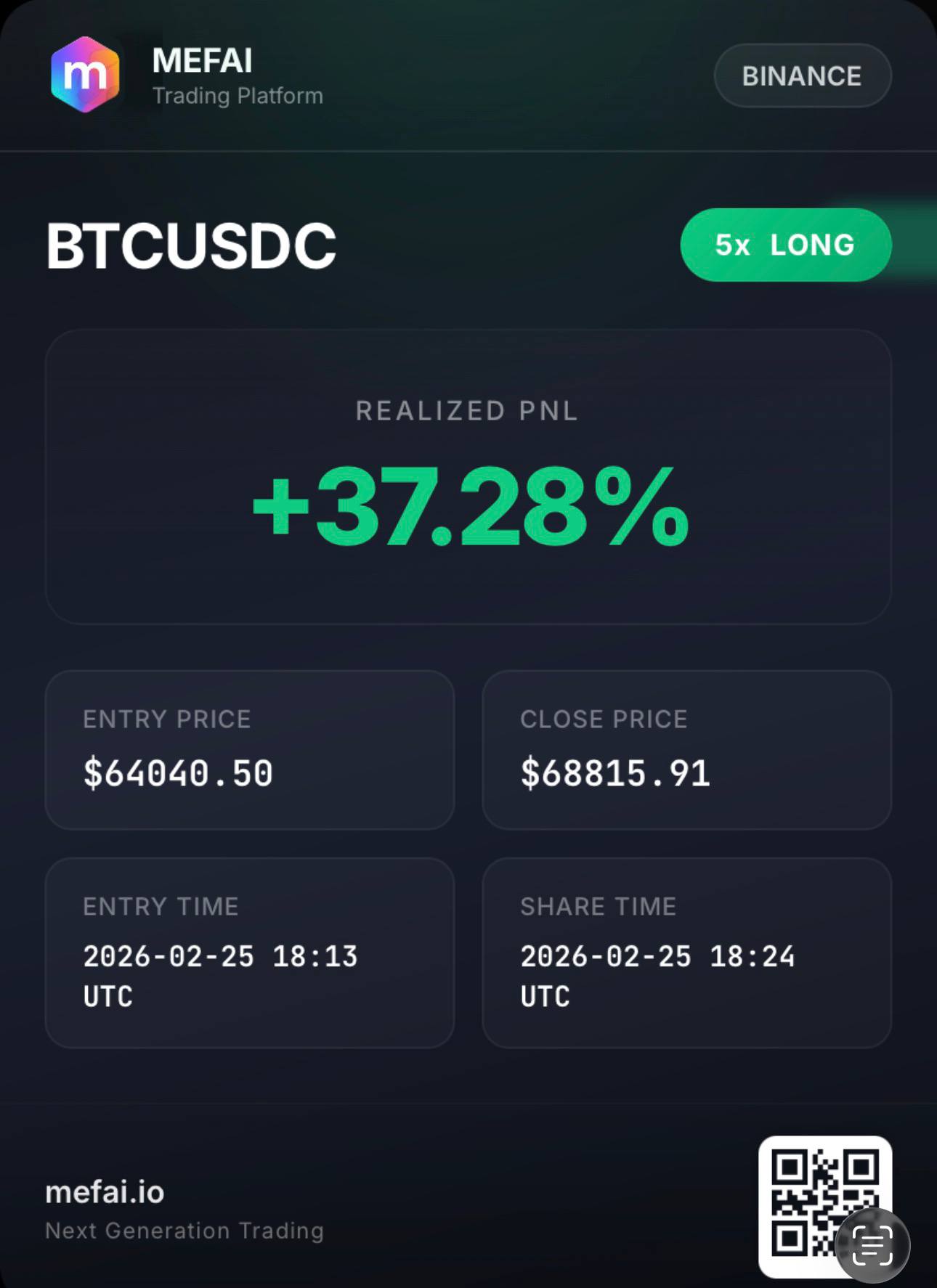
Real results from MEFAI's AI. Get $50 off the Pro plan.
Sponsored · Past performance is not indicative of future results. Not financial advice.
Standard Notes offers a stripped-down note-taking experience with a strong emphasis on privacy. All notes are end-to-end encrypted by default, and the free tier includes basic editors and cross-platform sync. The paid tiers unlock advanced editors, versioning, and secure file attachments. The interface is intentionally plain, avoiding gamification or social features that can distract from work. For users who want a no-frills note app that respects their data, Standard Notes fits the bill.

The trade-off is limited formatting and a smaller ecosystem of plugins compared to Obsidian or Notion. Collaboration is also minimal—you can share read-only links or invite editors, but there’s no real-time co-editing. If your main goal is secure, private note storage without bells and whistles, Standard Notes is a solid choice. If you need collaborative editing or heavy customization, you’ll likely outgrow it quickly.
Best for power users who want everything in one app: Evernote for feature breadth (but with caveats)
Evernote remains a go-to for users who want one app to handle notes, web clippings, PDF annotations, and task management. Its search is famously fast, even across handwritten notes and scanned documents, and the Web Clipper browser extension is still one of the best ways to save articles for later. The app supports reminders, templates, and integrations with popular services like Slack and Outlook. For users who prefer a single pane of glass for disparate information types, Evernote delivers breadth.
The downsides are well-documented: the interface can feel cluttered, performance slows with large libraries, and the free tier is now limited to two devices. Recent updates have added AI features like summarization and chat, but some long-time users complain these additions feel bolted-on rather than integrated. Evernote is a mature product that still works for many, but newer alternatives often handle specific tasks better without the bloat.
How to choose: a practical decision framework
Start by listing your top three workflows. If your work revolves around long-form writing and deep linking, Obsidian’s local-first approach is ideal. If your team lives in documents and needs real-time collaboration, Google Docs is the safe default. For all-in-one workspaces that mix docs, tasks, and wikis, Notion scales with complexity but requires discipline to avoid sprawl. If privacy and simplicity are paramount, Standard Notes offers a clean, encrypted slate. Teams already in Microsoft 365 should evaluate Loop’s component model for reducing copy-paste fatigue.
Next, weigh collaboration needs. Real-time co-editing is a must for some teams, while others prefer async updates with clear version history. Document-centric tools like Google Docs and Loop excel at synchronous work, whereas note apps like Obsidian and Standard Notes focus on personal knowledge bases with optional sharing. Consider whether you need inline comments, granular permissions, or external integrations—these features separate casual users from power teams.
Finally, factor in data control and cost. Local-first tools like Obsidian give you full ownership but require more setup for sync and backups. Cloud-first suites like Google Docs and Notion centralize data but tie you to vendor ecosystems. Budget-conscious users can get far with free tiers of Standard Notes or Google Docs, while teams may need paid plans for advanced collaboration and admin controls. Run a small pilot with your top two candidates before committing; most tools offer generous free plans or trials.

Quick-start recommendations by profile
Solo freelancers and students: Start with Obsidian if you value deep linking and offline access, or iA Writer if you prioritize distraction-free writing. Both are affordable and respect your data.
Small teams and startups: Try Notion for its balance of structure and flexibility, or Google Docs if your team thrives on real-time collaboration and universal access. Pair either with a lightweight task manager like Todoist or Trello if you need more workflow control.
Privacy-focused users: Standard Notes is the simplest encrypted option, while Obsidian offers stronger offline control with community plugins. Both avoid ads and tracking by design.
Power users and growing teams: Notion scales well for complex projects, but if you’re already in Microsoft 365, evaluate Loop for its component-based workflows. Evernote can still work for broad feature needs, but newer tools often do specific jobs better.
What to watch next
Expect AI features to become table stakes across productivity suites. Summarization, drafting assistance, and smart search are already appearing in Notion, Google Docs, and Loop, and they’ll only get more integrated. At the same time, privacy and data control will remain differentiators—watch for tools that combine end-to-end encryption with AI without sending your data to centralized servers.
Component-based collaboration, as seen in Loop, may reshape how teams work by turning documents into living, syncing elements rather than static pages. If this model gains traction, expect competitors to adopt similar approaches. Meanwhile, local-first architectures like Obsidian’s will continue appealing to users who want to reduce vendor lock-in and improve offline reliability.
The best productivity software for you isn’t necessarily the most popular or the flashiest—it’s the one that fits your rhythms and respects your constraints. Pick a tool that matches your primary workflow today, but leave room to adapt as your needs evolve.
More in Software & SaaS

No-Code & Automation for Beginners: Where to Start in 2025
A clear, evergreen guide to the best no-code and automation platforms for newcomers, with practical criteria and tool picks for common beginner projects.

Siri’s AI Upgrade: Can It Finally Handle Busy Parents’ Schedules?
Apple’s Siri AI upgrade can now extract event details from emails and flyers and add them to your calendar—here’s what that means for busy families.
Getting Started with Productivity Tools: A Beginner’s Guide to Notes, Docs, Focus and Workflow Apps
A beginner-friendly roadmap to choosing the right notes, docs, focus and workflow tools, with clear recommendations and practical selection advice.