How Trading Education is Evolving in 2026: Tools, Methods and What Really Works
By Mag-Info Tech editorial · 2026-06-10

Trading education in 2026 is no longer just videos and PDFs. The best offerings now combine live market simulation, AI-driven feedback, and built-in risk controls so learners practice with real consequences without real losses. Whether you want to trade stocks, forex, crypto or futures, the tools and methods have shifted toward hands-on, outcome-focused learning. Below we compare the leading platforms and explain what each delivers, who it’s best for, and how to choose one that matches your goals.
Why Trading Education Looks Different in 2026
The biggest change is the shift from passive content to active, risk-aware practice. Traditional courses often left learners watching recorded lessons and then jumping into live markets on their own—with predictable results. In 2026, platforms embed risk-first curricula: you learn position sizing, stop-loss discipline and portfolio correlation before placing a single real trade. Many now include live market feeds synced to simulated accounts, so you see how strategies behave in real time without risking capital.
Another shift is the rise of AI mentors and adaptive feedback. These systems watch your simulated trades, flag emotional decisions, suggest adjustments, and even quiz you on risk concepts at the moment of need. They’re not replacements for human coaches, but they scale feedback that used to require expensive one-on-one sessions. At the same time, community features have matured: leaderboards, peer reviews and shared strategy notebooks let you compare approaches with other learners globally, which helps identify blind spots in your own method.
Finally, regulation and transparency have pushed providers to publish clear track records of their simulated results. In 2026, reputable platforms show not just “paper trading” profits but also worst drawdowns, win-rate consistency and scenario stress tests. This makes it easier to separate marketing claims from actual educational value.
Core Features to Look for in a 2026 Trading Course
When evaluating a trading course in 2026, focus on four durable criteria: simulation fidelity, risk curriculum, feedback quality and transparency. Simulation fidelity means the platform replicates real market mechanics—slippage, latency, margin calls—so your practice transfers to live trading. Risk curriculum should be woven into every module, not bolted on as a separate section. Look for built-in quizzes after each risk concept and mandatory “risk gates” before you can increase position size in simulation.
Feedback quality separates good platforms from great ones. The best systems combine AI analytics with optional human reviews. They highlight not just profit or loss, but risk-adjusted returns, emotional triggers and correlation risks across your simulated portfolio. Transparency means published performance histories with full drawdown tables and scenario analyses, not just highlight reels. Avoid providers that only show peak equity or cherry-picked trades.
Also consider the asset coverage and time horizon that fit your goals. Some platforms specialize in intraday forex or crypto, while others focus on swing trading stocks or multi-week futures. Choose one whose simulation engine and risk curriculum match the style you want to learn.
Top Platforms Compared: What Each Delivers
BearishAcademy Simulator This platform targets traders who want to master risk-first execution. Its core is a live-feeds simulation that replays real market sessions with adjustable slippage and latency settings. Every trade you place in simulation is scored on risk-adjusted returns, not just P&L, and the system flags emotional decisions like revenge trading or overleveraging. The curriculum is modular: you unlock higher position sizes only after passing risk quizzes and maintaining a simulated Sharpe ratio above a preset threshold. The AI mentor reviews your worst drawdowns and suggests portfolio-level hedges. BearishAcademy is strongest for forex and stock index traders who want disciplined, risk-aware practice before going live.

ProRealTime Labs ProRealTime Labs evolved from a charting platform into a full trading education suite. It now offers a sandbox that mirrors its live trading environment, including direct market access simulation and realistic order types. The risk curriculum is built around scenario drills: you’re given a simulated account and must manage a series of shocks—news events, gap opens, margin calls—while maintaining a target risk profile. The platform publishes quarterly transparency reports showing worst-case drawdowns across all learners, not just top performers. It’s ideal for traders who want to learn on the same tools they’ll eventually use live, especially in European equities and futures.
QuantumTrader University QuantumTrader University focuses on multi-asset strategies and portfolio-level risk. Its simulation engine lets you build a virtual portfolio across stocks, forex and crypto, then stress-test it against historical shocks and Monte Carlo simulations. The AI mentor doesn’t just review trades; it generates personalized scenario packs based on your past mistakes—like a string of losses after news events—and drills you until your simulated drawdowns fall within your risk tolerance. The platform also offers optional human coaching add-ons for advanced learners. QuantumTrader is best for traders who manage diversified portfolios and want to stress-test strategies before committing capital.
CryptoMentor Live CryptoMentor Live is built for crypto traders who want to practice in realistic market conditions with leverage and liquidation mechanics intact. Its simulation uses live crypto order books and realistic funding rates, so you experience the same squeeze risks as real trading. The risk curriculum emphasizes position sizing and liquidation cascades, and the AI mentor simulates social media-driven volatility spikes to test your discipline. The platform publishes real-time transparency dashboards showing cumulative simulated losses and gains across users, not just marketing backtests. It’s strongest for crypto traders who want to internalize leverage risks before trading with real funds.
AlphaEdge Academy AlphaEdge Academy blends live simulation with a structured curriculum mapped to trading psychology and risk management. It uses a tiered unlock system: you start with basic concepts and only advance after simulated performance meets risk criteria. The AI mentor provides daily micro-lessons triggered by your trades—like a reminder on correlation risk after you open two correlated positions. AlphaEdge also offers community risk journals where learners post their worst trades and the group analyzes what went wrong. This platform is best for beginners who want a structured, psychology-first path to disciplined trading.
Simulation Fidelity: What to Expect and Why It Matters
Simulation fidelity determines whether your practice translates to live trading. In 2026, the best platforms replicate not just price moves, but the mechanics that cause slippage, latency and partial fills. Look for adjustable slippage models, realistic order book depth, and margin call triggers that match your target broker. Some platforms even let you simulate different brokers’ execution quality so you can see how it affects your strategy.
Another dimension is time fidelity: does the simulation replay historical sessions tick-by-tick, or does it use bar-by-bar approximations? Tick fidelity is essential for high-frequency or scalping strategies, while bar-based simulations are adequate for swing trading. Also check whether the platform simulates partial fills and queue priority, which can materially affect outcomes for momentum strategies.
Finally, consider portfolio-level fidelity. A good simulator lets you allocate capital across multiple instruments and tracks correlation, drawdown overlap and margin usage in real time. Without this, you might optimize a single strategy in isolation while ignoring hidden portfolio risks that appear only when multiple positions move together.
Risk Curriculum: How Courses Teach Discipline Before Profits
Modern risk curricula are no longer optional add-ons; they’re core to progression. The best platforms embed risk gates—quizzes, drills or performance thresholds—that you must pass before increasing position size or moving to the next module. These gates test your understanding of position sizing, stop-loss placement, correlation and worst-case drawdowns.
Scenario drills are another powerful tool. You’re given a simulated account and must manage a sequence of shocks—news events, gap opens, margin calls—while maintaining a target risk profile. These drills reveal emotional triggers and execution flaws that static lessons miss. Some platforms also use adaptive questioning: if you repeatedly violate risk rules, the system surfaces targeted lessons at the moment you need them.
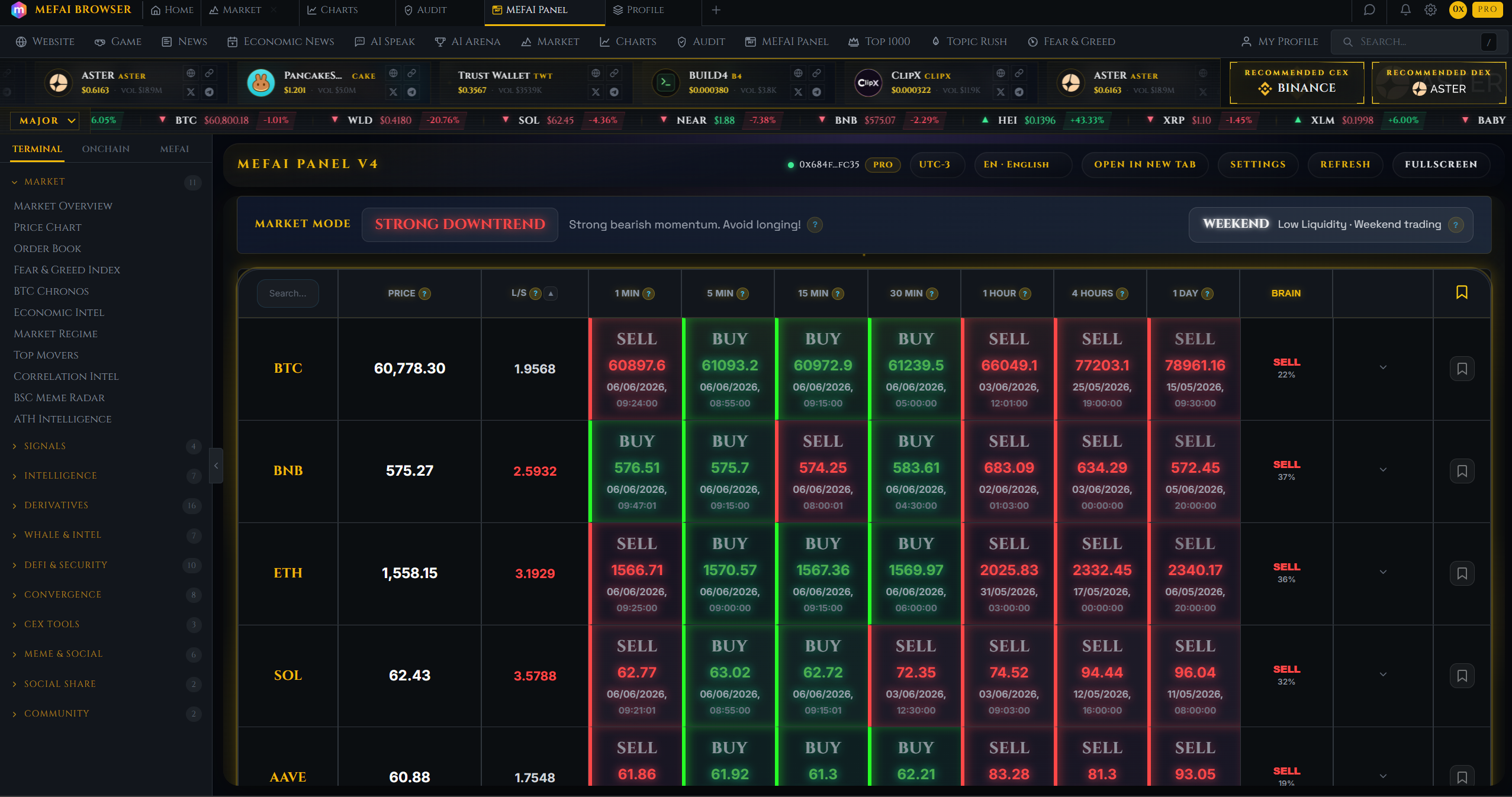
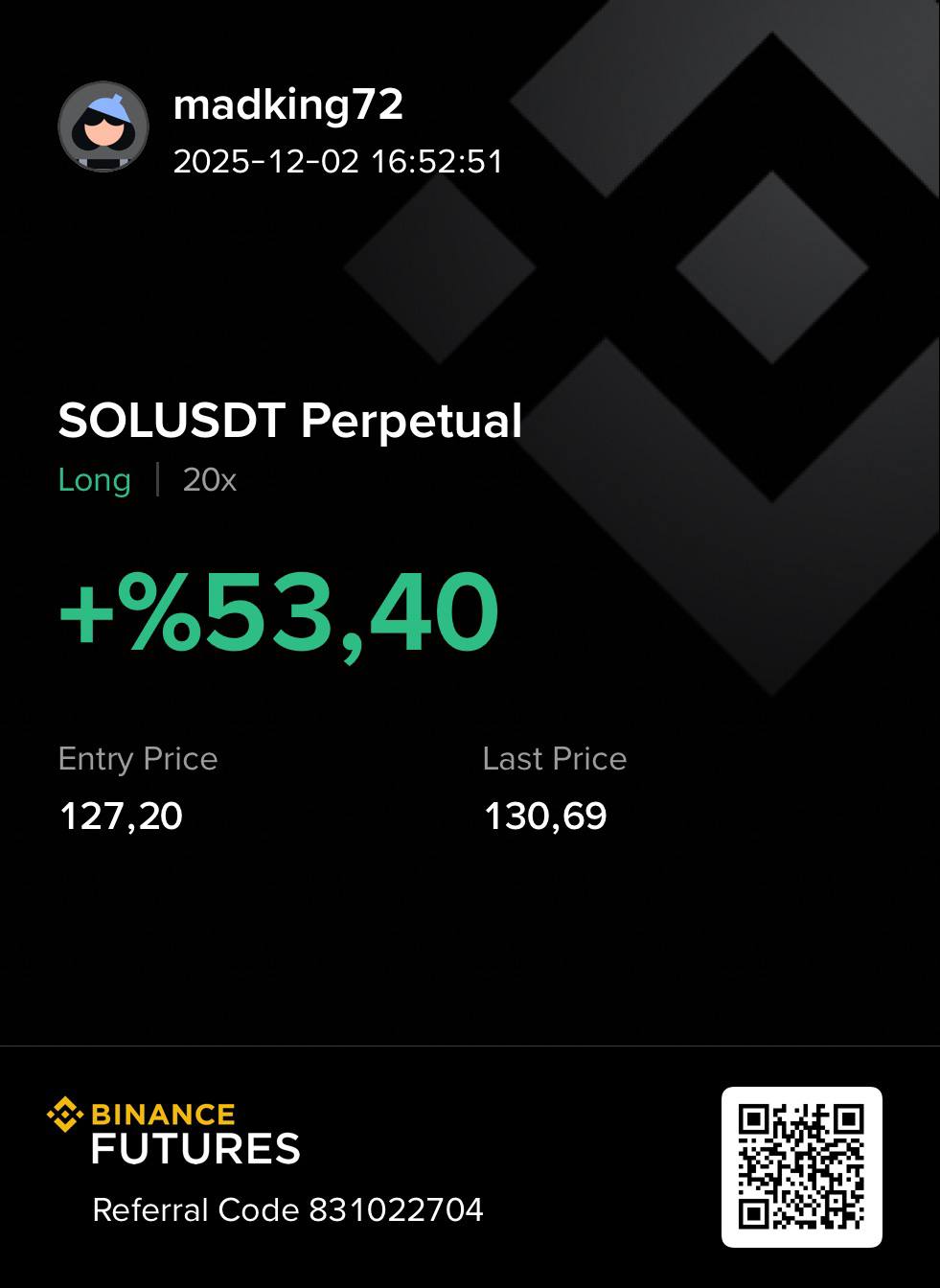
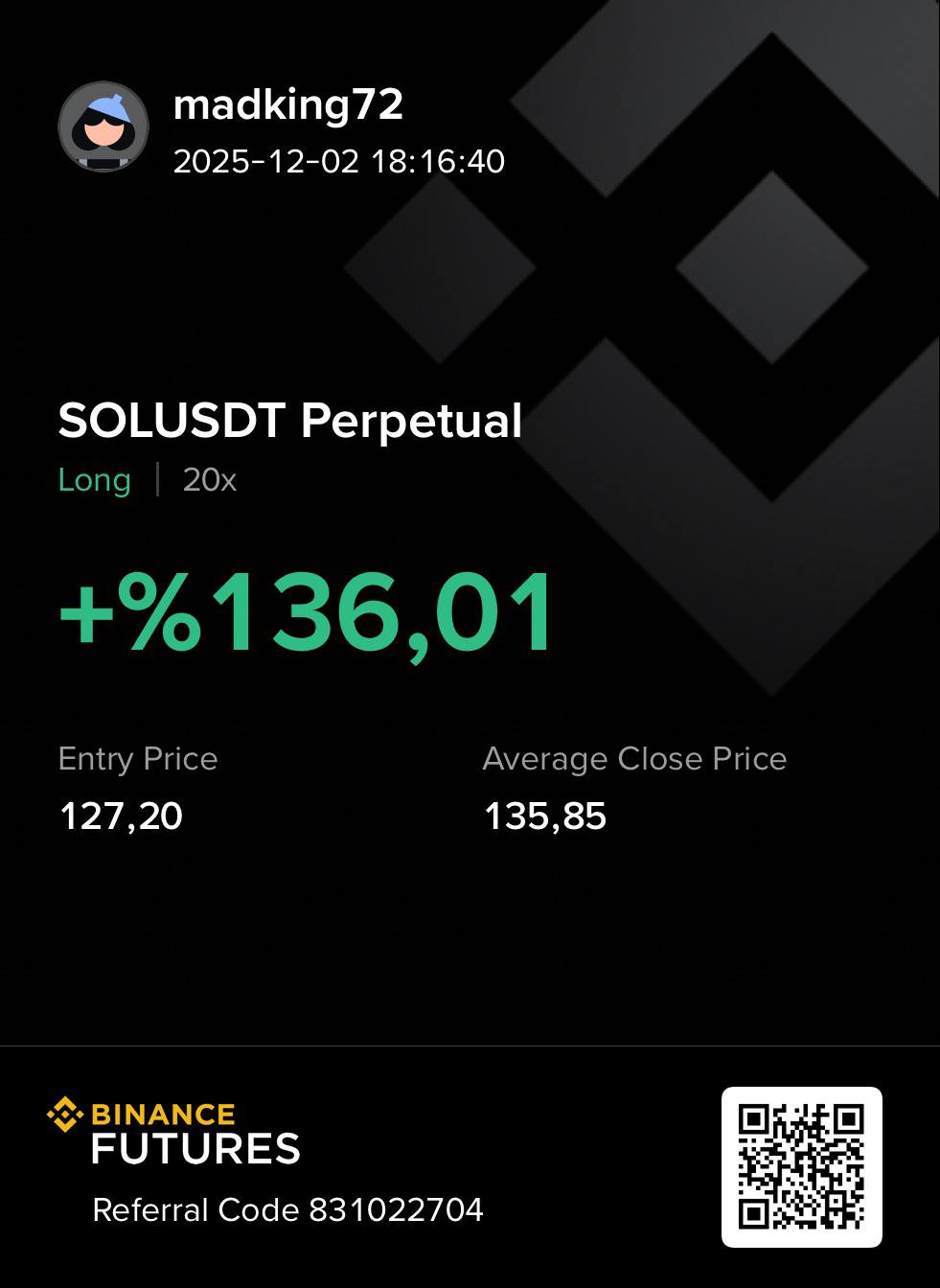
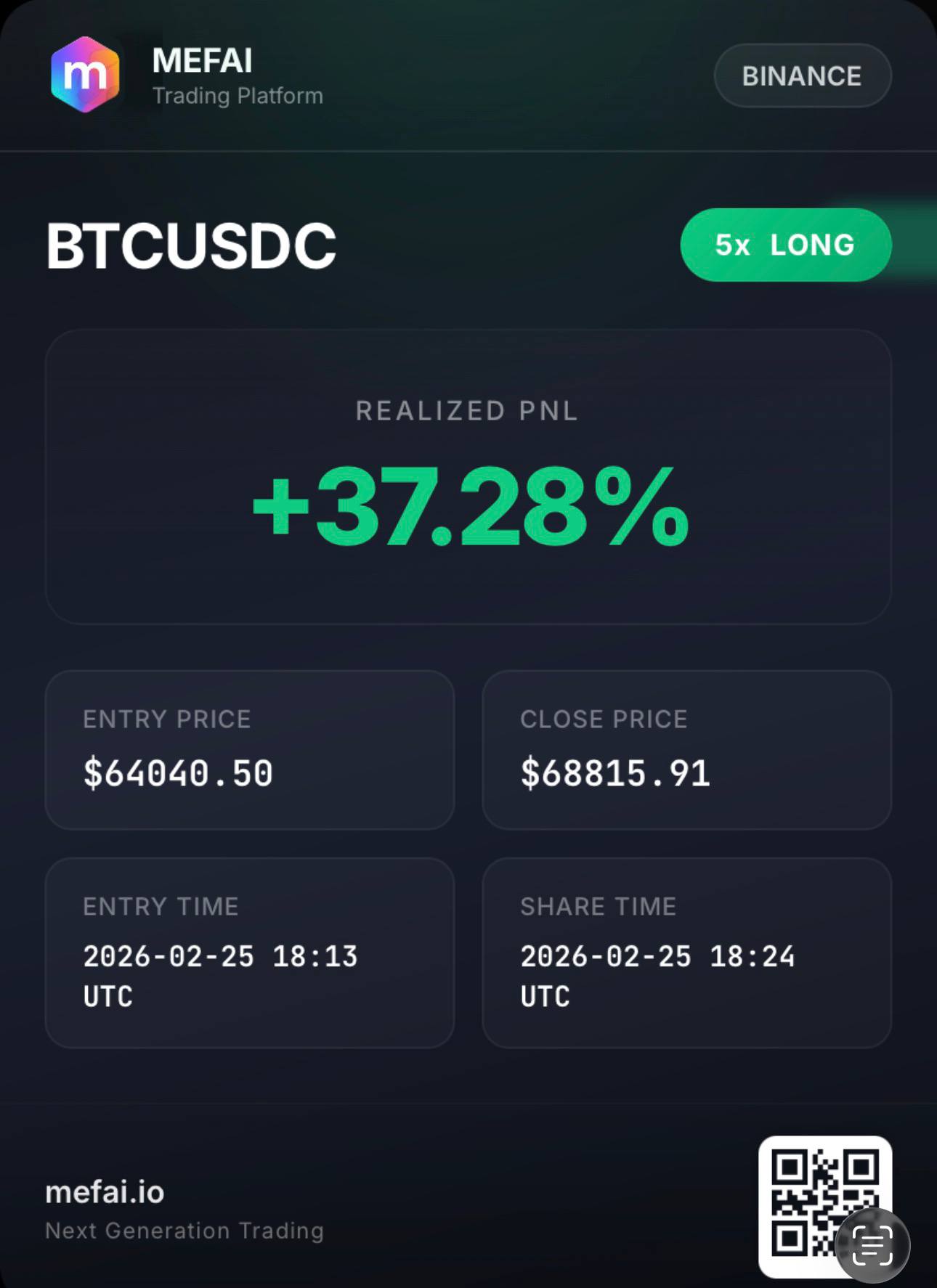
Real results from MEFAI's AI. Get $50 off the Pro plan.
Sponsored · Past performance is not indicative of future results. Not financial advice.

Portfolio-level risk is increasingly emphasized. Platforms now include modules on diversification, correlation hedging and stress-testing across historical shocks. This helps traders avoid the common trap of optimizing a single strategy in isolation while ignoring how it behaves within a broader portfolio.
AI Mentors and Adaptive Feedback: Scaling Personalized Learning
AI mentors in 2026 are more than chatbots; they’re integrated analytics engines that watch your simulated trades in real time and deliver feedback at teachable moments. They highlight emotional decisions, suggest risk adjustments, and even generate personalized scenario packs based on your past mistakes. For example, if you repeatedly add to losing positions after news events, the mentor will simulate a series of news-driven drawdowns and quiz you until the behavior changes.
Adaptive feedback also scales personalized learning. The system tracks your strengths and weaknesses—whether you overtrade, underutilize stops, or ignore correlation—and adjusts the curriculum accordingly. Some platforms combine AI with optional human coaches for advanced learners, creating a hybrid model that balances scalability with depth.
The key is to evaluate the mentor’s feedback quality, not just its presence. Look for systems that explain the rationale behind suggestions and provide transparent scoring—not just “good trade” or “bad trade,” but risk-adjusted returns, emotional triggers and scenario outcomes.
Community and Peer Learning: What to Look For
In 2026, community features have matured beyond forums and chat rooms. The best platforms offer shared strategy notebooks where learners post their simulated trades along with rationale and outcomes. Peers can upvote or critique, creating a crowdsourced risk audit. Leaderboards show risk-adjusted performance, not just P&L, so you can see who maintains discipline under pressure.
Some platforms also host live risk review sessions where experienced traders analyze recent market shocks and how learners handled them in simulation. These sessions help bridge the gap between theory and real-world execution. When evaluating a platform’s community, look for activity levels, transparency of peer reviews, and whether the community focuses on risk-first analysis rather than bragging about profits.
Transparency and Track Records: Separating Marketing from Reality
Reputable platforms now publish transparency reports that include worst-case drawdowns, scenario stress tests and cumulative simulated performance across all users—not just top performers. These reports often break results down by strategy type, time horizon and asset class, so you can see whether the education actually works across different conditions.
Look for platforms that disclose their simulation assumptions—slippage models, latency settings, order book depth—and how these compare to real market conditions. Some also publish quarterly “transparency dashboards” with live updates on simulated performance, drawdowns and scenario outcomes. This level of transparency helps you separate marketing claims from actual educational value.
Avoid providers that only show highlight reels or backtests with unrealistic assumptions. The best platforms invite scrutiny by publishing full drawdown tables and scenario analyses, so you can see how strategies behave under stress.
How to Choose the Right Platform for Your Goals
Start by matching the platform’s asset coverage and time horizon to your goals. If you want to trade crypto with leverage, pick a platform that simulates real funding rates and liquidation mechanics. If you focus on swing trading stocks, choose one with realistic order books and bar-by-bar simulation fidelity.
Next, evaluate the risk curriculum and progression gates. The best platforms require you to demonstrate risk discipline before you can increase position size or move to advanced modules. Look for scenario drills, quizzes and portfolio-level risk modules that fit your style.
Finally, consider the feedback model. If you’re a beginner, a structured curriculum with AI mentors may be ideal. If you’re more advanced, look for platforms that offer optional human coaching or community risk reviews. Always check transparency reports and published track records to ensure the education delivers real value.
What to Watch Next in Trading Education
Two trends are likely to accelerate: deeper integration of behavioral science and expansion of multi-asset stress testing. Platforms are starting to incorporate cognitive bias drills and emotional regulation exercises directly into simulations, so learners practice not just strategy but mental discipline. Meanwhile, multi-asset stress testing is becoming standard, letting you see how a crypto leverage strategy behaves inside a diversified portfolio during historical shocks.
Regulation and transparency will also tighten, pushing platforms to publish more granular performance data and risk metrics. This will make it easier to distinguish genuine education from marketing. Watch for platforms that adopt open-data dashboards and third-party audits of their simulation assumptions.
Finally, expect more partnerships between education platforms and brokers, so you can move seamlessly from simulation to live trading with the same tools and risk settings. This integration reduces friction and helps maintain discipline when transitioning to real capital.
In 2026, the best trading education is hands-on, risk-first and transparent. Choose a platform that matches your goals, embeds risk discipline into every module, and publishes verifiable track records. That way, you’ll learn skills that translate to real markets—not just theory.
More in Learning & Courses

What the FISA Section 702 Expiration Really Means for Surveillance and Your Data
Section 702 of FISA expires tonight, but ongoing certifications mean surveillance continues until March 2027—here’s what actually changes and why privacy advocates warn against rushing reauthorization

Free vs Paid Crypto Courses: What’s Actually Worth Paying For
Compare top free and paid crypto courses to decide when to pay for structured learning, hands-on practice, and certification versus relying on free resources.

Best Crypto Courses for Beginners: Where to Start in 2024
Learn what to look for in a crypto course and compare beginner-friendly options from Coinbase, Binance, Udemy, Coursera and more.