
How to Avoid Common Mistakes When Choosing Trading Education
By Mag-Info Tech editorial · 2026-06-10

Introduction
Choosing trading education can feel overwhelming. Between flashy sales pages, celebrity endorsements and promises of “guaranteed profits,” it’s easy to pick the wrong program and waste money without gaining useful skills. The most frequent mistakes fall into five clear patterns. Understanding these pitfalls helps you focus on what actually matters: strategy that fits your style, realistic risk management and analytical methods you can test yourself.
Mistake 1: Prioritizing flashy results over teachable strategy
Many courses lead with testimonials showing large account gains or luxury lifestyles rather than explaining the actual strategy. These results often come from high-risk tactics like leverage, short-term scalping or unregulated instruments that are unsuitable for beginners. A good course should break down its strategy into entry rules, exit rules, position sizing and timeframes so you can replicate it with your own capital. Look for courses that use real market data, provide trade logs and encourage you to practice in a simulator before risking real money. If the material focuses more on the instructor’s past wins than on teachable methods, treat it as entertainment, not education.
Mistake 2: Ignoring the instructor’s actual trading track record
Some educators present impressive paper-trading results or hypothetical backtests without ever risking their own money in real market conditions. Others trade only small accounts or use promotional capital provided by brokers, which can mask slippage and fees that hurt real performance. Ask for verifiable track records that include live account statements, brokerage confirmations or third-party verification services. Be cautious of educators who refuse to disclose losses or who claim “prop firm” funding without transparent reporting. A credible instructor should be able to show consistent performance across different market conditions, not just during promotional periods.
Mistake 3: Skipping risk management in favor of “get rich quick” tactics
Courses that emphasize high-probability setups or secret indicators without teaching position sizing, stop-loss placement and maximum daily loss limits are selling fantasy, not skill. Risk management is the difference between a short-term gamble and a sustainable trading approach. A solid program will dedicate entire modules to calculating risk per trade as a percentage of capital, diversifying across instruments and managing drawdowns. It will also discuss psychological discipline, journaling trades and reviewing performance to spot emotional biases. If the curriculum treats risk as an afterthought, the education is incomplete and potentially dangerous.

Mistake 4: Choosing overly complex or overly simplistic systems
An overly complex system with dozens of indicators, custom scripts and interdependent rules often leads to analysis paralysis and inconsistent execution. Conversely, an oversimplified system that relies on a single moving-average crossover or gut feeling rarely survives changing market regimes. The best courses balance clarity with robustness, teaching a core methodology that can be adapted as market conditions shift. Look for programs that start with a clear, repeatable framework and then layer in nuance—such as adjusting parameters for volatility or incorporating macroeconomic context—only after you’ve mastered the basics.
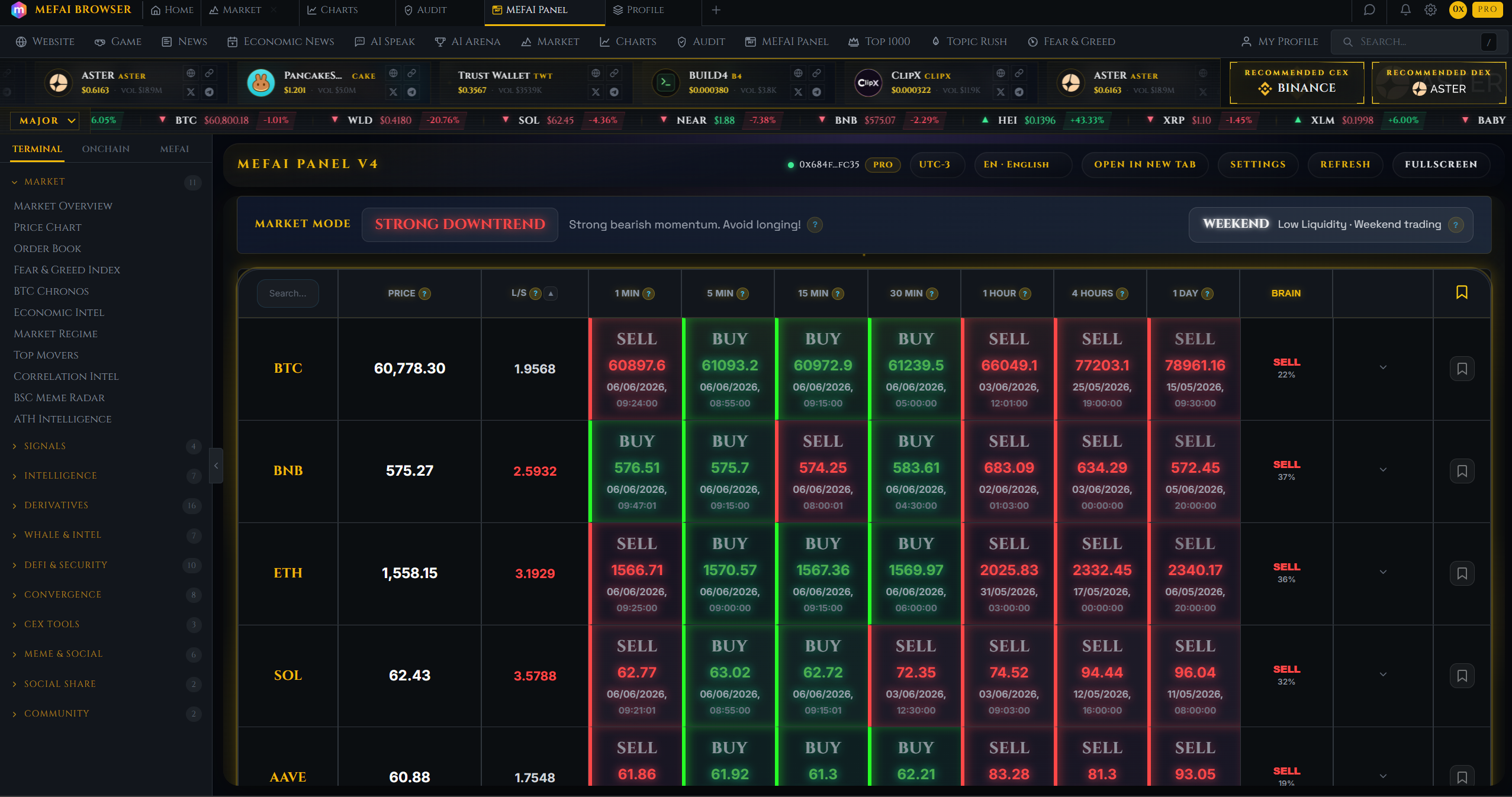
Real results from MEFAI's AI. Get $50 off the Pro plan.
Sponsored · Past performance is not indicative of future results. Not financial advice.

Mistake 5: Falling for hidden upsells and lack of post-course support
Some trading courses operate like funnel systems: the initial price buys access to a basic video library, while advanced modules, mentoring sessions, proprietary indicators and trade alerts require additional payments. These upsells can quickly multiply the total cost without clear value. Worse, many courses provide no ongoing support, leaving students to figure out how to apply lessons in live markets. A transparent program will disclose all costs upfront and offer community access, regular Q&A sessions or a structured mentorship path. Check reviews and alumni networks to see whether graduates actually receive help after the course ends.

How to evaluate trading education objectively
Start by defining your goals and constraints. Are you trading part-time with a small account, or do you aim to become a full-time discretionary or algorithmic trader? Your strategy, time commitment and risk tolerance will shape the kind of education you need. Next, audit the course content against a checklist: Does it teach a clear methodology? Does it cover risk management and psychology? Are there live examples or case studies using real trades? Then compare delivery formats—videos, live webinars, written guides or interactive simulators—and choose the style that matches how you learn best. Finally, research the instructor’s background, verify their track record and read candid reviews from past students, not just testimonials on the sales page.
Red flags to watch for during your search
Beware of courses that guarantee profits, use vague language like “holy grail” or “secret sauce,” or pressure you with countdown timers and limited-time discounts. Avoid instructors who avoid discussing losses or who promote proprietary indicators without explaining their logic. Steer clear of communities that encourage revenge trading or excessive leverage. Also, be cautious of platforms that bundle unrelated assets—such as crypto, forex and stocks—into a single course without deep coverage of any one market. A focused curriculum is usually more valuable than a broad but shallow overview.
Practical next steps and where to look
Begin by sampling free resources from reputable sources: exchanges, financial regulators and respected educators often publish guides on risk management and market basics. Use these to build foundational knowledge before committing to paid courses. When ready to invest, select a program aligned with your goals and verify its claims through independent channels. Join trading communities on platforms like Reddit or Discord to ask alumni for candid feedback. After completing a course, practice in a simulator for at least three months while journaling every trade. Only then should you consider scaling up with real capital, starting with the smallest position sizes that let you follow your rules without emotional interference.

Conclusion
The trading education market thrives on hype, but the real value lies in clear strategy, disciplined risk control and practical skills you can test yourself. By avoiding the five common mistakes—prioritizing flashy results, ignoring live track records, skipping risk management, choosing overly complex or simplistic systems, and falling for hidden upsells—you can select education that actually improves your decision-making. Treat every course as a tool, not a guarantee, and measure its value by how much it helps you analyze markets, manage risk and execute consistently.
More in Learning & Courses

What the FISA Section 702 Expiration Really Means for Surveillance and Your Data
Section 702 of FISA expires tonight, but ongoing certifications mean surveillance continues until March 2027—here’s what actually changes and why privacy advocates warn against rushing reauthorization

Free vs Paid Crypto Courses: What’s Actually Worth Paying For
Compare top free and paid crypto courses to decide when to pay for structured learning, hands-on practice, and certification versus relying on free resources.

Best Crypto Courses for Beginners: Where to Start in 2024
Learn what to look for in a crypto course and compare beginner-friendly options from Coinbase, Binance, Udemy, Coursera and more.