Free vs Paid Trading Education: What’s Actually Worth Paying For
By Mag-Info Tech editorial · 2026-06-10

Should beginners pay for trading education at all?
Trading education is widely available at no cost, but quality varies dramatically. Free resources—videos, articles, webinars, and community forums—can teach foundational concepts such as candlestick patterns, support and resistance, and basic risk management rules. They are ideal for beginners who want to test their interest without financial commitment. However, free content is often generic, lacks structured progression, and may be influenced by marketing incentives from brokers or affiliates. Many free educators monetize through referrals to trading platforms, which can bias recommendations toward specific products or strategies. For learners who need accountability, feedback, or a clear roadmap, free material alone is usually insufficient.
Paid courses and mentorship programs provide a curriculum designed by experienced traders, often with step-by-step modules on strategy development, risk controls, and market analysis. These programs typically include video lessons, live sessions, and downloadable tools like templates or spreadsheets. They may also offer access to private communities where learners can ask questions and share trade ideas. The key advantage is structure: learners progress from basics to advanced topics with consistent guidance. Paid offerings also tend to filter out promotional noise, focusing on genuine educational value rather than affiliate incentives. For anyone serious about building repeatable skills, a paid program can accelerate learning and reduce costly trial-and-error mistakes.
What free trading education can realistically teach you
Free trading education excels at delivering bite-sized knowledge and building awareness. You can learn what a moving average is, how volume affects price movements, and why stop-loss orders matter. Many brokers and financial websites offer glossaries, video tutorials, and demo accounts where you can practice without risking real money. Free content is also useful for exploring different asset classes—stocks, forex, crypto, or futures—before committing capital. Newsletters, podcasts, and social media threads can keep you updated on market events and sentiment shifts. These resources help you form a basic mental model of how markets function and whether trading aligns with your risk tolerance.
However, free education rarely dives deep into strategy execution or psychological discipline. You may see examples of successful trades, but not the full trade journal, risk calculations, or post-trade reviews that professional traders use. Free lessons often skip over position sizing formulas, correlation analysis, or advanced order types like OCO (One-Cancels-the-Other). They also don’t usually provide personalized feedback on your trade plans or psychological biases. While free content can teach you the language of trading, it usually stops short of teaching you how to speak it fluently in real market conditions. For most learners, free education is a starting point—not a finishing line.
What paid trading education typically includes
Paid trading education usually bundles structured content with interactive elements and accountability tools. A typical program includes video modules broken into beginner, intermediate, and advanced levels, with quizzes or exercises to reinforce learning. Many courses also provide access to live trading rooms or recorded sessions where instructors analyze real market setups in real time. These sessions demonstrate how strategies are applied under different conditions, helping learners connect theory to practice. Some programs include proprietary indicators, templates, or trading journals that standardize the analysis process across trades.
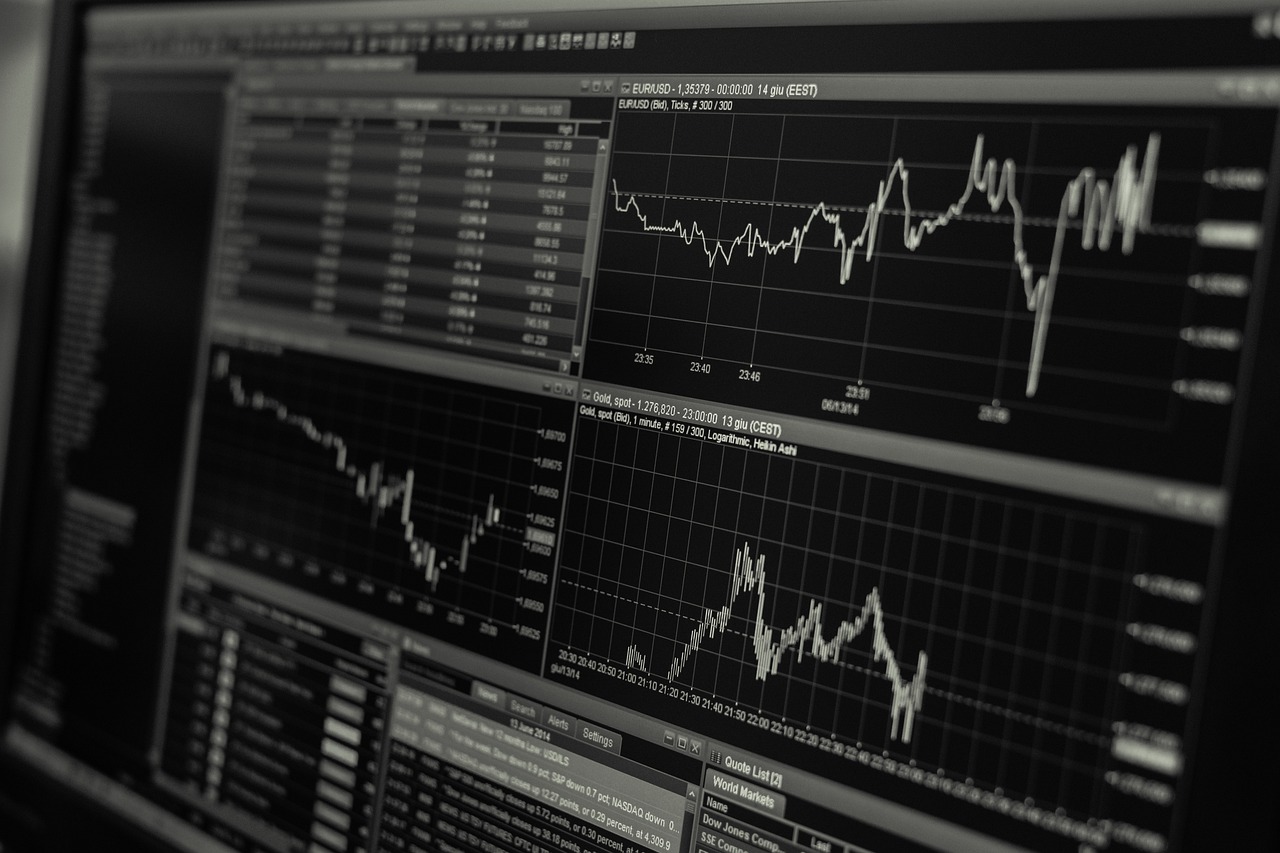
Another common feature is mentorship or coaching, where learners can submit trade plans for review or join small-group calls with experienced traders. This feedback loop is invaluable for correcting mistakes early and refining decision-making under pressure. Paid platforms often integrate risk management tools such as position size calculators, correlation matrices, or scenario planners that help traders evaluate trade-offs before entering a position. Some programs also include access to private communities where peer learning and accountability reduce isolation. For traders who need both knowledge and execution discipline, these features can justify the cost by shortening the learning curve and reducing emotional decision-making.
When a paid course is worth the investment
A paid trading course is worth the investment when you need more than information—you need transformation. This is especially true if you’ve already consumed free content but still struggle to apply concepts consistently. For example, if you understand candlestick patterns but can’t decide when to enter or exit a trade based on your risk tolerance, a structured program can help you build a repeatable process. Paid education is also valuable if you want to specialize—such as in swing trading, options strategies, or algorithmic approaches—and need a curriculum tailored to that niche. Traders aiming to manage capital professionally, whether for personal accounts or managing client funds, benefit from programs that emphasize risk controls, compliance, and performance tracking.
Another scenario is when you lack access to experienced mentors. In many markets, finding a qualified trader willing to review your trades is difficult without paying for a structured program. Paid courses often simulate this mentorship through live feedback, trade reviews, and community discussions. They also reduce the noise from free content by focusing on a proven methodology rather than a collection of random strategies. For traders who are time-constrained or easily distracted, the accountability of a paid program—with deadlines, assessments, or progress tracking—can improve consistency. Ultimately, the value of a paid course lies in its ability to turn abstract knowledge into practical, executable skills under real market conditions.
Hidden costs of “free” trading education
Free trading education often carries hidden costs that become apparent only after you start trading with real money. Many free educators earn commissions by referring students to specific brokers or platforms, which may offer poor execution, high spreads, or limited tools. These incentives can lead to recommendations that prioritize broker profits over trader success, such as pushing high-leverage accounts or complex instruments like CFDs that are unsuitable for beginners. Another hidden cost is time. Free content is unstructured, so learners waste hours sifting through inconsistent advice, outdated strategies, or conflicting opinions across forums and social media. This trial-and-error approach can lead to costly mistakes when you finally start trading live.
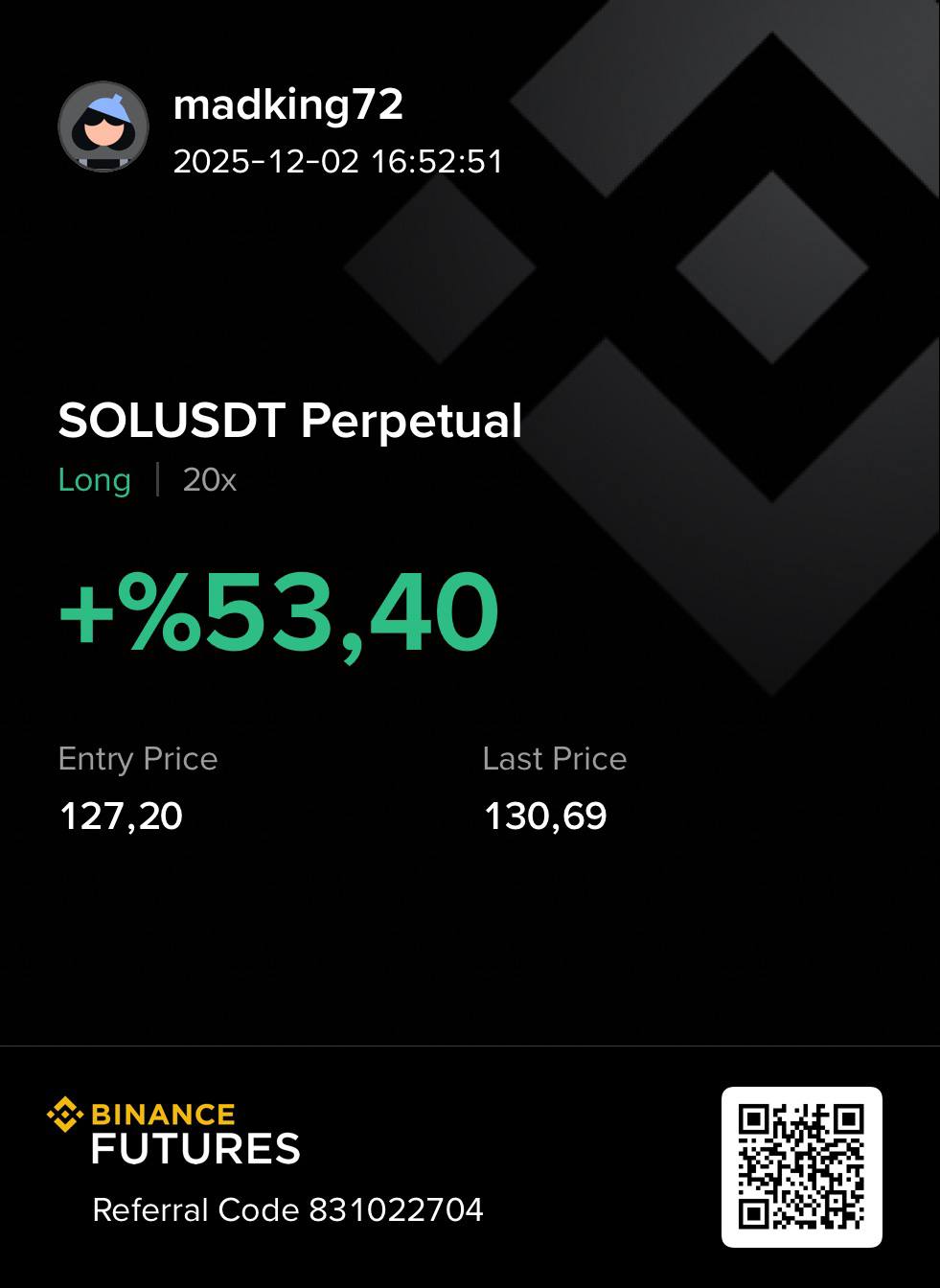
Real results from MEFAI's AI. Get $50 off the Pro plan.
Sponsored · Past performance is not indicative of future results. Not financial advice.

A subtler hidden cost is the psychological burden of inconsistency. Free content rarely provides a unified framework, so learners often piece together strategies from multiple sources, leading to conflicting rules and emotional confusion. This inconsistency can erode confidence and increase impulsive decisions. Free educators may also avoid discussing risk management in depth because it doesn’t drive referrals or engagement as effectively as flashy strategy content. As a result, learners may enter the market without proper safeguards, exposing themselves to avoidable losses. Over time, the cumulative cost of these hidden factors—poor execution environments, wasted time, and inadequate risk controls—can exceed the price of a well-structured paid program.
How to evaluate paid trading courses before buying
Start by reviewing the curriculum and instructor credentials. A credible course should clearly outline its learning objectives, prerequisites, and progression path. Look for instructors with verifiable trading experience—such as published track records, industry certifications, or roles at regulated firms—not just social media popularity. Check whether the course focuses on a specific strategy or provides a framework adaptable to different markets. Avoid programs that promise guaranteed profits or use high-pressure sales tactics; these are red flags for misaligned incentives.
Next, assess the delivery model and support structure. Does the program include live sessions, recorded replays, or interactive elements like quizzes? Is there access to a community or mentorship? These features determine whether the course will fit your learning style and schedule. Request a sample lesson or trial period if available to evaluate the quality of instruction and production value. Finally, read independent reviews from past students—ideally from neutral forums or communities—not just testimonials on the course website. Look for feedback on practical outcomes: Did students improve their trade execution? Did they gain confidence in risk management? These insights help separate marketing promises from actual educational value.
Free vs paid: a practical decision framework
Use a simple decision framework to choose between free and paid education. If you’re exploring trading as a hobby or want to learn the basics without risking capital, free resources are sufficient. Start with broker-provided education, reputable financial news sites, and demo accounts to build foundational knowledge and test your interest. If you’re committed to trading as a serious skill—whether for personal income or professional development—consider a paid program only after you’ve exhausted high-quality free content and still feel unprepared. This ensures you’re investing in advanced training rather than paying for information you could have learned elsewhere.

Another practical test is your current performance in a simulated environment. If you can consistently apply risk controls and execute a simple strategy in a demo account, you may not need a paid course yet. But if you find yourself repeatedly breaking your own rules or second-guessing entries and exits, a structured program with feedback and accountability can help. Also consider your available time and discipline. Paid programs require consistent engagement; if you struggle to follow through on free lessons, a paid course with deadlines and community support may improve completion rates. Ultimately, the decision should align with your goals, resources, and current skill level—not external pressure or flashy marketing.
Beyond courses: complementary tools and habits
Education alone isn’t enough—you need the right tools and habits to apply what you’ve learned. Start with a reliable trading journal to record every trade, including entry, exit, rationale, and emotional state. Over time, this data reveals patterns in your decision-making and highlights where your strategy or discipline is breaking down. Pair your education with risk management software or spreadsheets that automate position sizing and exposure calculations. These tools reduce manual errors and enforce consistency, especially when emotions run high.
Develop a daily routine that includes market analysis, strategy review, and mental rehearsal. Reviewing price action at the same time each day builds pattern recognition and reduces impulsive trades. Use a watchlist to focus on a small number of instruments, which improves familiarity and reduces decision fatigue. Combine your educational content with a trusted news source and economic calendar to stay aligned with market drivers. Finally, practice mindfulness or journaling to manage emotional responses to losses or unexpected volatility. These habits bridge the gap between theoretical knowledge and real-world execution, making your investment in education more effective.
Final verdict: What’s actually worth paying for
Pay for trading education when you need structure, accountability, and feedback—not just information. A paid course is worth it if it offers a proven methodology, clear progression, and interactive support such as live sessions or mentorship. It’s especially valuable if you’re preparing to trade professionally, manage capital, or specialize in a niche strategy. The best programs reduce trial-and-error, help you internalize risk controls, and accelerate your path from novice to disciplined trader.
Stick with free resources if you’re still exploring or want to build foundational knowledge. Use high-quality free content to learn the language of trading, test your interest with demo accounts, and develop basic habits. Avoid programs that prioritize sales over substance, or that make unrealistic promises. Ultimately, the choice depends on your goals, discipline, and current skill level. Invest in education only when you’re ready to act—and always pair it with the right tools and habits to make that education stick.
More in Learning & Courses

What the FISA Section 702 Expiration Really Means for Surveillance and Your Data
Section 702 of FISA expires tonight, but ongoing certifications mean surveillance continues until March 2027—here’s what actually changes and why privacy advocates warn against rushing reauthorization

Free vs Paid Crypto Courses: What’s Actually Worth Paying For
Compare top free and paid crypto courses to decide when to pay for structured learning, hands-on practice, and certification versus relying on free resources.

Best Crypto Courses for Beginners: Where to Start in 2024
Learn what to look for in a crypto course and compare beginner-friendly options from Coinbase, Binance, Udemy, Coursera and more.