Trading Courses Compared: How to Pick the Right Education for Your Goals
By Mag-Info Tech editorial · 2026-06-10
Why trading education matters—and what to look for
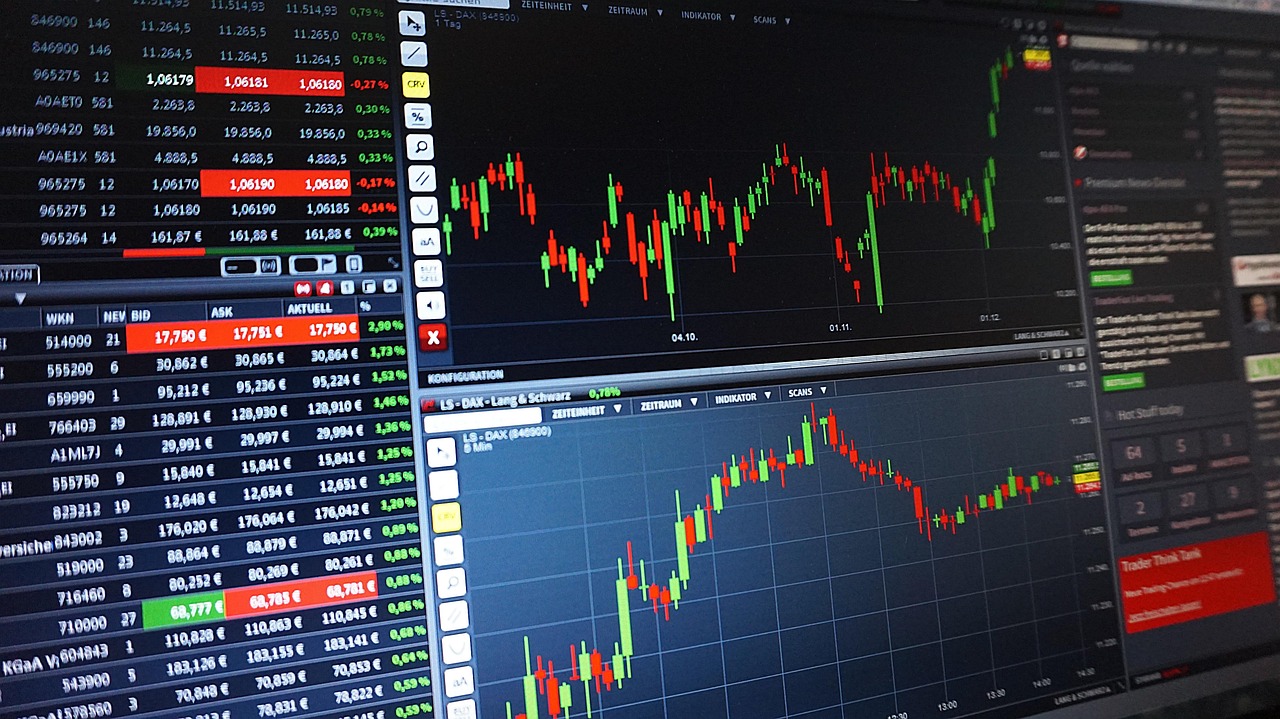
Learning to trade is not just about reading charts or memorizing indicators. It is about building a repeatable process that manages risk, controls emotion and adapts to changing markets. Good trading education teaches you how to define an edge, size positions, keep a journal and review trades—not just how to spot a “buy” signal. When choosing a course, look for clear explanations of strategy logic, realistic expectations about returns and drawdowns, and structured pathways that progress from basics to live execution. Avoid programs that promise overnight riches or focus only on flashy setups without risk controls.
Another key factor is alignment with your lifestyle and goals. A full-time employee cannot replicate a day-trader’s schedule, and a retiree may prioritize capital preservation over aggressive growth. Match the course’s time commitment, support model and community to your availability and learning style. Finally, consider whether you need a general foundation, a niche specialization (such as options or forex) or a team-based approach if you plan to trade with others. The right fit accelerates learning and reduces costly mistakes.
Solo traders: deep, self-paced learning with accountability
For individuals who trade alone and prefer to learn on their own schedule, self-paced video courses with structured modules and live mentoring work best. One well-known option is Bear Bull Traders, which combines video lessons, a structured core strategy and weekly live trading sessions. This format suits disciplined learners who want to absorb core concepts first, then apply them with guidance before risking capital. The accountability comes from weekly market reviews and a community chat where members share trades and ask questions in real time.
Another strong choice is Investopedia Academy’s Trading for Beginners. It focuses on core concepts—candlesticks, support/resistance, risk management—without overloading learners with advanced tactics early on. The self-paced videos and quizzes help reinforce understanding, and the price point is accessible for solo traders on a budget. The key advantage here is clarity: beginners get a clean, jargon-free foundation that prevents the common mistake of jumping straight into complex strategies before mastering the basics.
Active day traders: real-time feedback and execution practice
If your goal is intraday trading, education must include real-time market exposure and immediate feedback on execution. Warrior Trading’s education path starts with core strategy videos and moves into live trading rooms where experienced traders narrate their entries, exits and risk management in real markets. For someone aiming to trade full-time, this hands-on exposure is critical because it bridges the gap between theory and live performance under pressure.
Another option is SMB Capital’s trading education, which emphasizes pattern recognition and trade management in equities and futures. SMB’s courses include simulated trading environments where learners practice entries and exits without financial risk, followed by debriefs that dissect what worked and what did not. The focus on execution psychology and position sizing helps active traders avoid the pitfall of overtrading or revenge trading after losses. This model suits traders who need to build muscle memory and emotional resilience alongside technical skills.

Teams and small funds: coordinated learning and shared risk frameworks
When multiple people trade together or manage a small fund, education must scale beyond individual lessons. One proven approach is the Bullish Bears program, which offers structured courses plus a private community where teams can collaborate on strategy documentation, trade logs and performance reviews. The shared workspace helps standardize risk rules and trade criteria across members, reducing misalignment that often derails group performance.
For professional teams, Kunal Desai’s trading education includes modules on team-based risk frameworks, performance tracking and compliance checklists tailored to small funds. The curriculum emphasizes process over individual flair, teaching how to define a fund’s edge, allocate capital across strategies and review trades collectively. This is valuable for partnerships or family offices where accountability and transparency are as important as strategy. The key takeaway: teams need education that explicitly supports coordination, documentation and shared accountability—not just individual skill building.
Risk-first programs: learning to protect capital before chasing returns
Many traders lose money not because their strategies are bad, but because they ignore position sizing, stop-loss discipline or correlation risks. A risk-first program teaches these fundamentals in depth before diving into entry signals. The Trading Psychology Edge by Brett Steenbarger focuses on the mental game and risk controls, using case studies to show how emotional decisions lead to outsized losses. This approach is ideal for traders who repeatedly blow up accounts or struggle with discipline.
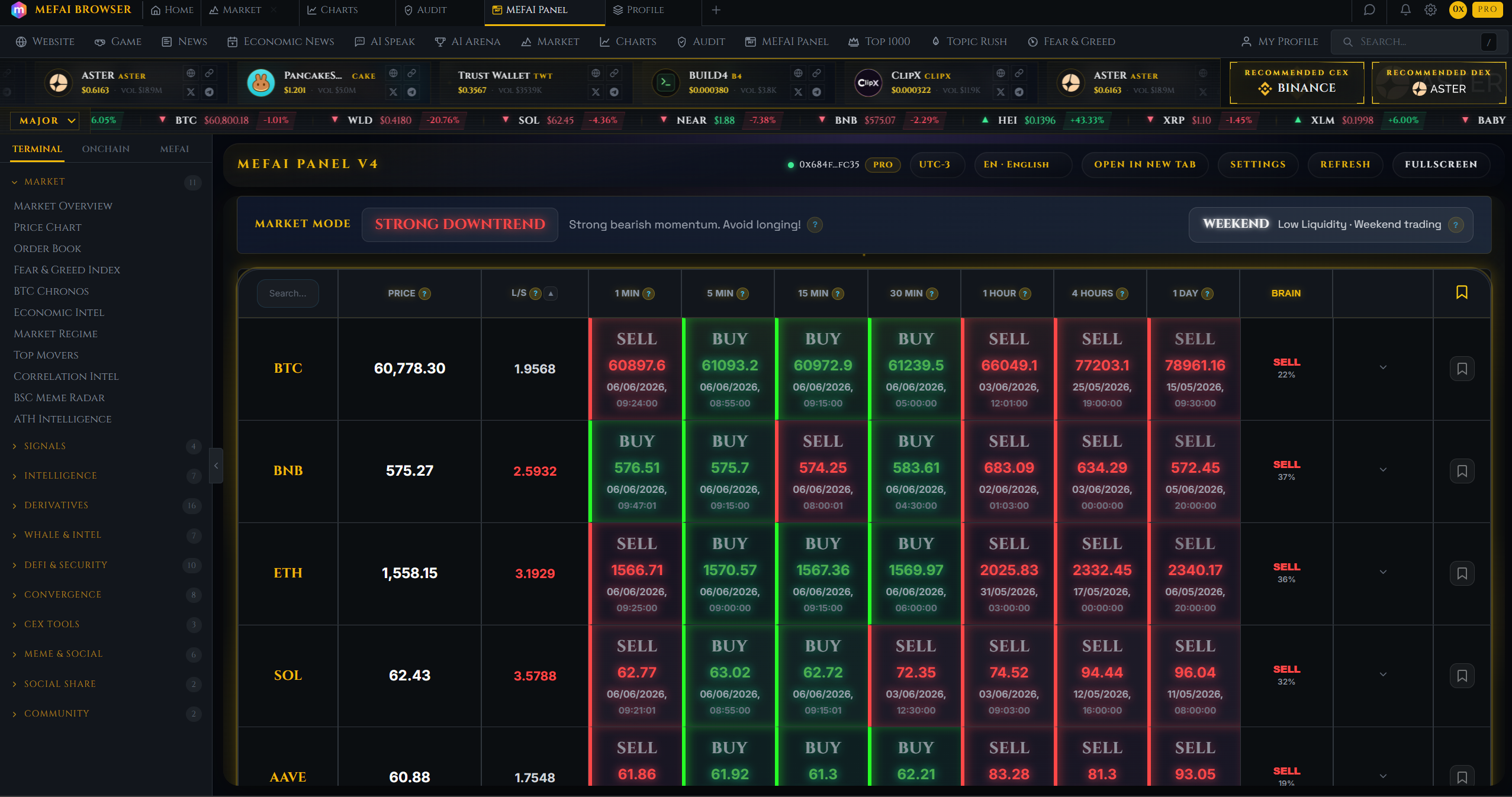
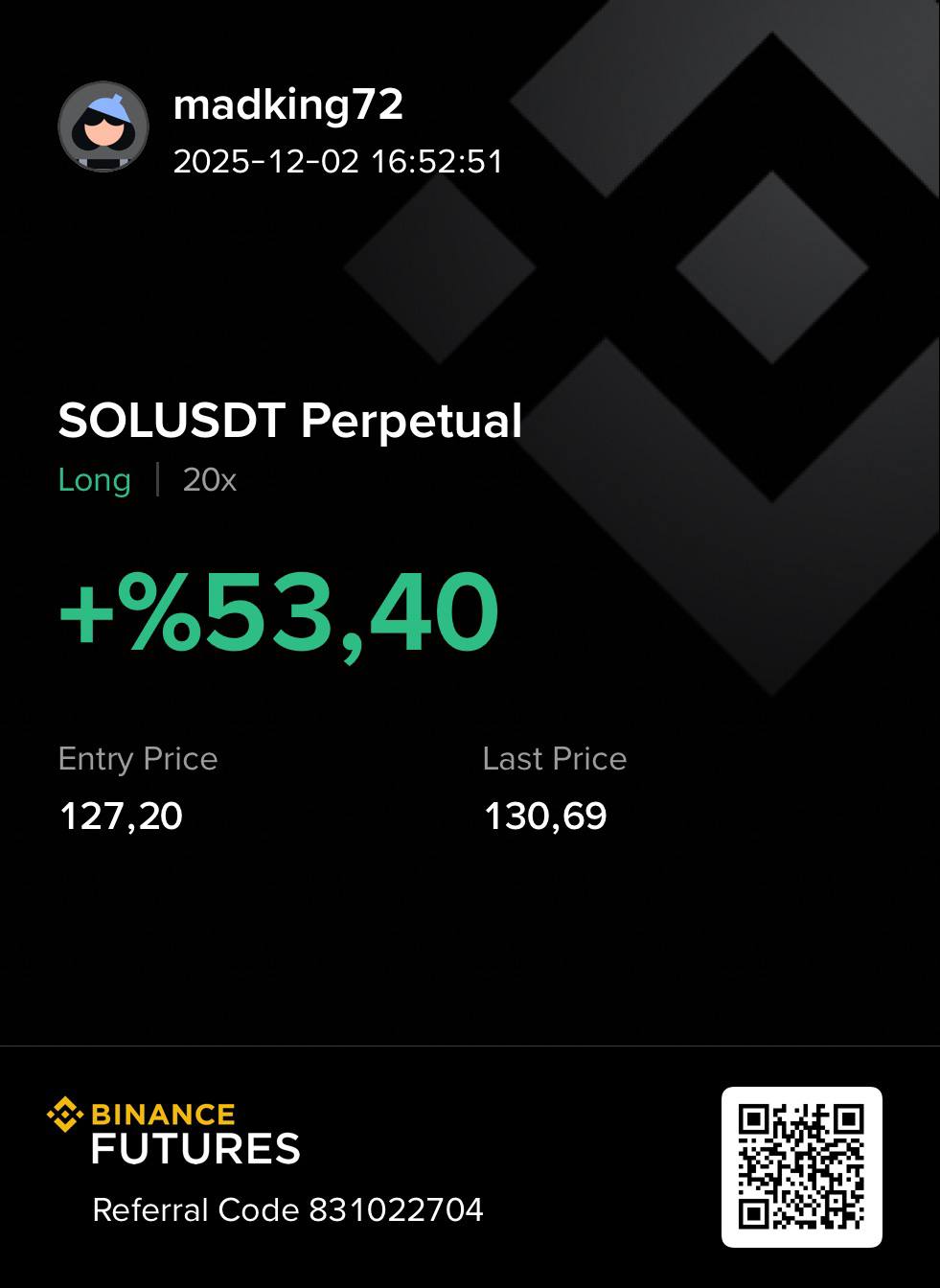
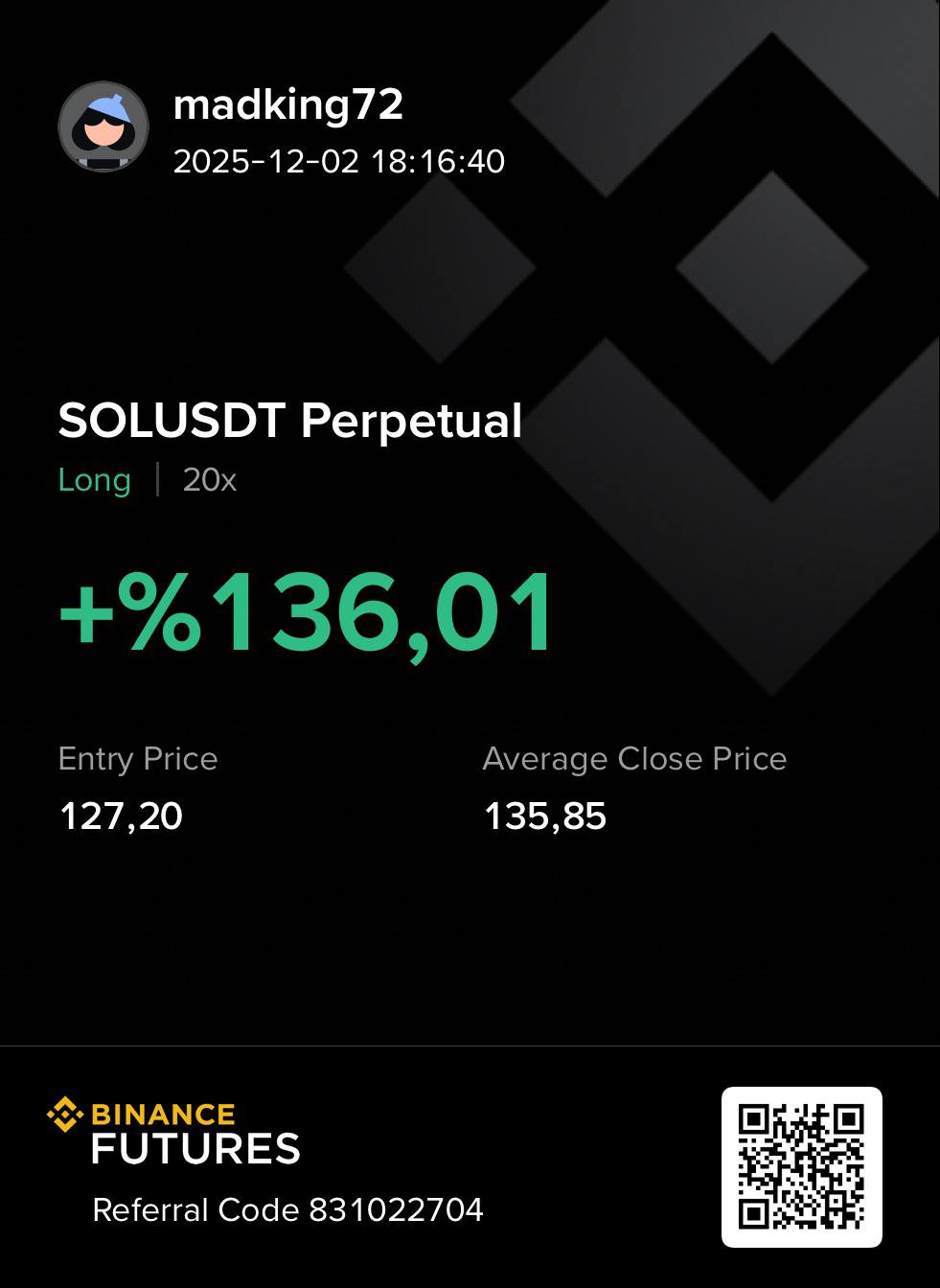
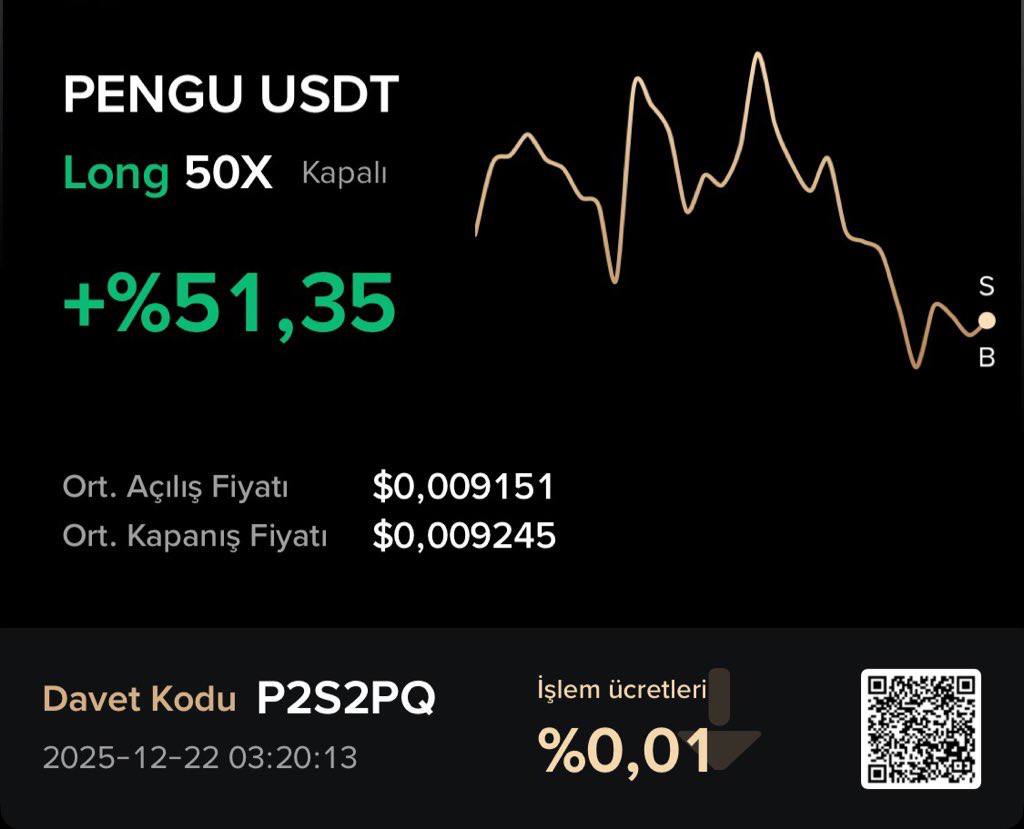
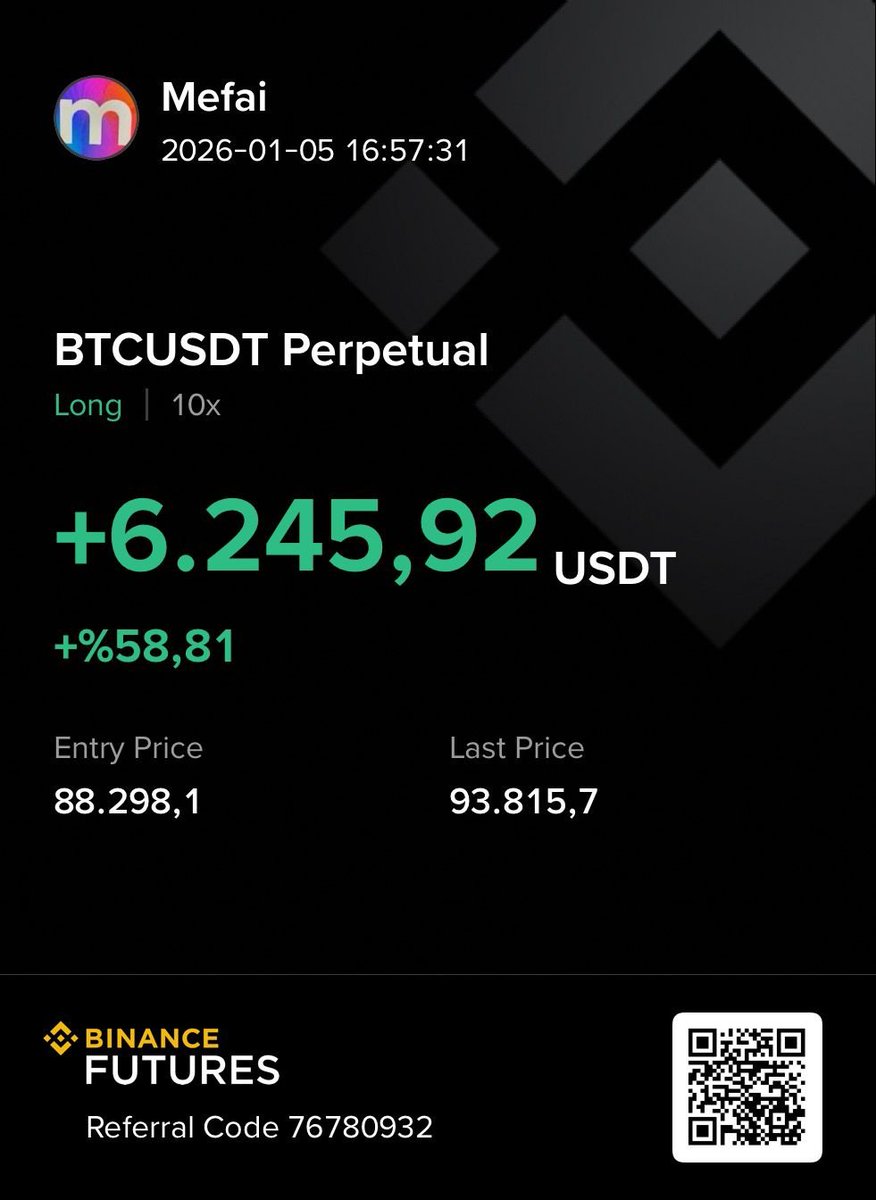
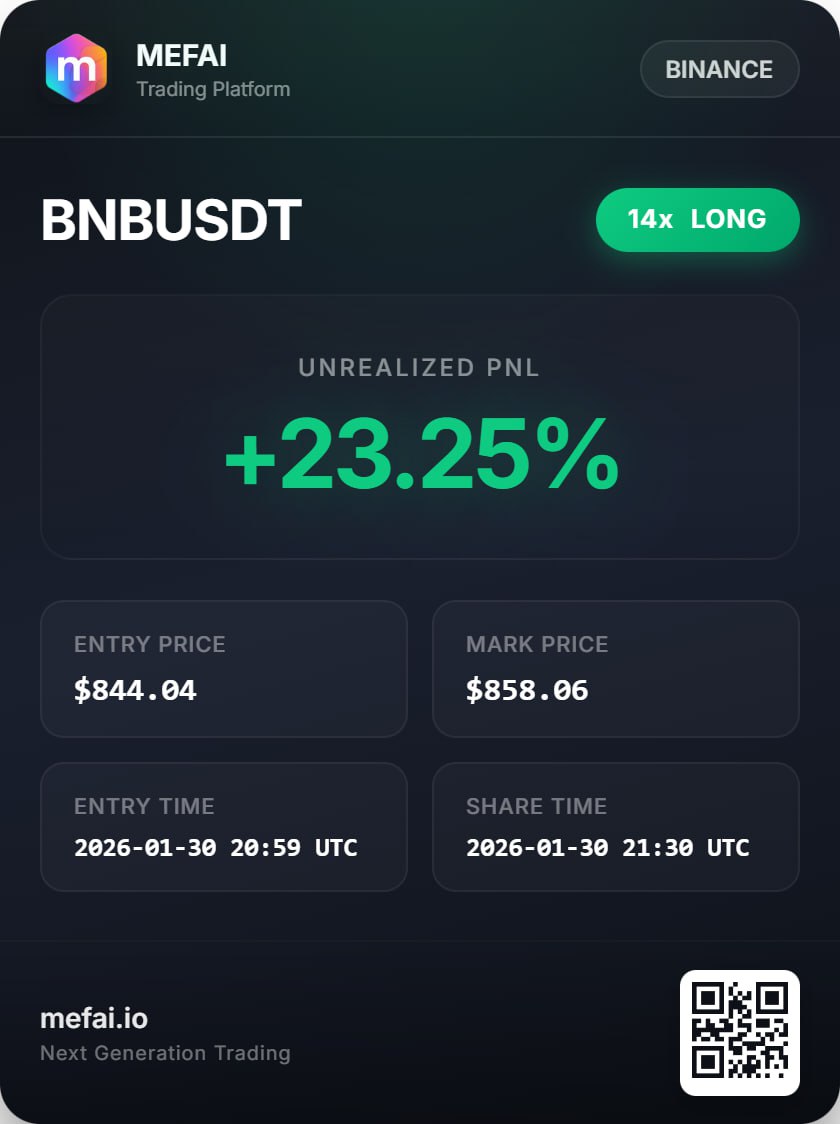
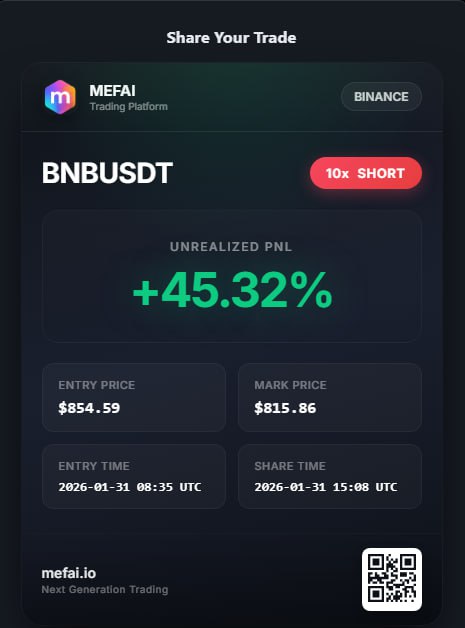
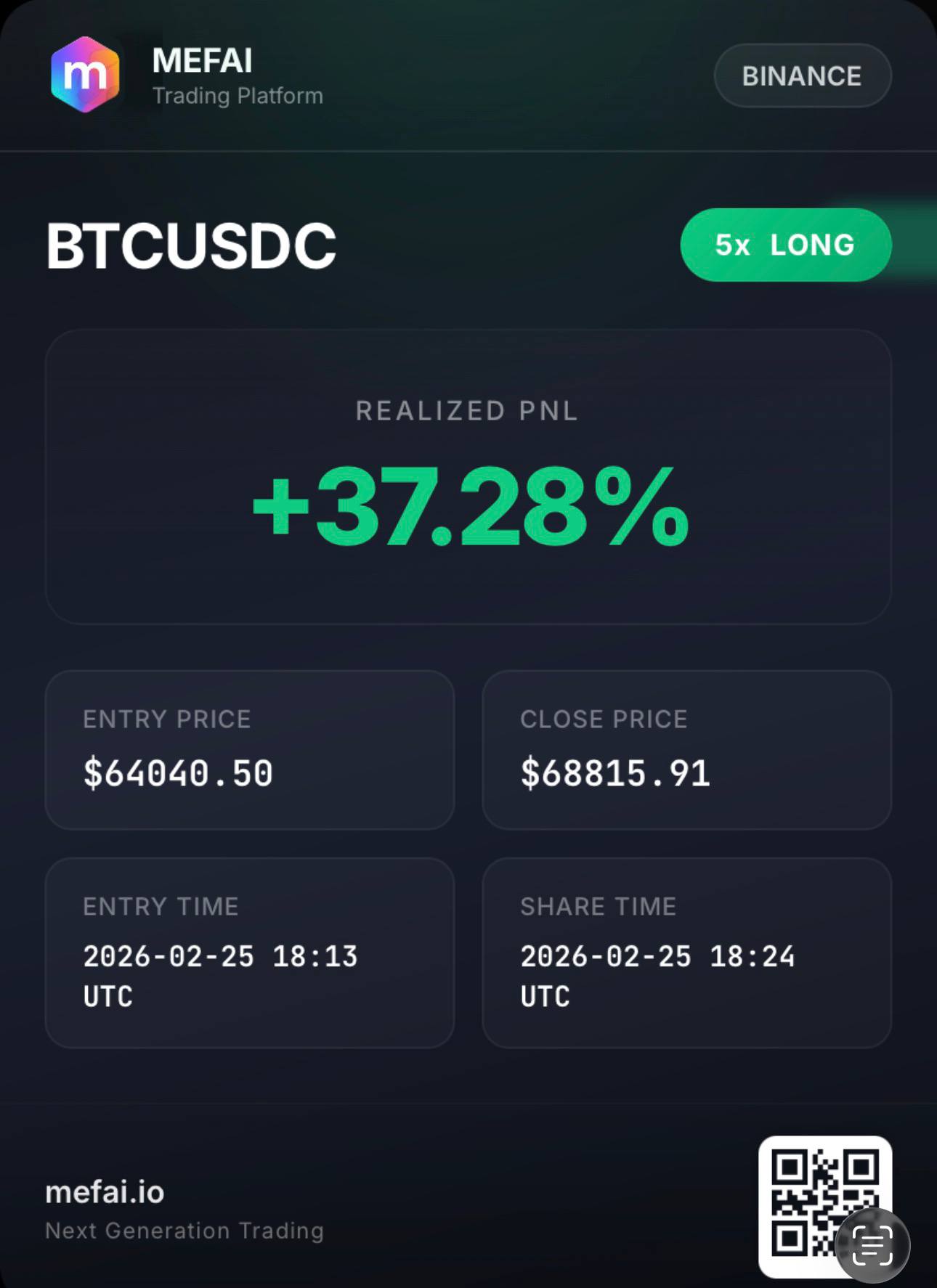
Real results from MEFAI's AI. Get $50 off the Pro plan.
Sponsored · Past performance is not indicative of future results. Not financial advice.

Another strong option is Van Tharp’s Peak Performance Home Study Course, which blends trading psychology with robust risk management frameworks. Van Tharp’s “R-multiple” concept helps traders quantify risk per trade relative to potential reward, a discipline often missing in beginner programs. For anyone who has struggled with overleveraging or ignoring stop-losses, a risk-first curriculum provides durable habits that survive market volatility.

Niche specializations: options, forex and algorithmic trading
If you aim to specialize, look for courses that go deep in one domain rather than offering broad, shallow coverage. For options traders, TastyTrade’s education library centers on defined-risk strategies, probability analysis and trade structure—core skills for consistent income generation. The platform’s live programming and research segments help learners see how strategies perform in real market conditions, not just textbook scenarios.
In forex, the School of Pipsology by BabyPips is a widely used free-to-start program that progresses from beginner to advanced topics with interactive quizzes and a supportive forum. It is especially useful for those new to currency markets who need a structured, gamified path. For algorithmic trading, QuantConnect’s education includes coding tutorials in C# and Python, backtesting environments and live deployment guidance. These niche programs work best when your goals are specific and your foundational knowledge is already solid.
Budget-conscious learners: free and low-cost quality options
Not every trader can afford premium courses, but several reputable programs offer strong value at low or no cost. BabyPips’ School of Pipsology is a prime example: it covers forex from basics to intermediate topics with interactive lessons and a community forum. The free tier is comprehensive enough for many beginners, and optional paid tracks add advanced modules and mentoring.
Another budget-friendly option is TD Ameritrade’s extensive library of webcasts, courses and live events, which cover stocks, options and technical analysis. While it does not provide a single structured path, the breadth of topics allows learners to pick modules relevant to their goals. For those who want community without cost, r/Daytrading and r/StockMarket on Reddit offer curated resource lists and peer feedback. The key is to pair free resources with disciplined self-study and realistic expectations about progress.

What to watch next: evolving trends in trading education
The next wave of trading education blends interactive simulations with AI-driven feedback. Platforms are starting to use AI tutors that analyze trade journals, spot recurring mistakes and suggest targeted drills. This could help traders refine their edge faster than traditional video courses alone. Another trend is the integration of compliance and audit tools for small teams, making it easier to document trades and meet regulatory expectations without heavy overhead.
Watch also for the rise of micro-courses—short, focused lessons on single concepts like gap fills, VWAP trading or options gamma exposure. These allow experienced traders to fill specific knowledge gaps without committing to a full program. Finally, community platforms are adding structured cohort-based learning, where groups progress together with live sessions and peer accountability. These formats may suit teams and solo traders alike who benefit from external structure.
How to choose: a practical checklist
Start by listing your goals: Are you learning to trade part-time, aiming for full-time, or managing a small team? Next, assess your schedule: Can you attend live sessions, or do you need self-paced content? Then, evaluate the teaching style: Do you prefer video lessons, interactive simulations, or text-based study? Finally, consider your budget and risk tolerance—some programs cost more but include live mentoring, while others are cheaper but demand self-discipline.
Compare courses by their outcomes, not just their promises. Look for clear descriptions of what you will learn, realistic expectations about returns and drawdowns, and evidence of student performance where available. Avoid programs that emphasize “secret” indicators or overnight success. Instead, favor those that teach process, risk management and continuous improvement. The right course should leave you with a repeatable framework you can test, refine and scale over time.
More in Learning & Courses

What the FISA Section 702 Expiration Really Means for Surveillance and Your Data
Section 702 of FISA expires tonight, but ongoing certifications mean surveillance continues until March 2027—here’s what actually changes and why privacy advocates warn against rushing reauthorization

Free vs Paid Crypto Courses: What’s Actually Worth Paying For
Compare top free and paid crypto courses to decide when to pay for structured learning, hands-on practice, and certification versus relying on free resources.

Best Crypto Courses for Beginners: Where to Start in 2024
Learn what to look for in a crypto course and compare beginner-friendly options from Coinbase, Binance, Udemy, Coursera and more.