
Trading Courses for Beginners: A Practical Guide to Learning Trading Safely and Effectively
By Mag-Info Tech editorial · 2026-06-10

What trading education actually means for beginners
Trading education for beginners should focus on three durable pillars: understanding markets, learning how to analyze price action, and managing risk before any real money is at stake. The goal is not to promise profits or quick success, but to give newcomers a realistic foundation so they can decide whether trading fits their goals, time and temperament. Many courses promise “how to get rich” narratives, but the most useful ones treat trading as a skill to be developed methodically, with clear definitions of strategy, risk control and self-assessment.
The first practical step is to separate education from entertainment. Social media often turns trading into a spectacle of wins and losses, which can mislead beginners into believing outcomes are random or easily predictable. A solid course should emphasize probability, not certainty, and teach students to measure success through disciplined execution rather than isolated wins. Beginners should also learn to distinguish between trading (buying and selling assets for short-term gains) and investing (holding assets for long-term growth), since the skills, timeframes and risk profiles differ significantly.
Key concepts every beginner should master before enrolling
Before choosing a course, beginners should understand core concepts that underpin all trading: market structure, price action, support and resistance, trend identification, and basic order types. These ideas form the vocabulary of trading and allow students to ask the right questions when evaluating strategies. For example, a course that teaches a “foolproof system” without explaining why price moves in waves is likely oversimplifying. Similarly, beginners should learn how to define risk per trade, use stop-loss orders, and calculate position size based on account balance—practical skills that protect capital long before any advanced technique is introduced.
Another critical concept is the difference between discretionary and systematic trading. Discretionary traders make decisions based on experience and judgment, while systematic traders follow predefined rules. Beginners often benefit from starting with systematic approaches because they reduce emotional interference and make performance easier to review. Courses that include backtesting exercises—where students test strategies on historical data—help newcomers see how a method performs across different market conditions. This builds skepticism toward “sure thing” strategies and reinforces the importance of testing before trading.
How to evaluate beginner trading courses: what to look for
When assessing a course, beginners should look for transparency about the instructor’s background, trading history and methodology. Reputable educators share verifiable experience, whether through years of professional trading, published research, or a track record in a regulated environment. Courses that avoid disclosing instructor credentials or rely on vague claims like “I’ve been trading for decades” without evidence should raise caution. Beginners should also check whether the course includes real examples of trades with entry, exit and risk details—not just theory or hypothetical scenarios.
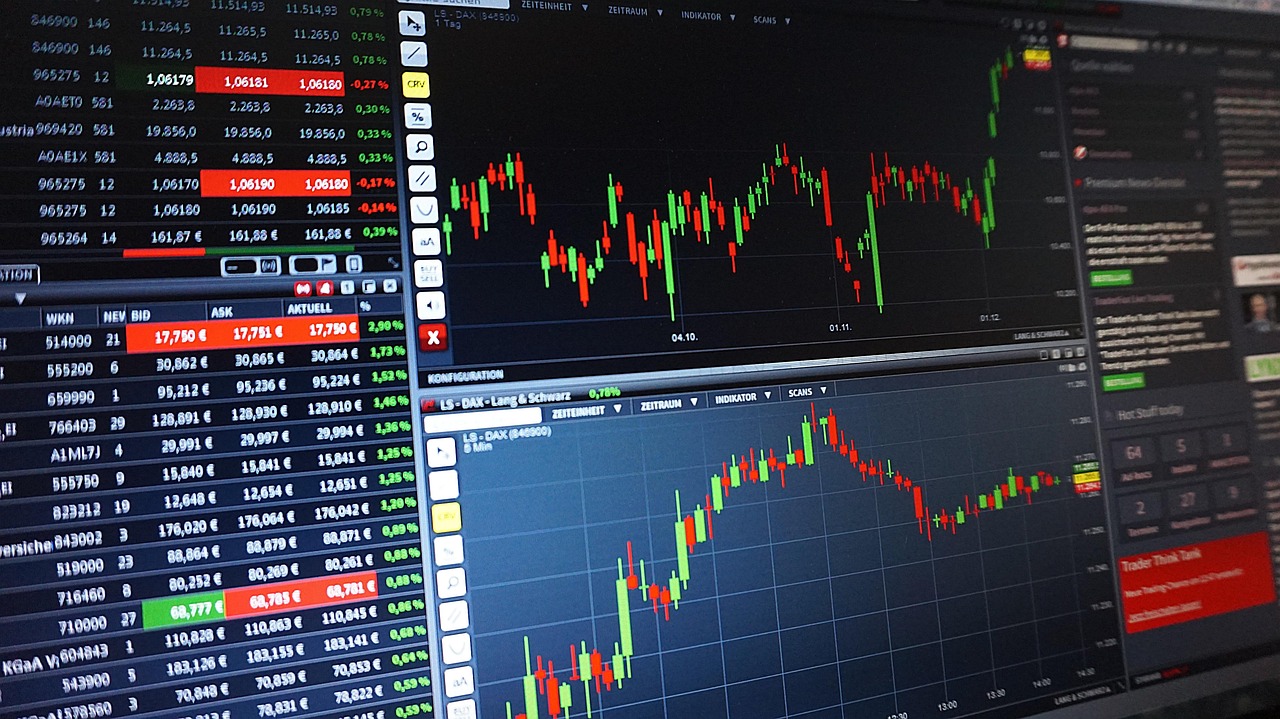
Another important criterion is the balance between strategy, risk management and psychology. A course that focuses solely on chart patterns without teaching position sizing or emotional discipline is incomplete. Conversely, a course that only talks about mindset without concrete entry and exit rules is impractical. The best beginner courses integrate all three: they explain a strategy in clear terms, demonstrate how to apply risk controls, and include exercises to build discipline. Look for courses that require students to journal their trades, review mistakes and adjust approaches—habits that separate long-term learners from impulsive traders.
Platforms that offer structured beginner trading education
Several platforms provide structured trading education suitable for newcomers, each with different strengths. Financial market education providers often partner with brokers to offer courses, webinars and simulated trading environments. These platforms typically cover equities, forex and futures, and emphasize fundamentals like candlestick patterns, trend lines and risk per trade. Some include access to paper trading accounts—simulated environments where beginners can practice without financial risk. This is valuable because it allows students to experience slippage, latency and emotional responses in a controlled setting.
Community-driven learning platforms are another option, where beginners can watch recorded lessons, attend live sessions and interact with instructors and peers. These platforms often include beginner tracks that start with market basics and gradually introduce strategy. They may also offer mentorship or Q&A sessions, which can help newcomers clarify doubts before risking real capital. However, community platforms vary in quality, so beginners should evaluate the instructor’s responsiveness, the quality of feedback, and whether the community encourages healthy skepticism or risky behavior.
Self-paced courses vs. live classes: which fits your lifestyle?
Self-paced courses offer flexibility for beginners with busy schedules or limited time. They allow learners to progress at their own speed, revisit lessons and pause exercises as needed. This format is ideal for those who prefer to absorb concepts gradually and avoid the pressure of real-time instruction. Many self-paced courses include quizzes, progress tracking and downloadable materials, which reinforce learning. However, self-paced learners must be self-motivated to complete exercises and avoid skipping to the “strategy” section without mastering the basics first.








Real results from MEFAI's AI. Get $50 off the Pro plan.
Sponsored · Past performance is not indicative of future results. Not financial advice.


Live classes, whether online or in-person, provide structure and immediate feedback. Instructors can adapt explanations based on student questions, and peer interaction can clarify misunderstandings in real time. Live formats are useful for beginners who benefit from repetition and direct guidance, especially when learning to interpret charts or apply risk rules. The downside is scheduling constraints and the potential for information overload during fast-paced sessions. Beginners should choose live classes only if they can commit to attending sessions regularly and practicing between classes.
Simulated trading: why paper trading is essential for beginners
Paper trading—practicing with virtual money in real market conditions—is one of the most undervalued tools in beginner education. It allows newcomers to test strategies, refine entry and exit rules, and experience the emotional impact of wins and losses without financial consequences. Many courses bundle paper trading access with their lessons, but beginners should confirm that the simulation reflects real market behavior, including slippage and order execution delays. Some platforms simulate perfect fills, which can create unrealistic expectations; a realistic paper trading environment helps bridge the gap between theory and practice.
Using paper trading effectively requires discipline. Beginners should treat simulated trades with the same risk rules they would apply to real money—same position sizes relative to account balance, same stop-loss placement, same journaling habits. This builds consistency and helps identify whether a strategy is profitable under realistic conditions. Beginners should also use paper trading to practice position sizing and correlation awareness (how different assets move together), skills that are critical when scaling up to real capital. Without this practice, many beginners jump into live trading prematurely and repeat the same mistakes with real money.
Red flags and common beginner mistakes to avoid
One of the most common mistakes beginners make is enrolling in courses that promise unrealistic returns or use high-pressure sales tactics. Be wary of courses that guarantee profits, claim to “crack the code” of the market, or push students to deposit money with specific brokers for commissions. Another red flag is a lack of emphasis on risk management—courses that focus only on entry signals without teaching stop-loss placement or position sizing are setting students up for failure. Beginners should also avoid courses that encourage overtrading or using excessive leverage, as these behaviors amplify losses and erode learning.

Another frequent pitfall is treating trading like gambling. Beginners who chase “hot tips,” trade based on emotions, or abandon strategies after a few losses often burn out quickly. A good course should instill a mindset of measured experimentation: treat each trade as a data point, review performance regularly, and adjust methods based on evidence rather than hope. Beginners should also avoid courses that conflate trading with investing, especially those that recommend holding leveraged products long-term. The skills and risk profiles for short-term trading and long-term investing are fundamentally different, and mixing them can lead to confusion and poor decisions.
How to build a learning plan that leads to real-world readiness
A durable learning plan for beginners should span at least three to six months and include four phases: foundation, strategy, practice and review. In the foundation phase, focus on market terminology, chart reading and basic order types—materials typically found in beginner courses from financial education providers. The strategy phase involves selecting one simple method (such as breakout trading or mean reversion) and learning its rules in detail. During the practice phase, use paper trading to execute the strategy consistently, journaling each trade to identify patterns in performance. The review phase involves analyzing the journal, refining rules and deciding whether to continue with the same strategy or pivot based on results.
Throughout this plan, beginners should supplement course material with free resources like market analysis videos, economic calendars and trading glossaries. These tools help build context and keep learners connected to real market events. Beginners should also set measurable milestones, such as “complete 50 paper trades with a win rate above 50% and average risk-reward of 1:2,” rather than vague goals like “learn trading.” Finally, beginners should plan a transition to small real trades only after demonstrating consistent profitability in simulation and maintaining emotional control during drawdowns.
Final verdict: choosing the right path for your goals
For most beginners, the safest and most effective route is to start with a reputable beginner course from a financial education provider that includes paper trading and risk management training. These courses offer structured progression, clear definitions and realistic expectations—qualities missing from many “get rich quick” programs. Community platforms can supplement learning but should be evaluated carefully to avoid echo chambers that encourage risky behavior. Live classes are useful for those who learn best with direct feedback, while self-paced courses suit independent learners with tight schedules.
Regardless of the format, the most important selection criterion is whether the course teaches students to think critically, manage risk and measure progress—not whether it promises profits. Beginners should avoid any program that pressures them to deposit real money early or relies on hype over substance. With a disciplined learning plan, realistic expectations and consistent practice, beginners can build a foundation that prepares them for real-world trading without exposing themselves to unnecessary risk. The goal isn’t to become a trader overnight, but to develop the skills and mindset to trade responsibly over time.
More in Learning & Courses

What the FISA Section 702 Expiration Really Means for Surveillance and Your Data
Section 702 of FISA expires tonight, but ongoing certifications mean surveillance continues until March 2027—here’s what actually changes and why privacy advocates warn against rushing reauthorization

Free vs Paid Crypto Courses: What’s Actually Worth Paying For
Compare top free and paid crypto courses to decide when to pay for structured learning, hands-on practice, and certification versus relying on free resources.

Best Crypto Courses for Beginners: Where to Start in 2024
Learn what to look for in a crypto course and compare beginner-friendly options from Coinbase, Binance, Udemy, Coursera and more.