Trading Courses Buyer's Guide (2026): How to Choose the Right Education
By Mag-Info Tech editorial · 2026-06-07

The promise of trading for a living, or even generating significant supplemental income, draws countless individuals to the markets each year. However, the journey from novice to competent trader is fraught with complexity, and the education landscape is a crowded, often misleading, marketplace. A quality trading course can provide a structured path, distilling years of experience into actionable strategy, risk management principles, and analytical skills. But a poor choice can lead to wasted money, shattered confidence, and the adoption of flawed methodologies. This definitive guide cuts through the noise to examine the leading educational models and platforms, offering a framework to select the program that aligns with your specific goals, budget, and learning style for long-term market engagement.
Understanding the Landscape: What "Trading Course" Really Means
The term "trading course" encompasses a vast spectrum of offerings, from a single pre-recorded video series to a multi-year mentorship with live trading rooms. The first critical step is to understand this taxonomy. The most common formats include self-paced online modules, which provide flexibility but lack real-time interaction; live webinar-based classes, which offer scheduled instruction and Q&A; and comprehensive mentorship programs, which often include live trading rooms, ongoing community support, and personalized feedback. Each format serves a different need: self-paced is ideal for those with irregular schedules or who prefer to digest information slowly, while live models are better for traders who thrive on structure and real-time market application.
Beyond format, the core focus of the curriculum is paramount. Some platforms specialize exclusively in day trading equities, while others cover swing trading, options, futures, or forex. Many advertise "comprehensive" education but are often strong in one area and superficial in others. A course's true value is determined by the depth of its instruction on the three pillars of sustainable trading: a clearly defined strategy (the "what"), rigorous risk and money management (the "how much"), and psychological discipline (the "why"). The best courses treat these as interconnected, not separate chapters. Before evaluating any provider, you must define your own goals: Are you seeking a new career, a side income stream, or a better understanding to manage your own portfolio? Your answer will dramatically narrow the field.
Key Evaluation Criteria: Beyond the Sales Pitch
When assessing a trading course, look far beyond flashy testimonials and promises of "financial freedom." The first pillar of evaluation is instructor credibility and transparency. A reputable educator should have a verifiable track record, not just in teaching, but in actual trading. Look for instructors who are transparent about their own strategies, including their typical win rates, risk-to-reward ratios, and how they perform in different market conditions. Beware of those who only show winning trades. A true mark of integrity is discussing losses and how they fit within a disciplined framework. The instructor's trading style should also be clearly explained and match your personality—are they a rapid-fire scalper or a patient position trader?

The second pillar is the curriculum's focus on process over outcome. Many low-quality courses sell a "secret system" guaranteed to make you rich. This is a major red flag. High-quality education emphasizes that trading is a probability game, not a certainty game. The syllabus should devote significant time to trade planning, journaling, position sizing, and emotional control. It should teach you how to think about the markets, not just what to think. Look for courses that include practical exercises, case studies of both winning and losing periods, and clear modules on developing a personal trading plan. The third pillar is community and ongoing support. Trading can be isolating. Access to a moderated community of fellow students (not just a promotional chat group) and the ability to ask questions of mentors after the core course ends is invaluable for maintaining discipline and navigating the inevitable challenges.
Breakdown of Leading Educational Platforms
The market includes a mix of specialized academies, broad educational services, and independent mentorship programs. Each has distinct strengths and target audiences.
Warrior Trading is a prominent name, particularly known for its focus on day trading U.S. equities. Its model is built around a comprehensive, multi-tiered system that includes a foundational course, a real-time chat room where instructors live-trade, and an extensive video library. Its primary strength is the immersive, "over-the-shoulder" experience for active day traders. The curriculum is practical and deeply rooted in the specific patterns and tools used in its trading room. However, this very specificity is also its limitation. It is best suited for aspiring day traders who are committed to a full-time, active engagement with the U.S. stock market and are comfortable with a subscription-based model for ongoing access. Those interested in longer-term strategies or other asset classes would be better served elsewhere.
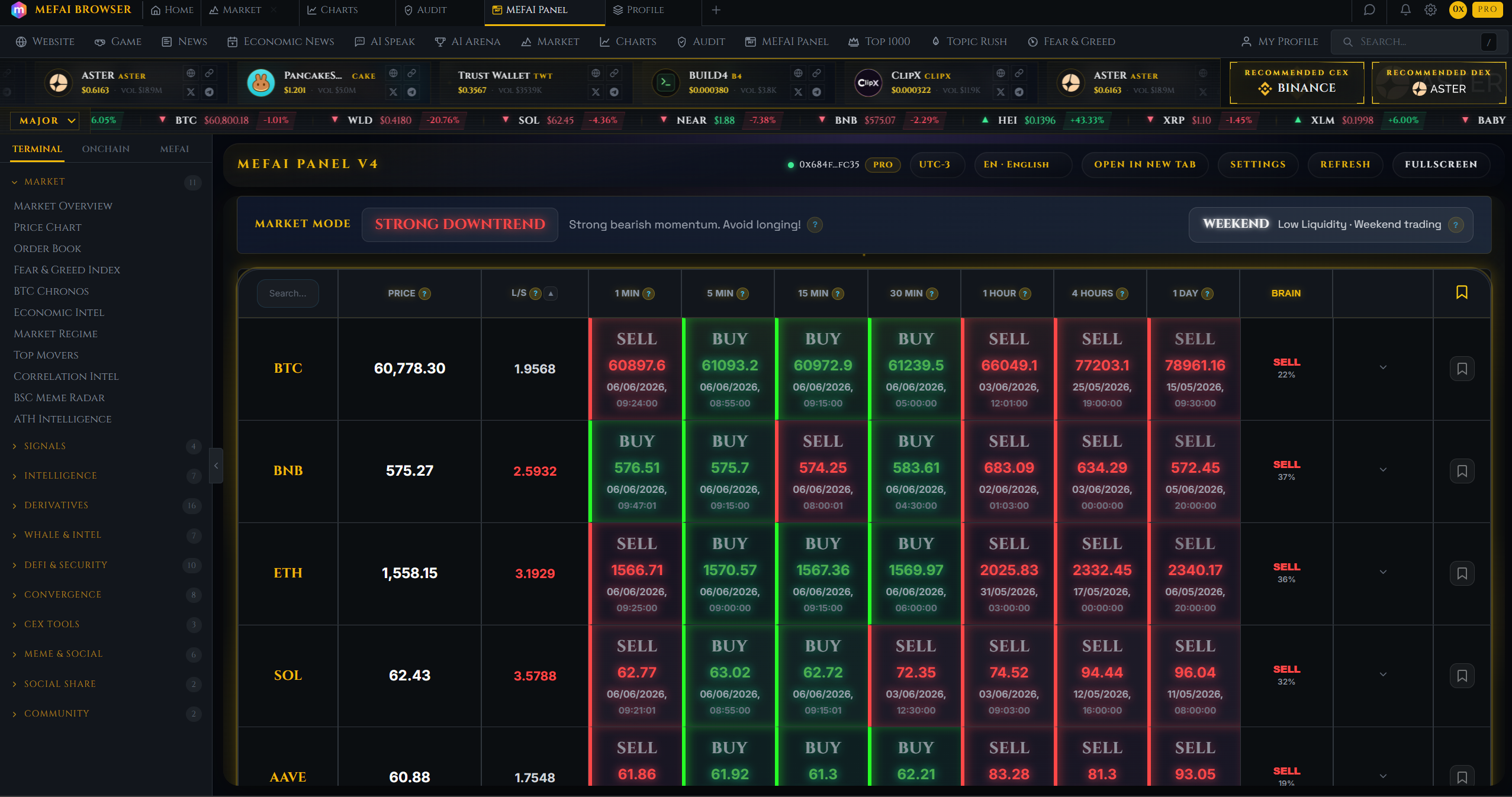
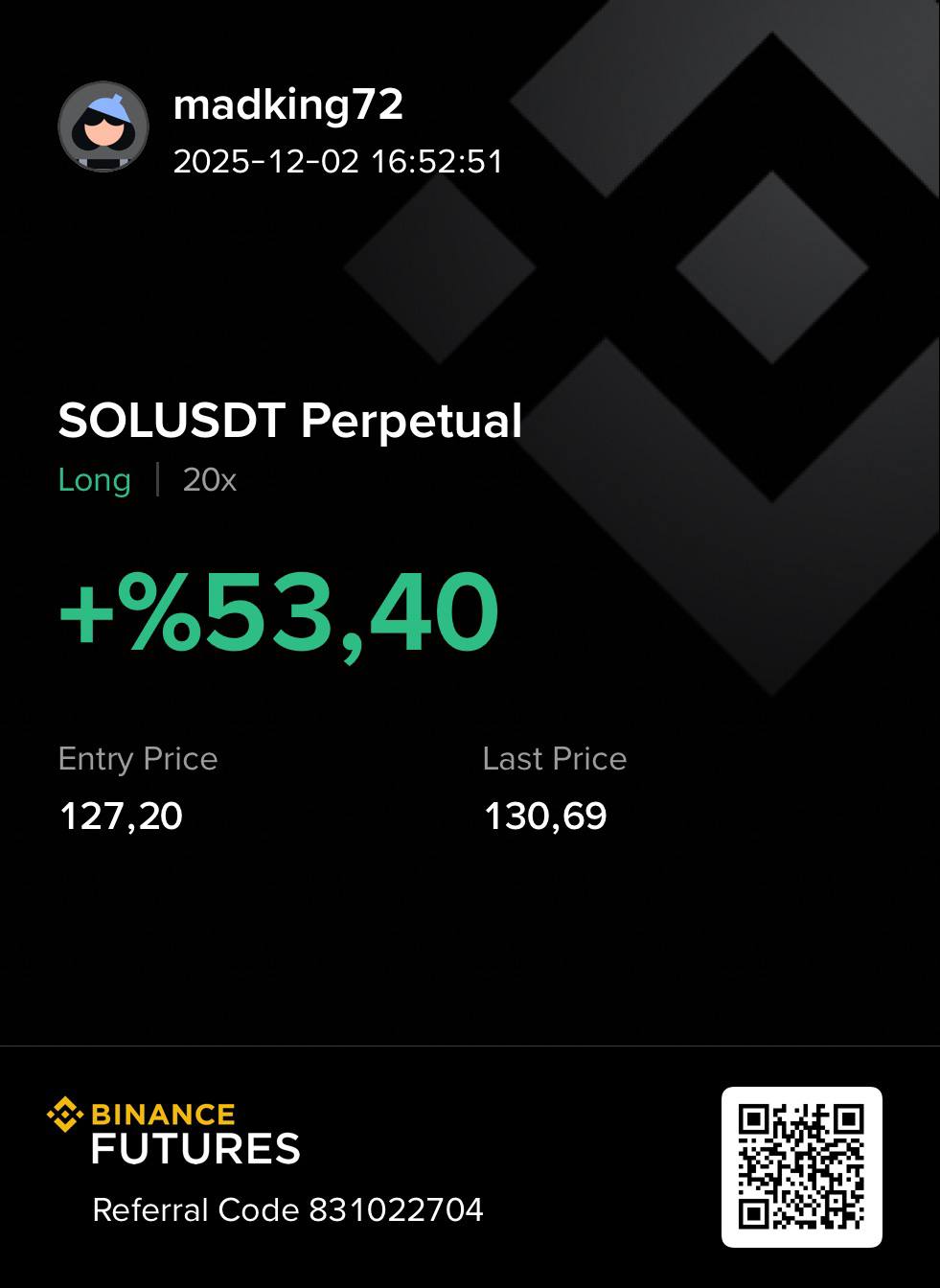
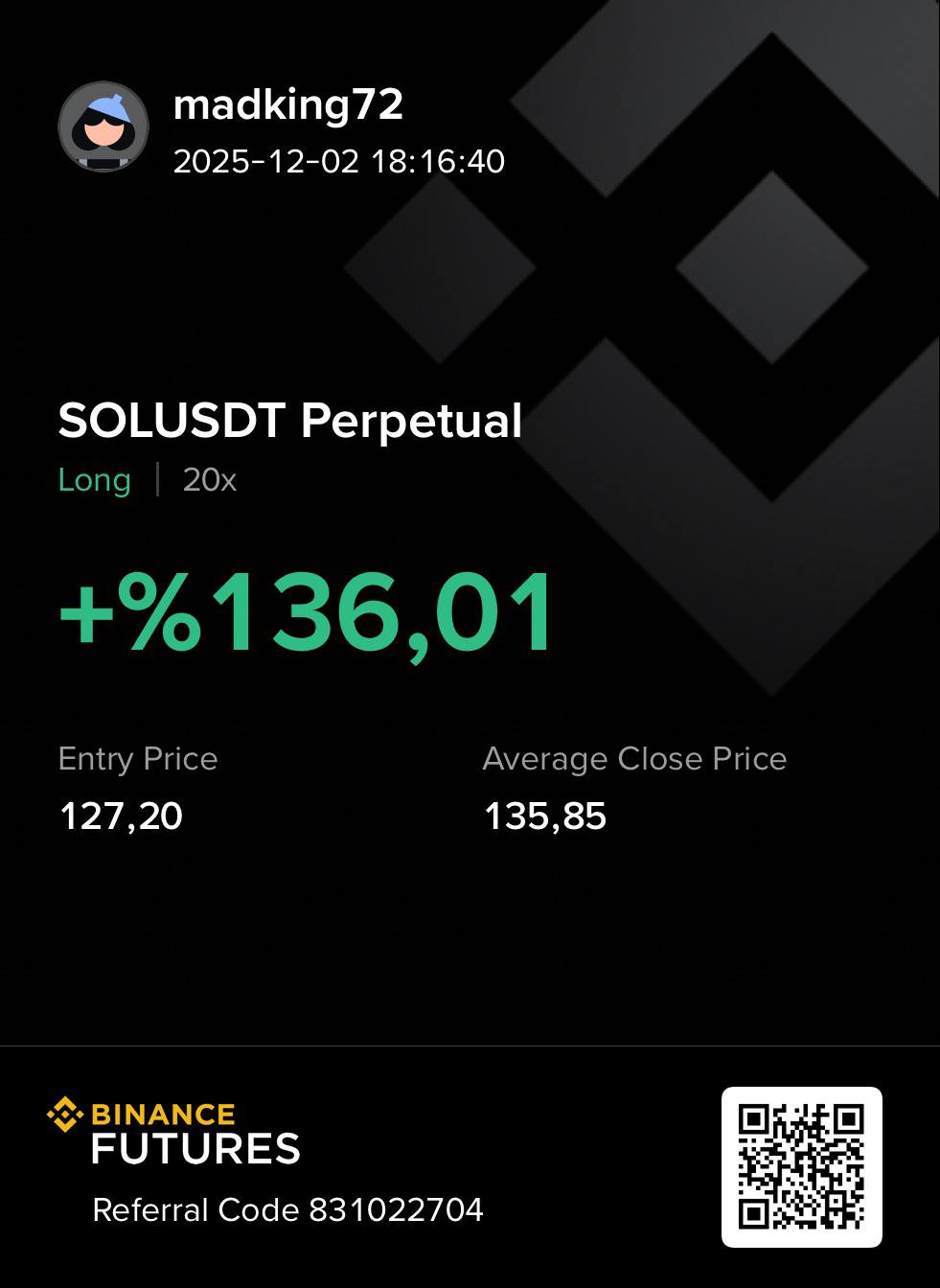
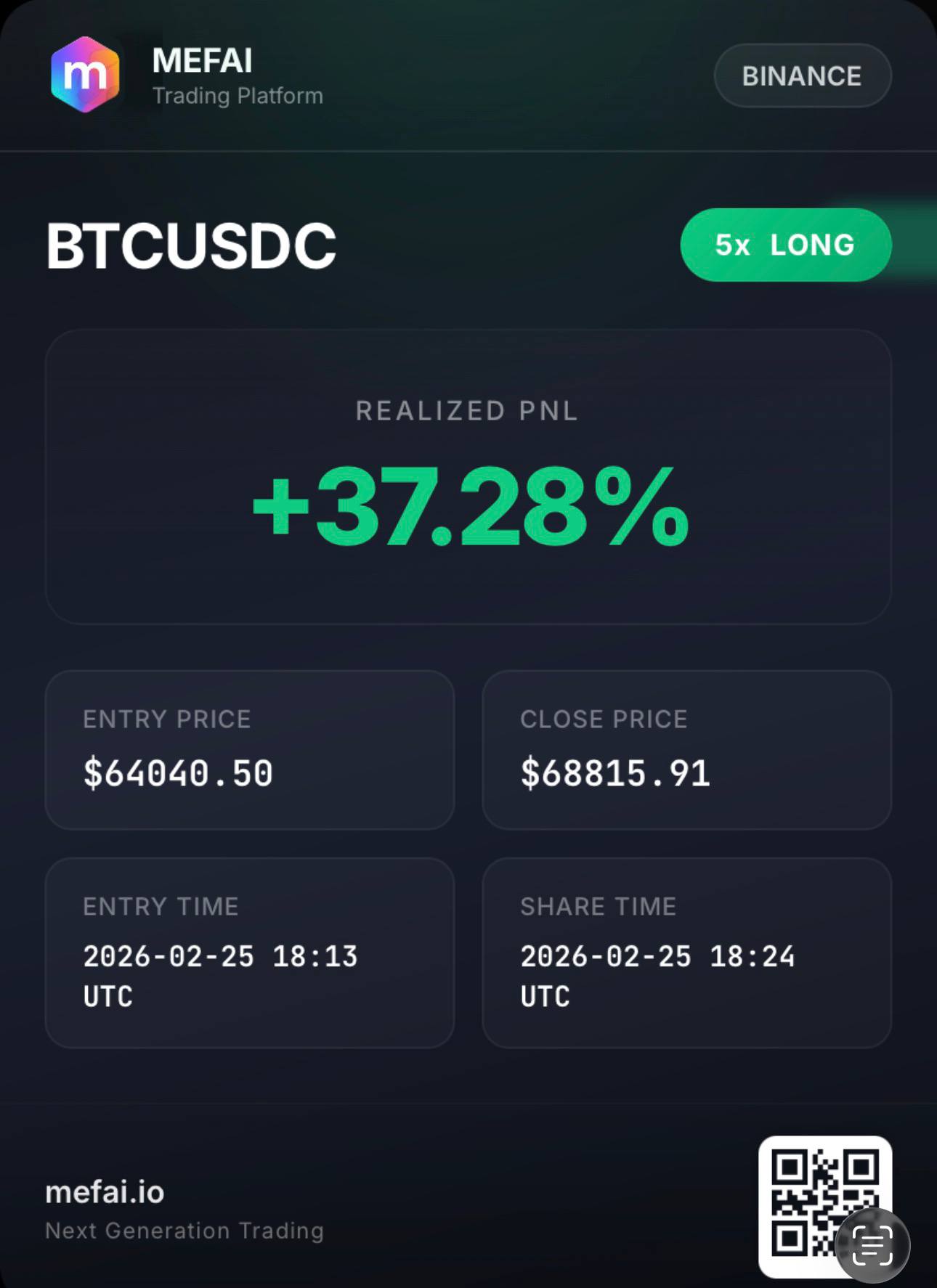
Real results from MEFAI's AI. Get $50 off the Pro plan.
Sponsored · Past performance is not indicative of future results. Not financial advice.


Bear Bull Traders operates on a similar live-trading room and education model but differentiates itself through a strong emphasis on psychological coaching and a structured "path" for progression from beginner to advanced. They offer a free trial for their chat room, which is a transparent way to assess the live environment before committing. Their course content is often praised for being well-organized and accessible. Like Warrior Trading, this platform is optimized for the active day trader. It is an excellent option for individuals who identify that their biggest hurdle is trading psychology and who want a clear, step-by-step curriculum to build competence. The community focus can be a powerful support system.
Investopedia Academy represents a different tier, offering a vast library of shorter, more affordable courses on specific topics—from technical analysis to cryptocurrency trading basics. This is not deep, multi-month mentorship; instead, it is a platform for building foundational knowledge or supplementing existing skills. The courses are self-paced, professionally produced, and taught by a variety of experts. Its greatest strength is accessibility and breadth. It is ideal for the absolute beginner wanting to learn terminology and core concepts, or the intermediate trader looking to fill a specific knowledge gap (e.g., learning options strategies) without a major financial or time commitment. It is less suited for someone seeking a complete, end-to-day trading career transformation.
Mind Math Money and similar independent educators often focus on specific niches, such as algorithmic trading, futures, or options. The quality here is heavily dependent on the individual educator. The advantage is often a very deep dive into a particular market or strategy. The risk is a lack of structure or a narrow scope. These are best for traders who have already grasped the fundamentals and are seeking to specialize. Due diligence is critical: scrutinize the educator's transparency, look for verified performance (if claims are made), and ideally, find independent reviews or community feedback.
Common Mistakes to Avoid When Choosing a Course
The allure of quick profits leads many into costly errors when selecting education. The most significant mistake is falling for the "get rich quick" marketing that plagues the industry. Any course that guarantees specific returns or implies trading is easy is misleading you. Sustainable trading is a skill, like flying a plane, that requires extensive training, practice, and respect for risk. Another frequent error is choosing a course based solely on an instructor's perceived lifestyle—luxury cars and exotic locales—rather than their teaching substance and verifiable track record.

A practical but critical mistake is ignoring the total cost of ownership. The course fee is often just the beginning. A day trading strategy, for instance, requires sufficient capital to meet pattern day trading rules (in the U.S.) and generate meaningful returns. Some courses are tied to expensive monthly subscriptions for chat rooms or tools. Always ask: "Beyond the initial price, what are the ongoing costs to implement what I'm learning?" Furthermore, many learners make the mistake of consuming passively. A course is not a movie; it is a training program. The value comes from active engagement: doing the homework, paper trading the strategies, journaling every decision, and seeking to understand the why behind every rule. Choosing a course that facilitates this active learning is key.
Who Each Major Option Suits Best: A Quick Verdict
To synthesize, your personal profile should dictate your choice. If your goal is to become a full-time or intensive part-time day trader of stocks and you learn best in a live, communal environment, a platform like Warrior Trading or Bear Bull Traders is a strong starting point. Your decision between them may come down to which instructor's style resonates and whether you value the additional psychological coaching focus.
If you are at the very beginning of your journey, or if you are an intermediate trader looking to build a specific skill set in a structured, affordable way, Investopedia Academy is an excellent and low-risk entry point. It allows you to build knowledge without a major upfront investment. For the experienced trader who has mastered the basics and now seeks to specialize in a complex area like algorithmic development or advanced options, a niche independent educator like Mind Math Money may provide the depth required, provided you conduct thorough due diligence on the instructor.
Ultimately, the best trading course is the one that aligns with your realistic goals, matches your learning style, and places unwavering emphasis on risk management and psychological discipline. It is an investment in a lifelong skill, not a purchase of a financial secret. Approach it with the same due diligence you would apply to a significant financial decision—because that is exactly what it is. The right education won't just teach you to trade; it will teach you how to think like a professional risk manager, which is the true foundation of any long-term success in the markets.
More in Learning & Courses

Best Crypto Courses: Your Definitive 2026 Buying Guide to Learning Blockchain & Trading
A comprehensive guide to the best crypto courses in 2026, comparing top platforms for learning blockchain, trading, and development, with expert advice on choosing the right fit.

Best AI Courses in 2026: A Buyer's Guide to Learning Machine Learning and Prompting
Navigate the crowded landscape of AI education with this 2026 buyer's guide, comparing top platforms from Coursera to Udacity, and detailing how to choose the right course for your career goals and sk

The Definitive 2026 Buyer's Guide to Choosing a Coding Bootcamp
Navigate the crowded coding bootcamp market in 2026. We compare leading options from online immersive programs to flexible part-time platforms, helping you choose the right path based on learning styl