Best AI Courses in 2026: A Buyer's Guide to Learning Machine Learning and Prompting
By Mag-Info Tech editorial · 2026-06-07

Introduction: Navigating the AI Learning Boom
The demand for AI literacy has moved from niche to necessity. Whether you're a developer looking to specialize, a professional aiming to leverage AI tools, or a newcomer captivated by machine learning, the number of available courses can be paralyzing. This guide cuts through the marketing noise to provide a durable framework for selecting high-quality AI education in 2026 and beyond. We will move beyond simple recommendations to dissect what makes a course valuable, who it serves best, and the critical questions you must ask before committing your time and resources.
The landscape has evolved significantly. It's no longer just about prestigious university online degrees. Today, effective learning paths span comprehensive bootcamps, agile micro-learning platforms, and industry-driven certification programs from tech giants. The "best" course is a deeply personal choice, hinging on your prior knowledge, learning style, available time, and ultimate career objective. This guide will equip you with the analytical tools to match your needs to the right offering, ensuring your investment yields tangible skills and credentials.
The Landscape of Platforms: Coursera, Udacity, and the Contenders
Major platforms like Coursera and Udacity remain dominant forces, but their philosophies and offerings differ markedly. Coursera excels at partnerships with top universities, offering a breadth of options from introductory "AI for Everyone" specializations to rigorous, degree-eligible programs in data science and machine learning. Its strength lies in academic rigor and theoretical depth, making it ideal for those seeking foundational knowledge or a structured path toward a credential. The platform's model allows you to audit many courses for free before paying for certificates, which is excellent for exploration.
Udacity, with its "Nanodegree" programs, has carved a niche in project-based, industry-aligned training. These programs are typically more intensive and career-focused, culminating in portfolio-ready projects and often including career support services. They are particularly well-suited for career-switchers who need to prove practical, job-ready skills quickly. The curriculum is frequently updated in collaboration with companies like Google and AWS, ensuring relevance. While often more expensive than a single Coursera certificate, the cost reflects a more comprehensive, immersive package designed to bridge the gap between learning and employment.

Specialized Platforms: fast.ai, DeepLearning.AI, and Focused Intensity
For those seeking deep expertise, platforms like fast.ai and DeepLearning.AI offer highly specialized, opinionated paths. fast.ai, founded by Jeremy Howard, champions a top-down, code-first approach to deep learning. It’s renowned for its "Practical Deep Learning for Coders" course, which gets you training and deploying state-of-the-art models with minimal theoretical preamble. This approach is perfect for programmers who want to apply AI rapidly without wading through months of foundational math. The community is exceptionally strong, and the ethos prioritizes practical results, making it a favorite among ambitious practitioners.
DeepLearning.AI, created by AI pioneer Andrew Ng, offers a more balanced, modular approach. Its "Deep Learning Specialization" on Coursera is a canonical series that systematically builds understanding from neural networks to sequence models. Beyond this, they offer shorter courses on cutting-edge topics like generative AI and prompt engineering, often in partnership with industry leaders. This makes their catalog ideal for both beginners seeking a structured introduction and professionals needing to upskill in specific, modern domains like large language models (LLMs). Their courses strike an excellent balance between theory and implementation.
University-Led Programs and Microcredentials
The prestige of traditional academia has fully embraced the online world. Platforms like edX and FutureLearn host programs from institutions like MIT, Harvard, and the University of Toronto. These offerings often take the form of MicroMasters or professional certificate programs, which are more substantial than a single course but less time-consuming than a full degree. They provide the structured curriculum, peer interaction, and credential of a top-tier university, which can be a powerful signal to employers. The content is frequently research-led, offering insights directly from the cutting edge.
These programs are best suited for individuals who value academic credibility and a deep, conceptual understanding. They often require a significant time commitment and may involve more rigorous assessments. If your goal is to transition into a research-oriented role or to ground your career in a firm theoretical framework, these university-backed credentials are unparalleled. They also serve as excellent pathways for professionals in technical fields looking to formalize their knowledge with a recognized qualification from a world-class institution.
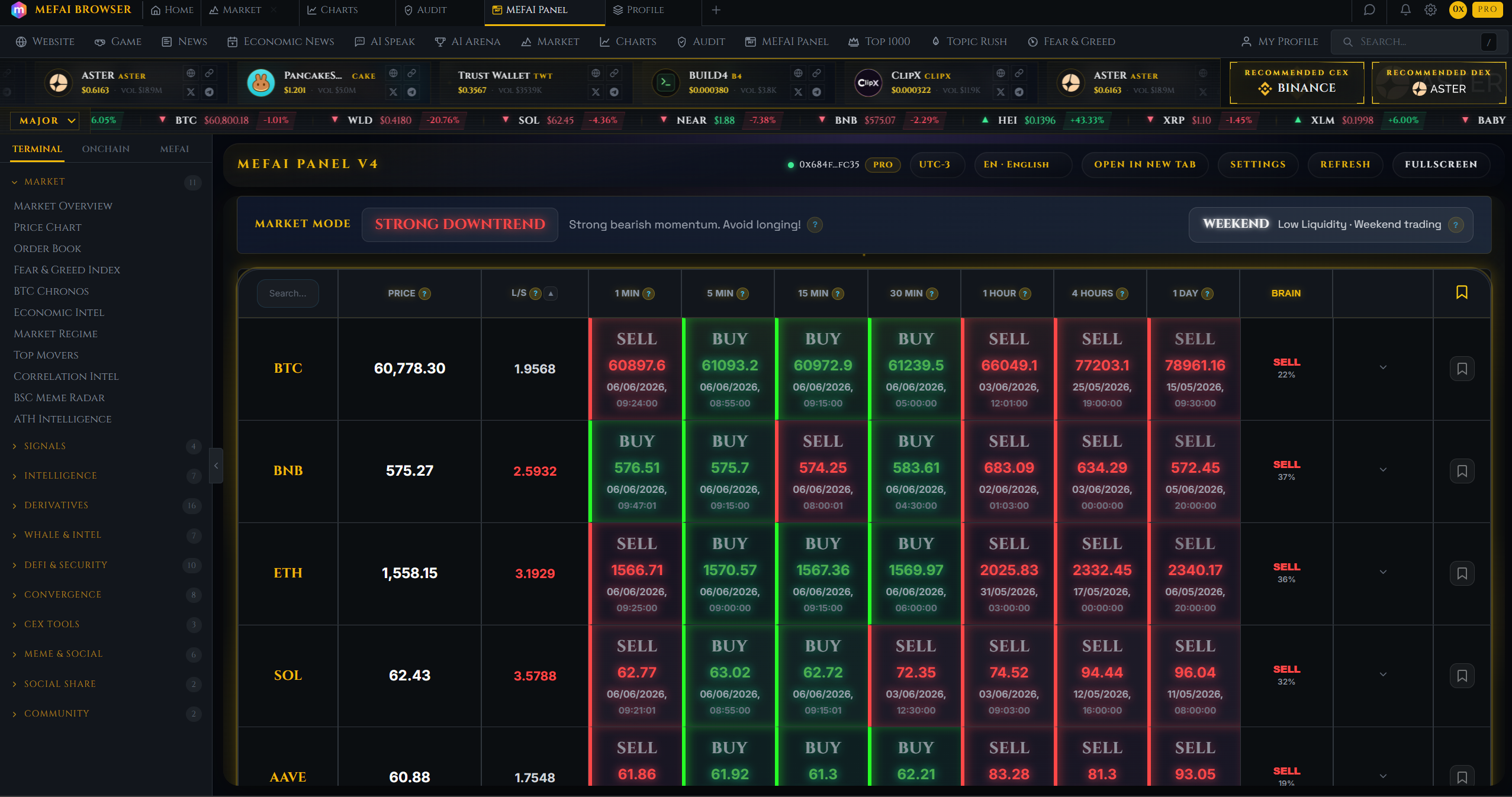
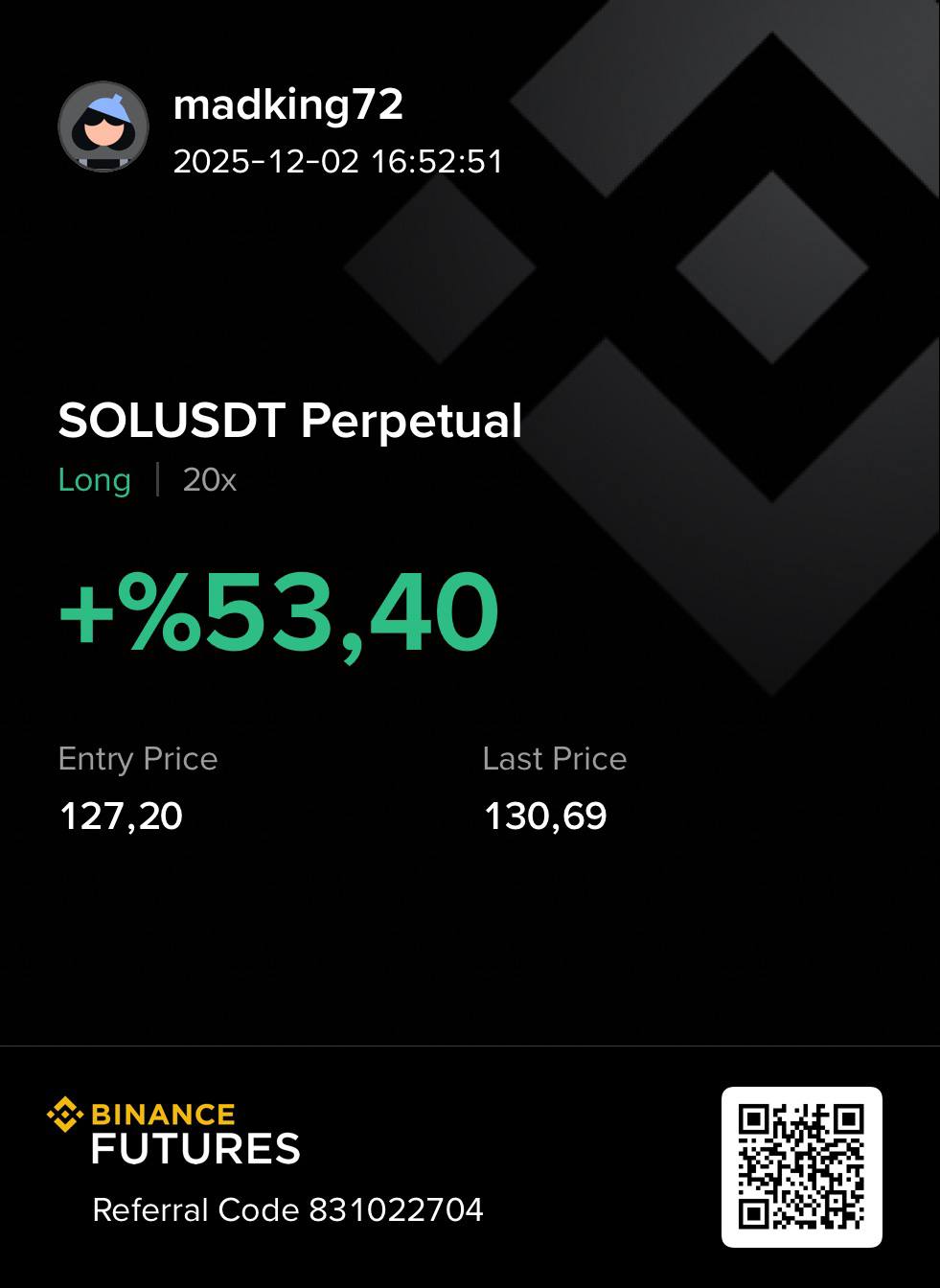
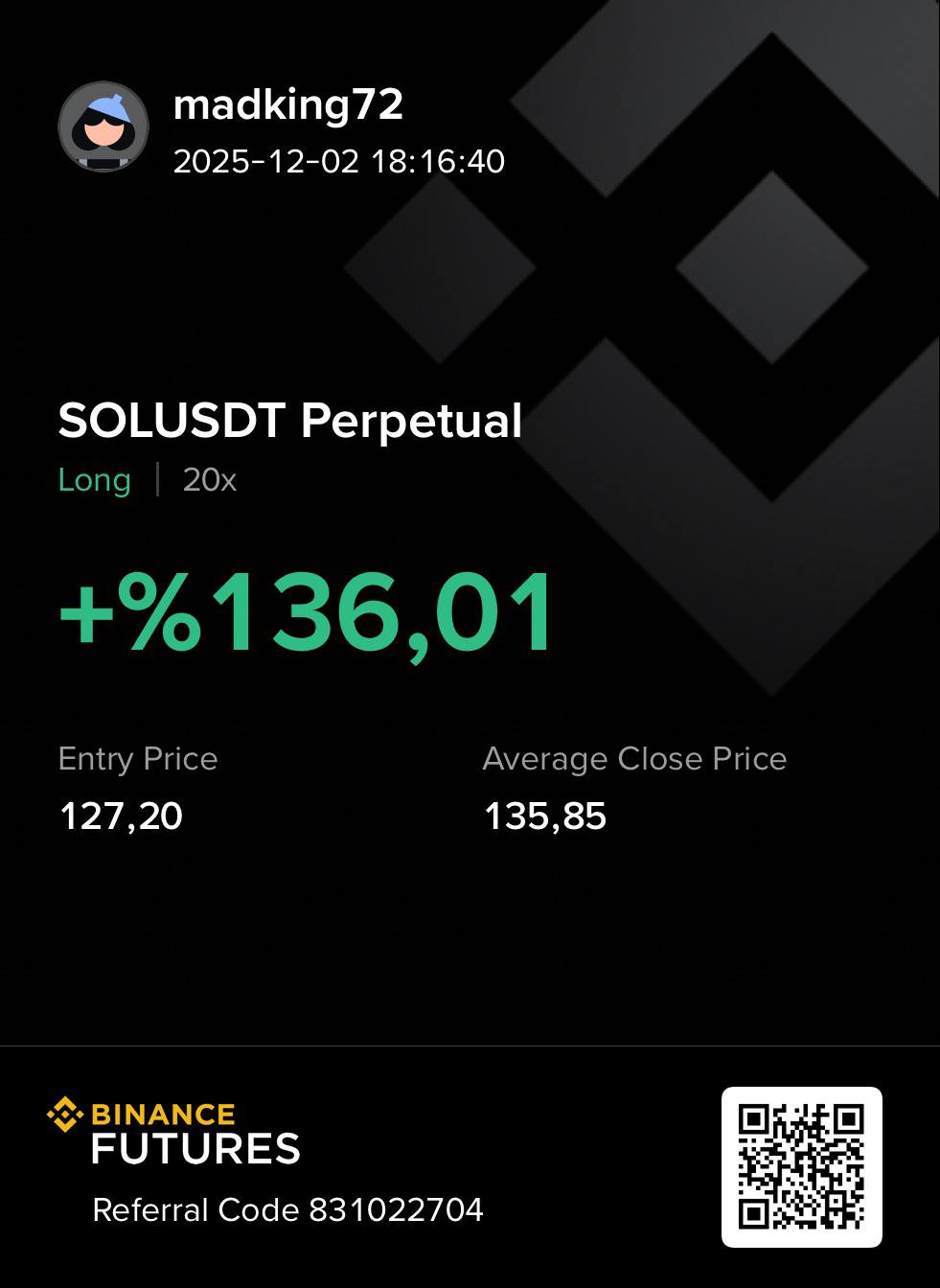
Real results from MEFAI's AI. Get $50 off the Pro plan.
Sponsored · Past performance is not indicative of future results. Not financial advice.

Critical Criteria: How to Evaluate Any AI Course
Before enrolling, scrutinize a course through several key lenses. First, instructor credibility and teaching clarity are paramount. Are the instructors practicing researchers or engineers from leading labs? Do their teaching styles match your learning preference—do they inspire or just inform? Look for sample lectures. Second, examine the curriculum's alignment and currency. Does the syllabus cover the tools and concepts dominating 2026, such as transformer architectures, MLOps, and prompt engineering? Outdated curricula focusing only on older models like basic CNNs are a red flag.
Third, the learning-by-doing component is non-negotiable for AI skills. Strong courses integrate hands-on labs, cloud-based notebooks, and real-world projects. The capstone or final project should be something you can add to a portfolio or GitHub. Fourth, assess the community and support. Learning AI can be isolating. Access to forums, Q&A sessions, study groups, or mentorship can make the difference between persevering and giving up. Finally, consider the credential's recognition. While skills matter most, a certificate from a reputable platform or institution provides external validation that can help your resume pass initial screenings.
Who Should Choose What? Matching Courses to Career Goals
Your career objective is the ultimate guide. For Career Changers: An immersive Nanodegree in AI Programming with Python or a Data Science career track on a platform like Udacity or Springboard provides the structured, portfolio-focused path needed to make a convincing leap. For Software Developers Looking to Add AI: A focused specialization in machine learning or deep learning on Coursera, or the practical courses from fast.ai, will efficiently integrate new capabilities into your existing toolkit.

For Business and Product Leaders: A course in AI for Everyone or Applied AI in Business from a provider like Coursera or edX will equip you with the vocabulary to make strategic decisions and manage AI teams effectively. For Aspiring Researchers or Academics: A university-led MicroMasters or a rigorous specialization from a provider like DeepLearning.AI will provide the deep theoretical foundation necessary for advanced work. For Prompt Engineers and AI Creatives: Short, focused courses on prompt engineering and generative AI application, now common on most platforms, are the most direct route to mastering these emerging roles.
Common Mistakes and Future-Proofing Your Choice
The most common error is choosing a course based solely on a famous instructor's name or the platform's brand, without verifying the curriculum's depth and relevance. Another mistake is over-investing in theory without hands-on practice, or vice versa—collecting a series of superficial project-based certificates without understanding core principles. A balanced course should build both your conceptual map and your practical ability. Avoid the "tutorial hell" trap where you endlessly consume courses without building independent projects; ensure your learning path includes a genuine capstone.
To future-proof your choice, prioritize learning fundamentals over fleeting tools. A course that teaches you the mathematics of optimization, the principles of model architecture, and the workflow of data engineering will serve you longer than one focused on a specific, now-obsolete library. Look for programs that teach you how to learn in this fast-moving field. Finally, be wary of any program that promises a career in AI with "no math" or "in 30 days." Legitimate AI competency is built on layered understanding and persistent practice, and the best courses respect that journey.
Conclusion: Your Path Forward
The best AI course is the one that aligns with your goals, matches your learning style, and empowers you to build. There is no single winner, only the right fit for your context. Use this guide to create a shortlist, take advantage of free trials and audits, and invest in the education that will not only teach you about AI but also transform how you solve problems. The journey into AI is challenging but immensely rewarding—choosing your starting point wisely is the first critical step.
More in Learning & Courses

Best Crypto Courses: Your Definitive 2026 Buying Guide to Learning Blockchain & Trading
A comprehensive guide to the best crypto courses in 2026, comparing top platforms for learning blockchain, trading, and development, with expert advice on choosing the right fit.

The Definitive 2026 Buyer's Guide to Choosing a Coding Bootcamp
Navigate the crowded coding bootcamp market in 2026. We compare leading options from online immersive programs to flexible part-time platforms, helping you choose the right path based on learning styl

Trading Courses Buyer's Guide (2026): How to Choose the Right Education
Our 2026 guide evaluates top trading education platforms by format, instructor quality, and cost to help you match your learning style and goals with the right course.