Crypto Courses Compared: Matching the Right Option to Your Needs
By Mag-Info Tech editorial · 2026-06-10

Why a Crypto Course Makes Sense Today
The crypto landscape moves fast and spans technology, markets and regulation. A structured course can cut through the noise by teaching core concepts—wallets, exchanges, smart contracts, consensus—and then layering in trading strategies, security practices and DeFi protocols. Without a roadmap, newcomers risk costly mistakes; even experienced users can miss nuanced risks or opportunities. A good course also provides updated content as markets and tools evolve, which is hard to replicate through scattered articles or social feeds. The key is matching the course to your current goal and learning style so you spend time on what matters most to you.
How to Choose: Six Practical Criteria
Before comparing specific courses, consider six durable criteria. First, learning format: video lectures suit visual learners, text-based courses work for readers, and interactive labs suit hands-on builders. Second, depth vs breadth: some courses give a 30,000-foot overview while others dive deep into Solidity, order-book mechanics or on-chain analytics. Third, prerequisites: beginner tracks assume zero crypto knowledge; advanced courses require comfort with programming or trading math. Fourth, updates: crypto changes fast, so look for courses updated at least quarterly. Fifth, community and support: office hours, Discord channels or graded assignments improve outcomes. Sixth, cost: free options exist, but paid courses often bundle mentoring, graded exercises or certificate value that employers recognize.
Best for Absolute Beginners: Coinbase Learn and Binance Academy
Coinbase Learn and Binance Academy are free, bite-sized introductions that fit newcomers who want to understand wallets, private keys and basic trading without heavy math. Coinbase Learn uses short videos and quizzes tied to its own platform, which lowers the activation barrier for first-time users. Binance Academy offers broader topics—from Byzantine fault tolerance to gas fees—with clean illustrations and multilingual support, making it useful for global audiences. Both platforms avoid hype and focus on practical safety, which is ideal for users who might otherwise skip foundational concepts. The main limitation is depth: they won’t teach you to build dApps or run a market-making bot. If your goal is simply to buy, store and send crypto securely, these are excellent starting points.
Best for Hands-On Builders: ConsenSys Academy and Ivan on Tech Academy
ConsenSys Academy targets developers who want to build on Ethereum. It offers guided labs where you deploy smart contracts, interact with MetaMask and read real transaction traces. The course assumes comfort with JavaScript and basic programming, so it’s not for absolute beginners. Ivan on Tech Academy provides a broader curriculum—from blockchain fundamentals to DeFi yield strategies—with project-based homework and a Discord community for peer review. Both platforms update content as Ethereum upgrades or new DeFi hacks emerge, which keeps the material current. The trade-off is time: these tracks can take weeks of focused effort. If you aim to ship code, audit protocols or launch a dApp, these hands-on programs deliver the most relevant skills.

Best for Traders and Analysts: CryptoCurrency Certification Consortium and Udemy Trading Courses
The CryptoCurrency Certification Consortium (C4) offers a vendor-neutral certification that covers trading mechanics, risk management and compliance. It’s text-heavy with practice exams, making it suitable for those who prefer reading and self-paced study. For active traders, Udemy hosts multiple courses focused on technical analysis, order types and exchange APIs; these are updated frequently by instructors who trade live markets. Neither program teaches you to predict prices, but both clarify how exchanges, liquidity and fees work under the hood. If you’re managing personal capital or advising others, a structured approach to risk and execution beats random YouTube tutorials. The downside is that markets change faster than course content, so you’ll still need to supplement with real-time data sources.
Best Budget Option: MIT OpenCourseWare Blockchain and freeCodeCamp YouTube Track
MIT OpenCourseWare’s “Blockchain and Money” is a free, university-level lecture series taught by a finance professor. It uses whiteboard derivations and research papers, which suits analytical learners comfortable with math. freeCodeCamp’s free YouTube track combines video lectures with coding exercises in Solidity and JavaScript, making it accessible without tuition. Both resources are evergreen because they teach timeless concepts rather than fleeting trading strategies. The trade-off is support: you won’t get graded exercises or direct mentorship. If your budget is tight or you prefer self-study, these options provide rigorous material without cost barriers.
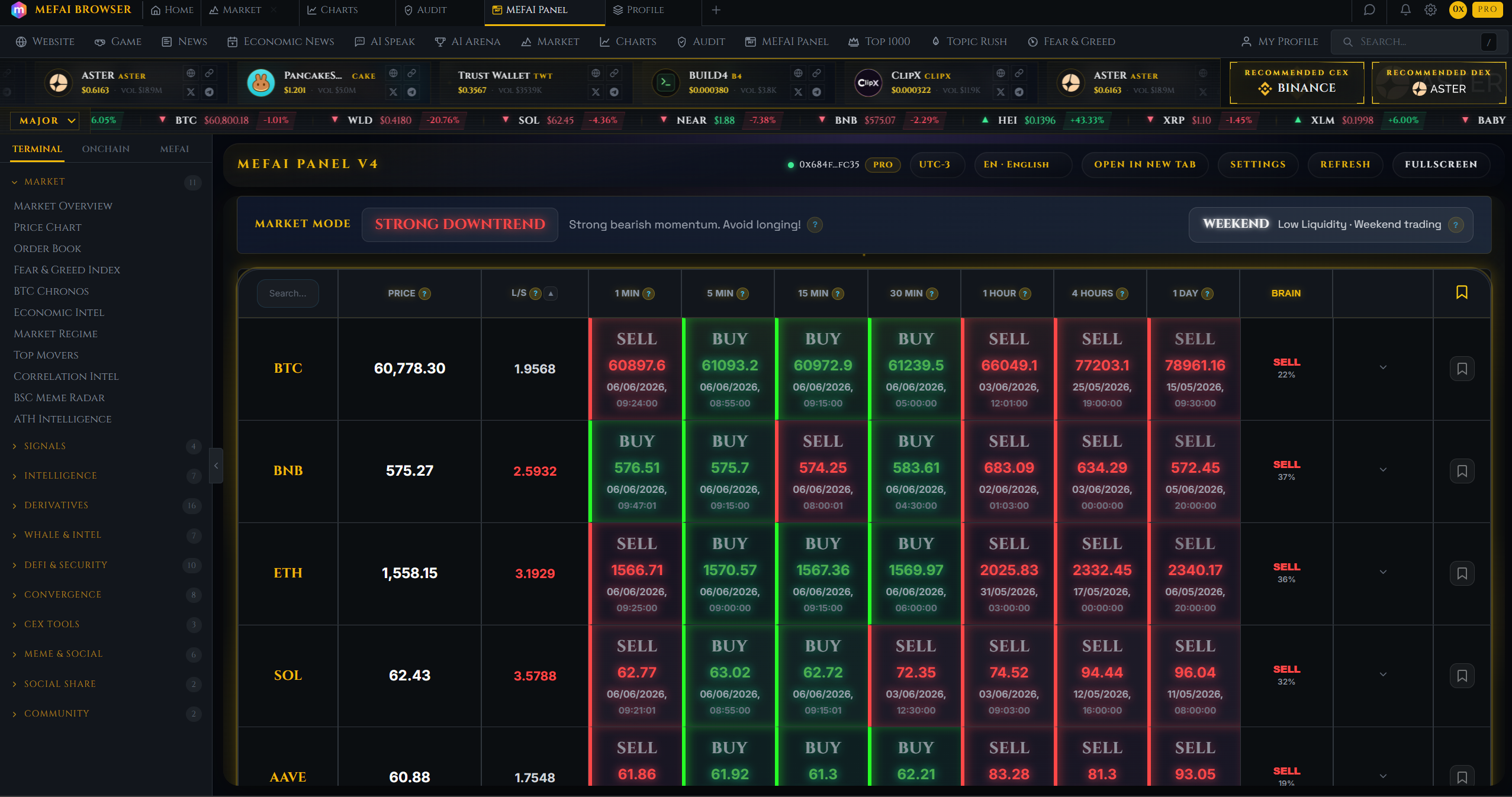
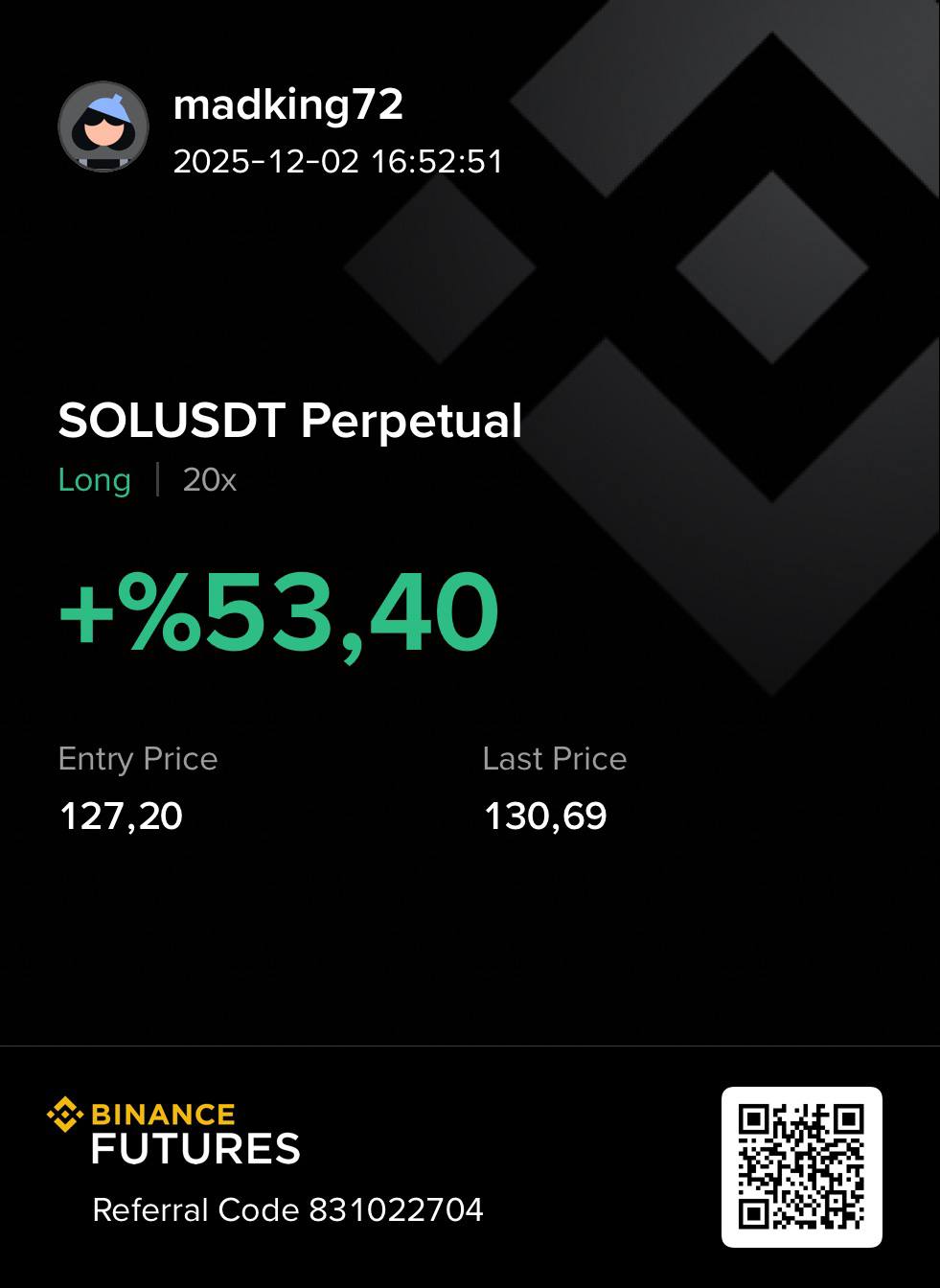
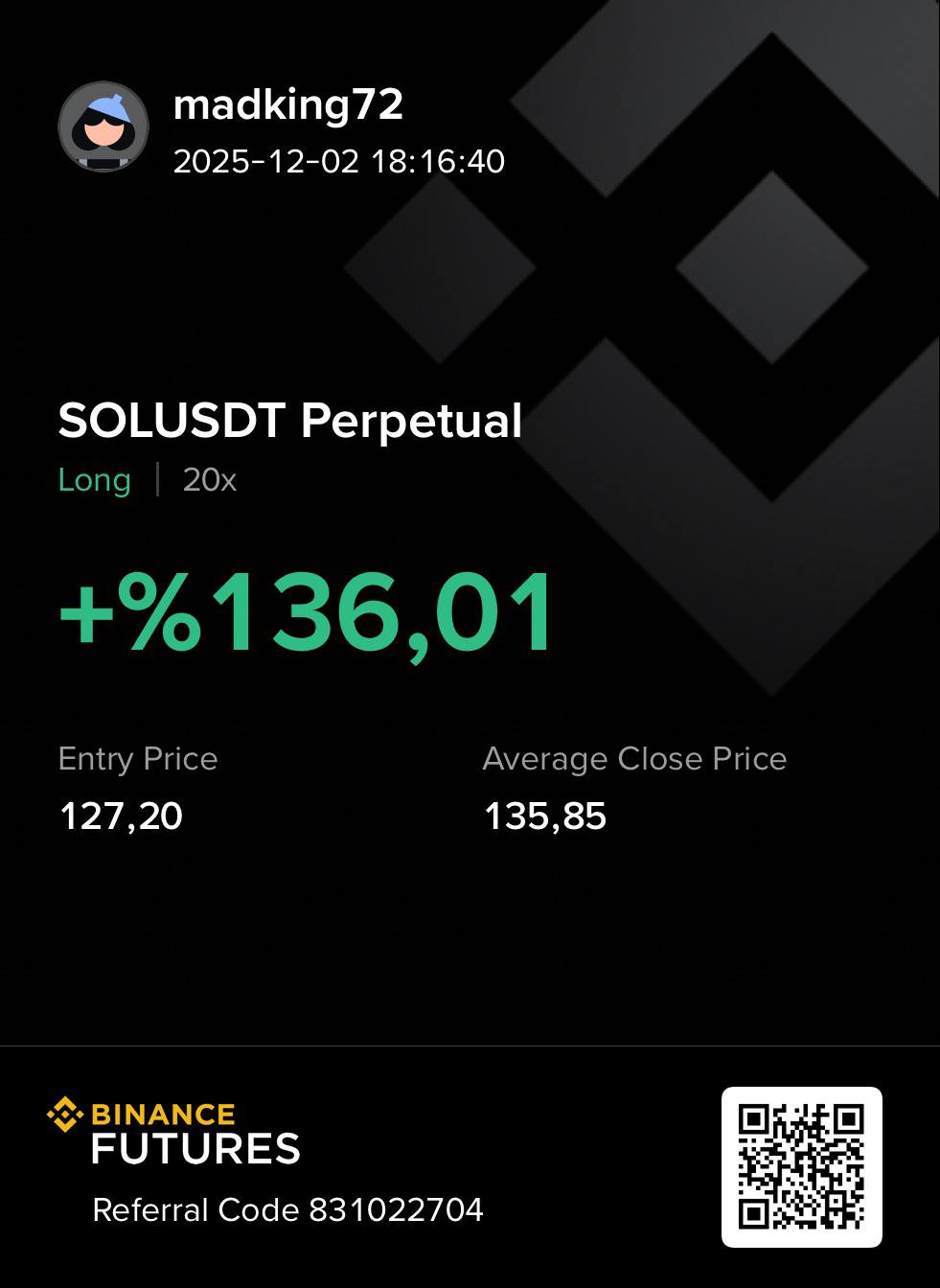
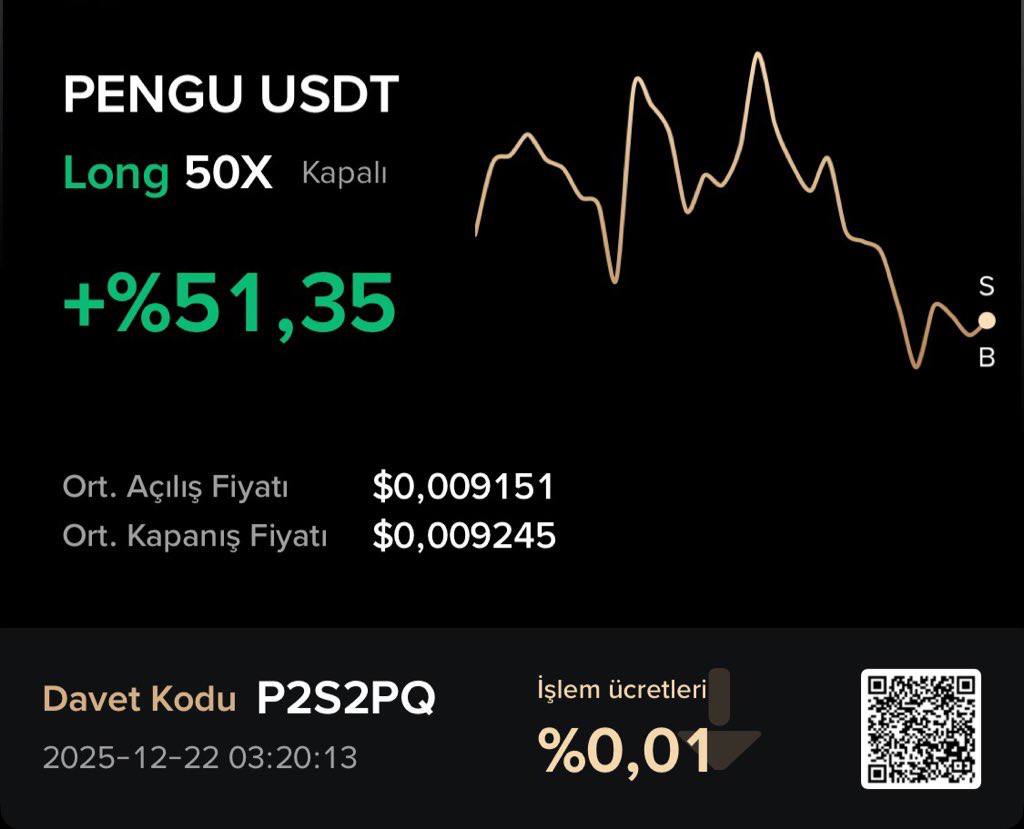
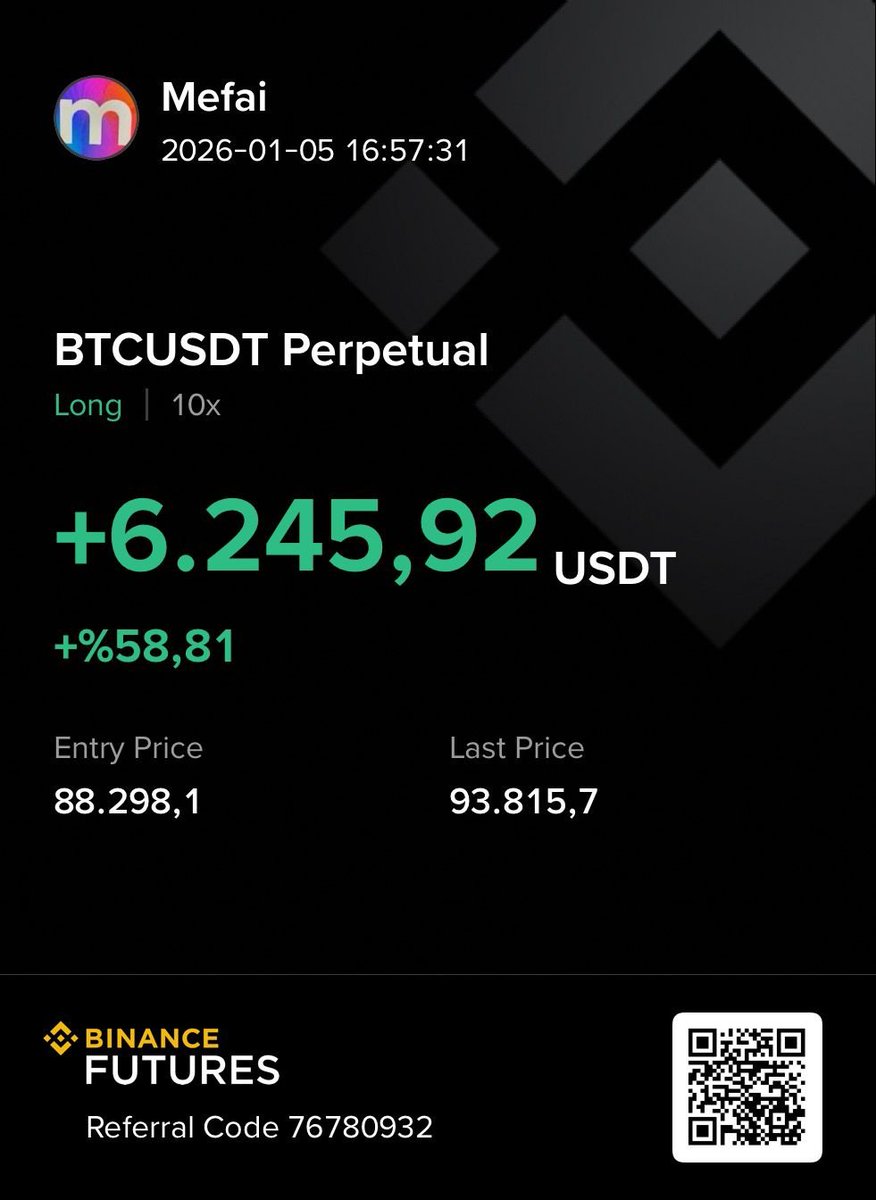
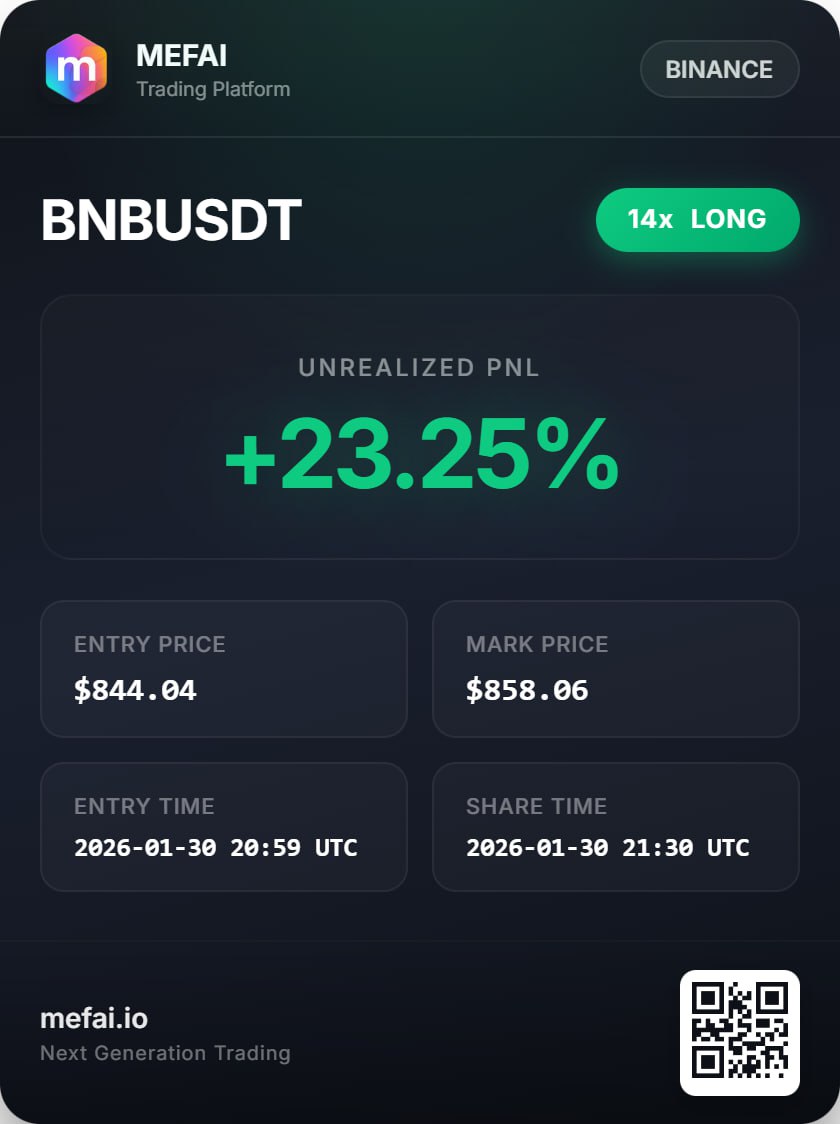
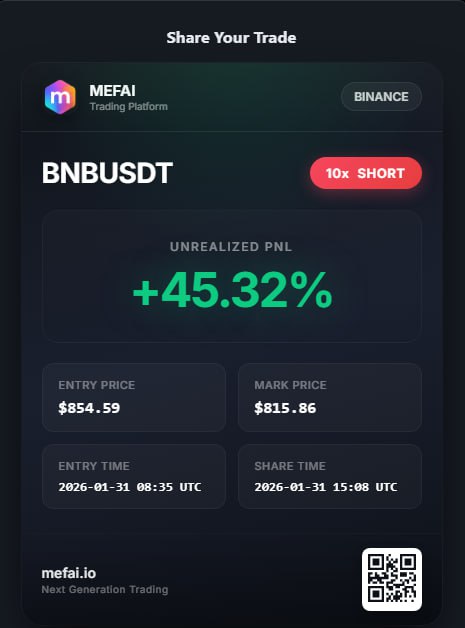
Real results from MEFAI's AI. Get $50 off the Pro plan.
Sponsored · Past performance is not indicative of future results. Not financial advice.

Best for Teams and Employers: Blockchain Council and Coursera Specializations
Blockchain Council offers corporate training packages with quizzes, certificates and admin dashboards for tracking team progress. Coursera specializations from institutions like Duke or University of California bundle multiple courses with peer-graded assignments and career resources. These platforms are designed for organizations that need consistent upskilling, compliance documentation or hiring pipelines. The cost scales with seats, which can be more economical than piecing together individual courses. The drawback is pace: team schedules may not align with strict deadlines, and generic curricula won’t cover proprietary protocols your company uses. If you’re responsible for training multiple people, these structured programs deliver efficiency and accountability.

Best for Security-Focused Learners: Trail of Bits CryptoHack and SlowMist Academy
Trail of Bits’ CryptoHack is a gamified platform where you solve cryptographic puzzles and audit real smart contracts in a sandbox. It’s ideal for security-minded developers who want to practice finding vulnerabilities before they reach production. SlowMist Academy offers in-depth courses on wallet security, phishing countermeasures and incident response, with case studies from major hacks. Both emphasize defensive thinking and up-to-date threat models. The limitation is scope: they won’t teach you to design consensus algorithms or optimize gas fees. If your priority is securing assets or auditing code, these targeted tracks provide the most relevant, hands-on drills.
How to Combine Courses for a Complete Path
Most learners benefit from stacking two or three courses rather than relying on a single program. A common sequence is: start with a free academy to grasp basics, then take a developer-focused course to build something concrete, and finally add a security or trading module to round out risk awareness. For example, a beginner could use Binance Academy for concepts, Ivan on Tech for hands-on coding, and a C4 module for risk management. The key is to set a clear goal—build, trade or audit—and choose complementary content. Avoid the trap of chasing every new course; instead, measure progress against your original objective.
Red Flags and Common Pitfalls
Watch for courses that promise unrealistic returns, use affiliate links aggressively or lack recent updates. Some “expert” courses recycle old content without covering new exploits or protocol changes, leaving gaps in safety knowledge. Others focus on hype rather than fundamentals, which can mislead beginners into risky behavior. Always preview the syllabus and recent reviews; if the instructor hasn’t traded or built in the last year, the material may be stale. Finally, be wary of courses that push you toward specific exchanges or tokens—this conflicts with educational neutrality.

Quick Decision Guide: Which Course Fits You?
- You’re new to crypto and want a free, safe start → Coinbase Learn or Binance Academy
- You’re a developer aiming to ship dApps → ConsenSys Academy or Ivan on Tech Academy
- You manage capital or advise traders → CryptoCurrency Certification Consortium or Udemy trading courses
- You learn best from university lectures on a budget → MIT OpenCourseWare or freeCodeCamp
- You need to train a team or meet compliance → Blockchain Council or Coursera
- You focus on security and auditing → Trail of Bits CryptoHack or SlowMist Academy
Next Steps: Validate and Iterate
After picking a course, set a small milestone—deploy a test contract, execute a limit order or audit a sample wallet—and measure your comfort. Revisit your choice every six months; if the platform hasn’t updated its security modules or trading sections, look for fresher material. Pair your learning with real tools: open testnet wallets, paper-trade on exchange sandboxes and read weekly security bulletins. The best course is the one you finish and apply, not the one with the flashiest sales page.
More in Learning & Courses

What the FISA Section 702 Expiration Really Means for Surveillance and Your Data
Section 702 of FISA expires tonight, but ongoing certifications mean surveillance continues until March 2027—here’s what actually changes and why privacy advocates warn against rushing reauthorization
Free vs Paid Crypto Courses: What’s Actually Worth Paying For
Compare top free and paid crypto courses to decide when to pay for structured learning, hands-on practice, and certification versus relying on free resources.
Best Crypto Courses for Beginners: Where to Start in 2024
Learn what to look for in a crypto course and compare beginner-friendly options from Coinbase, Binance, Udemy, Coursera and more.