How Coding Bootcamps Are Evolving in 2026: What Learners Need to Know
By Mag-Info Tech editorial · 2026-06-10

Why coding bootcamps are changing in 2026
Coding bootcamps are moving beyond the traditional 12-week, all-or-nothing model. In 2026, the most effective programs blend live instruction with on-demand AI tutors, micro-credentials tied to employer needs, and transparent job-placement data. The shift reflects a market where learners want faster upskilling without sacrificing depth, and employers want evidence that graduates can deliver production-ready code on day one.
What hasn’t changed is the core value proposition: a structured path from beginner to employable software developer. What has changed is the delivery model. Programs now emphasize modular curricula, portfolio-first assessments, and continuous feedback loops powered by AI. This evolution makes bootcamps more accessible to working professionals and career switchers while keeping outcomes front and center.
What to look for in a bootcamp today
A reliable bootcamp in 2026 should publish verified job-placement rates, average salary bands for graduates, and employer partnerships. Look for curricula that include system design, testing, deployment, and collaboration workflows—not just syntax and frameworks. Curricula should also incorporate soft skills like writing technical documentation and participating in code reviews, because employers increasingly value these abilities alongside coding chops.
Transparency around costs and financing options matters more than ever. Top programs offer income share agreements, employer sponsorships, or deferred tuition tied to job placement. Avoid programs that hide fees or make inflated claims about employment without third-party verification. A good rule of thumb: if the bootcamp won’t share concrete outcomes data, move on.
Top full-stack web development bootcamps compared
General Assembly remains a benchmark for full-stack programs, with cohorts in 2026 running 12 to 16 weeks. Its curriculum now includes a dedicated DevOps and cloud deployment module, reflecting industry demand for engineers who can ship end-to-end. Admissions are rolling, and the program offers a free prep course to level-set incoming students. Career coaching is built in, with weekly employer spotlights and mock interview sessions.
Flatiron School emphasizes project-based learning with a portfolio-first approach. In 2026, it added a “capstone sprint” where students build a production-grade application and deploy it on a cloud platform. Flatiron’s admissions process includes a technical interview to ensure students have the baseline skills to succeed. Outcomes are tracked by a third-party auditor, and the school offers a tuition refund if graduates don’t secure a qualifying job within six months.

Hack Reactor’s curriculum now integrates AI-assisted code review and automated testing pipelines. Students work in pairs on real-world sprints that mirror agile team workflows. The program length is flexible—12 weeks full-time or 24 weeks part-time—and includes a dedicated hiring prep track with live employer demos. Hack Reactor also partners with local tech hubs to facilitate networking events and job fairs.
Best for career switchers: immersive and hybrid programs
Springboard’s Software Engineering Career Track targets career switchers with a mentor-led, project-heavy curriculum. In 2026, Springboard added a “skills audit” tool that maps each student’s progress against hiring rubrics from top employers. Mentors now use AI to surface personalized feedback on code quality and style. The program includes a job guarantee backed by a third-party insurer, which reduces risk for learners.
App Academy continues to focus on outcomes, with a deferred tuition model that kicks in only after graduates land a qualifying job. The curriculum now includes a dedicated cybersecurity awareness module, reflecting employer demand for developers who understand secure coding practices. Admissions are highly selective, and the program offers a free prep bootcamp to help applicants prepare.
Best for working professionals: part-time and online options
Code Fellows maintains a strong reputation for part-time, evening, and weekend programs tailored to professionals. In 2026, Code Fellows expanded its ops and cloud tracks, allowing students to stack credentials across software development and infrastructure. The curriculum is modular, so learners can pause and resume without losing progress. Career support includes employer networking events and resume workshops designed for mid-career candidates.
The Odin Project remains a standout free alternative for self-starters, but in 2026 it added a paid mentorship tier with weekly live Q&A sessions and code reviews. This hybrid model gives learners the structure of a bootcamp without the upfront cost. The curriculum is project-driven and open-source, making it easy to verify the quality of learning materials. It’s ideal for those who want to build a portfolio before committing to a paid program.
Best for specialized tracks: data, cybersecurity, and DevOps
Flatiron School’s Data Science bootcamp now includes a machine learning engineering module, reflecting the convergence of data and software roles. Students work on end-to-end projects that span data pipelines, model deployment, and API design. Career coaching includes resume optimization for data roles and interview prep for technical screenings that test both coding and stats knowledge.
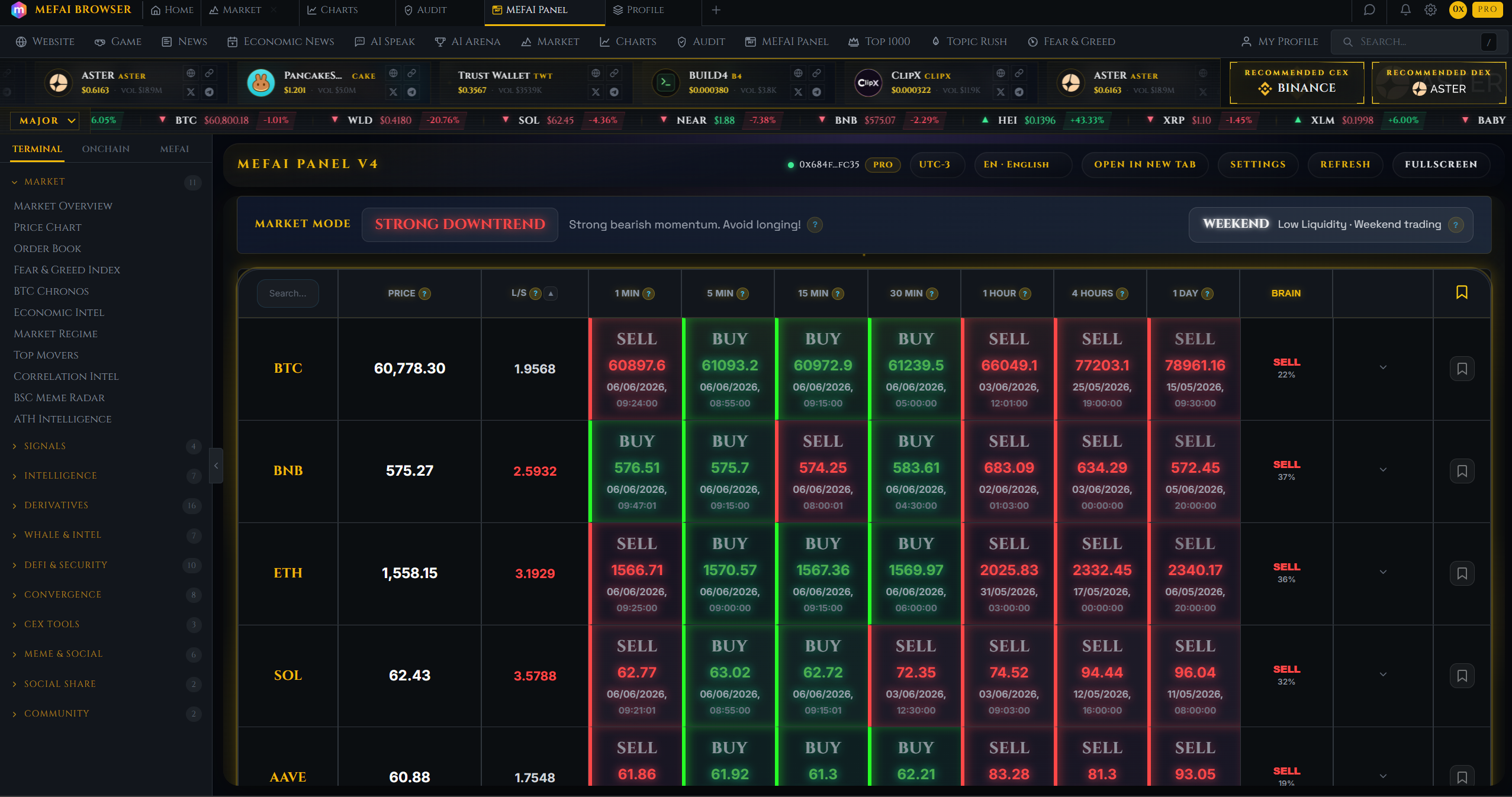
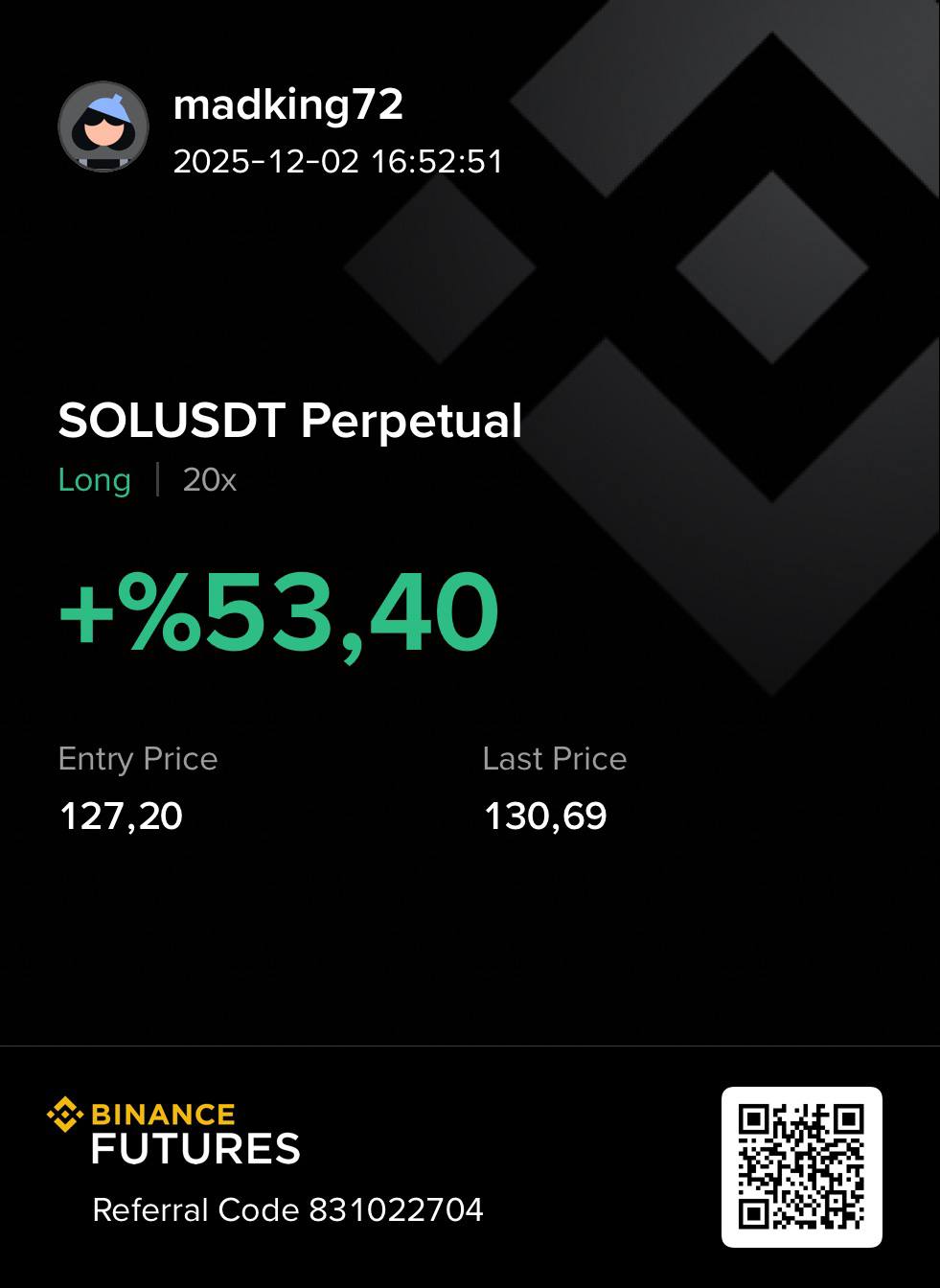
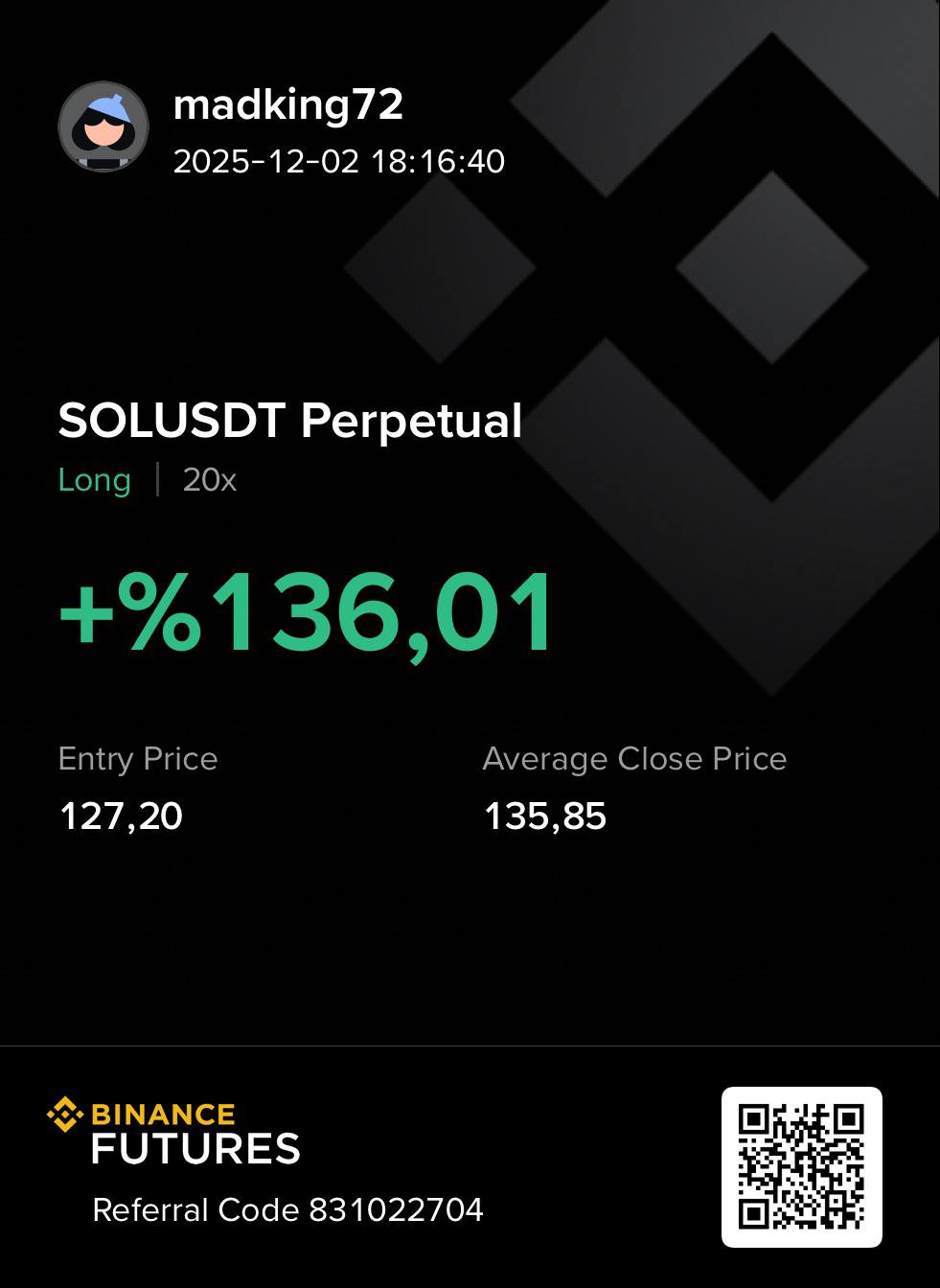
Real results from MEFAI's AI. Get $50 off the Pro plan.
Sponsored · Past performance is not indicative of future results. Not financial advice.
SecureSet Academy focuses exclusively on cybersecurity, offering both offensive and defensive tracks. In 2026, it added a cloud security specialization aligned with certifications like AWS Certified Security. The curriculum is hands-on, with virtual labs and capture-the-flag exercises. Graduates receive a voucher for a certification exam, and the school partners with MSSPs and enterprises for direct hiring pathways.
DevMountain’s DevOps bootcamp now includes Kubernetes and Terraform modules, reflecting the shift toward platform engineering roles. Students deploy production-like environments using GitOps workflows and automated rollbacks. The program emphasizes collaboration with developers and site-reliability engineers, mirroring real team dynamics. Career support includes a “DevOps showcase” where students present their projects to hiring managers.
How AI is reshaping bootcamp learning and outcomes
AI tutors and automated code reviewers are now standard in most bootcamps. These tools provide instant feedback on syntax, style, and logic, reducing the time mentors spend on routine questions. Some programs use AI to generate personalized learning paths based on a student’s prior experience and career goals. The result is a more responsive learning experience that adapts to individual needs.
AI also powers outcomes analytics. Bootcamps now track student progress against hiring rubrics, identifying gaps early and suggesting targeted interventions. Some platforms even simulate technical interviews using AI, giving students a low-pressure way to practice. While AI can’t replace human mentorship, it accelerates feedback loops and helps learners stay on track.
What employers want from bootcamp graduates in 2026
Employers increasingly expect bootcamp graduates to demonstrate production readiness. That means writing clean, tested code, using version control effectively, and participating in code reviews. It also means understanding deployment pipelines, monitoring, and incident response. Bootcamps that include these topics in their core curriculum give graduates a competitive edge.
Many employers now look for candidates who can communicate technical concepts clearly and collaborate in cross-functional teams. Bootcamps are responding by adding modules on technical writing, public speaking, and agile workflows. Some programs partner directly with employers to co-design curricula, ensuring the skills taught align with real job requirements.

How to choose the right bootcamp for you
Start by mapping your goals. If you want to switch careers quickly, prioritize immersive programs with strong outcomes guarantees and employer pipelines. If you’re a working professional, look for part-time, modular options with flexible pacing. If you’re targeting specialized roles like DevOps or cybersecurity, choose a bootcamp with a focused curriculum and relevant certifications.
Next, verify outcomes. Ask for third-party audited job-placement data, average salary bands, and employer partnership lists. Check financing options—deferred tuition, income share agreements, or employer sponsorships can significantly reduce upfront risk. Finally, test the learning experience. Many bootcamps offer free prep courses or trial modules; use these to assess the teaching style, mentorship quality, and community support before committing.
The future: what to watch next
Watch for bootcamps that integrate apprenticeship models, where students earn while they learn through paid project work with host companies. Also keep an eye on programs that partner with community colleges to offer stackable credentials—these can reduce cost and increase credit transferability. Another trend to monitor is the rise of “micro-bootcamps” focused on single skills like React or Kubernetes, which can be completed in weeks and added to a portfolio.
Finally, observe how bootcamps handle AI literacy. Programs that teach students to use AI tools responsibly—while also understanding their limitations—will stand out. The goal isn’t just to teach coding, but to prepare learners for a workplace where AI is a collaborator, not a replacement.
Bottom line
The best coding bootcamps in 2026 are those that combine structured learning with real-world relevance, transparent outcomes, and flexible delivery. Whether you choose a full-stack immersive program, a part-time track, or a specialized cybersecurity bootcamp, prioritize transparency, employer alignment, and hands-on practice. The right bootcamp will not only teach you to code, but also prepare you to ship software—and land the job.
More in Learning & Courses

What the FISA Section 702 Expiration Really Means for Surveillance and Your Data
Section 702 of FISA expires tonight, but ongoing certifications mean surveillance continues until March 2027—here’s what actually changes and why privacy advocates warn against rushing reauthorization

Free vs Paid Crypto Courses: What’s Actually Worth Paying For
Compare top free and paid crypto courses to decide when to pay for structured learning, hands-on practice, and certification versus relying on free resources.

Best Crypto Courses for Beginners: Where to Start in 2024
Learn what to look for in a crypto course and compare beginner-friendly options from Coinbase, Binance, Udemy, Coursera and more.